Car Panoramic Baby Monitor Suppliers and Manufacturers
Explore 20 verified options for Car Panoramic Baby Monitor suppliers and manufacturers in Guangdong, China. Compare response times, lead times, certifications like ISO 9001 and CE, and product specifications such as resolution and operating range to find the right fit for your needs.
Updated
Suppliers List
Shenzhen Mingchuang Zhilian Technology Co., Ltd.
- Verified by TüVRheinland
- Manufacturer, Trading Company
- Guangdong, China
- Lead time15 days
- Avg. response≤ 1h
Main productsBaby Monitors
Main marketsNorth America(50%), Western Europe(28%), Southern Europe(6%)
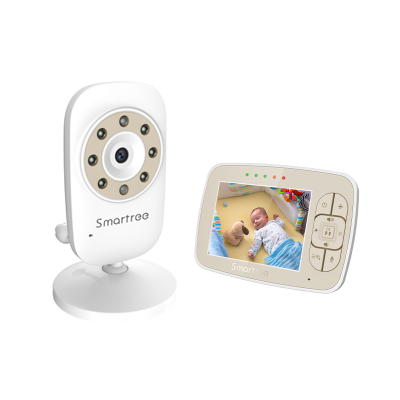
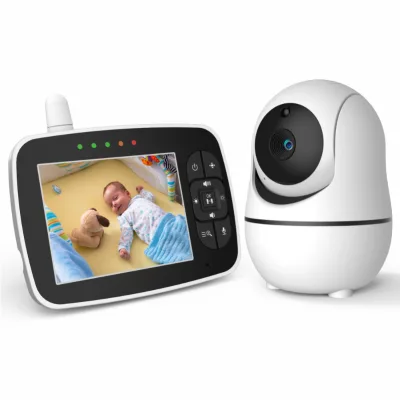
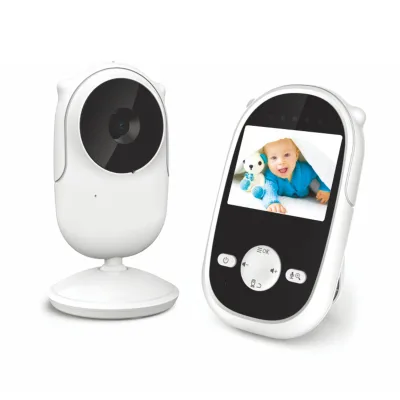
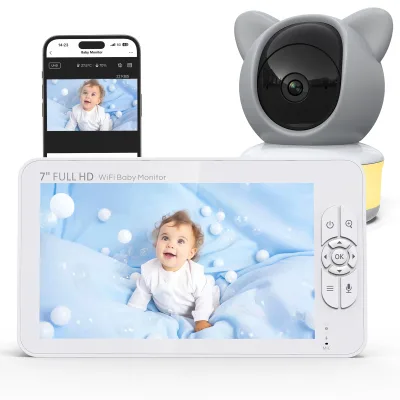
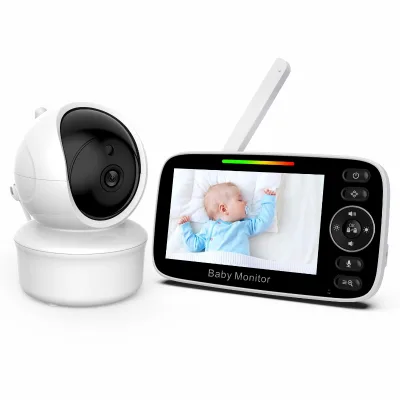
$35.7002 - $38.7881
MOQ: 20 pieces
Esunway (Shenzhen) Electronics Technology Co., Ltd.
- Manufacturer
- Guangdong, China
- Lead time3 days
- Avg. response≤ 5h
Main productsCar radio player,Android car radio player,OBD CABLE AND CONNECTOR,Car MP5 Player,Car CD/DVD Player
Main marketsSouth America(30.00%), North America(30.00%), Western Europe(10.00%), Eastern Asia(10.00%), Southeast Asia(10.00%), Eastern Europe(10.00%)

Dongguan Antaina Electronic Technology Co., Ltd
- Verified by TUVRHEINLAND
- Combined
- China Guangdong
- Lead time30 days
- Avg. response≤ 3h
Main productsVehicle Monitor, Vehicle Camera, Vehicle Parking Sensor, Vehicle Wireless Monitor, Vehicle Wireless Camera, Vehicle Ai Detection Camera, Vehicle Video Recorder, Car Monitor, Vehicle Monitor and Camera Accessories, Car Camera
Main marketsEurope
Shenzhen Ziyangxing Technology Co., Ltd.
- Manufacturer
- Guangdong, China
- Lead time15 days
- Avg. response≤ 1h
Main productscar monitor,reverse camera,LCD driver board,wireless camera system,backup camera
Main marketsNorth America(40.00%), Southeast Asia(20.00%), Domestic Market(10.00%), Mid East(10.00%), South America(5.00%), Northern Europe(5.00%), Western Europe(5.00%), Eastern Europe(5.00%)
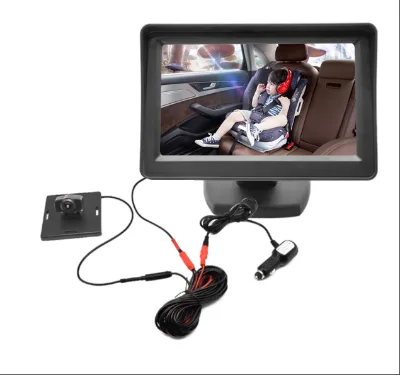
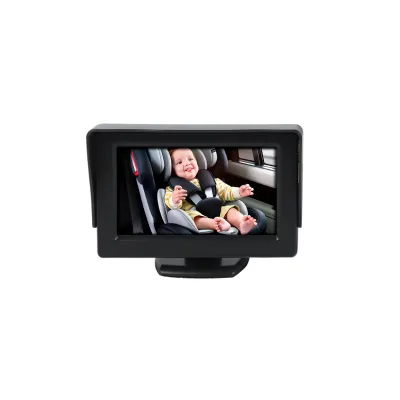
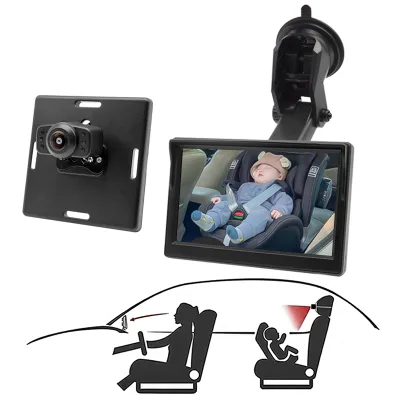
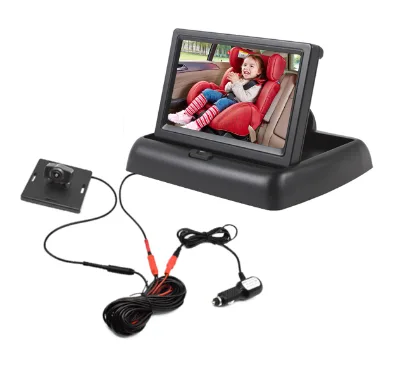
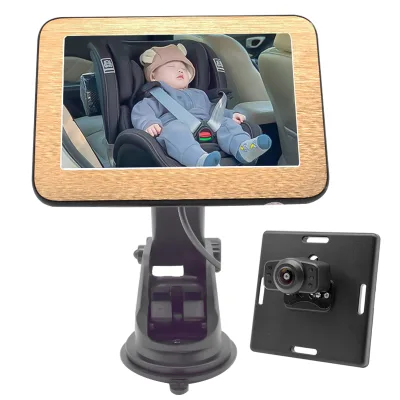
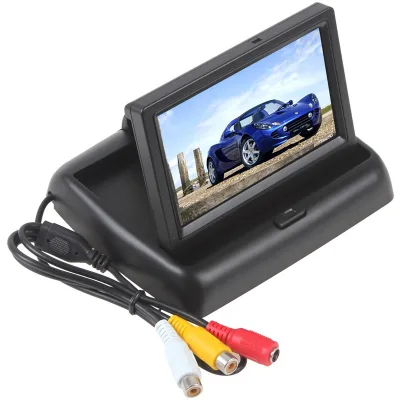
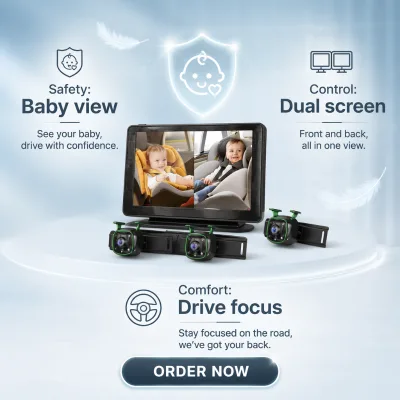
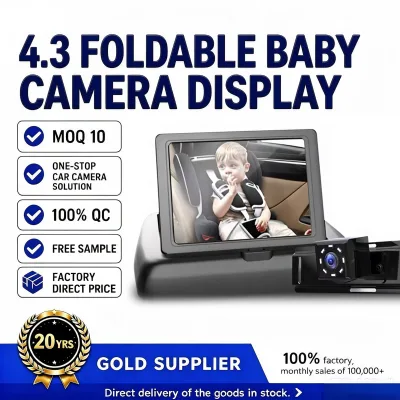
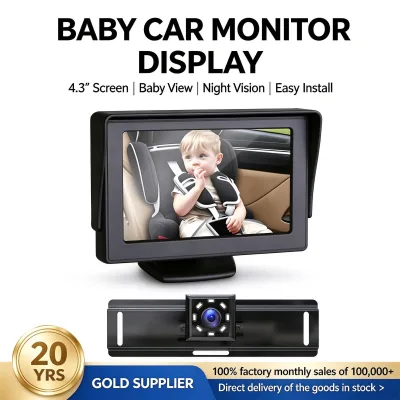
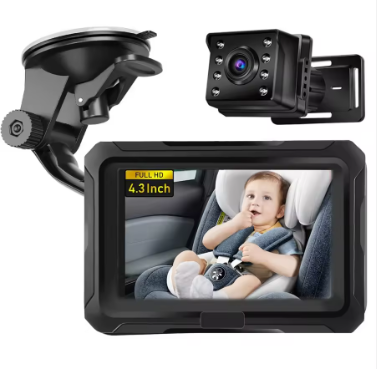
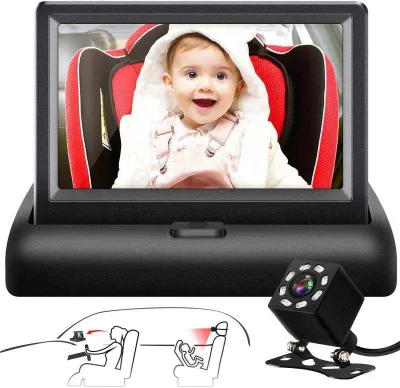
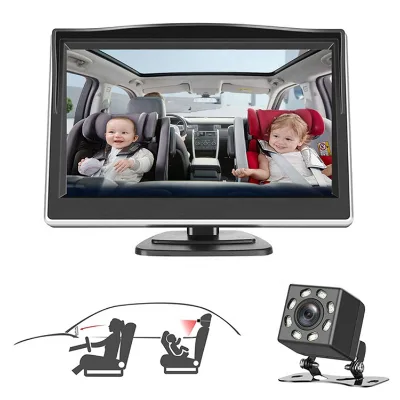
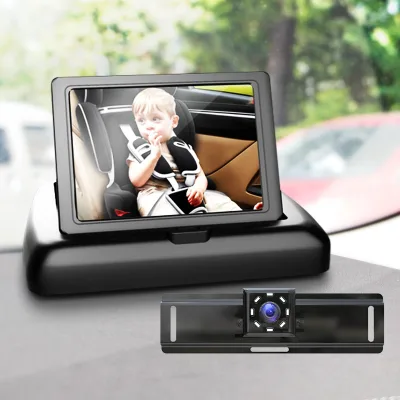
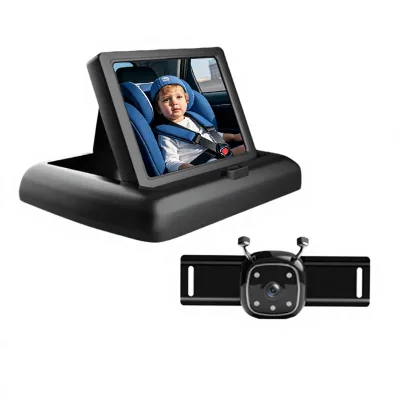
Lcd Screen Monitor 4.3 Inch Rear View Screen With Wide Clear View Camera Baby Monitor
$15.50 - $20.00
MOQ: 2 sets
Shenzhen Yipincheng Technology Co., Ltd.
- Verified by TüVRheinland
- Manufacturer, Trading Company
- Lead time5 days
- Avg. response≤ 2h
Main productsIndustrial Endoscope Camera, Digital Microscope Camera, Visual Electric Ear Cleaner, Children Educational Toys, Digital Night Vision Device
Main marketsNorth America(45%), Eastern Europe(15%), Mid East(15%)
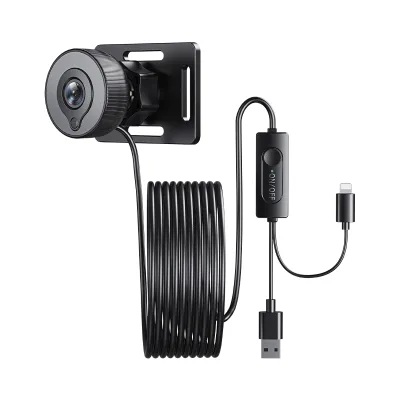
$7.7004 - $9.5486
MOQ: 1 pieces
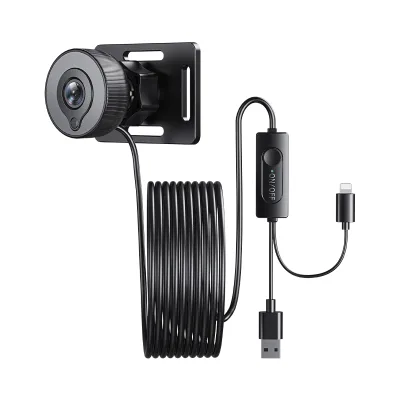
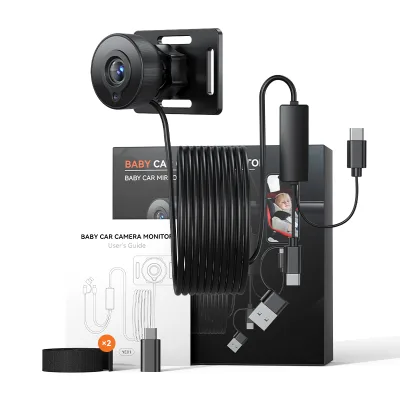
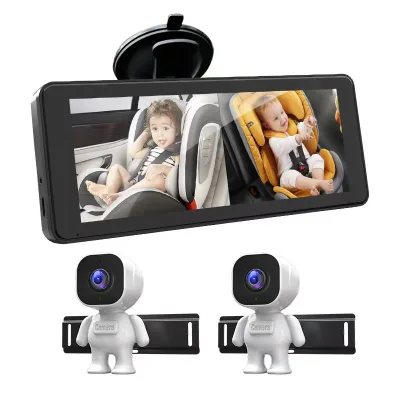
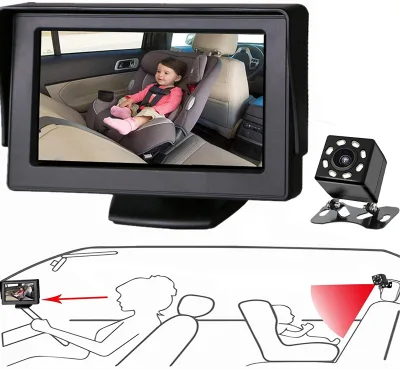
YE01 Hot Selling Security Car Vehicle Auto Seat Rear View Mirror Monitor Baby Monitoring
$7.50 - $9.30
MOQ: 1 pieces
- Manufacturer, Trading Company
- Guangdong, China
- Lead time15 days
- Avg. response≤ 11h
Main productsWired Quad Monitor; AHD Wired DVR Monitor; Wireless DVR Monitor; IP69K Waterproof Monitor; Wide View IP69K Night Vision Camera
Main marketsWestern Europe(20.00%), North America(15.00%), South America(15.00%), Eastern Asia(10.00%), Oceania(10.00%), Eastern Europe(10.00%), Southern Europe(5.00%), Northern Europe(5.00%), Mid East(5.00%), Southeast Asia(5.00%), South Asia(0.00%), Central America(0.00%), Africa(0.00%), Domestic Market(0.00%)
Shenzhen Gision Security Technology Co., Ltd.
- Manufacturer
- Guangdong, China
- Lead time0 days
- Avg. response≤ 3h
Main products4G Al Monitor System,AI Mobile DVR System,4G Dashcam,Al Wireless Camera Kit,4G Camera
Main marketsDomestic Market(50.00%), North America(12.00%), Southern Europe(12.00%), South America(10.00%), Central America(5.00%), Northern Europe(5.00%), Eastern Europe(3.00%), South Asia(1.00%), Western Europe(0.50%), Mid East(0.50%)
Shenzhen Jue Micro Technology Co.LTD
- Verified by Intertek
- Trading Company
- Lead time10 days
- Avg. response≤ 7h
Main productsBackup Camera, Baby Car Camera, Security camera, White Noise Machine, Pet Feeder
Main marketsNorth America(60%), Western Europe(10%), Oceania(10%)
Shenzhen Deyongwang Technology Co., Ltd.
- Verified by Intertek
- Manufacturer, Trading Company
- Lead time10 days
- Avg. response≤ 2h
Main productsCar Camera, Car MP5, Reversing Radar, Car Display, Tire Pressure Detection
Main marketsSouth America(90%), Southeast Asia(5%), Mid East(5%)
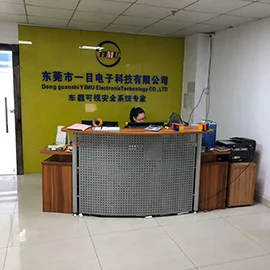
Shenzhen Luanbao Electronic Co., Ltd.
- Manufacturer, Trading Company
- Guangdong, China
- Lead time10 days
- Avg. response≤ 1h
Main productsRear View Camera for Brand Car,Universal Reverse Parking Camera,Car TFT LCD Monitor,Car Mirror Monitor,Car Parking Sensor
Main marketsDomestic Market(35.00%), Southeast Asia(13.00%), South America(10.00%), Eastern Europe(10.00%), North America(8.00%), Southern Europe(8.00%), Mid East(7.00%), Western Europe(3.00%), Africa(3.00%), Northern Europe(3.00%)
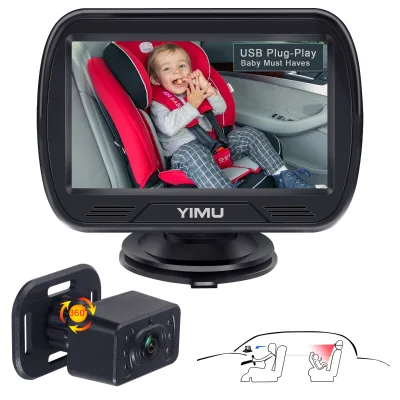
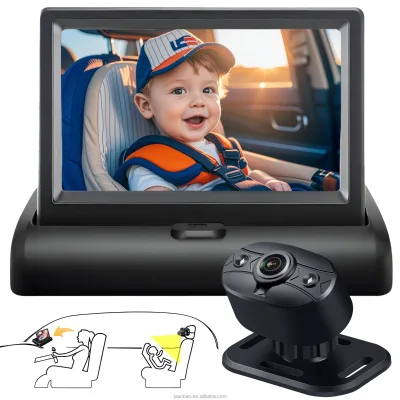
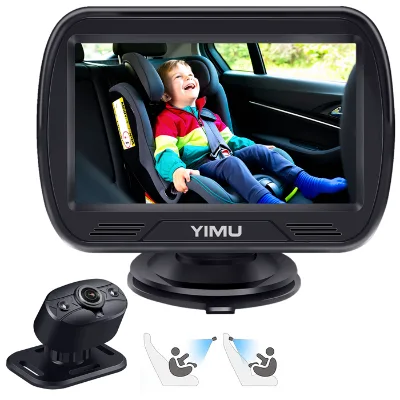
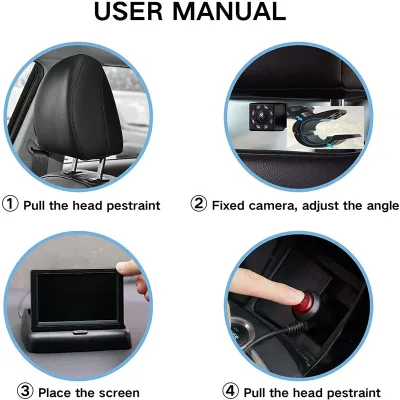
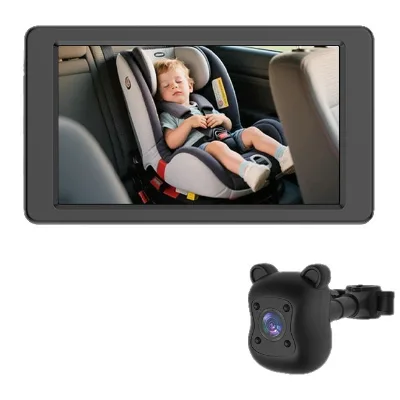
Factory 4.3inch Baby Car Seat Monitor in the Car Video Baby Monitor Camera in the Car
$14.50 - $15.00
MOQ: 10
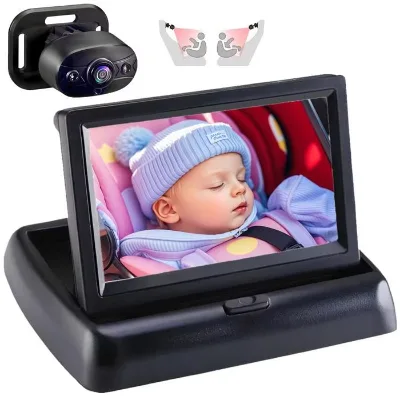
Shenzhen Kingfit Technology Co., Limited
- Verified by SGS Group
- Trading Company
- Lead time3 days
- Avg. response≤ 1h
Main productsBaby Monitors, IP Camera, Bedwetting Alarmer, Camera Holder, Baby Care Products
Main marketsEastern Europe(30%), Western Europe(30%), North America(10%)
Shenzhen IPoster Electronics Technology Co., Ltd.
- Verified by SGS Group
- Trading Company
- Lead time5 days
- Avg. response≤ 1h
Main productsCCTV Camera, Backup Camera, Car Monitor, Car DVD Player
Main marketsNorth America(30%), Oceania(20%), Western Europe(15%)
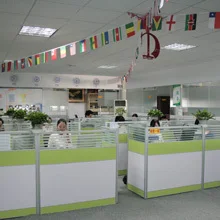
Shenzhen Dongshunjia Technology Co., Ltd.
- Manufacturer
- Guangdong, China
- Lead time10 days
- Avg. response≤ 2h
Main productsheadrest android monitor,Exteranal headrest DVD,car DVR monitor,car roof mount monitor,car camera
Main marketsSoutheast Asia(31.00%), Mid East(30.00%), South America(20.00%), Eastern Europe(15.00%), Domestic Market(4.00%)
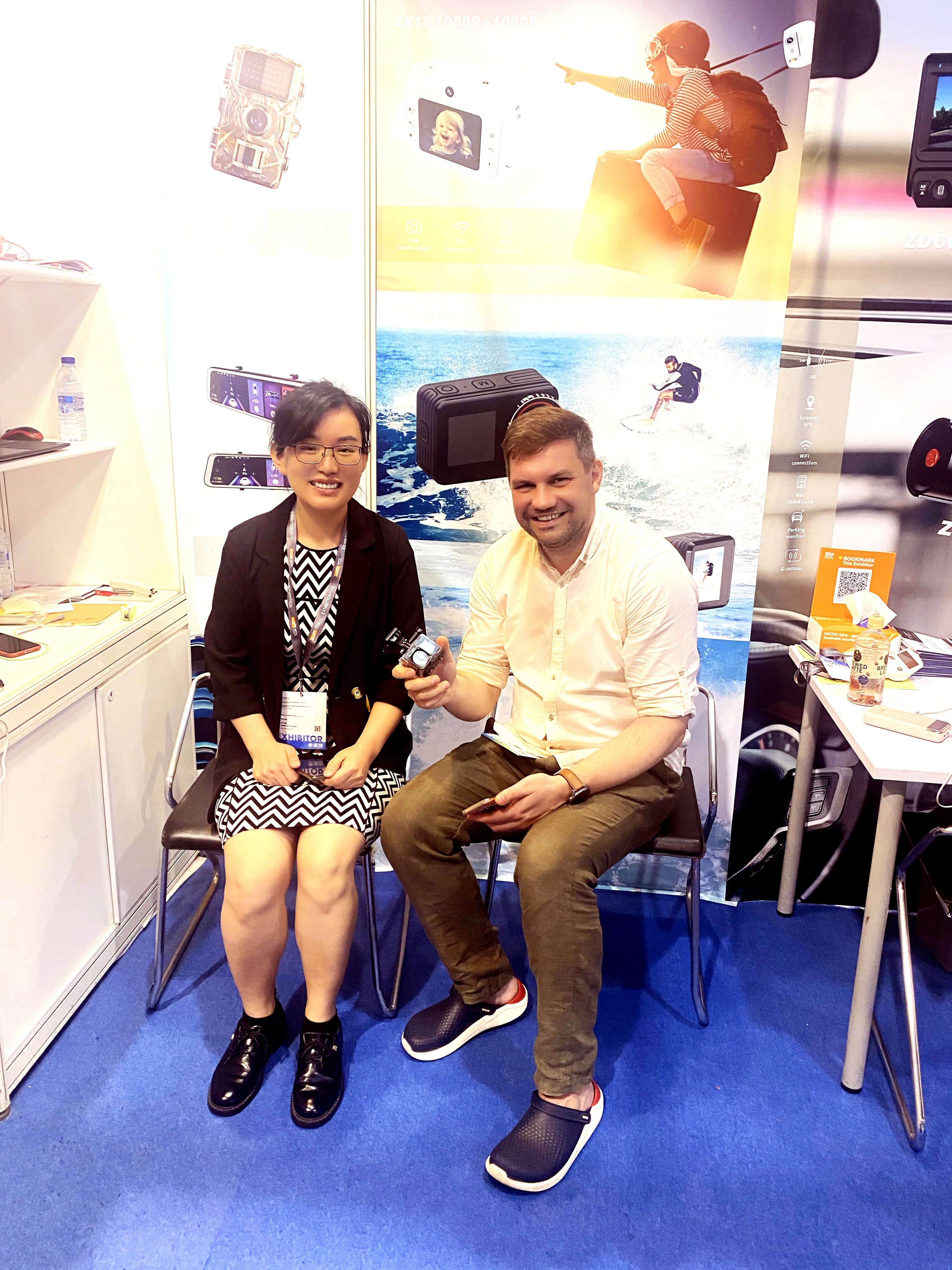
BEPO INTERNATIONAL CO., LIMITED
- Manufacturer, Trading Company
- Hong Kong S.A.R.
- Lead time15 days
- Avg. response≤ 4h
Main productsDriving Recorder,Children's camera,OBD voltage reducing line,Carplay,Car Black Box
Main marketsSouth America(25.00%), North America(15.00%), Southeast Asia(10.00%), Eastern Europe(5.00%)
Guangzhou Heimao Electronic Technology Co., Ltd.
- Manufacturer
- Guangdong, China
- Lead time7 days
- Avg. response≤ 5h
Main productsBeauty lamp,Half moon lamp,Atmosphere light,Camping lights,car camera
Main marketsNorth America(25.00%), Southern Europe(15.00%), Northern Europe(15.00%), Western Europe(15.00%), Eastern Europe(15.00%), South America(15.00%)
Shenzhen Lianxinyuan E-Commerce Co., Ltd.
- Manufacturer, Trading Company, Distributor/Wholesaler, Other
- Guangdong, China
- Lead time3 days
- Avg. response≤ 1h
Main productsTraffic tools,charger,Electronic products,integrated circuit,Solar products
Main marketsNorth America(30.00%), Northern Europe(15.00%), South America(15.00%), South Asia(10.00%), Southern Europe(10.00%), Eastern Europe(10.00%), Western Europe(10.00%)
Henan Tiantong Intelligent Technology Co., Ltd.
- Trading Company
- Guangdong, China
- Lead time0 days
- Avg. response≤ 1h
Main productsSolarCamera,Mini Camera,Pet Camera,IPcamera
Main marketsEastern Europe(30.00%), Eastern Asia(30.00%), North America(30.00%), South America(10.00%)
Shenzhen Anjoshi Technology Co., Ltd.
- Manufacturer, Agent, Distributor/Wholesaler
- Guangdong, China
- Lead time7 days
- Avg. response≤ 2h
Main productsBackup camera,Auto circuit breaker,Auto GPS tracker,Auto monitor,Auto motor charger
Main marketsNorth America(36.00%), Western Europe(20.00%), Mid East(10.00%), Eastern Europe(10.00%), South America(7.00%), Southeast Asia(5.00%), Northern Europe(4.00%), Oceania(3.00%), Southern Europe(2.00%), Africa(2.00%), Eastern Asia(1.00%)
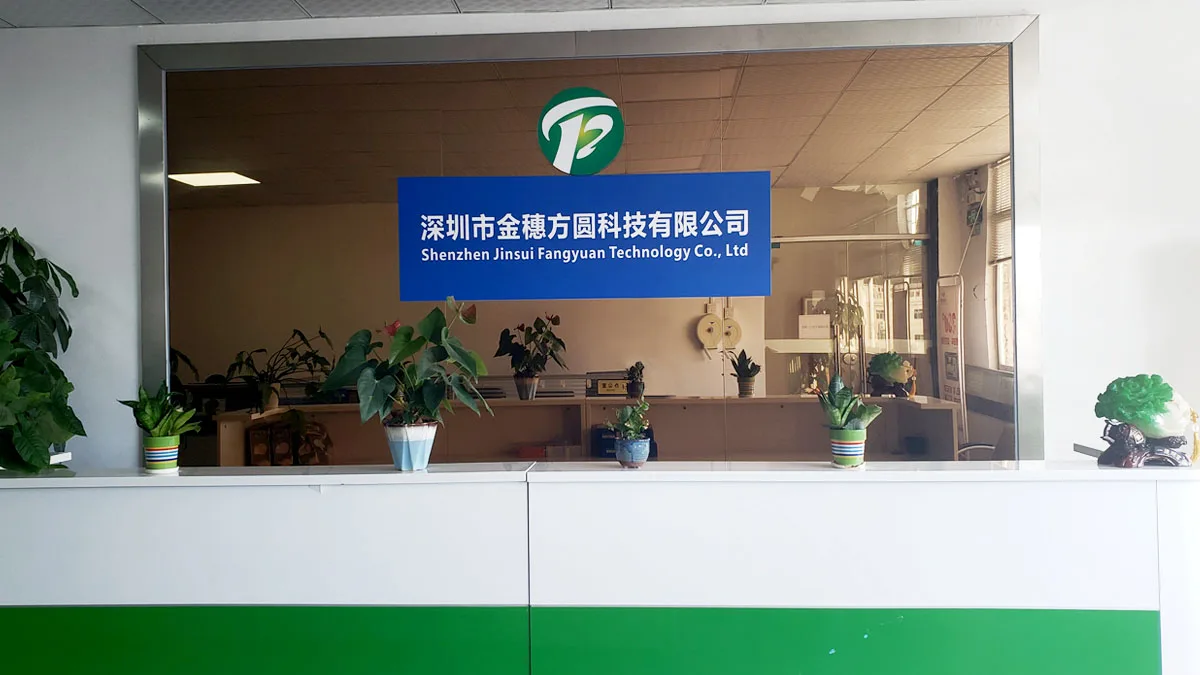
Shenzhen Jinsui Fangyuan Tenchnology Co., Ltd.
- Manufacturer, Trading Company, Distributor/Wholesaler
- Guangdong, China
- Lead time15 days
- Avg. response≤ 1h
Main productsOEM Vehicle Camera Systems,Wholesale Infrared Night Vision Car Cameras,360 Surround View Camera Solutions,Vehicle DVR Recorder Manufacturer,Automotive Monitor Display Supplier
Main marketsEastern Asia(50.00%), Southeast Asia(25.00%), North America(10.00%), Northern Europe(10.00%), Eastern Europe(5.00%)

- Verified by BV
- Manufacturer/Factory
- China Fujian
- Lead time15 days
- Avg. response≤ 25h
Main productsWater Bottle, Kitchen Ware, Shoes, Plastic Product, Bag, Toy
Main marketsSouth America,Eastern Europe,Mid East,North America,Southeast Asia,Eastern Asia,Oceania,Western Europe,Africa


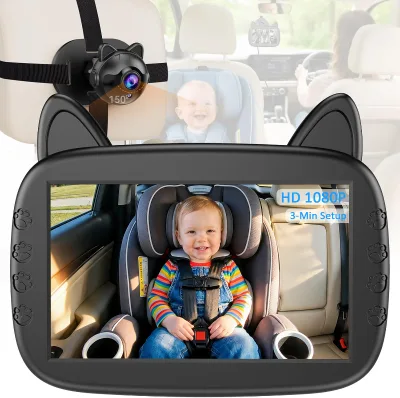
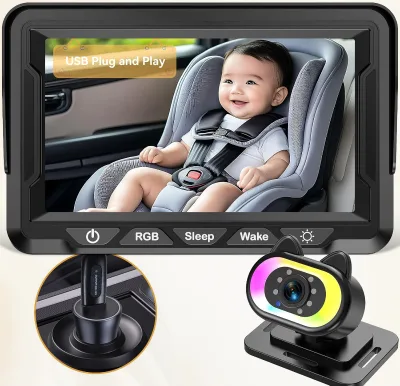
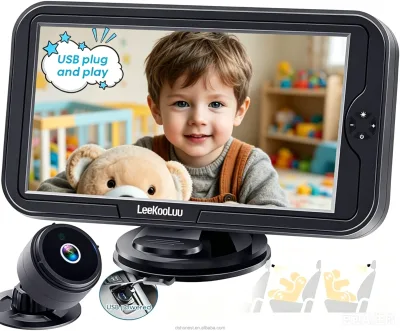

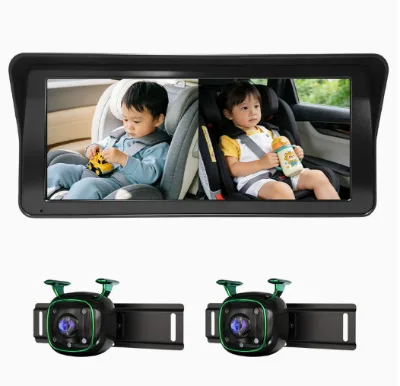
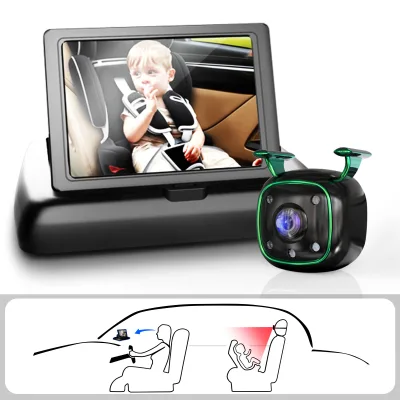
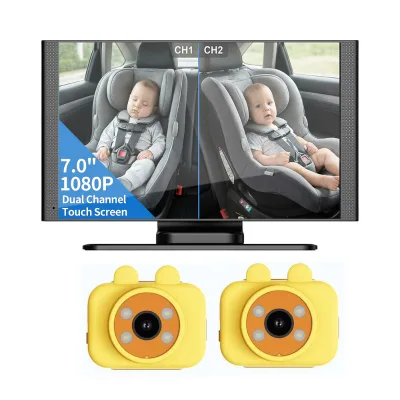
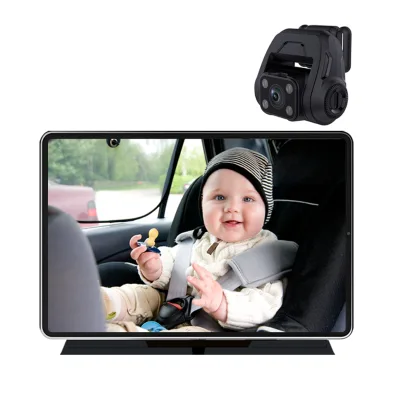
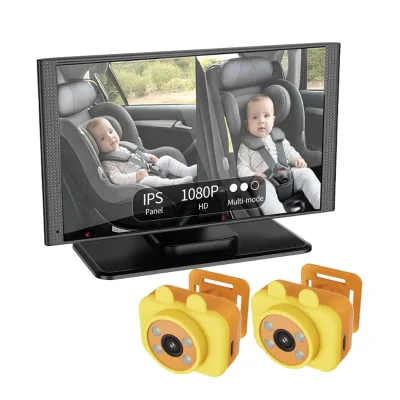
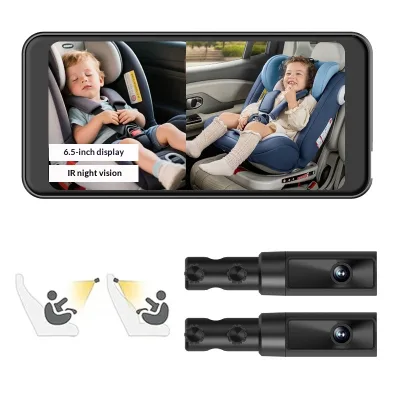
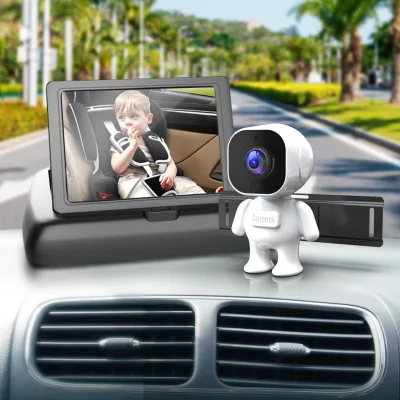


Comprehensive Sourcing Guide
Car Panoramic Baby Monitor Supplier Concentration and Factory Types
The current supplier landscape for car panoramic baby monitors reveals a distinct concentration of manufacturing and trading entities within Guangdong, China. This region serves as a critical hub for electronics assembly, offering robust supply chains for components such as CMOS sensors, wireless transmission modules, and LCD screens. Buyers evaluating potential partners will find that the majority of verified suppliers operate from this specific province, leveraging established industrial clusters to reduce logistics costs and accelerate production cycles. The presence of these suppliers in Guangdong suggests a mature ecosystem for producing digital video cameras and monitoring systems, where raw material sourcing and skilled labor are readily available. This geographic clustering allows for efficient coordination between component suppliers and final assembly lines, which is particularly important for products requiring precise calibration of night vision ranges and two-way audio intercoms.
Within this regional concentration, suppliers generally fall into two primary categories: manufacturers and trading companies. Manufacturers typically possess direct control over the production process, including sample processing, graphic processing, and customized on-demand services. These entities often highlight their capacity for OEM and ODM work, allowing buyers to tailor specifications such as operating range, battery capacity, and waterproof ratings to their specific market needs. Trading companies, on the other hand, may aggregate products from multiple factories, offering a broader catalog of variations but potentially less direct oversight over quality control. Understanding this distinction is vital for buyers, as manufacturers may offer better pricing for large volumes and more flexibility for custom engineering, while trading companies might provide faster access to diverse SKUs. The verification status of these entities, such as TÜV Rheinland certification, provides an additional layer of assurance regarding their operational legitimacy and adherence to international business standards.
How to Verify Car Panoramic Baby Monitor Suppliers
Verifying the credibility of a supplier requires a multi-layered approach that goes beyond simple profile reviews. Buyers should prioritize suppliers who hold recognized third-party verifications, such as TÜV Rheinland, which indicates that the company has undergone rigorous audits of its business operations and quality management systems. Additionally, checking for specific system certifications is crucial for ensuring product safety and compliance. Certifications such as ISO 9001 for quality management, EMC for electromagnetic compatibility, and IEC 62368 for audio/video equipment safety are strong indicators of a supplier’s technical competence. Furthermore, RoHS and CE certifications demonstrate adherence to environmental standards and European market regulations, which are often required for exporting electronic devices. These credentials are not merely decorative; they reflect the supplier’s ability to maintain consistent production quality and meet international regulatory requirements, reducing the risk of customs delays or product recalls.
Beyond certifications, buyers must assess the supplier’s responsiveness and operational transparency. A quick response time, often measured in hours, can indicate a well-staffed sales team and efficient internal communication processes. Suppliers with a response time of one day or less are generally more agile in addressing inquiries and resolving issues. Buyers should also request detailed product evidence, including high-resolution images, technical specifications, and test reports. For car panoramic baby monitors, specific attributes like imaging sensor type (e.g., 1/6.5" CMOS), resolution (e.g., 720P or 1080p), and connectivity options (e.g., 2.4GHz wireless or Bluetooth) should be verified against the supplier’s claims. It is advisable to ask for sample units to conduct independent testing of features such as night vision range, pan-tilt functionality, and audio clarity. This hands-on verification ensures that the product meets the buyer’s quality expectations before committing to a larger order.
What to Compare Across Car Panoramic Baby Monitor Suppliers
When evaluating multiple suppliers, buyers should systematically compare key operational metrics to identify the most suitable partner. Lead time is a critical factor, as it directly impacts inventory management and time-to-market. Suppliers may offer varying lead times, ranging from a few days for ready-stock items to several weeks for customized orders. Understanding these timelines helps buyers plan their procurement cycles effectively and avoid stockouts. Similarly, the minimum order quantity (MOQ) varies significantly across suppliers, with some requiring as few as twenty units for initial trials, while others may demand higher volumes for better pricing. Buyers should align their MOQ requirements with their sales forecasts and storage capabilities to optimize cash flow and reduce holding costs. Comparing these operational parameters allows buyers to balance speed, volume, and cost according to their specific business needs.
Product specifications and pricing structures are equally important dimensions for comparison. Buyers should examine the technical attributes of each product, such as operating range, battery capacity, screen size, and special features like music players or remote phone viewing. For instance, some monitors offer an operating range of up to 300 meters, while others may have shorter ranges but include additional functionalities like waterproofing or high-definition video resolution. Pricing should be analyzed in the context of these features, as higher specifications often command higher prices. Buyers should also consider the total cost of ownership, including shipping, tariffs, and potential warranty claims. By creating a comparison matrix that includes lead time, MOQ, response time, product features, and price, buyers can make data-driven decisions that maximize value and minimize risk. This structured approach ensures that all relevant factors are considered, leading to more informed and successful supplier selections.
Common Car Panoramic Baby Monitor Sourcing Risks
One of the primary risks in sourcing car panoramic baby monitors is the discrepancy between advertised specifications and actual product performance. Suppliers may exaggerate key attributes such as video resolution, night vision range, or battery life to attract buyers. For example, a product advertised as having 1080p resolution might actually deliver lower quality images in real-world conditions. Buyers must be vigilant in verifying these claims through independent testing or by requesting detailed technical documentation. Another significant risk is the variability in build quality and durability. Products intended for automotive use must withstand vibrations, temperature fluctuations, and potential physical impacts. If a supplier does not adhere to strict quality control standards, the monitors may fail prematurely, leading to customer complaints and returns. Ensuring that the supplier has robust quality assurance processes in place is essential to mitigate this risk.
Intellectual property and compliance risks also pose challenges in this category. Buyers must ensure that the products they source do not infringe on existing patents or trademarks, particularly regarding unique design features or proprietary technologies. Additionally, compliance with regional safety and environmental regulations is mandatory. Failure to meet these standards can result in legal liabilities and market access restrictions. Buyers should verify that the supplier has obtained all necessary certifications, such as CE, RoHS, and FCC, and that these certifications are valid and up-to-date. Another risk is the potential for supply chain disruptions, which can be caused by raw material shortages, labor strikes, or logistical bottlenecks. Diversifying suppliers and maintaining open communication with partners can help mitigate these risks. By proactively identifying and addressing these potential pitfalls, buyers can protect their business interests and ensure a smooth sourcing process.
Car Panoramic Baby Monitor Regional Sourcing and Logistics
Sourcing from Guangdong, China, offers significant logistical advantages due to its well-developed infrastructure and proximity to major shipping ports. The region’s extensive network of manufacturers and suppliers facilitates efficient coordination and reduces lead times for production and delivery. Buyers should consider the impact of logistics costs on the total landed cost of their products. Shipping methods, such as sea freight or air freight, will vary based on order volume and urgency. Sea freight is generally more cost-effective for large orders, while air freight is suitable for smaller, time-sensitive shipments. Buyers should also factor in customs clearance procedures and import duties, which can vary by destination country. Working with experienced freight forwarders can help navigate these complexities and ensure timely delivery. Understanding the logistical landscape is crucial for optimizing supply chain efficiency and reducing overall costs.
Packaging and handling requirements are also important considerations for regional sourcing. Products must be packaged securely to prevent damage during transit, especially for electronic devices with delicate components like LCD screens and sensors. Suppliers should provide detailed packaging specifications, including dimensions, weight, and material requirements. Buyers should verify that the packaging meets international shipping standards and includes necessary labeling for customs clearance. Additionally, buyers should consider the environmental impact of packaging materials and explore sustainable options if required by their market. Efficient logistics planning involves not only selecting the right shipping method but also optimizing inventory levels and distribution strategies. By aligning sourcing decisions with logistical capabilities, buyers can enhance supply chain resilience and improve customer satisfaction. This holistic approach ensures that products reach the market in optimal condition and on time.
Car Panoramic Baby Monitor Commercial Terms and Order Planning
Commercial terms play a pivotal role in shaping the financial dynamics of a sourcing relationship. Buyers should carefully review payment terms, such as advance payments, letters of credit, or escrow services, to ensure secure transactions. Escrow services can provide an additional layer of protection by holding funds until the buyer confirms receipt and quality of the goods. Pricing structures should be negotiated based on order volume, with discounts often available for larger quantities. Buyers should also consider the impact of currency fluctuations on pricing and explore hedging strategies if necessary. Clear communication regarding price inclusions, such as packaging, shipping, and taxes, is essential to avoid unexpected costs. By establishing transparent commercial terms, buyers can build trust with suppliers and foster long-term partnerships. This financial clarity is crucial for accurate budgeting and profit margin calculation.
Order planning requires a strategic approach to balance supply and demand effectively. Buyers should develop a procurement schedule that aligns with production lead times and market demand forecasts. Regular communication with suppliers regarding order status and potential delays is essential for maintaining supply chain continuity. Buyers should also plan for contingencies, such as backup suppliers or safety stock, to mitigate the risk of disruptions. Additionally, buyers should consider the lifecycle of the product and plan for future iterations or upgrades. By integrating commercial terms with operational planning, buyers can optimize their sourcing strategy and achieve greater efficiency. This comprehensive approach ensures that the procurement process supports business growth and customer satisfaction. Effective order planning is a key driver of success in the competitive electronics market.
FAQs
What is the price range for car panoramic baby monitors?
Prices for these monitors typically range from $26.80 to $62.80 per unit. The cost varies based on features like resolution, screen size, and waterproof ratings. Buyers can find budget-friendly options starting around $26.80 or premium models with high-definition displays costing up to $62.80.
What certifications do these baby monitors have?
Manufacturers often hold ISO 9001, EMC, IEC 62368, RoHS, and CE certifications. Some suppliers also comply with 2001/95/EC and 2014/29/EU standards. These certifications ensure the products meet international safety and quality requirements for electronic devices used in vehicles.
How long does it take to produce an order?
Lead times generally range from 3 to 15 days depending on the supplier and order volume. Some manufacturers offer faster turnaround times of just 3 days, while others may require up to 15 days for production. Buyers should confirm specific timelines with their chosen supplier before placing orders.
What is the minimum order quantity for these monitors?
The minimum order quantity is typically set at 20 units. This MOQ allows buyers to test the market or fulfill small-scale distribution needs. Larger orders may qualify for better pricing tiers, so buyers should inquire about volume discounts when negotiating with suppliers.
Where are these baby monitors manufactured?
These products are primarily manufactured in Guangdong, China. This region is known for its robust electronics manufacturing infrastructure. Buyers sourcing from this location can expect access to a wide variety of models with different features and price points.
What video resolution options are available?
Available resolutions include 720P, 1280x720, and 1920x1080p Full HD. Higher resolution models offer clearer images for better monitoring. Buyers should select the resolution that best fits their needs, considering factors like screen size and storage requirements for optimal performance.