Vintage Embossed Reed Diffuser Bottle Suppliers and Manufacturers
Explore 28 suppliers offering Vintage Embossed Reed Diffuser Bottle options with varying lead times, response speeds, and locations in Jiangsu or Shandong. Compare pricing, certifications, and customization capabilities to select the right partner for your needs; review the available evidence before requesting comparable quotations from suitable candidates.
Updated
Suppliers List
Xuzhou Huajing Glass Products Co., Ltd.
- Trading Company
- Jiangsu, China
- Lead time20 days
- Avg. response≤ 7h
Main productsglass bottle,Glass Jar,cosmetic glass jar,borosilicate glass bottle,glass cup
Main marketsNorth America(15.00%), Eastern Asia(10.00%), Mid East(10.00%), Africa(10.00%), Southeast Asia(10.00%), Eastern Europe(10.00%), Central America(10.00%), South Asia(5.00%), Southern Europe(5.00%), Northern Europe(5.00%), South America(5.00%), Western Europe(5.00%)

Qingdao E-Pack Material Co., Ltd
- Verified by BV
- Trading Company,Manufacturer/Factory
- China Shandong
- Lead time23 days
- Avg. response≤ 3h
Main productsGlass Bottle, Glass Jar, Plastic Cap, Pipette Cap, Tubular Glass Vial, Ampoule, Glass Vial, Plastic Bottle, Empty Wine Bottle, Rubber Stopper
Main marketsSouth America,Eastern Europe,Mid East,North America,Southeast Asia,Eastern Asia,Oceania,Western Europe,Africa

M&S Packing Industry Co., Ltd.
- Verified by SGS
- Trading Company
- China Jiangsu
- Lead time30 days
- Avg. response≤ 5h
Main productsPet Bottle, Trigger Sprayer, Aluminum Bottle, Deodorant Container, Dropper Bottle
Main marketsSouth America,Southeast Asia/ Mideast,Europe,Australia,North America
Shanxi Delight Houseware Co., Ltd.
- Verified by Intertek
- Trading Company
- Lead time30 days
- Avg. response≤ 4h
Main productsGlass Drinkware, Glass Plate and Bowl, Glass Candle Holder, Glass Decanter
Main marketsNorth America(20%), Mid East(15%), South America(10%)
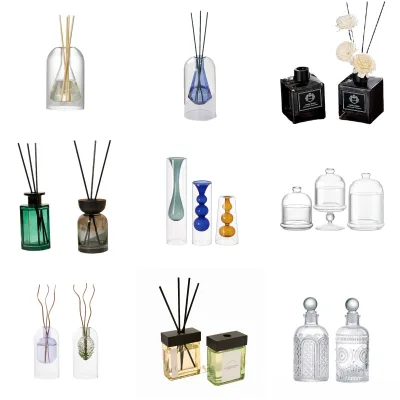
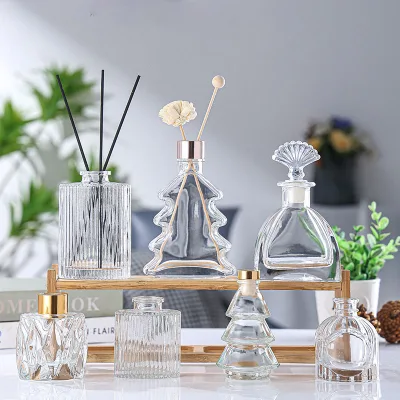
Wholesale 100ml Crreative Clear Glass Empty Car Reed Diffuser Reed Diffuser Bottle Elegant
$0.3088 - $0.5651
MOQ: 100 pieces
Hebei Kuaixun Import And Export Trade Co., Ltd.
- Verified by SGS Group
- Trading Company
- Lead time15 days
- Avg. response≤ 1h
Main productsGlass Bottle, Plastic Jar, Plastic Bottle, Glass Jars, Candle jars
Main marketsNorth America(40%), Oceania(20%), Western Europe(20%)

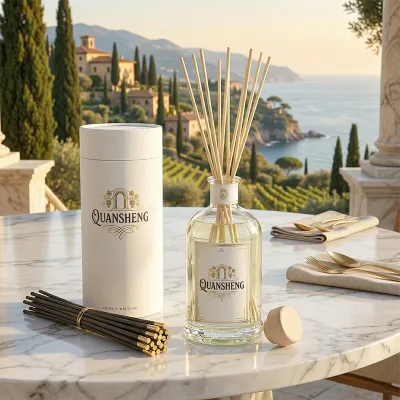
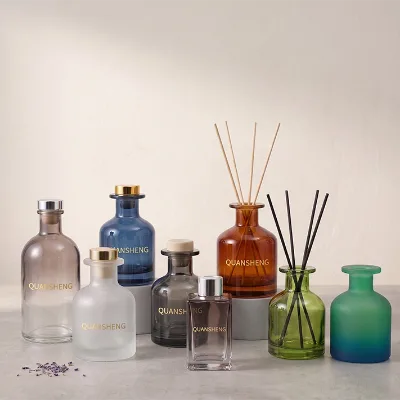
Guangxi Bobai Quansheng Household Products Co., Ltd.
- Verified by TUVRHEINLAND
- Combined
- China Guangxi
- Lead time15 days
- Avg. response≤ 5h
Main productsReed Diffuser Sticks, Reed Diffuser Set, Rattan Sticks
Main marketsEurope


$0.39 - $0.49
MOQ: 200 Pieces

Wholesale Reed Luxury Glass Diffuser Bottle Hot Sale Round Reed Diffuser Bottle
$0.35 - $0.40
MOQ: 200 Pieces

Diffuser Glass Jar Reed Diffuser Accessories Bottle Luxury Decorative Glass Bottle for Home Scents
$0.35 - $0.46
MOQ: 200 Pieces
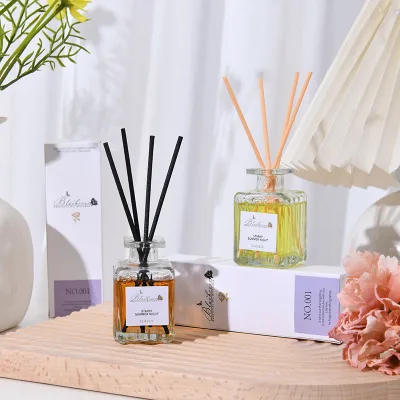
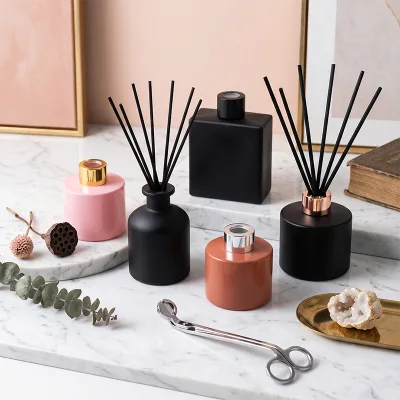
Guangxi Jinxing Household Products Co., Ltd.
- Verified by TüVRheinland
- Manufacturer, Trading Company
- Lead time15 days
- Avg. response≤ 2h
Main productsReed Diffuser, Air Fresheners, Rattan Sticks, Fiber Diffuser Sticks, Scented Candles
Main marketsNorth America(25%), Western Europe(24%), Oceania(12%)
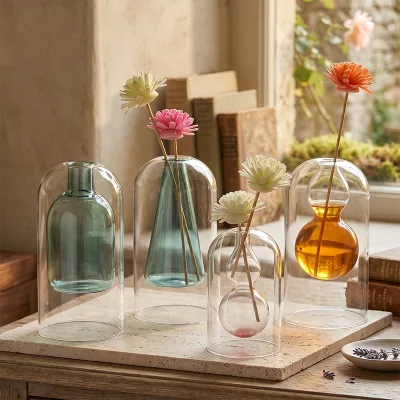
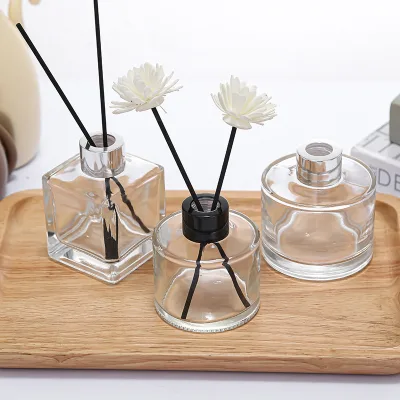
$0.2968 - $0.4002
MOQ: 500 pieces

Xuzhou Youchum International Trade Co., Ltd.
- Verified by SGS
- Trading Company
- China Jiangsu
- Lead time15 days
- Avg. response≤ 7h
Main productsGlass Bottle, Cosmetic Packaging, Household, Liquor Packagin, Food Packaging, Cartons, Cardboard Box, Essential Oil Packaging
Main marketsEurope

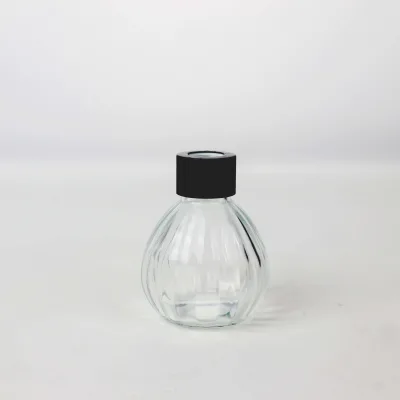
Classic Round Glass Bottle Vertical Stripe Home Decorative Fragrance Reed Diffuser Bottle
$0.24 - $0.36
MOQ: 500 Pieces


Glass Diffuser Bottle Amber Round Glass Aromatherapy Reed Scented Bottles
$0.19 - $0.22
MOQ: 3000 Pieces

Good Quality Luxury Round Amber Diffuser Bottle Reed Diffuser Empty Bottle
$0.20 - $0.26
MOQ: 500 Pieces

Wholesale Flat Creative Luxury Round Glass Reed Diffuser Fragrance Diffuser Bottle
$0.20 - $0.34
MOQ: 500 Pieces

Glass Reed Diffuser Bottle Vertical Stripe Fragrance Round Aroma Essential Oil Bottles
$0.25 - $0.36
MOQ: 1000 Pieces

Zibo Melory Import & Export Trade Co., Ltd.
- Trading Company,Manufacturer/Factory
- China Shandong
- Lead time45 days
- Avg. response≤ 19h
Main productsGlass Candle Holder, Glass Jar, Glass Votive, Glass Diffuser, Glass Bottle, Glass Vase, Matches, Ceramic Candle Holder, Ceramic Holder for Incense, Glass Candle Jar
Main marketsSouth America,Eastern Europe,North America,Western Europe


160ml Ridged Glass Aroma Bottles Diffusers/Perfume Bottle for Home Decor
$0.30 - $0.50
MOQ: 3000 Pieces
Shenzhen Bright Glassware Co., Ltd.
- Verified by TüVRheinland
- Manufacturer, Trading Company
- Lead time30 days
- Avg. response≤ 2h
Main productsCandle Jar, Storage Jar, Diffuser Bottle, Candle Accessories, Paper Box
Main marketsNorth America(37%), Western Europe(14%), Northern Europe(13%)
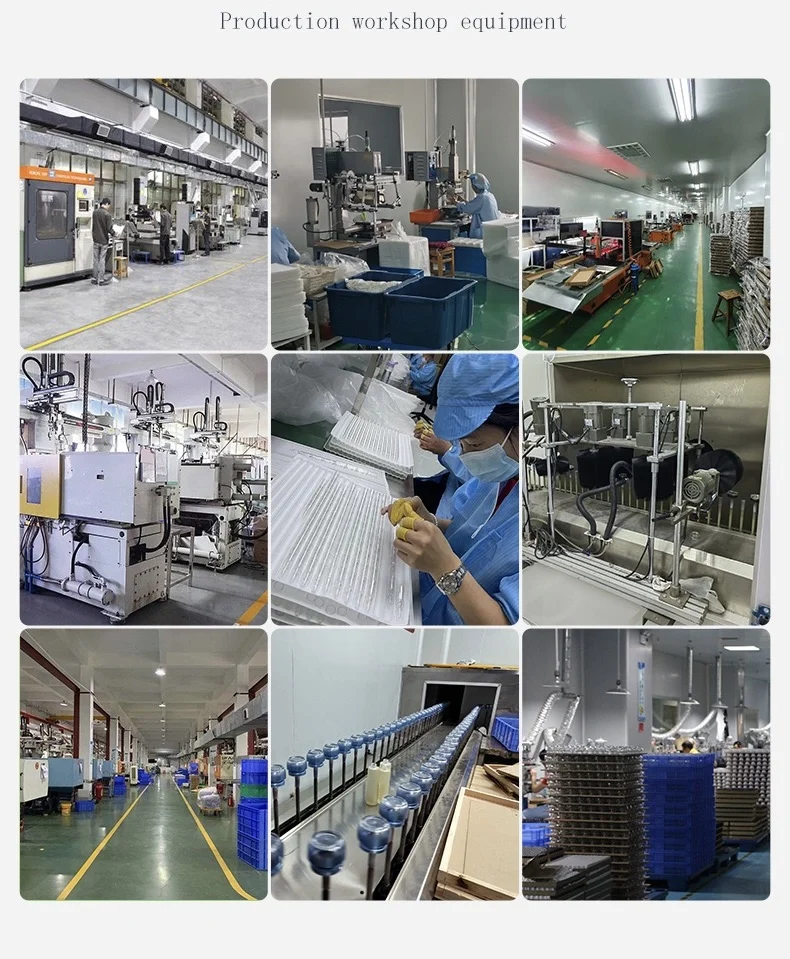
Hebei Lingka Trading Co., Ltd.
- Trading Company
- Hebei, China
- Lead time10 days
- Avg. response≤ 3h
Main productsPET Preform,Plastic Bottle,Glass Bottle,Cosmetic Jar,Aluminum Cans
Main marketsSouth America(20.00%), North America(20.00%), Eastern Asia(10.00%), Eastern Europe(10.00%), Central America(8.00%), Western Europe(6.00%), Africa(5.00%), Oceania(5.00%), Southeast Asia(5.00%), Mid East(5.00%), Northern Europe(3.00%), Southern Europe(2.00%), South Asia(1.00%)

Xuzhou Huajing Glass Products Co., Ltd.
- Verified by BV
- Combined
- China Jiangsu
- Lead time23 days
- Avg. response≤ 8h
Main productsGlass Bottle, Glass Jar, Water Bottle, Perfume Bottle, Mason Jars, Candle Jar, Plastic Bottles, Lids Bottle Caps Closures, Wine Bottle, Juice Bottle
Main marketsSouth America,Africa,Southeast Asia/ Mideast,East Asia(Japan/ South Korea),Domestic,Europe,Australia,North America


$0.20 - $0.45
MOQ: 2000 Pieces



Suzhou Dajiatong International Trade Co., Ltd.
- Trading Company
- Jiang Su, China
- Lead time35 days
- Avg. response≤ 3h
Main productsglassware,ceramic mug,whiskey glass,glass water bottle,glassjar
Main marketsNorth America(40.00%), Western Europe(26.00%), South America(5.00%), Northern Europe(5.00%), Southeast Asia(5.00%), Eastern Europe(5.00%), Southern Europe(4.00%), Central America(2.00%), Domestic Market(2.00%), South Asia(2.00%), Oceania(1.00%), Eastern Asia(1.00%), Mid East(1.00%), Africa(1.00%)
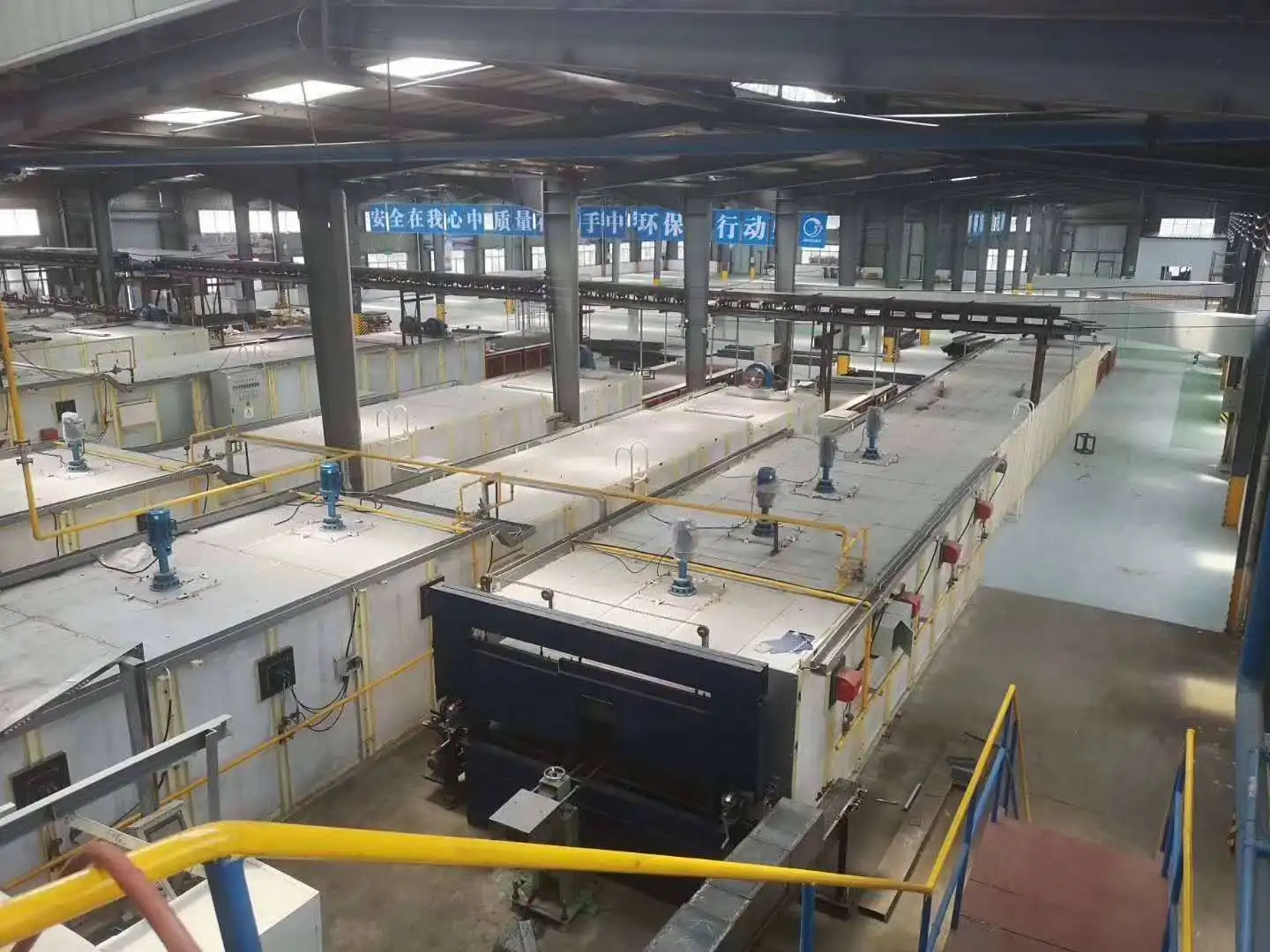
Jiangsu Shangge Glass Co., Ltd.
- Trading Company
- Jiangsu, China
- Lead time35 days
- Avg. response≤ 1h
Main productsReed Diffuser Glass Bottle,Candle Glass Jar,Perfume Glass Bottle,Essential Oil Glass Bottle,Fiber Stick
Main marketsWestern Europe(40.00%), North America(32.00%), Mid East(20.00%), Southeast Asia(8.00%)
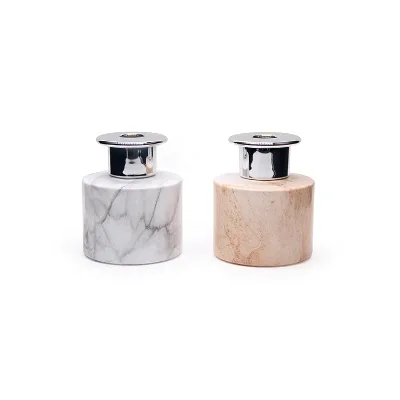
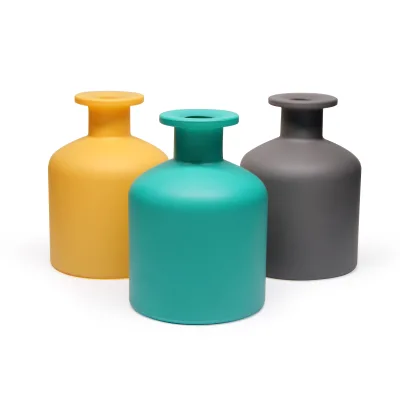
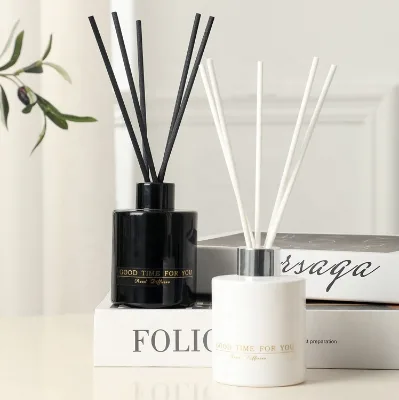
High Quality Elegant Round Shiny Black and White 150ml Empty Perfume Reed Diffuser Bottle
$0.3628
MOQ: 10000 Minimum

Xuzhou Yanjia Glassware Co., Ltd.
- Verified by BV
- Trading Company,Manufacturer/Factory
- China Jiangsu
- Lead time0 days
- Avg. response≤ 5h
Main productsGlass Bottle, Glass Jar, Honey Jar, Wine Bottle, Jam Jar, Juice Bottle, Glass Candle Jar, Tin Lid, Bottle Cap, Perfume Bottle

Refillable Fragrance Glass Diffuser Bottles Round 100ml 120ml Aroma Reed Diffuser Bottles
$0.32 - $0.55
MOQ: 1000 Pieces

Glass Aromatherapy Fragrance Bottle Custom Empty Aroma Reed Diffuser Bottles
$0.43 - $0.67
MOQ: 5000 Pieces

100ml 120ml 180ml 200ml Unique Glass Bottle Aroma Luxury Reed Diffuser Bottles
$0.48 - $0.62
MOQ: 1000 Pieces

$0.38 - $0.55
MOQ: 1000 Pieces

Xuzhou Focus Glass Products Co., Ltd.
- Manufacturer, Trading Company
- Jiangsu, China
- Lead time7 days
- Avg. response≤ 2h
Main productsReed Diffuser Bottles, Glass Jars, Perfume Bottles, Candle Jars, Essential Oil Bottles
Main marketsNorth America(36.00%), Southeast Asia(20.00%), South Asia(5.00%), Eastern Asia(5.00%), South America(5.00%), Oceania(5.00%), Western Europe(5.00%), Southern Europe(5.00%), Northern Europe(5.00%), Africa(5.00%), Central America(1.00%), Eastern Europe(1.00%), Domestic Market(1.00%), Mid East(1.00%)
- Verified by TüVRheinland
- Manufacturer, Trading Company
- Lead time20 days
- Avg. response≤ 2h
Main productsDiffuser, Scented Sachet, Desiccant Bag, Car Scent, Body Perfume
Main marketsEastern Asia(35%), Domestic Market(24%), South America(8%)
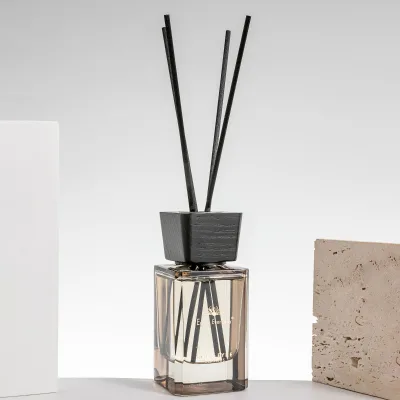
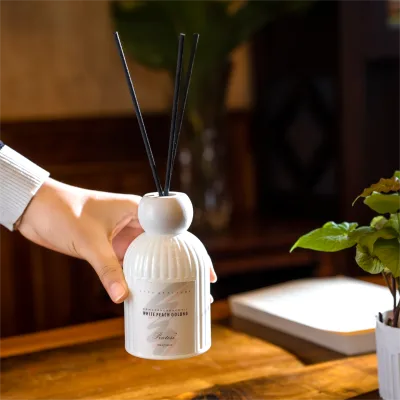
Customize Cylinder Reed Diffuser Bottle Wholesale Price 200ml White Aroma Diffuse Reed Diffuser
$2.0251 - $3.4567
MOQ: 24 pieces
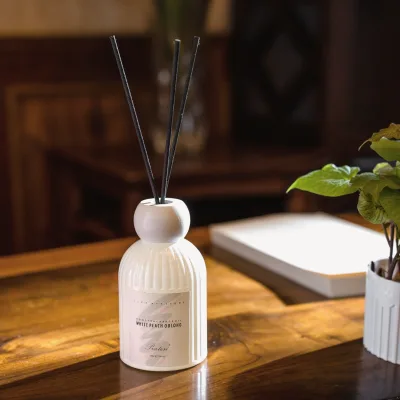
$2.0251 - $3.4567
MOQ: 24 pieces

Shenzhen Bright Glassware Co., Ltd.
- Verified by SGS
- Trading Company
- China Guangdong
- Lead time30 days
- Avg. response≤ 5h
Main productsGlassware, Candle Jar, Glass Candle Holder, Reed Diffuser Bottle, Glass Perfume Bottle, Drinkware, Food Storage Jar, Candle Lid, Packaging Gift Box

$0.45 - $0.68
MOQ: 1000 Pieces


New Luxury and Unique Glass Reed Diffuser Bottle 80ml 100ml 130ml Round Empty Brown Diffuser Bottle
$0.40 - $0.60
MOQ: 500 Pieces


Outstanding Design & Manufacture Co., Ltd.
- Verified by BV
- Combined
- China Shanghai
- Lead time30 days
- Avg. response≤ 14h
Main productsScented Candle, Reed Diffuser, Car Air Freshener, Aroma Diffuser, Incense Gift Set, Scented Sachet, Oil Burner, Fragrance Oil, Essential Oil, Fragrance Lamp
Main marketsEurope,Australia,North America

Luxury Difuser Bottle 50ml 100ml 200ml Clear Reed Glass Diffuser Bottles Room Reed Diffuser
$1.99 - $3.99
MOQ: 100 Pieces


High Quality Empty Aromatherapy Reed Fragrance Glass Diffuser Bottle with Stopper
$2.70 - $3.40
MOQ: 1000 Pieces

Hangzhou Fubei Technology Co., Limited.
- Trading Company
- Zhejiang, China
- Lead time0 days
- Avg. response≤ 2h
Main productsScented Candle,Room Spray,Reed Diffuser,Ceramic Jar,Essential Oil
Main marketsNorth America(30.00%), Western Europe(20.00%), Northern Europe(12.00%), Mid East(10.00%), Central America(10.00%), South America(8.00%), Southeast Asia(5.00%), Africa(5.00%)
Shenzhen Ruixin Glassware Co., Ltd.
- Manufacturer, Trading Company
- Lead time旺季: "1 - 2000":30,"2001 - 10000":35,"10001 - 30000":45,"> 30000":"To be negotiated", 淡季: "1 - 2000":30,"2001 - 10000":35,"10001 - 30000":45,"> 30000":"To be negotiated"
- Avg. response≤ 4h
Main productsGlass Cup, Wine & Beer Glass, Double Wall Glass Cup, Glass Diffuser Bottle, Glass Candle Holder
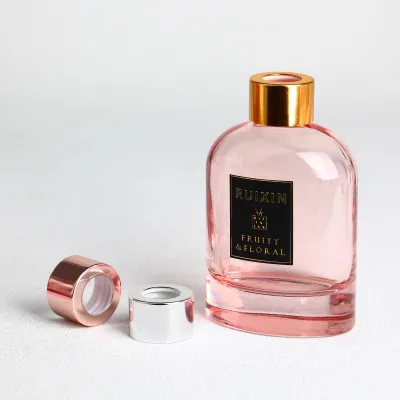
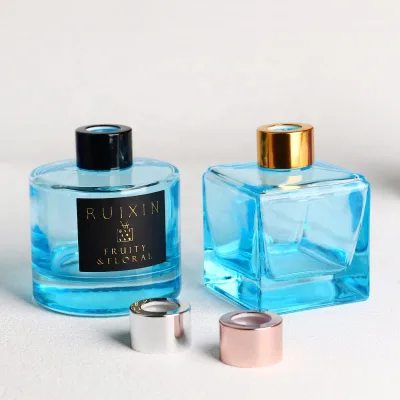
Home Decor Diffuser Glass Bottle 100ML Aroma Flat Reed Diffuser Bottle With Cap
$0.60 - $1.30
MOQ: 2000

Dongguan Ylam Candles Co., Ltd.
- Manufacturer, Trading Company
- Guangdong, China
- Lead time20 days
- Avg. response≤ 2h
Main productsCandle, Candle Gifts, LED Candle, Scented Candle, Soybean Wax Scented Candle
Main marketsNorth America(40.00%), Western Europe(30.00%), South America(10.00%), Oceania(5.00%), Africa(5.00%), Mid East(5.00%), Southeast Asia(5.00%)

Xuzhou Selead Packaging Material Co., Ltd.
- Verified by SGS
- Trading Company
- China Jiangsu
- Lead time15 days
- Avg. response≤ 6h
Main productsGlass Bottle, Plastic Bottle, Water Bottle, Glass Jar, Mason Jar, Wine Bottle, Cosmetic Bottle, Beverage Bottle, Glass, Candle Holder
Main marketsAfrica,Southeast Asia/ Mideast,Europe,North America
Xuzhou Longhua Glass Products Co., Ltd.
- Trading Company
- Jiangsu, China
- Lead time15 days
- Avg. response≤ 2h
Main productsglass bottle,Glass candle holder,Glass storage jar,Glass oil bottle,Cosmetic bottle
Main marketsDomestic Market(10.00%), Africa(10.00%), Southern Europe(10.00%), Eastern Europe(10.00%), South America(10.00%), Northern Europe(10.00%), Oceania(5.00%), South Asia(5.00%), Southeast Asia(5.00%), North America(5.00%), Central America(5.00%), Western Europe(5.00%), Eastern Asia(5.00%), Mid East(5.00%)
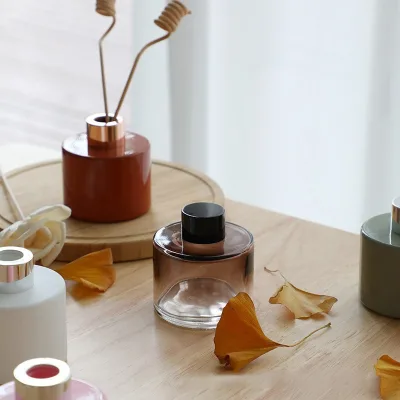
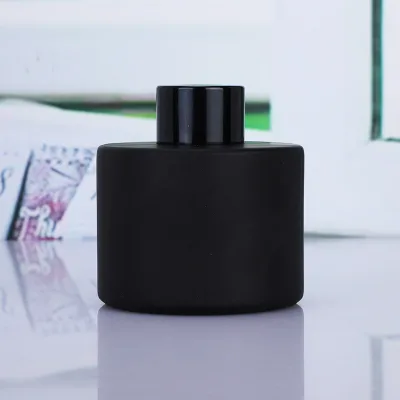
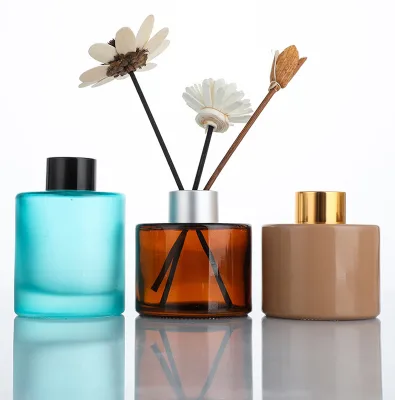
$0.8245 - $0.9788
MOQ: 50 pieces
Molly Chenguang Chengdu Technology Co., Ltd.
- Verified by Intertek
- Trading Company
- Lead time30 days
- Avg. response≤ 3h
Main productsReed Diffuser, Scented Candles, Car Freshener, Fragrance Gift Set, Air Freshener
Main marketsNorth America(20%), Western Europe(20%), Northern Europe(20%)
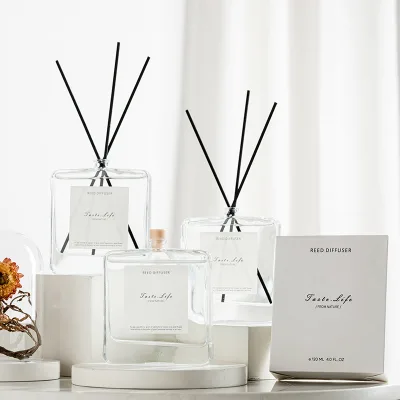
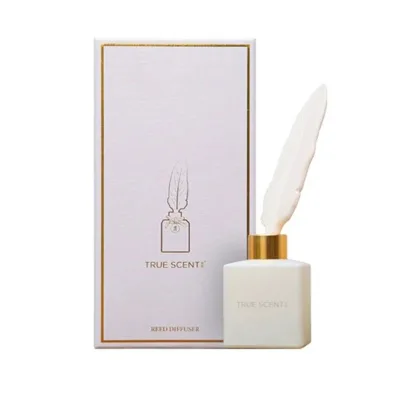
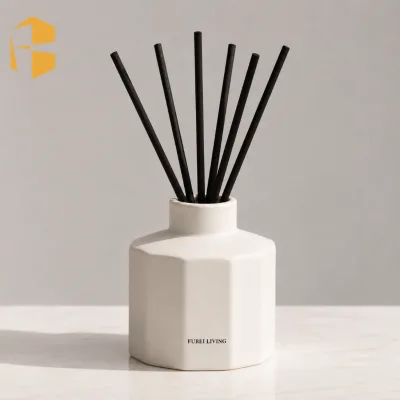
Feather Square Bottle 150ML Ceramic Reed Diffuser Jar White Home Fragrance
$6.72 - $7.10
MOQ: 5 pieces
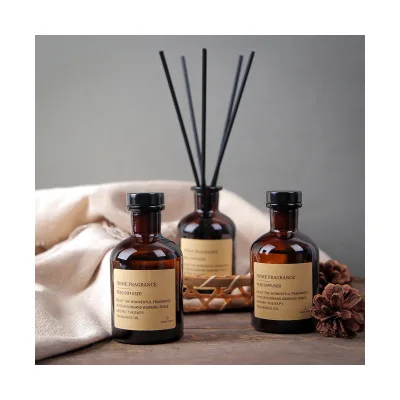
Wholesale Brown Bottle Scent Oil Luxury Rituals Reed Diffuser 120ml Private Logo
$2.62 - $2.80
MOQ: 5 pieces

Qingdao Art Fortune Imp/Exp Co., Ltd.
- Verified by TUVRHEINLAND
- Trading Company
- China Shandong
- Lead time30 days
- Avg. response≤ 4h
Main productsScented Candle, Reed Diffuser, Glass Jar Candle, Flameless LED Wax Candle, Candle and Home Fragrance, Tealight Candle, Candle Holder, Candle Gift Set, Handmade Pillar Candle, Tin Candle
Main marketsAfrica

100ml Best Aroma Reed Diffuser Gift Set Diffuser Bottle with Packaging Box
$0.89 - $2.89
MOQ: 1000 Pieces


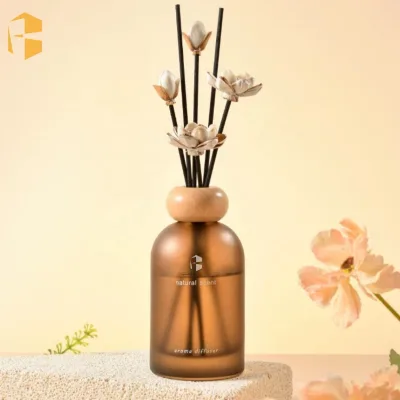
Romantic Reed Diffuser with Flowers with Multiple Specifications Glass Bottles
$1.88 - $2.88
MOQ: 1008 Pieces

Xuzhou Shine Packaging Technology Co., Ltd.
- Verified by SGS
- Manufacturer/Factory
- China Jiangsu
- Lead time45 days
- Avg. response≤ 4h
Main productsCosmetic Packaging, Cosmetic Jar, Lotion Bottle, Shampoo Bottle, Sprayer Bottle, Foam Bottle, Acrylic Jar, Dropper Bottle, Airless Bottle, Pet Cosmetic Jar
Main marketsSouth America,Eastern Europe,Mid East,North America,Southeast Asia,Eastern Asia,Oceania,Western Europe,Africa

180ml Gradient Color Glass Reed Diffuser Bottle Aromatherapy Bottle with Gold Screw
$0.30 - $0.48
MOQ: 2000 Pieces

Customizable Stylish 250ml Gradient Color Reed Diffuser Bottle for Home Decor
$0.25 - $0.40
MOQ: 5000 Pieces

New Design Luxury Round Reed Diffuser Glass Bottle Black 200ml with Reed Diffuser Cap
$0.30 - $0.56
MOQ: 500 Pieces

Shijiazhuang Tabo Candles Sales Co., Ltd.
- Verified by BV
- Combined
- China Hebei
- Lead time15 days
- Avg. response≤ 4h
Main productsCandle
Main marketsSoutheast Asia/ Mideast,East Asia(Japan/ South Korea),Europe,Australia,North America


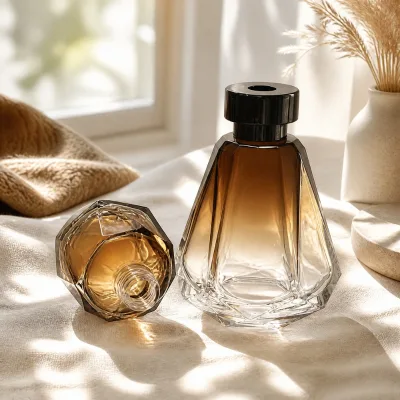
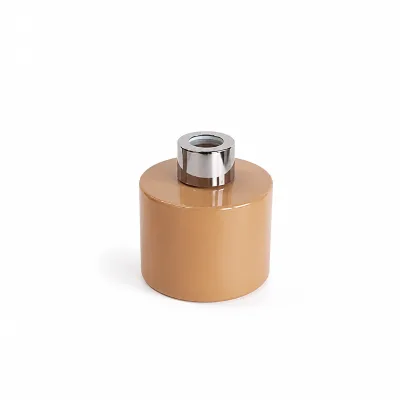
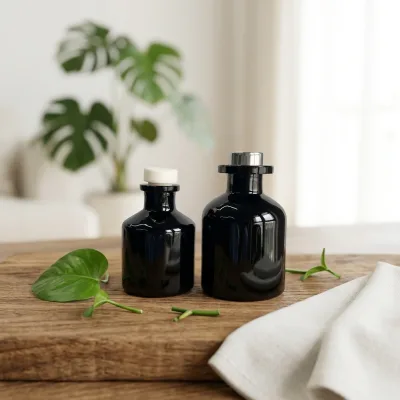
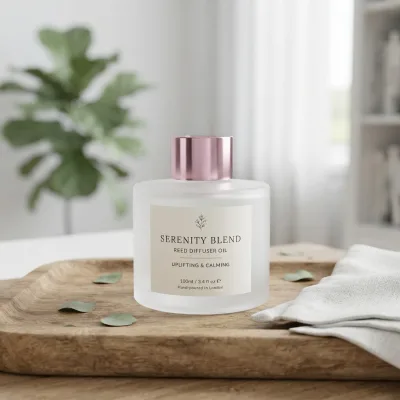
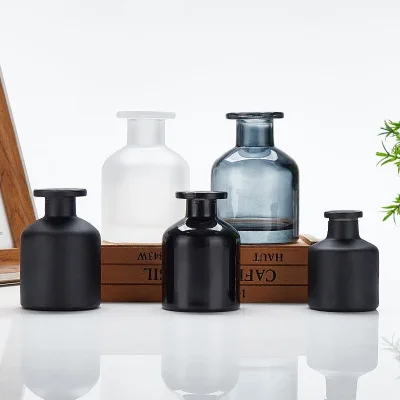
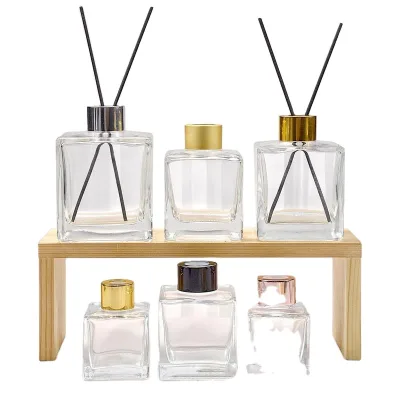
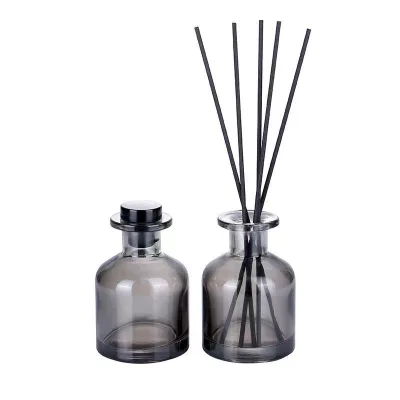
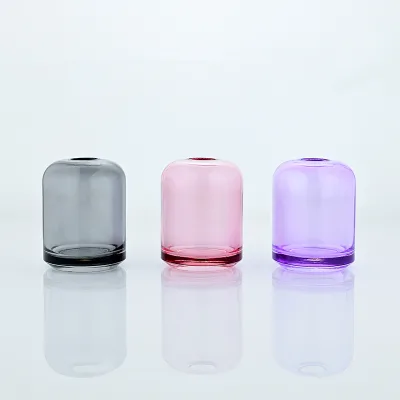


Comprehensive Sourcing Guide
Vintage Embossed Reed Diffuser Bottle Supplier Concentration and Factory Types
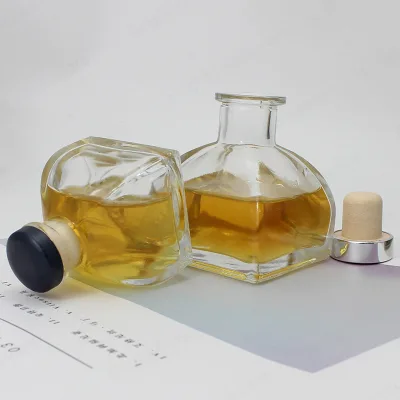
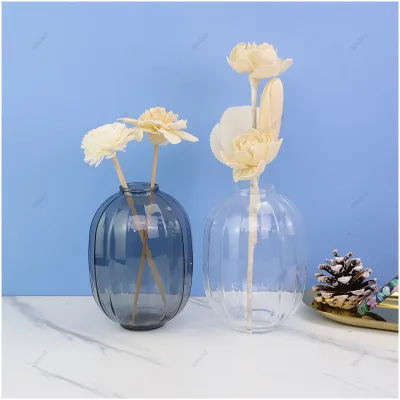
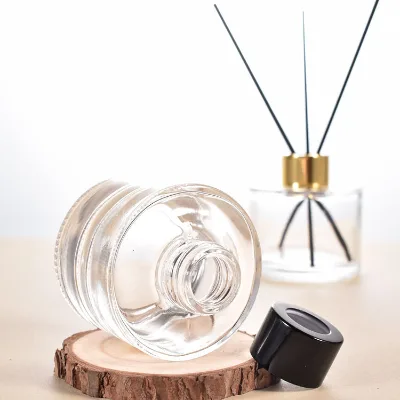
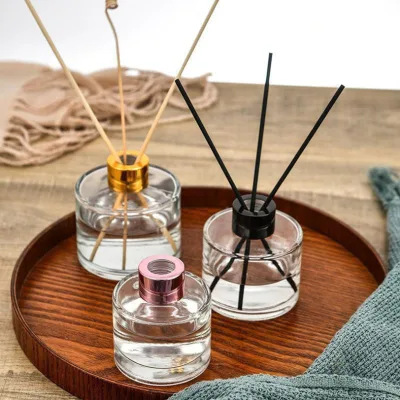
The sourcing landscape for vintage embossed reed diffuser bottles reveals a distinct concentration of manufacturing and trading entities within specific industrial regions of China. Current supplier data indicates that a significant portion of available inventory originates from Jiangsu province, where suppliers specialize in glass packaging solutions. These entities often list main products that include glass bottles, glass jars, and cosmetic glass jars, suggesting a robust local supply chain for raw glass materials and finishing capabilities. The presence of suppliers in this region implies that buyers seeking vintage embossed designs will likely find a cluster of vendors with established infrastructure for glass molding and embossing processes. This geographic concentration facilitates easier communication and potentially faster sample iterations, as the technical expertise for creating textured glass surfaces is localized. Buyers should recognize that while Jiangsu is a primary hub, the broader market includes other locations such as Shandong, which also hosts manufacturers and trading companies. Understanding this distribution helps in targeting the right suppliers, as those in Jiangsu may have specific strengths in small to medium-sized glass containers, including the square and round shapes often associated with diffuser bottles. The density of suppliers in these areas means that competition is likely high, which can drive innovation in design and pricing, but it also requires careful vetting to distinguish between pure trading companies and actual factories with direct control over the embossing molds.
Factory types vary significantly across these regions, influencing the buyer’s ability to customize vintage embossed designs. Many suppliers are identified as trading companies, which act as intermediaries connecting buyers with multiple factories. This structure can offer a wider variety of stock items, such as clear embossed reed diffuser bottles in 100ml or 200ml capacities, but may limit deep customization options for unique vintage patterns. In contrast, suppliers classified as manufacturers or factories, often found in Shandong, may offer more direct control over the production process, including the creation of custom embossing molds. Some of these entities hold certifications like ISO 9001 and GMP, indicating a structured approach to quality management that is crucial for maintaining consistency in embossed details. The distinction between trading companies and manufacturers is critical because it affects lead times, minimum order quantities, and the ability to source specific materials like borosilicate glass or lead-free glass. Buyers must assess whether their project requires the flexibility of a trading company’s broad inventory or the specialized production capabilities of a factory. Additionally, the availability of OEM and ODM services varies by supplier type, with manufacturers more likely to support original equipment manufacturing for bespoke vintage designs. Recognizing these differences allows buyers to align their sourcing strategy with their specific needs for customization, volume, and quality assurance.
How to Verify Vintage Embossed Reed Diffuser Bottle Suppliers
Verifying the authenticity and capability of suppliers for vintage embossed reed diffuser bottles requires a multi-layered approach that goes beyond surface-level profile reviews. Buyers should prioritize suppliers who display third-party verification badges, such as BV verification, which indicates that an independent agency has audited the company’s business legitimacy. This step is essential to ensure that the entity is a real operating business and not a fraudulent listing. In addition to verification badges, buyers must scrutinize the supplier’s certification portfolio. Certifications like ISO 9001, ISO 14001, and GMP are strong indicators of a supplier’s commitment to quality management and environmental standards. For glass products, the presence of SGS tested certifications for specific products, such as the 500ml colored glass reed diffuser bottle, provides evidence that the supplier’s output meets recognized safety and quality benchmarks. Buyers should request copies of these certificates and verify their validity through the issuing bodies. Furthermore, checking the supplier’s response time is a practical method to gauge their operational efficiency. A response time of under three days, such as 2.87 days, suggests a responsive and organized team, whereas slower response times may indicate potential communication bottlenecks during the customization process. These metrics collectively help buyers assess the reliability and professionalism of the supplier before committing to any orders.
Beyond certifications and response metrics, buyers should examine the supplier’s product evidence and attribute details to confirm their expertise in vintage embossed designs. Detailed product attributes, such as material composition, shape, and sealing type, provide insight into the supplier’s technical capabilities. For instance, suppliers listing lead-free glass and heat-resistant properties demonstrate a focus on safety and durability, which are critical for home fragrance products. Buyers should also look for evidence of customization options, such as the availability of custom logos and embossing services. The presence of attributes like "Printing Logo: Yes" and "Customization: Available" indicates that the supplier can accommodate specific branding needs. Additionally, checking the supplier’s main products list can reveal their specialization. Suppliers focusing on glass bottles and jars are more likely to have the necessary equipment for embossing than those with a broader, less focused inventory. Buyers should also verify the supplier’s establishment year and company type to understand their experience level. Trading companies may offer faster access to stock items, while manufacturers may provide better long-term support for custom projects. By combining these verification steps, buyers can build a comprehensive profile of each supplier, ensuring that they select partners who are not only legitimate but also technically capable of delivering high-quality vintage embossed reed diffuser bottles.
What to Compare Across Vintage Embossed Reed Diffuser Bottle Suppliers
When evaluating multiple suppliers for vintage embossed reed diffuser bottles, buyers must systematically compare key operational and commercial dimensions to identify the most suitable partner. One critical factor is the lead time, which directly impacts inventory planning and market launch schedules. Suppliers may offer varying lead times, such as 20 days or 23 days, depending on their production capacity and current order backlog. Buyers should align their order timelines with the supplier’s stated lead times to avoid delays. Another important dimension is the minimum order quantity (MOQ), which can range from negotiable terms to fixed quantities like 5000 units. Suppliers with lower or negotiable MOQs are often more suitable for startups or small batch orders, while those with higher MOQs may offer better unit economics for large-scale production. Buyers should also compare the response time, as faster communication can facilitate quicker resolution of design queries and sample approvals. Suppliers with response times under three days are generally more efficient in handling urgent requests. Additionally, the price range for similar products, such as 100ml or 500ml bottles, should be compared to ensure competitive pricing. However, price should not be the sole determinant; buyers must also consider the value provided by certifications, verification status, and customization capabilities. By creating a comparison matrix of these factors, buyers can make informed decisions that balance cost, speed, and quality.
In addition to operational metrics, buyers should compare the specific product attributes and customization options offered by each supplier. For vintage embossed designs, the availability of specific shapes, sizes, and materials is crucial. Suppliers may offer square, round, or other specialized shapes, with capacities ranging from 50ml to 500ml. Buyers should verify if the supplier can produce the exact vintage embossed patterns they require, as not all suppliers may have the necessary molds or expertise. The material quality, such as the use of lead-free glass or borosilicate glass, should also be compared, as it affects the product’s safety and durability. Furthermore, buyers should assess the supplier’s ability to provide free samples, which is a valuable tool for evaluating the quality of the embossing and glass finish before placing a large order. The sealing type, such as corked or screw cap, is another attribute that may vary between suppliers and should be matched to the buyer’s product requirements. Additionally, the packaging details, including single package size and weight, are important for logistics planning. Suppliers who provide detailed and accurate product attributes are more likely to be transparent and reliable. By thoroughly comparing these product-specific details, buyers can ensure that the selected supplier can meet their exact specifications for vintage embossed reed diffuser bottles, minimizing the risk of discrepancies between the sample and the final production.
Common Vintage Embossed Reed Diffuser Bottle Sourcing Risks
Sourcing vintage embossed reed diffuser bottles from international suppliers introduces several risks that buyers must proactively manage to ensure a successful procurement process. One significant risk is the potential for quality inconsistencies in the embossing details. Since embossing is a specialized glass molding process, variations in mold wear or production techniques can lead to uneven or shallow embossed patterns. Buyers may receive batches where the vintage design is not as prominent or detailed as the sample, which can affect the product’s aesthetic appeal and marketability. To mitigate this risk, buyers should request detailed photos and videos of the embossing process and insist on pre-shipment inspections. Another risk is the discrepancy between the quoted price and the final cost, especially when customization is involved. Suppliers may quote low prices for standard items but charge additional fees for custom embossing molds, logo printing, or special packaging. Buyers should clarify all potential costs upfront and include them in the contract to avoid unexpected expenses. Additionally, the risk of delayed shipments is prevalent, particularly if the supplier faces production bottlenecks or logistical issues. Lead times can extend beyond the quoted period due to unforeseen circumstances, impacting the buyer’s inventory levels. Buyers should maintain open communication with suppliers and establish clear penalties for delays in the contract.
Another common risk is the lack of transparency regarding the supplier’s manufacturing capabilities. Some suppliers may claim to be manufacturers but are actually trading companies that outsource production to third-party factories. This can lead to issues with quality control and communication, as the trading company may not have direct oversight of the production process. Buyers should verify the supplier’s factory status through third-party audits or by requesting video tours of the production facility. Furthermore, the risk of intellectual property infringement is a concern when sourcing custom vintage designs. Buyers must ensure that the supplier does not share their designs with competitors or use them for other clients. Including strict confidentiality clauses in the contract is essential to protect the buyer’s intellectual property. Additionally, the risk of non-compliance with safety standards is significant for glass products. Buyers must verify that the supplier’s products meet the relevant safety regulations in their target market, such as lead-free requirements. Suppliers who provide SGS tested certifications offer some assurance, but buyers should also conduct their own testing if necessary. By identifying and addressing these risks early in the sourcing process, buyers can protect their interests and ensure a smooth procurement experience for vintage embossed reed diffuser bottles.
Vintage Embossed Reed Diffuser Bottle Regional Sourcing and Logistics
The regional sourcing of vintage embossed reed diffuser bottles from China involves specific logistical considerations that can impact the overall cost and efficiency of the procurement process. Suppliers located in Jiangsu province, a major manufacturing hub, offer the advantage of proximity to major ports like Shanghai and Ningbo, which can facilitate faster and more cost-effective shipping. This geographic proximity reduces transit times and allows for more flexible shipping schedules, which is beneficial for buyers who need to manage their inventory closely. Additionally, the concentration of suppliers in this region means that buyers can potentially consolidate orders from multiple vendors, reducing shipping costs and simplifying logistics management. However, buyers must also consider the logistical challenges associated with shipping fragile glass products. Proper packaging is critical to prevent breakage during transit, and buyers should verify that the supplier uses robust packaging materials, such as carton and pallet packaging, as indicated in some product attributes. The single package size and weight, such as 15X15X20 cm and 150g, are important factors in calculating shipping costs and optimizing container space. Buyers should work with suppliers to
FAQs
What is the price range for embossed reed diffuser bottles?
Prices for empty glass diffuser bottles typically range from $0.045 to $0.50 per unit depending on capacity and customization. Smaller 100ml options often start near $0.045, while larger 500ml variants may cost up to $0.083. Premium embossed designs generally fall between $0.40 and $0.50. Buyers should verify exact pricing based on order volume and specific design requirements.
What are the lead times for manufacturing these bottles?
Manufacturing lead times for glass diffuser bottles generally range from 20 to 23 days. Suppliers in Jiangsu and Shandong regions typically require approximately three weeks for production. These timelines apply to standard orders and may vary based on customization needs. Buyers should confirm specific delivery schedules with suppliers before placing bulk orders to ensure timely receipt.
Do suppliers offer free samples for quality testing?
Many suppliers provide free samples to allow buyers to assess quality before committing to bulk purchases. This service is commonly available for both standard and customized embossed designs. Buyers should contact suppliers directly to request samples and clarify any shipping costs. Sampling helps verify material quality, seal integrity, and overall aesthetic appeal for your specific fragrance application.
What certifications do these glass bottle suppliers hold?
Reputable suppliers often hold ISO 9001, ISO 14001, and GMP certifications for quality and environmental management. Some products undergo SGS testing to ensure safety standards. These certifications indicate adherence to international manufacturing protocols. Buyers should request valid certification documents to verify compliance with their regional regulatory requirements and ensure product safety for home fragrance applications.
What is the minimum order quantity for these bottles?
Minimum order quantities for glass diffuser bottles are often negotiable but typically start around 5,000 units. Some suppliers may accept lower volumes for standard items, while customized embossed designs usually require higher MOQs. Buyers should discuss volume discounts and flexible ordering terms directly with suppliers. Understanding MOQ requirements helps in planning inventory and managing initial procurement costs effectively.
How quickly do suppliers respond to inquiries?
Supplier response times vary, with some responding within 2.87 hours and others taking up to 7 hours. Faster response rates often indicate more active sales teams and better customer service. Buyers should prioritize suppliers with quick response times for efficient communication during the sourcing process. Prompt replies help clarify specifications and resolve questions about pricing and logistics swiftly.