Source Anti-Slip Textured Cycling Gloves for Commuting, Racing, and Off-Road
Compare 30 listings of anti-slip textured cycling gloves featuring full finger designs, waterproof options, and customizable logos. Buyers can evaluate materials like polyester and neoprene, seasonal suitability, and MOQs ranging from 1 to 2000 pairs for various cycling needs; compare the available evidence and request quotations based on your requirements.
Updated
Key considerations
Products List


Sports Sublimated Elastic Breathable Palm Padding Cycling Bicycle Gloves
$6.00 - $6.50
MOQ: 2000 Pairs


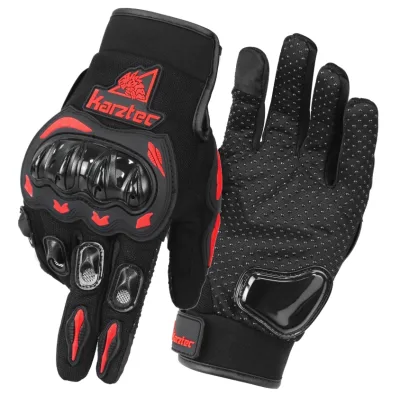
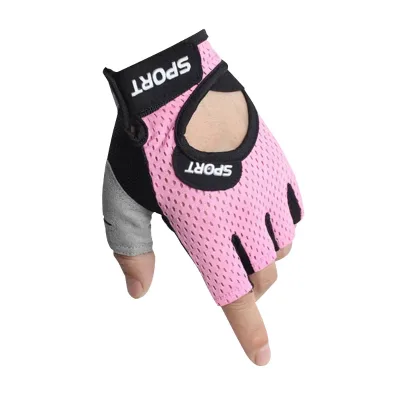
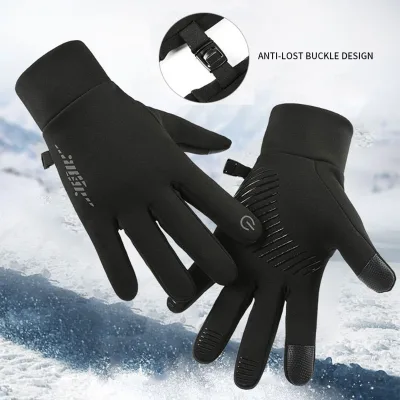


Custom Bike Gloves Full Finger Cycling Motorcycle Bicycle Racing Sports Glove
$3.30 - $4.30
MOQ: 1000 Pairs


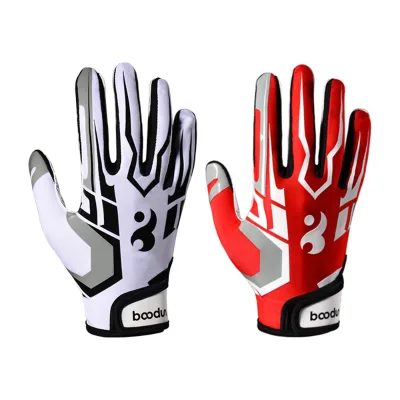
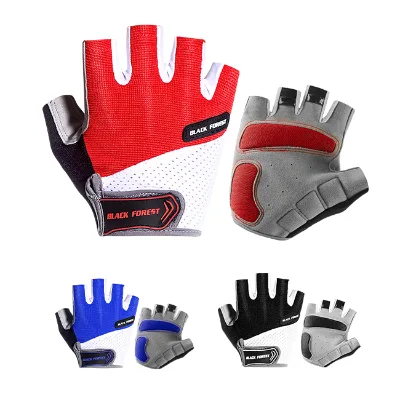
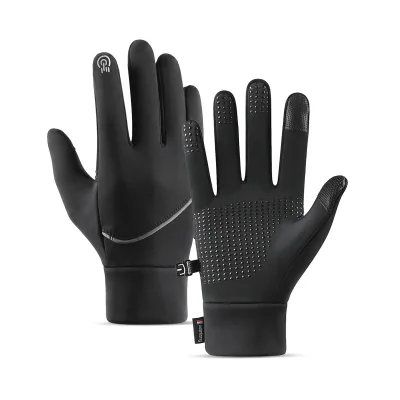
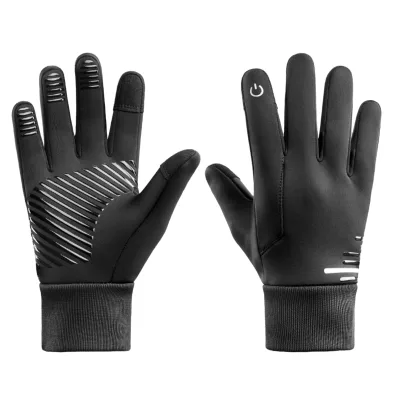
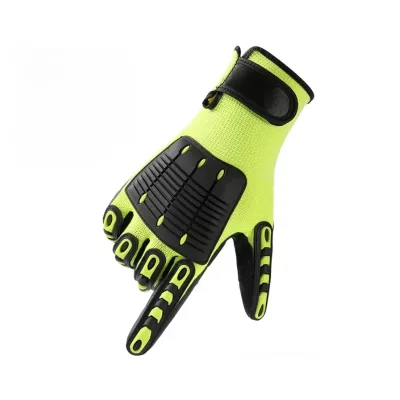


Riding Cycling Gloves Comfort Shock Absorption Water Proof Riding Cycling Gloves Durable
$1.92 - $2.14
MOQ: 1000 Pairs

Riding Cycling Gloves Mountain Biking Durable Non-Slip Grip Comfort Shock Absorption
$1.19 - $2.44
MOQ: 500 Pairs

2024 Factory Price Cycling Gloves Anti-Slip and Shock-Absorbing Cycling Gloves
$2.50 - $7.15
MOQ: 200 Pieces


Hot Sale Sweat-Absorbent Breathable and Non-Slip in Good Price Cycling Gloves
$0.91 - $2.61
MOQ: 20 Pieces

Hot Sale Outdoor Men's and Women's Cycling Wear-Resistant Cycling Gloves
$1.00 - $2.86
MOQ: 500 Pieces

High Quality Factory Direct Sale Wear-Resistant Windproof Material Cycling Gloves
$0.91 - $2.61
MOQ: 20 Pieces
Comprehensive Sourcing Guide
Anti-Slip Textured Cycling Gloves Sourcing Guide
Sourcing anti-slip textured cycling gloves requires a careful balance of material science, ergonomic design, and supply chain reliability. These gloves are engineered to provide superior grip and comfort for riders, addressing the critical need for hand stability during long-distance rides or intense training sessions. The market offers a variety of options, ranging from basic polyester blends to advanced neoprene constructions, each catering to different seasonal demands and performance expectations. Buyers must navigate this diversity by focusing on specific attributes that directly impact rider safety and product longevity.
The procurement process involves evaluating multiple product models, such as CY022, CY-12, and CY006, which exhibit distinct material compositions and functional features. Some models prioritize breathability with polyester and spandex blends, while others emphasize waterproofing and warmth using neoprene or polyurethane materials. Understanding these variations is essential for aligning product selection with target market needs, whether for spring, autumn, or winter cycling. This guide provides a structured approach to verifying specifications, ensuring compliance, and managing commercial terms effectively.
Product Scope and Observed Listing Signals
The observed product landscape includes a wide range of cycling gloves designed for adult users, with a strong emphasis on unisex appeal and versatile styling. Listings indicate that many products are plain in style, focusing on functionality rather than complex patterns, although some options offer customizable logos and designs. The core feature across many listings is the anti-slip property, which is often enhanced by textured palms or specialized padding materials. These gloves are typically categorized as full-finger designs, providing comprehensive hand protection and warmth, which is crucial for cooler weather conditions.
Seasonal versatility is a key signal in the current market, with products labeled for spring, autumn, and winter use, as well as some universal options. Materials observed include polyester, elastane, neoprene, and polyurethane blends, each selected for specific performance characteristics like breathability, waterproofing, or elasticity. The presence of touchscreen-compatible fingertips in some models adds a modern utility layer, appealing to tech-savvy cyclists. Buyers should note that while many products are described as waterproof or breathable, these attributes are often model-specific and require careful verification against individual product datasheets.
Technical Specifications to Verify
Verifying technical specifications is paramount to ensuring that the gloves meet the intended performance standards. Key attributes to confirm include the finger length, which is predominantly full-finger for maximum protection, and the buckle type, which varies between with and without buckle designs. The material composition is a critical differentiator, with options ranging from simple polyester to complex blends like polyurethane/spandex/nylon or nylon/cotton mixes. Buyers must ensure that the selected material aligns with the desired balance of durability, flexibility, and environmental resistance, particularly for outdoor sports applications.
Additional technical details to scrutinize include the palm padding technology, such as sports sublimated elastic breathable padding, which directly impacts comfort and grip. The presence of protective safety features and wear-resistant properties should be validated through product descriptions or supplier documentation. Size availability is another crucial factor, with common ranges including M, L, XL, and XXL, ensuring a fit for diverse user demographics. It is also important to verify the touchscreen functionality, as this feature is not universal across all models and can be a significant selling point for modern cyclists.
Compliance and Safety Documentation
While specific certification statuses are not explicitly detailed in the provided context, buyers must proactively request relevant safety and quality documentation from suppliers. For gloves marketed with protective safety features, verifying compliance with local and international safety standards is essential to mitigate liability and ensure user protection. This includes checking for any relevant textile safety certifications that address chemical restrictions, flammability, or physical durability. Suppliers should be able to provide test reports or declarations of conformity that substantiate their claims regarding anti-slip performance and material safety.
Documentation should also cover the manufacturing origin and place of origin, which are listed as Guangdong and Hebei, China, respectively. Understanding the regulatory environment of the manufacturing region can provide insights into the quality control practices employed. Buyers should inquire about the supplier’s adherence to environmental standards, particularly if using materials like neoprene or polyurethane, which may have specific disposal or recycling implications. Clear communication regarding compliance requirements early in the sourcing process helps prevent delays and ensures that the final products meet all necessary legal and safety benchmarks.
Cost Drivers and Commercial Terms
Cost structures for cycling gloves are influenced by material complexity, customization levels, and order volume. The observed price range of $0.37 to $12.8 USD reflects significant variation based on features such as waterproofing, touchscreen compatibility, and specialized padding. Higher-priced items likely incorporate advanced materials like neoprene or multi-layer constructions, while lower-cost options may use simpler polyester blends. Buyers should analyze the cost-per-unit against the expected retail margin and feature set to determine the most viable product options for their target market.
Minimum Order Quantities (MOQ) vary widely, ranging from 1 pair to 2000 units, offering flexibility for both small-scale testers and large-volume purchasers. Customization options, including logo printing and design modifications, may incur additional costs or higher MOQs. Packing methods, such as OPP bags or custom requirements, also impact logistics costs. Buyers should negotiate clear terms regarding pricing tiers, payment methods, and shipping responsibilities to avoid hidden expenses. Understanding these commercial dynamics allows for more accurate budgeting and more effective negotiation with suppliers.
Supplier Qualification and Quality Control
Evaluating supplier qualifications is crucial for ensuring consistent product quality and reliable delivery. Buyers should assess the supplier’s production capacity, quality management systems, and track record in the cycling apparel industry. Given the diverse origins in Guangdong and Hebei, China, it is important to verify the supplier’s ability to maintain consistent quality across different manufacturing sites. Requesting samples before placing bulk orders is a standard practice to physically inspect the anti-slip texture, material feel, and stitching quality.
Quality control processes should include pre-production inspections, in-line checks, and final random inspections to catch defects early. Suppliers should have clear protocols for handling returns or replacements for defective items. Buyers should also inquire about the supplier’s ability to meet specific customization requests, such as unique color combinations or packaging designs. Establishing a strong relationship with a qualified supplier ensures better communication, faster response times, and greater flexibility in addressing any issues that may arise during the procurement process.
Long-Term Procurement Checks
Long-term success in sourcing cycling gloves depends on continuous monitoring of product performance and supplier reliability. Buyers should establish feedback loops with end-users to gather insights on comfort, durability, and grip performance over time. This data can inform future purchasing decisions and help identify areas for product improvement. Regularly reviewing supplier performance metrics, such as on-time delivery rates and defect percentages, ensures that the supply chain remains robust and efficient.
Market trends in cycling apparel evolve rapidly, with new materials and technologies emerging frequently. Buyers should stay informed about these developments to remain competitive. This includes monitoring changes in consumer preferences for features like touchscreen compatibility or eco-friendly materials. Building a diversified supplier base can also mitigate risks associated with single-source dependencies. By maintaining a proactive approach to procurement, buyers can ensure a steady supply of high-quality anti-slip textured cycling gloves that meet the evolving needs of their customers.
FAQs
What materials are used for anti-slip textured cycling gloves?
Anti-slip textured cycling gloves are typically constructed from durable materials such as polyester, elastane, neoprene, or nylon and cotton blends. These fabrics provide the necessary elasticity and breathability for comfort. Some models also incorporate polyurethane and spandex for enhanced fit and protection during various weather conditions.
Can I customize the logo on these cycling gloves?
Yes, customization is available for most anti-slip textured cycling gloves. Buyers can request custom logos and specific designs to match their brand identity. This OEM service allows for personalized branding, making the gloves suitable for promotional use or private label distribution in the global sports market.
What is the minimum order quantity for these gloves?
The minimum order quantity varies by supplier but often starts at just one pair or one pair per color. This low MOQ allows buyers to test product quality before committing to larger bulk orders. Some suppliers may require higher quantities for specific customizations or specialized packaging requirements.
Are these gloves suitable for winter cycling?
Yes, many anti-slip textured cycling gloves are designed for spring, autumn, and winter seasons. Features like waterproof polyester and warm padding ensure protection against cold and wet conditions. These gloves provide essential grip and thermal insulation for riders navigating challenging weather during colder months of the year.
Do these gloves support touchscreen functionality?
Yes, many models include touchscreen-compatible fingertips for convenient device use while riding. This feature allows cyclists to operate smartphones or GPS devices without removing their gloves. It enhances safety and convenience by maintaining hand warmth and protection while enabling necessary digital interactions during outdoor sports activities.
Where are these cycling gloves typically manufactured?
These gloves are primarily manufactured in China, with production hubs located in regions like Guangdong and Hebei. Chinese factories offer extensive customization capabilities and competitive pricing for bulk orders. Buyers can source high-quality gloves with various specifications and packaging options directly from these established manufacturing centers.