Automatic Single Facer Machine Suppliers and Manufacturers
Source 22 Automatic Single Facer Machine suppliers in Hebei, China. Compare lead times, MOQs, prices, and CE certifications. Contact manufacturers directly to verify specifications and request quotes for your production needs today; review the available evidence before requesting comparable quotations from suitable candidates.
Updated
Suppliers List
Dongguang Canghai Packing Machine Co., Ltd.
- Manufacturer
- Hebei, China
- Lead time25 days
- Avg. response≤ 6h
Main productsCorrugated Cardboard Making Machine,Automatic Flexo Printer Slotter Die Cutter Machine,Stitching Machine,Folder Gluer Machine,Printing slotting die cutting folding gluing strapping machine
Main marketsSouth Asia(32.00%), Southeast Asia(24.00%), South America(22.00%), Eastern Europe(22.00%)
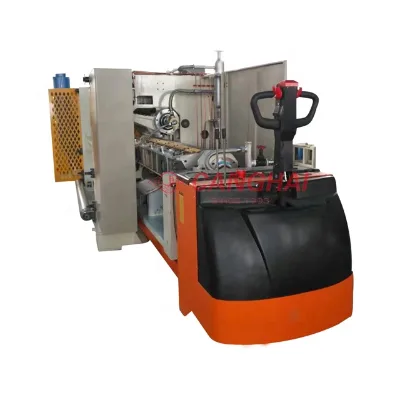
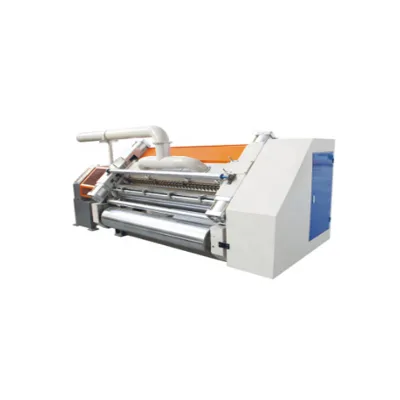
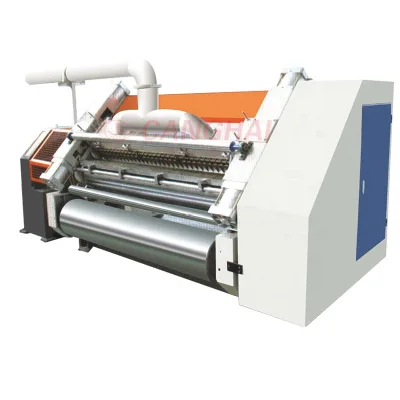
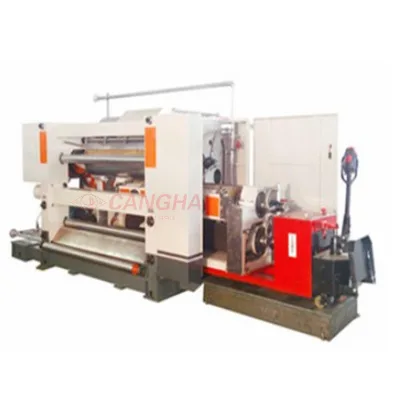
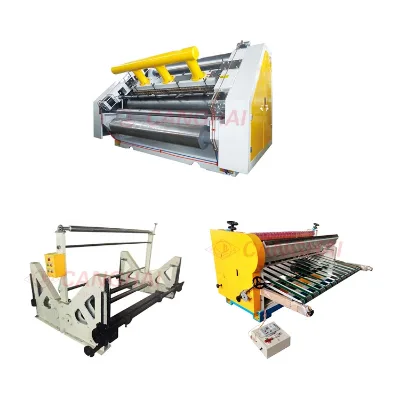
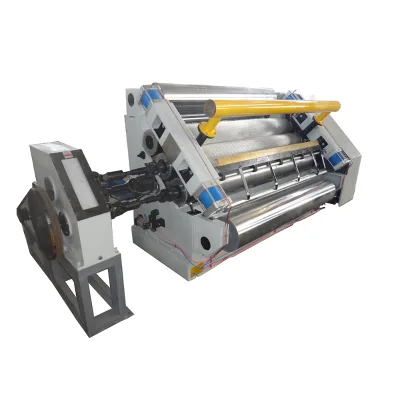
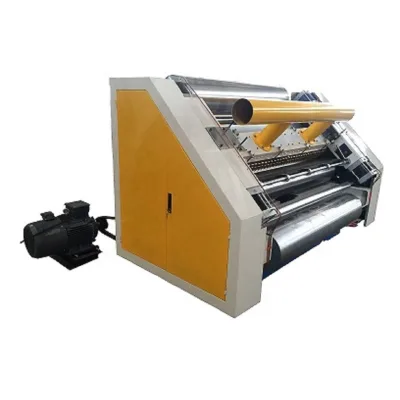
2 Ply Corrugated Cardboard Fingerless Single Facer Machine
$25000.00 - $30000.00

Cangzhou Xiaoyuan Carton Machinery Trade Co., Ltd.
- Verified by TUVRHEINLAND
- Trading Company,Manufacturer/Factory
- China Hebei
- Lead time23 days
- Avg. response≤ 6h
Main productsCarton Making Machine, Corrugated Cardboard Production Line, Cardboard Printing Slotting Machine, Folder Gluer, Flute Laminator, Carton Packaging Machine, Rotary Die Cutting Machine, Flat Die Cutter, Stitching Machine, Single Face Corrugation Machine
Main marketsMid East,Southeast Asia,Africa
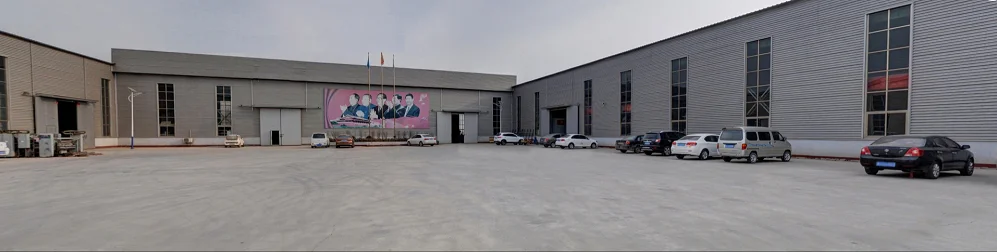
Cangzhou Yuyuan Imp & Exp Trade Co., Ltd.
- Trading Company
- Hebei, China
- Lead time40 days
- Avg. response≤ 6h
Main productsCorrugated Cardboard Production Line / Folder Gluer,Printer Slotter Die Cutting Machine,Printer machine,Folder glue machine,Stitcher machine
Main marketsDomestic Market(20.00%), Eastern Europe(15.00%), South America(15.00%), South Asia(10.00%), Eastern Asia(8.00%), Africa(8.00%), Southeast Asia(7.00%), Mid East(7.00%), North America(5.00%), Oceania(5.00%)
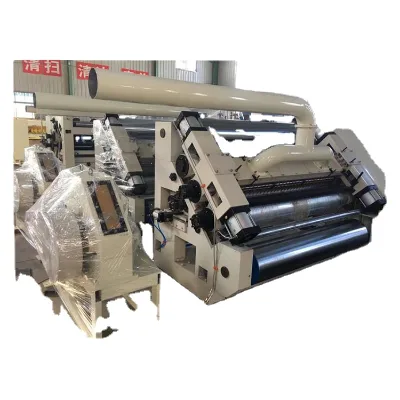
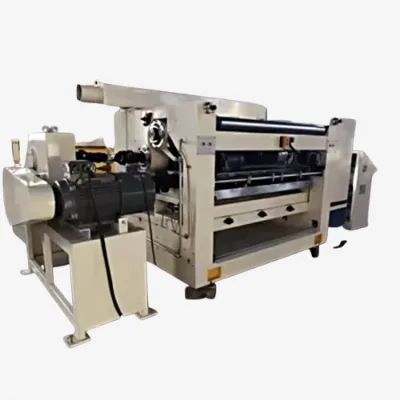
$8000.00 - $13000.00
MOQ: 1 sets
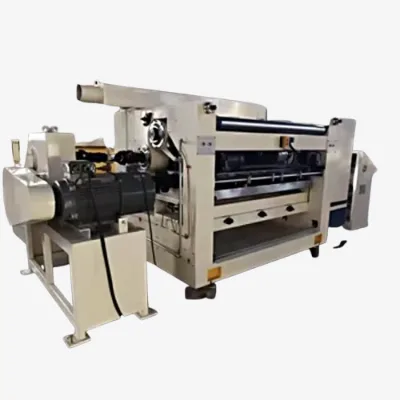
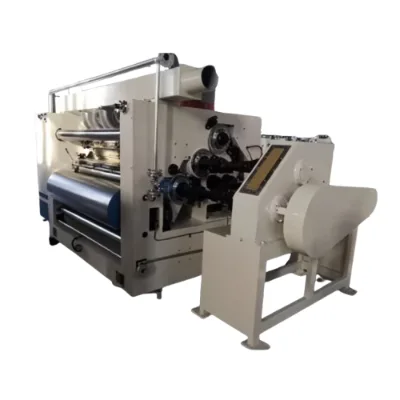
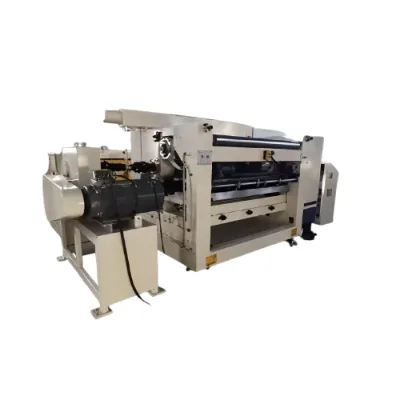
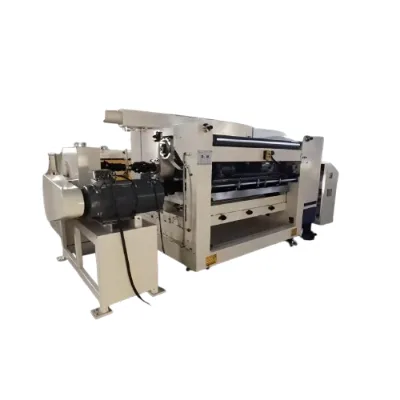

Shijiazhuang Huatao Import and Export Trade Co., Ltd.
- Verified by BV
- Trading Company,Manufacturer/Factory,Group Corporation
- China Hebei
- Lead time23 days
- Avg. response≤ 6h
Main productsPaper Machinery Equipments, Corrugated Cardboard Machine, Industrial Accessories
Main marketsSouth America,Eastern Europe,Mid East,North America,Southeast Asia,Eastern Asia,Oceania,Western Europe,Africa
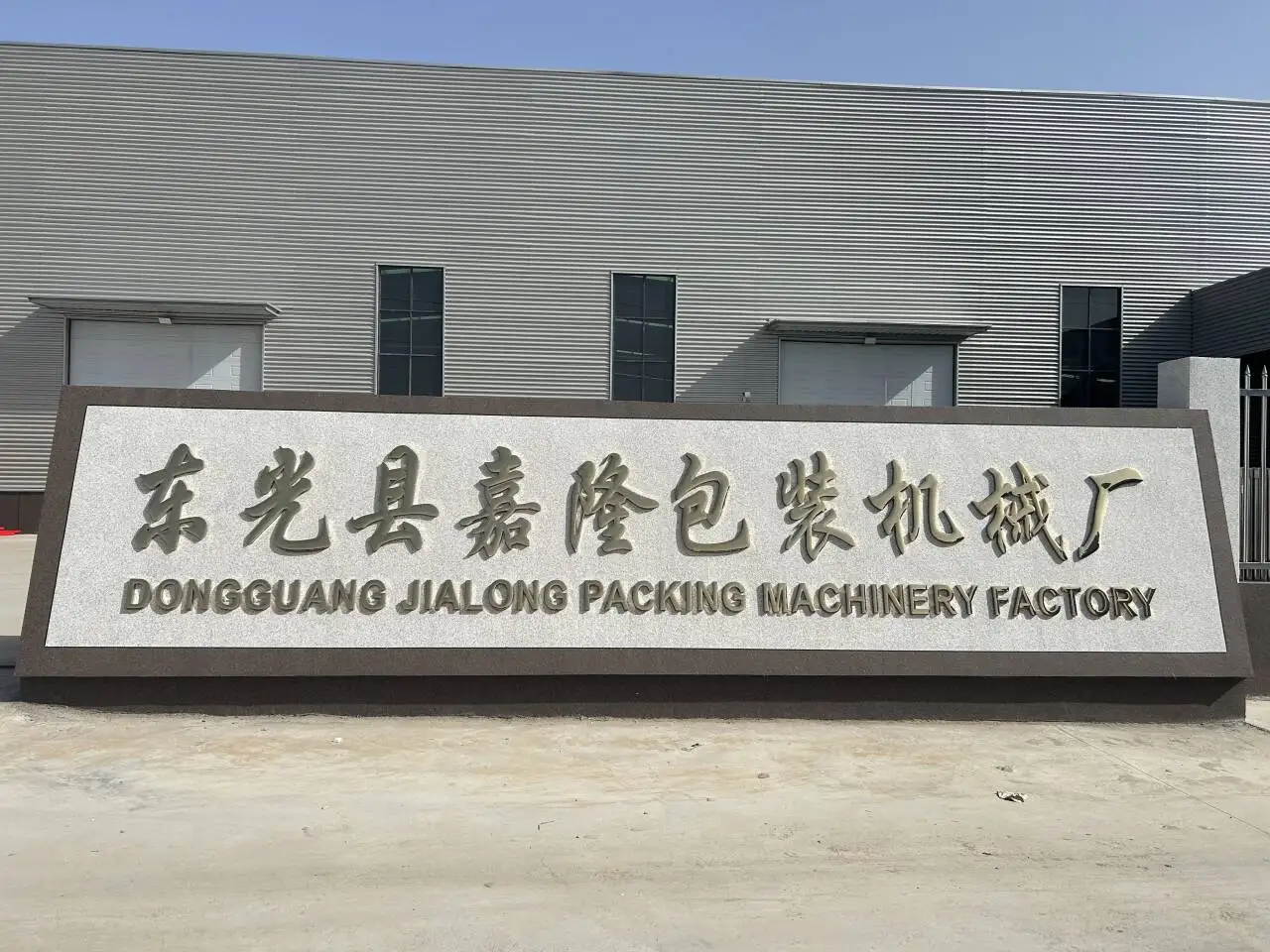
Cangzhou Jialong Packaging Machinery Co., Ltd.
- Trading Company
- Hebei, China
- Lead time30 days
- Avg. response≤ 4h
Main productsAutomatic carton printing slotting rotary die cutting inline folder gluer and strapping machine,Corrugated cardboard production line,Full automatic carton folder gluer machine,Full automatic flute laminating machine,Full automatic carton stitcher machine
Main marketsOceania(10.00%), Africa(10.00%), Southeast Asia(10.00%), Eastern Europe(10.00%), South America(10.00%), North America(10.00%), Eastern Asia(8.00%), Northern Europe(8.00%), Central America(7.00%), Western Europe(7.00%), Southern Europe(5.00%), Mid East(5.00%)

- Manufacturer/Factory
- China Hebei
- Lead time98 days
- Avg. response≤ 19h
Main productsCorrugated Cardboard Production Line, High Speed Flexo Printer Slotter Machine, Flexo Printer Slotter Folder Gluer Online, Automatic Folder Gluer Machine, Automatic Flute Laminator, Flat Bed Creasing and Die Cutter Machine, Strapping Machine, Corrugated Belts, Carton Machine, Carton Printing Machine
Main marketsSouth America,Eastern Europe,Mid East,North America,Southeast Asia,Eastern Asia,Oceania,Western Europe,Africa


High Quality Corrugated Paper Making Machine Fingerless Single Facer Machine
$25000.00 - $46000.00
MOQ: 1 Pieces

High Speed Yk-1800 Single Facer Machine for Corrugated Paperboard Production Line
$12000.00 - $180000.00
MOQ: 2 Pieces

Fingerless Single Facer Machine for 3 or 5ply Corrugated Cardboard Production Line
$27000.00 - $45000.00
MOQ: 1 Pieces

$50000.00 - $98000.00
MOQ: 1 Pieces


Cangzhou Newland Machinery Co., Ltd.
- Verified by CTI
- Manufacturer/Factory
- China Hebei
- Lead time45 days
- Avg. response≤ 7h
Main productsCarton Machine, Corrugated Board Production Lines, Automatic Folder Gluer Machine, Flexo Printing Machine, Printing Slotting Die Cutting Machine, Carton Packaging Machine, Single Facer Machine, Digital Printing Machine, Rotary Die-Cutting Machine
Main marketsSouth America,Eastern Europe,Mid East,North America,Southeast Asia,Eastern Asia,Oceania,Western Europe,Africa


Electric or Steam Heating Type Corrugated Paperboard Single Facer Machine
$16000.00 - $18000.00
MOQ: 1 Pieces


Corrufated Paperboard 2ply Electric or Steaming Heating Single Facer Machine
$16000.00 - $18000.00
MOQ: 1 Pieces


Cangzhou Depai International Trade Co., Ltd.
- Verified by BV
- Combined
- China Hebei
- Lead time30 days
- Avg. response≤ 3h
Main productsFlexo Printing Machine, Corrugated Board Production Line, Folder Gluer Machine, Die Cutting Machine
Main marketsSouth America,Europe,North America

High-Efficiency Single Facer Machine for Corrugated Cardboard Production
$80000.00 - $120000.00
MOQ: 1 Sets


High-Performance Automatic Single Facer Machine for Custom Corrugated Production
$12000.00 - $50000.00
MOQ: 1 Sets

Vacuum Type Single Facer Corrugated Machine for Corrugated Cardboard Production Line
$12000.00 - $50000.00
MOQ: 1 Sets


Cost-Effective Modular Single Facer for Corrugated Cardboard Production
$15000.00 - $40000.00
MOQ: 1 Sets
Cangzhou Kading Carton Machinery Manufacturing Co., Ltd.
- Verified by Intertek
- Manufacturer, Trading Company
- Lead time35 days
- Avg. response≤ 1h
Main productsCarton printing slotting die cutting machine, Flexo folder gluer, Carton folding gluing stitching machine, Corrugated cardboard production line, Cardboard slitter scorer machine
Main marketsDomestic Market(48%), South America(27%), North America(10%)
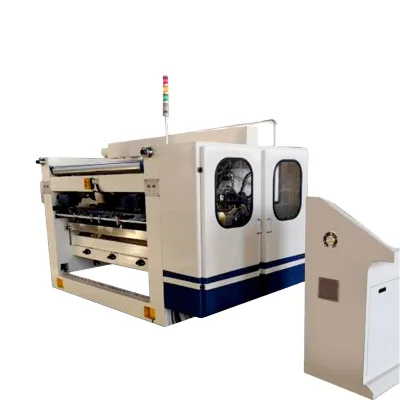
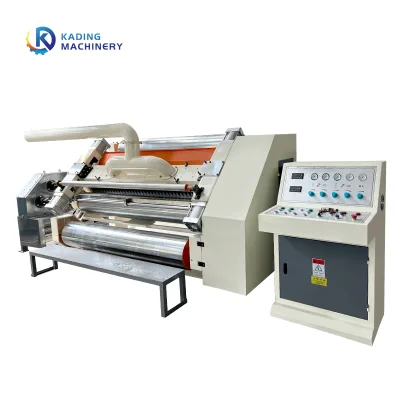
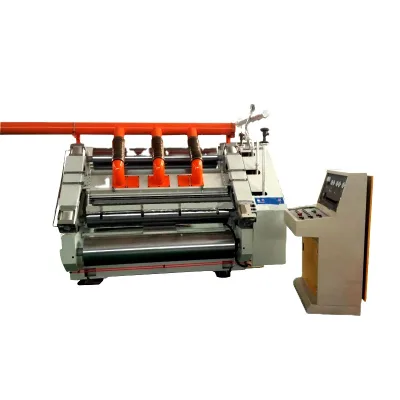
Cassette Type Single Facer Machine Fast Roller Changing Type Corrugator Making Machine
$6553.2938 - $14335.3302
MOQ: 1 sets
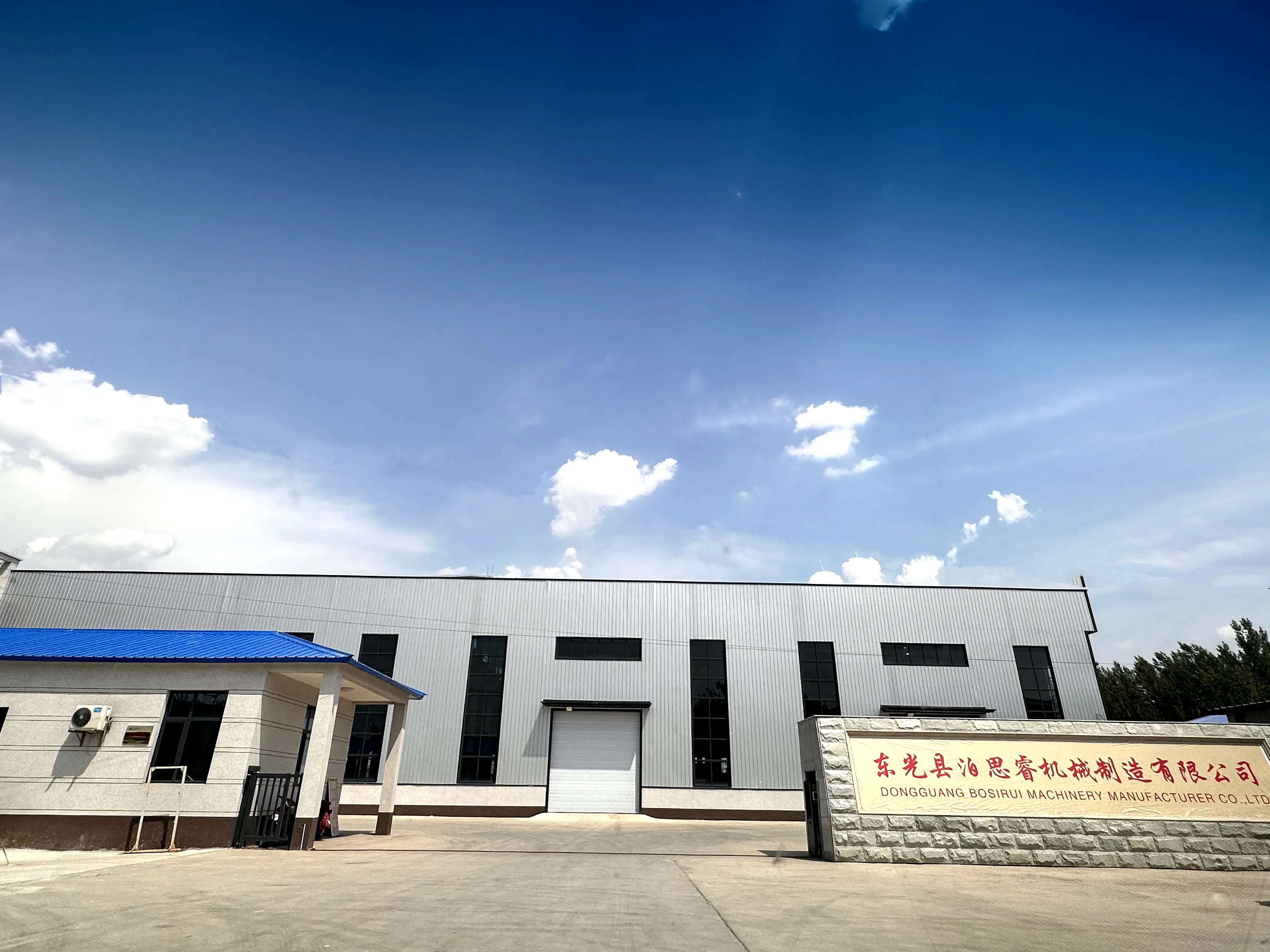
Dongguang Bosirui Machinery Trading Co., Ltd.
- Trading Company
- Hebei, China
- Lead time20 days
- Avg. response≤ 2h
Main productscorrugated paperboard production line,carton box print slot die cut machine,automatic folding gluing machine,semi auto stitching,semi auto folder gluer machine
Main marketsSouthern Europe(15.00%), Western Europe(15.00%), South America(10.00%), Southeast Asia(10.00%), Northern Europe(10.00%), Eastern Asia(6.00%), Africa(5.00%), Eastern Europe(5.00%), Central America(5.00%), North America(5.00%), South Asia(5.00%), Mid East(5.00%), Domestic Market(2.00%), Oceania(2.00%)
Foshan Sanniu Packaging Machinery Co., Ltd.
- Manufacturer, Other
- Guangdong, China
- Lead time30 days
- Avg. response≤ 8h
Main productsCorrugated board production line series equipment,Slotted printing press series equipment,Carton machine series equipment,Box gluing machine series,Accessories series products
Main marketsDomestic Market(50.00%), Southeast Asia(28.00%), Eastern Asia(10.00%), Mid East(2.00%), North America(1.00%), South Asia(1.00%), Southern Europe(1.00%), Northern Europe(1.00%), Central America(1.00%), Western Europe(1.00%), Eastern Europe(1.00%), South America(1.00%), Oceania(1.00%), Africa(1.00%)
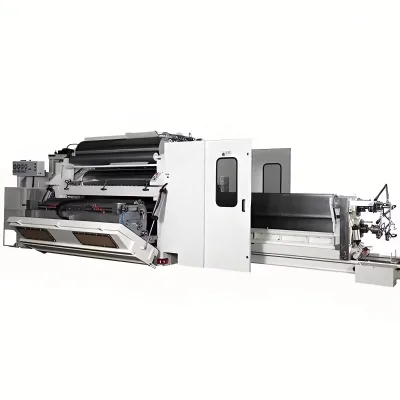
Competitive Price Corrugated Cardboard Single Face Box Type Single Face Machine
$77432.586 - $123892.1376
MOQ: 1 sets
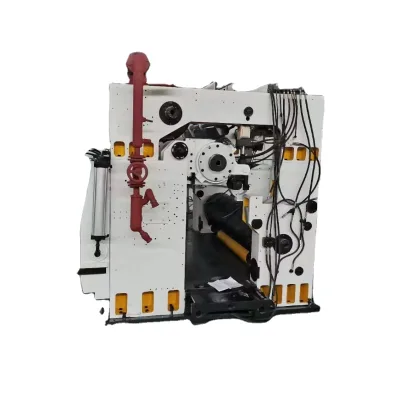
Used Automatic Cassette Type Single Facer for Corrugated Board Production Line
$82000.00 - $130000.00
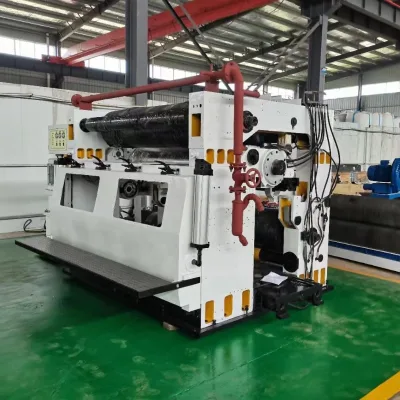
Box Type Single Face Corrugated Board Line Means Single Face Corrugator
$60000.00 - $110000.00
MOQ: 1 sets

- Trading Company,Manufacturer/Factory,Individuals/Soho,Group Corporation
- China Hebei
- Lead time23 days
- Avg. response≤ 3h
Main productsCorrugated Carton Box Making Machine, Flexo Printer Slotter Die-Cutter, Folder Gluer, Die-Cutting and Creasing Machine, Stitcher, Slitter Scorer, Single Facer Corrugation Line, Flute Laminator, Automatic Paper Reel to Sheet Cutter, Corrugated Cardboard Production Line
Main marketsSouth America,Eastern Europe,Mid East,North America,Southeast Asia,Eastern Asia,Oceania,Western Europe,Africa

Single Facer Machine, for 2-Ply Single Faced Corrugated Cardboard Production Line
$30000.00 - $50000.00
MOQ: 1 Sets


Single Facer Corrugated Machine, for 2-Ply Single Facer Corrugator Line
$50000.00 - $250000.00
MOQ: 1 Sets
Hebei Lincheng Packaging Machinery Manufacturing Co., Ltd.
- Manufacturer, Trading Company
- Hebei, China
- Lead time60 days
- Avg. response≤ 4h
Main productsCorrugated Paperboard Production Line,Cassette Type Single Facer,Corrugator Rolls,Six Layer Hardboard Composite Production Line,Flexo 2/3/4 Color Printer Slotter Machine
Main marketsSouth Asia(25.00%), Mid East(20.00%), Southeast Asia(15.00%), South America(10.00%), Africa(10.00%), Eastern Europe(10.00%), Domestic Market(5.00%), Eastern Asia(1.00%), North America(1.00%), Southern Europe(1.00%), Northern Europe(1.00%), Central America(1.00%)

DONGGUANG NORTH PACK PACKAGING MACHINERY CO., LTD
- Trading Company,Manufacturer/Factory
- China Hebei
- Lead time38 days
- Avg. response≤ 6h
Main productsCarton Box Packing Machine, Packaging Machinery, Single / Double Wall Corrugated Machine, Corrugation Plant Machine, Corrugated Cardboard Production Line, Automaitc Stitching Machine, Flexo Printing Slotting Die Cutting Machine, Folder Gluing Machine, Flute Laminator, Die-Cutting Machine
Main marketsSouth America,Eastern Europe,Mid East,Southeast Asia,Eastern Asia,Western Europe,Africa


Single Facer Machine For Cardboard Box , Made In China With Good Quality
$11600.00 - $78600.00
MOQ: 1 Sets

Shandong Rino International Trade Co., Ltd
- Manufacturer/Factory
- China Shandong
- Lead time23 days
- Avg. response≤ 4h
Main productsCarton Box Flexo Printing Machine, Carton Box Die Cutting Machine, Flute Laminating Machine, Folder Gluer Machine, Carton Box Stitching Machine, Corrugated Cardboard Production Line
Main marketsSouth America,Eastern Europe,Mid East,North America,Southeast Asia,Eastern Asia,Oceania,Western Europe,Africa


High-Quality Corrugated Board Manufacturing Machine Single Facer 280 Machine
$12000.00 - $15000.00
MOQ: 1 set


Automatic Single Facer Machine Production Line for Corrugated Cardboard in Packing
$12000.00 - $15000.00
MOQ: 1 set

Corrugated Machine Single Facer for Corrugated Cardboard Carton Box Production Line
$12000.00 - $15000.00
MOQ: 1 set

Cangzhou Kingsun Imp.& Exp. Co., Ltd.
- Verified by SGS Group
- Trading Company
- Hebei, China
- Lead time30 days
- Avg. response≤ 3h
Main productsAuto Printing Slotting Die Cutter, Auto Gluer, Auto Flute Laminator, Auto Crease and Die Cutter, Corrugated Paperboard Production Line
Main marketsSouth America(50%), Eastern Europe(20%), Southeast Asia(10%)
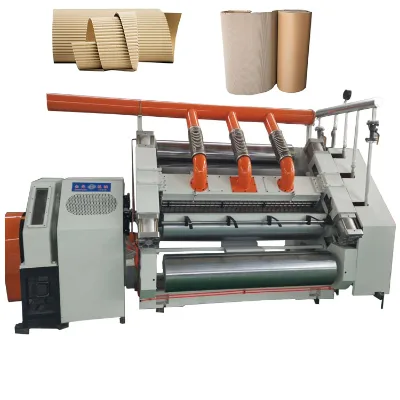
Factory Price Fingerless Vacuum Adsorption Single Facer Corrugated Machine / Single Facer for Sale
$14000.00 - $15000.00
MOQ: 1 sets
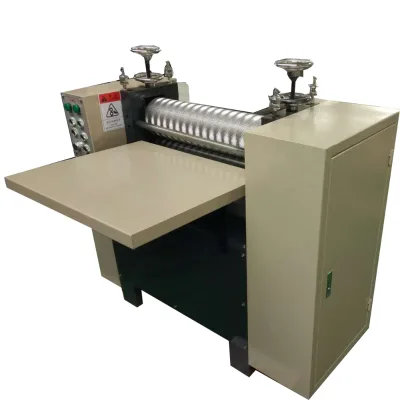
Fingerless Single Facer Paper Corrugating Machine with S Flute
$5000.00 - $16500.00
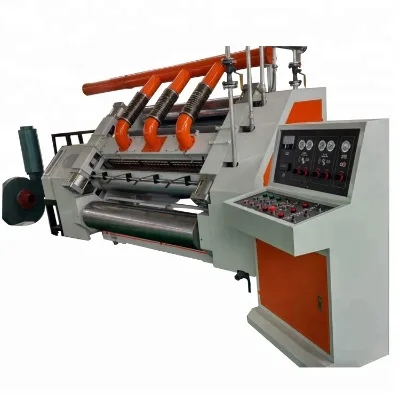

Cangzhou Kading Carton Machinery Manufacturing Co., Ltd.
- Combined
- China Hebei
- Lead time60 days
- Avg. response≤ 1h
Main productsFlexo Folder Gluer, Box Printing Slotting Die Cutting Machine, Corrugated Cardboard Production Line, Carton Stitching Machine, Carton Box Folder Gluer, Banding Strapping Machine, Slitter Scorer Machine, Single Facer Machine, Reel Roll Stand, Paper Corner Protector Machine
Main marketsDomestic

Adsorption Type Single Facer Corrugated Machine with High Speed for Production Line
$15000.00 - $55000.00
MOQ: 1 Pieces

High Speed Hydraulic Single Facer Corrugated Machine for 3/5/7 Layer Corrugated Line
$15000.00 - $55000.00
MOQ: 1 Pieces

GREATLAND PULP AND PAPER TECHNOLOGY CO.,LTD
- Verified by TUVRHEINLAND
- Trading Company,Manufacturer/Factory,Group Corporation
- China Shandong
- Lead time45 days
- Avg. response≤ 11h
Main productsPulping Equiepment, Paper Machine, Tissue Machine, Rewinder, Pulper, Pressure Screen, Deflaker, Refiner, Disc Filter, Paper Machine Roller
Main marketsSouth America,Eastern Europe,Mid East,North America,Southeast Asia,Eastern Asia,Oceania,Western Europe,Africa

Cangzhou Yingteng Industry & Trade Co., Ltd.
- Verified by TUVRHEINLAND
- Trading Company
- China Hebei
- Lead time23 days
- Avg. response≤ 5h
Main productsCarton Box Machinery
Main marketsSoutheast Asia/ Mideast,East Asia(Japan/ South Korea),Europe,Australia


The Main Machines for Making Corrugated Cardboard-405/500 Cassette Type Single Facer Machine
$12700.00 - $12890.00
MOQ: 1 set

DONGGUANG XINGLONG PACKAGING MACHINERY CO., LTD.
- Trading Company,Manufacturer/Factory
- China Hebei
- Lead time0 days
- Avg. response≤ 8h
Main productsCorrugated Carton Packaging Machine, Corrugation Plant, Corrugated Cardboard Production Line, Carton Making Machine, Printing Slotting Die Cutting Machine with Stack, Automatic Folder Gluer Machine, Printer Slotter Die Cutter Gluer and Strapping, Rotary Die Cutting Machine, Printing Die Cutting Gluing and Strapping Inline, Carton Making Production Line

$17000.00 - $22000.00
MOQ: 1 set

Corrugated Sheets Making Sf 360 High Speed Easy Operation Single Facer Machine
$60000.00 - $80000.00
MOQ: 1 set


Cangzhou Quanheng Imp&exp Trade Co., Ltd.
- Verified by SGS
- Trading Company
- China Hebei
- Lead time60 days
- Avg. response≤ 6h
Main productsCorrugated carton making machine
Main marketsEurope,North America

Qh 1600 High Speed Corrugated Machine Corrugated Making Single Facer Machine
$19800.00 - $20000.00
MOQ: 1 Pieces


SUN HONG PAPER TECH XUZHOU LTD
- Verified by BV
- Manufacturer/Factory
- China Jiangsu
- Lead time23 days
- Avg. response≤ 1h
Main productsForming Fabric, Press Felt, Dryer Fabric, Screen Basket, Press Roll, Dryer Cylinder, Cylinder Mould, Doctor Blade, Vacuum Suction Cover, Hydrapulper
Main marketsSouth America,Eastern Europe,Mid East,Southeast Asia,Eastern Asia,Oceania,Africa


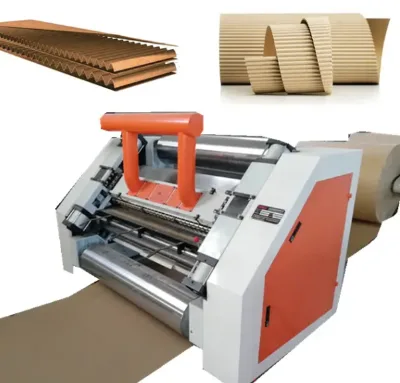
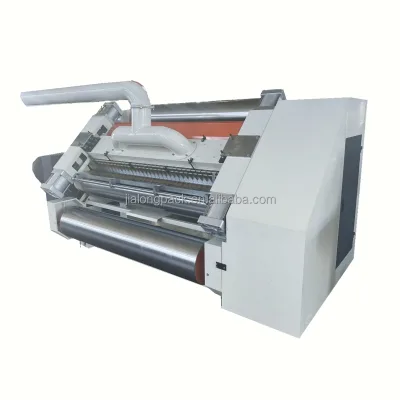
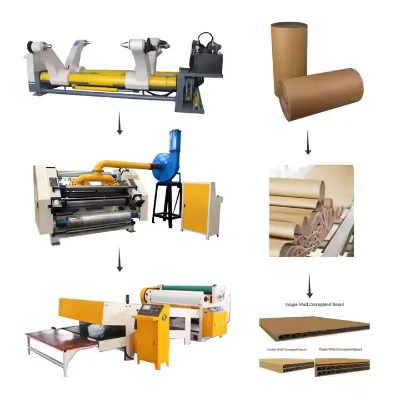
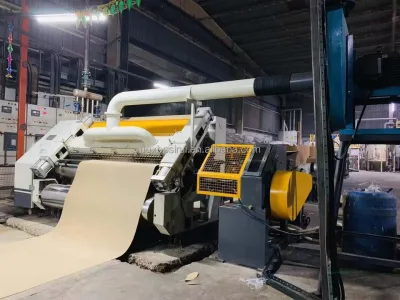


Comprehensive Sourcing Guide
Automatic Single Facer Machine Supplier Concentration and Factory Types
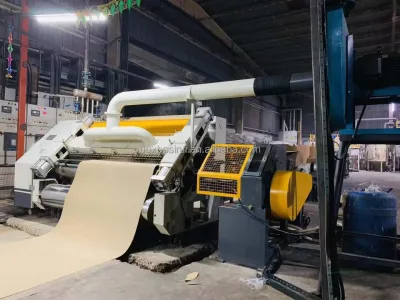
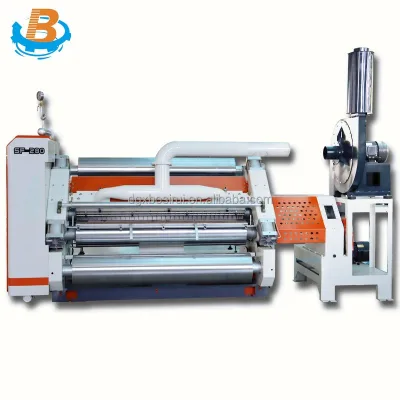
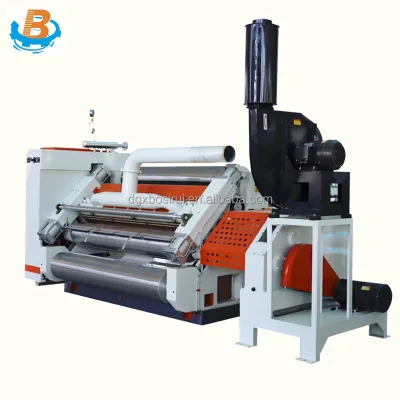
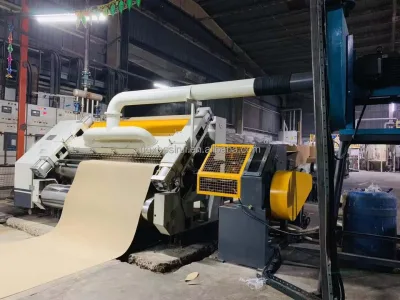
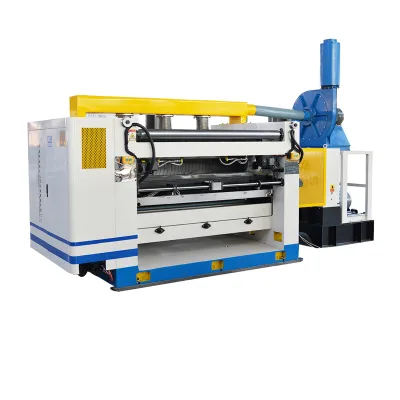
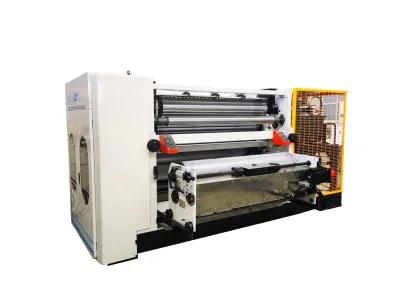
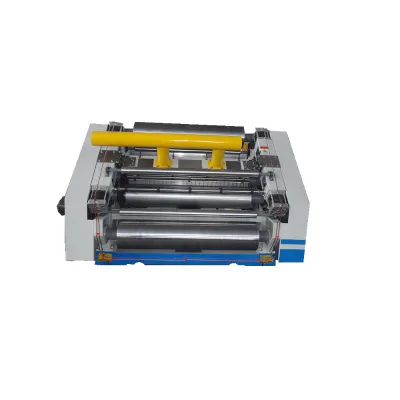
Listings for the Automatic Single Facer Machine in current search results point to Hebei, China, as the documented origin region, with product attributes explicitly recording Hebei, China as the place of origin. That makes it reasonable to describe a regional concentration for this category, since multiple listings independently declare the same province. Beyond the supplied location data, buyers should treat cluster identification as their own verification task: search industry directories by the machine's HS-style classification, check which provinces appear repeatedly across listing origins, and confirm where corrugated packaging machinery supply chains—roll suppliers, bearing vendors, and fabrication shops—are densest before assuming any region is a true manufacturing hub.
Supplier types in the results divide between companies labeled Manufacturer and companies labeled Trading Company, Manufacturer/Factory. The manufacturer-typed listings emphasize a coherent product family—corrugated cardboard making machines, flexo printer slotter die cutters, stitching machines, folder gluers, and single facers themselves—suggesting a focused production line. The combined trading-and-factory listing lists a wider catalog including production lines, flute laminators, and rotary and flat die cutters, which may indicate assembly or outsourcing of some items. Ask each supplier directly which products are built in-house and which are sourced, and request workshop photos or a video walkthrough of the single facer assembly area specifically, not just the general facility.
How to Verify Automatic Single Facer Machine Suppliers
Verification should start with the attributes a supplier's own listings disclose, because these are checkable claims. In the current results, some listings state CE certification, others state "CE and ISO," and one lists a machinery test report as provided along with video outgoing-inspection. Treat these as claims to confirm, not facts: ask for the actual certificate number and issuing body, and match it against the certification body's own database rather than accepting a listing badge. One listing names a brand and declares engineers available to service machinery overseas, which is worth probing—ask how many engineers, at what notice, and at whose cost.
Business-entity verification comes next. Confirm the registered company name, business license, and whether the exporter operates as a manufacturer, a factory-affiliated trading company, or both, since the results show both types. For a machine in this price class, a video audit or third-party inspection of the factory floor is standard practice; ask to see the corrugating roller machining or grinding operation, since roller quality defines single facer performance. Request the machine test protocol: running speed, flute forming consistency, and glue application checks under load. Finally, verify the people you negotiate with can actually commit—a factory salesperson may need management sign-off on customization terms, and knowing who holds authority prevents dead-end negotiations during the quotation and contract phases.
What to Compare Across Automatic Single Facer Machine Suppliers
Build a comparison sheet from dimensions the supplier results actually display. Location is available—Hebei, China—so note it, but do not assume every supplier shares it. Response time appears in the results, with one supplier recorded at a 6-hour response figure; log response speed for every candidate because slow pre-sale replies usually predict slow after-sale replies. Lead time is another displayed dimension, with one listing recording 25 days; compare quoted production times like-for-like, confirming whether the clock starts at deposit, at drawing approval, or at factory testing completion. Minimum order quantity in this category is low—listings show an MOQ of 1 for a single facer machine—so suppliers differ little there, but confirm it per model.
Technical comparison should use listing attributes: model numbers, working width (one listing offers customized working width), power ratings that vary across listings from the low single-digit kilowatt range to 15–25 kW, operating speeds from 60 m/min to 80 m/min, corrugating roller material, automatic grade, and core components such as PLC brand. Price is displayed with ranges; current listings span roughly the mid-teens to thirty thousand dollar band, so quote identical specifications to several suppliers. Also compare warranty (some listings state one year), after-sales engineering support, OEM/ODM acceptance, and main-product breadth to judge specialization.
Common Automatic Single Facer Machine Sourcing Risks
The most common risk in this category is specification drift between quotation and delivery. Listings advertise customized working width and customized dimensions, which is convenient but creates room for mismatch—agree the exact working width, flute type, heater type, and steam or electric configuration in a signed technical datasheet before paying a deposit. A second risk is certification ambiguity: the results show some listings claiming CE, some claiming CE and ISO, and some claiming no certification at all. If your market requires CE marking, demand the certificate itself; a listing badge is not compliance documentation.
Quality risk concentrates in the corrugating rollers and the drive system. One listing helpfully specifies 42 CrMo alloy steel rollers; suppliers who decline to name roller material or hardness treatment deserve extra scrutiny. Speed claims also need testing—quoted figures like 60 m/min or 80 m/min should be reproduced during pre-shipment inspection with your intended paper grades. Commercial risks include underquoted shipping weight (one listing's weight fields are internally inconsistent), vague warranty scope despite stated one-year terms, and unclear after-sales responsibility when a listing promises overseas engineer service. Mitigate by tying final payment to a witnessed test run, specifying spare-part quantities in the contract, and getting the warranty's labor, parts, and travel-cost terms written down rather than assumed from listing text.
Automatic Single Facer Machine Regional Sourcing and Logistics
Hebei, China is the location documented in the current supplier results, appearing both as a supplier-level location and as product place-of-origin attributes. Sourcing from a single documented province simplifies logistics coordination: supplier visits, pre-shipment inspections, and container loading can be combined into one trip, and inspection companies typically cover the region. However, do not assume the whole supply chain sits there—heavier components or castings may be produced elsewhere, and a combined trading-and-manufacturing listing may pull stock from multiple provinces, so ask where your specific machine will be built and where final testing occurs.
Logistically, a single facer machine is a substantial export item. One listing records dimensions of 2600x1200x1800mm and weights ranging across thousands of kilograms, so expect full or shared container shipment with fixed and braced machinery, and confirm who handles inland trucking to port. Packaging attributes in the listings mention cartons, film, and wooden cases; for export, insist on seaworthy wooden cases with film and moisture protection, since corrugating rollers and bearings are sensitive to impact and humidity. Verify export documentation—commercial invoice, packing list, bill of lading, and any certificate required for customs clearance in your market—before the deposit stage, and confirm the supplier has shipped this machine class internationally rather than only domestically.
Automatic Single Facer Machine Commercial Terms and Order Planning
Commercial terms in this category are relatively accessible for new buyers: displayed MOQ is 1 unit, listed prices span roughly fifteen to thirty thousand US dollars across current listings, and one supplier records a 25-day lead time with a 6-hour response time. Use these as reference points for negotiation, not as fixed market prices—final pricing depends on working width, flute configuration, automation level, and customization. Because MOQ is one, your negotiation leverage comes from the order value, not the quantity; ask for the price to include a defined spare-parts kit, tooling, and one year of warranty support as stated in several listings.
Plan the order around documented milestones: technical datasheet approval, deposit, production, factory testing with video or witness attendance, balance payment, and shipment. Insist on pre-shipment inspection before the final payment, since the listings that promise machinery test reports and video outgoing-inspection show suppliers already accustomed to this step. Negotiate Incoterms explicitly—FOB from the Chinese port is typical for machinery of this size, but confirm the exact port and who books freight. For payment, escrow-style arrangements or staged payments (30/70 is common in this sector) reduce counterparty risk; verify whether any supplier supports platform escrow. Finally, budget calendar time beyond the production lead time for ocean transit, customs clearance, installation, and commissioning, and schedule your operator training during the commissioning window rather than after.
Word count: approximately 1400 (sections: 232 + 231 + 233 + 235 + 232 + 234)
FAQs
What is the price range for automatic single facer machines?
Prices for automatic single facer machines typically range from approximately $15,000 to $30,000 per unit. Specific models like the 1600 Automatic Single Facer start around $18,713, while specialized 2 Ply Corrugated Cardboard versions can reach $30,000. Buyers should verify exact pricing based on configuration and order volume.
What is the minimum order quantity for these machines?
The minimum order quantity is generally one unit for most automatic single facer machines. This allows buyers to purchase a single item for testing or small-scale production needs. Suppliers typically accept orders starting from one piece, making it accessible for various business sizes without requiring bulk commitments.
How long does delivery take for these machines?
The standard lead time for manufacturing and delivering automatic single facer machines is approximately 25 days. This timeframe allows for production, quality checks, and preparation for shipment. Buyers should confirm specific delivery schedules with suppliers, as complex configurations or high demand may slightly extend this standard production window.
Where are these machines manufactured?
These automatic single facer machines are manufactured in Hebei, China. This region is a known hub for industrial machinery production, offering competitive pricing and established supply chains. Buyers sourcing from this location can expect consistent manufacturing standards and access to a wide variety of corrugated packaging equipment options.
What certifications do these machines have?
Many automatic single facer machines come with CE certification, ensuring compliance with European safety and quality standards. Some models also hold ISO certifications, indicating adherence to international management and quality systems. Buyers should request specific certificate documents to verify compliance with their local regulatory requirements before finalizing purchases.
What after-sales support is provided?
Suppliers typically provide engineers available to service machinery overseas, ensuring technical support is accessible globally. This service helps resolve installation, operation, or maintenance issues efficiently. Buyers benefit from direct expert assistance, reducing downtime and ensuring the Automatic Single Facer Machine operates at optimal performance levels throughout its lifespan.