Source 3D Cartoon Animal Silicone Mold for Crafts, Resin, and Jewelry
Source 3D Cartoon Animal Silicone Mold options from verified suppliers. Compare 30 listings featuring turtle, squirrel, and rabbit designs for resin casting, soap making, and decorative crafts. Check MOQs, certifications, and lead times; compare the available evidence and request quotations based on your requirements.
Updated
Key considerations
Products List
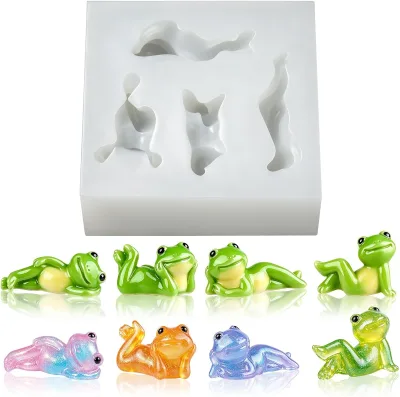
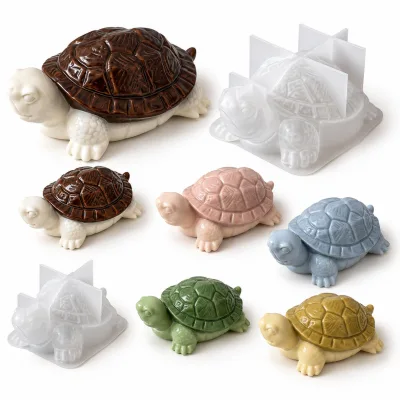
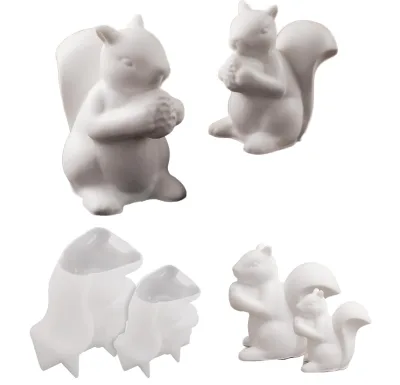
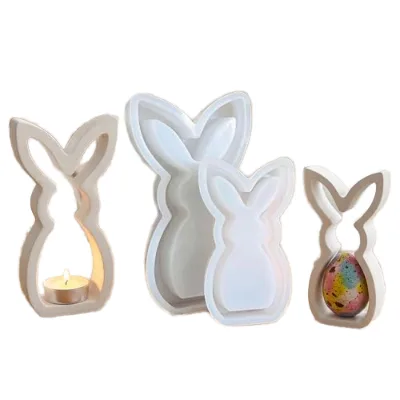
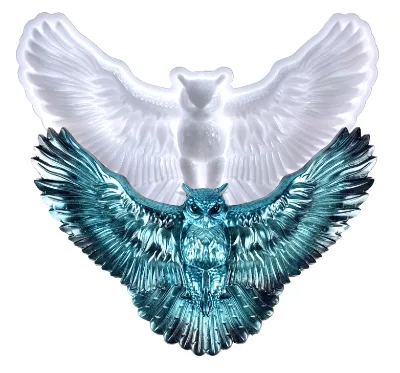
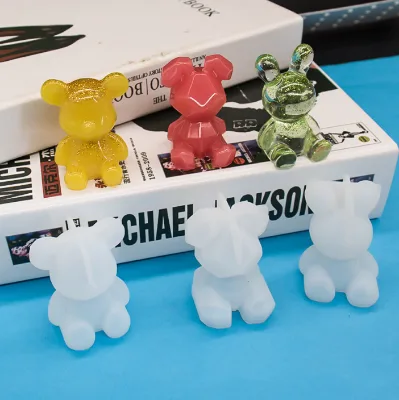
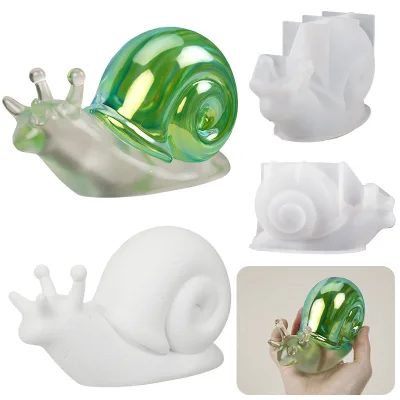


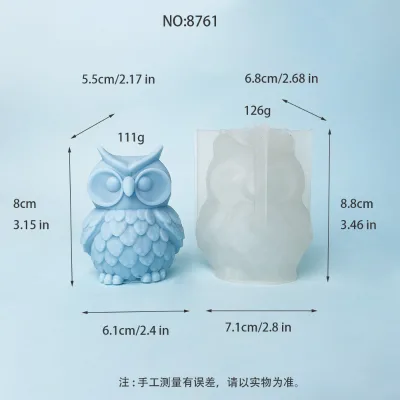
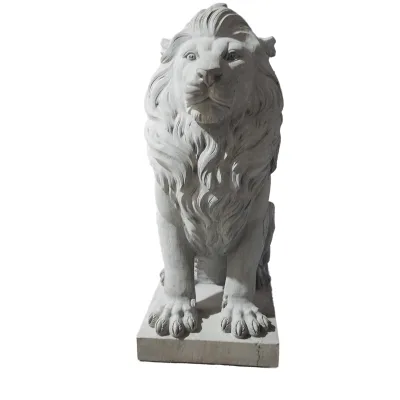
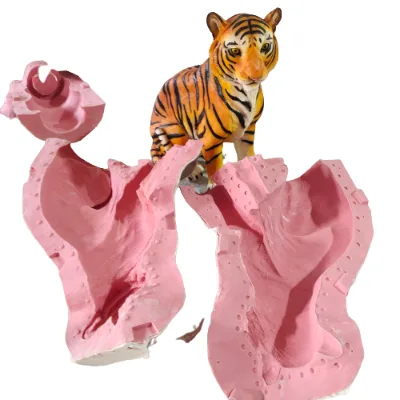
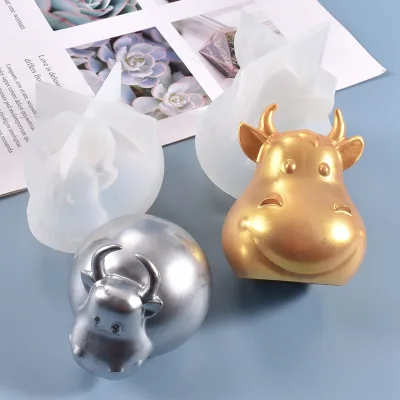
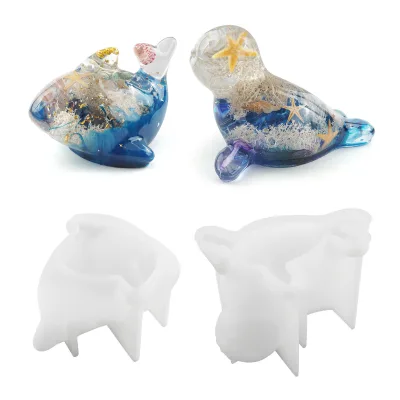


Comprehensive Sourcing Guide
3D Cartoon Animal Silicone Mold Sourcing Guide
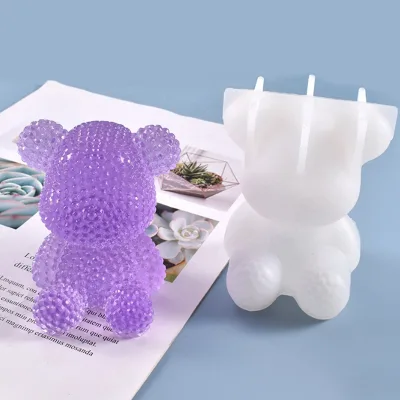
Sourcing 3D cartoon animal silicone molds requires a careful balance between aesthetic fidelity and functional durability, particularly when targeting niche markets like resin crafts or decorative home goods. Buyers must recognize that these molds are not generic industrial components but specialized tools where surface texture and release properties directly impact production efficiency. The observed market signals indicate a strong preference for cute, tiny, and realistic designs, such as turtles, squirrels, and Easter bunnies, which demand high-precision casting techniques. Understanding these specific aesthetic requirements is the first step in defining accurate technical specifications and avoiding mismatches between supplier capabilities and end-user expectations.
Furthermore, the procurement landscape for these items is characterized by significant variability in material composition and origin, primarily centered in China, with specific manufacturing hubs in Guangdong and Zhejiang provinces. Buyers should note that while the core keyword emphasizes silicone, some listed products are explicitly described as resin crafts or utilize silicone rubber for different applications, including hardware and electronic components. This distinction is critical for quality control, as the intended use case—whether for food-safe chocolate casting, decorative resin art, or industrial part replication—dictates the necessary material grade and certification requirements. Aligning the mold’s physical attributes with its intended application prevents costly errors in downstream manufacturing processes.
Product Scope and Observed Listing Signals
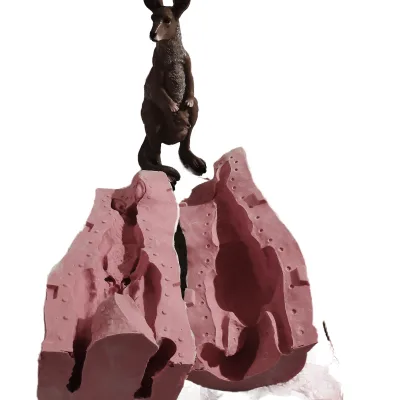
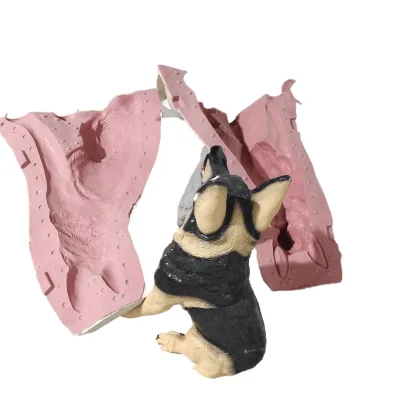
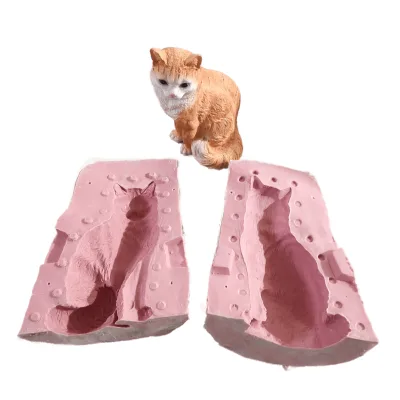
The current market for 3D cartoon animal silicone molds features a diverse array of designs, ranging from single-item pieces to multi-pack sets, with observed listings highlighting specific patterns like turtles, squirrels, and Easter bunnies. These products are often marketed with features such as "3D animal casting," "realistic" detailing, and "cute" aesthetics, catering to hobbyists and small-scale artisans who prioritize visual appeal. The observed price range spans from $0.01 to $560, reflecting a wide spectrum of quality, complexity, and brand positioning, while minimum order quantities (MOQs) typically range from 1 to 1000 units, allowing for flexible procurement strategies for both trial orders and bulk production runs.
In addition to design variety, buyers should pay close attention to packaging and dimensional specifications, which vary significantly across suppliers. For instance, some molds are packaged as single items with compact dimensions like 7.5x7x3 cm, while others come in 2-packs with larger footprints, such as 17.9x16.5x4.7 cm for rabbit-shaped molds. The observed color options include beige, white, and multi-color variants, with some suppliers offering customized colors to match specific brand identities. These physical attributes are not merely cosmetic; they influence storage logistics, shipping costs, and the overall user experience, making it essential for buyers to verify these details against their operational requirements before finalizing any purchase agreements.
Technical Specifications to Verify
When evaluating technical specifications, buyers must prioritize the material composition and manufacturing technique to ensure the mold meets the demands of the casting process. The supplied facts indicate that products are primarily made from silicone or silicone rubber, with some listings specifying resin as the product material for crafts, which suggests a need for clear distinction between the mold material and the casting material. Techniques such as casting are commonly employed, and buyers should verify the mold’s flexibility, tear resistance, and heat tolerance, especially if the application involves epoxy resin or polyurethane materials that generate exothermic reactions during curing.
Dimensional accuracy and surface finish are equally critical, with observed specifications including single gross weights ranging from 0.05 kg to 0.2 kg and package sizes varying based on the animal design. Buyers should request detailed drawings or samples to confirm that the mold’s internal geometry accurately replicates the desired 3D shape, such as the intricate details of a squirrel or the smooth curves of a turtle. Additionally, tolerance levels, such as the observed +/-0.1mm specification for some industrial-grade molds, should be clarified for each product, as tighter tolerances are necessary for complex designs to ensure consistent part quality and reduce post-processing time.
Compliance and Safety Documentation
Compliance and safety documentation are paramount when sourcing silicone molds, particularly if the end product will come into contact with food, children, or sensitive environments. The observed market includes certifications such as TSCE, ISO, and FDA, which are crucial for verifying that the silicone material is free from harmful substances like BPA or phthalates. Buyers must request valid test reports from accredited laboratories to confirm that the molds meet these standards, especially for applications in household appliances, furniture, or decorative items that may have indirect food contact or require high hygiene standards.
Beyond material safety, buyers should also verify environmental and quality management certifications, such as ISO9001, TS16949, QS, and ISO14001, which indicate a supplier’s commitment to consistent quality and sustainable manufacturing practices. These certifications are particularly relevant for industrial applications, such as hardware or electronic components, where process control and traceability are essential. While CE certification is mentioned in the background context, buyers should treat this as a general indicator rather than a guaranteed attribute for every product, and instead focus on obtaining specific, product-level compliance documents that align with their target market’s regulatory requirements.
Cost Drivers and Commercial Terms
Cost drivers for 3D cartoon animal silicone molds include the complexity of the design, the quality of the silicone material, and the level of customization required. Simple, single-color molds with standard dimensions tend to be more affordable, while intricate, multi-part, or custom-colored designs command higher prices due to increased production time and material waste. The observed MOQs, ranging from 10 pieces to 1000 units, also significantly impact unit costs, with lower MOQs often resulting in higher per-unit prices due to setup fees and limited economies of scale. Buyers should negotiate pricing based on volume commitments and consider the total cost of ownership, including shipping and potential rework costs.
Commercial terms such as payment methods, lead times, and return policies are equally important in shaping the procurement strategy. Suppliers may offer customized packaging or standard packing options, which can affect logistics costs and delivery timelines. Buyers should clarify whether samples are available for quality verification, as this can prevent costly mistakes in bulk orders. Additionally, understanding the supplier’s production capacity and lead times is essential for planning inventory levels and meeting customer demand, especially for seasonal products like Easter or Halloween-themed molds, where timing is critical to market success.
Supplier Qualification and Quality Control
Supplier qualification is a critical step in ensuring the reliability and consistency of 3D cartoon animal silicone molds. Buyers should conduct thorough due diligence on potential suppliers, verifying their manufacturing capabilities, quality control processes, and track record in producing similar products. This includes assessing their facility’s equipment, workforce expertise, and adherence to international standards, as indicated by certifications like ISO9001 and TS16949. Suppliers with a strong reputation for producing high-quality silicone molds are more likely to deliver products that meet the specified tolerances and surface finish requirements, reducing the risk of defects and production delays.
Quality control measures should be implemented at multiple stages of the procurement process, from initial sample approval to final inspection before shipment. Buyers should request detailed inspection reports, including dimensional checks, material tests, and visual inspections for surface defects. Establishing clear acceptance criteria and communication channels with the supplier is essential for addressing any issues promptly. Additionally, buyers should consider implementing a periodic audit or third-party inspection service to ensure ongoing compliance with quality standards, particularly for long-term contracts or high-volume orders, to maintain consistent product quality and supplier performance.
Long-Term Procurement Checks
Long-term procurement checks involve continuous monitoring of supplier performance, market trends, and product quality to ensure sustained value and reliability. Buyers should establish key performance indicators (KPIs) such as on-time delivery rates, defect rates, and responsiveness to issues, and review these metrics regularly to identify areas for improvement. Maintaining open communication with suppliers and fostering a collaborative relationship can lead to better problem-solving and innovation, such as the development of new designs or improvements in material durability. Regular feedback loops and joint reviews can help align supplier capabilities with evolving buyer needs and market demands.
Additionally, buyers should stay informed about changes in regulatory requirements, material availability, and technological advancements in silicone molding. This includes monitoring for new certifications, such as updated FDA or ISO standards, and exploring opportunities for cost optimization through material substitutions or process improvements. By proactively managing these factors, buyers can mitigate risks, enhance supply chain resilience, and ensure that their procurement strategy remains competitive and aligned with their business objectives. Continuous evaluation and adaptation are key to maintaining a successful and sustainable sourcing program for 3D cartoon animal silicone molds.
FAQs
What materials are used for 3d cartoon animal silicone molds?
These molds are primarily crafted from high-quality silicone rubber, ensuring flexibility and durability for repeated use. Some listings also specify silicone as the main material for resin casting applications. The material choice supports detailed 3D animal casting, allowing for realistic textures and easy demolding of various craft projects without damaging the final product.
Can I customize the color of these silicone molds?
Yes, customized colors are available for many of these silicone molds. Buyers can select from specific options like beige, white, or multi-color sets depending on the supplier. This customization allows for better organization or aesthetic matching in your workshop. Always verify the specific color palette with the manufacturer before placing a bulk order to ensure it meets your project requirements.
What certifications do these silicone molds typically hold?
Many suppliers provide molds certified with FDA, ISO, and TSCE standards, ensuring safety for various applications. Some manufacturers also hold ISO9001 and ISO14001 certifications for quality and environmental management. These certifications indicate that the silicone rubber meets international safety and quality benchmarks, making them suitable for household, craft, and potentially food-adjacent resin projects when used correctly.
What is the typical MOQ for ordering these molds?
The minimum order quantity varies, with some suppliers offering an MOQ of just 10 pieces for sample orders. Other listings indicate a range from 1 to 1000 units depending on the specific product type. This flexibility allows small businesses to test quality before committing to larger volumes. Always check the specific MOQ for the animal design you intend to purchase, as it differs by model.
Where are these 3d animal silicone molds manufactured?
These molds are predominantly manufactured in China, with specific origins noted in Guangdong and Zhejiang provinces. This location is a major hub for silicone and resin craft supplies, offering competitive pricing and diverse product ranges. Buyers can expect a wide variety of animal designs, including turtles, squirrels, and bunnies, sourced directly from these established manufacturing regions in Asia.
What types of animals are available in these molds?
A wide variety of 3D animal designs are available, including turtles, squirrels, rabbits, snails, octopuses, and eagles. Some sets feature Easter-themed bunnies or Halloween-specific characters. The molds capture realistic details, making them ideal for resin crafts. Buyers can choose from single items or 2-packs, depending on the specific animal pattern and packaging options provided by the supplier.