Source Portable Multifunctional Thumb Cutter for Wood, Panels, Office
Compare 17 Portable Multifunctional Thumb Cutter options from verified suppliers. Buyers can evaluate specifications like blade material, tooth form, and customization availability for cutting wood, panels, and office tasks; compare the available evidence and request quotations based on your requirements.
Updated
Key considerations
Products List


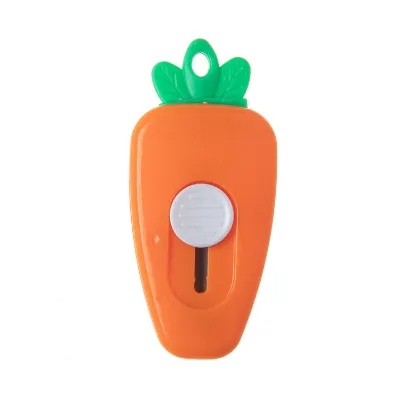


Portable 9mm Cheap Plastic Cutter Utility Knife with Retractable Knives
$0.09 - $0.106
MOQ: 5000 Pieces


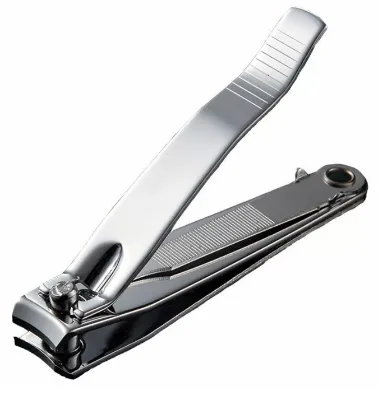



Nail Art Nail Edge Clipper Cutter Scissors With Rubber Handle Stainless Steel Nail Clipper
$0.6807 - $0.9948
MOQ: 30 Minimum
Comprehensive Sourcing Guide
Portable Multifunctional Thumb Cutter Sourcing Guide
Sourcing portable cutting tools requires careful evaluation of material integrity and ergonomic design to ensure user safety and operational efficiency. Buyers must prioritize products that balance durability with ease of use, particularly for applications involving wood, panels, or general office tasks. The market offers various configurations, from utility knives to specialized saw blades, each serving distinct industrial and domestic needs. Understanding the specific functional requirements is the first step in selecting the right tool for your procurement strategy.
This guide focuses on verifying critical attributes such as blade material, tooth form, and customization options. By examining observed listing signals and technical specifications, procurement teams can mitigate risks associated with low-quality imports. The following sections provide a structured approach to evaluating suppliers, ensuring that selected products meet stringent quality standards and commercial expectations. This disciplined approach helps in building a reliable supply chain for essential cutting instruments.
Product Scope and Observed Listing Signals
The current market landscape for portable cutting tools includes a diverse range of items, from carbide saw blades to plastic utility knives. Observed listings indicate a wide variety of applications, including cutting different types of wood, panels, and general office tasks. Products are often categorized by their specific function, such as inverted trapezoidal tooth forms for saw blades or sliding blade mechanisms for utility knives. This diversity allows buyers to find specialized tools tailored to precise industrial or domestic requirements, ensuring optimal performance in various operational contexts.
Listing signals reveal significant variation in packaging and branding options, which are crucial for retail and B2B distribution. Some products come in carton packaging, while others utilize PE plastic bags, OPP self-adhesive bags, or retail blister packages. Customization is widely available, with many suppliers offering logo printing and customized branding services. These features enable buyers to create private-label products that align with their brand identity, enhancing market presence and customer recognition in competitive retail environments.
Technical Specifications to Verify
Verifying technical specifications is essential to ensure that the selected cutting tools meet performance and safety standards. Key attributes to check include blade material, such as tungsten carbide or stainless steel, which directly impact durability and cutting efficiency. For saw blades, the tooth count and form, such as inverted trapezoidal teeth, are critical for specific cutting tasks. Buyers should also verify the size and model numbers, as these determine compatibility with existing machinery and tools, ensuring seamless integration into current workflows.
Additional specifications to confirm include the thickness of the blade, which typically ranges from 0.4mm to 0.5mm for certain utility knives, and the head type, such as sharp heads for precision cutting. The condition of the product, whether new or refurbished, and its folded or unfolded state are also important considerations. By meticulously reviewing these technical details, buyers can avoid mismatches between product capabilities and operational needs, reducing the risk of equipment failure or safety hazards during use.
Compliance and Safety Documentation
Compliance with international standards is a non-negotiable aspect of sourcing cutting tools, particularly those used in industrial settings. Buyers must request documentation that verifies adherence to relevant safety and quality certifications, such as ISO9001, which indicates a robust quality management system. For products involving coatings, such as chromium nitride on saw blades, verifying the certification ensures that the materials used are safe and durable. This documentation provides assurance that the products have undergone rigorous testing and meet established industry benchmarks for safety and performance.
Safety data sheets and material safety information are also critical for handling and storing cutting tools properly. Buyers should ensure that suppliers provide clear instructions on the proper use and maintenance of the tools to prevent accidents. Additionally, verifying that the products comply with local regulations in the destination market is essential to avoid legal issues and ensure smooth customs clearance. By prioritizing compliance, buyers protect their organizations from liability and ensure the safe operation of their workforce.
Cost Drivers and Commercial Terms
Understanding the cost drivers for portable cutting tools helps buyers negotiate better terms and manage budgets effectively. Factors such as material quality, customization options, and packaging complexity significantly influence the final price. For instance, products with custom logos or specialized packaging may incur additional costs, while bulk orders can lead to economies of scale. Buyers should also consider the minimum order quantity (MOQ), which can range from a single piece to tens of thousands, affecting inventory management and cash flow.
Commercial terms, including payment methods, lead times, and shipping arrangements, play a crucial role in the overall procurement strategy. Buyers should clarify these terms with suppliers to avoid unexpected delays or costs. Additionally, verifying the reasonableness of the price relative to the product specifications and market standards is essential to ensure value for money. By carefully evaluating these commercial aspects, buyers can optimize their procurement process and achieve cost-effective sourcing outcomes.
Supplier Qualification and Quality Control
Supplier qualification is a critical step in ensuring the reliability and consistency of the supply chain. Buyers should conduct thorough due diligence to verify the supplier’s manufacturing capabilities, quality control processes, and track record. This includes assessing their production facilities, testing equipment, and adherence to international standards. Suppliers with a proven history of delivering high-quality products and meeting deadlines are preferred, as they reduce the risk of supply chain disruptions and quality issues.
Quality control measures, such as pre-shipment inspections and sample testing, are essential to verify that the products meet the specified requirements. Buyers should request samples to evaluate the product’s performance, durability, and safety before placing large orders. Additionally, establishing clear quality expectations and communication channels with suppliers helps in addressing any issues promptly. By implementing robust quality control practices, buyers ensure that the sourced cutting tools meet their operational needs and maintain high standards of safety and performance.
Long-Term Procurement Checks
Long-term procurement checks involve continuous monitoring and evaluation of supplier performance and product quality. Buyers should establish key performance indicators (KPIs) to track metrics such as delivery times, defect rates, and customer satisfaction. Regular audits and feedback sessions with suppliers help in identifying areas for improvement and fostering a collaborative relationship. By maintaining open communication and addressing issues proactively, buyers can ensure a stable and reliable supply of cutting tools.
Additionally, staying updated on market trends and technological advancements in cutting tools is essential for making informed procurement decisions. Buyers should regularly review their product portfolio and assess whether new products or suppliers can offer better value or performance. By continuously evaluating and optimizing their sourcing strategy, buyers can adapt to changing market conditions and maintain a competitive edge. This proactive approach ensures that the organization remains resilient and responsive to future procurement challenges.
FAQs
What materials are used for Portable Multifunctional Thumb Cutter blades?
Blades are typically made from tungsten carbide, stainless steel, or alloy materials to ensure durability and sharpness. Some models feature chromium nitride coatings for enhanced wear resistance. These materials provide the necessary hardness for cutting various wood, panels, and office materials effectively while maintaining a long service life under heavy use conditions.
Can I customize the logo on portable multifunctional thumb cutters?
Yes, logo printing is supported for many Portable Multifunctional Thumb Cutter models. Buyers can request customized branding on the product body or packaging. This service allows businesses to enhance brand visibility. Customization options are available for both industrial and office-grade utility knives, ensuring professional presentation for corporate procurement needs.
What is the minimum order quantity for these thumb cutters?
Minimum order quantities vary significantly by product type. Some carbide saw blades require only one piece as the MOQ, while other utility knives may require up to 50,000 pieces. Buyers should check specific product listings for exact thresholds. Flexible MOQs accommodate both small sample orders and large-scale industrial procurement requirements efficiently.
Which certifications do these cutting tools typically hold?
Many portable multifunctional thumb cutters and related blades hold ISO9001 certification, ensuring quality management standards are met. Some products also feature specific certifications like chromium nitride coating standards. These certifications verify material safety and manufacturing consistency. Buyers can rely on these documented standards for compliance in industrial and commercial sourcing projects.
How are portable multifunctional thumb cutters packaged for shipping?
Packaging methods include carton boxes, PE plastic bags, OPP self-adhesive bags, retail blister packages, and box packages. Specific configurations depend on the product model and buyer requirements. Bulk orders often use standard cartons, while retail-ready items may feature blister packs. This variety ensures safe transit and appropriate presentation for different market channels.
What applications are suitable for these multifunctional thumb cutters?
These tools are designed for cutting different woods, panels, and general office tasks. They serve home, industrial, and office environments effectively. The versatile design handles various materials with precision. Whether for construction paneling or daily office use, the multifunctional nature provides reliable performance across diverse cutting applications and professional workflows.