Source Howo Oil Injection Nozzle for Dump Trucks, Mining Trucks, and Heavy Engines
Find 30 verified Howo Oil Injection Nozzle options for dump trucks, mining trucks, and heavy engines. Compare OEM and customized parts from Chinese suppliers with delivery within 3 working days; compare the available evidence and request quotations based on your requirements.
Updated
Key considerations
Products List


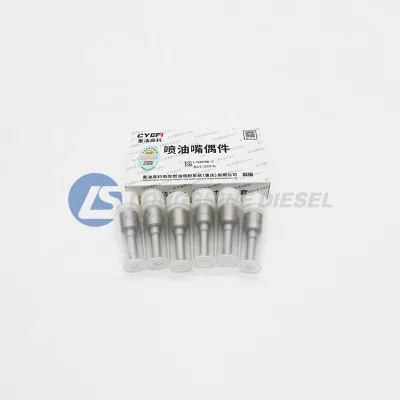


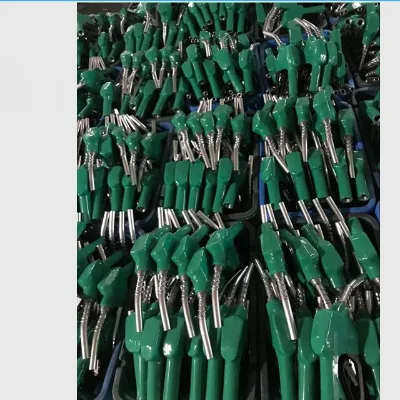
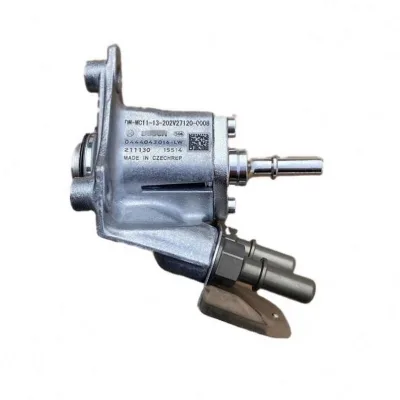
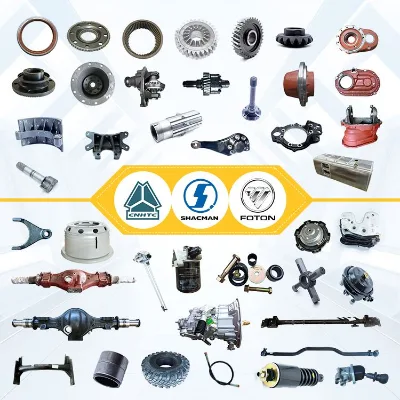
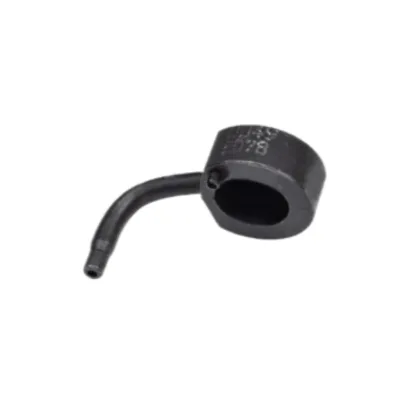
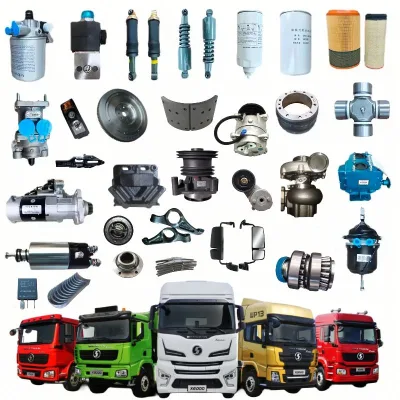
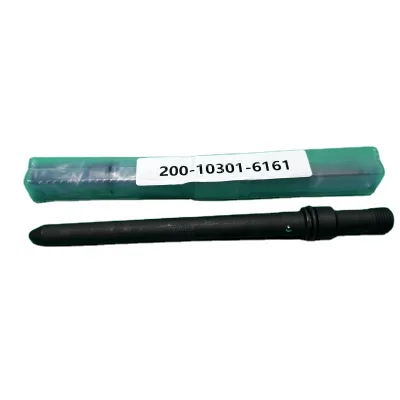
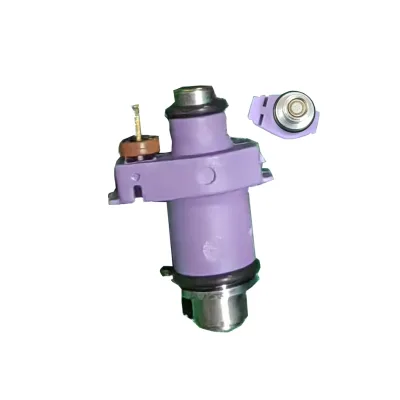
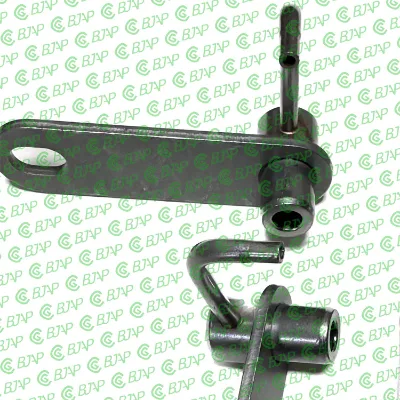


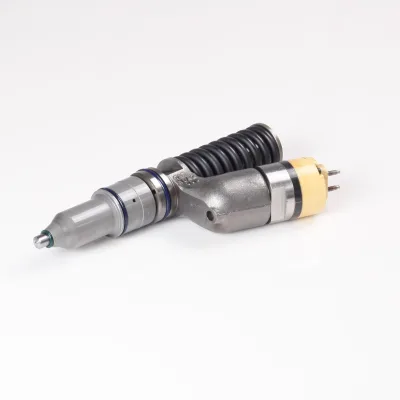
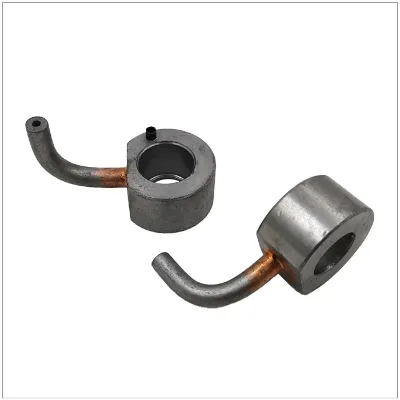
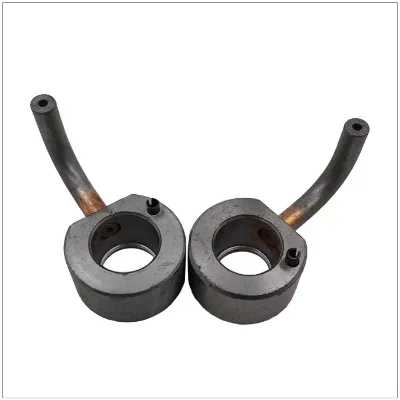


Comprehensive Sourcing Guide
Howo Oil Injection Nozzle Sourcing Guide
Procuring replacement components for heavy-duty commercial vehicles requires a disciplined approach to identifying genuine fitment and performance standards. The Howo Oil Injection Nozzle serves as a critical interface within the fuel delivery system, ensuring precise atomization for optimal combustion efficiency. Buyers must recognize that these parts are often categorized under broader engine components, specifically targeting diesel engines found in mining trucks and dump trucks. Understanding the specific vehicle architecture is the first step in avoiding costly mismatches during the sourcing process.
The global market for these components is extensive, with suppliers primarily originating from major manufacturing hubs in China. Sourcing agents and procurement teams frequently encounter listings that bundle these nozzles with other engine parts, such as starters or frame components, which can complicate inventory management. It is essential to isolate the specific nozzle part number from general engine assembly listings to ensure compatibility with models like the HOWO, A7, T7h, and Shacman series. This precision prevents operational downtime and ensures that the fuel system operates within its designed parameters.
Product Scope and Observed Listing Signals
Current market listings indicate a wide variance in product attributes, reflecting the diverse nature of aftermarket and OEM supply chains. Observed data suggests a price range from $0.8 to $800 USD, with minimum order quantities (MOQ) spanning from 1 to 1000 pieces. This disparity often correlates with the quality tier, whether the item is labeled as original, genuine, OEM, or customized. Buyers should interpret these signals as indicators of potential variation in material integrity and manufacturing precision rather than uniform product standards.
Packaging and origin details further complicate the procurement landscape, with items shipped from locations such as Shandong and Chongqing in various formats including cartons, wooden boxes, or neutral packing. Some listings specify dimensions like 25.00cm x 10.00cm x 5.00cm, while others list larger crates, suggesting bulk industrial shipments. The presence of certifications like ISO9001 is noted, but buyers must verify if this applies to the specific nozzle batch or the broader supplier facility. These logistical details are crucial for calculating landed costs and ensuring safe transit of delicate precision components.
Technical Specifications to Verify
Accurate identification of the part number is paramount when sourcing injection nozzles for heavy-duty applications. Key identifiers such as L468-420, VG1540080017A, 3095773, and 5569874 appear in market data, each corresponding to specific engine configurations. Buyers must cross-reference these numbers with their vehicle’s service manual to confirm compatibility with models like MAN, FAW, and various HOWO variants. Misidentification can lead to improper fuel spray patterns, resulting in reduced engine power and increased emissions.
Material composition and finish are also critical technical factors that influence durability and performance. Listings frequently mention steel construction with glossy or silvery white finishes, indicating resistance to high-pressure environments and thermal stress. The functional role of noise reduction is sometimes attributed to these components, highlighting their impact on overall engine acoustics and smooth operation. Additionally, verifying the electrical system compatibility, particularly regarding the starting system and control mechanisms, ensures that the nozzle integrates seamlessly with the vehicle’s existing diagnostic and fuel management systems.
Compliance and Safety Documentation
Regulatory compliance and safety standards form the backbone of reliable heavy-duty vehicle maintenance. While ISO9001 certification is mentioned in several listings, buyers must request specific documentation to confirm that the manufacturing process adheres to international quality management standards. This verification is essential for ensuring that each nozzle meets consistent dimensional tolerances and material strength requirements. Without proper certification, the risk of premature failure increases, potentially leading to catastrophic engine damage in mining or long-haul transport applications.
Safety considerations extend to the operational integrity of the fuel system, where precise injection timing and pressure are vital. Buyers should inquire about machinery test reports, although many listings indicate these are not available. In such cases, requesting sample testing or third-party validation becomes necessary to verify performance claims. Ensuring that the components meet the necessary safety protocols for high-pressure diesel systems protects both the equipment and the operators, maintaining compliance with industry safety regulations and reducing liability risks.
Cost Drivers and Commercial Terms
Understanding the commercial terms associated with injection nozzle procurement helps in budgeting and supply chain planning. Delivery times are often cited as within three working days after payment, indicating a responsive supply chain for urgent maintenance needs. However, buyers must clarify whether this timeline applies to stock items or requires manufacturing lead time, especially for customized or OEM parts. Payment terms and currency fluctuations can also impact the final cost, necessitating clear agreements on pricing stability and currency conversion rates.
The total cost of ownership includes not just the unit price but also logistics, packaging, and potential return policies. With MOQs ranging from single pieces to thousands, bulk purchasing may offer economies of scale but requires adequate storage and inventory management. Warranty terms, such as the three-month coverage noted in some listings, provide a safety net against defects. Buyers should negotiate clear warranty conditions and return procedures to mitigate financial risk, ensuring that any defective parts are replaced or refunded promptly without additional administrative burden.
Supplier Qualification and Quality Control
Evaluating supplier reliability is crucial for maintaining consistent supply of critical engine components. Buyers should assess the supplier’s track record in providing genuine or OEM parts, verifying their ability to source from reputable manufacturers. The presence of customization options suggests flexibility, but it also requires rigorous quality control processes to ensure that modified parts meet original specifications. Due diligence in supplier selection helps avoid counterfeit products that may compromise engine performance and safety.
Quality control measures should include visual inspections for finish consistency, dimensional checks against specified part numbers, and functional testing where possible. Buyers should request evidence of quality assurance processes, such as batch testing records or inspection certificates. Establishing a clear communication channel with the supplier for addressing any discrepancies or defects is essential. A proactive approach to quality management ensures that the procurement process remains efficient and that the vehicle fleet maintains high operational standards.
Long-Term Procurement Checks
Sustaining a reliable supply chain for injection nozzles requires ongoing monitoring and relationship management. Regular audits of supplier performance, including delivery accuracy and product consistency, help identify potential issues before they impact operations. Buyers should maintain a database of verified part numbers and supplier contacts to streamline future procurement cycles. This systematic approach reduces the risk of sourcing errors and ensures that replacement parts are available when needed for maintenance schedules.
Continuous engagement with suppliers can lead to better pricing, improved lead times, and access to new product innovations. Buyers should periodically review market trends and technological advancements in fuel injection systems to stay informed about potential upgrades or replacements. Establishing long-term contracts with trusted suppliers can provide stability and predictability in supply chain operations. By prioritizing these long-term checks, organizations can optimize their maintenance strategies and enhance the overall reliability of their heavy-duty vehicle fleets.
FAQs
What is the model number for the HOWO injection nozzle?
The primary model number for this injection nozzle is L468-420. This part is specifically designed for heavy-duty applications and is compatible with major truck brands including HOWO, Shacman, and Man. It serves as a critical engine component for fuel delivery systems in these vehicles.
Can I customize the injection nozzle for specific engine requirements?
Yes, customization is available for these injection nozzles. Buyers can request specific modifications to meet unique engine performance needs. The supplier offers original, genuine, and OEM quality options, ensuring that the customized parts maintain high standards while fitting specialized mechanical configurations for various truck models.
What is the delivery time for orders of injection nozzles?
The standard delivery time is within three working days after payment is confirmed. This rapid turnaround ensures minimal downtime for fleet maintenance. The product is packed in cartons or wooden boxes, depending on the order size, to ensure safe transit from the origin in China to the global market.
Which vehicle models are compatible with this engine part?
This injection nozzle is compatible with HOWO, 70 Mining Truck, A7, T7h, Man, Shacman, and FAW vehicles. It is designed for diesel cars and heavy-duty trucks. The part functions as an engine component, specifically addressing noise reduction and ensuring efficient fuel injection for these specific commercial vehicle platforms.
What certifications and quality standards apply to these nozzles?
These injection nozzles are certified under ISO9001 standards. The quality is described as original, genuine, or customized, ensuring reliability. The product originates from China, with specific manufacturing locations including Shandong and Chongqing. This certification indicates adherence to international quality management systems for automotive parts production.
What is the minimum order quantity for these parts?
The minimum order quantity is one piece. This low MOQ allows buyers to test samples or replace single components without committing to large bulk purchases. The price range varies from 0.8 to 800 USD depending on the specific model and customization requirements, making it accessible for various procurement budgets.