Source Infant Safe Silicone Tip Connector for feeding, training, and medical use
Compare 16 Infant Safe Silicone Tip Connector options from verified Chinese suppliers. Buyers can evaluate BPA-free materials, model numbers like 6107 and BST190916, and flow velocities for feeding or training applications; compare the available evidence and request quotations based on your requirements.
Updated
Key considerations
Products List
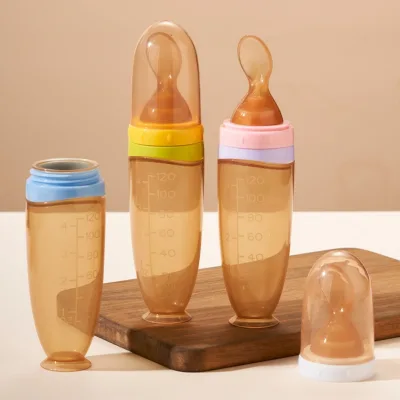
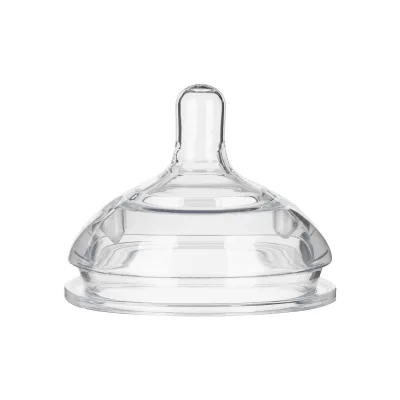
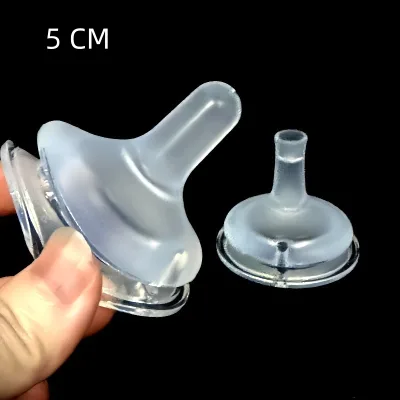
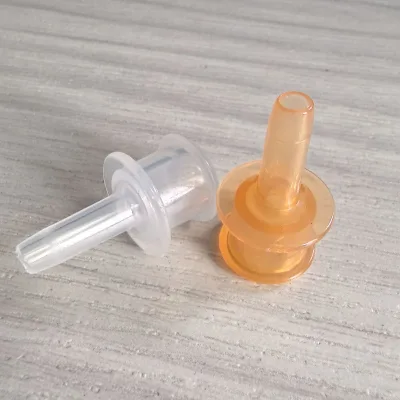

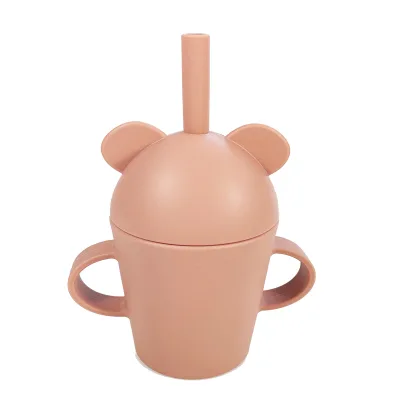


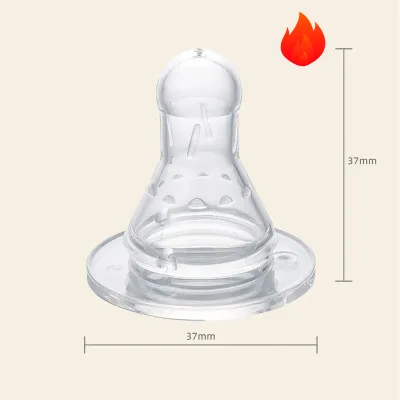


Comprehensive Sourcing Guide
Infant Safe Silicone Tip Connector Sourcing Guide
Sourcing infant safe silicone tip connectors requires a disciplined approach to material verification and supply chain transparency. Buyers must prioritize suppliers who provide explicit documentation regarding the chemical composition of the silicone used in manufacturing. The primary objective is to ensure that every component in contact with the infant remains free from harmful substances such as bisphenol A, phthalates, and latex. This focus on material purity is not merely a regulatory formality but a critical safety imperative that protects vulnerable consumers from long-term health risks associated with toxic exposure.
Procurement teams should establish clear technical requirements before engaging with potential vendors. These requirements must include specific requests for third-party laboratory test results that confirm the absence of hazardous additives. By demanding rigorous proof of material safety, buyers can mitigate the risk of product recalls and brand damage. This proactive stance ensures that the final product meets the highest standards of infant care, fostering trust among parents and caregivers who rely on the safety and reliability of the feeding accessories they purchase for their children.
Product Scope and Observed Listing Signals
The current market landscape for infant feeding accessories reveals a diverse array of products originating primarily from Guangdong and Jiangsu provinces in China. Listings indicate a wide variety of materials, including silicone, polypropylene, and general plastics, with many items explicitly marketed as BPA-free. This diversity suggests that buyers must carefully distinguish between true silicone components and those made from alternative polymers that may not offer the same durability or safety profile. The presence of specific model numbers and packaging dimensions in listings provides a baseline for identifying standardized products versus custom manufacturing opportunities.
Observed listing signals also highlight variations in design features such as color options, pattern types, and age range specifications. Products are often categorized by their intended use, such as training baby drinking or general feeding applications, with some items featuring protective caps or specific mouth sizes. These details are crucial for buyers who need to match product specifications with their target demographic. Understanding these signals allows procurement professionals to filter out irrelevant listings and focus on suppliers who offer the precise attributes required for their specific product lines, ensuring alignment with market demands and consumer expectations.
Technical Specifications to Verify
Verifying technical specifications is essential to ensure that the silicone tip connectors meet functional and safety requirements. Buyers should confirm the exact material composition, ensuring that the silicone is free from latex and other potential allergens. The presence of features such as protection caps and easy-to-observe graduations can enhance usability and safety, particularly for younger infants. Additionally, the flow velocity of associated components, whether medium or variable, should be matched to the intended feeding method to prevent choking hazards or feeding difficulties.
Packaging and dimensional specifications also play a critical role in logistics and product presentation. Single package sizes and gross weights vary significantly across listings, impacting shipping costs and storage requirements. Buyers must verify these details to optimize their supply chain efficiency. Furthermore, the availability of customization options allows companies to tailor products to their brand identity, but this requires clear communication with suppliers regarding design constraints and material limitations. Ensuring that all technical specifications are accurately documented and agreed upon prevents discrepancies between ordered and delivered goods.
Compliance and Safety Documentation
Compliance with international safety standards is non-negotiable for infant feeding products. Buyers must request comprehensive documentation that verifies adherence to relevant regulations, such as those governing food contact materials and chemical safety. This includes certificates of analysis that detail the results of tests for substances like ethylene oxide, phthalates, and nitrosamines. Without these documents, there is a significant risk that the products may not meet the legal requirements of the target market, leading to potential customs holds or product bans.
In addition to chemical safety, buyers should verify that suppliers follow good manufacturing practices to ensure consistent quality. This involves auditing the production facilities to confirm that they maintain clean environments and implement rigorous quality control measures. Documentation should also include information on sterilization methods, if applicable, to ensure that the products are safe for direct use by infants. By prioritizing compliance and safety documentation, buyers can protect their brands from liability and ensure that their products are trusted by consumers worldwide.
Cost Drivers and Commercial Terms
Cost drivers for infant safe silicone tip connectors include material quality, production volume, and customization requirements. High-grade silicone that is certified free from harmful substances typically commands a higher price than standard plastics. Buyers must balance cost considerations with safety requirements, recognizing that cheaper materials may compromise product integrity and consumer trust. Minimum order quantities also influence pricing, with larger volumes often resulting in more favorable unit costs. Understanding these dynamics helps buyers negotiate better terms and plan their inventory effectively.
Commercial terms such as payment methods, lead times, and shipping arrangements are critical components of the procurement process. Buyers should clarify these terms upfront to avoid unexpected delays or additional costs. Flexibility in packaging options, such as PE bags or blister packs, can also impact costs and logistics. By establishing clear commercial terms, buyers can ensure a smooth transaction process and maintain control over their supply chain. This clarity is essential for building long-term relationships with suppliers and ensuring consistent product availability.
Supplier Qualification and Quality Control
Supplier qualification is a vital step in ensuring the reliability and safety of infant feeding products. Buyers should conduct thorough due diligence to assess the supplier's reputation, production capabilities, and quality management systems. This includes verifying their business licenses, export history, and customer reviews. Suppliers with a proven track record in producing safe and high-quality products are more likely to meet the stringent requirements of the infant care market. Engaging with qualified suppliers reduces the risk of receiving substandard products and ensures a consistent supply of safe materials.
Quality control measures must be implemented throughout the production process to maintain product integrity. Buyers should request regular quality inspections and third-party testing reports to verify that the products meet specified standards. This includes checking for defects in the silicone tips, ensuring proper sealing, and verifying the accuracy of packaging labels. By implementing robust quality control protocols, buyers can minimize the risk of defects and ensure that their products meet the highest standards of safety and performance. This diligence is essential for maintaining brand reputation and consumer trust.
Long-Term Procurement Checks
Long-term procurement checks involve continuous monitoring of supplier performance and product quality. Buyers should establish key performance indicators to track metrics such as delivery times, defect rates, and customer feedback. Regular audits and reviews help identify potential issues early, allowing for timely corrective actions. This proactive approach ensures that the supply chain remains resilient and responsive to changing market conditions. By maintaining a close relationship with suppliers, buyers can foster collaboration and innovation, leading to improved product offerings and competitive advantages.
Additionally, buyers should stay informed about evolving regulations and industry trends that may impact the procurement of infant safe silicone tip connectors. This includes monitoring changes in safety standards, material availability, and consumer preferences. By staying ahead of these developments, buyers can adapt their sourcing strategies to meet new requirements and capitalize on emerging opportunities. Continuous improvement and adaptation are essential for sustaining long-term success in the competitive infant care market. This commitment to excellence ensures that products remain safe, reliable, and desirable to consumers.
FAQs
What materials are used for infant safe silicone tip connectors?
Manufacturers typically use food-grade silicone and BPA-free plastic for these connectors. The materials are often certified as PVC free, latex free, and phthalate free to ensure safety. Some products also feature ethylene oxide sterilization for hygiene. These material choices help prevent allergic reactions and ensure the connector remains durable during regular use by infants and toddlers.
Can these connectors be customized for specific branding needs?
Yes, many suppliers offer customization services for infant safe silicone tip connectors. Buyers can often select specific colors such as white, pink, or blue to match their brand identity. Custom packaging options like PE bags or blister packs are also available. This flexibility allows businesses to create unique products that stand out in the market while maintaining high safety standards for infant use.
What is the typical MOQ for ordering these connectors?
The minimum order quantity varies significantly among suppliers, ranging from small batches of two units to large orders of up to 100,000 pieces. This wide range accommodates both small startups and large-scale distributors. Buyers should check specific supplier listings to find an MOQ that aligns with their inventory needs and budget constraints for sourcing infant feeding accessories.
Where are these connectors typically manufactured?
Most infant safe silicone tip connectors are manufactured in China, with significant production hubs in Guangdong and Jiangsu provinces. These regions are known for their robust manufacturing infrastructure and supply chain efficiency. Buyers sourcing from these locations often benefit from competitive pricing and a wide variety of product designs, including various shapes and sizes suitable for different infant feeding applications.
Are these connectors suitable for training babies to drink?
Yes, many infant safe silicone tip connectors are specifically designed for training babies to drink. They often feature wide mouths or standard sizes to facilitate easy flow. The soft silicone tips are gentle on gums, making them ideal for transitioning from bottles to cups. These connectors support developmental feeding stages for infants aged zero to twelve months and toddlers up to four years old.