Source Lower Front Left Swing Arm for Toyota, LiXiang, and New Energy Cars
Compare 30 verified listings for the Lower Front Left Swing Arm from Chinese manufacturers. Buyers can evaluate stainless steel and metal options with OEM compatibility for Toyota and LiXiang models, featuring 6-month warranties and customization availability; compare the available evidence and request quotations based on your requirements.
Updated
Key considerations
Products List
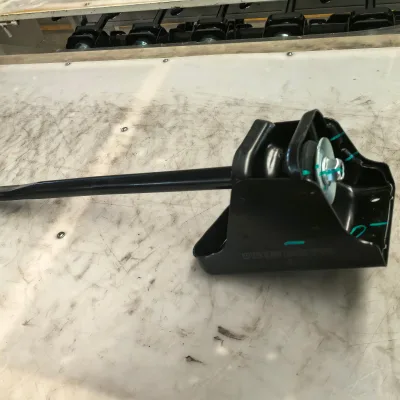


$1.00 - $5.00
MOQ: 100 Pieces
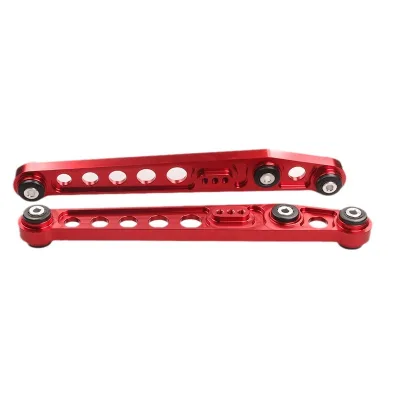
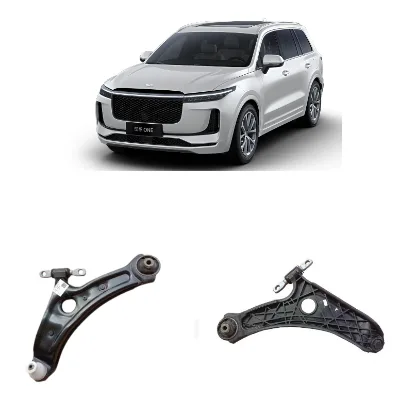
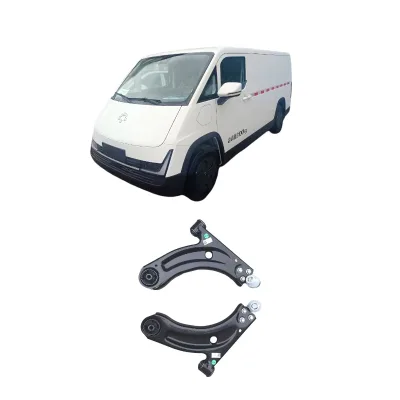


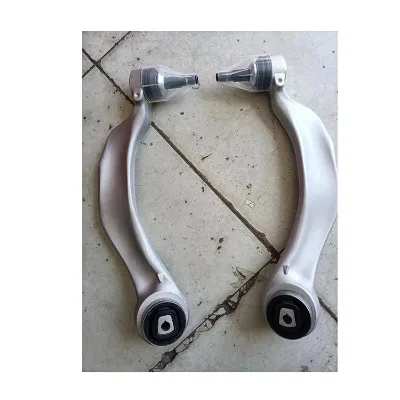


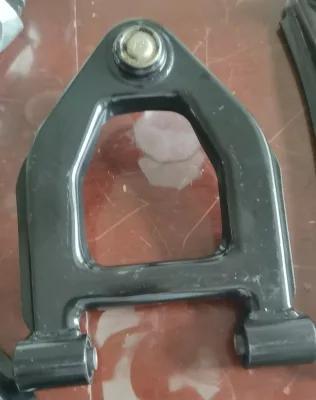
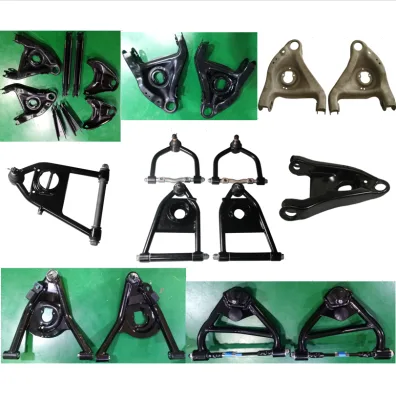
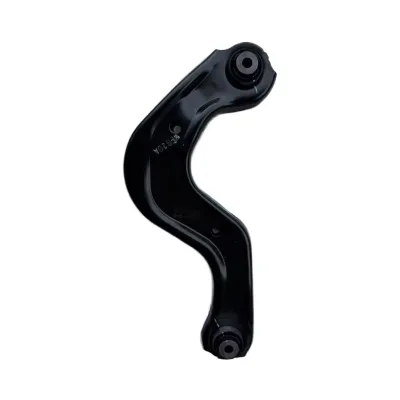
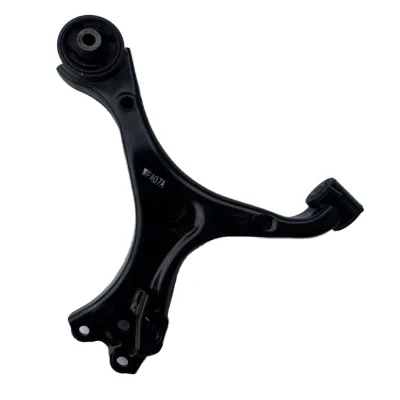
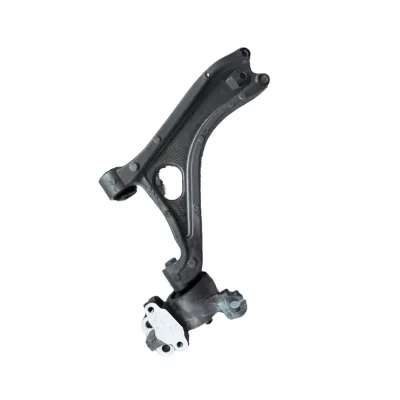
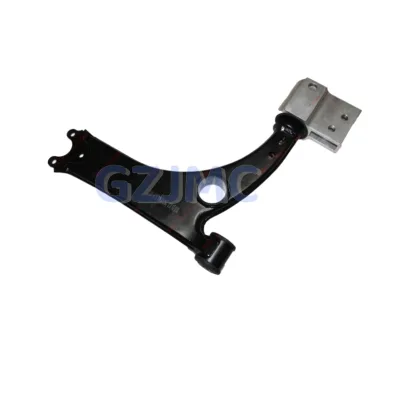
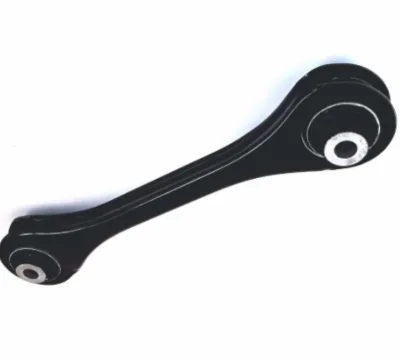
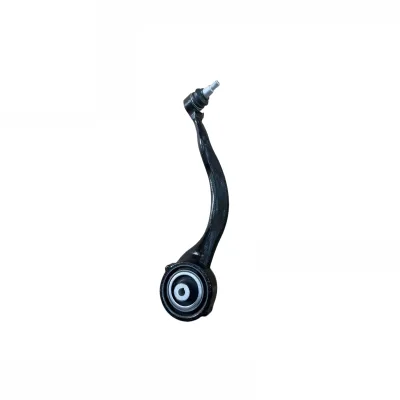
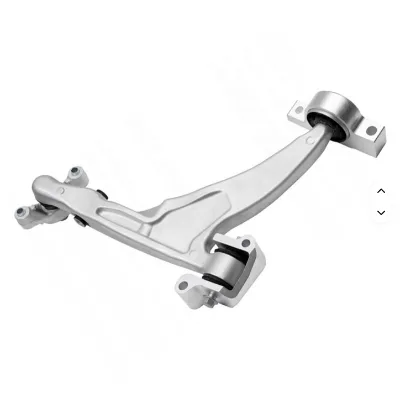
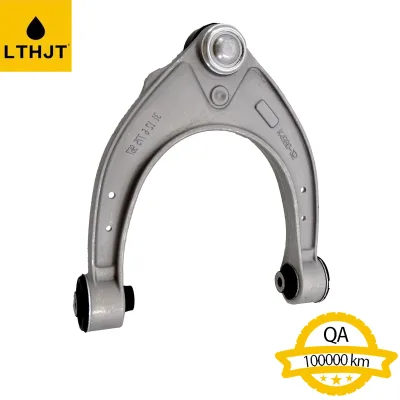
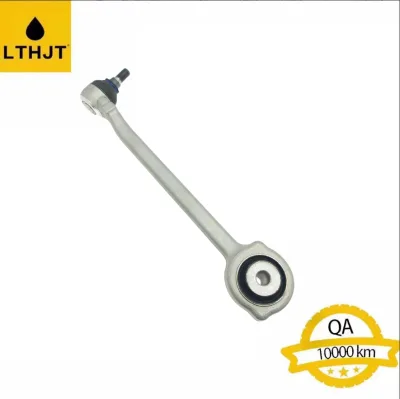
Comprehensive Sourcing Guide
Lower Front Left Swing Arm Sourcing Guide
Procuring a Lower Front Left Swing Arm requires careful attention to vehicle-specific geometry and material integrity, as these components are critical for suspension stability and steering precision. Buyers must distinguish between generic aftermarket parts and OEM-equivalent replacements, particularly when sourcing from major manufacturing hubs in China. The observed market data indicates a diverse range of suppliers offering products for various car models, including new energy vehicles and specific brands like Toyota and Li Xiang. Understanding the distinction between a standard control arm and a swing arm is vital, as terminology can vary by region and manufacturer. This guide provides a structured approach to evaluating listings, verifying technical specifications, and ensuring commercial terms align with operational needs.
The sourcing landscape for these components is characterized by a wide price range and varying minimum order quantities, reflecting the heterogeneity of the supplier base. Listings show prices ranging from $1 to $85 USD, with MOQs starting as low as one piece up to 1,000 units. This variance suggests that buyers can source single samples for quality testing or bulk orders for assembly line replenishment. However, the low end of the price spectrum may correlate with basic metal constructions or neutral packaging, while higher-priced items might offer specific color coatings or branded packaging. Buyers should not assume that all listed products meet the same quality standards, even if they share similar nominal descriptions. A disciplined verification process is essential to avoid receiving components that do not fit the intended vehicle platform or fail to meet durability expectations.
Product Scope and Observed Listing Signals
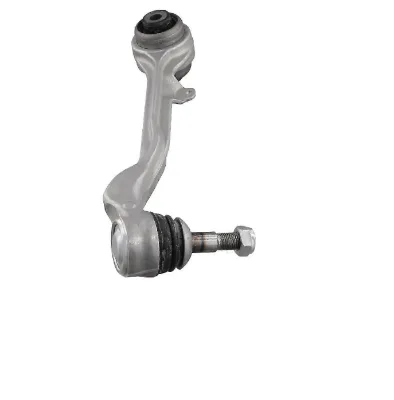
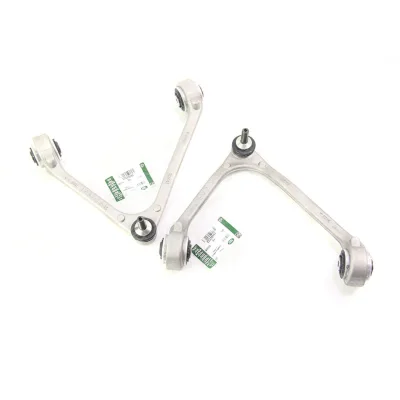
The product scope for lower front left swing arms encompasses a variety of naming conventions, including "Front Lower Forward & Rearward Control Arm," "Suspension Front Lower Control Arm," and "Swing arm/Swing arm." These terms often refer to the same functional component but may imply different mounting configurations or vehicle applications. Listings frequently specify the position as "Front" and the side as "Left" or "Right," though some entries ambiguously state "Front Wheel Right = Left," requiring careful cross-referencing with vehicle diagrams. The core keyword "Lower Front Left Swing Arm" aligns with these variations, but buyers must verify the exact fitment for their specific car make and model. The observed data highlights a focus on new energy vehicles and traditional brands, indicating that suppliers cater to both legacy and emerging automotive sectors.
Observed listing signals reveal significant variation in product attributes, such as material composition, color options, and packaging standards. Materials are listed as "Stainless Steel" or "Metal," with colors ranging from black and blue to purple, gold, silver, and red. These color options may indicate protective coatings or aesthetic finishes, which can impact corrosion resistance and longevity. Packaging is described as "Pallet" or "Neutral Packing," with specific dimensions like 52x13x8 cm noted for single packages. The presence of customization options and OEM availability suggests that suppliers can tailor products to specific buyer requirements. However, buyers should treat these attributes as observations rather than guarantees, verifying each claim through direct supplier communication or sample inspection before committing to large orders.
Technical Specifications to Verify
Technical verification begins with confirming the exact model number and OE reference codes, which are critical for ensuring compatibility with the target vehicle. Listings provide specific OE numbers such as M01-29040001/M01-29040002 and M0129040001, which correspond to specific Li Xiang models. Buyers must cross-reference these codes with their vehicle’s service manual to avoid fitment errors. Additionally, the type of component, whether labeled as "Control Arm," "Control Lever Assy," or "Swing arm," must be matched to the vehicle’s suspension design. The weight of the component, observed at 2.2 kg or 2.5 kg gross weight, can serve as a quick check for material density and potential quality issues. Discrepancies in weight or dimensions may indicate inferior materials or manufacturing defects.
Further technical checks should focus on the condition and testing protocols of the swing arms. All observed listings specify the condition as "New," but buyers should inquire about the testing procedures employed by the supplier. Some listings mention "100% Tested" quality, which is a positive indicator but requires clarification on the specific tests performed, such as load testing or fatigue analysis. The fitting position must be explicitly confirmed as "Front Wheel Left" to avoid receiving right-side components. Buyers should also verify the material grade, especially if the listing claims "Stainless Steel," as this affects corrosion resistance and structural integrity. Requesting detailed technical drawings or CAD files can help validate the geometry and mounting points before production begins.
Compliance and Safety Documentation
Compliance and safety documentation are essential for ensuring that the swing arms meet regulatory standards and industry best practices. While specific certifications are not universally listed, some suppliers mention ISO standards, which generally indicate a baseline level of quality management. Buyers should request copies of relevant certificates to verify the supplier’s adherence to international quality standards. The absence of explicit certification details in some listings does not necessarily imply non-compliance, but it does require proactive verification. Buyers should ask suppliers to provide evidence of their quality management systems, including any third-party audits or inspections that validate their manufacturing processes.
Safety considerations extend beyond documentation to include the functional reliability of the component. The swing arm is a critical safety part, and any failure can lead to loss of vehicle control. Buyers should ensure that the supplier provides a warranty, with observed terms ranging from six months to unspecified periods. A clear warranty policy indicates the supplier’s confidence in their product’s durability. Additionally, buyers should verify that the components are free from defects that could compromise safety, such as cracks or improper welds. Requesting test reports or quality control records can provide further assurance that the swing arms meet safety requirements. Buyers should also consider the environmental impact, noting that some listings highlight "Eco-friendly" features, which may relate to the manufacturing process or material recyclability.
Cost Drivers and Commercial Terms
Cost drivers for lower front left swing arms include material costs, manufacturing complexity, and order volume. The observed price range of $1 to $85 USD reflects these variations, with lower prices likely corresponding to basic metal constructions and higher prices to specialized coatings or OEM-equivalent quality. Minimum order quantities (MOQs) range from 1 to 1,000 pieces, allowing buyers to scale their orders based on demand. Buyers should negotiate pricing based on volume, as larger orders often qualify for discounts. Additionally, the cost of customization, such as specific colors or packaging, may add to the overall price. Understanding these cost drivers helps buyers budget effectively and avoid unexpected expenses.
Commercial terms, including delivery time and payment conditions, are crucial for supply chain planning. Observed delivery times range from 3 to 7 days, indicating relatively fast turnaround for many suppliers. However, buyers should confirm lead times for custom orders or large volumes, as these may extend beyond the standard range. Payment terms should be negotiated to balance risk and cash flow, with options like letters of credit or escrow services providing security for both parties. Buyers should also consider the cost of shipping and import duties, which can significantly impact the total landed cost. Clear communication regarding these terms helps prevent delays and ensures a smooth procurement process.
Supplier Qualification and Quality Control
Supplier qualification is a critical step in ensuring the reliability of the swing arm supply chain. Buyers should assess suppliers based on their production capacity, quality control processes, and customer feedback. The observed data indicates that suppliers are located in various regions of China, including Ningbo, Guangdong, and Chongqing, each with its own industrial strengths. Buyers should verify the supplier’s manufacturing capabilities, including their equipment and workforce, to ensure they can meet quality and volume requirements. Additionally, buyers should check for any past issues or complaints, which can provide insights into the supplier’s reliability and responsiveness.
Quality control measures should be implemented throughout the procurement process, from initial sampling to final delivery. Buyers should request pre-production samples to verify fitment, material quality, and finish. During production, regular inspections can help identify and address issues early. Post-production, final random inspections should be conducted to ensure that the delivered goods meet the agreed specifications. Buyers should also establish clear communication channels with the supplier to address any concerns promptly. Implementing a robust quality control system helps minimize the risk of receiving defective components and ensures that the swing arms perform as expected in the vehicle.
Long-Term Procurement Checks
Long-term procurement checks involve continuous monitoring of supplier performance and product quality to ensure sustained reliability. Buyers should establish key performance indicators (KPIs) to track metrics such as on-time delivery, defect rates, and customer satisfaction. Regular reviews of these metrics help identify trends and areas for improvement. Buyers should also maintain open communication with suppliers to discuss any issues and explore opportunities for collaboration. This proactive approach helps build a strong partnership and ensures that the supply chain remains resilient to disruptions.
Additionally, buyers should stay informed about industry developments and technological advancements that may impact the swing arm market. This includes changes in vehicle designs, material innovations, and regulatory requirements. By staying ahead of these trends, buyers can make informed decisions about their sourcing strategies and adapt to changing market conditions. Regular audits of the supplier’s facilities and processes can also help ensure ongoing compliance with quality and safety standards. Implementing these long-term checks helps buyers maintain a competitive edge and ensures that their procurement activities support their overall business objectives.
FAQs
What is the warranty period for the Lower Front Left Swing Arm?
The warranty period is six months for the Lower Front Left Swing Arm. This coverage applies to the stainless steel and metal components supplied by manufacturers in China. Buyers should verify specific terms with the vendor before purchase to ensure full protection.
Can I customize the Lower Front Left Swing Arm for my vehicle?
Yes, customization is available for the Lower Front Left Swing Arm. Suppliers offer tailored options for new energy cars and specific brands like Toyota. Buyers must confirm their requirements with the manufacturer to ensure the custom fit meets their exact engineering needs.
Which certification does the Lower Front Left Swing Arm hold?
The Lower Front Left Swing Arm holds ISO certification. This standard ensures quality and safety for the stainless steel and metal parts. Buyers should request proof of certification from the supplier to verify compliance with international manufacturing standards before placing an order.
How long is the delivery time for the Lower Front Left Swing Arm?
The delivery time is typically three to seven days for the Lower Front Left Swing Arm. This lead time applies to orders placed with suppliers in China. Buyers should confirm the exact schedule with the vendor as it may vary based on current production capacity and order volume.
What is the minimum order quantity for the Lower Front Left Swing Arm?
The minimum order quantity is four pieces for the Lower Front Left Swing Arm. Some suppliers may require up to one thousand units depending on the specific product model. Buyers should check the specific MOQ with the vendor to ensure it aligns with their procurement needs.
Where is the Lower Front Left Swing Arm manufactured?
The Lower Front Left Swing Arm is manufactured in China, specifically in locations like Ningbo, Guangdong, and Chongqing. These regions host factories producing parts for various car brands. Buyers should verify the exact place of origin with the supplier to confirm logistics and shipping details.
What materials are used to make the Lower Front Left Swing Arm?
The Lower Front Left Swing Arm is made from stainless steel and metal. These materials ensure durability and performance for front suspension systems. Buyers should confirm the specific material grade with the manufacturer to ensure it meets their vehicle's structural requirements.