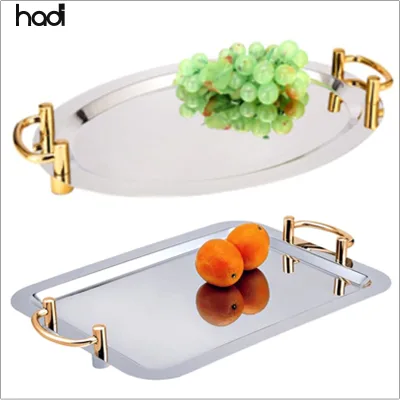
Source Luxury Arabic Metal Food Tray for catering events
Explore 30 listings for Luxury Arabic Metal Food Tray options suitable for catering events, buffet displays, and restaurant service. Buyers can compare materials, sizes, and customization features to find the right supplier; compare the available evidence and request quotations based on your requirements.
Updated
Key considerations
Products List
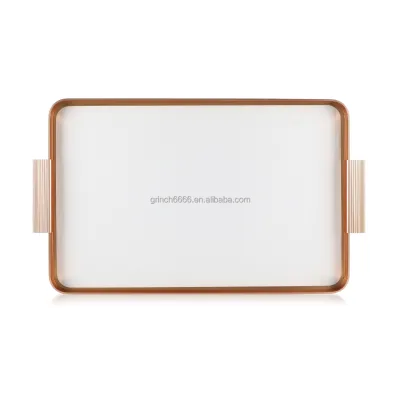




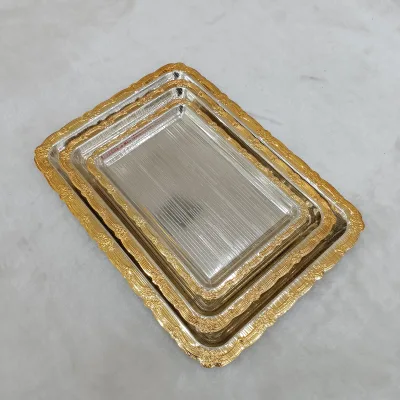
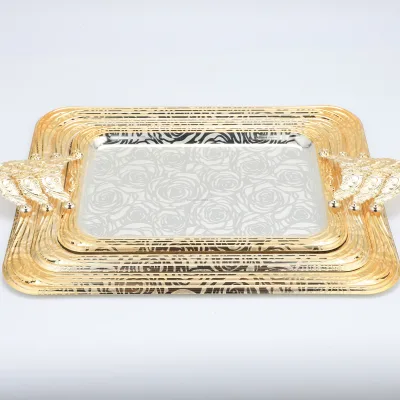

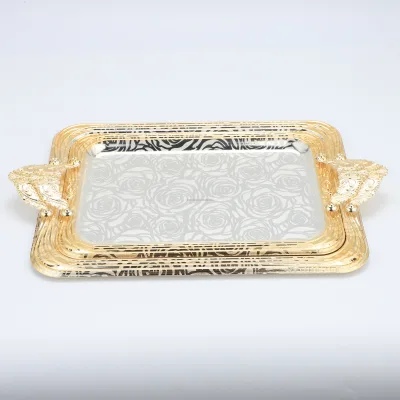
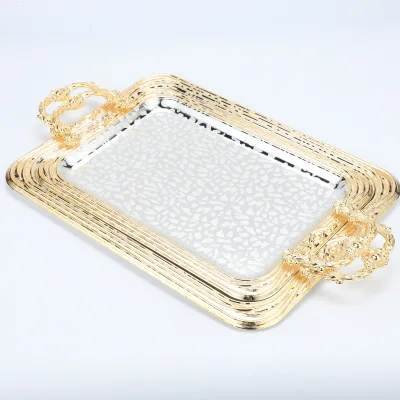

$4.00 - $4.50
MOQ: 500 Pieces


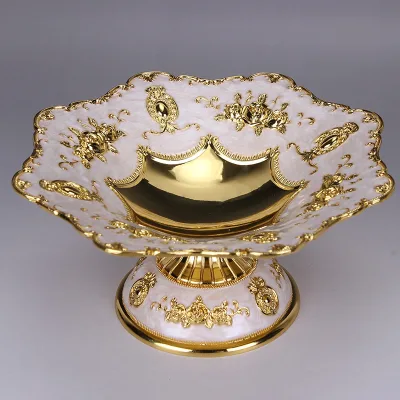
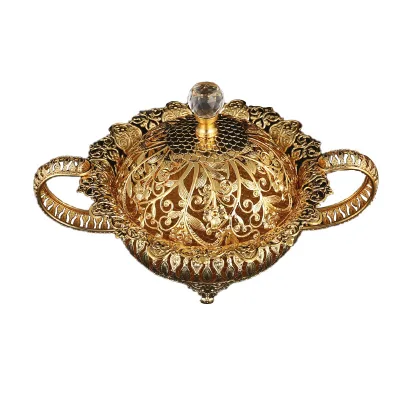
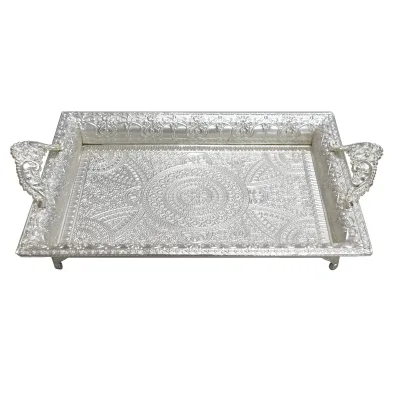
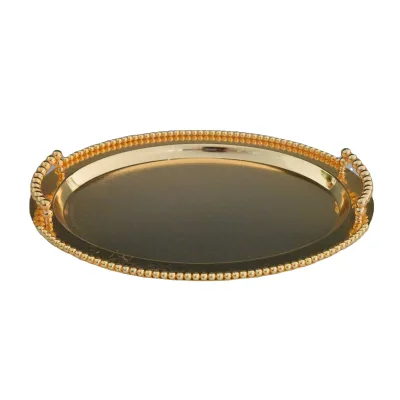
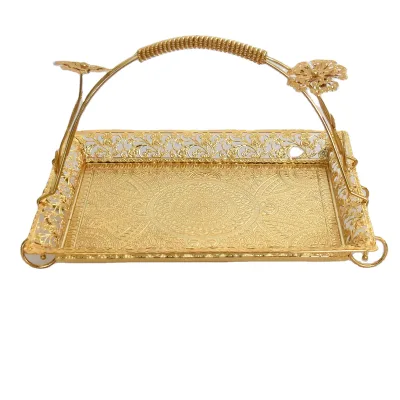
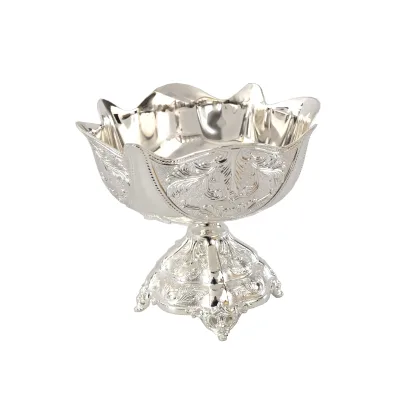


Comprehensive Sourcing Guide
Luxury Arabic Metal Food Tray Sourcing Guide
Sourcing luxury Arabic metal food trays requires a nuanced understanding of both aesthetic expectations and functional durability. These items often serve as centerpiece platters for high-end hospitality venues, catering services, and premium retail environments where visual impact is paramount. Buyers must distinguish between genuine artisanal craftsmanship and mass-produced imitations, as the latter may lack the structural integrity needed for frequent commercial use. The term "luxury" implies specific material grades and finishing techniques that justify higher price points, necessitating rigorous due diligence before committing to large orders.
Procurement teams should focus on verifying the specific metal composition, as "metal" is a broad category encompassing stainless steel, brass, aluminum, and copper alloys. Each material offers distinct advantages regarding weight, corrosion resistance, and maintenance requirements. For instance, stainless steel provides robust durability for high-traffic settings, while brass or copper may offer superior aesthetic appeal but require more intensive care to prevent tarnishing. Understanding these material differences is critical for aligning product selection with the intended operational environment and maintenance capabilities of the end-user.
Product Scope and Observed Listing Signals
Market listings for luxury Arabic metal trays often exhibit significant variability in product attributes, requiring careful cross-referencing of supplier claims. Observed data indicates a wide price range, typically spanning from $0.88 to $18 USD, which suggests a mix of low-cost decorative items and higher-quality functional ware. Minimum Order Quantities (MOQs) also vary considerably, ranging from single units to 500 pieces, reflecting the flexibility of suppliers who cater to both sample buyers and bulk commercial purchasers. This disparity highlights the importance of verifying whether a listed price corresponds to the exact specifications required for your project.
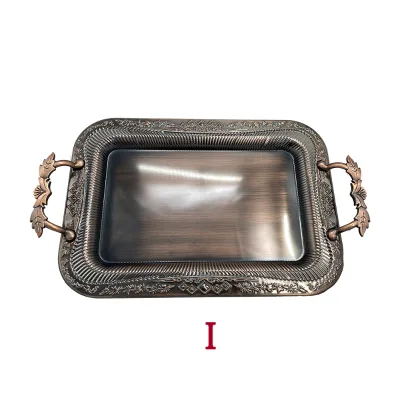
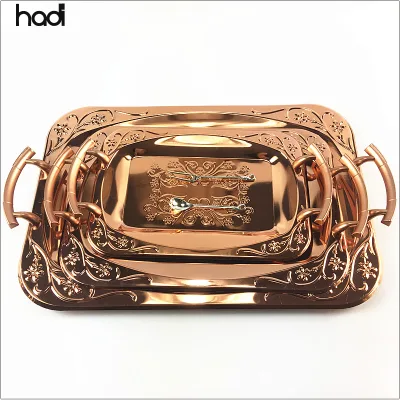
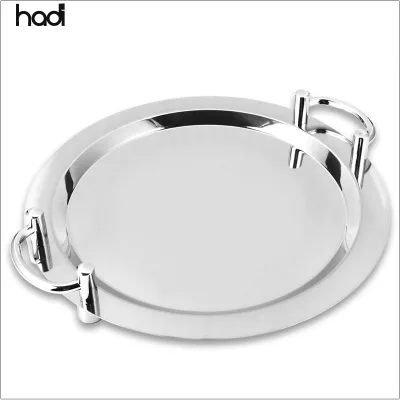
Specific product observations reveal a mix of materials and styles, including items described as stainless steel, ceramic, and metal, with shapes ranging from round to oval. Some listings feature custom logo acceptance and OEM branding, indicating a strong market for private-label opportunities. However, inconsistencies exist, such as listings claiming both ceramic and stainless steel materials for similar product names. Buyers must scrutinize these details closely, as the term "Arabic style" may refer to intricate engraving patterns or specific geometric designs rather than a standardized product category.
Technical Specifications to Verify
Technical verification begins with confirming the exact material composition and thickness, as these factors directly impact durability and weight. Suppliers may list materials such as stainless steel or metal, but the grade (e.g., 304 vs. 201 stainless steel) is rarely specified in initial listings. Buyers should request mill certificates or material test reports to ensure the metal meets food-contact safety standards and resists corrosion. Additionally, verifying the thickness of the metal sheet is crucial, as thinner gauges may warp under heat or heavy loads, compromising the tray's structural integrity over time.
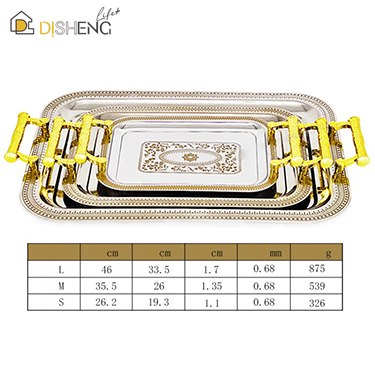
Dimensional accuracy and finishing techniques are equally critical for luxury applications. Listings often provide single package sizes, such as 68x68x10 cm or 38x57x10 cm, but these may not reflect the actual tray dimensions. Buyers must confirm the outer diameter, inner depth, and handle dimensions if applicable. Finishing processes like polishing, brushing, or electroplating significantly affect the final appearance and maintenance needs. For example, a polished finish may offer a mirror-like shine but show fingerprints easily, whereas a brushed finish provides a more matte, practical look for high-use environments.
Compliance and Safety Documentation
Compliance with food safety standards is non-negotiable for any product intended for direct food contact. Buyers must ensure that suppliers provide valid certifications, such as FDA approval, which indicates that the materials used are safe for contact with food items. While some listings mention FDA certification, others may lack any documentation, posing a significant risk for importers in regulated markets. It is essential to verify that the certification covers the specific metal alloy and any coatings or finishes applied to the tray, as these components can also leach harmful substances if not properly tested.
Quality standards and inspection protocols should also be clearly defined in the purchase agreement. Some suppliers reference quality standards based on AQL 2.5/4.0, which provides a framework for acceptable defect rates during random sampling. Buyers should insist on pre-shipment inspections conducted by third-party agencies to verify that the products meet these quality benchmarks. Additionally, checking for compliance with local regulations in the destination country, such as REACH in Europe or Prop 65 in California, is vital to avoid customs delays or legal liabilities associated with non-compliant materials.
Cost Drivers and Commercial Terms
Cost structures for luxury metal trays are influenced by material prices, manufacturing complexity, and customization requirements. Custom logo printing, engraving, or specialized packaging can significantly increase the unit cost, making it essential to obtain detailed quotes that break down these additional fees. Buyers should also consider the impact of order volume on pricing, as larger MOQs often result in lower per-unit costs due to economies of scale. However, smaller orders may be necessary for testing market response or fulfilling urgent, low-volume needs, despite the higher price point.
Commercial terms, including payment methods, lead times, and shipping arrangements, play a crucial role in the overall procurement strategy. Sample lead times can range from 7 to 15 days, while production lead times may vary based on order size and supplier capacity. Buyers should negotiate clear terms for delays and penalties to mitigate risks associated with supply chain disruptions. Additionally, understanding the Incoterms agreed upon, such as FOB or CIF, will determine who bears the responsibility and cost for shipping and insurance, impacting the final landed cost of the goods.
Supplier Qualification and Quality Control
Supplier qualification involves assessing the manufacturer's production capabilities, quality management systems, and track record. Buyers should request factory audits or virtual tours to verify the existence of proper manufacturing facilities and quality control processes. Suppliers with OEM experience are often better equipped to handle custom designs and branding requirements, but it is crucial to verify their ability to maintain consistency across large production runs. Checking references from previous clients can provide insights into the supplier's reliability and responsiveness.
Quality control measures should be implemented at multiple stages of production, from raw material inspection to final packaging. Buyers should define clear acceptance criteria for defects, such as scratches, dents, or uneven finishes, and ensure these are communicated to the supplier. Implementing a pre-shipment inspection is a best practice to catch any issues before the goods leave the factory. Additionally, establishing a clear process for handling defective items, including replacements or refunds, is essential for protecting the buyer's investment and maintaining brand reputation.
Long-Term Procurement Checks
Long-term procurement success depends on establishing a sustainable relationship with suppliers who can consistently meet quality and delivery expectations. Regular performance reviews should be conducted to assess supplier reliability, including on-time delivery rates, product quality consistency, and responsiveness to issues. Building a diversified supplier base can mitigate risks associated with single-source dependencies, ensuring continuity of supply in case of disruptions. Maintaining open communication channels and providing constructive feedback can help improve supplier performance over time.
Continuous monitoring of market trends and material costs is also important for strategic sourcing decisions. Buyers should stay informed about changes in metal prices, regulatory requirements, and consumer preferences to anticipate potential impacts on product availability and pricing. Periodically re-evaluating the total cost of ownership, including maintenance and replacement costs, can help identify opportunities for cost savings or product improvements. By adopting a proactive approach to supplier management, buyers can ensure a steady supply of high-quality luxury metal trays that meet their evolving business needs.
FAQs
What materials are used for luxury serving food trays?
Luxury serving food trays are typically crafted from high-quality ceramic or stainless steel. Ceramic options provide a solid, elegant finish suitable for formal buffets, while stainless steel variants offer durability and a polished aesthetic. Both materials ensure the tray remains non-disposable and maintains structural integrity during repeated use in professional catering environments.
Can I customize the logo on these serving trays?
Yes, customized logos are acceptable for these serving trays. Buyers can request specific branding to be applied to the product surface. This customization service allows businesses to maintain brand consistency across their catering equipment. The customization is available alongside other options like tailored packing solutions to meet specific corporate or event requirements.
Are these trays dishwasher safe for easy cleaning?
No, these specific luxury serving trays are not dishwasher safe. Buyers should hand wash them to preserve the material finish and structural integrity. This care requirement is standard for certain ceramic and polished metal designs to prevent damage from high heat or harsh detergents. Proper manual cleaning ensures the tray remains in optimal condition for long-term use.
What is the typical sample lead time for orders?
The sample lead time typically ranges from seven to fifteen days. This period allows manufacturers to produce and ship prototype units for quality verification. Buyers should account for this timeframe when planning event schedules or inventory replenishment. Expedited options may vary, so confirming the exact duration with the supplier before placing bulk orders is recommended for accurate logistical planning.
What certifications ensure the quality of these metal trays?
Quality standards often include inspections based on AQL 2.5/4.0 criteria. Additionally, FDA certification may apply to specific models to ensure food safety compliance. These standards verify that the materials and manufacturing processes meet international safety and quality benchmarks. Buyers should request relevant documentation to confirm that the specific batch of trays adheres to these rigorous quality control protocols.
What is the minimum order quantity for bulk purchases?
The minimum order quantity varies by supplier but can start as low as one piece for samples or small trials. For bulk production, MOQs may range up to five hundred pieces depending on customization needs. Buyers should verify the specific MOQ with the manufacturer, as factors like logo printing and custom packing can influence the minimum required order volume for production.