Source Pineapple Slicer Corer Cutter for home, catering, and retail
Explore 30 verified options for the Pineapple Slicer Corer Cutter designed for efficient fruit preparation. Buyers can compare stainless steel and plastic models, MOQs, and certifications like LFGB to find the right supplier for home, catering, or retail needs; compare the available evidence and request quotations based on your requirements.
Updated
Key considerations
Products List
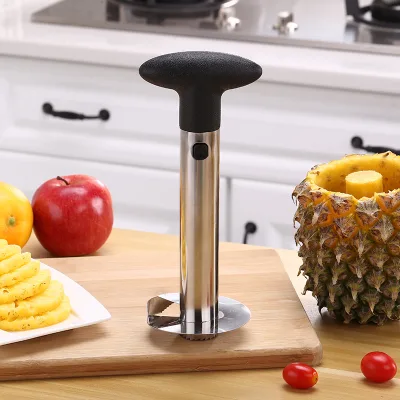
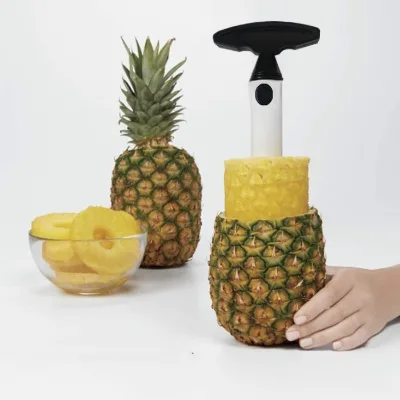

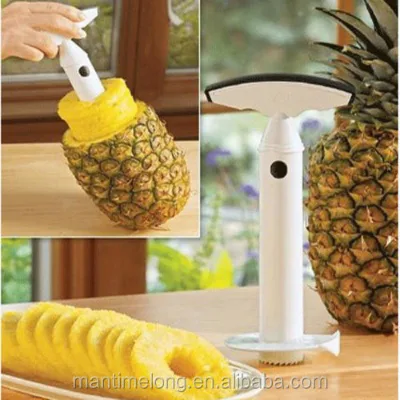
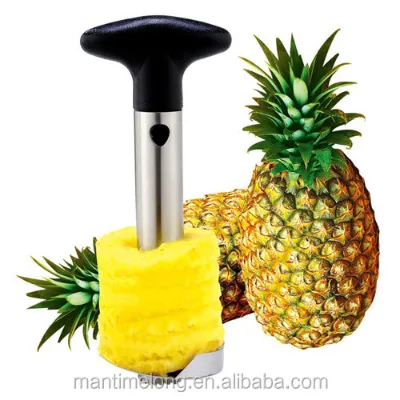
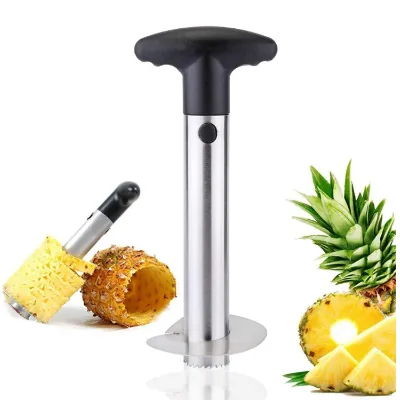


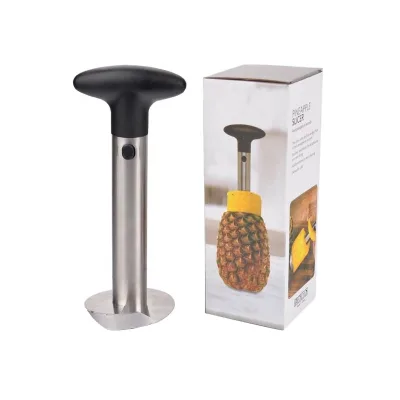
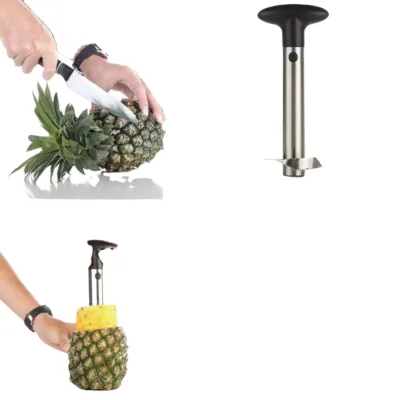
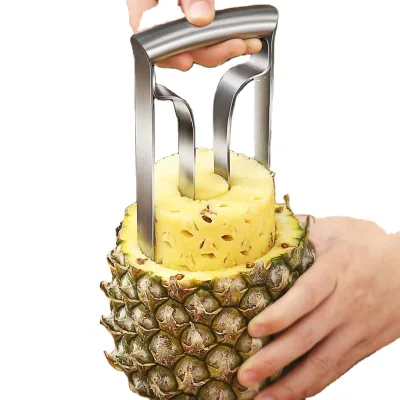
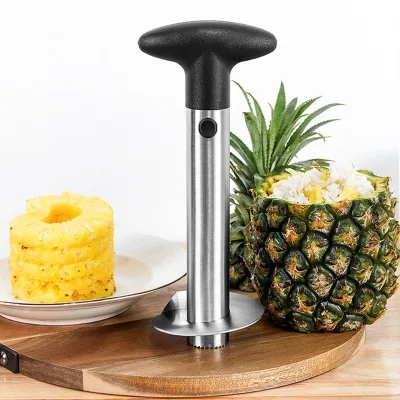
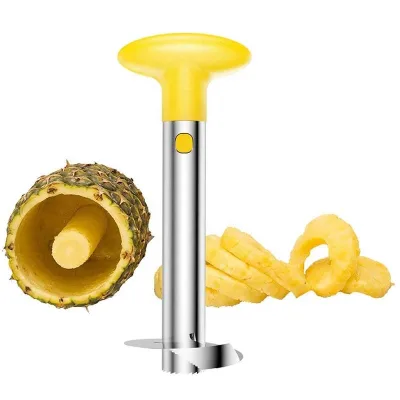

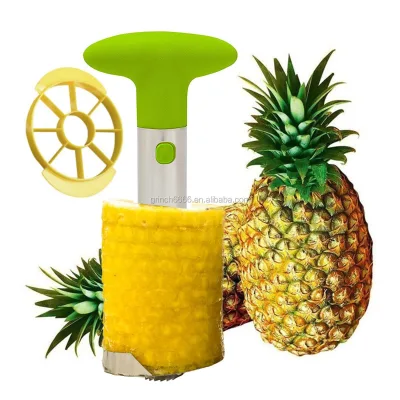
OEM Easy Kitchen Tool Stainless Steel Fruit Pineapple Peeler Corer Slicer Cutter
$1.00 - $3.00
MOQ: 2000 Minimum

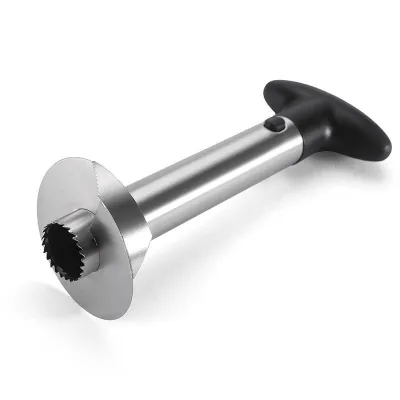


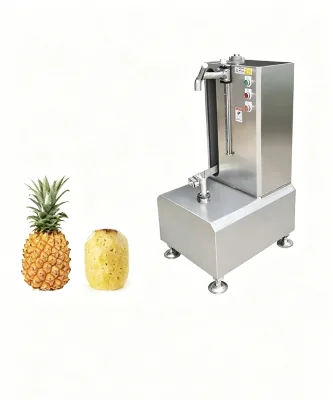
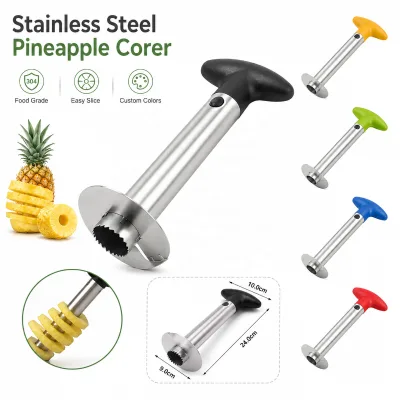

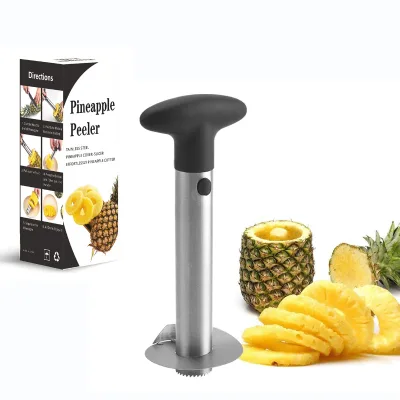


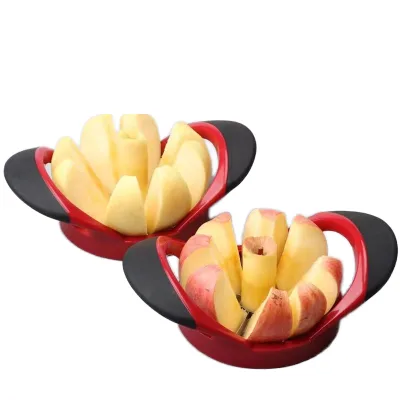
Comprehensive Sourcing Guide
Pineapple Slicer Corer Cutter Sourcing Guide
Sourcing Pineapple Slicer Corer Cutter tools requires a clear understanding of the diverse material compositions and functional designs currently available in the global market. Buyers must distinguish between stainless steel models, which offer durability and hygiene, and plastic variants, which provide cost-effective solutions for high-volume distribution. The observed product landscape includes items explicitly labeled as pineapple slicers, peelers, and corers, often categorized under broader fruit and vegetable tool classifications. This diversity means that a single request for quotation may yield significantly different product specifications, necessitating precise communication of material preferences and intended use cases to avoid receiving mismatched samples or bulk shipments.
Procurement teams should also evaluate the operational mode and ergonomic design of these tools, as manual operation remains the standard for most consumer-grade units. The market features both simple straight-cut designs and more complex multi-functional devices that claim to handle different pineapple sizes or simplify the peeling process. Understanding these functional nuances is critical when selecting suppliers, as the complexity of the tool often correlates with manufacturing precision and potential quality control challenges. Buyers must therefore align their internal requirements with the specific capabilities advertised by manufacturers, ensuring that the chosen tool meets the expected performance standards for ease of use and cleaning.
Product Scope and Observed Listing Signals
The current market listings reveal a wide range of product attributes, including varying main materials such as stainless steel and plastic, which directly impact the final product's weight, durability, and price point. Observed specifications indicate that single-piece units are common, with dimensions ranging from compact handheld sizes to larger, more robust designs. For instance, some listings specify a single package size of 18x8.5x9 cm, while others note a product size of 16x5.5 cm, highlighting the need for buyers to verify physical dimensions carefully to ensure compatibility with retail packaging or storage requirements. These physical variations also influence the shipping volume and associated logistics costs, making accurate dimension verification a key step in the sourcing process.
Additionally, the observed product scope includes various features such as non-stick coatings, easy-to-clean surfaces, and eco-friendly material claims, which are increasingly important for modern consumers. Some suppliers offer customized packaging options, including color boxes or standard export cartons, allowing buyers to tailor the product presentation to their target market. The presence of sample availability across multiple listings suggests that testing physical prototypes is a standard and accessible part of the procurement workflow. Buyers should leverage this by requesting samples to verify the tactile quality, sharpness, and overall build integrity before committing to larger orders, ensuring that the final product aligns with their quality expectations.
Technical Specifications to Verify
When evaluating technical specifications, buyers must prioritize the verification of material composition, as this is the primary determinant of product longevity and food safety. Stainless steel models, such as those with model numbers like PP02-SS, offer superior corrosion resistance and hygiene compared to plastic alternatives, which may be more prone to staining or degradation over time. It is essential to confirm the exact grade of stainless steel or the type of plastic used, as these details are not always explicitly stated in general product descriptions. Buyers should request material test reports or certificates from suppliers to ensure that the materials meet the required standards for food contact, particularly if the product will be used in commercial kitchens or sold in regulated markets.
Furthermore, the operational design and structural integrity of the slicer corer cutter must be assessed through rigorous testing. Buyers should verify the sharpness of the cutting edges, the stability of the handle, and the ease of disassembly for cleaning purposes. Some products claim to cut different sizes of pineapple or simplify the peeling process, but these claims must be validated through practical testing. It is also important to check the weight and balance of the tool, as an improperly balanced device can lead to user fatigue or accidents. By focusing on these technical details, buyers can ensure that the selected product offers a reliable and user-friendly experience for end consumers.
Compliance and Safety Documentation
Compliance with food safety standards is a non-negotiable requirement for sourcing Pineapple Slicer Corer Cutter tools, particularly when targeting markets with strict regulatory frameworks. Buyers must ensure that all products come with appropriate certification documentation, such as LFGB or other relevant food contact material certifications, to verify that the materials used are safe for repeated use with acidic fruits like pineapples. The absence of such certifications can pose significant legal and reputational risks, especially if the product is sold in regions with stringent food safety laws. Therefore, verifying the certification status of each supplier and product batch is a critical step in the procurement process to mitigate potential compliance issues.
In addition to material certifications, buyers should also consider the broader safety implications of the product design, including the risk of injury from sharp edges or unstable structures. While specific safety test results may not always be readily available in initial listings, buyers should inquire about the supplier's quality control processes and any internal testing protocols they employ. It is advisable to request third-party test reports for mechanical safety and durability, especially for products made from plastic, which may be more susceptible to cracking or breaking under stress. By prioritizing compliance and safety documentation, buyers can protect their brand reputation and ensure that their products meet the highest standards of consumer safety.
Cost Drivers and Commercial Terms
The cost of Pineapple Slicer Corer Cutter tools is influenced by several key factors, including material choice, manufacturing complexity, and order volume. Stainless steel models typically command a higher price due to the cost of raw materials and the precision required in their production, while plastic variants offer a more budget-friendly option for high-volume orders. Buyers should also consider the impact of customization, such as branded packaging or unique design features, which can add to the overall cost. Understanding these cost drivers allows buyers to negotiate more effectively and align their budget with their expected profit margins, ensuring that they secure the best possible value for their investment.
Commercial terms, including minimum order quantities (MOQ) and lead times, also play a significant role in the total cost of ownership. Observed MOQs range from small quantities suitable for sampling to larger volumes required for bulk production, with some suppliers offering flexible terms for customized orders. Lead times can vary depending on the complexity of the product and the current production schedule, so buyers should plan their procurement timeline accordingly to avoid delays. Additionally, payment terms and shipping costs should be carefully evaluated, as these can significantly impact the final landed cost of the product. By understanding these commercial dynamics, buyers can make informed decisions that balance cost efficiency with supply chain reliability.
Supplier Qualification and Quality Control
Supplier qualification is a critical step in ensuring the reliability and consistency of Pineapple Slicer Corer Cutter products. Buyers should conduct thorough due diligence on potential suppliers, verifying their business licenses, production capabilities, and past performance in the market. It is advisable to request references or case studies from previous clients to gain insight into the supplier's reliability and quality standards. Additionally, buyers should assess the supplier's ability to meet specific customization requirements, such as branded packaging or unique design features, as this can impact the overall success of the procurement project. By selecting a qualified and reputable supplier, buyers can minimize the risk of supply chain disruptions and ensure a consistent product quality.
Quality control measures must be implemented throughout the production process to ensure that the final products meet the agreed-upon specifications. Buyers should establish clear quality standards and inspection criteria, including visual checks, functional tests, and material verification. It is also important to conduct pre-shipment inspections to identify any defects or discrepancies before the goods are dispatched. By implementing robust quality control protocols, buyers can ensure that their products meet the highest standards of quality and performance, reducing the risk of customer complaints and returns. Regular communication with the supplier regarding quality issues and improvements can also help to maintain a strong and productive partnership.
Long-Term Procurement Checks
Long-term procurement success depends on the ability to continuously monitor and evaluate supplier performance and product quality. Buyers should establish key performance indicators (KPIs) to track metrics such as on-time delivery, defect rates, and customer satisfaction, using this data to identify areas for improvement. Regular audits and reviews of the supplier's quality control processes can help to ensure that standards are maintained over time. Additionally, buyers should stay informed about changes in market trends, regulatory requirements, and consumer preferences, adapting their procurement strategies accordingly to remain competitive. By maintaining a proactive approach to supplier management, buyers can build a resilient and efficient supply chain that supports long-term business growth.
Furthermore, fostering a collaborative relationship with suppliers can lead to continuous improvement and innovation in product design and manufacturing processes. Buyers should encourage open communication and feedback, working together with suppliers to address challenges and explore new opportunities. This collaborative approach can help to identify cost-saving measures, improve product quality, and enhance overall supply chain efficiency. By investing in strong supplier relationships, buyers can create a sustainable procurement strategy that delivers value over the long term. Regularly reviewing and updating procurement policies and procedures can also help to ensure that the organization remains agile and responsive to changing market conditions.
FAQs
What is the main material of the pineapple slicer?
The main material is stainless steel for durability and hygiene. Some listings also indicate plastic options are available. This ensures the tool remains rust-resistant during repeated use in kitchen environments while maintaining structural integrity for slicing tasks.
Can I get samples before placing a bulk order?
Samples are available for most product listings to verify quality. The sample time typically takes seven days for preparation. Buyers can request these units to test functionality before committing to larger quantities or custom packaging requirements.
What is the minimum order quantity for this tool?
Minimum order quantities vary by supplier, ranging from one unit to two thousand units. Specific listings show MOQs of 40 or 1000 pieces depending on the manufacturer. Buyers should check individual supplier terms to confirm the exact threshold for their needs.
How do I clean the pineapple slicer after use?
The care instructions specify hand washing only to preserve the tool's finish. This method prevents damage that might occur in dishwashers. Users should rinse immediately after use to remove fruit residue and ensure the non-stick surface remains effective.
Which certifications do the manufacturers hold for safety?
Some products carry LFGB certification to ensure food safety compliance. This standard verifies the materials are safe for direct food contact. Buyers should verify specific certification documents with the supplier to confirm adherence to regional safety regulations.
What is the supply capacity of the manufacturers?
Supply ability is listed as 5000 pieces per week for certain models. This capacity supports regular restocking needs for retailers or distributors. Buyers requiring larger volumes should confirm if the factory can scale production to meet specific demand timelines.
Can the product be customized with specific packaging?
Customized package options are available for many suppliers. Buyers can request specific branding or box designs to match their retail strategy. This flexibility allows businesses to tailor the product presentation without altering the core tool specifications or functionality.