Source Pocket Ultrasonic Thickness Meter for pipes, tanks, and rails
Compare 30 Pocket Ultrasonic Thickness Meter options from verified suppliers. Buyers can evaluate models like AT-140B and TM-8818 based on measurement ranges, accuracy, and warranty terms for industrial applications; compare the available evidence and request quotations based on your requirements.
Updated
Key considerations
Products List
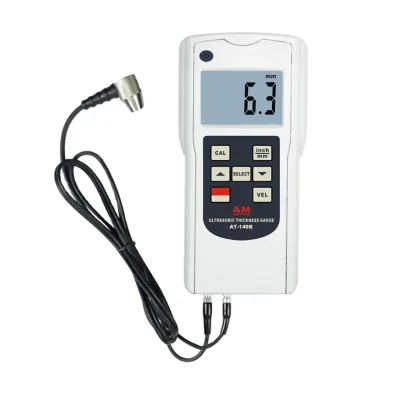
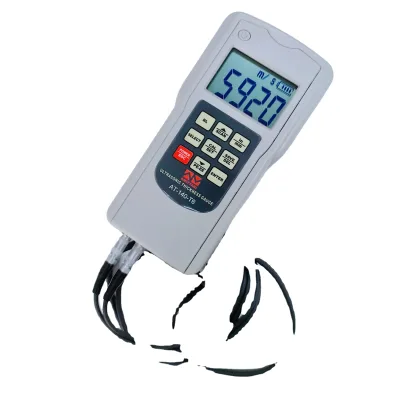
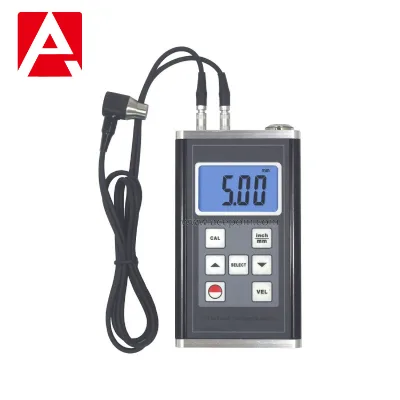
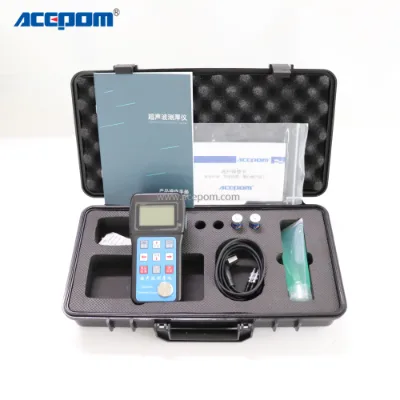
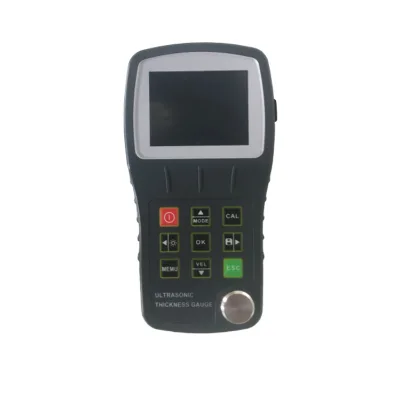
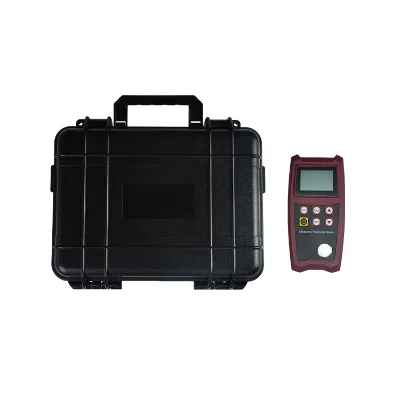
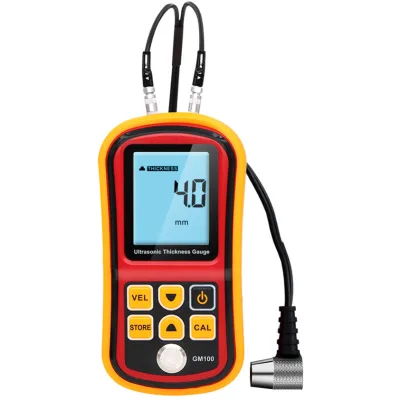
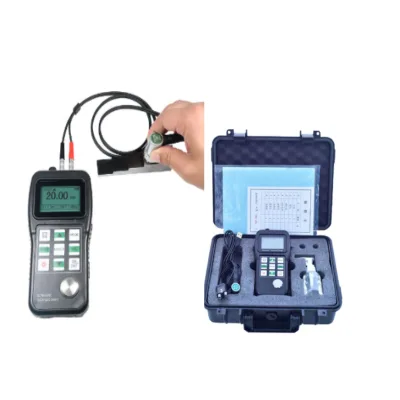
Thickness Gauge TM-8818 Multi-Mode Ultrasonic Thickness Meter Professionally Manufacture
$306.7539 - $613.5077
MOQ: 1 Minimum
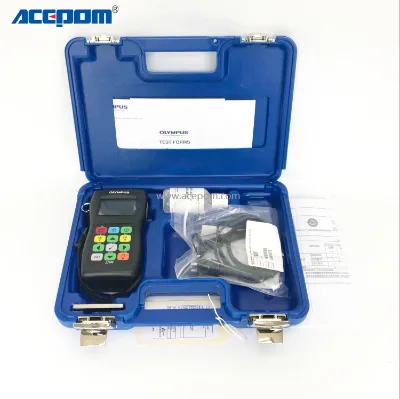




Comprehensive Sourcing Guide
Pocket Ultrasonic Thickness Meter Sourcing Guide
Procuring pocket-sized ultrasonic thickness meters requires a careful balance between portability and measurement precision, particularly for field inspections where access is limited. Buyers must prioritize devices that offer reliable accuracy across diverse material types, ensuring that the selected instrument can handle the specific thickness ranges required for their operational environment. The market presents various options, from basic plastic-cased units to high-accuracy industrial models, each with distinct capabilities and limitations that directly impact inspection reliability.
This guide focuses on key decision factors such as technical specifications, supplier qualifications, and commercial terms, drawing on observed market data to provide actionable insights. By understanding the nuances of resolution, measurement range, and warranty support, procurement teams can mitigate risks associated with inaccurate readings or premature equipment failure. The following sections detail the critical attributes and verification steps necessary for selecting a durable and compliant thickness gauge.
Product Scope and Observed Listing Signals
The current market for pocket ultrasonic thickness meters displays a wide variance in pricing, with observed listings ranging from zero to six thousand two hundred USD, reflecting differences in brand prestige and technological sophistication. Minimum order quantities are typically low, often starting at one unit, which facilitates easy sampling and initial procurement for small teams or specific project needs. This accessibility allows buyers to test multiple models without significant upfront commitment, though bulk discounts may apply for larger institutional purchases.
Observed product attributes highlight significant diversity in origin and customization options, with manufacturers from Guangdong and Jiangsu in China, as well as Japan, offering distinct value propositions. Brands such as AMITTARI, ACEPOM, and OLYMPUS appear in listings, each providing varying levels of OEM and ODM support. Buyers should note that while some units offer standard configurations, others allow for software reengineering or specific branding, catering to specialized industrial requirements and corporate identity needs.
Technical Specifications to Verify
Resolution and accuracy are paramount when selecting a thickness gauge, as these metrics directly determine the reliability of inspection data. Observed specifications indicate resolutions as fine as 0.01 mm, with accuracy claims ranging from ±(0.5%n+0.1) to 0.1 mm, depending on the model. Buyers must verify these figures against their specific application requirements, ensuring that the chosen device can detect minute variations in material thickness without introducing significant error margins during critical measurements.
Measurement range and sound velocity capabilities also require careful scrutiny, as they define the operational limits of the instrument. Listings show ranges from 0.75 mm to 400 mm, with some models specifying performance on 45# steel up to 300 mm. Additionally, sound velocity settings typically span from 1000 to 9000 m/s, allowing for adaptation to various materials. Procurement teams should confirm that the selected model supports the specific material types and thicknesses encountered in their daily operations to avoid measurement failures.
Compliance and Safety Documentation
Safety and protection classes are essential considerations for instruments used in industrial environments, where exposure to harsh conditions is common. Some observed models feature high protection classes and ABS plastic or plastic casings, offering durability against physical impacts and environmental factors. Buyers should verify that the device meets relevant safety standards for electrical equipment, ensuring that it operates safely under the voltage requirements of their facility, such as 220 V systems, without posing risks to operators.
Warranty terms provide a critical indicator of manufacturer confidence and long-term support availability. Observed warranties vary from one year to three years, with some brands offering two-year coverage. Procurement teams should evaluate these terms in conjunction with the supplier’s reputation for after-sales service, ensuring that any potential defects or malfunctions can be addressed promptly. A robust warranty policy can significantly reduce the total cost of ownership by minimizing downtime and repair expenses associated with equipment failure.
Cost Drivers and Commercial Terms
Pricing for ultrasonic thickness meters is influenced by several factors, including brand reputation, technological features, and customization options. High-accuracy models from established brands like OLYMPUS may command premium prices, while generic or locally sourced units from Chinese manufacturers often offer more competitive rates. Buyers should assess the total value proposition, considering not just the initial purchase price but also the long-term benefits of accuracy, durability, and support services provided by the supplier.
Commercial terms such as minimum order quantities and lead times can impact procurement planning and inventory management. While many suppliers offer low MOQs, buyers should negotiate favorable terms for repeat orders or bulk purchases to optimize costs. Additionally, understanding the lead times for customized or OEM orders is crucial for aligning procurement schedules with project deadlines, ensuring that equipment is available when needed without causing operational delays.
Supplier Qualification and Quality Control
Supplier qualification is a critical step in ensuring the reliability and consistency of purchased equipment. Buyers should verify the place of origin and manufacturing capabilities of suppliers, noting that many manufacturers are based in regions like Guangdong and Jiangsu in China, or Japan. Assessing the supplier’s history, production capacity, and quality management systems can provide insights into their ability to deliver products that meet specified technical and safety standards consistently.
Quality control measures, including pre-shipment inspections and testing protocols, should be clearly defined in the procurement agreement. Buyers should request documentation that demonstrates the supplier’s commitment to quality, such as calibration certificates or test reports for accuracy and resolution. Establishing clear quality expectations and verification steps helps mitigate the risk of receiving defective or non-compliant equipment, ensuring that the purchased thickness meters perform as expected in field applications.
Long-Term Procurement Checks
Long-term procurement success depends on establishing strong relationships with suppliers who can provide consistent support and product updates. Buyers should monitor supplier performance over time, tracking metrics such as delivery reliability, product quality, and responsiveness to service requests. Regular reviews of supplier capabilities and market trends can help identify opportunities for cost savings or technological upgrades, ensuring that the procurement strategy remains aligned with evolving operational needs.
Continuous evaluation of product performance in the field is also essential for identifying any recurring issues or areas for improvement. Buyers should gather feedback from end-users regarding the usability, accuracy, and durability of the thickness meters, using this information to inform future purchasing decisions. By maintaining a proactive approach to supplier management and product evaluation, organizations can ensure that their inspection equipment remains a reliable asset for maintaining quality and safety standards.
FAQs
What is the measurement range for this ultrasonic thickness gauge?
The measurement range spans from 1.0 to 300 millimeters for 45# steel materials. Some models extend this capability to cover 0.75 up to 400 millimeters depending on the specific unit selected for your industrial application needs.
Which brands offer customized support for pocket ultrasonic thickness meters?
Brands like AMITTARI and ACEPOM provide OEM and ODM customized support options for these devices. This allows buyers to tailor specifications to their unique industrial requirements while maintaining high accuracy standards during operation.
How accurate are the pocket ultrasonic thickness meters available?
Accuracy varies by model, with some achieving ±(0.5%n+0.1) or 0.1mm precision levels. Other units specify accuracy as 0.5%H plus 0.05, ensuring reliable thickness measurements across different material types and testing conditions.
Can I find ultrasonic thickness gauges with a two-year warranty?
Yes, certain models from AMITTARI come with a two-year warranty coverage for peace of mind. Other options may offer one-year or three-year warranties depending on the manufacturer and specific product configuration selected.
What is the typical weight of a single pocket ultrasonic thickness gauge?
Single items typically weigh around 1.000 kg or 1kg for standard portable units. Some advanced models like the Olympus 38DL PLUS may weigh slightly more at 1.2kg while maintaining portability for field use.
Where are these ultrasonic thickness meters manufactured?
Most units originate from Guangdong or Jiangsu provinces in China, with some high-end models sourced from Japan. This global distribution ensures diverse manufacturing capabilities and supply chain options for international buyers.
What materials are used to construct these thickness measuring tools?
Housings are commonly made from durable ABS plastic or general plastic materials to ensure robustness. These materials provide protection against impacts while keeping the device lightweight for easy handling during extended measurement sessions.