Source Portable Birdwatching Binoculars with Tripod for Travel, Gift, Hunting
Explore 30 listings of Portable Birdwatching Binoculars with Tripod designed for travel, gifts, and hunting. Compare specifications like magnification, lens type, and weight to find the right optical gear for your needs; compare the available evidence and request quotations based on your requirements.
Updated
Key considerations
Products List


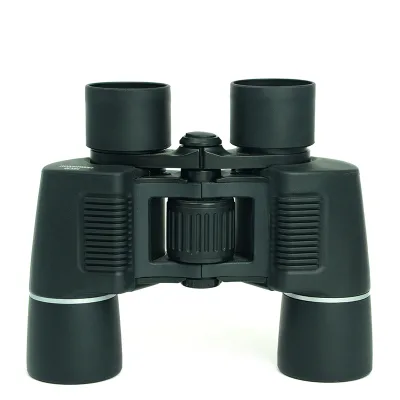
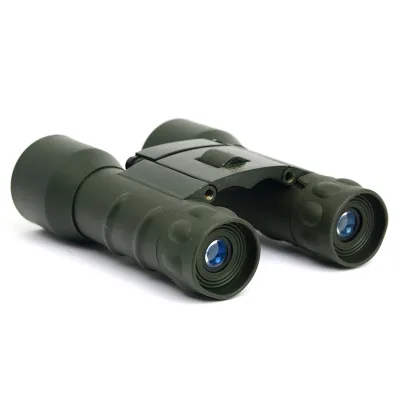
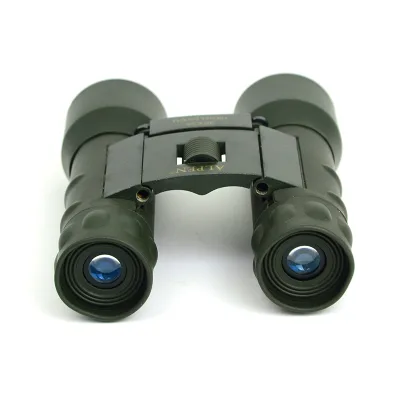
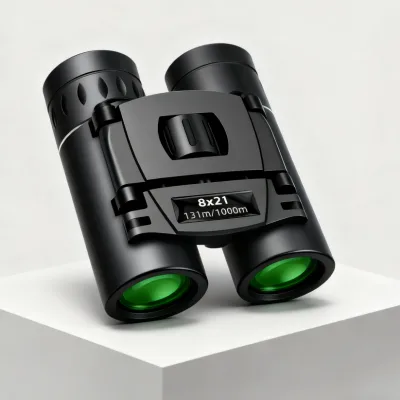
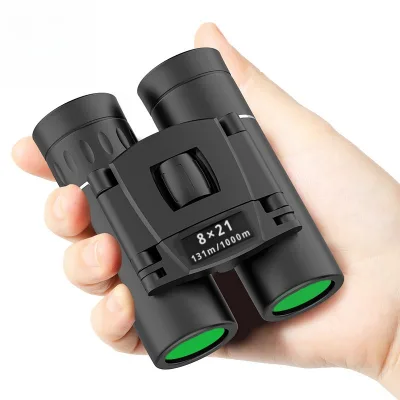
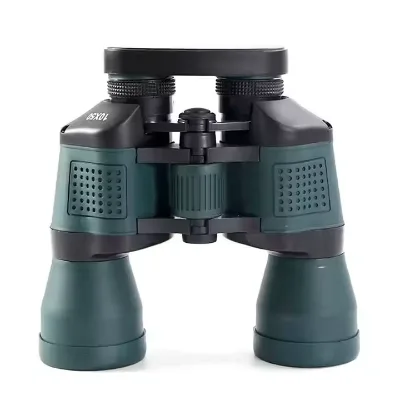
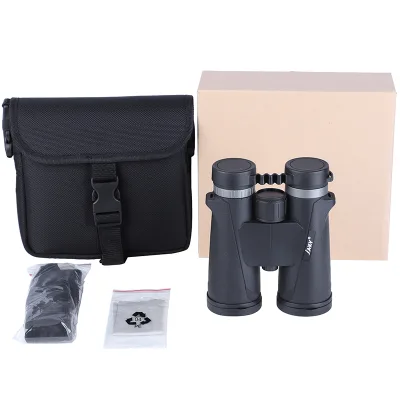
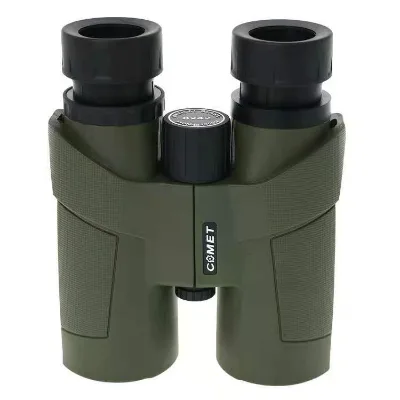
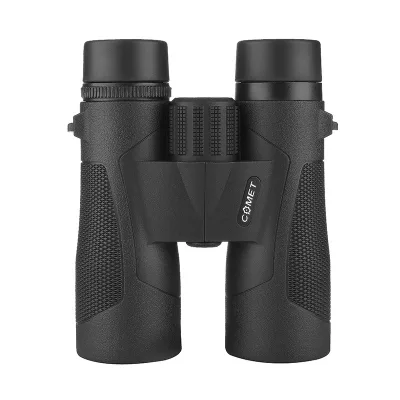
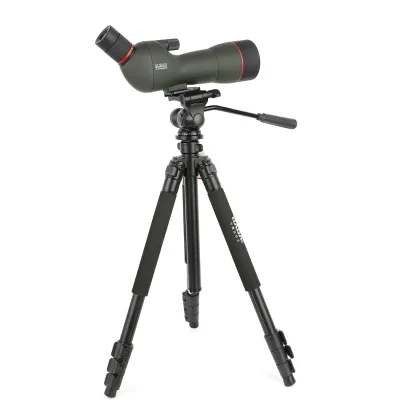
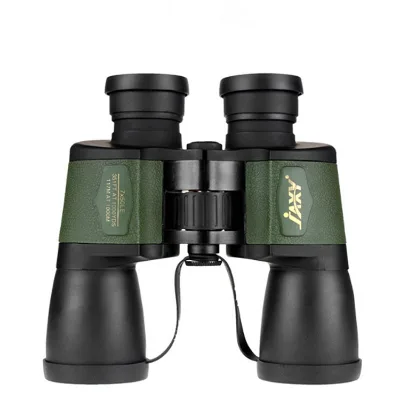
8X32 Portable HD Waterproof Binoculars for Bird Watching Outdoor Hunting Travel
$23.50 - $24.50
MOQ: 20 Pieces


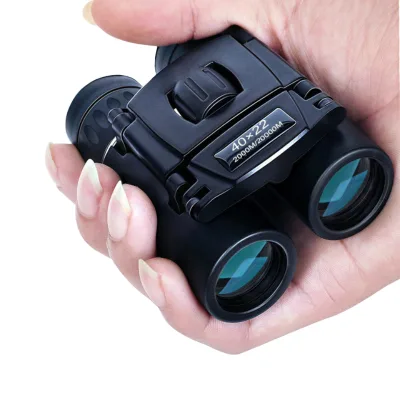
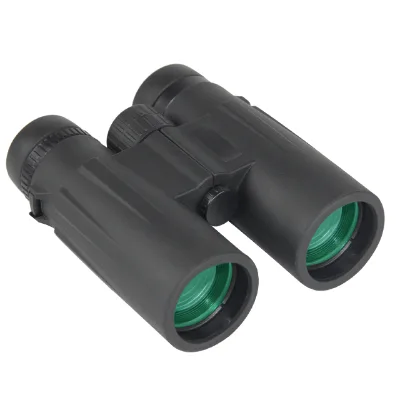
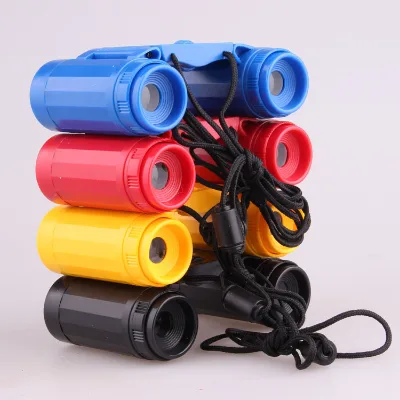
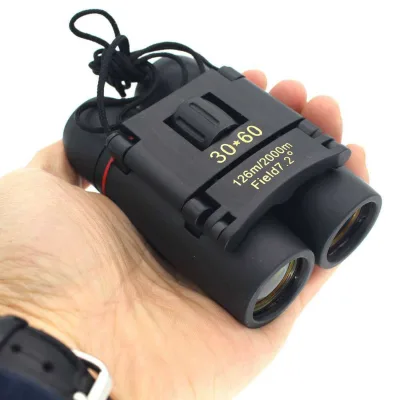


Comprehensive Sourcing Guide
Portable Birdwatching Binoculars with Tripod Sourcing Guide
Sourcing Portable Birdwatching Binoculars with Tripod support requires careful attention to optical clarity, weight distribution, and mounting compatibility. Buyers must evaluate how the binoculars balance on standard tripods, as many lightweight models lack integrated mounting threads or require specific adapters. The ideal product combines high magnification with a stable base, ensuring that handheld use transitions smoothly to stationary observation without compromising image stability. This dual-mode functionality is critical for professionals who need to scan wide areas quickly but also require detailed, steady views for identification.
Procurement teams should prioritize products that offer customizable features, such as OEM branding or specific packaging options, to align with corporate gifting or retail distribution strategies. The observed market includes models with varying magnifications, from 7X to 10X, each offering different fields of view and exit pupil diameters. Understanding these technical nuances helps buyers select the right balance between brightness and magnification power. Additionally, verifying the prism type, such as BK-7 glass, ensures better light transmission and image fidelity, which are essential for low-light birdwatching scenarios.
Product Scope and Observed Listing Signals
The current market landscape for portable birdwatching binoculars reveals a diverse range of specifications tailored to different user needs. Observed listings indicate a price range from $0.59 to $100, reflecting variations in build quality, lens material, and included accessories. Minimum order quantities (MOQs) typically span from 1 to 10,000 units, allowing flexibility for both small-scale retailers and large corporate buyers. Products are often marketed for multiple uses, including gifts, travel, and hunting, which broadens their appeal but requires buyers to verify specific performance claims for birdwatching applications.
Key product attributes observed include glass lenses, center focusing mechanisms, and various magnification levels such as 7X, 8X, and 10X. Some models feature objective lenses ranging from 30mm to over 100mm, directly impacting light gathering capability and overall size. The field of view varies significantly, with some models offering up to 135 meters per 1000 meters, while others provide narrower views for higher magnification. Buyers should note that not all listed products are waterproof, which is a crucial consideration for outdoor use in varying weather conditions.
Technical Specifications to Verify
When evaluating technical specifications, buyers must focus on the optical performance metrics that directly impact birdwatching effectiveness. Key parameters to verify include the objective lens diameter, exit pupil diameter, and eye relief. For instance, models with a 30mm objective lens and 3mm exit pupil offer a compact design, while those with larger apertures provide brighter images in low-light conditions. The angle of view, often measured in degrees, determines how much of the scene is visible at once, with wider angles facilitating easier tracking of moving birds.
Structural features such as prism type and focusing mechanism are equally important. BK-7 prisms are commonly observed and offer good optical quality, though higher-end models may use BaK-4 for superior edge-to-edge sharpness. Center focusing types are standard, but buyers should check the close focus distance, which can range from 4.5 meters to 5 meters, affecting the ability to observe nearby subjects. Additionally, unit weight is a critical factor for portability, with observed weights ranging from 145g to 564g, influencing user comfort during extended observation periods.
Compliance and Safety Documentation
Compliance and safety documentation are essential for ensuring that imported binoculars meet regional regulatory standards. Buyers should request certificates of conformity, which verify that products adhere to material safety regulations, such as restrictions on hazardous substances in plastics and coatings. Although specific certification statuses are not provided in the observed data, buyers must proactively ask suppliers for documentation related to chemical safety, particularly if the products are intended for markets with strict environmental regulations.
Packaging standards also play a role in compliance, as proper labeling and material usage can affect customs clearance and retail readiness. Observed packing methods include color boxes and cartons, with standard dimensions provided for logistics planning. Buyers should verify that packaging materials are recyclable or meet local waste management requirements. Additionally, ensuring that product labeling includes accurate model numbers, origin information, and safety warnings is crucial for maintaining brand integrity and avoiding legal issues in destination markets.
Cost Drivers and Commercial Terms
Cost drivers for portable birdwatching binoculars include material quality, manufacturing complexity, and customization options. Glass lenses and BK-7 prisms generally command higher prices than plastic alternatives due to superior optical performance and durability. Customization services, such as OEM, ODM, and OBM options, add value but also increase production costs. Buyers should negotiate clearly on these terms to understand how customization impacts the final unit price and minimum order quantities.
Commercial terms should be carefully structured to mitigate risks associated with volume purchases and lead times. Observed MOQs vary widely, allowing buyers to start with smaller orders to test market response before committing to larger volumes. Lead times are not explicitly stated, so buyers must establish clear delivery schedules in contracts to avoid supply chain disruptions. Payment terms should be aligned with production milestones, ensuring that financial exposure is minimized while maintaining a positive supplier relationship.
Supplier Qualification and Quality Control
Supplier qualification is a critical step in ensuring consistent product quality and reliable supply. Buyers should assess suppliers based on their manufacturing capabilities, quality control processes, and track record in the optical industry. Factories located in regions like Jiangxi, China, often have established expertise in producing binoculars, but buyers must verify their production capacity and quality assurance protocols. Requesting samples is essential to evaluate build quality, optical clarity, and ergonomic design before placing bulk orders.
Quality control measures should include rigorous testing of optical components, mechanical durability, and packaging integrity. Buyers should define acceptance criteria for defects, such as lens scratches, misalignment, or focusing issues, and ensure that suppliers have processes in place to detect and rectify these problems. Regular audits or third-party inspections can provide additional assurance of quality consistency. Establishing clear communication channels with suppliers helps address any issues promptly, maintaining high standards throughout the procurement process.
Long-Term Procurement Checks
Long-term procurement checks involve continuous monitoring of supplier performance and market trends to ensure ongoing value. Buyers should regularly review supplier delivery times, product quality, and responsiveness to issues. Establishing key performance indicators (KPIs) for these metrics helps in making data-driven decisions about supplier relationships. Additionally, staying informed about technological advancements in optical equipment allows buyers to upgrade their product offerings and remain competitive in the market.
Feedback loops with end-users are crucial for identifying areas for improvement in product design and functionality. Buyers should collect insights on user experience, such as comfort during extended use or ease of mounting on tripods, to guide future procurement decisions. Regularly updating product specifications based on this feedback ensures that the sourced binoculars meet evolving customer needs. Maintaining a flexible supply chain strategy also helps in adapting to changes in demand or material costs, ensuring long-term sustainability and profitability.
FAQs
What magnification options are available for these binoculars?
The product line offers 7X, 8X, and 10X magnification levels. Buyers can select the specific power based on their viewing needs. Higher magnification provides closer views, while lower options offer wider fields of view. This variety ensures suitability for different birdwatching and hunting scenarios.
Can these binoculars be customized for branding purposes?
Yes, customization is available for OEM, ODM, and OBM requirements. Manufacturers support tailored branding solutions to meet specific business needs. This service allows buyers to add their logos or design elements. It is ideal for corporate gifts or specialized retail distribution channels.
What is the typical unit weight for these models?
Unit weights vary by model, ranging from 145g to 564g. Lighter options like the 145g model enhance portability for travel. Heavier models may offer additional durability or features. Buyers should check specific product specifications to determine the exact weight for their preferred configuration.
Are these binoculars waterproof for outdoor use?
No, the listed specifications indicate that these binoculars are not waterproof. They are designed for general use in dry conditions. Buyers requiring weather-resistant equipment should verify specific model details. This feature is important for harsh outdoor environments or rainy weather scenarios.
What prism type is used in these optics?
The binoculars utilize BK-7 or BK7 prisms for image transmission. This glass type provides clear and bright visuals for the user. It is a standard material for quality optical instruments. Buyers can expect reliable performance for bird watching and hunting activities with this prism configuration.
Where are these products manufactured?
These products originate from Jiangxi, China. The manufacturing location is specified for transparency. Buyers can assess logistics and sourcing implications based on this origin. It helps in planning supply chain strategies and understanding regional production capabilities.