Source Portable Digital pH and TDS Meter for Water, Lab, and Pool
Compare 30 Portable Digital pH and TDS Meter options from verified Chinese suppliers. View specifications like accuracy, range, and calibration features to find the right device for water testing, laboratory analysis, and pool maintenance; compare the available evidence and request quotations based on your requirements.
Updated
Key considerations
Products List

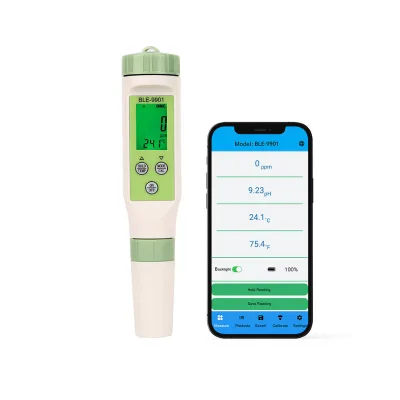


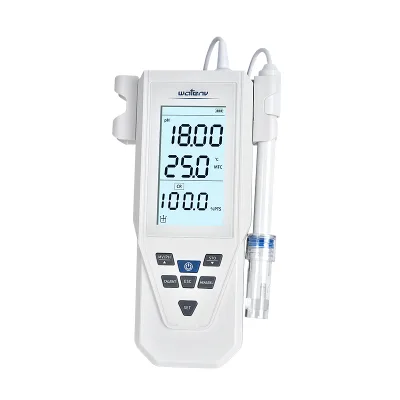
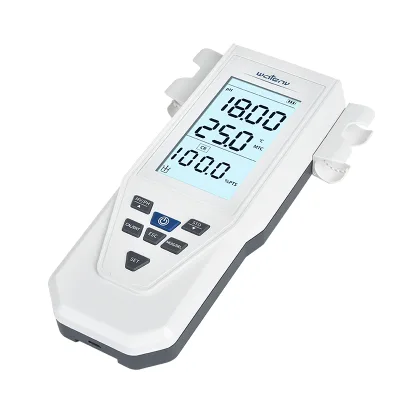


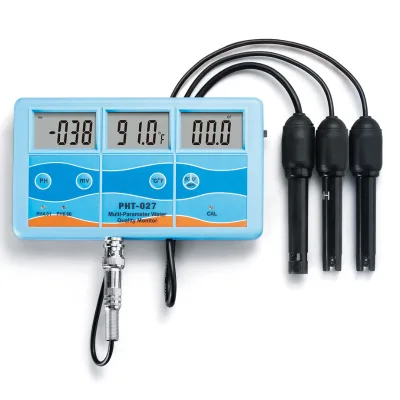
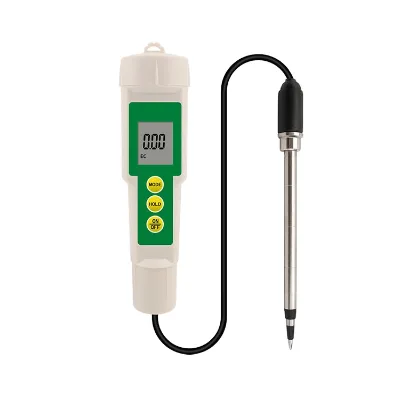
High Accuracy Portable Waterproof Digital LCD Screen EC/CF/TDS Meter for Soil
$25.9867 - $31.0593
MOQ: 100 pieces
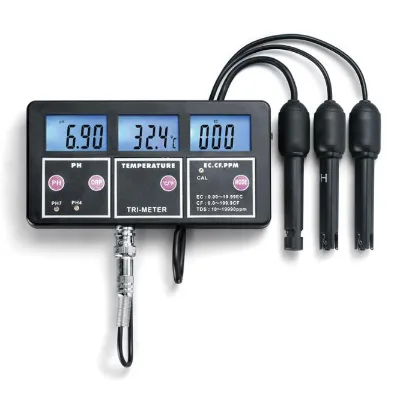
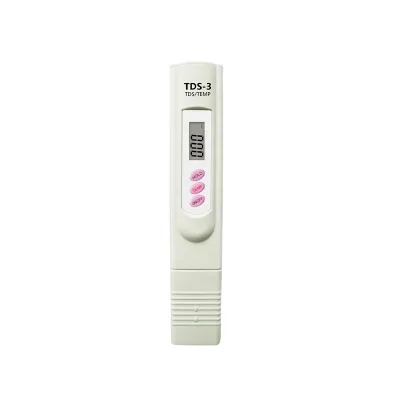

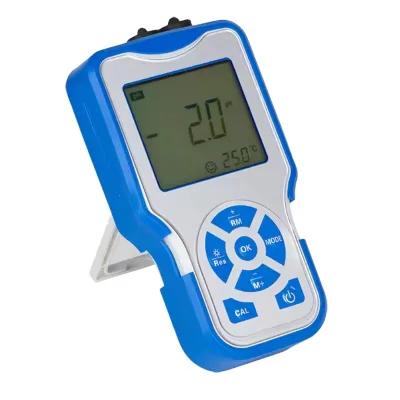
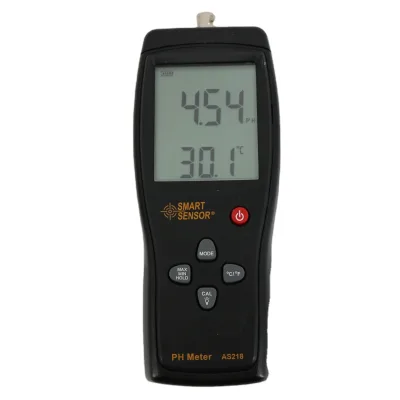
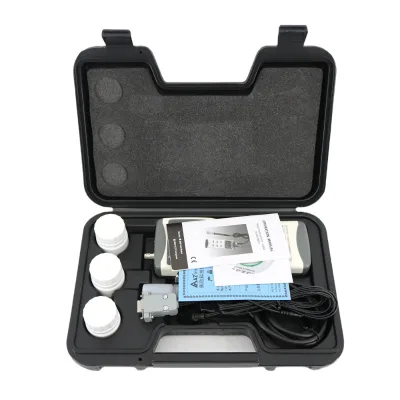


Portable pH/Conductivity Meter with TDS, Sal, Res, and Mv Measurement
$100.00 - $1000.00
MOQ: 1 Pieces

Comprehensive Sourcing Guide
Portable Digital pH and TDS Meter Sourcing Guide
Procuring portable digital pH and TDS meters requires careful attention to the specific measurement ranges and display technologies available in the current market. Buyers should verify that the selected device offers a digital display capable of resolving values to 0.01 pH, as this precision is critical for accurate solution testing in various industrial and laboratory settings. The observed product listings indicate a wide range of models, from the PHS-25 to the BLE-9901, each designed with distinct physical dimensions and power requirements that must align with field operations.
When evaluating these instruments, it is essential to confirm the calibration capabilities, as automatic calibration features significantly reduce operational downtime and user error. The supply chain data suggests that many units are powered by button cells, which impacts long-term maintenance costs and portability. Sourcing teams must ensure that the chosen meter supports the specific voltage and power supplier configurations required for their intended environment, whether that involves standard button cells or alternative power sources for extended field use.
Product Scope and Observed Listing Signals
The market for portable digital meters includes devices with varying physical footprints, such as the 1873737mm model and the more compact 18X4X4 cm package. Buyers must distinguish between units designed for single-item sales and those intended for bulk OEM customization, as the packaging and gross weight differ significantly across the product range. Some listings specify a white and green color scheme, while others offer standard industrial finishes, requiring clear specification of aesthetic and functional preferences before ordering.
Listing signals also reveal diverse measurement capabilities, with some devices covering a pH range of 0.00-14.00 and others extending to -2.00-18.00. It is crucial to verify the specific model number, such as PH-20 or TDS-9982, to ensure the device matches the required application scope. The presence of thermo meter functions ranging from 0-60℃ in some models adds value for temperature-compensated readings, but this feature is not universal and must be explicitly confirmed in the product specifications.
Technical Specifications to Verify
Accuracy is a primary technical parameter, with observed units claiming a precision of +/-0.05 pH or 0.01 pH depending on the specific model. Procurement teams must validate these accuracy claims against the stated accuracy class, ensuring the device meets the "Standard Accuracy" requirements for their specific testing protocols. The resolution of 0.01 pH is a common benchmark, but buyers should confirm that the display type, whether LCD or digital, can consistently render these values without drift or lag during operation.
Dimensional constraints are equally important for field deployment, as the single package size can vary from 20116cm to larger formats like 36.5X31X11 cm. The weight of the unit, ranging from 95g to 0.5kg, directly impacts the ergonomics of handheld usage over extended periods. Additionally, the MV range of -2000-2000 in certain models indicates multi-parameter capabilities that may be necessary for complex water quality analysis, requiring a thorough review of the full specification sheet before finalizing the purchase.
Compliance and Safety Documentation
Regulatory compliance is a critical factor, with many suppliers listing CE and ISO certifications as standard for their portable digital meters. Buyers must request valid certification documents to confirm that the products meet the necessary safety and quality standards for their target markets. The presence of "CE ISO" on product listings suggests adherence to international norms, but verification of the specific ISO standard, such as ISO 9001, is necessary to ensure the manufacturer maintains a robust quality management system.
Warranty terms provide an additional layer of protection, with a standard one-year warranty observed in the current supply data. This coverage typically addresses manufacturing defects and performance issues, but the specific terms of service and claim procedures must be clearly defined in the purchase agreement. Procurement teams should also verify the origin of the products, as the majority of listings indicate a place of origin in Zhejiang, China, which may influence shipping logistics and import compliance requirements.
Cost Drivers and Commercial Terms
Pricing in this sector is highly variable, with observed ranges spanning from $0.6 to $1000 depending on the model complexity and feature set. The minimum order quantity (MOQ) is generally flexible, with many suppliers accepting orders as low as one piece, which facilitates sampling and small-batch testing. However, buyers should be aware that larger orders may trigger different pricing tiers, and the selling units are often listed as single items, requiring careful calculation of total volume costs.
Customization support, including OEM and ODM services, is a significant cost driver that can alter the final price and lead time. Suppliers offering these services may require higher MOQs or additional setup fees, which must be factored into the total cost of ownership. The port of shipment, typically Shanghai or Ningbo, also impacts logistics costs, and buyers should negotiate Incoterms that clearly define responsibility for freight and insurance to avoid unexpected expenses during the delivery process.
Supplier Qualification and Quality Control
Supplier qualification should focus on the manufacturer's ability to provide consistent quality control and reliable customization support. The availability of OEM services indicates a supplier's capacity to adapt products to specific branding and technical requirements, but this capability must be backed by a proven track record of quality assurance. Buyers should request samples to verify the build quality, including the durability of the casing and the reliability of the digital display under various conditions.
Quality control processes must be validated through the supplier's adherence to stated standards and certifications. The observation of specific model numbers like PH-2583 and EC-1383 suggests a diverse product line, but consistency across batches is essential for maintaining operational reliability. Procurement teams should establish clear acceptance criteria based on the observed accuracy and resolution specifications to ensure that every delivered unit meets the required performance benchmarks before final payment is released.
Long-Term Procurement Checks
Long-term procurement success depends on establishing a reliable supply chain that can support ongoing maintenance and replacement needs. Buyers should verify the availability of spare parts and consumables, such as calibration solutions or replacement electrodes, to ensure the longevity of the purchased meters. The one-year warranty period provides a baseline for support, but establishing a direct relationship with the supplier for post-warranty service is crucial for minimizing downtime in critical testing applications.
Continuous monitoring of product performance and market trends is necessary to ensure the selected devices remain relevant and compliant with evolving standards. As the market for portable digital meters evolves, buyers should stay informed about new models and technologies that may offer improved accuracy or expanded measurement ranges. Regular audits of supplier performance and product quality will help maintain high standards and ensure that the procurement strategy continues to meet the organization's operational requirements effectively.
FAQs
What is the pH measurement range of the portable digital meter?
The device measures a pH range of 0.00 to 14.00 pH with a resolution of 0.01 pH. This standard range covers most common aqueous solutions for general testing. The unit ensures precise readings across the full spectrum, making it suitable for various laboratory and field applications requiring accurate acidity or alkalinity assessment.
How accurate is the Portable Digital pH and TDS Meter?
The meter offers an accuracy of plus or minus 0.05 pH for standard accuracy models. Some variants provide 0.01 pH accuracy for higher precision needs. This level of accuracy ensures reliable data collection during testing processes. Users can trust these readings for quality control and scientific analysis in diverse environments.
Can the Portable Digital pH and TDS Meter be customized?
Yes, customization is available with OEM support for branding and design. Buyers can request specific modifications to meet unique operational requirements. This flexibility allows businesses to align the equipment with their corporate identity or specific technical standards. The supplier supports tailored solutions to enhance usability and brand recognition.
What certifications does the Portable Digital pH and TDS Meter have?
The product holds CE and ISO certifications, ensuring compliance with international quality and safety standards. These certifications verify that the manufacturing processes and final products meet rigorous regulatory requirements. Buyers can confidently source these meters for global distribution, knowing they adhere to established industry benchmarks for electronic testing equipment.
What is the minimum order quantity for the Portable Digital pH and TDS Meter?
The minimum order quantity is one piece, allowing for flexible purchasing options. This low MOQ supports trial orders and small-scale procurement needs. Buyers can order single units for testing or evaluation before committing to larger volumes. This policy facilitates easier entry for new clients and reduces initial investment risks.
Where is the Portable Digital pH and TDS Meter manufactured?
The meters are manufactured in Zhejiang, China, a hub for precision instrumentation. This location ensures access to advanced manufacturing capabilities and supply chain efficiency. Buyers benefit from established production infrastructure that supports consistent quality and timely delivery. The origin is clearly documented for transparency in sourcing decisions.