Source solar heat pump dryer for fruit, vegetable, and grains
Find 30 solar heat pump dryer units available for drying fruit, vegetable, and grains. Compare specifications like voltage, power, and capacity to select the right equipment for your specific industrial or commercial drying needs today; compare the available evidence and request quotations based on your requirements.
Updated
Key considerations
Products List


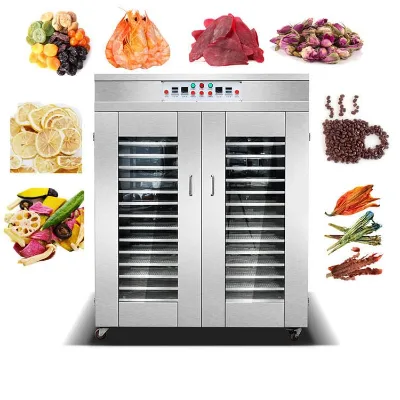
Solar Dryer for Fruits and Vegetables 50 Tray Dryer for Vegetable and Fruits
$1648.3963 - $1854.4459
MOQ: 1 sets


Environment Friendly and Energy Saving Heat Pump Vegetable Solar Dryer
$6000.00 - $15000.00
MOQ: 1 Pieces
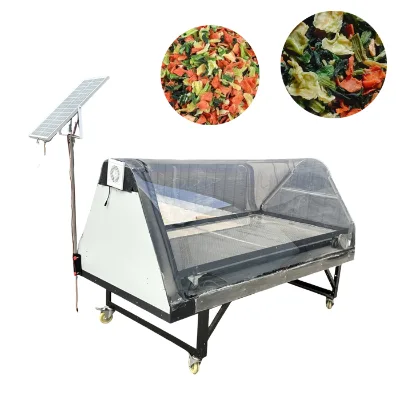
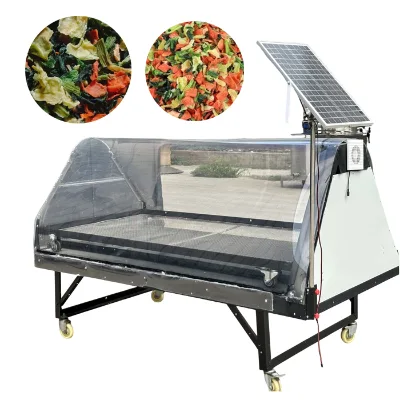
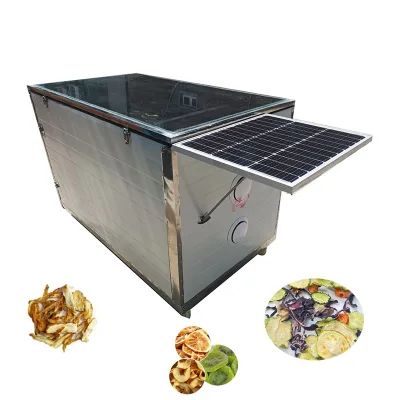
Solar Powered Fruit & Vegetable Dryer for Cassava & Fish Drying Dehydration
$1000.00 - $1550.00
MOQ: 1 sets
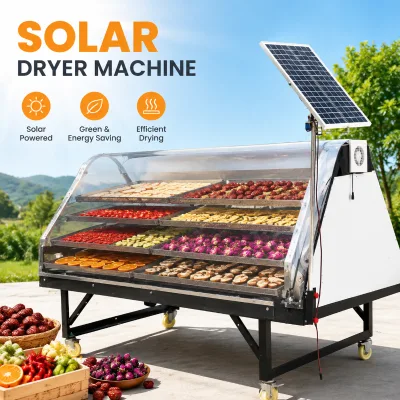
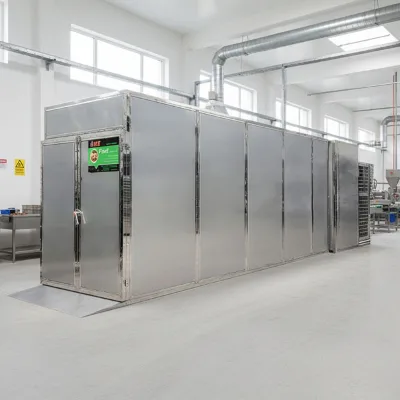
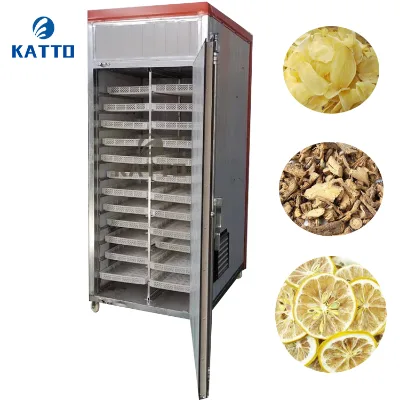

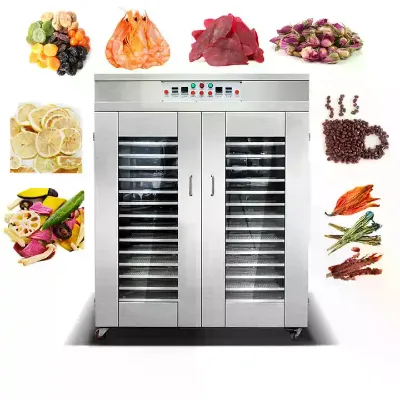


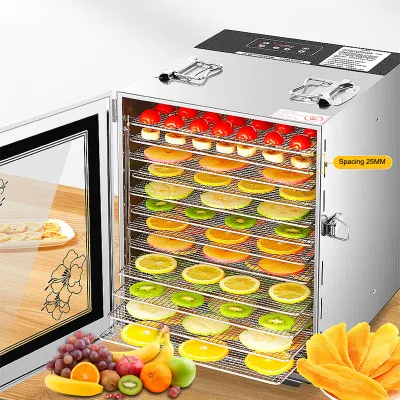

Dehydration Machine for Fruits and Vegetables Heat Pump Dryer Machine
$1999.00 - $19999.00
MOQ: 1 Pieces
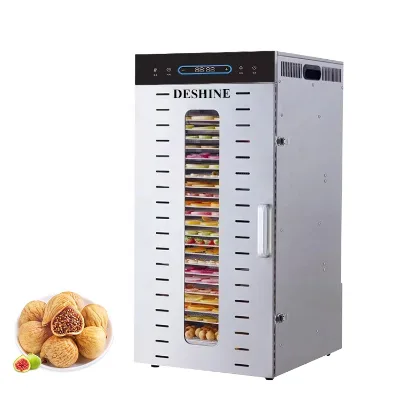
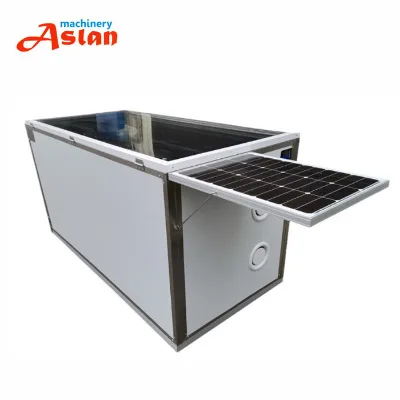
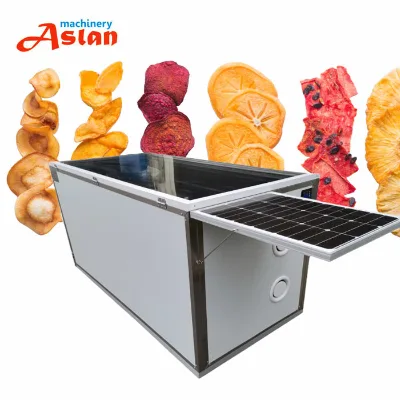
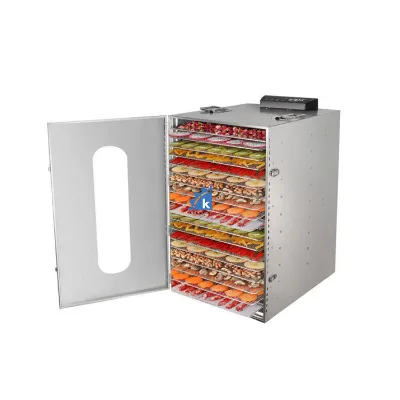
High Efficiency Solar Dryers Fruits and Vegetables Home Use Fruit Dryer
$98.2789 - $460.3549
MOQ: 1 Minimum
Comprehensive Sourcing Guide
Solar Heat Pump Dryer for Fruit and Vegetable Sourcing Guide
Sourcing industrial dehydration equipment requires careful alignment of thermal efficiency with product integrity. Buyers must evaluate how heat pump technology preserves nutritional value while reducing operational energy costs compared to traditional hot-air systems. The decision hinges on matching the dryer’s capacity to your specific throughput requirements and the sensitivity of the produce being processed.
This guide focuses on verifying technical claims and commercial terms for commercial-grade units. It emphasizes the importance of validating core components, material construction, and warranty terms before committing to a purchase. Understanding these variables ensures that the selected machinery delivers consistent drying results and minimizes downtime in a high-volume production environment.
Product Scope and Observed Listing Signals
Market listings reveal a diverse range of dehydration units, from small home-style dehydrators to large industrial fruit dryers. Observed models include specific configurations such as the AMS 300B and ACME-G1, which vary significantly in power consumption and physical dimensions. Buyers should note that some units are marketed as non-customized standard items, while others offer customized solutions for specific production lines.
The observed product spectrum includes dryers with varying power ratings, such as 0.75KW and 1.1KW units, alongside higher-capacity 6000W industrial machines. Materials range from standard construction to 304 stainless steel, which is critical for food-grade hygiene. Listings also indicate different tray configurations, with some units offering five pieces, while others support multi-layer setups for increased volume processing.
Technical Specifications to Verify
Voltage compatibility is a primary technical constraint, with observed units operating at 220V, 380V, or higher industrial standards. Buyers must verify that the electrical infrastructure at their facility matches the dryer’s requirements to prevent operational failures. Additionally, the power consumption of internal components, such as fans rated at 10W or compressors, directly impacts the total energy cost per batch of dried produce.
Physical dimensions and weight are crucial for facility planning and logistics. Observed specifications include compact units measuring 21011535 cm and larger industrial models reaching 13494169 cm. The single gross weight can vary from 1.000 kg for small packages to 280 kg for heavy-duty commercial units. Verifying the single package size, such as 100X100X100 cm, is essential for calculating shipping costs and warehouse storage requirements.
Compliance and Safety Documentation
Food safety compliance is non-negotiable for dehydration equipment used in commercial settings. Buyers should request machinery test reports to verify that the equipment meets local food processing standards. The presence of a provided test report indicates that the manufacturer has undergone some level of quality assurance, which is a positive signal for procurement teams.
Warranty terms provide a baseline for risk mitigation. Observed listings commonly offer a one-year warranty on core components, such as the engine or compressor. Buyers must clarify whether this warranty covers labor, parts, or both, and understand the process for claiming repairs. A clear warranty structure protects against unexpected maintenance costs during the initial operational phase.
Cost Drivers and Commercial Terms
The minimum order quantity (MOQ) varies significantly across suppliers, with some offering a single set as the minimum purchase. This flexibility allows small businesses to test equipment before scaling up. However, larger industrial units may have higher MOQs or require custom manufacturing, which can impact lead times and initial capital expenditure.
Pricing structures are influenced by material quality and customization options. Units constructed from 304 stainless steel typically command a premium over standard metal constructions due to durability and hygiene benefits. Buyers should also consider the cost of packaging, which can range from simple cartons to protective wooden boxes, as this affects the total landed cost of the equipment.
Supplier Qualification and Quality Control
Supplier origin and manufacturing capability are key indicators of product reliability. Many observed units originate from Zhejiang, China, a hub for machinery manufacturing. Buyers should verify the supplier’s production capacity and history to ensure they can meet delivery schedules and provide consistent quality across multiple units.
Quality control processes should be explicitly defined in the purchase agreement. Buyers must confirm if the supplier provides detailed specifications for core components and if these components are sourced from reputable manufacturers. Understanding the supply chain for critical parts like the engine and fan ensures that replacements are available if needed during the warranty period or beyond.
Long-Term Procurement Checks
Operational efficiency is determined by drying time and energy consumption. Observed drying times range from 8 to 15 hours, depending on the load and product type. Buyers should calculate the cost per kilogram of dried produce to determine if the heat pump technology offers a sufficient return on investment compared to alternative drying methods.
Maintenance requirements and spare part availability are critical for long-term viability. Buyers should inquire about the availability of replacement trays, fans, and filters. Ensuring that these consumables are readily available prevents production stoppages. Additionally, verifying the supplier’s technical support capabilities ensures that any operational issues can be resolved quickly, minimizing downtime.
FAQs
Can solar heat pump dryers be customized for specific fruit types?
Yes, customization is available for these drying machines to suit different produce. The product page indicates that customized options exist alongside non-customized models. Buyers can select specific features like tray counts or power ratings. This allows for tailored drying processes for vegetables, fish, or grains. Customization ensures the equipment meets precise operational requirements for various food items.
What voltage options are available for commercial food dehydrators?
Commercial food dehydrators typically operate on 220V or 380V power supplies. The available models include units with 0.75KW and 1.1KW power ratings. Higher capacity industrial machines may require 380V for efficient operation. Selecting the correct voltage depends on the facility's electrical infrastructure. This ensures safe and effective drying performance for large-scale commercial usage.
What is the minimum order quantity for industrial fruit dehydrators?
The minimum order quantity is one set for these industrial fruit dehydrators. This low MOQ allows buyers to test equipment before larger purchases. The product listing specifies an MOQ of 1 Set for the food dehydrator machine. This flexibility supports small businesses and startups in sourcing reliable drying solutions without high initial inventory commitments.
Which materials are used in constructing these drying machines?
These drying machines are constructed using 304 stainless steel for durability and hygiene. The material ensures resistance to corrosion and easy cleaning for food safety. The product specifications highlight 304 stainless steel as the primary construction material. This choice supports commercial usage requirements and maintains the integrity of dried fruits and vegetables during processing.
What warranty and support are provided for these dehydrators?
A one-year warranty is provided for these food dehydrator machines. The product page confirms a 1 Year warranty period for core components. Machinery test reports are also provided to ensure quality before shipment. This support structure helps buyers manage risk and ensures reliable performance during the initial operational phase of the drying equipment.
How does the power consumption affect drying efficiency?
Power consumption ranges from 0.75KW to 6000W depending on the model. Higher power units like the 6000W machine offer faster drying times for large batches. The fan power is typically around 10W for air circulation. Efficient power usage balances drying speed with energy costs. Selecting the right power rating ensures optimal performance for specific production volumes and fruit types.