Source Tea Cereal Color Sorter for Rice Wheat Corn
Find 30 Tea Cereal Color Sorter units from verified suppliers. Compare models like 6SXM-320 and ZFSX-1 for sorting rice, wheat, corn, beans, and dehydrated vegetables with CCD sensors and LED light sources; compare the available evidence and request quotations based on your requirements.
Updated
Key considerations
Products List


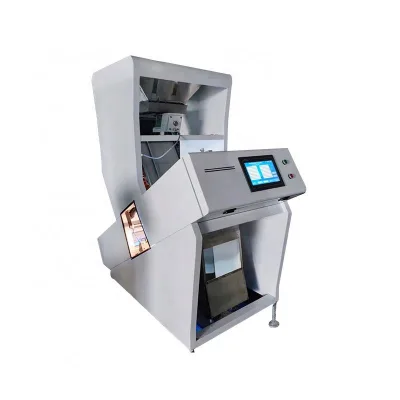
Cereal Nuts Rice Color Sorter Machine Wheat Rice Color Sorter Rice Color Sorting Machine
$16500.00 - $17500.00
MOQ: 1 Pieces

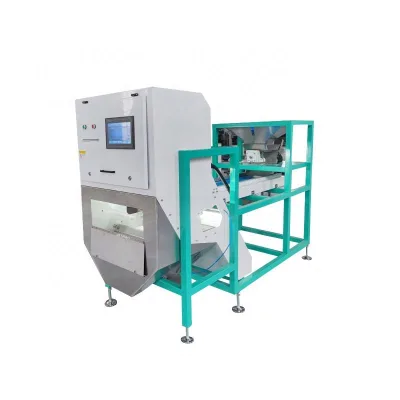
Rice Color Sorting Machine Color Sorter Coffee 7 Channels Rice Color Sorter
$18000.00 - $19000.00
MOQ: 1 Pieces


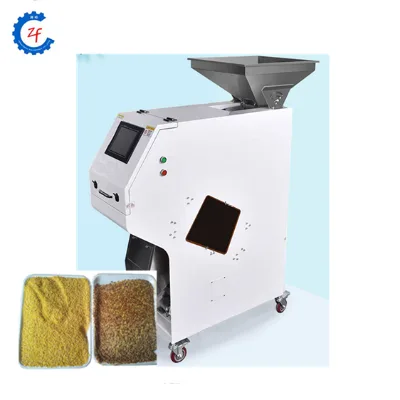
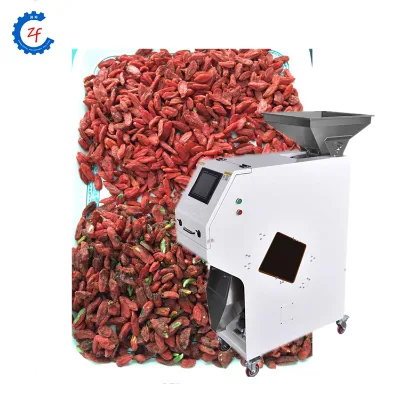
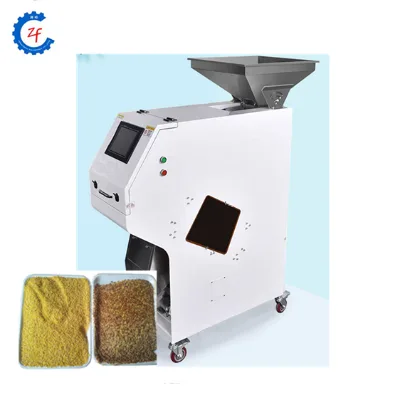
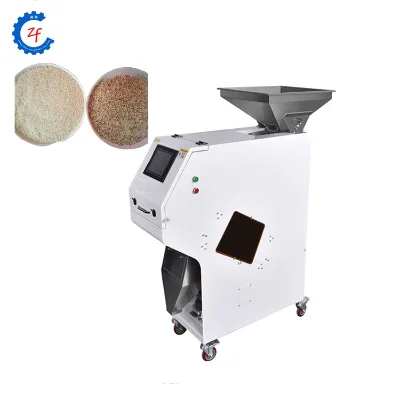
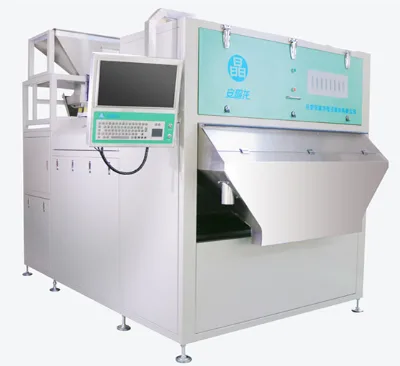
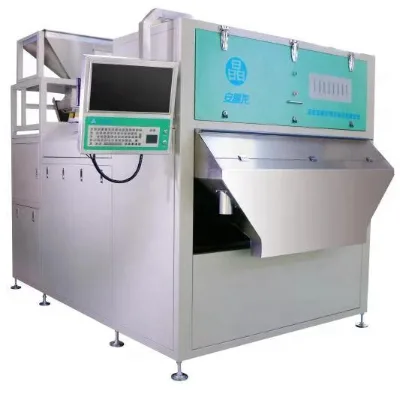
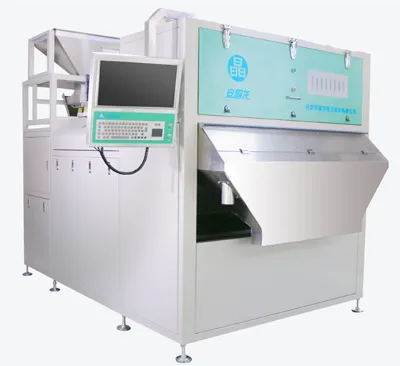
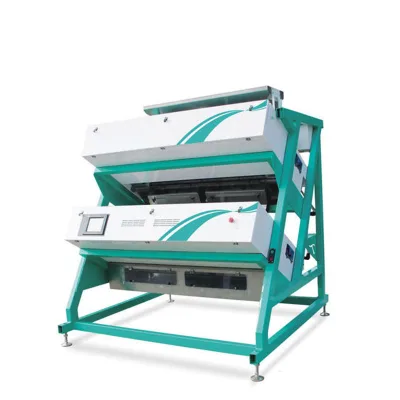
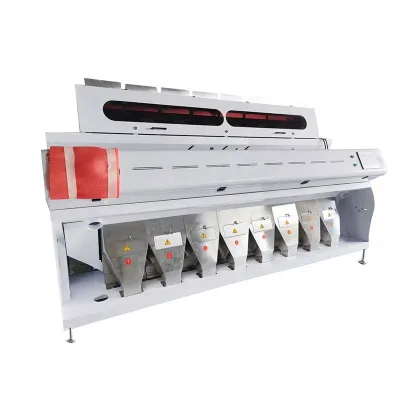
$48000.00 - $52000.00
MOQ: 1 pieces

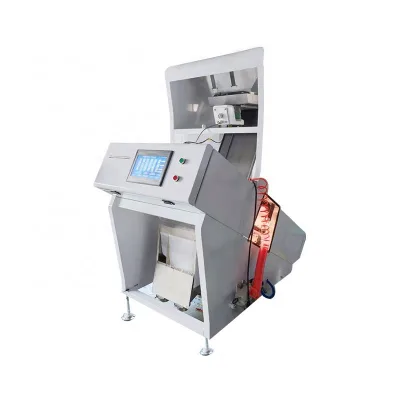
Stable Quality Tea Color Sorter
$5000.00 - $50000.00
MOQ: 1 Pieces
Anhui Wenyao Intelligent Photoelectronic Technology Co., Ltd.


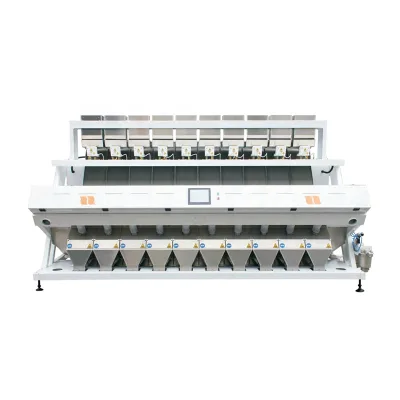

Rice Color Sorting Machine Color Sorter Coffee 10 Channels Rice Color Sorter
$8000.00 - $30000.00
MOQ: 1 Pieces
Comprehensive Sourcing Guide
Tea Cereal Color Sorter Sourcing Guide
Selecting the right equipment for processing tea, cereals, and grains requires a clear understanding of the technological capabilities available in the current market. Buyers must distinguish between general-purpose sorters and specialized units designed for specific material densities and color variations. The decision often hinges on whether the operation prioritizes high-speed throughput for bulk commodities like wheat and corn or precision sorting for delicate items such as tea leaves and dehydrated vegetables. Understanding these distinctions is the first step in defining procurement requirements.
Procurement teams should also evaluate the integration of optical sensors and mechanical ejection systems, which form the core of sorting efficiency. Modern units frequently utilize CCD sensors to detect subtle color differences, allowing for the separation of good products from defective ones with high accuracy. This technological foundation supports various applications, from industrial products to mineral ores, ensuring that the selected machine aligns with the specific quality standards and volume demands of the processing facility.
Product Scope and Observed Listing Signals
The current market offers a diverse range of color sorting machines, with observed price points ranging from approximately $3,000 to $52,000 USD. This wide variance reflects differences in sensor technology, sorting capacity, and additional features such as customized screens or specific ejector types. Buyers should note that minimum order quantities are typically set at one unit, indicating that these machines are often sold as individual capital expenditures rather than bulk commodity items. This structure allows for tailored procurement based on specific facility needs without requiring large initial inventory commitments.
Product listings frequently highlight key attributes such as LED light sources, horizontal structures, and new conditions, which are standard for modern sorting equipment. Many suppliers offer customization options, including logo placement and screen adjustments, to meet specific branding or operational requirements. The observed models often specify origins in regions like Anhui, China, and provide detailed dimensions for installation planning. These signals help buyers assess the physical footprint and potential integration into existing production lines, ensuring that the selected machine fits within the designated workspace constraints.
Technical Specifications to Verify
When evaluating technical specifications, buyers must verify the core components that drive sorting performance, such as PLC systems and motor power ratings. Observed models often feature motors with power ratings around 0.5 kW, though this can vary based on the machine's size and intended throughput. It is crucial to confirm the type of CCD sensor used, as some suppliers specify high-quality sensors from manufacturers like Toshiba, Japan, which can significantly impact color detection accuracy. Verifying these components ensures that the machine meets the required sensitivity for distinguishing between similar-colored grains or tea leaves.
Dimensional standards and weight are also critical factors for logistical planning and facility design. Listed models show a variety of dimensions, such as 141415361726mm or 271515361690mm, reflecting different sorting capacities and structural designs. Weight observations range from 160 KG to 180 KG, which influences floor load requirements and handling procedures during installation. Buyers should cross-reference these specifications with their facility's infrastructure to ensure compatibility, paying close attention to voltage requirements, which are commonly listed as 220V for these types of industrial sorters.
Compliance and Safety Documentation
Compliance with international safety and quality standards is a non-negotiable aspect of sourcing industrial machinery. Buyers should verify that the equipment carries recognized certifications such as CE or ISOCE, which indicate adherence to specific safety and performance criteria. These certifications are essential for ensuring that the machine operates safely within the workplace and meets regulatory requirements in the destination country. Without proper documentation, buyers risk facing customs delays, legal liabilities, or operational shutdowns due to non-compliance with local safety regulations.
In addition to safety certifications, buyers should inquire about environmental and material compliance standards, such as RoHS, which restricts the use of hazardous substances. While some listings may mention these standards, it is vital to obtain official documentation from the supplier to confirm validity. Proper packaging, often described as plywood cases or wooden packing, also plays a role in protecting the machine during transit and ensuring that it arrives in new condition. Verifying these aspects helps mitigate risks associated with product damage and regulatory non-compliance, safeguarding the investment.
Cost Drivers and Commercial Terms
Several factors influence the final cost of a color sorting machine, including the complexity of the optical system, the quality of the ejectors, and the level of customization required. Suppliers may offer optional components like SMC ejectors or customized screens, which can increase the base price but enhance sorting precision. Buyers should request detailed quotations that break down these costs to understand the value proposition of each feature. This transparency allows for better budgeting and helps identify areas where cost savings might be possible without compromising essential performance metrics.
Commercial terms also include packaging specifications and potential OEM services, which can affect overall procurement costs. Some suppliers provide customized packaging solutions, such as plywood boxes, to ensure safe delivery, while others may offer OEM services for branding purposes. These additional services can add value but may also incur extra fees. Buyers should negotiate clear terms regarding delivery, installation support, and after-sales service to avoid hidden costs. Understanding these commercial dynamics ensures that the total cost of ownership is accurately assessed before making a purchase decision.
Supplier Qualification and Quality Control
Evaluating supplier qualifications is crucial for ensuring the reliability and longevity of the purchased equipment. Buyers should verify the supplier's manufacturing capabilities, including their experience in producing color sorters for specific applications like rice, wheat, or tea processing. Checking for relevant certifications and quality management systems, such as ISO9001, can provide insight into the supplier's commitment to quality control. A supplier with a strong track record in producing similar machines is more likely to deliver a product that meets the buyer's technical and operational requirements.
Quality control processes should also be scrutinized, particularly regarding the testing and calibration of the sorting machine before shipment. Buyers should inquire about the testing procedures used to verify the accuracy of color detection and the efficiency of the ejection system. Ensuring that the machine undergoes rigorous quality checks can prevent issues such as false sorting or mechanical failures during operation. Additionally, verifying the supplier's ability to provide technical support and spare parts is essential for maintaining the machine's performance over its lifespan, reducing downtime and operational disruptions.
Long-Term Procurement Checks
Long-term procurement success depends on establishing a sustainable relationship with the supplier and ensuring ongoing support for the equipment. Buyers should consider the availability of spare parts and the supplier's responsiveness to technical inquiries or maintenance needs. A supplier that offers comprehensive after-sales service, including training and troubleshooting support, can significantly enhance the operational efficiency of the color sorter. This support is vital for maximizing the machine's lifespan and ensuring that it continues to meet quality standards over time.
Furthermore, buyers should monitor technological advancements in color sorting to ensure that their equipment remains competitive. As sensor technology and sorting algorithms evolve, older models may become less efficient or accurate compared to newer alternatives. Regularly reviewing the supplier's product portfolio and staying informed about industry trends can help buyers make informed decisions about future upgrades or replacements. By maintaining a proactive approach to procurement and supplier management, buyers can optimize their sorting operations and achieve consistent product quality.
FAQs
What types of products can this color sorter process?
The machine processes a wide range of materials including food, plastic, and mineral products. Specific applications cover rice, wheat, corn, beans, peanuts, grains, dehydrated vegetables, tea, industrial products, and ore. This versatility allows users to sort various agricultural and industrial commodities effectively using the CCD sensor technology.
What certification does the sorting machine hold?
The equipment holds ISOCE and GS certifications, ensuring compliance with international safety and quality standards. Some models also feature CE certification. These credentials verify that the machinery meets rigorous manufacturing requirements, providing buyers with confidence in the product's reliability and operational safety for industrial environments.
Can the machine be customized for specific needs?
Yes, customization is available for this color sorting machine. Buyers can request customized screens and logos to match their brand identity. The OEM service allows for tailored adjustments to suit specific production lines. This flexibility ensures the equipment integrates seamlessly into existing workflows while meeting unique operational requirements.
What is the voltage requirement for operation?
The machine operates on a 220V voltage supply. This standard electrical requirement ensures compatibility with common industrial power systems. The 0.5kw motor provides efficient energy consumption during sorting processes. Users should verify their facility's power infrastructure to ensure safe and consistent operation of the color sorting equipment.
How is the machine packed for shipping?
The equipment is packed in plywood cases, wooden packing, or plywood boxes to ensure safe transit. This robust packaging protects the machine from damage during international shipping. The standard dimensions vary by model, such as 1414*1536*1726mm for some units. Proper packing ensures the machine arrives in new condition, ready for immediate installation.
What is the origin of this color sorter?
The machine originates from Anhui, China. This location indicates the manufacturing base for the equipment. Buyers sourcing from this region benefit from established industrial supply chains. The product is designed for global export, meeting international standards while leveraging local manufacturing expertise to deliver reliable sorting solutions for various agricultural and industrial applications.