11KW AC EVSE Charging Station Suppliers and Manufacturers
Explore 26 verified options for the 11KW AC EVSE Charging Station from China Shandong and Jiangsu. Compare ISO certifications, response times, lead times, and OEM capabilities to find the right factory. Contact suppliers directly to request quotes; review the available evidence before requesting comparable quotations from suitable candidates.
Updated
Suppliers List

Shandong Jiuroad Intelligent Technology Co., Ltd.
- Verified by BV
- Combined
- China Shandong
- Lead time15 days
- Avg. response≤ 4h
Main marketsDomestic

Integrated Design Charge Point for EV Charging Stations 11kw AC EV Charger
$129.00 - $199.00
MOQ: 1 Pieces

AC Charging EV Electric Vehicle Charging Point 7kw 11kw 22kw EV Charger
$175.00 - $255.00
MOQ: 1 Pieces


EV Charger Home Charger 7kw 11kw 22kw AC Charger Electric Vehicle Charging Station
$129.00 - $199.00
MOQ: 1 Pieces

Jiangsu Smart Green Charging Technology Co., Ltd.
- Verified by TUVRHEINLAND
- Manufacturer/Factory
- China Jiangsu
- Lead time30 days
- Avg. response≤ 3h
Main productsCharger, DC EV Charging Station, AC EV Charger
Main marketsSouth America,Eastern Europe,Mid East,North America,Southeast Asia,Eastern Asia,Oceania,Western Europe,Africa


7kw 11kw 22kw AC Evse EV Charger Floor-Mounted Charging Station for Electric Car
$150.00 - $250.00
MOQ: 1 Pieces

EV AC Charger Charging Station 7kw 11kw 22kw 32A for Evse Commerical Use
$150.00 - $250.00
MOQ: 1 Pieces

Wholesale 7kw 11kw 22kw Evse EV Charger AC Charging Station with Type 2 with RFID
$150.00 - $250.00
MOQ: 1 Pieces

7kw 11kw 22kw AC EV Car Charger Charging Station for Home Use and Commercial Use
$150.00 - $250.00
MOQ: 1 Pieces

Top Quality CCS Type 2 AC EV Charger Charging Station for Electric Cars 7kw 11kw 22kw
$150.00 - $250.00
MOQ: 1 Pieces

BESEN INTERNATIONAL GROUP LIMITED
- Verified by SGS
- Manufacturer/Factory
- China Jiangsu
- Lead time45 days
- Avg. response≤ 5h
Main productsEV Charging Station, Portable EV Charger, EV Charging Cable, EV Charging Connector, EV Adapter, EV Wire
Main marketsSouth America,Eastern Europe,Mid East,North America,Southeast Asia,Eastern Asia,Oceania,Western Europe,Africa
Ningbo Dongyu Electrical Appliance Co., Ltd.
- Verified by TüVRheinland
- Manufacturer, Trading Company
- Lead time20 days
- Avg. response≤ 3h
Main productsHeater, Fan, Charging Stations, EV Connectors
Main marketsMid East(60%), Eastern Europe(40%)
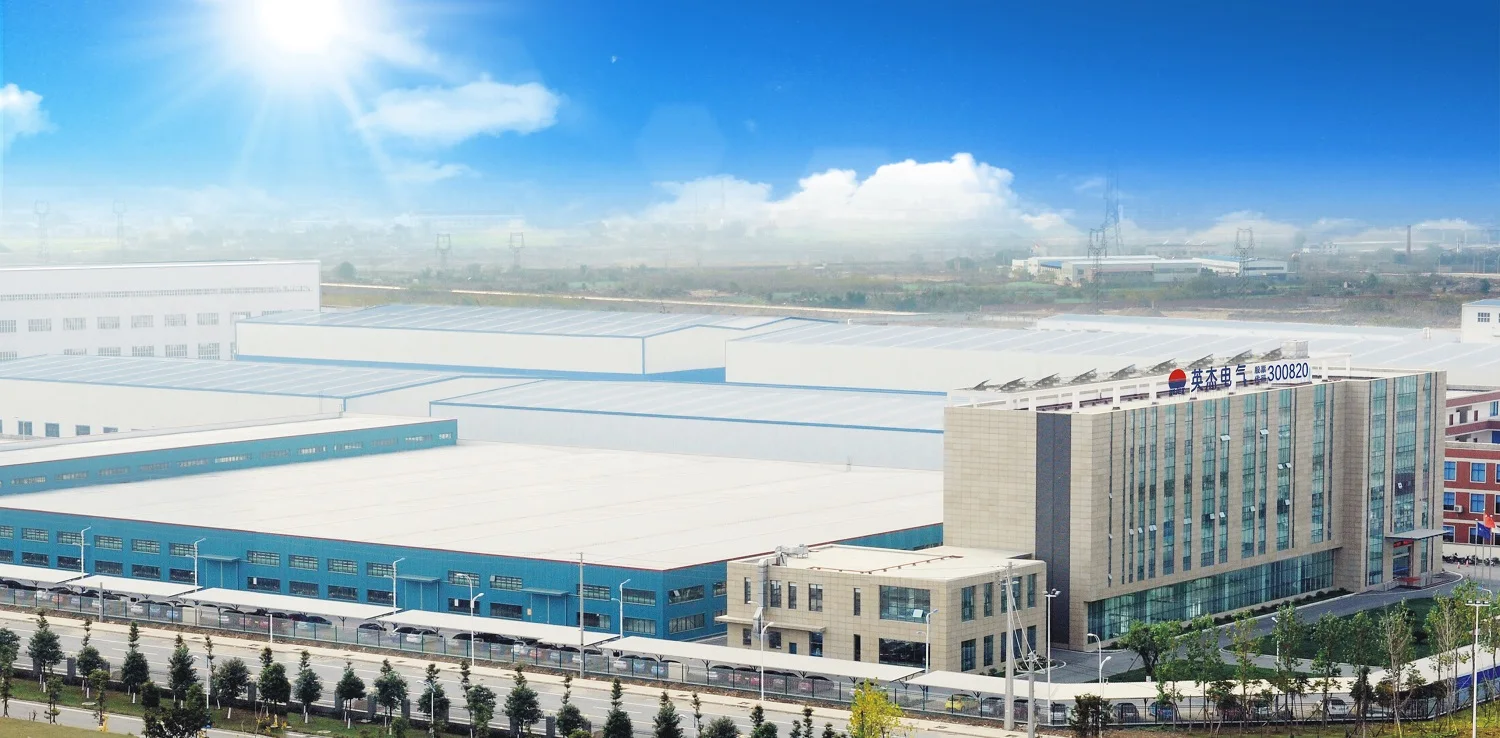
Injet International Trading Co., Ltd.
- Trading Company
- Sichuan, China
- Lead time15 days
- Avg. response≤ 6h
Main productsAC EV Charger,DC EV Charger,DC Satellite,DC EVSE Power Controller
Main marketsWestern Europe(30.00%), North America(25.00%), Eastern Europe(10.00%), Northern Europe(5.00%), Domestic Market(5.00%), South Asia(5.00%), Southern Europe(5.00%), South America(5.00%), Southeast Asia(3.00%), Eastern Asia(2.00%), Central America(2.00%), Mid East(1.00%), Oceania(1.00%), Africa(1.00%)

- Verified by BV
- Combined
- China Guangdong
- Lead time15 days
- Avg. response≤ 8h
Main productsBattery Powered Speaker, Solar Charging Stations, V2h   Vehicle to Home, Emergency EV Charger System, Media Screen EV Charger, Portable DC Fast EV Charger, DC Quick Charger Station, Public Multi-Standards DC Fast Charger, AC EV Charger, EV Charging DC Plug Chademo CCS GB/T
Main marketsSouth America,Southeast Asia/ Mideast,Europe
Fujian Leisheng Energy Technology Co., Ltd.
- Verified by Intertek
- Manufacturer, Trading Company
- Lead time25 days
Main productsAC EV Charger, DC EV Charger, Portable EV Charger, EV Charging Cable, Distribution Cabinet
Main marketsDomestic Market(30%), Southeast Asia(18%), Eastern Europe(11%)
Shenzhen Jiesaiyuan Electricity Co., Ltd.
- Verified by TüVRheinland
- Manufacturer, Trading Company
- Lead time15 days
- Avg. response≤ 2h
Main productsHybrid Solar Inverters, Solar Inverters, Solar Systems, Lithium Battery, Micro Inverters
Main marketsSoutheast Asia(20%), Mid East(15%), Western Europe(15%)

Sichuan Greentech YT New Energy Co., Ltd.
- Verified by BV
- Combined
- China Sichuan
- Lead time45 days
- Avg. response≤ 14h
Main productsAC EV Charger, AC EV Charging Stations, PCB Unit, Power Storage Bank, EV Charging Cable, EV Charging Adaptor, DC Charging Stations, EV Charger ODM Service, Solar System, Inverters
Main marketsSouth America,Southeast Asia/ Mideast,Europe

Anhui Karunte New Energy Technology Co., Ltd.
- Manufacturer, Trading Company
- Anhui, China
- Lead time10 days
- Avg. response≤ 3h
Main productsEv charger,Ev charger accessories,Ev charger cable,Ev charger adapter,Ev charger parts
Main marketsWestern Europe(15.00%), Mid East(15.00%), North America(15.00%), Eastern Asia(10.00%), Southeast Asia(10.00%), Eastern Europe(8.00%), South America(8.00%), South Asia(5.00%), Central America(5.00%), Oceania(4.00%), Northern Europe(3.00%), Southern Europe(2.00%)

- Verified by SGS
- Trading Company
- China Shandong
- Lead time23 days
- Avg. response≤ 3h
Main productsEV Charger, EV Charging Station, Charging Station, AC Charger, DC Charger, AC Charging Station, DC Charging Station, Cars Chargers, Electric Cars Charger, Charging Pile
Main marketsSouth America,Europe

Evse Wall-Mounted 4.3-Inch Touch Screen 11 Kw 16A AC Home Fast Charging Station
$298.00 - $310.00
MOQ: 1 Pieces

Jiangsu Hengtai Yitong Amperex Technology Co., Ltd.
- Verified by SGS Group
- Manufacturer, Trading Company
- Lead time30 days
- Avg. response≤ 2h
Main productsEV Charging Station, Low Voltage Charging, Marine Charging Station, Advertising DC Charging, Photovoltaic storage and charging system
Main marketsDomestic Market(50%), Western Europe(20%), Northern Europe(10%)
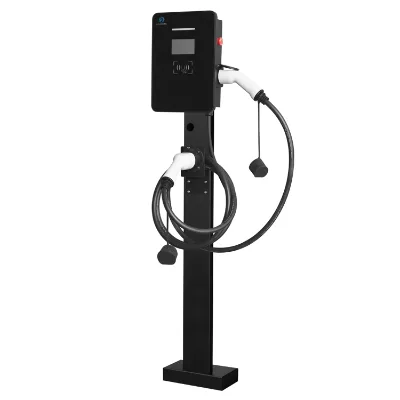
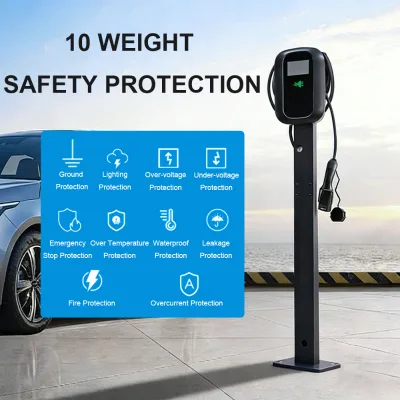
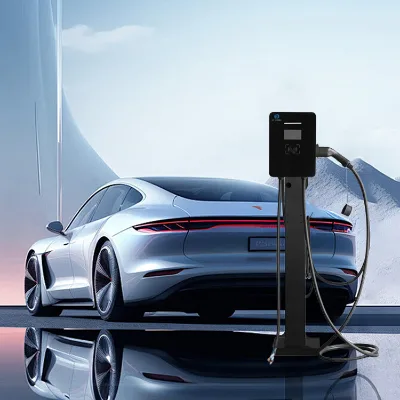
Hot Selling IP65 LED 11KW Fast Charging for Electric Vehicles EVSE EV Charging Stations
$348.30 - $366.30
MOQ: 2 pieces
Henan Zhongkun Industrial Co., Ltd.
- Verified by SGS Group
- Manufacturer
- Henan, China
- Lead time0 days
- Avg. response≤ 1h
Main productsElectrical equipment,Substation,Transformer,EV charger,Switchgear
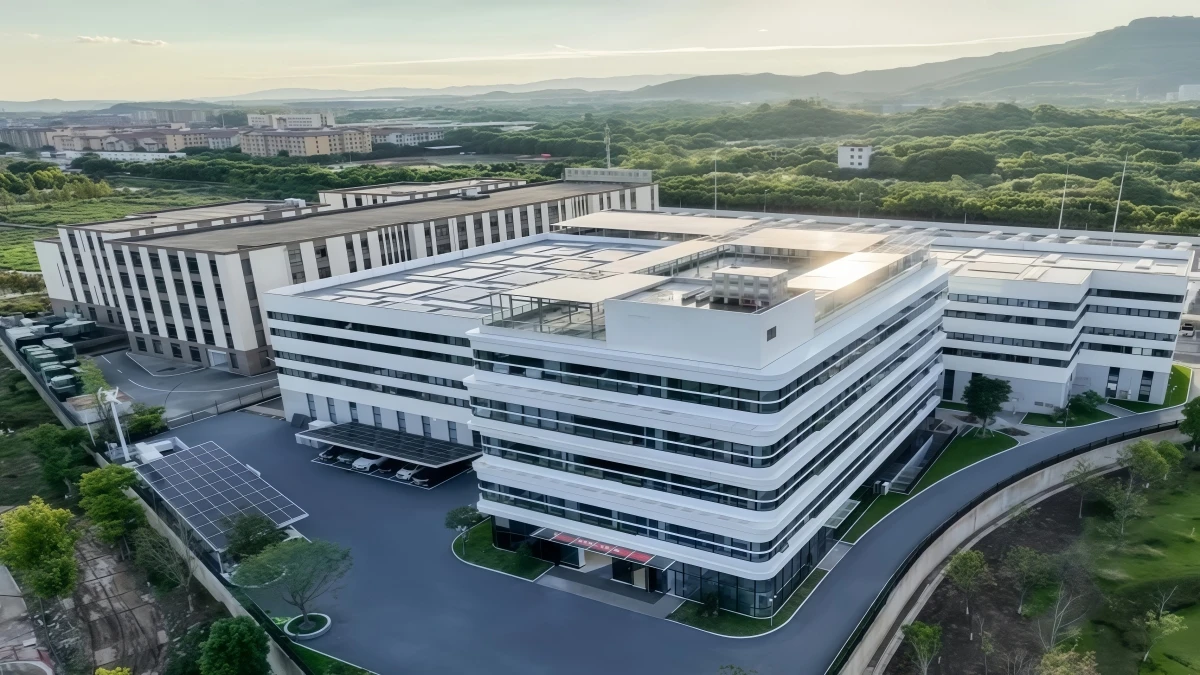
Chongqing Yixindian New Energy Technology Co., Ltd.
- Manufacturer, Trading Company
- Chongqing, China
- Lead time0 days
- Avg. response≤ 2h
Main productsFor EV charging station,Solar PV,and,Battery Energy Storage Systems,.
Main marketsSoutheast Asia(30.00%), Eastern Asia(30.00%), Southern Europe(20.00%), North America(20.00%)
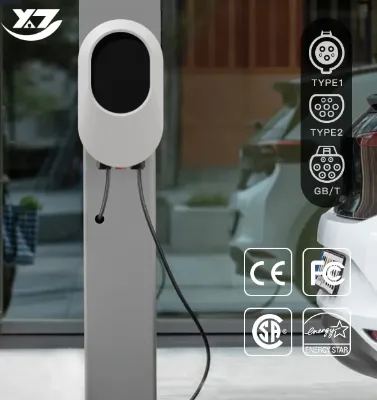
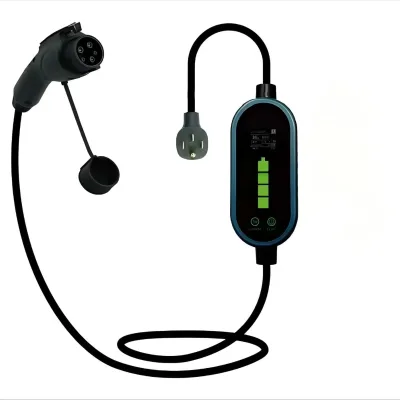
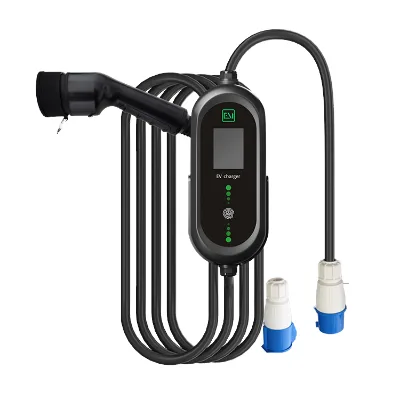
$215.7811 - $347.1264
MOQ: 2 Minimum
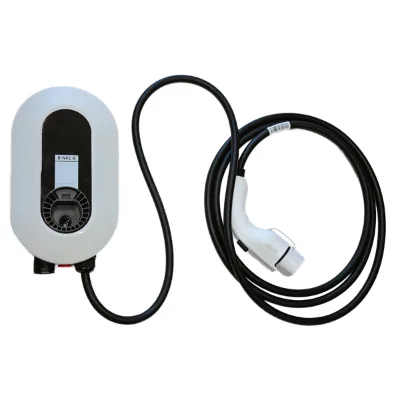
Foshan Maxgreen New Energy Technology Ltd.
- Verified by SGS Group
- Manufacturer, Trading Company
- Lead time30 days
- Avg. response≤ 4h
Main productsEV Charger, EV Charger Wallbox, EV Charging Station, EV Charging Cable, EV Charger Adapter
Main marketsNorth America(30%), Eastern Europe(15%), Mid East(10%)

Anhui Zhongchongfu Iot Technology Co., Ltd.
- Verified by TUVRHEINLAND
- Trading Company
- China Anhui
- Lead time23 days
- Avg. response≤ 3h
Main productsEV Charging Pile, IoT Charging Pile, IoT Sevices, EV Motorcycle Charging Pile
Main marketsDomestic
Future Digital Energy Co., Ltd.
- Verified by SGS Group
- Trading Company
- Lead time0 days
- Avg. response≤ 4h
Main productsAC & DC EV Charging Station/, EV Charging Pile, EVSE, Overall Charging Solutions, EV Chargers
Main marketsNorth America(30%), Western Europe(25%), Mid East(20%)
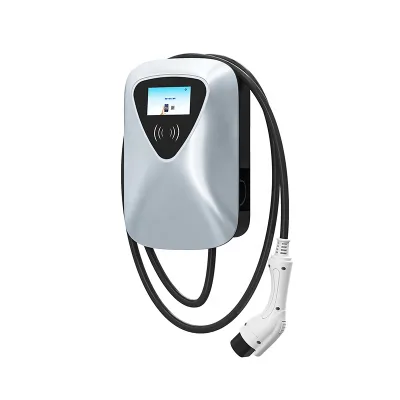
$298.00 - $325.00
MOQ: 2 units
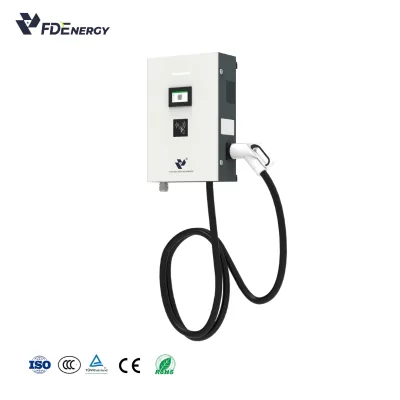
$198.00 - $358.00
MOQ: 2 Minimum
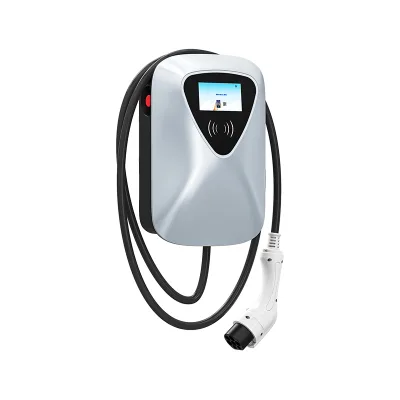
Foshan Car Charger Guard Technology Co., Ltd
- Verified by TüVRheinland
- Manufacturer, Trading Company
- Lead time0 days
- Avg. response≤ 2h
Main productsCharging Stations, Portable Charging Stations, V2L Adapter, EV Charger Adapter, Fast Charging Cable
Main marketsNorth America(20%), Southeast Asia(15%), Oceania(10%)
Qingdao Penoda Electrical Co., Ltd.
- Verified by TüVRheinland
- Manufacturer, Trading Company
- Lead time8 days
- Avg. response≤ 1h
Main productsDC EV Charging Station, Portable EV Charger, EV Charger, Dual Floor Charger, 20-60KW DC EV Charger
Main marketsNorth America(20%), Northern Europe(15%), Southern Europe(15%)
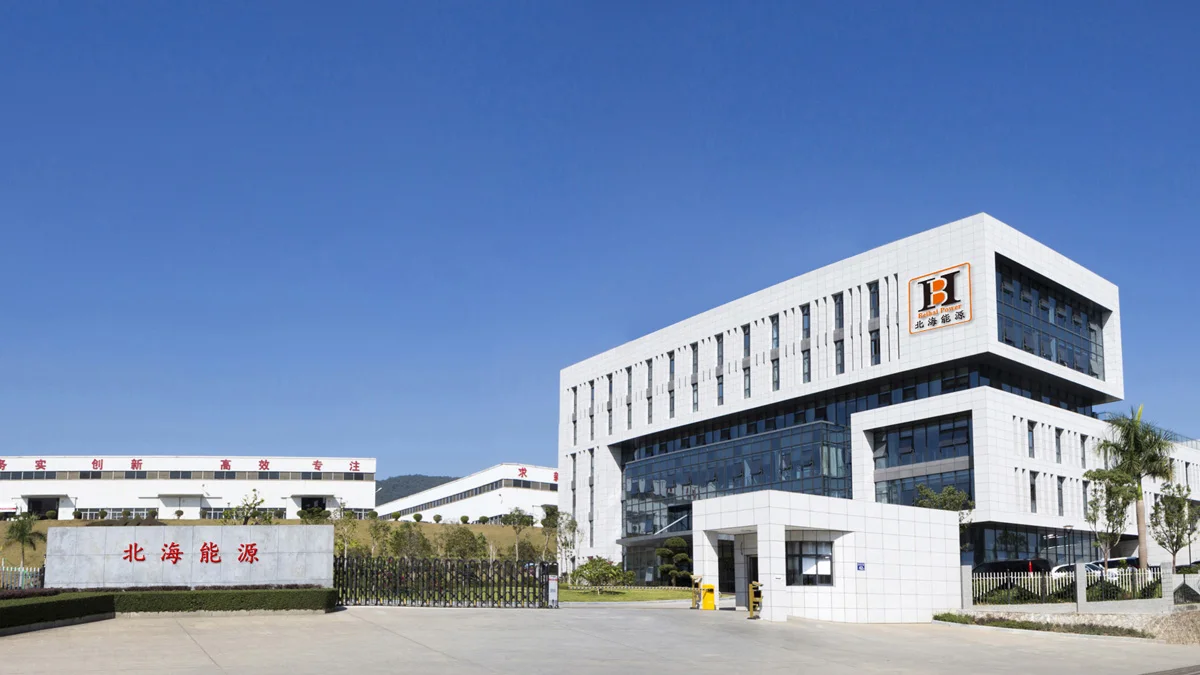
Jiujiang Beihai Fiberglass Co., Ltd.
- Trading Company
- Jiangxi, China
- Lead time15 days
- Avg. response≤ 4h
Main productsDC EV Charging Station,Split DC Charging Pile,AC EV Charging Station,Portable EV Charging Station,Electric Car Charging Pile
Main marketsMid East(15.00%), Southeast Asia(15.00%), Eastern Europe(12.00%), South America(10.00%), North America(10.00%), Northern Europe(8.00%), Southern Europe(6.00%), South Asia(6.00%), Africa(5.00%), Western Europe(5.00%), Eastern Asia(3.00%), Oceania(3.00%), Central America(2.00%)
Wenzhou Anfu Electrical Co., Ltd.
- Verified by SGS Group
- Manufacturer, Trading Company
- Lead time30 days
- Avg. response≤ 2h
Main productsEV Charger, PV Combiner Box, Circuit Breaker, Contactor, SPD
Main marketsNorth America(25%), Western Europe(20%), Eastern Europe(18%)
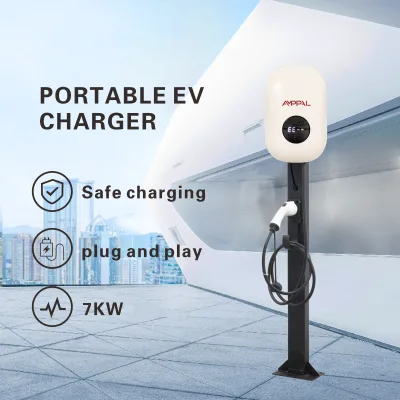
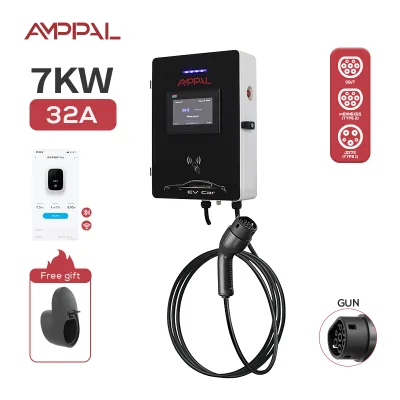
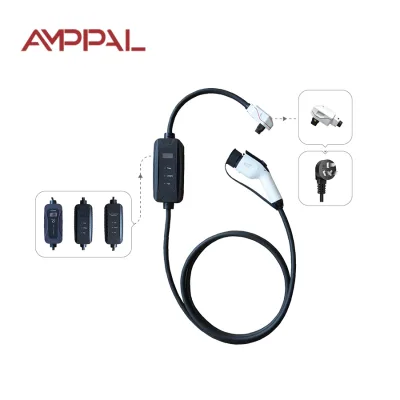
$262.7972 - $289.0777
MOQ: 1 sets

Wenzhou Rockwill Electric Co., Ltd.
- Verified by BV
- Combined
- China Zhejiang
- Lead time30 days
- Avg. response≤ 16h
Main productsPower Transformer, Dry Type Transformer, Compact Transformer Substation, Ring Main Unit, Switchgear, Load Break Switch, Recloser, Step Voltage Regulator, Current Voltage Transformer, Metering Unit
Main marketsSouth America,Africa,Southeast Asia/ Mideast,Europe,Australia,North America
Shanghai Afan Industrial Co., Ltd.
- Trading Company
- Shanghai, China
- Lead time20 days
- Avg. response≤ 2h
Main productsEV Charger,portable ev charger,ev charging cable,AC EV charger,dc ev charger
Main marketsNorth America(50.00%), Southeast Asia(20.00%), Domestic Market(10.00%), Western Europe(10.00%), South America(10.00%)
EVSE Electric Car Charging Station 22kw Ev Charger 3 Phase Ev Home Charger Type 2
$160.7932 - $181.5394
MOQ: 1 pieces
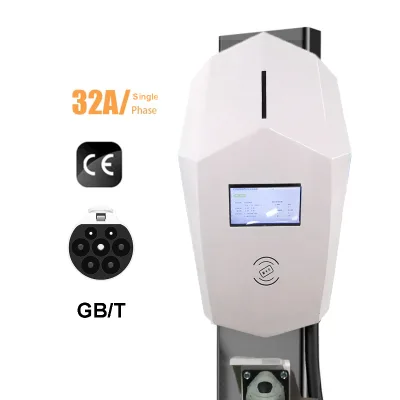
EVSE 32A GB/T 7.2kw Commercial Ev Fast Charging Station Wallbox Wall Mounted Ev Charger
$124.2326 - $136.5529
MOQ: 1 pieces
Langfang Jinshuo New Energy Technology Co., Ltd.
- Trading Company
- Hebei, China
- Lead time5 days
- Avg. response≤ 2h
Main productsWall-mounted Charging Stations,Portable Ev Charger,Ev Charging Station,Portable Charging Stations For Electric Vehicle,Ccs Floor-mounted Charging Stations
Main marketsMid East(10.00%), Oceania(10.00%), Southeast Asia(10.00%), Eastern Europe(10.00%), South America(10.00%), Central America(10.00%), Eastern Asia(10.00%), Africa(5.00%), Northern Europe(5.00%), North America(5.00%), Western Europe(5.00%), South Asia(5.00%), Southern Europe(3.00%), Domestic Market(2.00%)
Chengdu Panbida Automobile Trading Co., Ltd.
- Trading Company
- Sichuan, China
- Lead time15 days
- Avg. response≤ 2h
Main productsNew Energy Vehicles,New Cars,Used Cars,Auto Parts
Main marketsDomestic Market(100.00%), Africa(100.00%), Northern Europe(100.00%), South Asia(100.00%), South America(100.00%), North America(100.00%), Southern Europe(100.00%), Central America(100.00%), Mid East(25.00%), Southeast Asia(25.00%), Eastern Europe(25.00%), Eastern Asia(10.00%), Western Europe(10.00%), Oceania(5.00%)

Xiamen Zhengshengyi Technology Co., Ltd.
- Verified by SGS
- Combined
- China Fujian
- Lead time15 days
- Avg. response≤ 2h
Main productsNew Energy Electric Vehicle Charging Station, Portable Energy Storage, Industrial Energy Storage Equipment, Elevator Power Failure Automatic Rescue Device, Charging Gun, Elevator, Energy Storage Device, Electric Vehicle Charger, Industrial and Commercial Energy Storage Equipme, Electric Vehicle Charging Gun
Main marketsSoutheast Asia/ Mideast






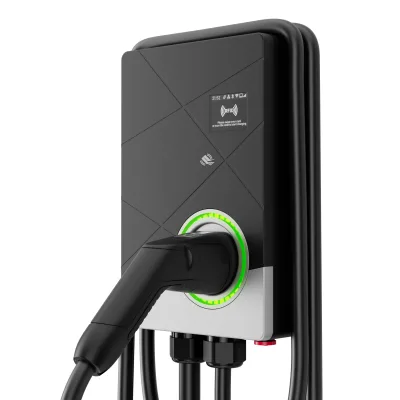
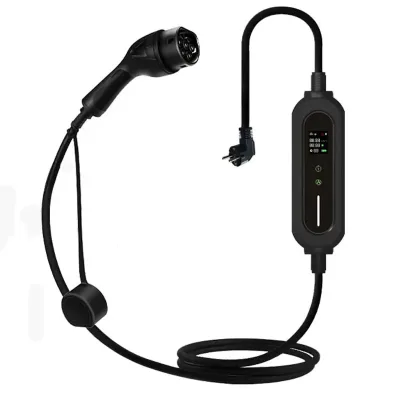


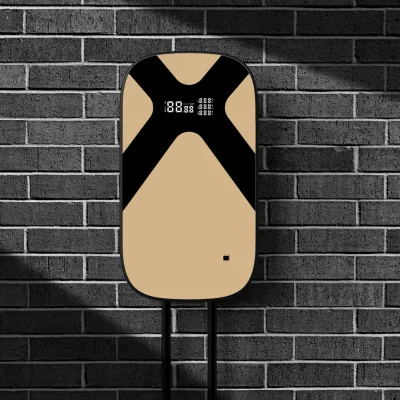
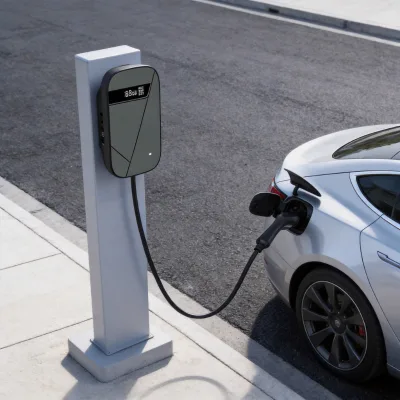




Comprehensive Sourcing Guide
11KW AC EVSE Charging Station Supplier Concentration and Factory Types
The current supplier landscape for 11kw ac evse charging stations reveals a distinct geographic concentration within China, specifically highlighting manufacturing hubs in Shandong and Jiangsu provinces. These regions serve as primary centers for production, indicating that buyers sourcing these units are likely engaging with facilities located in these specific industrial zones. The presence of suppliers in Shandong suggests a robust local supply chain for components and assembly, while the Jiangsu cluster points to another significant area of manufacturing activity. When evaluating potential partners, it is crucial to recognize that these locations are not merely administrative details but indicators of established industrial ecosystems. Buyers should verify the specific city or industrial park within these provinces to understand the logistical advantages and potential supply chain dependencies associated with each facility. The concentration in these areas often correlates with specialized labor pools and proximity to raw material sources, which can influence both production quality and cost structures. Understanding this geographic distribution allows buyers to better assess the reliability of shipping routes and the potential for site visits or audits. It also helps in identifying whether a supplier is part of a larger regional network or operates as an isolated entity, which can impact long-term partnership stability and scalability.
Supplier types in this category vary significantly, ranging from combined trading companies to dedicated manufacturers and factories. The data indicates that some entities operate as combined firms, which may offer a broader range of services including trading and potentially limited manufacturing oversight, while others are explicitly identified as manufacturers or factories. This distinction is vital for buyers who prioritize direct factory engagement to ensure quality control and cost efficiency. Manufacturers often possess specific rd_capacity capabilities, such as OEM, ODM, or own brand development, which allows for greater customization of the 11kw ac evse charging stations. For instance, some suppliers offer OEM and ODM services, enabling buyers to tailor products to specific market requirements or branding needs. Others may focus on their own brands, which can indicate a different approach to quality assurance and market positioning. The presence of combined companies suggests that some buyers might be interacting with intermediaries who consolidate products from multiple sources. It is essential for buyers to clarify the exact nature of the supplier’s operations to determine if they are dealing with the actual production facility or a trading entity. This clarity impacts negotiation leverage, communication efficiency, and the ability to resolve technical issues directly with the production team.
How to Verify 11KW AC EVSE Charging Station Suppliers
Verification is a critical step in ensuring the legitimacy and capability of suppliers offering 11kw ac evse charging stations. Buyers should prioritize suppliers who have undergone third-party verification processes, as these provide an external validation of the company’s business status and operational integrity. In the current results, verification badges such as BV and TUVRHEINLAND are present, indicating that these suppliers have met specific criteria set by recognized inspection and certification bodies. These verifications often include checks on business licenses, factory audits, and quality management systems. For buyers, the presence of such badges serves as an initial filter to identify suppliers who are willing to undergo rigorous scrutiny. However, verification is not a guarantee of product quality or performance; it is a baseline assurance of business legitimacy. Buyers should review the specific scope of the verification to understand what aspects of the business were assessed. For example, a factory audit might confirm the existence of production lines and equipment, while a business license check verifies legal standing. Understanding the depth of the verification helps buyers gauge the reliability of the supplier’s claims. It is also advisable to check the expiration dates of these verifications to ensure they are current and reflect the supplier’s present operational status.
Beyond third-party verification, buyers should assess the certifications and standards held by the suppliers and their products. The data shows that some suppliers hold ISO9001:2015 and ISO14001:2015 certificates, which indicate adherence to international quality and environmental management standards. These certifications are particularly relevant for 11kw ac evse charging stations, as they reflect a systematic approach to production quality and environmental responsibility. Additionally, product-specific certifications such as CE, ISO, and RoHS are mentioned, which are often required for market access in various regions. Buyers must ensure that the certifications claimed by the supplier are valid and applicable to the specific models they intend to purchase. It is important to request copies of these certificates and verify their authenticity with the issuing bodies. Furthermore, buyers should inquire about the testing procedures used to validate product performance and safety. Suppliers who provide detailed test reports or have their products tested by independent laboratories offer an additional layer of assurance. The presence of these certifications and test results indicates a supplier’s commitment to meeting industry standards and regulatory requirements. Buyers should not rely solely on the presence of badges but should actively engage with suppliers to understand the specifics of their compliance and quality control processes.
What to Compare Across 11KW AC EVSE Charging Station Suppliers
When comparing suppliers, lead time is a key operational metric that impacts inventory management and project timelines. The observed lead times vary, with some suppliers indicating a lead time of 15 days, while others suggest 30 days. This difference can be significant for buyers with tight delivery schedules or those managing just-in-time inventory systems. Buyers should clarify whether the lead time refers to production time only or includes shipping and customs clearance. Understanding the components of the lead time helps in planning more accurately and avoiding delays. Additionally, response time is another critical factor that reflects the supplier’s efficiency and customer service quality. The data shows response times such as 3.14 and 2.35, which likely represent hours or days for initial contact. Faster response times can indicate a more responsive and attentive supplier, which is beneficial for resolving queries and negotiating terms. Buyers should consider both lead time and response time as indicators of the supplier’s operational efficiency and reliability. Comparing these metrics across multiple suppliers allows buyers to identify those who can meet their specific logistical and communication needs. It is also important to consider the scalability of these metrics, as lead times and response speeds may change with order volume or seasonal demand.
Price and minimum order quantity (MOQ) are fundamental commercial terms that influence the feasibility of sourcing from different suppliers. The price range for 11kw ac evse charging stations varies, with some products listed between $129 and $199, while others range from $150 to $250 or up to $300. These variations reflect differences in product specifications, materials, and included features. Buyers should compare prices in the context of the total value offered, including warranty, support, and customization options. A lower price may not always indicate better value if it comes with higher risks or fewer services. MOQ is another critical factor, with some suppliers offering an MOQ of 1, which is advantageous for small buyers or those testing the market. Others may have higher MOQs, which can be suitable for large-scale procurement. Buyers should align their order quantities with their market demand and financial capacity. Additionally, buyers should compare the customization options available, such as OEM/ODM services, which can add value by allowing for brand-specific designs. The availability of customization can also impact lead times and costs. By comparing these commercial terms holistically, buyers can select suppliers that offer the best balance of cost, flexibility, and service quality for their specific sourcing requirements.
Common 11KW AC EVSE Charging Station Sourcing Risks
One significant risk in sourcing 11kw ac evse charging stations is the potential mismatch between product specifications and actual performance. The data shows various product attributes, such as charge method, protection level, and input voltage range, which must be carefully reviewed. For instance, some products are described with a charge method of "Quick Charge," while others specify "Normal Charge." This distinction is crucial for buyers who need specific charging speeds for their applications. Misunderstanding these specifications can lead to purchasing equipment that does not meet operational requirements. Additionally, the protection rating, such as IP54, indicates the level of dust and water resistance, which is vital for outdoor or public use installations. Buyers must ensure that the specified protection level matches their installation environment. Another risk is the variability in product standards and dimensions. The data mentions different product standards and dimensions, such as 550450550mm or 2550x880x1760mm, which can affect installation compatibility. Buyers should verify that the physical dimensions and mounting options, such as wall-mounted or floor-standing, align with their infrastructure. Failure to do so can result in costly modifications or installation delays. It is essential to request detailed technical drawings and specifications before placing orders to mitigate these risks.
Another risk is the reliability of after-sales support and warranty terms. The data indicates that some suppliers offer a warranty of 12 months, while others mention an after-sale service period of 5 years. These differences can significantly impact the long-term cost of ownership and operational continuity. Buyers should clarify the scope of the warranty, including what components are covered and the process for claiming repairs or replacements. Additionally, the availability of spare parts and technical support is crucial for maintaining the charging stations over time. Suppliers who offer comprehensive after-sales support can reduce downtime and maintenance costs. Buyers should inquire about the supplier’s support channels, such as remote troubleshooting or on-site service, and the availability of local service partners. The risk of inadequate support is higher with suppliers who do not clearly define their after-sales policies. Furthermore, the risk of intellectual property infringement or quality inconsistencies can arise if buyers do not conduct thorough due diligence. Engaging with suppliers who have established quality control processes and certifications can help mitigate these risks. Buyers should also consider the supplier’s reputation and track record in the industry, as this can provide insights into their reliability and commitment to customer satisfaction.
11KW AC EVSE Charging Station Regional Sourcing and Logistics
Sourcing from specific regions in China, such as Shandong and Jiangsu, offers distinct logistical advantages and challenges. Suppliers in these locations benefit from established industrial clusters, which can streamline production and reduce lead times. However, buyers must consider the transportation costs and delivery times associated with shipping from these regions. The distance to major ports and the availability of efficient logistics networks can impact the overall cost and speed of delivery. Buyers should work with suppliers who have experience in international shipping and can provide accurate estimates for freight costs and transit times. Additionally, the choice of shipping method, such as sea freight or air freight, will depend on the urgency of the order and the volume of goods. Sea freight is generally more cost-effective for large orders, while air freight may be necessary for urgent shipments. Buyers should also consider the packaging of the products, as the data mentions carton and wooden case packaging. Proper packaging is essential to protect the charging stations during transit and prevent damage. Suppliers who use robust packaging solutions can reduce the risk of transit damage and associated claims. Understanding the logistical aspects of sourcing from these regions helps buyers plan their supply chain more effectively and avoid unexpected delays or costs.
Customs clearance and import regulations are another critical aspect of regional sourcing. Buyers must ensure that the products comply with the import regulations of their destination country, including safety standards and certification requirements. The data shows that some products have certifications such as CE, ISO, and RoHS, which are often required for market access in various regions. Buyers should verify that the suppliers can provide the necessary documentation for customs clearance, such as certificates of origin and test reports. Failure to comply with import regulations can result in delays, fines, or product seizures. Additionally, buyers should consider the currency exchange rates and payment terms, as these can impact the final cost of the products. Working with suppliers who offer flexible payment terms,
FAQs
What is the price range for 11kw AC EVSE charging stations?
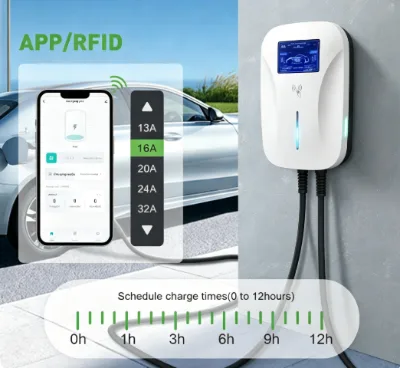
Prices for 11kw AC EVSE charging stations typically range from $129 to $300 per unit. The final cost depends on specific features, such as wall-mounted versus floor-standing designs, and whether the unit includes smart connectivity options like 4G or Ethernet interfaces for remote monitoring.
What certifications are available for these EV chargers?
Manufacturers often provide ISO 9001 and ISO 14001 system certifications to ensure quality and environmental management standards. Additionally, individual products frequently carry CE, RoHS, and ISO certifications, verifying compliance with international safety and electromagnetic compatibility regulations for electric vehicle charging equipment.
What is the typical lead time for manufacturing orders?
Standard lead times for 11kw AC EVSE charging stations generally range from 15 to 30 days. This timeframe allows for production scheduling and quality control checks. Buyers should confirm specific delivery windows with suppliers, as rush orders or custom OEM requirements may extend the manufacturing period.
Can I customize the charger with my own brand?
Yes, many suppliers offer OEM and ODM services for 11kw AC EVSE charging stations. Buyers can customize branding, packaging, and specific functional features to match their market needs. This flexibility supports private labeling and ensures the product aligns with specific commercial or residential branding strategies.
What is the minimum order quantity for these chargers?
The minimum order quantity for 11kw AC EVSE charging stations is often as low as one unit. This low MOQ allows buyers to test product quality and functionality before committing to larger bulk orders. It is ideal for initial market testing or small-scale installation projects.
Where are these EV chargers manufactured?
These 11kw AC EVSE charging stations are primarily manufactured in China, with production facilities located in regions such as Shandong and Jiangsu provinces. These areas are known for their robust manufacturing ecosystems for new energy vehicle parts and accessories, ensuring efficient supply chain logistics.
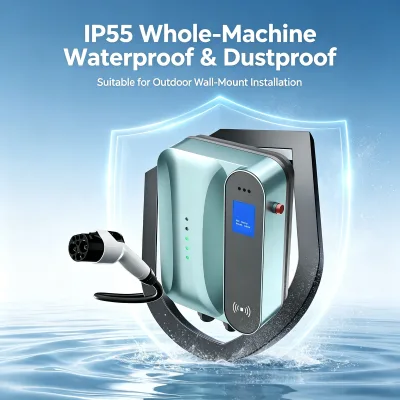
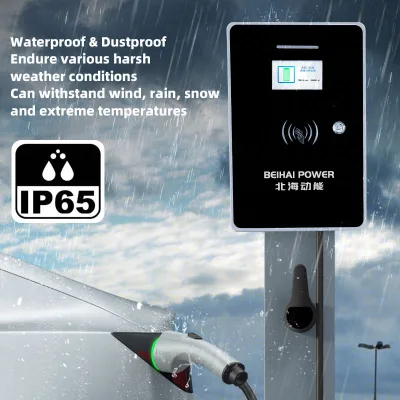
What protection rating do these chargers have?
Most 11kw AC EVSE charging stations feature an IP54 protection rating. This rating ensures the unit is protected against dust ingress and water splashes from any direction. It makes the chargers suitable for both indoor and outdoor public or private use in various weather conditions.