Marine Diesel Engine Turbocharger Suppliers and Manufacturers
Compare 13 verified Marine Diesel Engine Turbocharger suppliers in China by location, response time, and certifications. Review product specs like cooling methods and warranty terms before contacting factories for quotes; review the available evidence before requesting comparable quotations from suitable candidates.
Updated
Suppliers List

Shanghai Client Diesel Engine Co., Ltd.
- Verified by CTI
- Trading Company
- China Shanghai
- Lead time30 days
- Avg. response≤ 6h
Main productsMarine Diesel Engine, Industrial Diesel Engine, Road Vehicle Engine, Construction Diesel Engine, Generator Set, Outboard Motor, Jet Ski
Main marketsSouth America,Africa,Southeast Asia/ Mideast,East Asia(Japan/ South Korea),Europe,Australia,North America

Youwei heavy industry (Tianjin) Group Co. , Ltd.
- Verified by SGS
- Combined
- China Tianjin
- Lead time30 days
- Avg. response≤ 1h
Main productsEngine, Genset, Diesel Generator, Diesel Generator 500kVA, Generator Set, Diesel Power Generator, Diesel Engine Spare Parts, Generator Spare Parts
Main marketsDomestic

Anhui Aljieao Auto Parts Co., Ltd
- Verified by CTI
- Trading Company
- China Anhui
- Lead time23 days
- Avg. response≤ 1h
Main productsUrea Pump, Nox Sensor, Truck Lamp
Main marketsSouth America,Africa,Southeast Asia/ Mideast,East Asia(Japan/ South Korea),Europe,Australia,North America


$479.68 - $499.99
MOQ: 20 Pieces


Shiyan Yilianda Industry And Trade Co., Ltd.
- Verified by Intertek
- Manufacturer, Trading Company
- Lead time7 days
- Avg. response≤ 3h
Main productsRepair Kit, Cylinder Head Assembly, Engine Assembly, Piston Kit, Fuel Pump
Main marketsNorth America(30%), South America(20%), Eastern Asia(15%)

Beijing Dinason International Trade Co., Ltd.
- Trading Company
- Beijing, China
- Lead time10 days
- Avg. response≤ 15h
Main productsTurbocharger,Cartridge,Rotor assy,Repair kits,Housing
Main marketsNorth America(14.46%), Southeast Asia(11.68%), Western Europe(10.08%), South America(9.48%), Mid East(9.15%), Domestic Market(8.45%), Oceania(6.32%), Eastern Asia(5.89%), Eastern Europe(5.77%), Africa(5.76%), South Asia(4.26%), Northern Europe(3.58%), Central America(2.74%), Southern Europe(2.38%)
Chongqing Guoyu Technology Co., Ltd.
- Verified by Intertek
- Manufacturer, Trading Company
- Lead time0 days
- Avg. response≤ 5h
Main productsCoilover, Lift Kit, Turbocharger, Connecting Rods, Control Arms
Main marketsNorth America(30%), Mid East(20%), South America(10%)
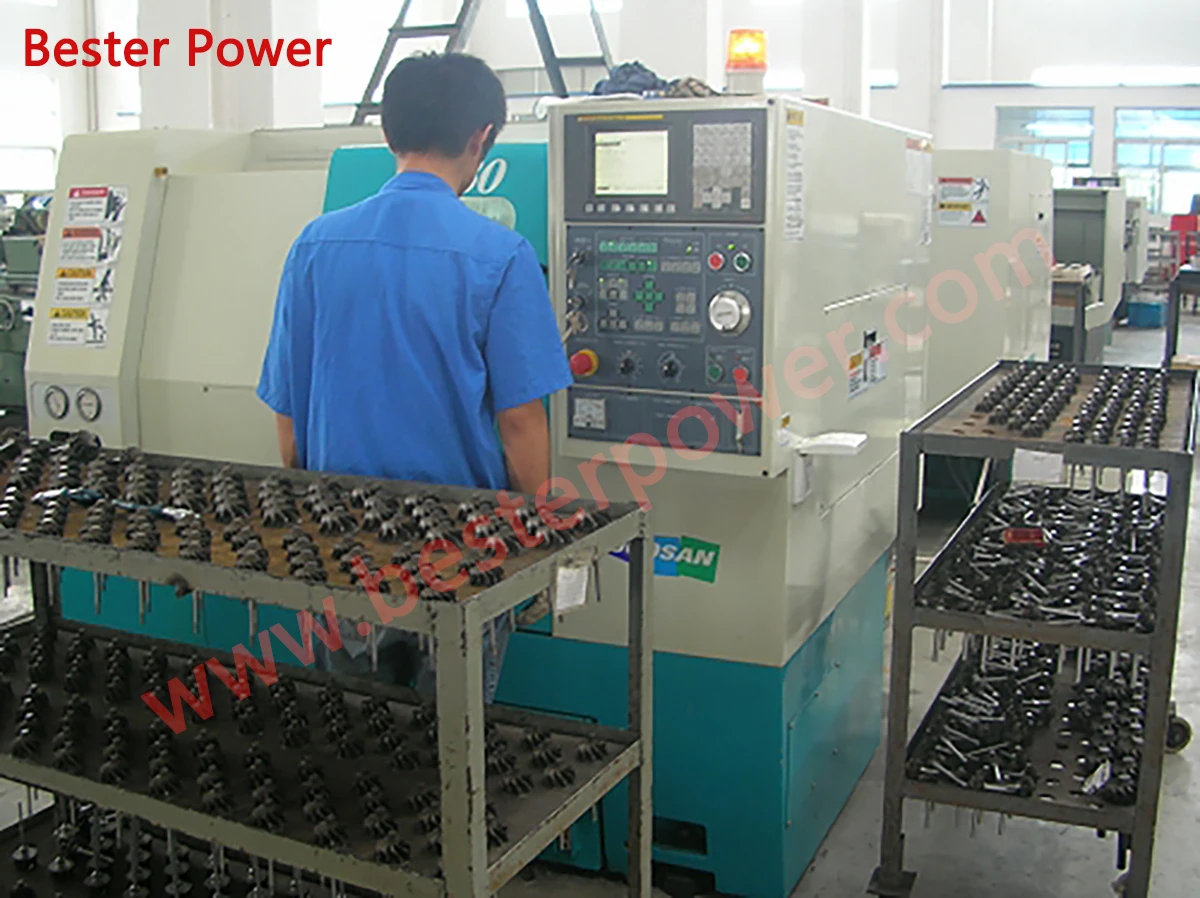
Guangzhou Beiyute Trade Co., Ltd.
- Manufacturer, Trading Company
- Guangdong, China
- Lead time10 days
- Avg. response≤ 4h
Main productsTurbocharger,Turbine Housing,Compressor Housing,Cartridge CHRA,Repair kit
Main marketsMid East(45.00%), Africa(20.00%), Southeast Asia(15.00%), North America(6.00%), South America(3.00%), South Asia(2.00%), Eastern Asia(2.00%), Domestic Market(1.00%), Southern Europe(1.00%), Northern Europe(1.00%), Central America(1.00%), Western Europe(1.00%), Oceania(1.00%), Eastern Europe(1.00%)
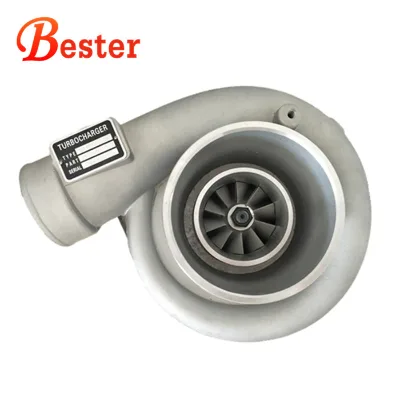
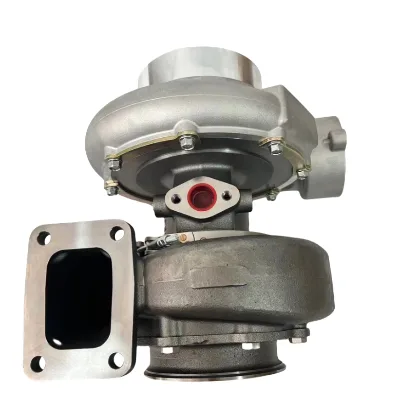
NT855 Marine Diesiel Engine Turbo ST50 3007654 3032060 3525085 3526131 NTA855 Turbocharger
$192.3127
MOQ: 1 Minimum
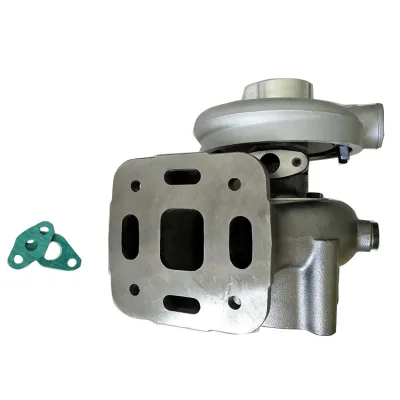
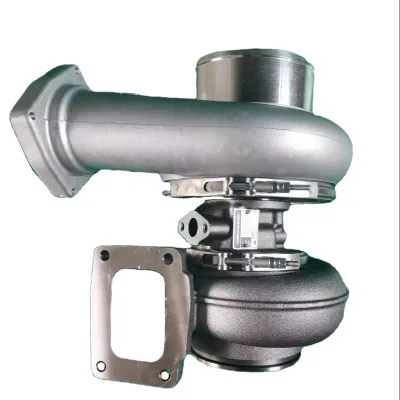

Guangzhou Disong Machinery Equipment Co., Ltd.
- Trading Company,Manufacturer/Factory
- China Guangdong
- Lead time15 days
- Avg. response≤ 10h
Main productsExcavator Part, Machinery Engine Part, Wheel Loader Part, Bulldozer Parts, Dump Truck Parts, Generator Set Parts, Heavy Truck Parts, Hydraulic Parts, Electronic Parts, Seal and Gasket
Main marketsSouth America,Eastern Europe,Mid East,North America,Southeast Asia,Eastern Asia,Oceania,Western Europe,Africa
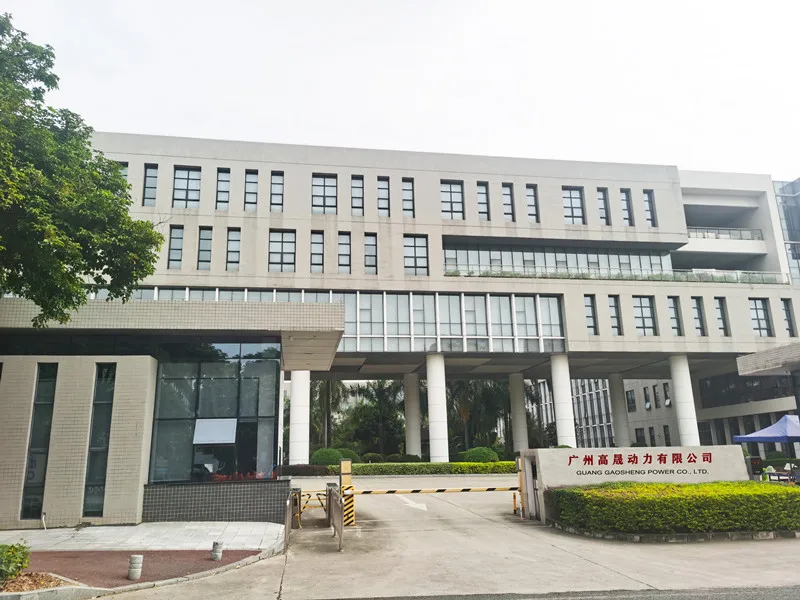
Guangzhou Gaosheng Power Co., Ltd.
- Manufacturer, Trading Company, Distributor/Wholesaler
- Guangdong, China
- Lead time7 days
- Avg. response≤ 3h
Main productsEngine parts,Mining machinery parts,Marine engine parts,Generator set parts,Bulldozer parts
Main marketsEastern Asia(20.00%), Mid East(20.00%), South America(20.00%), North America(20.00%), Africa(10.00%), Southeast Asia(10.00%)
Hubei Shengdong Industry And Trade Co., Ltd.
- Trading Company
- Hubei, China
- Lead time0 days
- Avg. response≤ 2h
Main productsEngine Assembly,Engine Spare Parts,Long Block,Cylinder Block,Connecting Rod
Main marketsSouth America(20.00%), Eastern Europe(20.00%), Africa(10.00%), South Asia(10.00%), Mid East(10.00%), Southeast Asia(5.00%), Eastern Asia(5.00%), Northern Europe(5.00%), Western Europe(3.00%), North America(3.00%), Domestic Market(2.00%), Central America(2.00%), Southern Europe(2.00%), Oceania(2.00%)

- Trading Company
- Hong Kong S.A.R.
- Lead time15 days
- Avg. response≤ 2h
Main productsEngines,Gearbox,Engine Parts,Auto Parts,Vehicle Parts
Main marketsSouth America(35.00%), Africa(12.00%), Southeast Asia(12.00%), North America(9.00%), Eastern Europe(5.00%), South Asia(5.00%), Central America(4.00%), Oceania(3.00%), Southern Europe(3.00%), Northern Europe(3.00%), Mid East(3.00%), Western Europe(3.00%), Eastern Asia(3.00%)
Hyunkook (guangzhou) Machinery Co., Ltd.
- Verified by TüVRheinland
- Trading Company
- Lead time3 days
- Avg. response≤ 4h
Main productsHydraulic Pump And Swing Part, Engine Assembly & Parts, ECU ECM & Monitor, Swing And Travelling Reducer Parts, Hydraulic Sensor, Engine Sensor
Main marketsSouth America(37%), Southeast Asia(37%), Eastern Europe(5%)
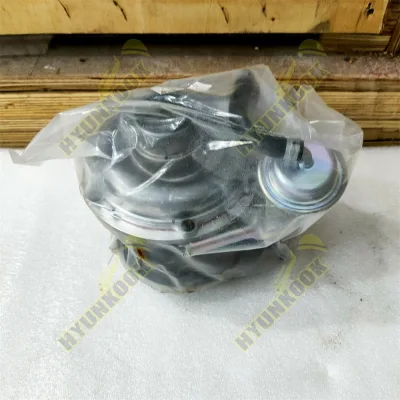
Construction Machinery Diesel Engine Parts 4TNV98 Turbocharger 129908-18010 129935-18010 for Yanmar
$260.7421 - $295.5069
MOQ: 1 pieces
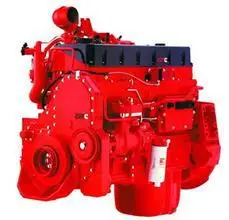
Hubei Qingbang Machinery Equipment Co., Ltd.
- Trading Company
- Hubei, China
- Lead time7 days
- Avg. response≤ 5h
Main productsCummins Engine Assembly,Machinery Engine Parts,Cummins Fuel System Parts,Cummins Electronic Control Parts,Cummins Aftertreatment Device
Main marketsDomestic Market(50.00%), Eastern Europe(15.00%), Africa(15.00%), South America(10.00%), Mid East(2.00%), North America(1.00%), South Asia(1.00%), Southern Europe(1.00%), Northern Europe(1.00%), Central America(1.00%), Western Europe(1.00%), Eastern Asia(1.00%), Southeast Asia(1.00%)
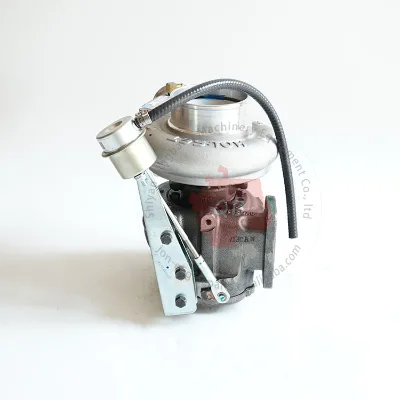
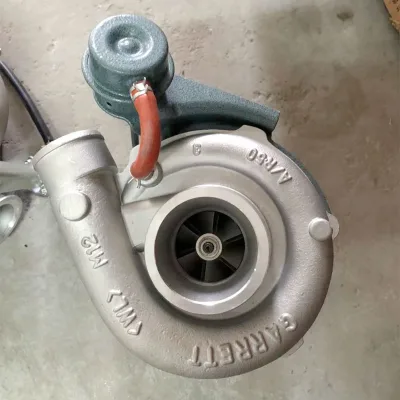
Original Engine Parts SAA6D114E-6 Turbocharger 6745-81-8350 6745-81-8360 6745-81-8660
$200.00 - $300.00
MOQ: 1 pieces
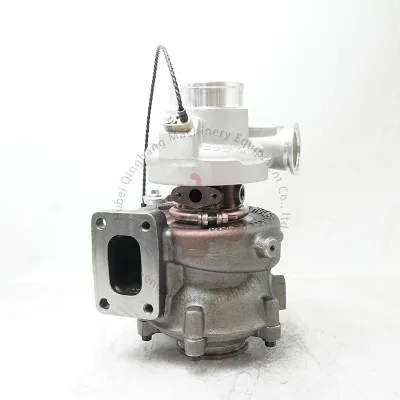
$280.00 - $300.00
MOQ: 1 pieces




Comprehensive Sourcing Guide
Marine Diesel Engine Turbocharger Supplier Concentration and Factory Types
The current supplier landscape for marine diesel engine turbochargers reveals a distinct geographic and structural diversity that buyers must navigate carefully. Evidence indicates that suppliers are concentrated in specific industrial hubs within China, with notable presence in Shanghai, Tianjin, and Anhui. Shanghai-based entities often operate as trading companies, leveraging their location to facilitate international trade while sourcing from broader manufacturing networks. These trading firms typically offer a wide array of related products, including various marine diesel engines, generator sets, and outboard motors, suggesting a one-stop-shop approach for buyers seeking comprehensive marine power solutions. In contrast, suppliers in Tianjin may present as combined entities, potentially integrating manufacturing capabilities with trading functions, and often emphasize certifications such as ISO9001:2015 and ISO14001:2015, indicating a focus on quality management and environmental standards. Meanwhile, suppliers in Anhui appear to specialize in specific engine components, such as urea pumps and NOx sensors, alongside turbochargers, pointing to a more niche manufacturing focus. This geographic spread implies that buyers should not assume a single regional cluster dominates the market but rather evaluate suppliers based on their specific operational model and product breadth. The presence of trading companies suggests that some suppliers may not own factories directly, which can impact lead times and customization flexibility. Conversely, combined or manufacturing-focused suppliers might offer more direct control over production quality and delivery schedules. Understanding this distinction is crucial for determining whether a buyer prioritizes product variety and ease of communication or direct manufacturing oversight and technical specificity. The concentration in these three cities highlights the mature industrial infrastructure available for marine engine components, but it also requires buyers to verify the actual manufacturing origin of the turbochargers to ensure alignment with their quality and compliance requirements.
How to Verify Marine Diesel Engine Turbocharger Suppliers
Verifying the credibility and capability of Marine Diesel Engine Turbocharger suppliers requires a multi-layered approach that goes beyond basic company profiles. Buyers should prioritize suppliers who have undergone third-party verification processes, as indicated by certifications from recognized bodies such as CTI or SGS. For instance, some suppliers display CTI verification, which often involves on-site audits and product testing, while others may hold SGS verification, signaling a different but equally rigorous standard of assessment. Additionally, system certifications like ISO9001:2015 are critical indicators of a supplier’s commitment to consistent quality management systems, which is particularly important for precision components like turbochargers. Buyers should also examine the specific product attributes listed, such as cooling methods, cylinder configurations, and fuel types, to ensure they match the technical requirements of their marine applications. It is essential to verify that the supplier’s stated certifications are current and applicable to the specific products being purchased, as certifications can sometimes be generic rather than product-specific. Furthermore, buyers should look for evidence of customization capabilities, as marine engines often require tailored solutions for specific vessel types and operational conditions. The presence of detailed product specifications, such as bore and stroke dimensions, horsepower ratings, and warranty terms, provides additional layers of verification regarding the supplier’s technical competence. Buyers should also consider the supplier’s response time as an indicator of their operational efficiency and customer service quality, with faster response times often correlating with more agile and responsive supply chains. By cross-referencing these verification markers with product evidence, buyers can build a more accurate picture of a supplier’s reliability and suitability for their specific sourcing needs.
What to Compare Across Marine Diesel Engine Turbocharger Suppliers
When evaluating multiple suppliers for marine diesel engine turbochargers, buyers must systematically compare key operational and commercial metrics to identify the most suitable partner. Lead time is a critical factor, with some suppliers offering delivery within 12 working days, while others may have longer production cycles of up to 30 days or more. This variance can significantly impact project timelines and inventory management, making it essential to align supplier lead times with procurement schedules. Minimum Order Quantity (MOQ) requirements also vary, with some suppliers accepting orders as low as one unit, which is ideal for small-scale repairs or testing, while others may require MOQs of 20 units or more, catering to bulk procurement needs. Pricing structures should be analyzed in conjunction with these quantities, as unit costs often decrease with higher volumes, but the total cost of ownership must include shipping, customs, and potential warranty claims. Response time is another vital metric, with some suppliers demonstrating rapid communication within minutes, which can be crucial for resolving technical queries or expediting orders. Buyers should also compare the range of main products offered, as suppliers with broader portfolios may provide better integration services or spare parts availability. Additionally, the type of warranty provided, whether it is a one-year coverage or a shorter 3-6 month period, reflects the supplier’s confidence in their product quality. By creating a comparison matrix that includes these dimensions, buyers can objectively assess suppliers based on their specific operational priorities, whether they value speed, cost-efficiency, or technical support. This structured comparison helps mitigate the risk of selecting a supplier based on incomplete or misleading information.
Common Marine Diesel Engine Turbocharger Sourcing Risks
Sourcing marine diesel engine turbochargers from international suppliers introduces several inherent risks that buyers must proactively manage to ensure successful procurement. One significant risk is the potential mismatch between product specifications and actual delivery, particularly when dealing with trading companies that may not have direct control over manufacturing processes. This can lead to discrepancies in critical attributes such as cooling methods, cylinder arrangements, or fuel compatibility, which are vital for marine engine performance. Another risk is the variability in warranty coverage, with some suppliers offering limited warranties of 3-6 months, which may not provide sufficient protection for high-value marine applications. Buyers must also be cautious of suppliers who do not clearly disclose their manufacturing location or certification details, as this can obscure the true quality and origin of the components. Additionally, the risk of delayed shipments is heightened when lead times are not explicitly stated or when suppliers operate with longer production cycles. Buyers should also consider the risk of inadequate packaging, as improper handling during transit can damage sensitive turbocharger components, leading to costly replacements and project delays. Furthermore, the lack of standardized testing protocols across different suppliers can result in inconsistent product quality, making it difficult to ensure long-term reliability. To mitigate these risks, buyers should insist on detailed product evidence, clear warranty terms, and verified certifications before finalizing any purchase. Engaging in thorough due diligence and maintaining open communication with suppliers can help identify and address potential issues early in the sourcing process, reducing the likelihood of costly surprises.
Marine Diesel Engine Turbocharger Regional Sourcing and Logistics
The geographic distribution of Marine Diesel Engine Turbocharger suppliers significantly influences logistics planning and cost structures for international buyers. Suppliers located in major Chinese ports such as Shanghai and Tianjin offer logistical advantages due to their proximity to shipping hubs, which can reduce transit times and freight costs. Shanghai-based trading companies, for instance, can leverage their location to facilitate efficient export processes, while Tianjin-based combined suppliers may benefit from similar port access. However, suppliers in inland regions like Anhui may incur higher transportation costs and longer lead times due to the additional land transport required to reach coastal ports. Buyers must account for these logistical variables when selecting suppliers, as they can impact the total cost of ownership and delivery schedules. Additionally, the type of packaging used by suppliers, such as wooden cases, plywood packages, or boxed and crated units, affects the ease of handling and protection during transit. Proper packaging is essential to prevent damage to delicate turbocharger components, which are sensitive to vibration and impact. Buyers should also consider the customs clearance processes in their destination countries, as different regions may have varying import regulations and duties that affect the final cost. By understanding the logistical implications of sourcing from different regions, buyers can make more informed decisions that balance cost, speed, and reliability. Collaborating with suppliers who have experience in international shipping and can provide accurate documentation can further streamline the logistics process, ensuring that orders arrive on time and in good condition.
Marine Diesel Engine Turbocharger Commercial Terms and Order Planning
Effective order planning for marine diesel engine turbochargers requires a clear understanding of commercial terms and payment structures to avoid financial and operational disruptions. Buyers should carefully review the pricing models offered by suppliers, noting that prices can range significantly depending on the product specifications and order volume. For example, some suppliers may offer competitive pricing for standard models, while customized or high-performance turbochargers may command higher prices. It is crucial to clarify whether the quoted prices include shipping, insurance, and taxes, as these additional costs can substantially impact the final invoice. Payment terms should also be negotiated to align with the buyer’s cash flow requirements, with options such as escrow services providing an added layer of security for both parties. Buyers should also consider the implications of MOQs on their inventory management, as ordering in bulk may reduce unit costs but increase storage requirements and capital tie-up. Additionally, the warranty terms provided by suppliers, whether one year or shorter periods, should be factored into the total cost of ownership, as longer warranties can reduce long-term maintenance expenses. Buyers must also plan for potential lead time variations, ensuring that orders are placed well in advance to accommodate production and shipping schedules. By establishing clear commercial terms and maintaining flexible order planning, buyers can mitigate financial risks and ensure a smooth procurement process. Regular communication with suppliers regarding order status and potential delays can further enhance supply chain resilience, allowing for timely adjustments to meet project deadlines.
FAQs
What is the price range for marine diesel engine turbochargers?
Prices for marine diesel engine turbochargers typically range from $200 to $5,000 depending on specifications. Basic components start near $200, while complete engine units can reach $5,000. Buyers should verify exact pricing based on cylinder count, cooling method, and customization requirements before placing orders.
What is the minimum order quantity for these turbochargers?
Minimum order quantities vary by supplier and product type. Some suppliers require a minimum of 20 units for turbocharger parts, while others accept single-unit orders for complete engines. Buyers must check specific product listings to confirm the applicable MOQ before initiating procurement processes.
How long does delivery take for marine diesel engines?
Lead times for marine diesel engines generally range from 12 to 30 working days. Specific delivery windows depend on the supplier location and production capacity. Some manufacturers offer faster turnaround times of approximately 12 days, while standard production cycles may extend up to 30 days.
Are these suppliers verified for quality assurance?
Suppliers undergo verification through recognized third-party agencies such as CTI and SGS. Many also hold ISO9001:2015 certification, with some additionally possessing ISO14001:2015 credentials. Buyers should review specific verification badges and certification documents provided in product listings to ensure compliance with quality standards.
What warranty periods are offered for marine diesel engines?
Warranty coverage for marine diesel engines and turbochargers typically ranges from three to six months for components and up to one year for complete engines. Specific warranty terms depend on the supplier and product category. Buyers should confirm exact warranty durations and coverage details before finalizing purchases.
Where are these marine diesel engine suppliers located?
Suppliers offering marine diesel engines and turbochargers are primarily located in China, including cities such as Shanghai, Tianjin, and Anhui. Geographic location may influence shipping costs and lead times. Buyers should consider regional logistics when evaluating supplier options for international procurement.
What response times can buyers expect from suppliers?
Supplier response times vary significantly, ranging from approximately 0.27 to 5.30 hours. Faster response rates indicate higher availability and customer service efficiency. Buyers seeking quick quotations should prioritize suppliers with shorter response times to streamline the procurement process effectively.