11inch Silicone Spatula for Baking Suppliers and Manufacturers
Explore 30 verified suppliers offering 11inch Silicone Spatula for Baking with options for ISO 9001 and LFGB certifications. Compare response times, lead times, and MOQs to find the right factory for your needs. Contact suppliers directly to request samples; review the available evidence before requesting comparable quotations from suitable candidates.
Updated
Suppliers List
Xiamen Cuten Nicety Accessories Industry Co., Ltd.
- Verified by SGS Group
- Manufacturer, Trading Company
- Lead time15 days
- Avg. response≤ 2h
Main productsSilicone Products, Injection Molded Plastics, Home Goods, Pet Supplies, Maternity & Baby Products
Dongguan Yiwanjia Industrial And Trade Co., Ltd.
- Manufacturer
- Guangdong, China
- Lead time15 days
- Avg. response≤ 5h
Main productsSilicone Bakeware,Silicone Kitchenware,Sllicone Beauty Product,Silicone Hair Scalp Massager,Silicone Bath Products
Main marketsNorth America(45.00%), Eastern Asia(10.00%), South America(10.00%), Northern Europe(10.00%), Mid East(5.00%), Oceania(5.00%), Southern Europe(5.00%), Western Europe(5.00%), Domestic Market(2.00%), Southeast Asia(1.00%), Eastern Europe(1.00%), Africa(1.00%)

Xiamen Newtop Material Company
- Verified by TUVRHEINLAND
- Combined
- China Fujian
- Lead time15 days
- Avg. response≤ 3h
Main productsSilicone Pet Prodcuts, Silicone Housewares Product, Silicone Baby Product, Silicone Parts, Silicone Cap, Silicone Breast Pump, Slow Feeder, Silicone Pet Mat, Silicone Gasket, Silicone Hose
Main marketsEurope,North America

Zhongshan Mingxin Silicone Manufactory
- Verified by SGS
- Combined
- China Guangdong
- Lead time15 days
- Avg. response≤ 5h
Main productsSilicone Kitchenware, Silicone Keypaid, Silicone Bracelet, Silicone Wristband, Silicone Ashtray, Silicone Tube, Silicone Watch, Silicone Rubber, Silicone Sex Doll, Silicone Mold
Main marketsEurope,North America

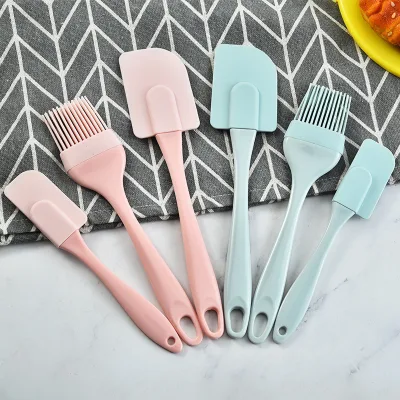
Spatula Set 9 PCS Heat Resistant Silicone Baking Kitchen Spatula for Baking
$5.50 - $6.80
MOQ: 50 Pieces

Durable Non-Stick Mini Silicone Spatula Butter Kitchen Silicone Cooking Spatula
$0.26 - $0.29
MOQ: 500 Pieces


Xiamen Zhongying Electronic Technology Co., Ltd.
- Verified by SGS
- Combined
- China Fujian
- Lead time15 days
- Avg. response≤ 7h
Main productsPlastic Products, Rubber Ring, Sealing Ring, Gasket
Main marketsSoutheast Asia/ Mideast,Australia,North America

Food Grade Silicone Spatula for Baking Popular Home Kitchen Tools for Pastry
$0.28 - $0.36
MOQ: 500 Pieces

Food-Grade Silicone Spatula for Baking Pastry Flexible Spatula Cake Home Kitchen
$0.25 - $0.35
MOQ: 500 Pieces

High Heat Resistant Silicone Baking Spatula for Home Kitchen Pastry Cooking Utensils
$0.25 - $0.35
MOQ: 500 Pieces


Silicone Spatula Non-Stick and Heat-Resistant for Baking & Pastry Flexible Spatula for Cake
$0.28 - $0.36
MOQ: 200 Pieces

Kitchen Baking Tool Silicone Spatula Heat Resistant Qven Safe Dishwasher Safe
$0.25 - $0.35
MOQ: 200 Pieces
Yangjiang Golden View Economic Trading Co., Ltd.
- Verified by Intertek
- Manufacturer, Trading Company
- Lead time45 days
- Avg. response≤ 4h
Main productsKitchen Utensil, Bakeware, Ice Mold, Kitchen Gadgets, Baking Tools
Main marketsNorth America(35%), Oceania(15%), Western Europe(15%)

Shenzhen Kingod Silicone Products Co., Ltd
- Verified by TUVRHEINLAND
- Combined
- China Guangdong
- Lead time15 days
- Avg. response≤ 1h
Main productsBaby Set, Baby Products, Baby Goods, Breast Pump, Face Mask, Baby Bottle, Medical Components, Phone Case, Silicone Kitchen Products, Toys
Main marketsNorth America
Dongguan Loyal Industrial Co., Ltd.
- Manufacturer, Trading Company
- Guangdong, China
- Lead time30 days
- Avg. response≤ 7h
Main productsSilicone Kitchen Utensils,Silicone Bakeware,Kitchen Accessories
Main marketsWestern Europe(30.00%), North America(30.00%), Northern Europe(10.00%), Southeast Asia(10.00%), Mid East(10.00%), Oceania(10.00%)

Changsha Chengtong Technology Co., Ltd.
- Verified by SGS
- Trading Company
- China Hunan
- Lead time15 days
- Avg. response≤ 6h
Main productsCutting Board, Vegetable Chopper, Measuring Cup, Milk Frother, Measuring Spoon, Vegetable Peeler, Kitchen Scissors, Knife Sharpener
Main marketsSoutheast Asia/ Mideast


$0.39 - $0.42
MOQ: 500 Pieces

Heat Resistant and Non-Scratch Silicone Spatulas for Kitchen Daily Baking & Cooking
$0.30 - $0.40
MOQ: 500 Pieces


Zhongshan Xinyuan Silicone Rubber Co. Ltd
- Verified by TUVRHEINLAND
- Combined
- China Guangdong
- Lead time15 days
- Avg. response≤ 2h
Main productsSilicone Mold, Silicone Ice Cube Tray, Silicone Wristband, Silicone Tea Infuser, Silicone Bakeware, Silicone Keychain, Silicone Cup Coaster, Silicone Bag
Main marketsSouth America,Southeast Asia/ Mideast,Domestic,Europe,North America

Milesun Rubber & Plastic Technology Co., Ltd.
- Verified by CTI
- Manufacturer/Factory
- China Guangdong
- Lead time23 days
- Avg. response≤ 13h
Main productsRubber Components, Rubber Damper/Shock Absorber/Sheet, Rubber-Metal Components, Sealing Ring, Home Appliance Rubber and Metal Components, Power Tool Rubber and Metal Components, Auto Rubber and Metal Components, Sanitary Rubber and Metal Components, Kitchen Ware / Daily Use Rubber Products, Food Grade Rubber Products/Toy
Main marketsSouth America,Eastern Europe,Mid East,North America,Southeast Asia,Eastern Asia,Oceania,Western Europe,Africa

Wenzhou Cathylin International Trade Co., Ltd.
- Verified by TUVRHEINLAND
- Trading Company
- China Zhejiang
- Lead time15 days
- Avg. response≤ 5h
Main productsFlatware, Cutlery, Kitchen Tools, Tableware, Cookware, Bakeware, Drinkware
Main marketsNorth America
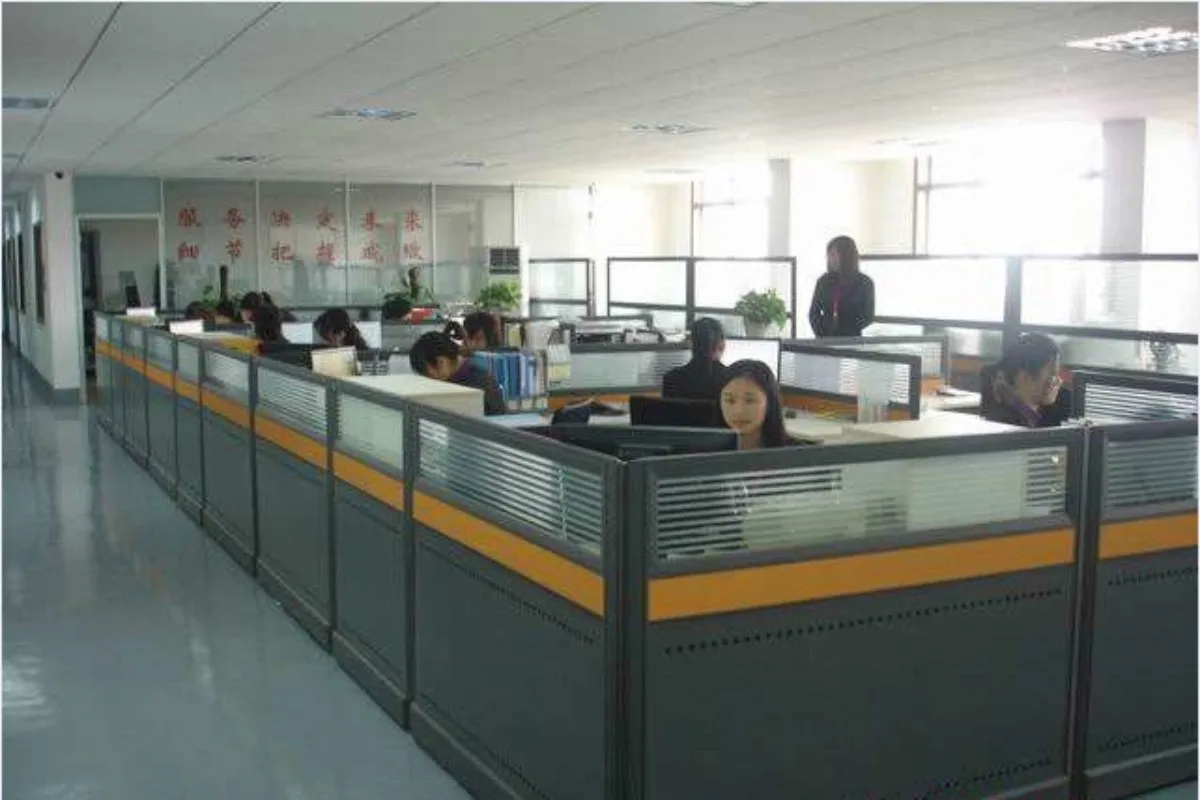
Guangzhou Chenghi Technology Co., Ltd.
- Manufacturer, Trading Company
- Guangdong, China
- Lead time7 days
- Avg. response≤ 3h
Main productsCake decorating tools,baking tools,Kitchen supplies,cake tools
Main marketsDomestic Market(26.00%), North America(15.00%), Western Europe(8.00%), Africa(8.00%), Mid East(8.00%), Eastern Europe(8.00%), Southern Europe(6.00%), Northern Europe(5.00%), South America(5.00%), Southeast Asia(5.00%), South Asia(4.00%), Oceania(1.00%), Eastern Asia(1.00%)

Xiamen Flying Silicone Rubber Co., Ltd.
- Verified by TUVRHEINLAND
- Trading Company,Manufacturer/Factory
- China Fujian
- Lead time23 days
- Avg. response≤ 12h
Main productsSilicone Rubber Auto Parts, Silicone Rubber Keypad, Silicone Rubber Gasket, Silicone Rubber O-Ring, Silicone Rubber Valve, Silicone Rubber Kitchenware, Plastic Injection Parts, Silicone Rubber Gifts, Silicone Medical Accessories, LSR Baby Care
Main marketsSouth America,Eastern Europe,North America,Southeast Asia,Western Europe


Wholesale Silicone Spatula Heat Resistant Non-Stick Flexible Scrapers Kitchen Baking Cooking Tools
$0.279 - $0.289
MOQ: 500 Pieces

Jiangmen Goodman Cleaning Supplies Co., Ltd.
- Verified by TUVRHEINLAND
- Combined
- China Guangdong
- Lead time15 days
- Avg. response≤ 9h
Main productsFood Pan, Food Basket Tray, Storage Box, Cleaning Bucket, Trash Can
Main marketsEurope,North America

Custom Spatula Silicone Spatula Heat Resistant Silicone Spatula with Plastic Handle
$0.48 - $0.56
MOQ: 720 pieces

Multifunctional Spatula Silicone Plastic Handle Spatula Scraper Separate Cake Butter Silicon Spatula
$0.56 - $0.80
MOQ: 1000 pieces

Baking Tools Rubber Spatula Plastic Handle Logo Custom Silicone Spatula Spoon
$0.51 - $1.00
MOQ: 720 Pieces

Wholesale Kitchen Cooking Tool Silicone Spatula Heat Resistant Long Handle Silicone Scraper Spatula
$1.70 - $1.87
MOQ: 720 pieces

Kitchen Spatula Silicone Logo Custom Heat Resistant Silicone Spatula Spoon
$2.00 - $2.20
MOQ: 720 pieces

$1.06 - $1.17
MOQ: 720 pieces
Hangzhou Fuyang Baka Plastic Packaging Factory
- Verified by SGS Group
- Manufacturer, Trading Company
- Lead time30 days
- Avg. response≤ 10h
Main productsLip Gloss Tube, Ps Cream Jar, Brush Bottle, Plastic Spatula, Glass Cream Jar
Main marketsDomestic Market(50%), North America(15%), Western Europe(7%)

Shenzhen Beadith Technology Co., Ltd.
- Manufacturer
- Guangdong, China
- Lead time0 days
- Avg. response≤ 7h
Main productsHome & Garden,Tools & Hardware,Silicone Product,Cake Tools,Hot Sell
Main marketsWestern Europe(20.00%), North America(20.00%), Domestic Market(5.00%), South Asia(5.00%), Southern Europe(5.00%), Northern Europe(5.00%), Central America(5.00%), South America(5.00%), Eastern Asia(5.00%), Mid East(5.00%), Oceania(5.00%), Africa(5.00%), Southeast Asia(5.00%), Eastern Europe(5.00%)

Jinhua Hengyang Cross-Border Trade Limited Liability Company
- Verified by SGS
- Trading Company
- China Zhejiang
- Lead time15 days
- Avg. response≤ 10h
Main productsCoffee Maker Air Fryer Storage Box Knife Set, Silicone Baking Mold Robot Vacuum Cleaning Table, Shower Head Non-Slip Shower Curtain Vacuum Stora, Collapsible Laundry Basket Bohemian Wall Tapestr, Fringe Pillow Cover Bedding Set Memory Foam Pill, Bamboo Tissue Biodegradable Trash Bags LED Fair, Smart Plug Fairy Lights Pet Food Bowl, Household Daily Necessities Kitchen Cleaning, Bathroom Storage and Care Fabric Home Decor, Bedding Daily Chemical Paper Products
Main marketsEurope

Baking Tools Silicone Spatula One-Piece Spatula Large All-Inclusive Scraper Zihe Kitchen
$0.49 - $0.62
MOQ: 500 Pieces


Guangzhou Canzo Household Products Co., Ltd.
- Manufacturer, Trading Company
- Guangdong, China
- Lead time20 days
- Avg. response≤ 6h
Main productsKitchen Utensils,Baking Tools,Kitchen Knives,Glass Food Containers,Kitchen Gadgets
Main marketsMid East(30.00%), North America(30.00%), Western Europe(15.00%), Central America(7.00%), Eastern Europe(4.00%), Domestic Market(4.00%), Oceania(4.00%), Africa(3.00%), South America(3.00%)
Jiangmen Goodman Cleaning Supplies Co., Ltd.
- Verified by Intertek
- Manufacturer, Trading Company
- Lead time45 days
- Avg. response≤ 2h
Main productsCleaning Bucket, Plastic Box, Service Trolley, Serving Tray, Trash Can
Main marketsNorth America(76%), Mid East(6%), South America(4%)

TAIZHOU HARSOUL IMP. & EXP. CO., LTD.
- Trading Company
- China Zhejiang
- Lead time30 days
- Avg. response≤ 15h
Main productsPromotion Gifts, Promotional Bag, Promotional Jewelry, Promotional Toys, Promotional Stationery, Promotional Plastic Goods
Main marketsOthers(foreignTradeCapacity.exportBusinessCapacityMarketOther),Europe,North America


High Quality Personalized Premium Kitchenware Silicone Spatula for Baking
$0.90 - $1.50
MOQ: 1000 Pieces

BPA Free Premium Food Grade Cooking & Baking Tool Silicone Spatula Scraper
$0.77 - $1.20
MOQ: 1000 Pieces

YONGKANG HOMESHINE SILICONE PRODUCTS CO., LTD.
- Combined
- China Zhejiang
- Lead time23 days
- Avg. response≤ 25h
Main productsGlass Lid
Main marketsSouth America,East Asia(Japan/ South Korea),Domestic,Europe,North America


Wholesale BBQ Baking Tools Silicone Pizza Cake Spatula with Plastic Handle
$0.30 - $0.35
MOQ: 1500 Pieces


Non-Stick Silicone Baking Spatulas Set Butter Rubber Spatulas with Steel Core
$0.30 - $0.35
MOQ: 1500 Pieces
Yangjiang Feeton Home Products Co., Ltd.
- Verified by SGS Group
- Manufacturer, Trading Company
- Lead time30 days
- Avg. response≤ 5h
Main productsKitchen Gadgets, BBQ Tools, Kitchen Knife
Main marketsWestern Europe(40%), North America(30%), South America(30%)

GuangDong Infull Industrial Co., Ltd.
- Verified by TUVRHEINLAND
- Manufacturer/Factory
- China Guangdong
- Lead time45 days
- Avg. response≤ 4h
Main productsCutlery & Flatware, Dinnerware&Tableware, Tray&Lunch Plate, Ceramic Dinnerware, Kitchenware, Baking & Pastry Tools, Kitchen Knife, Kitchen Gadgets, Barware, Drinkware
Main marketsSouth America,Eastern Europe,Mid East,North America,Southeast Asia,Eastern Asia,Oceania,Western Europe,Africa


High Temperature Resistant Silicone Spatula Kitchen Products Baking Utensils
$1.04 - $1.22
MOQ: 100 Pieces

Dongguan Yangtai Silicone Products Co., Ltd
- Verified by SGS
- Combined
- China Guangdong
- Lead time15 days
- Avg. response≤ 3h
Main productsSilicone Bag, Silicone Pencil Case, Silicone Products, Silicone Kitchenware, Silicone Toys, Silicone Mold, Silicone Tap Night Light, Silicone Gift
Main marketsDomestic

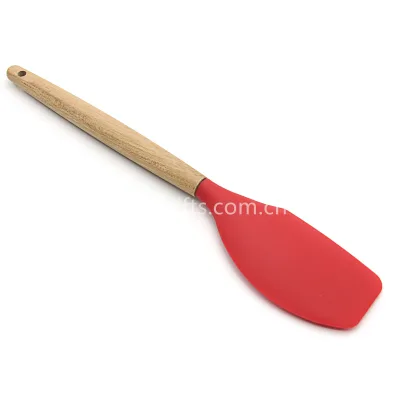
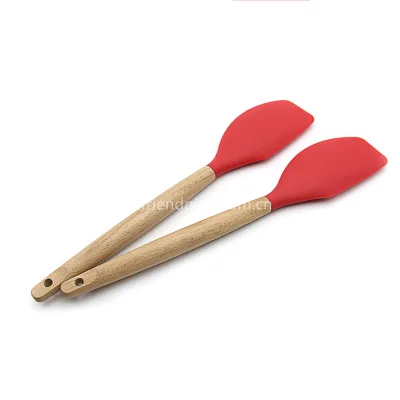
Premium Silicone Baking Spatula with Wood Handle Food Grade Kitchen Scraper
$2.36 - $2.40
MOQ: 500 Pieces

Soft Silicone Baking Spatula, Multi-Purpose Spoon for Mixing Batter & Scraping Bowls
$0.62 - $0.66
MOQ: 500 Pieces
Zhangzhou Evermore New Material Technology Co., Ltd.
- Manufacturer
- Fujian, China
- Lead time0 days
- Avg. response≤ 8h
Main productsSilicone Cube Tray, Silicone Mat, Silicone Bath Brush, Silicone Pet Bowl, Silicone Baby Pacificer
Main marketsDomestic Market(100.00%)

Qingdao ShengHong Rubber and Plastic Co., Ltd
- Verified by TUVRHEINLAND
- Trading Company
- China Shandong
- Lead time15 days
- Avg. response≤ 3h
Main productsOil Sealing, Damping and Buffering, Flexible Fittings for Fluid Pipelines, Protective Seals, Sealing Strip, Metal Stamped Products, Framework Oil Seals, Stamping, Rubber Product, Rubber Seal
Main marketsEurope
E-Great (Nanjing) Import & Export Co., Ltd.
- Trading Company
- Jiangsu, China
- Lead time5 days
- Avg. response≤ 11h
Main productsSilicone baking mats,BBQ grill mats,Silicone Products,Silicone pastry mat,Oven liner
Main marketsEastern Europe(20.00%), Western Europe(20.00%), North America(20.00%), Northern Europe(10.00%), South America(10.00%), Mid East(10.00%), Africa(10.00%)
Dongguan Lucky Goldjyx Company Limited
- Manufacturer, Trading Company
- Lead time旺季: "1 - 100":15,"> 100":"To be negotiated", 淡季: "1 - 100":15,"> 100":"To be negotiated"
- Avg. response≤ 2h
Main productsSilicone Ice Cube, Silicone Cake Mold, Silicone Luggage Tag, Silicone Bag, Silicone Baby Feeding Set
- Verified by TüVRheinland
- Manufacturer, Trading Company
- Lead time30 days
- Avg. response≤ 2h
Main productsPVC Luggage Tags, PVC Keychains, PVC Figures, Rubber Cup Coasters, Silicone Coin Purse
Main marketsNorth America(40%), Western Europe(30%), Southeast Asia(20%)




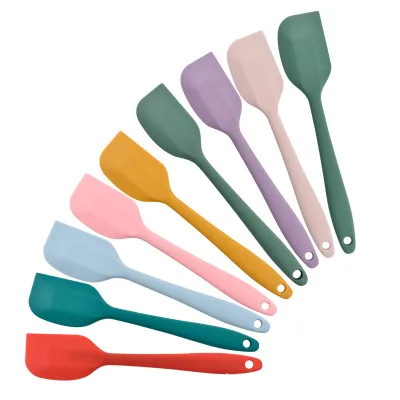


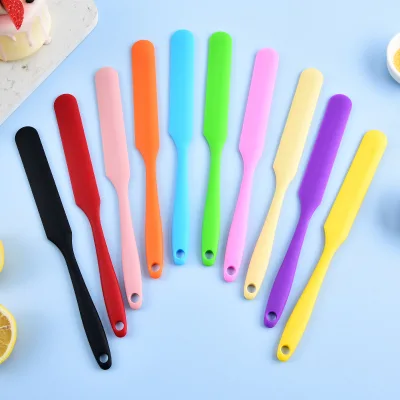
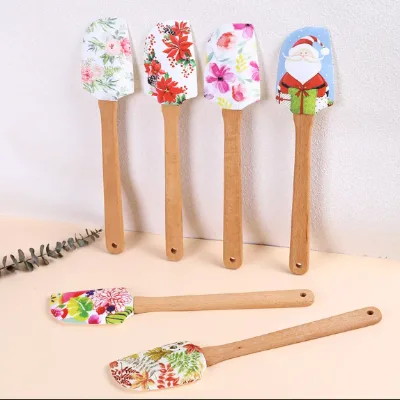
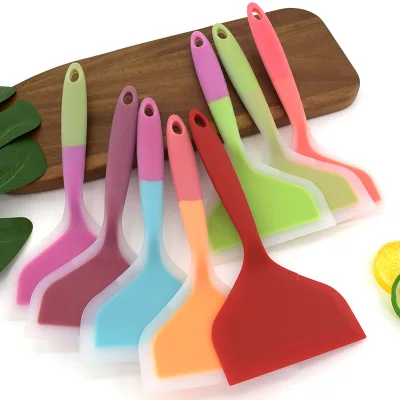
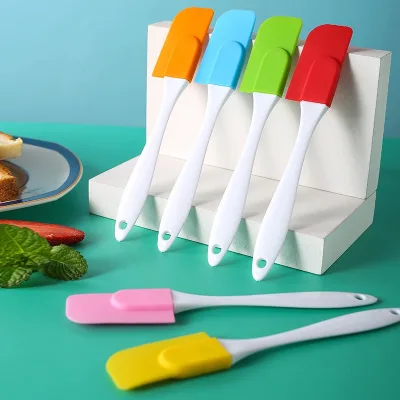
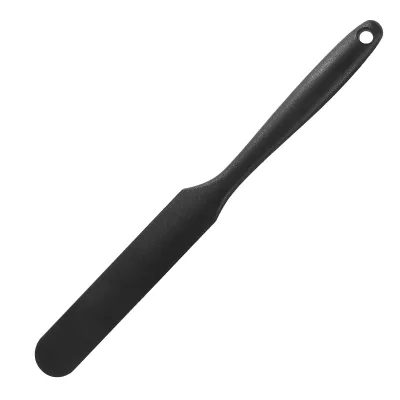
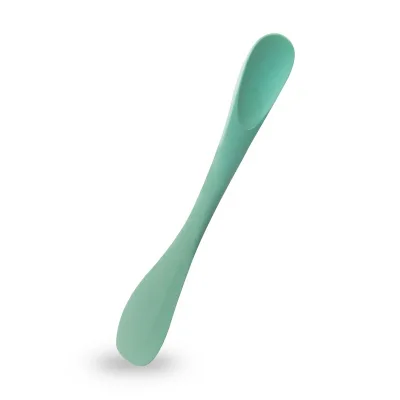


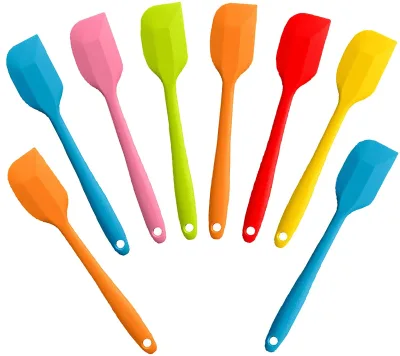
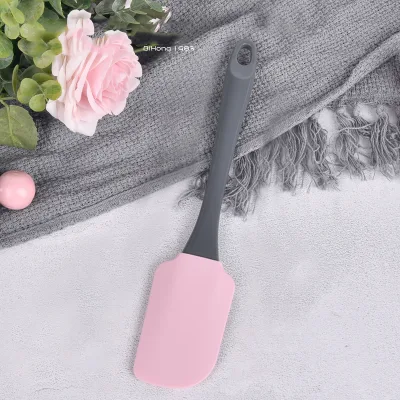
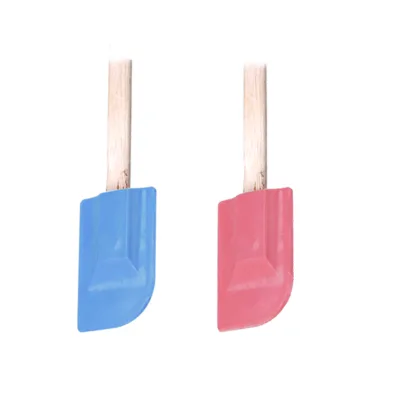
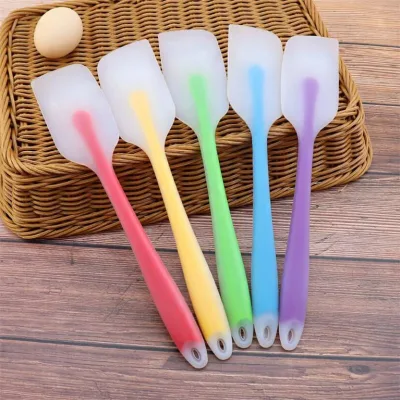
Comprehensive Sourcing Guide
11inch Silicone Spatula for Baking Supplier Concentration and Factory Types
The sourcing landscape for 11inch Silicone Spatula for Baking reveals a distinct concentration of manufacturing capabilities within specific Chinese provinces, particularly Fujian and Guangdong. These regions serve as primary hubs for silicone product fabrication, leveraging established supply chains for raw materials and specialized molding equipment. Buyers evaluating potential partners should recognize that the geographic origin of a supplier often correlates with their specific technical strengths and logistical advantages. For instance, suppliers located in Fujian frequently demonstrate a strong focus on customized silicone processing, including graphic processing and on-demand design adjustments. This regional specialization suggests that buyers seeking highly tailored product specifications, such as unique colorways or custom branding, may find more responsive and technically capable partners in these clusters. Conversely, suppliers in Guangdong may offer different logistical efficiencies depending on port proximity and export infrastructure. Understanding these geographic nuances allows buyers to narrow their search parameters effectively, focusing on suppliers whose regional infrastructure aligns with their specific operational needs.
Beyond geography, the type of business entity plays a crucial role in determining the nature of the partnership available. The current market includes both dedicated manufacturers and trading companies, each offering distinct advantages for different procurement strategies. Manufacturers typically provide direct access to production lines, enabling greater control over quality assurance processes and potentially lower unit costs for high-volume orders. These entities often highlight capabilities such as OEM and ODM services, allowing for significant customization of product features, materials, and packaging. On the other hand, trading companies may offer a broader portfolio of related items, such as other kitchenware or silicone housewares, which can simplify the sourcing process for buyers looking to consolidate orders. Some suppliers are classified as combined entities, blending manufacturing capabilities with trading services. This hybrid model can provide flexibility in order sizes and product variety. Buyers must carefully assess whether their priority lies in deep manufacturing integration or broad product accessibility, as this decision will significantly influence the supplier selection process and the overall efficiency of the sourcing journey.
How to Verify 11inch Silicone Spatula for Baking Suppliers
Verification is a critical step in mitigating risk when sourcing 11inch Silicone Spatula for Baking from international suppliers. Buyers should prioritize suppliers who have undergone third-party verification processes, as these provide an independent assessment of the company’s legitimacy and operational capacity. For example, some suppliers in the current results have been verified by SGS Group, a globally recognized inspection and certification body. This verification status offers a layer of confidence regarding the supplier’s business practices and physical existence. Additionally, other suppliers may hold verification from TÜV Rheinland, another reputable international testing and certification organization. These third-party endorsements serve as a foundational check, confirming that the supplier meets certain baseline standards for business operations. Buyers should actively look for these verification badges on supplier profiles, as they indicate a commitment to transparency and accountability. However, verification alone is not a guarantee of product quality or financial stability, so it should be considered as one component of a broader due diligence strategy.
In addition to third-party verification, buyers should scrutinize the specific certifications held by the supplier and their products. For silicone kitchenware, certifications related to food safety and material compliance are paramount. The current data indicates that some suppliers hold system certifications such as ISO 9001, which demonstrates a commitment to quality management systems. Furthermore, product-specific certifications like LFGB, CE/EU, RoHS, and BPA Free are critical for ensuring that the silicone spatulas meet international food contact standards. These certifications provide evidence that the materials used are safe for culinary applications and resistant to harmful substances. Buyers should request copies of these certificates and verify their validity with the issuing bodies. It is also important to note that not all suppliers will display every certification, so buyers must determine which standards are mandatory for their target markets. By combining third-party verification with rigorous certification checks, buyers can significantly reduce the risk of partnering with unreliable or non-compliant suppliers, ensuring a safer and more secure sourcing experience.
What to Compare Across 11inch Silicone Spatula for Baking Suppliers
When evaluating multiple suppliers for 11inch Silicone Spatula for Baking, buyers must compare a range of operational metrics to identify the most suitable partner. One key dimension is the supplier’s response time, which indicates their level of engagement and efficiency in communication. In the current results, response times vary, with some suppliers responding within two hours and others taking up to five hours or slightly more. A faster response time often correlates with better customer service and quicker resolution of inquiries, which is vital for maintaining project momentum. Another critical factor is the minimum order quantity (MOQ), which dictates the financial commitment required to initiate a purchase. Some suppliers offer low MOQs, such as 50 or 100 units, making them accessible for small businesses or trial orders. Others may have higher thresholds, which could be more suitable for large-scale distributors. Buyers should align their order volume expectations with the supplier’s MOQ policies to avoid unnecessary capital tie-up or missed opportunities.
Production capacity and lead times are also essential comparison points that impact supply chain reliability. The current data shows lead times of around 15 days for some suppliers, which provides a baseline for planning inventory replenishment. Buyers should also assess the supplier’s ability to handle sample processing and customized orders, as these capabilities indicate flexibility and technical proficiency. Additionally, the range of main products offered by a supplier can influence the decision. Some suppliers specialize in silicone bakeware and kitchenware, while others may have a broader focus including pet supplies or baby products. This specialization can affect the depth of expertise and quality control measures applied to the spatulas. Price is another variable, with unit costs ranging from approximately $0.10 to $0.53 depending on the product specifications and order volume. By systematically comparing response times, MOQs, lead times, customization capabilities, product focus, and pricing, buyers can create a comprehensive scorecard to objectively rank suppliers and select the one that best fits their strategic requirements.
Common 11inch Silicone Spatula for Baking Sourcing Risks
Sourcing 11inch Silicone Spatula for Baking involves several inherent risks that buyers must proactively manage to ensure a successful procurement outcome. One significant risk is the variability in product quality and material composition. While many suppliers claim their products are food-grade and BPA-free, the actual silicone quality can vary widely between manufacturers. Some suppliers may use lower-grade silicone that is less durable or more prone to tearing, especially at the handle-blade junction. This risk is exacerbated if buyers do not request and test physical samples before placing bulk orders. Without rigorous quality control measures, buyers may receive shipments that do not meet their durability or safety standards, leading to customer dissatisfaction and potential returns. Additionally, the risk of color fading or material degradation under high temperatures is a concern, particularly for spatulas used in baking and cooking applications. Buyers must ensure that suppliers provide accurate information about heat resistance and material properties, backed by relevant testing data.
Another common risk is the discrepancy between sample quality and mass production output. Suppliers may provide high-quality samples that do not reflect the consistency of the final bulk order. This issue can arise due to differences in raw material batches, manufacturing processes, or quality control checks during large-scale production. Buyers should establish clear quality specifications and inspection criteria in their contracts to mitigate this risk. Furthermore, there is a risk of intellectual property infringement if buyers provide custom designs or logos without proper legal protections. Some suppliers offer OEM and ODM services, which increases the potential for design leakage or unauthorized replication. Buyers must implement strict confidentiality agreements and monitor the market for counterfeit products. Additionally, logistical risks such as shipping delays or damage during transit can disrupt supply chains. Buyers should work with suppliers who have experience in exporting to their target markets and utilize reliable shipping methods. By identifying and addressing these risks through thorough due diligence, clear contracts, and proactive monitoring, buyers can safeguard their interests and ensure a smoother sourcing process.
11inch Silicone Spatula for Baking Regional Sourcing and Logistics
The geographic location of suppliers significantly influences logistics planning and cost structures for 11inch Silicone Spatula for Baking. Suppliers located in Fujian and Guangdong provinces in China benefit from established industrial clusters and efficient port infrastructure, which can streamline the export process. These regions are known for their manufacturing expertise in silicone products, offering buyers access to a wide range of suppliers with varying specializations. Buyers sourcing from these areas should consider the proximity to major shipping ports, as this can reduce inland transportation costs and transit times. Additionally, the concentration of suppliers in these regions facilitates easier comparison and evaluation of potential partners. Buyers can leverage this geographic clustering to negotiate better terms, as competition among local suppliers may drive improvements in service and pricing. However, buyers must also be aware of potential regional disruptions, such as weather events or local policy changes, that could impact production and shipping schedules.
Logistics planning must also account for the specific requirements of the product, such as weight and packaging dimensions. The current data indicates that some silicone spatulas have specific package sizes and weights, which can affect shipping costs and container utilization. Buyers should work closely with suppliers to optimize packaging designs to maximize space efficiency and minimize freight expenses. Furthermore, buyers should consider the impact of customs regulations and import duties in their target markets, as these can add significant costs to the final landed price. Suppliers with experience in international trade can provide valuable guidance on documentation and compliance requirements, helping to avoid delays at customs. Buyers should also evaluate the supplier’s ability to handle different shipping methods, such as sea freight for bulk orders or air freight for urgent replenishments. By understanding the logistical implications of sourcing from specific regions and working with suppliers who have robust export capabilities, buyers can optimize their supply chain efficiency and reduce overall procurement costs.
11inch Silicone Spatula for Baking Commercial Terms and Order Planning
Effective commercial terms and order planning are essential for managing the financial and operational aspects of sourcing 11inch Silicone Spatula for Baking. Buyers should negotiate clear payment terms that align with their cash flow needs and risk tolerance. Common terms include partial upfront payments with the balance due upon shipment or completion of production. For new supplier relationships, buyers may prefer to use secure payment methods such as escrow services, which protect funds until the goods are received and verified. Additionally, buyers should clarify the Incoterms used in the contract, such as FOB or CIF, to determine responsibility for shipping costs and insurance. Understanding these terms helps in accurately calculating the total landed cost and avoiding unexpected expenses. Buyers should also discuss the process for handling defects or discrepancies, including return policies and compensation mechanisms, to ensure recourse in case of quality issues.
Order planning must consider the supplier’s lead times and production capacity to maintain consistent inventory levels. With lead times around 15 days for some suppliers, buyers can plan their reorder points more accurately, reducing the risk of stockouts. However, buyers should also account for potential variability in production schedules and build in buffer stock for critical items. For customized orders, lead times may be longer due to the additional steps required for design approval and mold preparation. Buyers should communicate their volume forecasts to suppliers well in advance to ensure capacity availability. Additionally, buyers should evaluate the supplier’s flexibility in handling order adjustments, such as changes in quantity or product specifications, as market demands can fluctuate. By establishing clear commercial terms and robust order planning processes, buyers can create a stable and efficient supply chain, minimizing disruptions and maximizing the value of their sourcing investments.
FAQs
What is the price range for silicone baking spatulas?
Prices for silicone spatulas typically range from $0.10 to $0.53 per unit depending on the specific product features and customization options. Some basic models are available at lower price points, while specialized heat-resistant or food-grade options may cost slightly more. Buyers should check individual product listings for exact pricing based on quantity and specifications.
What certifications are available for these silicone products?
Many silicone spatulas come with certifications such as LFGB, BPA Free, ROHS, and CE/EU compliance to ensure food safety. Some manufacturers also hold ISO 9001 system certification. These certifications verify that the materials are safe for food contact and meet international quality standards. Buyers should verify specific certification documents with suppliers before placing large orders.
What is the typical lead time for orders?
The typical lead time for silicone spatula orders is approximately 15 days. This timeframe allows for production, quality control, and packaging preparation. However, lead times may vary based on order volume, customization requirements, and supplier capacity. Buyers should confirm specific delivery schedules with their chosen supplier to ensure timely receipt of goods.
What is the minimum order quantity for these items?
Minimum order quantities for silicone spatulas generally start at 50 to 100 units per item. Some suppliers may offer lower MOQs for sample orders or standard stocked items. Customized products or those requiring specific packaging may have higher minimums. Buyers should check individual product listings for exact MOQ requirements and negotiate terms if needed.
Where are these silicone spatulas manufactured?
Most silicone spatulas are manufactured in China, with specific production hubs in Fujian and Guangdong provinces. These regions are known for their strong manufacturing capabilities in silicone and plastic products. Buyers can expect high-quality production standards and competitive pricing from suppliers located in these areas. Origin details are usually specified in product listings.
Can suppliers provide OEM and ODM services?
Yes, many suppliers offer both OEM and ODM services for silicone spatulas. Customization options include logo printing, color selection, and packaging design. Some manufacturers also support own brand development. Buyers should discuss their specific requirements with suppliers to ensure they can meet their branding and product needs effectively.