150gsm Flocking Fabric Suppliers and Manufacturers
Find 18 verified suppliers offering 150gsm Flocking Fabric with options for customization and specific applications. Compare response times, lead times, and certifications like ISO 9001 to select the right partner. Contact suppliers directly to request samples and confirm pricing; review the available evidence before requesting comparable quotations from suitable candidates.
Updated
Suppliers List

Huzhou Xirun Textile Technology Co., Ltd.
- Verified by BV
- Trading Company
- China Zhejiang
- Lead time23 days
- Avg. response≤ 2h
Main productsFlock Fabric, Suede Fabric, Velvet Fabric, Shoes Fabric
Main marketsSoutheast Asia/ Mideast

Jiaxing Warmheart Home Textile Co., Ltd.
- Verified by BV
- Trading Company,Manufacturer/Factory
- China Zhejiang
- Lead time75 days
- Avg. response≤ 4h
Main productsSofa Fabric, Upholstery Fabric, Woven Fabric, Flocked Fabric, Knitting Velvet, Blackout Curtain Fabric, Water Repellent Fabric, Collected Stock Fabric, Jacquard Fabric, Easy Clean Stainproof Fabric
Main marketsEastern Europe,Mid East,North America,Southeast Asia,Eastern Asia,Western Europe,Africa


Flocked Fabric Single Flocked Fabric Waterproof Fabric Sofa and Furniture Upholstery Fabric (S05)
Negotiable
MOQ: 1000 Meters
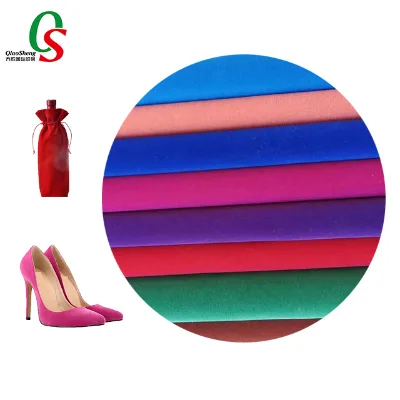
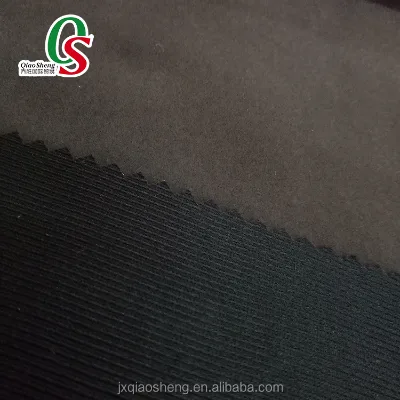
Jiaxing Qiaosheng Trading Co., Ltd.
- Trading Company
- Zhejiang, China
- Lead time25 days
- Avg. response≤ 1h
Main productsflocking fabric,suede,velvet,oxford,Tertaff
Main marketsDomestic Market(40.00%), Mid East(20.00%), Southeast Asia(15.00%), Africa(15.00%), Eastern Asia(5.00%), South Asia(5.00%)
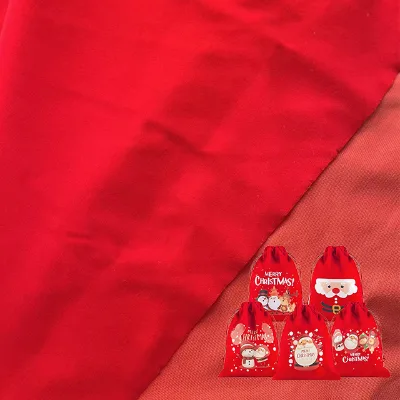
$0.90 - $1.20
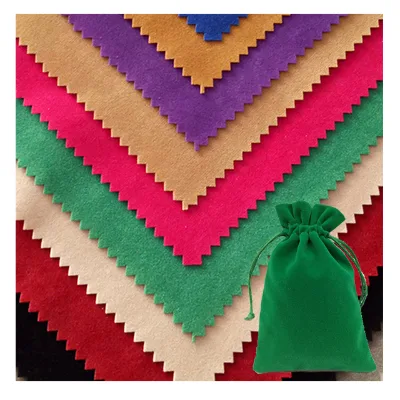
$0.90 - $0.92
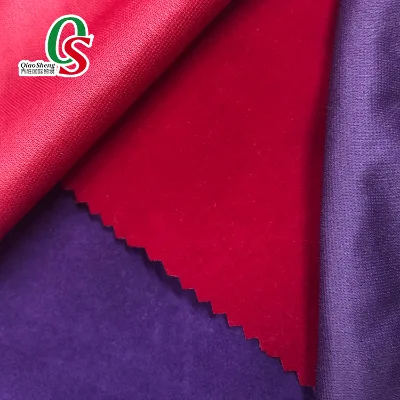
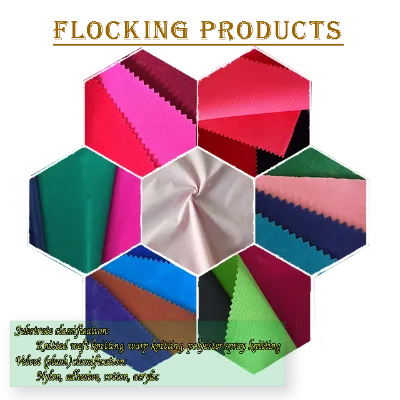
$0.85 - $1.10
Jiaxing Hongyi Textile Co., Ltd.
- Verified by TüVRheinland
- Trading Company
- Lead time0 days
- Avg. response≤ 8h
Main productsUpholstery Fabric, Flocking Fabric, Sofa Fabric, Oxford Fabric, Car Fabric
Main marketsSoutheast Asia(20%), South America(10%), Eastern Europe(10%)
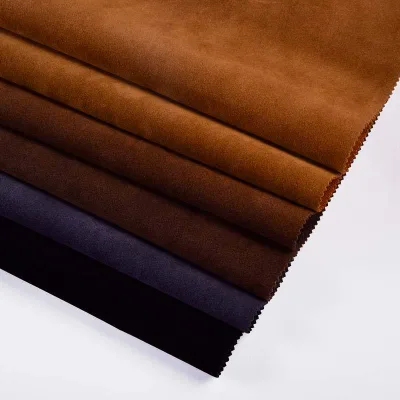
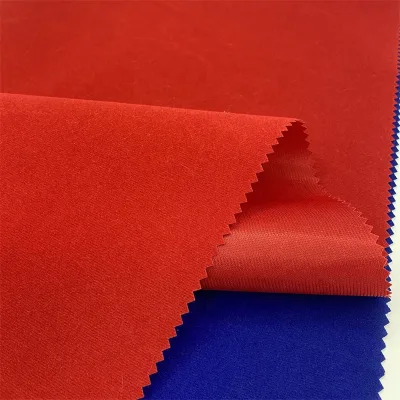
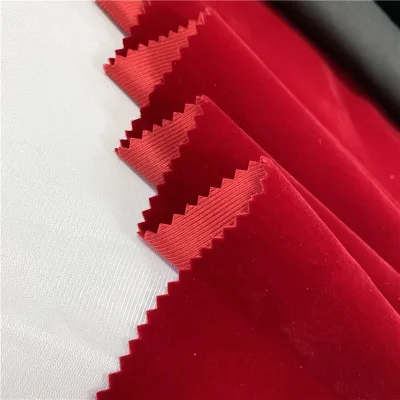
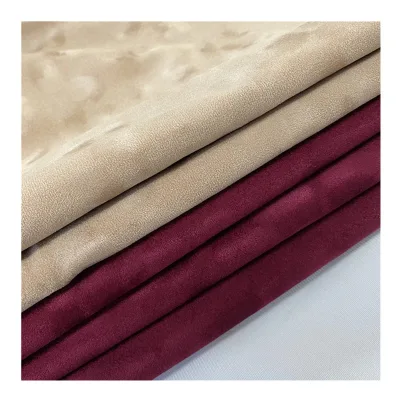
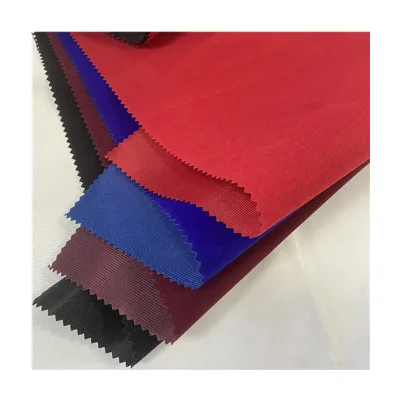
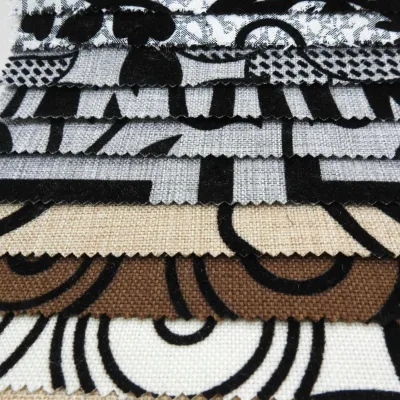
Wholesale Custom Printed Flocking Fabric Flock Furniture Fabric Flocked Linen Fabric
$1.1257 - $1.2277
MOQ: 1 meters

Shaoxing Yewang Textile Co., Ltd.
- Verified by SGS
- Trading Company
- China Zhejiang
- Lead time15 days
- Avg. response≤ 18h
Main productsRayon Print&Dye Fabric, Cotton Print&Dyed Fabric, Polyester Print and Dyed Fabric, Digital Printing Fabric, Nida Fabric and Abaya Fabric, Garment Fabric and Knitted Fabric, Linen Fabric and Hawaii Design Fabric, Velvet Fabric and Cey Fabric, Flano Fabric and Denim Fabric, Woven Fabric
Main marketsDomestic

Home Decor Flocked Fabric Flocking Fabric Custom 100 Polyester Flocking Linen Fabric
$0.90 - $1.00
MOQ: 1000 Meters

C1-C6 Home Textile Flock Upholstery Fabric Flock Linen Fabric Flocking Fabric
$1.13 - $1.33
MOQ: 1000 Meters

Customized Flocking Stretch Linen Sofa Fabric Flocked Linen Fabric Flock Fabric
$0.97 - $1.00
MOQ: 1000 Meters

Factory Flocking Velvet Flock Fabric 100 Polyester Flocking Linen Fabric for Sofa Upholstery
$1.05 - $1.15
MOQ: 1000 Meters

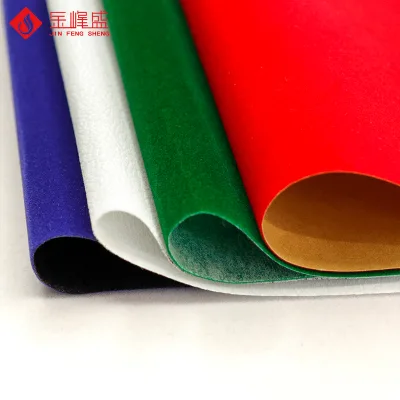
High Quality Cheap Sofa Fabrics Velvet Flocking Fabric Self Adhesive Print Flocking Fabric
$1.05 - $1.15
MOQ: 1000 Meters

Knitted Upholstery Flock Polyester Textile Geometric Flocking Fabric Flock Linen Fabric
$1.16 - $1.18
MOQ: 1000 Meters
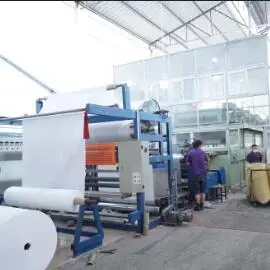
Shenzhen Jinfengsheng Flocking Products Co., Ltd.
- Manufacturer
- Guangdong, China
- Lead time10 days
- Avg. response≤ 4h
Main productsFlock Fabric,Sticky Flock,Satin,Suede,Velvet Fabric
Main marketsDomestic Market(43.00%), Southeast Asia(15.00%), South Asia(15.00%), Mid East(10.00%), Eastern Europe(5.00%), Eastern Asia(5.00%), North America(2.00%), South America(2.00%), Northern Europe(1.00%), Africa(1.00%), Southern Europe(1.00%)
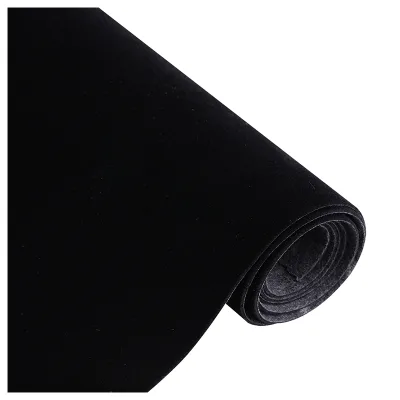
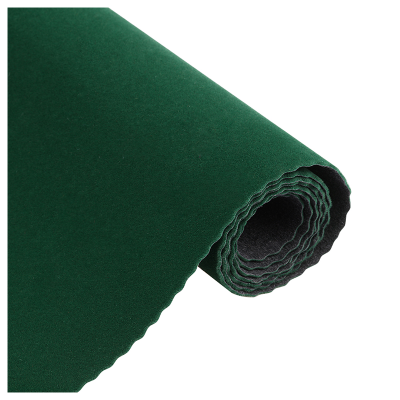
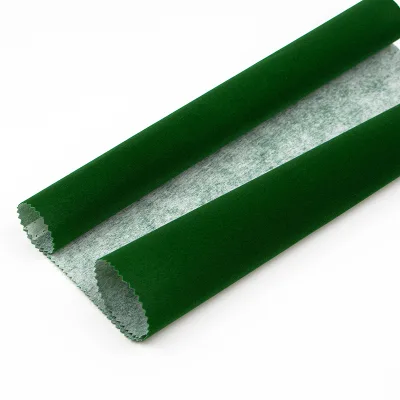
Green Flocking Velvet Viscose Cotton Fabric Flock Box Insert Flocking Fabrics
$0.8289 - $1.8648
MOQ: 500 Minimum
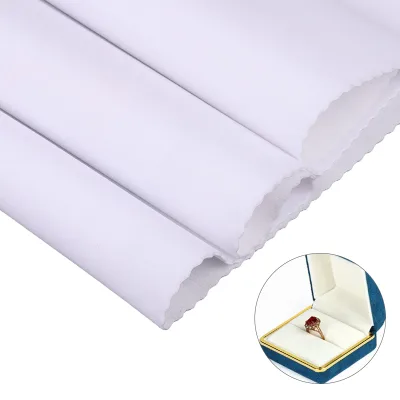
OEM White Velvet Flocked Paper Fabric Flock Material Flock Velvet Fabric
$1.6339 - $1.7059
MOQ: 50 yards
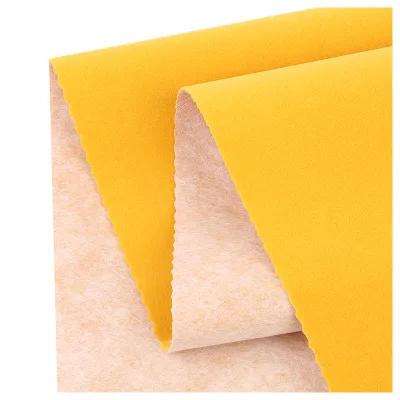
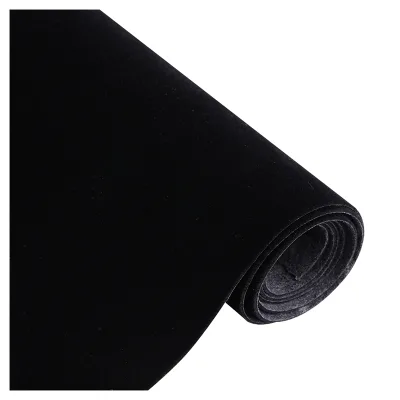
Cheap flocked fabrics non woven flocked velvet
$1.50 - $1.80

Haining Xinyi Import&Export Co., Ltd.
- Verified by TUVRHEINLAND
- Trading Company
- China Zhejiang
- Lead time30 days
- Avg. response≤ 6h
Main productsPolyester Fabric, Warp Knitted Fabric, Textile, Velvet Fabric, Tricot Fabric, Woven Jacquard Textile, PVC Leather, Upholstery Fabric, Home Textile, PU Leather
Main marketsSouth America,Africa,Southeast Asia/ Mideast,Australia,North America

- Trading Company
- China Fujian
- Lead time15 days
- Avg. response≤ 11h
Main productsTulle Fabric, Mesh Fabric, Lace Fabric, Knitted Fabric, Recycle Fabric
Main marketsSouth America,Others(foreignTradeCapacity.exportBusinessCapacityMarketOther),Southeast Asia/ Mideast,Europe,Australia,North America

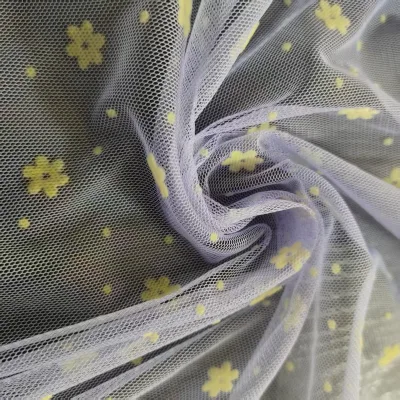
Customized Flocking Mesh Fabric 100% Nylon Mesh Fabric with Flower Flocking Fabric for Garment
$1.30 - $1.80
MOQ: 100 Meters


2cm Gold Glitter Black Flocking Micky Head Fabric Print on Colorful Tulle
$1.50 - $2.00
MOQ: 100 Meters

Guangzhou Dingshengli Textile Co., Ltd.
- Verified by Intertek
- Trading Company
- Lead time40 days
- Avg. response≤ 2h
Main productsPleated Printed Satin Fabric, Lurex Fabric Metallic, Cotton/Linen Fabric, 100% Pure Silk Fabric, Silk Sandwashed Fabric
Main marketsNorth America(40%), Mid East(30%), Eastern Europe(10%)
Shaoxing Dingqiao Textile Co., Ltd.
- Verified by SGS Group
- Manufacturer, Trading Company
- Lead time0 days
- Avg. response≤ 12h
Main productsSofa Fabric
Main marketsSouth America(35%), Africa(25%), Mid East(15%)
Huizhou Fensidi Industry Co., Ltd.
- Manufacturer, Trading Company
- Guangdong, China
- Lead time0 days
- Avg. response≤ 4h
Main productsflock fabric,velvet pouch
Main marketsDomestic Market(50.00%), Mid East(20.00%)
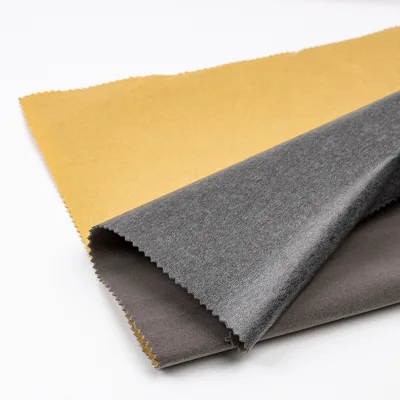
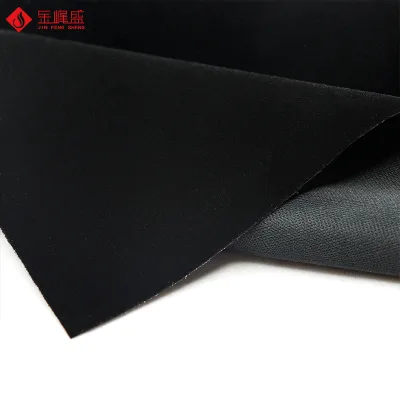
High Quality Non Woven Spunlace Velvet Flocking Fabric Self Adhesive Flock Velvet Fabric for Package
$1.26 - $1.57
MOQ: 1000 yards
Shaoxing Hengniu Textile Co., Ltd.
- Trading Company
- Zhejiang, China
- Lead time20 days
- Avg. response≤ 8h
Main productsFabric
Main marketsSoutheast Asia(50.00%), Western Europe(15.00%), South America(10.00%), Southern Europe(10.00%), Mid East(10.00%), Africa(5.00%), South Asia(0.00%), Eastern Asia(0.00%), North America(0.00%), Oceania(0.00%), Central America(0.00%), Northern Europe(0.00%), Eastern Europe(0.00%), Domestic Market(0.00%)
Shaoxing Luorance Import And Export Co., Ltd.
- Verified by TüVRheinland
- Trading Company
- Lead time23 days
- Avg. response≤ 5h
Main productsVelvet Fabric, Digital Printing Fabric, Polyester Fabric, Emboss Fabric, Sequin Fabric
Main marketsNorth America(40%), South Asia(30%), Western Europe(10%)
WENZHOU LONGYUAN INTERNATIONAL CO.,LTD
- Verified by TüVRheinland
- Manufacturer, Trading Company
- Lead time20 days
- Avg. response≤ 4h
Main productsShoes Leather, Microfiber, Bag Leather, Garment Leather, Shoes Accessories
Main marketsSouth Asia(22%), South America(20%), Southeast Asia(15%)
Jiuling (fujian) Textile Import And Export Co., Ltd
- Verified by TüVRheinland
- Trading Company
- Lead time30 days
- Avg. response≤ 5h
Main productsMesh
Main marketsNorth America(19%), Oceania(11%), Mid East(11%)
Guangzhou fulfill garment accessories ltd
- Verified by Intertek
- Trading Company
- Guangdong, China
- Lead time15 days
- Avg. response≤ 2h
Main productsApparel & Garments, Knitted & Woven Fabric, Lace Trim Fabric, Garment Packaging Kit, Embroidered Patch
Main marketsMid East(46%), North America(20%), Africa(9%)
Hangzhou Haoyeah Textile Co., Ltd.
- Manufacturer, Trading Company
- Zhejiang, China
- Lead time25 days
- Avg. response≤ 2h
Main productscurtain fabric,sofa fabric,ready made curtain,table cloth,cushion
Main marketsMid East(30.00%), Africa(20.00%), North America(20.00%), South America(20.00%), Eastern Europe(10.00%)
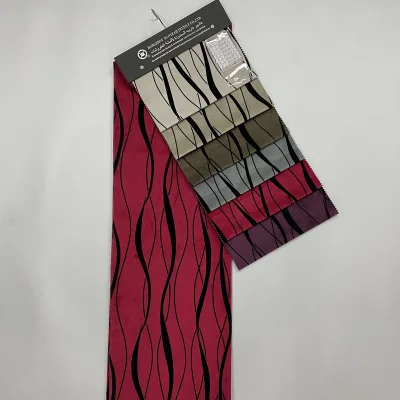
New Design Hot Selling 100% Polyester Flocking Curtain Fabric for Home Textile
$2.20 - $2.94
MOQ: 500 meters
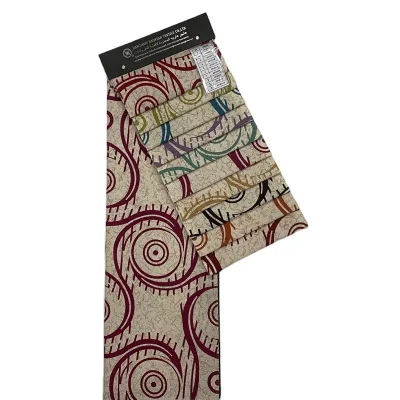
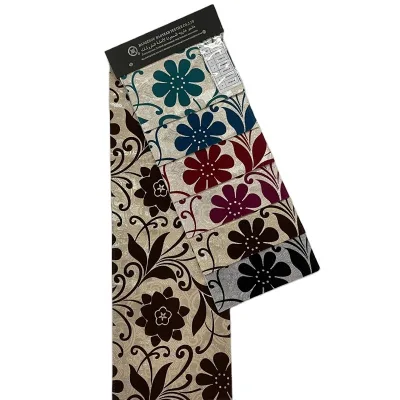
Chines Factory Supplier New Design Hot Selling 100% Polyester Flocked Curtain Fabric
$2.20 - $3.15
MOQ: 500
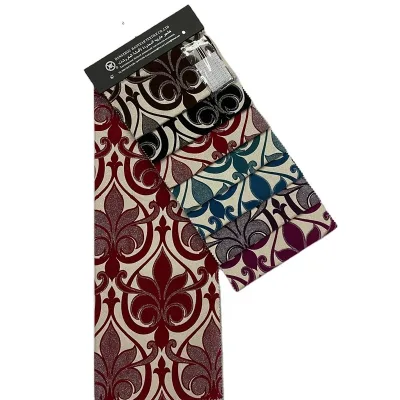
Flocked Fabric 100% Polyester Jacquard Spangle Sequin Fabric Home Textile
$1.26 - $2.62
MOQ: 600 meters
Shaoxing Fang's Imp & Exp Co., Ltd.
- Trading Company
- Zhejiang, China
- Lead time0 days
- Avg. response≤ 2h
Main productsjet black/formal black fabric,ladies fabric(100%polyester),abaya fabric,dyed fabric,printed fabric
Main marketsMid East(50.00%), South Asia(10.00%), North America(10.00%), Africa(10.00%), Southeast Asia(10.00%), Eastern Europe(10.00%)



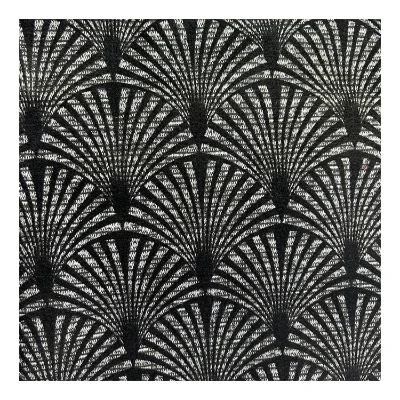
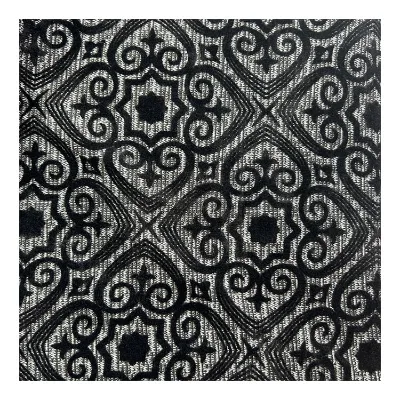
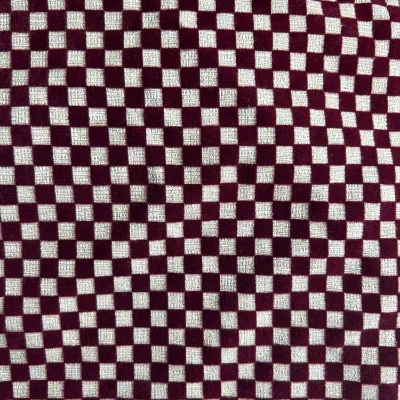
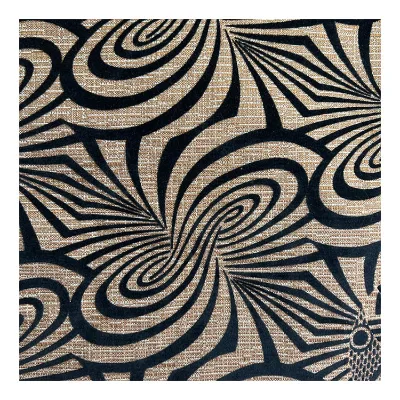



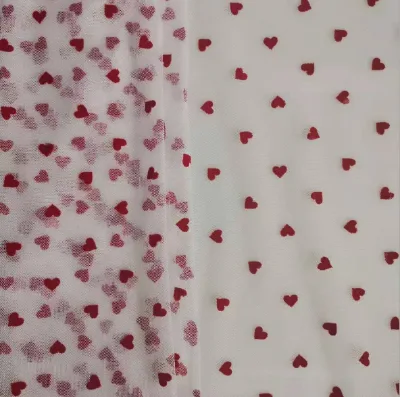
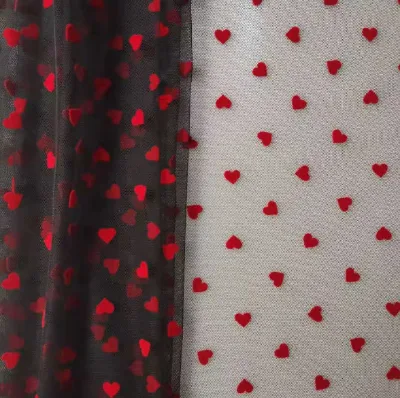
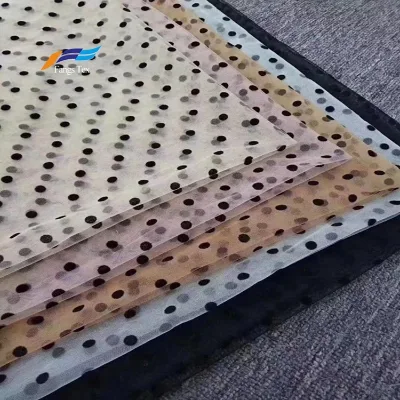
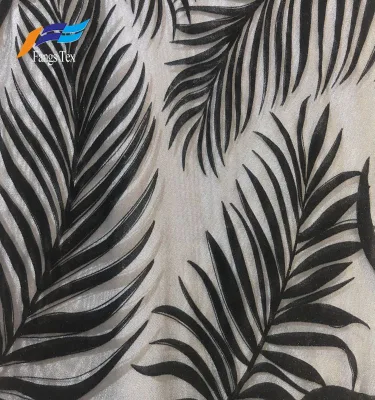
Comprehensive Sourcing Guide
150gsm Flocking Fabric Supplier Concentration and Factory Types
Suppliers listing 150gsm Flocking Fabric on major B2B platforms are heavily concentrated in China, and the supplied results point specifically to Zhejiang Province, with product origins in Haining identified in attribute data. This region has a documented presence in flocking, velvet, suede, sofa fabric and other pile-textile production, so buyers searching for this weight class should expect Zhejiang to dominate result pages. When a location fact is unavailable on a given listing, the buyer should identify clusters indirectly: check the origin field in product attributes, look at port-of-loading details on quotations, and ask whether the supplier's factory sits inside a recognized textile-producing prefecture rather than accepting a generic "China" answer. Cluster identity matters because it affects fabric mill availability, dyeing capacity and freight consolidation for rolls of flocking fabric.
The supplier mix in this category includes pure trading companies and combined trading-and-manufacturing operations. One supplied profile lists flock, suede, velvet and shoes fabric as main products under a trading company model, while another lists sofa, upholstery, flocked and knitting velvet fabrics with a trading company plus factory designation. This distinction changes how you should evaluate a listing: a factory-side supplier can discuss loom and flocking-line capacity directly, while a trading company may source across several mills, which broadens fabric choice but adds a layer between you and production. Ask each candidate to state which role it plays and whether the actual flocking line is theirs.
How to Verify 150gsm Flocking Fabric Suppliers
Verification for this category should start with platform-level badges and third-party audits. In the supplied results, one supplier holds a BV (Bureau Veritas) verification flag and another carries an ISO 9001 system certification. These are meaningful starting points but they answer different questions: a BV verification generally confirms the legal entity exists as described, while ISO 9001 speaks to documented quality management. Neither certifies that the 150gsm Flocking Fabric itself meets a fiber-content or abrasion standard, so buyers should still request product-level evidence. Ask for the production standard printed on the fabric specification sheet, and cross-check the declared composition, such as 100% polyester, against actual test reports you commission independently.
Beyond documents, verify capability through the product data itself. Supplied listings include detailed attribute records — knitted technics, short fiber type, plain style, roll packing of 25-30 meters per roll, and model codes like ZY-series numbers or sofa fabric model Y030 — which suggest the supplier maintains structured product records rather than placeholder listings. Request swatches cut from current stock at the declared weight, weigh them yourself on a gsm balance, and confirm the flocked surface survives the rubbing and adhesion tests relevant to your application, whether garment lining, bag interior, shoe upper or upholstery. Finally, verify responsiveness before commitment: supplied profiles show response times ranging from about 1.3 hours to over 3.5 hours, and slow pre-sale replies usually worsen after deposit payment. Video-call the workshop or third-party inspect before mass production.
What to Compare Across 150gsm Flocking Fabric Suppliers
Build a comparison sheet around the attributes actually displayed on supplier profiles and listings. Supplied data shows several usable dimensions: lead time (one supplier around 23 days, another around 75 days — a large gap that likely reflects product complexity, upholstery lines versus lighter flocking, or order queuing), MOQ (1000 meters per color on polyester flocking listings versus 3000 meters on a rayon-nylon flocked garment fabric), indicative unit prices ranging from roughly $0.50–$1.00 per meter on warp-knitted polyester flocking up to $4.00–$5.00 on nylon flocked sofa fabric, and response speed. Do not assume every supplier displays all of these; some listings omit price or MOQ entirely, and one supplied product record carries no price at all.
Compare the product families behind each profile as well. One supplier's main products cluster around garment, bag and shoe applications of flocking fabric; the other centers on sofa, upholstery, blackout curtain and water-repellent fabrics with OEM/ODM capability declared. That application focus should guide your shortlist: a shoe-and-garment flocking specialist will handle 150gsm apparel-weight fabric differently from an upholstery house whose flocked sofa fabric runs heavier and is priced accordingly. Also compare customization signals — supplied attribute records state customization is available, colors made according to customer requirements, and packing conventions such as roll packing — because your color matching, roll length and labeling needs will determine how much of each supplier's standard offer actually fits.
Common 150gsm Flocking Fabric Sourcing Risks
The most frequent risk in this category is weight and pile inconsistency between approved swatches and mass production. Flocking fabric at 150gsm sits in a mid-weight band, and mills can drift several grams in either direction across a dye lot, which affects hand feel, drape and, for apparel, cutting efficiency. A second risk is flock adhesion: supplied attributes on some listings note "low strength" as a physical feature of the short-fiber flock, so buyers should test dry and wet rubbing, and for bag or shoe applications where the flocked surface faces abrasion, insist on adhesion benchmarks before approving bulk. Flock shedding inside a finished garment lining or jewelry box lining generates customer complaints that no discount recovers.
Composition misdeclaration is another recurring problem. Supplied listings show polyester, nylon and rayon blends described in various products, and one garment listing titled rayon actually carries nylon in its material attributes — a discrepancy worth flagging as the type of error you should catch with your own fiber tests. Additional risks include color variation across the 25-30 meter roll packing format, since flock orientation can shift shade under light; moisture and compression damage in polybag-plus-carton or woven-bag packing on long sea freight; and scope creep on lead time, given the wide 23-to-75-day range visible in supplied profiles. Mitigate all of these with a written specification sheet — weight tolerance, base fabric, flock fiber, adhesion method, roll length, carton markings — signed before deposit.
150gsm Flocking Fabric Regional Sourcing and Logistics
For logistics planning, the supplied evidence anchors this category in Zhejiang Province, China, with Haining named as a product origin in attribute data for flocked upholstery fabrics. Zhejiang sits within the Yangtze River Delta logistics corridor, giving access to major container ports, which typically translates into workable consolidated shipping for roll-packed fabric and mature forwarder ecosystems familiar with textile export documentation. When a specific listing does not disclose its origin, ask directly for the mill location and the departure port; the difference between shipping from a Zhejiang textile hub and an inland location changes inland trucking cost, customs routing and total transit time, and suppliers should be able to answer precisely.
On freight format, supplied product records show roll packing as the norm — 25-30 meters per roll on the lighter polyester flocking products, 40 meters per roll on flocked sofa fabric, and 45 meters on a sprayed single flocked upholstery item, packed variously in polybag plus carton, polybag plus woven bag, or woven bag alone. Roll length affects your cutting room yield and your container utilization, so state your preferred roll length and packing configuration in the purchase contract. For destination planning, confirm whether the supplier quotes FOB, CIF or delivered terms, request fabric weight and roll counts per carton for volume calculation, and remember that a 75-day lead-time profile may also imply slower replenishment cycles; plan seasonal programs with buffer stock accordingly.
150gsm Flocking Fabric Commercial Terms and Order Planning
Commercial terms in this category vary widely, so anchor negotiations in the displayed data points. Supplied listings show indicative price bands from about $0.50–$1.00 per meter for warp-knitted polyester flocking fabric intended for bags, $0.90–$1.60 for footwear-design polyester flocking, $1.00–$1.50 for custom clothing flocking, up to $2.50–$3.00 for garment flocked fabric at 3000-meter MOQ and $4.00–$5.00 for nylon flocked sofa fabric. Treat these as orientation only; prices are typically negotiable with volume, color count and specification changes, and some listings display no price at all, requiring direct quotation. Match the MOQ structure — 1000 meters per color on several supplied polyester listings — to your color plan, because multi-color programs multiply the minimum commitment.
Order planning should reconcile lead time with product complexity. Supplied supplier-level lead times of roughly 23 days versus 75 days bracket the realistic range, and individual product records quote 25-30 day delivery on the polyester flocking line, so build your calendar from the specific product's quoted timeline, not a category average. Structure payment to protect you: stage payments against inspection milestones rather than paying the balance before pre-shipment checks of weight, color and adhesion. Confirm customization scope in writing — supplied attribute data states customization is available and colors per customer requirements — including lab-dip approval, roll-length preference, and whether escrow or platform-protected payment is offered on your chosen marketplace, since protection mechanisms differ by supplier and channel and should be verified per transaction.
FAQs
What is the price range for flocking fabric?
Current listings show prices ranging from $0.50 to $5.00 per unit depending on material and application. Polyester options start around $0.50, while nylon upholstery fabrics cost between $2.50 and $5.00. Buyers should verify specific quotes for their required quantity and customization needs.
What is the minimum order quantity for these fabrics?
Minimum order quantities vary by product type. Polyester flocking fabric typically requires 1000 meters per color. Nylon upholstery and sofa fabrics often have higher thresholds, such as 3000 meters. Always confirm the exact MOQ with the supplier before placing an order.
How long does delivery take for these orders?
Lead times differ significantly between suppliers. Some polyester fabric suppliers offer delivery within 23 to 30 days. Others, particularly those handling complex upholstery or nylon fabrics, may require up to 75 days for production and shipping. Check specific timelines with your chosen vendor.
Are these fabrics customizable for specific applications?
Yes, customization is available for most listed products. Buyers can request specific colors, patterns, and functional features like heat insulation or water resistance. Materials include polyester, nylon, and rayon. Confirm customization options and any associated costs directly with the manufacturer or trading company.
What certifications do these suppliers hold?
Some suppliers hold BV verification and ISO 9001 system certification. These credentials indicate adherence to quality management standards. Buyers should request current certification documents to verify compliance with their specific industry requirements and ensure the supplier meets international quality benchmarks.
Where are these flocking fabrics manufactured?
Manufacturing locations include Zhejiang, China, and Haining, China. These regions are known for textile production. Buyers should verify the exact origin of their specific order to understand logistics, tariffs, and supply chain reliability. Origin details are usually listed in product specifications.