3D Embroidered PVC Cloth Patches Suppliers and Manufacturers
Explore 27 verified suppliers offering 3D Embroidered PVC Cloth Patches with options for custom sizes, materials like polyester and PVC, and styles including sew-on or iron-on. Compare response times, lead times, and certifications to select the right partner for your garment accessories needs.
Updated
Suppliers List

Dongguan FengSuer Textile Co., Ltd
- Verified by TUVRHEINLAND
- Trading Company
- China Guangdong
- Lead time23 days
- Avg. response≤ 4h
Main productsWoven Patches, Woven Labels, Embroidery Patch, Keychians, Hantags, Printing Labels, Printing Patches, Woven Tape, Ribbon
Main marketsEurope

Custom Garment Accessories 3D Embroidered Patch Embroidery Patches for Clothing
$0.01 - $1.00
MOQ: 50 Pieces


Guangzhou Kaki Crafts Co., Ltd.
- Verified by TüVRheinland
- Manufacturer, Trading Company
- Lead time15 days
- Avg. response≤ 3h
Main productsPVC Patch, TPU Patch Label, Silicone Printing Patch, Silicone Heat Transfer Label, Leather Patch
Main marketsNorth America(40%), South America(10%), Oceania(10%)

LIZHUO INTERNATIONAL CO., LTD.
- Verified by SGS
- Trading Company
- China Guangdong
- Lead time23 days
- Avg. response≤ 3h
Main productsEmbroidery Patch, Woven Label, Embroidery Lace, Hangtag, Printing Label, School Bag, Embroidery Fabric, String
Main marketsEast Asia(Japan/ South Korea)

Embroidery Fabric Custom Patches Design 3D Embroidered Patch for Garment Accessories
$0.05 - $0.75
MOQ: 100 Pieces


Wholesale Custom Embroidered Logo Applications Badges 3D Embroidery Patches
$0.02 - $0.85
MOQ: 100 Pieces


$0.05 - $0.75
MOQ: 100 Pieces
Yiwu Bingqiang Trading Co., Ltd.
- Verified by SGS Group
- Manufacturer, Trading Company
- Lead time15 days
- Avg. response≤ 4h
Main productssewing needle, , safety pin, , scissor, awl, crochet hook, Tailor's chalk
Main marketsDomestic Market(40%), North America(30%), Eastern Europe(10%)
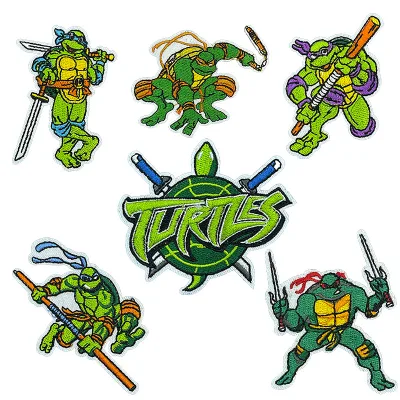
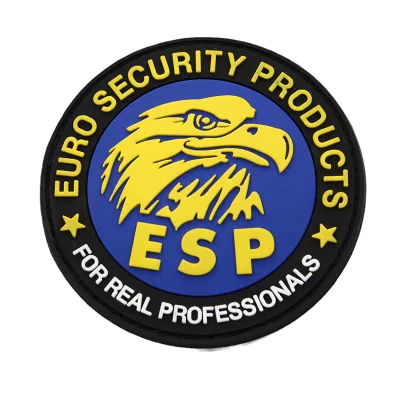
$0.1136 - $0.1874
MOQ: 100 pieces
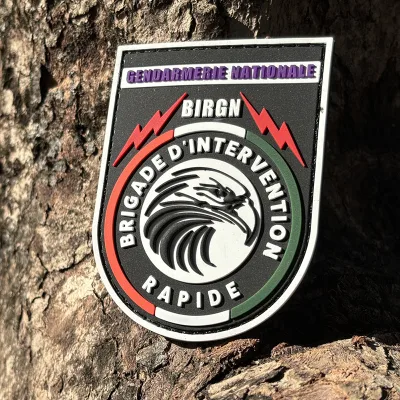

Zhongshan Yingying Textile Co., Ltd.
- Verified by SGS
- Manufacturer
- China Guangdong
- Lead time15 days
- Avg. response≤ 2h
Main productsPatch, Keychain, Sequin Patch, Towel Embroidery Patch, Embroidery Patch, Embroidery Keychain, Woven Label Patch, Woven Patch, Woven Keychain, Lanyard

- Verified by TUVRHEINLAND
- Combined
- China Jiangsu
- Lead time15 days
- Avg. response≤ 4h
Main productsMetal Crafts, Embroidery Crafts, PVC Crafts, Acrylic Crafts, Key Chains, Promotional Gifts, Canvas Bag/Shopping Bag/Drawstring Bag, Baseball Cap/Bucket Hat/Other Caps, Ceramic Mug/PVC Mug/Stainless Steel Cup, Gift Boxes
Main marketsNorth America


China Manufacturer Personalized Custom 3D Rubber Patch Logo Clothing PVC Patches
$0.15 - $0.80
MOQ: 50 Pieces


Patch Manufacturer Personalized Logo Patch Cheap Custom Patches Custom 3D Soft PVC Patch
$0.40 - $0.70
MOQ: 100 Pieces


XIAMEN POPTRIMS TEXTILE CO.,LTD.
- Verified by BV
- Trading Company
- China Fujian
- Lead time15 days
- Avg. response≤ 8h
Main productsElastic Webbing, Elastic Suspender, Custom Lanyard, Garment Label, Rubber Patch, Shoelace, Strings & Drawcords, Fancy Satin Grosgrain Ribbon, Jacquard Ribbon, Custom Print Ribbon
Main marketsSouth America,Africa,Southeast Asia/ Mideast,East Asia(Japan/ South Korea),Europe,Australia,North America

Custom Fabric Embroidered Patch Badges Embroidery Patches Clothing Woven Patch
$0.08 - $0.12
MOQ: 500 Pieces


Dongguan Jiabu Garment Co., Ltd.
- Manufacturer
- Guangdong, China
- Lead time7 days
- Avg. response≤ 1h
Main productsWoven label, Hang Tag, Printing label
Main marketsNorth America(50.00%), South America(10.00%), Oceania(8.00%), Southern Europe(8.00%), Mid East(8.00%), Southeast Asia(6.00%), Western Europe(5.00%), Northern Europe(5.00%)
Shanghai Rui Mao Textile Co., Ltd.
- Trading Company
- Shanghai, China
- Lead time0 days
- Avg. response≤ 4h
Main productscotton dust bag,cotton tote bag,poly mailer bag,enamel pin,poly carry bag
Main marketsNorth America(50.00%), Central America(10.00%), Western Europe(10.00%), Eastern Europe(10.00%), South America(10.00%), Southern Europe(5.00%), Northern Europe(5.00%)
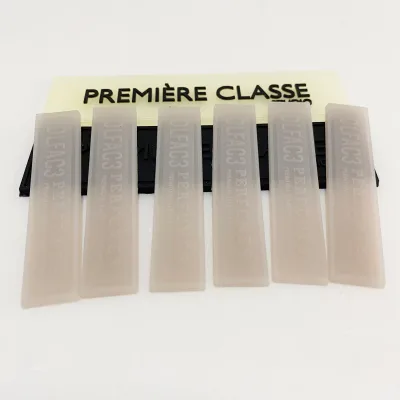
Cloth Custom Woven Patch/Embroidery 3D Pvc Patch Silicon Patch for Clothing
$0.1028 - $0.6176
MOQ: 50 pieces
$0.12 - $0.60
MOQ: 50 pieces
Guangxi Chengyu Computer Embroidery Co., Ltd.
- Manufacturer, Trading Company
- Guangxi, China
- Lead time7 days
- Avg. response≤ 3h
Main productsembroidery patch,embroidered keychain,chenille patch,woven patch,Clothing Label
Main marketsNorth America(50.00%), Domestic Market(10.00%), Western Europe(10.00%), Oceania(10.00%), Eastern Europe(6.00%), Central America(2.00%), Southern Europe(2.00%), Northern Europe(2.00%), Mid East(2.00%), South America(2.00%), Southeast Asia(1.00%), South Asia(1.00%), Africa(1.00%), Eastern Asia(1.00%)
Cloth Custom Woven Patch/Embroidery 3D Pvc Patch Silicon Patch for Clothing
$0.3568 - $0.4197
MOQ: 100 pieces
Custom 3d Effect Soft Rubber Logo Pvc Patches Badges
$0.4032 - $0.7735

Wenzhou Guda Technology Co., Ltd.
- Verified by BV
- Combined
- China Zhejiang
- Lead time30 days
- Avg. response≤ 4h
Main marketsEurope


Manufacturer Customized Logo Waterproof Durability 3D Embroidery Patches
$0.46 - $0.65
MOQ: 1000 Pieces
Dongguan Jia Dian Clothing Accessories Co., Ltd.
- Manufacturer, Trading Company
- Guangdong, China
- Lead time7 days
- Avg. response≤ 2h
Main productsSilicone patch,Luggage hanging decorations,silicone bracelet,Craft gift decorations,TPU patch
Main marketsEastern Europe(15.00%), Mid East(10.00%), Africa(10.00%), Southeast Asia(10.00%), North America(10.00%), South America(10.00%), Domestic Market(5.00%), South Asia(5.00%), Southern Europe(5.00%), Northern Europe(5.00%), Central America(5.00%), Western Europe(5.00%), Eastern Asia(5.00%), Oceania(5.00%)
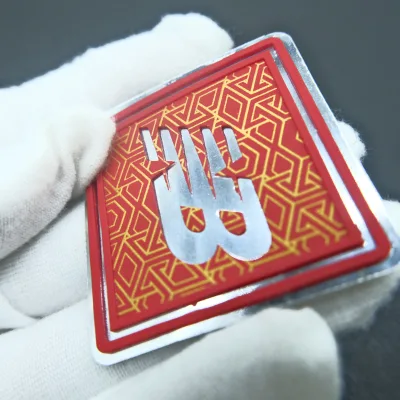
Cloth Custom Woven Patch/Embroidery 3D Pvc Patch Silicon Patch for Clothing
$0.10 - $0.40
MOQ: 100 pieces
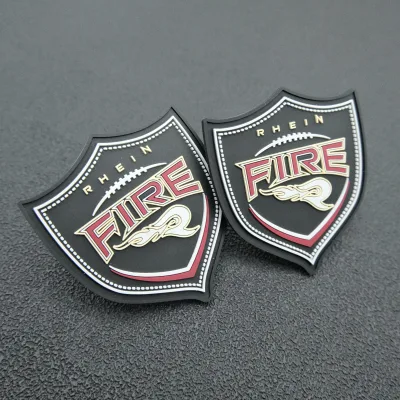
$0.37 - $0.40
Dongguan Jian Plastic & Metal Products Ltd.
- Verified by Intertek
- Manufacturer, Trading Company
- Lead time20 days
- Avg. response≤ 4h
Main productsLapel Pin, Metal Coin, Medal, Keychain, Cufflink
Main marketsNorth America(37%), Domestic Market(25%), Western Europe(8%)
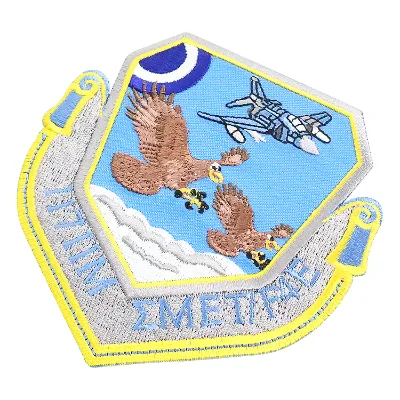
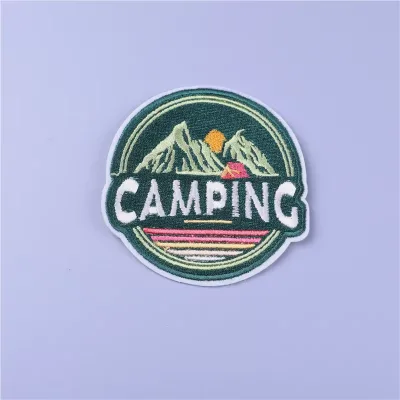
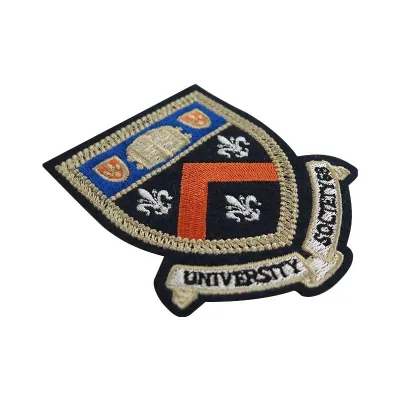
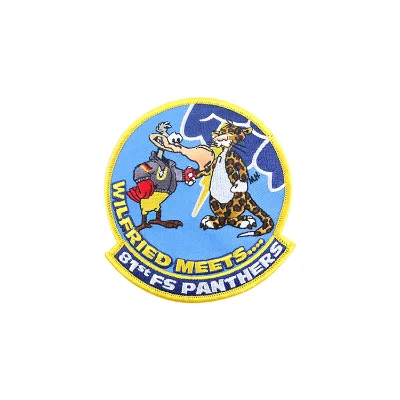
Customized 3D Embroidered Badge Heat Transfer Iron Custom Logo Embroidery Patch for Clothes
$0.8274
MOQ: 100 Minimum


Zhongshan Lucky Art & Crafts Gifts Co., Ltd.
- Verified by BV
- Combined
- China Guangdong
- Lead time15 days
- Avg. response≤ 3h
Main productsCustom Medal, Key Chain, Custom Coin, Custom Lapel Pin, Custom Lanyard, Custom Badge, Custom Patch, Custom Air Fresheners, Custom Silicone Bracelets, Custom Cufflinks
Main marketsEast Asia(Japan/ South Korea),Europe,North America


Wholesale Custom Clothing Woven Fabric Badge Printed Embroidery Patch Logo
$0.49 - $0.79
MOQ: 50 Pieces

Shenzhen Awells Gift Co., Ltd.
- Verified by SGS
- Combined
- China Guangdong
- Lead time15 days
- Avg. response≤ 1h
Main productsEmbroidery Patch, PVC Patch, Woven Patch, Chenille Patch, Embroidery Keychain, Woven Keychain, PVC Keychain, Lanyard, Lapel Pin, Cap
Main marketsSoutheast Asia/ Mideast,Europe,Australia,North America


Customized Embroidery Patch Embroidery 3D Silicone Logo PVC Rubber Patch for Clothing/Bag
$0.15 - $0.72
MOQ: 50 Pieces
Ele-Badge Gifts (zhongshan) Co., Limited
- Manufacturer, Trading Company
- Lead time旺季: "1 - 1000":7,"> 1000":"To be negotiated", 淡季: "1 - 1000":7,"> 1000":"To be negotiated"
- Avg. response≤ 2h
Main productsPVC Patch, Embroidery Patch, Chenille Patch, Embroidery Keychain, PVC Keychain

Zhongshan Xinyuan Silicone Rubber Co., Ltd.
- Verified by TUVRHEINLAND
- Combined
- China Guangdong
- Lead time15 days
- Avg. response≤ 2h
Main productsEmbroidery Patch, PVC Keychain, Pin Badge, Medal, Lanyard, Challenge Coin, Paper Air Freshener, Coffee Maker, Luggage Tag, Coffee Maker/Grinder
Main marketsSouth America,Southeast Asia/ Mideast,Domestic,Europe,North America


Customised PVC Patches 3D Rubber Stickers Personalised Clothing Logo Plastic Sticker Patch
$0.50 - $1.00
MOQ: 50 Pieces


Zhongshan Echo Crafts Co., Ltd.
- Verified by SGS Group
- Manufacturer, Trading Company
- Lead time10 days
- Avg. response≤ 2h
Main productsCoin/Badge/Medal/Keychain/Enamel Pin
Main marketsNorth America(50%), South America(10%), Eastern Europe(10%)
REUNERS ENTERPRISES (HONG KONG) LIMITED
- Verified by SGS Group
- Manufacturer, Trading Company
- Lead time5 days
- Avg. response≤ 2h
Main productsWoven Label, Woven Patches, Embroidery Patches, Hang Tags, Plastic Seal Tags
Main marketsDomestic Market(50%), North America(23%), Eastern Europe(10%)
Dongguan Lin Wang Garment Accessory Co., Ltd.
- Manufacturer, Trading Company
- Lead time旺季: "1 - 1000":8,"1001 - 5000":12,"> 5000":"To be negotiated", 淡季: "1 - 1000":8,"1001 - 5000":12,"> 5000":"To be negotiated"
- Avg. response≤ 2h
Main productsPVC Rubber Patches, Embroidery Patch, Silicone Heat Transfer, Garment Label, Keychains
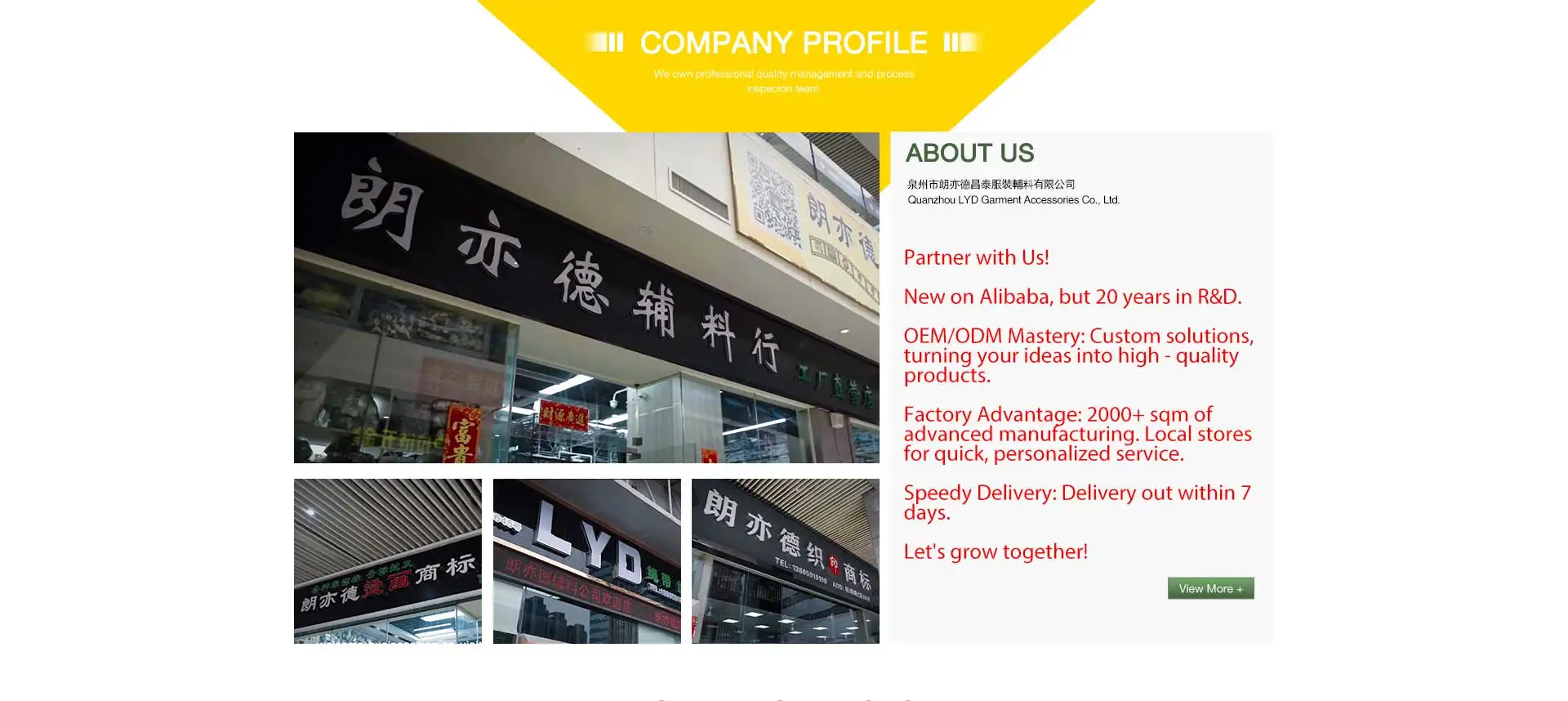
Quanzhou Langyide Changtai Clothing Accessories Co., Ltd.
- Manufacturer, Trading Company
- Fujian, China
- Lead time0 days
- Avg. response≤ 3h
Main productsWoven labels,Lanyard,Embroidery,Drop Plastic,Leather Label
Main marketsSoutheast Asia(50.00%), Domestic Market(40.00%), Africa(10.00%), Mid East(10.00%)
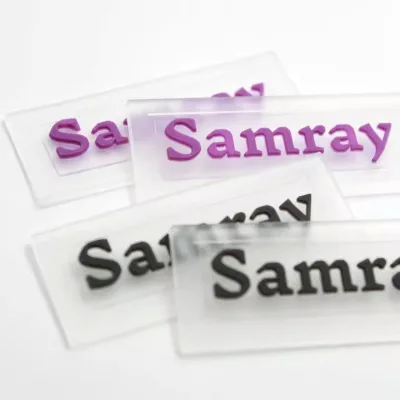
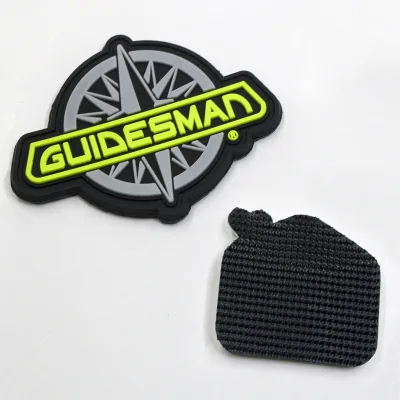
Embroidered Printed PVC Patches for Clothing Rubber Patch Logo Badges in Flower and Heart Shape
$0.1034 - $0.3418
MOQ: 50 pieces
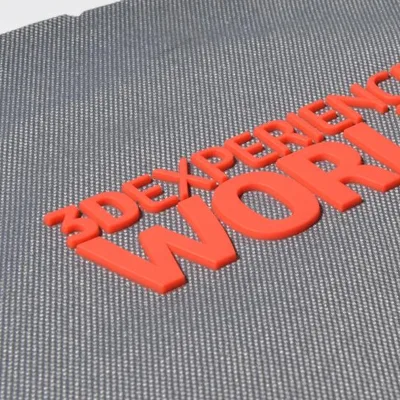
OEM Custom Logo 3D Embossed Soft PVC Patches 3D Rubber Patch for Hats Customizable Logo
$0.1034 - $0.3418
MOQ: 50 pieces
Dongguan Saiming Garment Accessories Co., Ltd.
- Verified by TüVRheinland
- Manufacturer, Trading Company
- Lead time7 days
- Avg. response≤ 2h
Main productsWoven Label, Woven Patch, Care Label, Printing Label, Embroidery Patch
Main marketsNorth America(10%), South America(10%), Eastern Europe(10%)
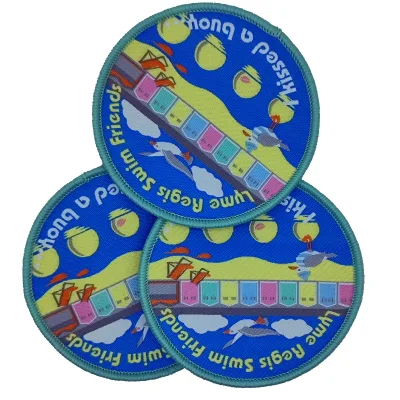
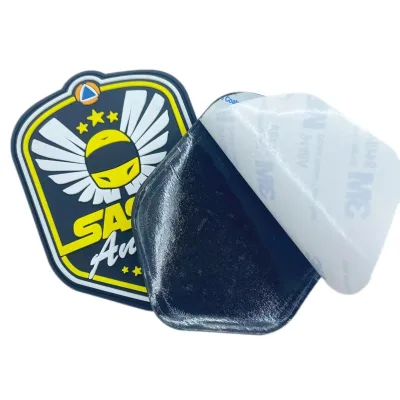
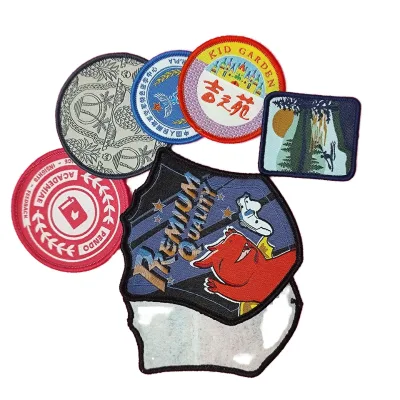
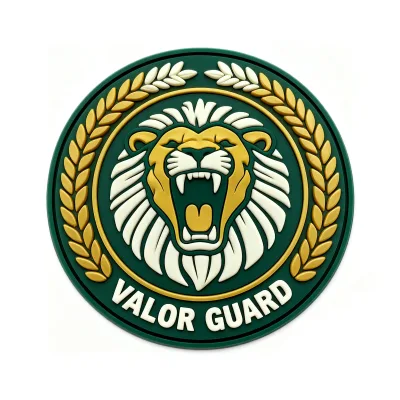
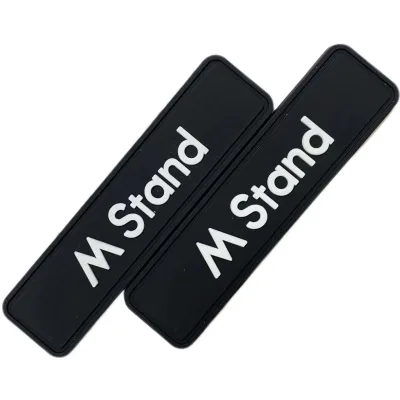
Wholesale Custom Logo PVC Patches Rectangle Sew-On PVC Patches for Clothing
$0.40 - $1.00
MOQ: 100 pieces
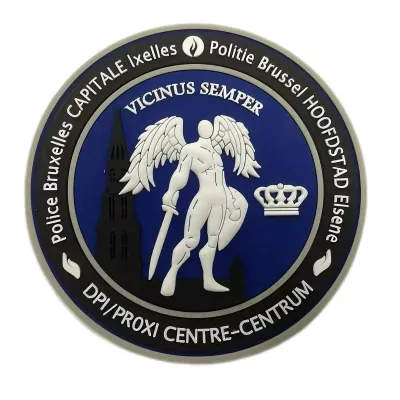
Wholesale Custom PVC Patches 3D Sew-On Style Badge For Clothes Minimum order quantity
$0.4167 - $1.0388
MOQ: 50 pieces

Zhongshan Jinge Trading Co., Ltd.
- Trading Company
- Gunagdong, China
- Lead time8 days
- Avg. response≤ 1h
Main productsBaseball Caps/Trucker Hats/Sports Caps Hats/Custom Patches Tags /Clothing
Main marketsNorth America(59.00%), Western Europe(29.00%), Eastern Europe(2.00%), South Asia(1.00%), Southern Europe(1.00%), Northern Europe(1.00%), Central America(1.00%), South America(1.00%), Eastern Asia(1.00%), Mid East(1.00%), Oceania(1.00%), Africa(1.00%), Southeast Asia(1.00%)
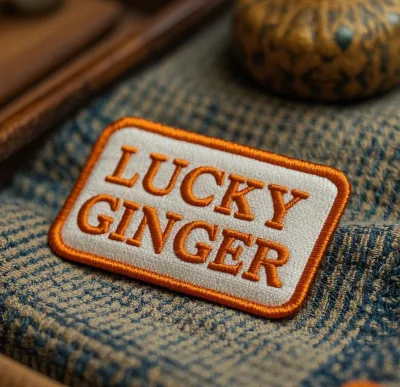
Personalized Style Custom Logo 3d Rubber Embroidery Pvc Patch for Clothing Embossed Rubber Patch
$0.3957 - $0.9159
MOQ: 100 pieces
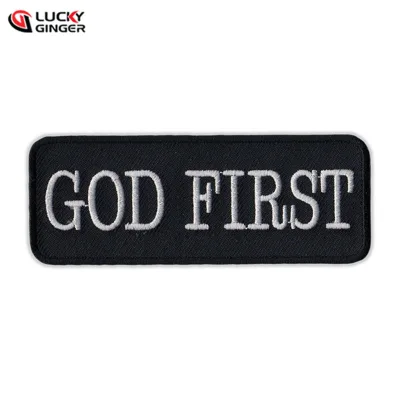
Embroidery Slogan Patch God First Patch
$0.80 - $1.00

Dongguan Unique Pins & Gifts Co., Ltd.
- Verified by TUVRHEINLAND
- Trading Company,Manufacturer/Factory
- China Guangdong
- Lead time15 days
- Avg. response≤ 10h
Main productsBadge/Lapel Pins, Challenge Coin, Medal, Trophy, Cuff Link, Tie Clip, Belt Buckle, Keychain, Golf Accessories, Wristband
Main marketsSouth America,Eastern Europe,Mid East,North America,Southeast Asia,Eastern Asia,Oceania,Western Europe,Africa


Hot Sale Custom Personalized Self Adhesive Embroidery Patch for Clothing
$0.26 - $0.42
MOQ: 100 Pieces
Zhongshan Yueyou Craft Co., Ltd.
- Verified by SGS Group
- Manufacturer, Trading Company
- Lead time10 days
- Avg. response≤ 4h
Main productsPVC Products, Lanyard, Badge, Challenge Coin, Medal
Main marketsNorth America(35%), Western Europe(20%), Northern Europe(15%)
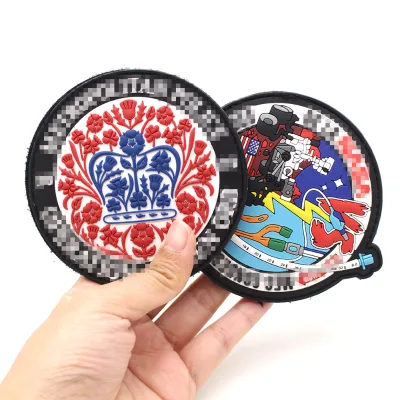
Good Quality Custom 3D Pvc Rubber Label Patch Silicone Patch for Clothing Soft Pvc Patches
$0.19 - $0.63
MOQ: 100 pieces
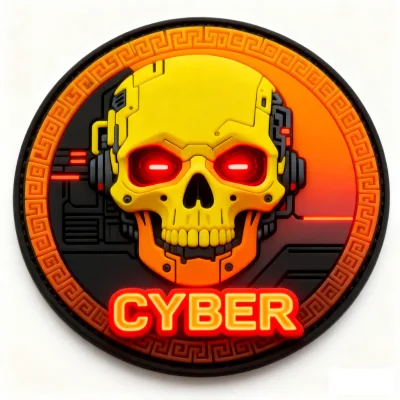
$0.1994 - $0.6596
MOQ: 100 pieces
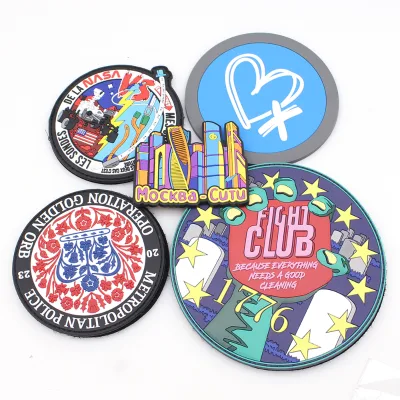
Pvc Rubber Patch Attractive Environmental NO MOQ with Factory Price Custom logo
$0.19 - $0.63
MOQ: 100
Haiyan Lesheng Embroidery Co., Ltd.
- Manufacturer, Trading Company
- Zhejiang, China
- Lead time10 days
- Avg. response≤ 5h
Main productsEmbroidery Patches,Woven label,PVC Patches,Leather Patches,Digital Patches
Main marketsNorth America(40.00%), Domestic Market(15.00%), Western Europe(10.00%), Eastern Europe(10.00%), Southern Europe(5.00%), Oceania(5.00%), Northern Europe(5.00%), Eastern Asia(5.00%), South America(5.00%)
Dongguan Hui Sui Jewelry Co., Ltd.
- Trading Company
- Guangdong, China
- Lead time15 days
- Avg. response≤ 2h
Main productscustom patches,enamel pins,key chain,gift sets,Lanyard
Main marketsNorth America(60.00%), Western Europe(30.00%), Oceania(2.00%), South America(1.00%), Northern Europe(1.00%), Mid East(1.00%), Eastern Europe(1.00%), Central America(1.00%), Southeast Asia(1.00%), South Asia(0.50%), Southern Europe(0.50%), Eastern Asia(0.50%), Africa(0.50%)


Comprehensive Sourcing Guide
3D Embroidered PVC Cloth Patches Supplier Concentration and Factory Types
The current supplier landscape for 3D Embroidered PVC Cloth Patches reveals a distinct concentration of manufacturing and trading entities within specific industrial regions. Evidence indicates that a significant portion of these suppliers is located in China, with Guangdong province emerging as a primary hub for this specialized production. This geographic clustering is not accidental but reflects the mature supply chain infrastructure required for combining embroidery techniques with PVC molding processes. Buyers evaluating suppliers should recognize that Guangdong-based facilities often possess the dual capabilities needed for this hybrid product, allowing for seamless integration of fabric-based embroidery and rubberized PVC elements. The presence of both manufacturers and trading companies in this region offers buyers a spectrum of engagement models, from direct factory sourcing to managed procurement services.
Company types vary significantly among the verified suppliers, influencing the nature of the buyer-supplier relationship. Some entities operate strictly as trading companies, leveraging their logistical networks and market access to facilitate orders without directly controlling the production floor. Others identify as manufacturers, often accompanied by trading divisions, which allows them to offer customized production capabilities alongside standard inventory options. This distinction is critical for buyers seeking specific technical attributes, such as 3D embroidery effects or soft PVC textures. Suppliers listing main products like woven patches, embroidery patches, and PVC patches often demonstrate versatility in their production lines. Understanding whether a supplier is a pure trader or a hybrid manufacturer-trader helps buyers assess the depth of technical support available during the design and prototyping phases of their custom patch projects.
How to Verify 3D Embroidered PVC Cloth Patches Suppliers
Verification is a critical step in ensuring the reliability and quality of suppliers offering 3D Embroidered PVC Cloth Patches. Buyers should prioritize suppliers who have undergone third-party verification processes, as these provide an external validation of the company’s operational legitimacy. In the current results, several suppliers display verification badges from recognized entities such as TÜV Rheinland and SGS. These certifications indicate that the supplier has met specific standards for business operations, quality management, or product safety. For instance, a supplier verified by TÜV Rheinland suggests a level of compliance with international quality benchmarks, which is particularly important for products involving multiple materials like polyester and PVC. Buyers should actively look for these verification marks on supplier profiles to mitigate the risk of engaging with unverified entities.
Beyond verification badges, buyers must assess the responsiveness and operational transparency of potential suppliers. Response time is a key indicator of a supplier’s commitment to customer service and order management. Data shows that response times can vary, with some suppliers demonstrating rapid engagement capabilities, such as a response time of 2.11 hours, while others may take longer, such as 3.76 hours. Faster response times often correlate with better communication during the critical stages of sample approval and production scheduling. Additionally, buyers should examine the supplier’s stated capabilities, such as R&D capacity for customized designs. Suppliers that explicitly mention customized R&D capabilities are better positioned to handle the complex design requirements of 3D embroidered PVC patches, ensuring that the final product meets specific aesthetic and functional specifications.
What to Compare Across 3D Embroidered PVC Cloth Patches Suppliers
When evaluating multiple suppliers, buyers must compare key operational metrics to determine the best fit for their specific needs. Lead time is a crucial factor, as it directly impacts inventory planning and product launch schedules. The observed data indicates a range in lead times, with some suppliers offering a lead time of 15 days, while others may require up to 23 days. This variance can be significant for time-sensitive orders, making it essential for buyers to clarify production timelines early in the negotiation process. Additionally, minimum order quantities (MOQ) vary across suppliers, with some requiring as few as 50 pieces, while others may set higher thresholds, such as 100 pieces. Understanding these MOQs helps buyers align their orders with their budget and storage capabilities, especially for initial trial orders or small-batch productions.
Price and customization options are also vital comparison points. The price range for these patches can be quite broad, with some products starting as low as $0.01 per piece and others reaching up to $1.00 per piece. This variation often reflects differences in material quality, complexity of the 3D embroidery, and the intricacy of the PVC molding process. Buyers should also compare the customization capabilities offered by each supplier. Some suppliers provide fully customizable options for size, shape, color, and material, while others may have more limited configurations. For example, certain suppliers offer custom packing and standard compliance options, which can be advantageous for buyers with specific branding or regulatory requirements. By systematically comparing these attributes, buyers can identify suppliers that offer the best balance of cost, quality, and flexibility for their 3D embroidered PVC cloth patch projects.
Common 3D Embroidered PVC Cloth Patches Sourcing Risks
Sourcing 3D Embroidered PVC Cloth Patches involves several inherent risks that buyers must proactively manage to ensure successful outcomes. One significant risk is the potential for quality inconsistencies, particularly when dealing with complex hybrid products that combine embroidery and PVC materials. The 3D effect requires precise molding and stitching techniques, and any deviation in the manufacturing process can lead to defects such as uneven textures, loose threads, or poor adhesion between the fabric and PVC layers. Buyers should be aware that suppliers with lower prices may compromise on material quality or production precision, leading to subpar final products. Therefore, it is essential to request detailed product specifications and, if possible, physical samples to verify the quality before committing to large orders.
Another risk is the misalignment of expectations regarding customization and lead times. Suppliers may advertise flexible customization options, but the actual implementation can be constrained by their production capabilities or material availability. For instance, while some suppliers claim to offer custom shapes and sizes, the feasibility of these options may depend on the complexity of the design and the supplier’s equipment. Additionally, lead times can be affected by unforeseen delays in material sourcing or production bottlenecks. Buyers should establish clear communication channels and regular check-ins with their suppliers to monitor progress and address any issues promptly. By understanding these risks and implementing robust quality control measures, buyers can minimize the likelihood of disruptions and ensure that their orders are completed to the desired standards.
3D Embroidered PVC Cloth Patches Regional Sourcing and Logistics
Regional sourcing plays a pivotal role in determining the efficiency and cost-effectiveness of procuring 3D Embroidered PVC Cloth Patches. The concentration of suppliers in China, particularly in Guangdong, offers buyers access to a mature and well-developed manufacturing ecosystem. This region benefits from a robust supply chain network, including easy access to raw materials like polyester and PVC, as well as specialized labor skilled in embroidery and molding techniques. For buyers located in or near Asia, sourcing from this region can significantly reduce shipping times and logistics costs. However, for buyers in other regions, such as Europe or North America, the distance may introduce additional complexities in terms of shipping duration and customs clearance.
Logistics planning is essential to mitigate the challenges associated with international shipping. Buyers should consider factors such as shipping methods, insurance, and potential tariffs when sourcing from distant regions. Some suppliers may offer support for sample orders with faster turnaround times, which can be beneficial for initial quality assessments. Additionally, buyers should evaluate the supplier’s packaging standards to ensure that the patches are protected during transit. Proper packaging, such as poly bags and outer boxes, can prevent damage and maintain the integrity of the 3D embroidery and PVC elements. By carefully planning the logistics and leveraging the advantages of regional sourcing, buyers can optimize their supply chain and ensure timely delivery of their 3D Embroidered PVC Cloth Patches.
3D Embroidered PVC Cloth Patches Commercial Terms and Order Planning
Commercial terms and order planning are critical components of a successful sourcing strategy for 3D Embroidered PVC Cloth Patches. Buyers must negotiate clear payment terms, such as the use of escrow services, to protect their financial interests and ensure that payments are released only upon satisfactory delivery of the goods. Escrow services provide a secure transaction mechanism, reducing the risk of fraud or non-delivery. Additionally, buyers should clarify the terms for sample orders, including costs and lead times, as these are often the first step in the sourcing process. Some suppliers support sample orders with a 7-day lead time, which can accelerate the decision-making process and allow for quicker iterations on design and quality.
Order planning involves aligning production schedules with business needs to avoid stockouts or excess inventory. Buyers should consider the MOQs and lead times when planning their orders, ensuring that they have sufficient buffer time for production and shipping. For example, if a supplier has a lead time of 15 to 23 days, buyers should factor this into their inventory management strategy. Additionally, buyers should discuss any specific requirements for packaging, labeling, or documentation with their suppliers to ensure compliance with their local regulations and branding standards. By establishing clear commercial terms and robust order planning processes, buyers can streamline their sourcing operations and achieve greater efficiency in acquiring high-quality 3D Embroidered PVC Cloth Patches.
FAQs
What price range can I expect for 3D embroidered patches?
Prices typically range from about $0.01 to $1.00 per piece depending on size, stitch coverage, and order volume. Simple small patches sit at the low end, while large fully embroidered or 3D designs cost more. Request quotes with your artwork, size, and backing type for accurate pricing.
What is the typical minimum order quantity for custom patches?
Many suppliers list a minimum order quantity of 50 pieces per design, though PVC patches often require around 100 pieces. Larger orders generally lower the unit price. Confirm the MOQ for your specific design, since complexity, size, and backing style can affect the supplier's requirement.
How long does production usually take for custom embroidered patches?
Lead times reported by suppliers range from roughly 15 to 23 days depending on the material and order size. Sample orders can be faster, with some suppliers supporting seven-day sample lead times. Confirm the timeline for your quantity before placing a production order, especially for repeat or seasonal orders.
Which patch materials are commonly available for custom cloth patches?
Common options include embroidered polyester patches, woven patches, and soft PVC or rubber patches. Embroidered styles offer texture and 3D relief, while PVC allows embossed logos with thicknesses from 2 to 12 millimeters. Choose based on your artwork detail, garment type, and whether you need iron-on or sew-on application.
Can I order custom shapes, sizes, and colors for my patches?
Yes, customization is broadly available across embroidery and PVC patch products. Suppliers typically accept custom shapes, sizes, colors, and packaging, with some offering full or partial embroidery coverage. Provide your artwork files and specify the border style, such as a merrow border, and the intended application method when requesting samples.
What backing and application styles are available for garment patches?
Iron-on and sew-on are the two main application styles offered for embroidered and PVC patches. Iron-on backing suits quick application on cotton and denim, while sew-on provides a more durable hold for workwear and items washed frequently. Some suppliers also produce patches for hats, bags, and shoes.
How can I check whether a patch supplier is reliable before ordering?
Look for third-party verification badges, such as TUV Rheinland or SGS, and check whether the supplier is a manufacturer or trading company. Review response times, which range from about 2 to 4 hours among listed suppliers, and request samples to verify stitching quality, color accuracy, and material before committing to production.
What features should I specify when requesting 3D patch quotes?
Specify the material, embroidery coverage, 3D effect depth, size, border style, and backing type. Also mention eco-friendly, nickel-free, or handmade requirements if needed, since these features are commonly offered. Include your intended use, such as clothing or bags, and request custom packaging details to get complete and comparable quotations.