embroidered eco-friendly underwear lace Suppliers and Manufacturers
Compare 21 verified suppliers offering embroidered eco-friendly underwear lace with CE and ISO9001:2015 certifications. Review response times, lead times, and MOQs to select a factory in Zhejiang, China, or Guangdong for your next order; review the available evidence before requesting comparable quotations from suitable candidates.
Updated
Suppliers List
Guangzhou Diandian Jewelry Co., Ltd.
- Verified by TüVRheinland
- Trading Company
- Lead time15 days
- Avg. response≤ 2h
Main products3D Three-dimensional Flowers, Lace, Zhangzi Embroidery, Lace Barcode, Heat Transfer Printing
Main marketsNorth America(15%), Mid East(15%), Eastern Asia(15%)

Shantou City Jiancheng Weaving Co., Ltd
- Verified by SGS
- Combined
- China Guangdong
- Lead time15 days
- Avg. response≤ 6h
Main productsWebbing, Elastic Band, Jacquard Webbing, Nylon Elastic Band, Polyester Webbing, Fabric Webbing, Knitted Elastic Band, Flame Retardant Webbing, Nylon Fabric, Spandex Fabric
Main marketsSoutheast Asia/ Mideast,East Asia(Japan/ South Korea),Domestic,Europe,Australia,North America
- Trading Company
- Fu jian, China
- Lead time15 days
- Avg. response≤ 5h
Main productsLace Trim, Lace Fabric, Mesh fabric, Sport Fabric, Embroidery Lace
Main marketsEastern Europe(25.00%), Domestic Market(11.00%), South America(10.00%), Southeast Asia(10.00%), Central America(8.00%), North America(5.00%), Oceania(5.00%), Western Europe(5.00%), Southern Europe(5.00%), Africa(5.00%), Mid East(5.00%), Eastern Asia(3.00%), Northern Europe(3.00%)
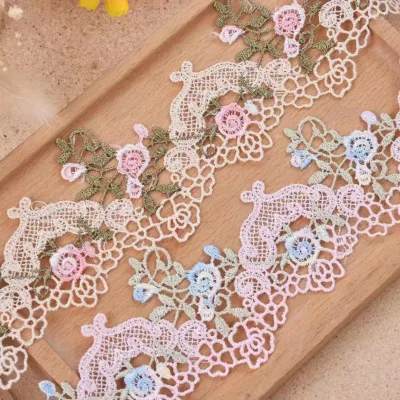
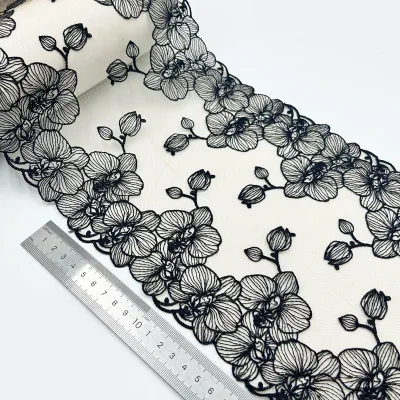
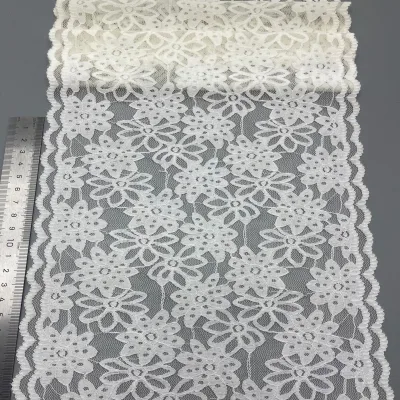
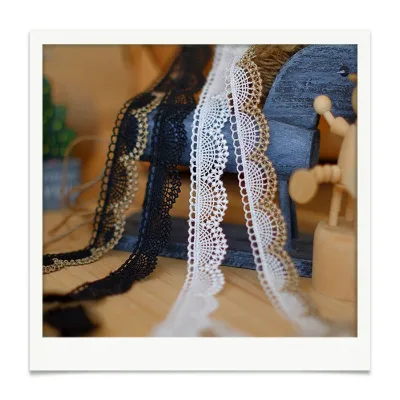
25CM Underwear for Garment Use Factory In-Stock High Quality Elastic Mesh Fabric Lace Trim
$0.3088 - $0.5142
MOQ: 100 yards
Dongguan Humen Boheng Clothing Accessories Business Department
- Trading Company
- Guangdong, China
- Lead time25 days
- Avg. response≤ 2h
Main productsLace Fabric,Flower Lace,Lace trim,Customized version,Milk silk lace
Main marketsSoutheast Asia(15.00%), Oceania(15.00%), Central America(10.00%), Africa(10.00%), Domestic Market(5.00%), South Asia(5.00%), Southern Europe(5.00%), Northern Europe(5.00%), South America(5.00%), Western Europe(5.00%), Eastern Asia(5.00%), Mid East(5.00%), North America(5.00%), Eastern Europe(5.00%)

Ningbo New & Century Fashion Co., Ltd.
- Manufacturer/Factory
- China Zhejiang
- Lead time23 days
- Avg. response≤ 9h
Main productsLace, Tape, Ribbon, Nylon Lace Trimming, Chemical Lace Trimming, Cotton Lace Trimming, Strech Lace Trimming, Non-Strech Lace Trimming, Others Nylon Lace Trimming, Crochet Lace Trimming
Main marketsSouth America,Eastern Asia,Western Europe

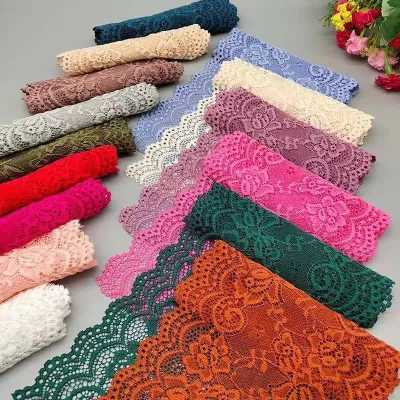
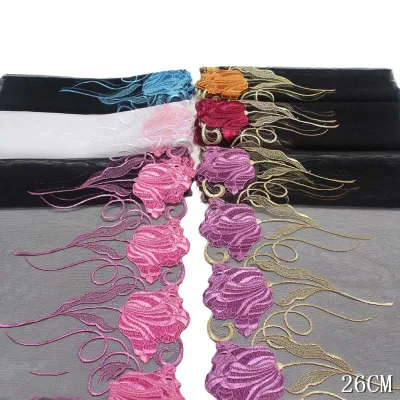
Custom Factory Embroidered Underwear Chemical with Mesh Multi-Colored Lace
$0.10 - $0.60
MOQ: 300 Yards

Custom Factory Embroidered Underwear Chemical with Mesh Multi-Colored Lace
$0.10 - $0.60
MOQ: 300 Yards

Custom Factory Embroidered Underwear Chemical with Mesh Multi-Colored Lace
$0.10 - $0.60
MOQ: 300 Yards

Custom Factory Embroidered Underwear Chemical with Mesh Multi-Colored Lace
$0.10 - $0.60
MOQ: 300 Yards

Custom Factory Embroidered Underwear Chemical with Mesh Multi-Colored Lace
$0.10 - $0.60
MOQ: 300 Yards

Custom Factory Embroidered Underwear Chemical with Mesh Multi-Colored Lace
$0.10 - $0.60
MOQ: 300 Yards

Guangzhou ZSY Trading Co., Ltd.
- Manufacturer, Trading Company, Distributor/Wholesaler
- guangdong, China
- Lead time0 days
- Avg. response≤ 2h
Main productsLace Fabric,Lace Trimming,Fringe,Patch,Rhinestone Trimming
Main marketsNorth America(40.00%), Southern Europe(10.00%), Oceania(10.00%), Domestic Market(5.00%), South Asia(5.00%), Eastern Europe(5.00%), Northern Europe(5.00%), Western Europe(5.00%), Mid East(5.00%), South America(5.00%), Southeast Asia(5.00%)

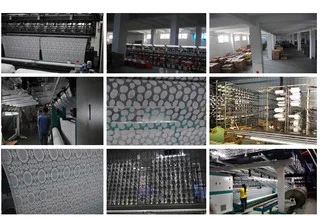
Dongguan Yaziyuan Embroidery Co., Ltd.
- Manufacturer, Trading Company
- Guangdong, China
- Lead time20 days
- Avg. response≤ 5h
Main productsEmbroidery Lace,Lingerie Lace,Lacer Embroidery Fabric,Chemical Lace,Neck Collar Lace
Main marketsDomestic Market(70.00%), Western Europe(15.00%), North America(15.00%)
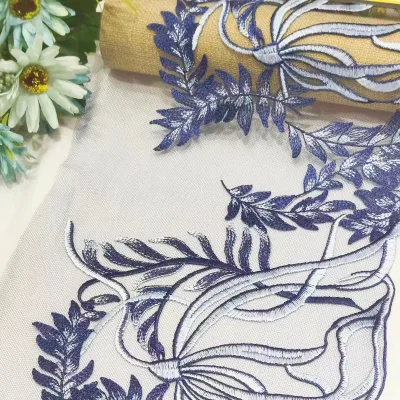
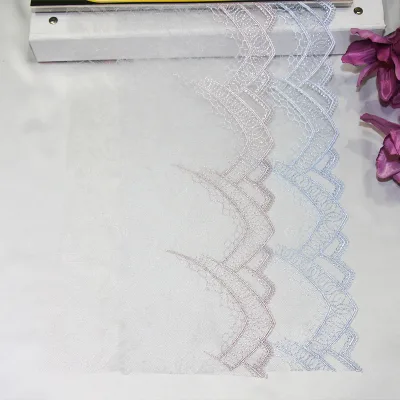
Hot Sale 22cm Soft Colorful Embroidered Lace Fabric for Underwear China Lace Factory
$1.3911 - $1.526
MOQ: 500 yards
Fuzhou Jingshengtong Trade Co., Ltd.
- Trading Company
- Fujian, China
- Lead time30 days
- Avg. response≤ 11h
Main productsLace,Lace materials,Fabric,Lace Trim,Eyelash Lace
Main marketsNorth America(30.00%), Northern Europe(20.00%), Domestic Market(10.00%), Southern Europe(10.00%), South America(10.00%), Central America(10.00%), Africa(10.00%)
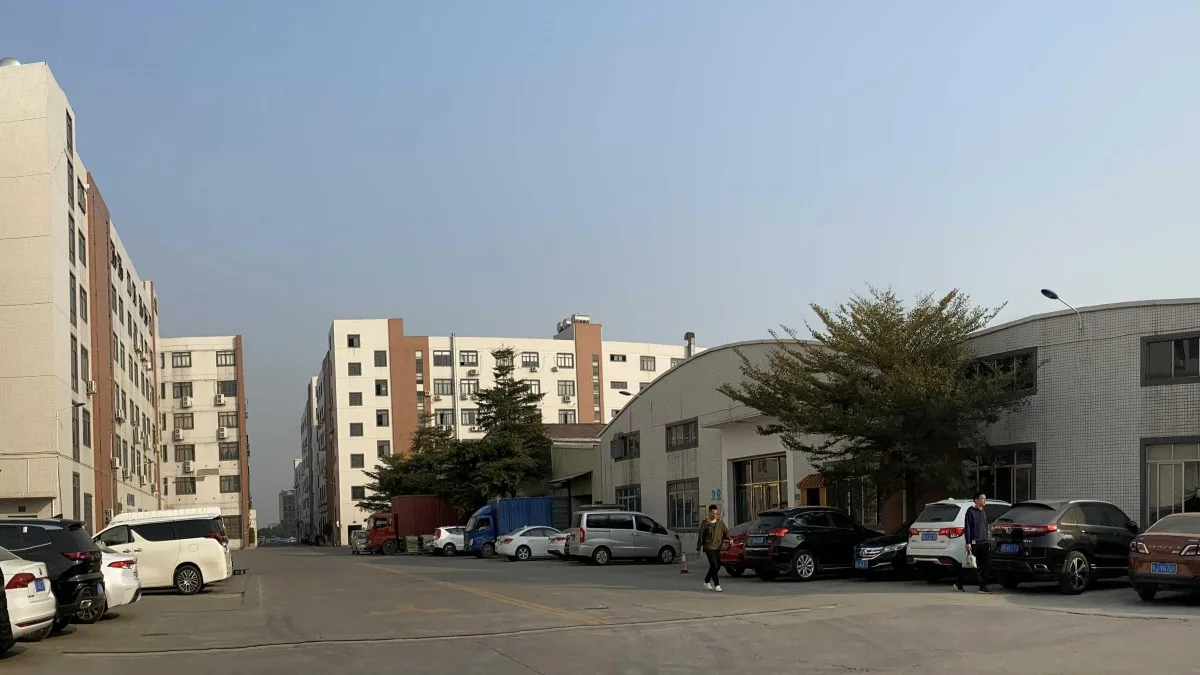
Guangzhou Dongzhicai Embroidery Lace Co., Ltd.
- Manufacturer, Trading Company
- Guangdong, China
- Lead time10 days
- Avg. response≤ 3h
Main productsLace,Lace Trim,Lace Textile,Lace Fabric,Embroidery Lace
Main marketsDomestic Market(60.00%), North America(10.00%), Southeast Asia(7.00%), Western Europe(5.00%), Mid East(3.00%), Oceania(3.00%), Africa(3.00%), South America(2.00%), Eastern Europe(2.00%), Eastern Asia(2.00%), Central America(1.00%), Southern Europe(1.00%), Northern Europe(1.00%)
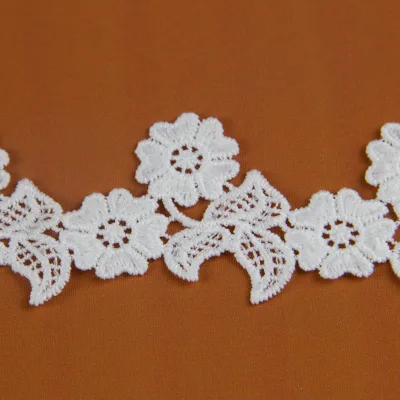
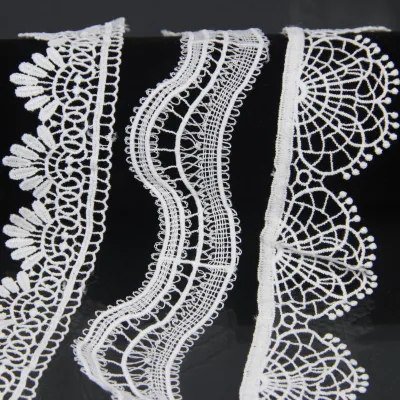
China High Quality Panty Cotton Women Embroidered Bridal Underwear Lace
$0.134 - $0.2069
MOQ: 500 yards
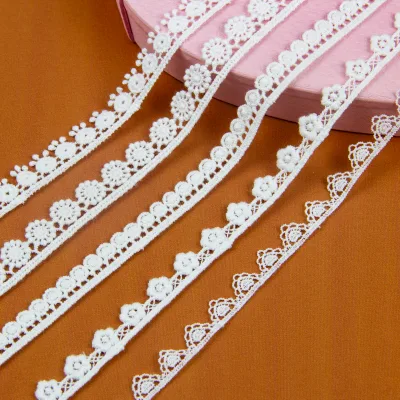
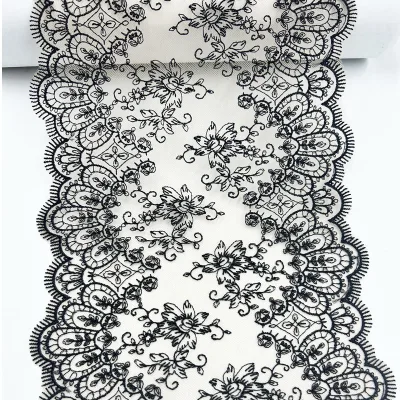
Higher Cost Performance Pure White Polyester Underwear Embroidery Lace Trim
$0.1443 - $0.2683
MOQ: 500 yards
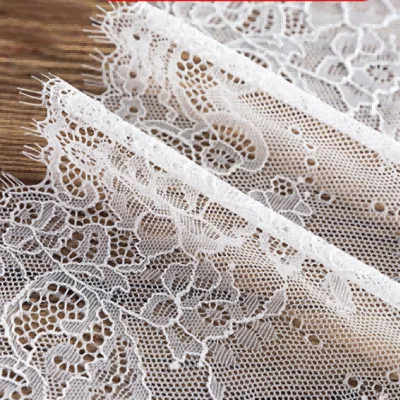
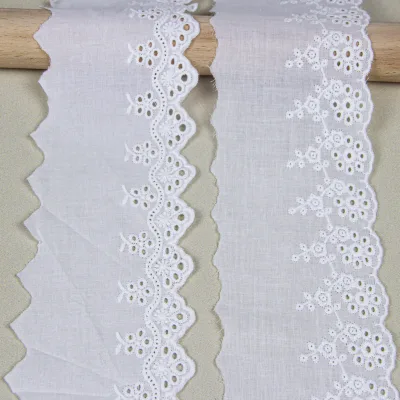
Unique Design Women'S Lace Roll Border Lace Trim Vintage Cotton for Underwear
$0.18 - $0.23
MOQ: 500 yards
Guangzhou Marigold Trading Co., Ltd.
- Verified by TüVRheinland
- Trading Company
- Lead time12 days
- Avg. response≤ 4h
Main productsEmbroidery Fabric, Trimmings, Patches, Buttons, Buckles
Main marketsNorth America(9%), Southeast Asia(9%), Western Europe(9%)
Guangzhou Leilong Trade Co., Ltd.
- Manufacturer, Trading Company, Distributor/Wholesaler
- Guangdong, China
- Lead time0 days
- Avg. response≤ 3h
Main productsEyelash lace,Stretch lace,Embroidery lace,Guipure lace,Chantilly lace
Main marketsMid East(25.00%), Central America(15.00%), Domestic Market(10.00%), Southeast Asia(8.00%), South Asia(7.00%), Eastern Europe(5.00%), Southern Europe(5.00%), Eastern Asia(5.00%), North America(5.00%), Northern Europe(5.00%), South America(3.00%), Western Europe(3.00%), Oceania(3.00%), Africa(1.00%)
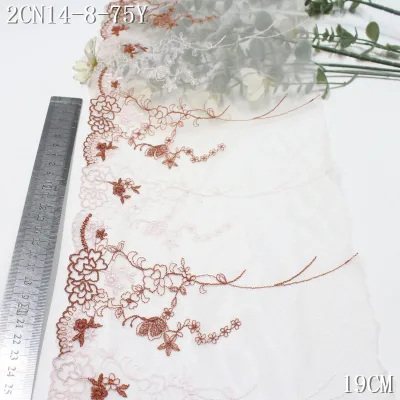
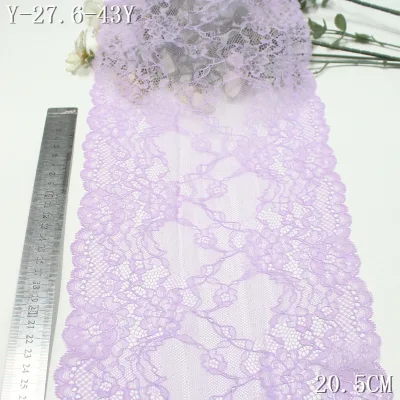
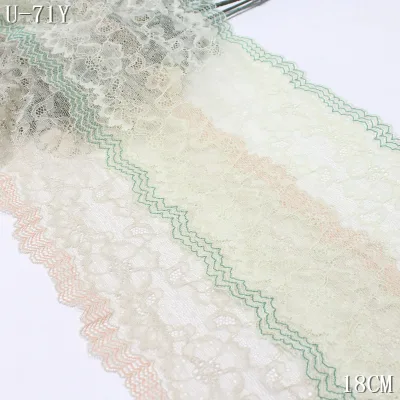
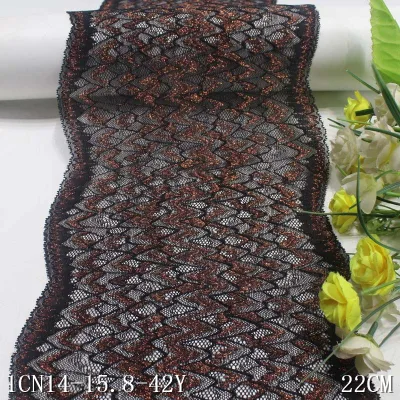
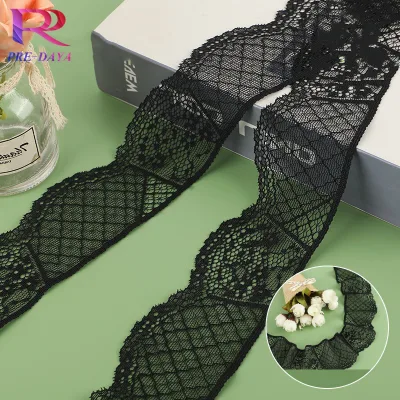
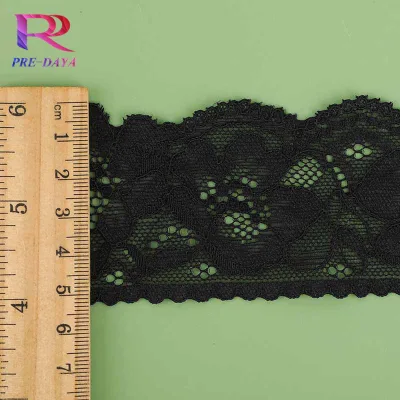
Sparkling Lingerie Underwear Trim Fabric Soft Black Mesh Stretch Elastic Lace for Women
$0.27 - $0.32
MOQ: 150 yards
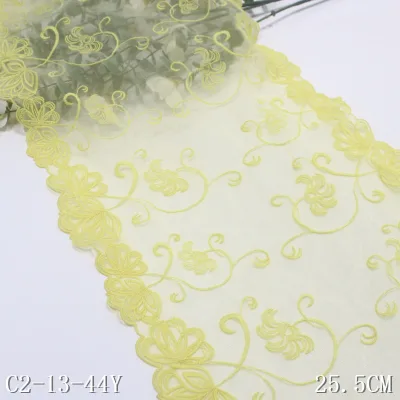
New Design Good Quality Underwear Accessory 25cm Stretch Yellow Embroidery Lace Trim for Women
$0.48 - $0.54
MOQ: 90 yards
Hangzhou Daya Textile Co., Ltd.
- Trading Company
- Zhejiang, China
- Lead time20 days
- Avg. response≤ 5h
Main productsZipper&slider,Tape&Webbing,Thread&yarn,Garment accessory,Tailoring Material
Main marketsSouth America(60.00%), Domestic Market(10.00%), South Asia(10.00%), Mid East(10.00%), North America(10.00%)

Fuzhou D. Run Trading Co., Ltd.
- Trading Company
- Fujian, China
- Lead time15 days
- Avg. response≤ 5h
Main productslace,lace fabric,crochet lace,crochet fabric,embroidery lace
Main marketsMid East(14.50%), Africa(14.50%), South America(14.50%), Western Europe(14.50%), Southern Europe(14.00%), Northern Europe(14.00%), North America(14.00%)

Wuxi Glolinker Technology Co., Ltd.
- Verified by CTI
- Trading Company
- China Jiangsu
- Lead time15 days
- Avg. response≤ 15h
Main productsClothing Fabrics, Pillows, Blankets, Duvet Cover, Fabric, Bed Sheets, Satin Fabric, Pillowcase, Embroidery Fabric, Sequin Fabric
Main marketsDomestic

- Trading Company
- Jiangxi, China
- Lead time15 days
- Avg. response≤ 1h
Main productsguitar pick,musical instrument accessories,daily necessities,Garment accessories,decoration
Main marketsCentral America(20.00%), South America(15.00%), North America(10.00%), Western Europe(10.00%), Southern Europe(10.00%), Northern Europe(10.00%), Eastern Europe(10.00%), South Asia(5.00%), Eastern Asia(5.00%), Southeast Asia(5.00%)

Jiangmen Ruixi Clothing Trading Co., Ltd.
- Verified by TUVRHEINLAND
- Trading Company
- China Guangdong
- Lead time15 days
- Avg. response≤ 17h
Main productsUnderpants, Cotton Underwear
Main marketsDomestic

shanghai jspeed industry co.,ltd
- Trading Company
- China Shanghai
- Lead time60 days
- Avg. response≤ 5h
Main productsSwimwear, Underwear, Sportswear, Socks, Dress, Skirt, Pants, Shorts, Textile
Main marketsSouth America,Southeast Asia/ Mideast,Domestic,Europe,Australia,North America
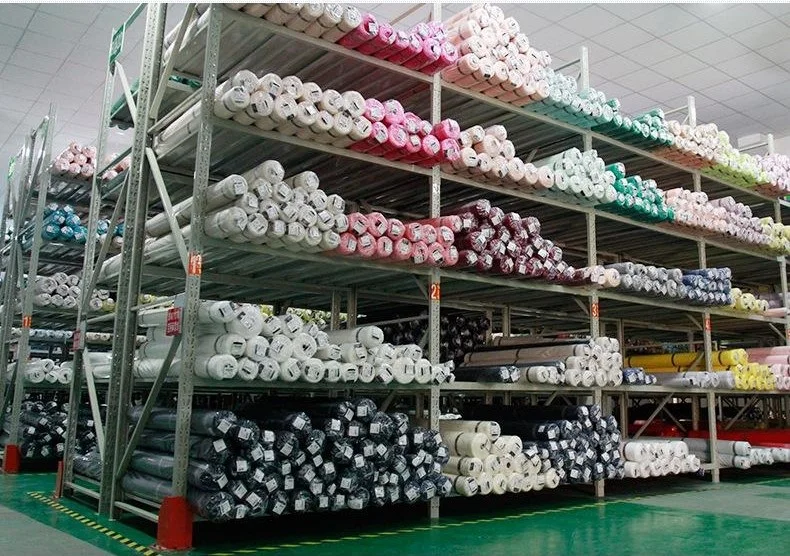
Guangzhou Jolie Dress Co., Ltd.
- Manufacturer, Trading Company
- Guangdong, China
- Lead time2 days
- Avg. response≤ 6h
Main productsbra sets,Sexy lingerie,Women Panties,Women Bra,Men Underwear
Main marketsNorth America(38.00%), Western Europe(28.00%), South America(15.00%), Africa(8.00%), Oceania(6.00%), South Asia(5.00%)
Guangzhou Jinfangni Garment Co., Ltd.
- Verified by SGS Group
- Manufacturer, Trading Company
- Lead time60 days
- Avg. response≤ 3h
Main productsLingerie, Thong, Bra, Panty
Main marketsNorth America(40%), Eastern Europe(20%), Southeast Asia(10%)

Suzhou Zhongsheng Imp. & Exp. Co., Ltd.
- Trading Company
- China Jiangsu
- Lead time45 days
- Avg. response≤ 9h
Main productsPet Product, Holiday Clothing, Textile, Garments, Fabric
Main marketsSoutheast Asia/ Mideast,Europe,North America
SHANGHAI COMMERCIAL GOOD TRADE
- Trading Company
- Shanghai, China
- Lead time45 days
- Avg. response≤ 4h
Main productsSexy Underwear,Bras,Swimwear & Beachwear,T-Shirts,Jackets
Main marketsNorth America(30.00%), Central America(15.00%), Mid East(12.00%), Western Europe(10.00%), Oceania(8.00%), South Asia(5.00%), Eastern Asia(5.00%), Southern Europe(5.00%), Northern Europe(5.00%), Eastern Europe(5.00%)
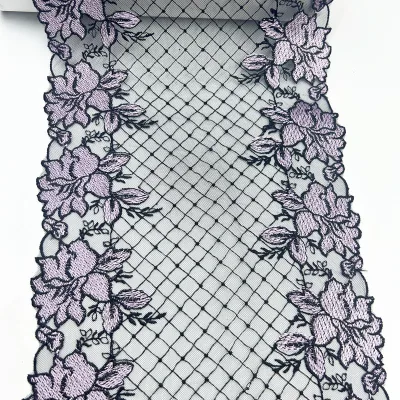









Comprehensive Sourcing Guide
Embroidered Eco-Friendly Underwear Lace Supplier Concentration and Factory Types
The landscape for sourcing embroidered eco-friendly underwear lace features a mix of specialized manufacturers and broader trading entities, requiring buyers to distinguish between pure production facilities and intermediaries. Current data indicates that some suppliers operate as trading companies, which may offer a wider variety of related accessories but potentially less direct control over the manufacturing process. In contrast, other suppliers are classified as combined entities or factories with established capabilities in ODM and OEM services, suggesting a more integrated approach to product development and fulfillment. This distinction is critical because factory-direct suppliers often provide greater flexibility for customization, such as adjusting the width, color, or specific embroidery patterns to meet precise design requirements. Trading companies, while potentially offering faster access to diverse stock items, might have higher minimum order quantities or less transparent supply chains. Buyers should carefully review the company type listed for each potential partner to ensure alignment with their operational needs, whether that involves deep customization or quick access to standard inventory. Understanding this structural difference helps in predicting the level of technical support and production transparency available throughout the sourcing journey.
Furthermore, the main products listed by suppliers reveal a strong concentration in lace, webbing, and elastic bands, indicating that many facilities possess specialized machinery for textile processing. Some suppliers highlight capabilities in sample processing and graphic processing, which are essential for developing unique lace designs that meet eco-friendly standards. The presence of suppliers with extensive experience, such as those claiming thirty years in the industry, suggests a mature market with established technical expertise. However, not all suppliers display the same level of manufacturing depth, so verifying the actual production capacity is necessary. Buyers should look for suppliers who explicitly mention their ability to handle customized orders on demand, as this indicates a flexible production line capable of adapting to small batch runs or large-scale orders. The variety of main products, including nylon elastic bands and polyester webbing, also suggests that many suppliers can provide complementary materials, potentially simplifying the sourcing process by consolidating orders. This concentration of related textile products in supplier portfolios often correlates with a higher level of technical proficiency in handling delicate materials like lace, ensuring better quality control during the embroidery and finishing stages.
How to Verify Embroidered Eco-Friendly Underwear Lace Suppliers
Verification is a critical step in ensuring that suppliers meet the required standards for quality, safety, and ethical manufacturing practices. Buyers should prioritize suppliers who have undergone third-party verification processes, as these provide an independent assessment of the company’s legitimacy and operational capabilities. For instance, some suppliers display verification badges from recognized agencies such as TÜV Rheinland or SGS, which indicate that the company has passed specific audits regarding its business practices and product quality. Additionally, system certifications like CE or ISO9001:2015 are strong indicators of a supplier’s commitment to standardized quality management and regulatory compliance. These certifications are particularly important for eco-friendly products, as they often involve rigorous checks on materials and production processes to ensure environmental standards are met. Buyers should request copies of these certificates and verify their validity through the issuing agency’s database to avoid relying solely on self-reported claims. This due diligence helps mitigate the risk of partnering with unverified entities that may not adhere to the necessary quality or safety protocols.
Beyond certifications, buyers should assess the supplier’s responsiveness and transparency as key indicators of reliability. A quick response time, such as within two to six hours, often reflects a well-organized customer service team that is attentive to buyer inquiries and ready to provide necessary documentation. Suppliers who are transparent about their production processes, including offering sample orders with support for graphic processing, demonstrate a willingness to collaborate and ensure product accuracy before mass production. Buyers should also check for the availability of escrow services or other secure payment methods, which provide an additional layer of protection for financial transactions. Furthermore, examining the supplier’s product evidence, such as detailed product attributes and clear images, can provide insights into their attention to detail and professionalism. Suppliers who provide comprehensive information about their materials, such as specifying polyester or nylon blends, and their techniques, like embroidered or jacquard methods, are more likely to deliver consistent quality. By combining verification badges, certifications, and operational transparency, buyers can build a robust profile of each supplier’s reliability and suitability for their specific sourcing needs.
What to Compare Across Embroidered Eco-Friendly Underwear Lace Suppliers
When evaluating multiple suppliers, buyers must compare key operational metrics to determine the best fit for their specific requirements. One of the most critical factors is the minimum order quantity (MOQ), which can vary significantly across different suppliers. Some suppliers may offer low MOQs, such as twenty meters or yards, which is ideal for small batch production or testing new designs. Others might have higher thresholds, requiring larger commitments that could be suitable for established brands with consistent demand. Buyers should also compare lead times, as these impact inventory management and time-to-market. While some suppliers offer sample processing within seven days, the lead time for bulk production can range from fifteen days to longer periods, depending on the complexity of the order and the supplier’s current capacity. Understanding these timelines helps buyers plan their production schedules more effectively and avoid delays. Additionally, comparing response times is essential for maintaining smooth communication throughout the sourcing process. Suppliers with faster response rates are more likely to address issues promptly and provide timely updates on order status.
Price and customization options are also vital comparison points. Buyers should analyze the price ranges for similar products, noting that costs can vary based on material quality, embroidery complexity, and order volume. Some suppliers may offer competitive pricing for standard items, while others might charge premiums for customized designs or eco-friendly materials. It is important to request detailed quotes that include all costs, such as shipping and handling, to avoid unexpected expenses. Furthermore, comparing the customization capabilities of each supplier is crucial for achieving the desired product specifications. Suppliers that offer ODM and OEM services, along with the ability to customize colors, widths, and patterns, provide greater flexibility for unique product development. Buyers should also consider the supplier’s main products and expertise; those specializing in lace and embroidery are likely to offer higher quality and more specialized options than generalist suppliers. By systematically comparing these factors, buyers can identify suppliers that offer the best balance of cost, quality, and service for their embroidered eco-friendly underwear lace needs.
Common Embroidered Eco-Friendly Underwear Lace Sourcing Risks
Sourcing embroidered eco-friendly underwear lace involves several potential risks that buyers must actively manage to ensure a successful procurement process. One significant risk is the discrepancy between sample quality and bulk production output. Even with supplier support for sample orders, there is no guarantee that the final mass-produced items will match the sample’s quality, color, or texture. This risk is heightened when dealing with complex embroidery patterns or specific eco-friendly materials that require precise manufacturing conditions. Buyers should mitigate this by establishing clear quality standards and conducting pre-shipment inspections to verify that the bulk production meets the agreed-upon specifications. Another risk is the variability in lead times, which can be affected by raw material shortages, production bottlenecks, or logistical delays. Suppliers may initially promise short lead times but fail to deliver on schedule, disrupting the buyer’s supply chain and potentially leading to missed market opportunities. To address this, buyers should maintain open communication with suppliers and request regular updates on production progress.
Additionally, there is a risk associated with the authenticity of eco-friendly claims. Without proper verification, suppliers may use misleading labels or certifications that do not accurately reflect the environmental impact of their products. Buyers should demand detailed documentation regarding the materials used, such as the percentage of recycled content or the absence of harmful chemicals, and verify these claims through independent testing if necessary. Another potential risk is the lack of transparency in the supply chain, particularly when dealing with trading companies that may not have direct control over the manufacturing process. This can make it difficult to trace the origin of materials or ensure ethical labor practices. Buyers should prioritize suppliers who provide clear information about their production facilities and supply chain partners. Furthermore, currency fluctuations and international shipping costs can impact the final price of the products, adding financial uncertainty to the sourcing process. By identifying and proactively managing these risks, buyers can protect their interests and ensure a more reliable sourcing experience.
Embroidered Eco-Friendly Underwear Lace Regional Sourcing and Logistics
The geographic location of suppliers plays a crucial role in determining logistics costs, lead times, and overall supply chain efficiency. Current data indicates that suppliers are located in various regions of China, including Guangdong and Fujian, which are known for their robust textile manufacturing industries. Guangdong, in particular, is a major hub for apparel and accessories, offering access to a wide range of suppliers with diverse capabilities. Buyers sourcing from this region may benefit from established logistics networks and competitive shipping rates due to the high volume of trade in the area. However, it is important to verify the specific location of each supplier, as some may be located in industrial parks while others might be in more remote areas, affecting transportation times. Understanding the regional concentration of suppliers helps buyers identify clusters where they can potentially visit multiple factories or consolidate shipments to reduce costs.
Logistics planning should also consider the packaging and shipping requirements of the products. Lace and embroidery materials are often delicate and require careful handling to prevent damage during transit. Suppliers typically package their products in rolls within PE bags, which provides some protection but may not be sufficient for long-distance shipping without additional packaging. Buyers should discuss packaging options with suppliers to ensure that the products arrive in good condition. Additionally, the weight and dimensions of the packages, such as single gross weights and package sizes, impact shipping costs and storage requirements. Buyers should calculate the total volume and weight of their orders to estimate shipping expenses accurately. Furthermore, considering the time zones and working hours of suppliers in different regions can affect communication efficiency. Suppliers in China may have different working schedules compared to buyers in other parts of the world, so establishing clear communication protocols is essential. By carefully planning logistics and considering regional factors, buyers can optimize their supply chain and reduce potential delays or costs.
Embroidered Eco-Friendly Underwear Lace Commercial Terms and Order Planning
Effective order planning and clear commercial terms are essential for a smooth sourcing experience. Buyers should negotiate payment terms that align with their cash flow needs and risk tolerance, such as using escrow services or partial payments. It is important to clarify the terms for sample orders, including whether samples are free or if delivery charges apply, as this can impact the initial cost of evaluation. Suppliers may offer free samples except for delivery charges, which is a common practice, but buyers should confirm this in writing before placing orders. Additionally, understanding the terms for customization, such as logo printing or specific design modifications, is crucial for avoiding misunderstandings. Some suppliers may charge additional fees for customizations, so buyers should request a detailed breakdown of all costs upfront. Clear communication about these terms helps prevent disputes and ensures that both parties have a shared understanding of the transaction.
Furthermore, buyers should plan their orders based on the supplier’s production capacity and lead times. For suppliers with established capabilities in ODM and OEM services, buyers can leverage their expertise to develop unique products that stand out in the market. However, this requires careful planning to ensure that the design process does not delay the overall production timeline. Buyers should also consider the supplier’s ability to handle large orders, as some may have limitations on their monthly production capacity. By aligning their order volumes with the supplier’s capabilities, buyers can ensure timely delivery and maintain consistent supply. Additionally, buyers should establish a relationship with their suppliers to foster trust and collaboration, which can lead to better pricing and priority treatment during peak seasons. Regularly reviewing and updating commercial terms based on market conditions and supplier performance helps buyers maintain a competitive edge and build a resilient supply chain.
FAQs
What is the typical lead time for sample orders of embroidered lace?
Sample orders for embroidered lace typically support a 7-day lead time. Some suppliers also list a general lead time of 15 days for standard production runs. Buyers should verify specific timelines based on the product model and customization requirements before placing an order.
What are the minimum order quantities for lace trim products?
Minimum order quantities vary by product, with some items requiring 20 meters or 20 yards. Other listings indicate a minimum of 20 single items. Buyers must check the specific product page to confirm the exact MOQ applicable to their chosen design and material.
Which certifications do suppliers of eco-friendly lace hold?
Suppliers may hold system certifications such as CE or ISO9001:2015. Verification services like TüVRheinland and SGS are also used to confirm supplier status. Buyers should request current certificates to ensure the eco-friendly claims and quality standards meet their specific sourcing needs.
What materials are commonly used for embroidered underwear lace?
Common materials include 100% polyester, polyester, nylon, and blends with spandex or cotton. Some products feature elastic properties for better fit. Buyers should review product attributes to confirm the exact material composition and ensure it aligns with their garment manufacturing requirements.
How quickly do suppliers typically respond to inquiries?
Response times vary among suppliers, with some responding within 2 hours and others taking around 5 to 6 hours. Buyers should expect different speeds depending on the specific trading company. Checking the response time metric on the supplier profile helps set realistic expectations for communication.
Where are the manufacturers of this lace located?
Manufacturers are located in regions such as Zhejiang, Guangdong, and Fujian in China. Specific product origins are listed as Zhejiang or China. Buyers should verify the exact location on the product page to assess shipping logistics and potential tariffs for their destination market.
What customization options are available for lace trim?
Customization is available for color, width, and logo printing on many lace trim products. Suppliers offer ODM and OEM services for branded needs. Buyers can request custom samples to test the quality and fit before committing to a larger production run for their specific designs.