Adjustable Lightweight Cervical Collar Suppliers and Manufacturers
Explore 27 verified suppliers offering adjustable lightweight cervical collars with varying lead times, MOQs, and certifications. Compare response times, locations in China, and product specs like CE and ISO standards before requesting quotes; review the available evidence before requesting comparable quotations from suitable candidates.
Updated
Suppliers List

Hangzhou Kebo Orthopedic Rehabilitation Equipment Co.,Ltd
- Verified by SGS
- Combined
- China Zhejiang
- Lead time30 days
- Avg. response≤ 9h
Main productsSpine Orthosis, Orthosis Accessories, Upper Limb Orthosis, Lower Limbs Orthosis
Main marketsSoutheast Asia/ Mideast,Europe
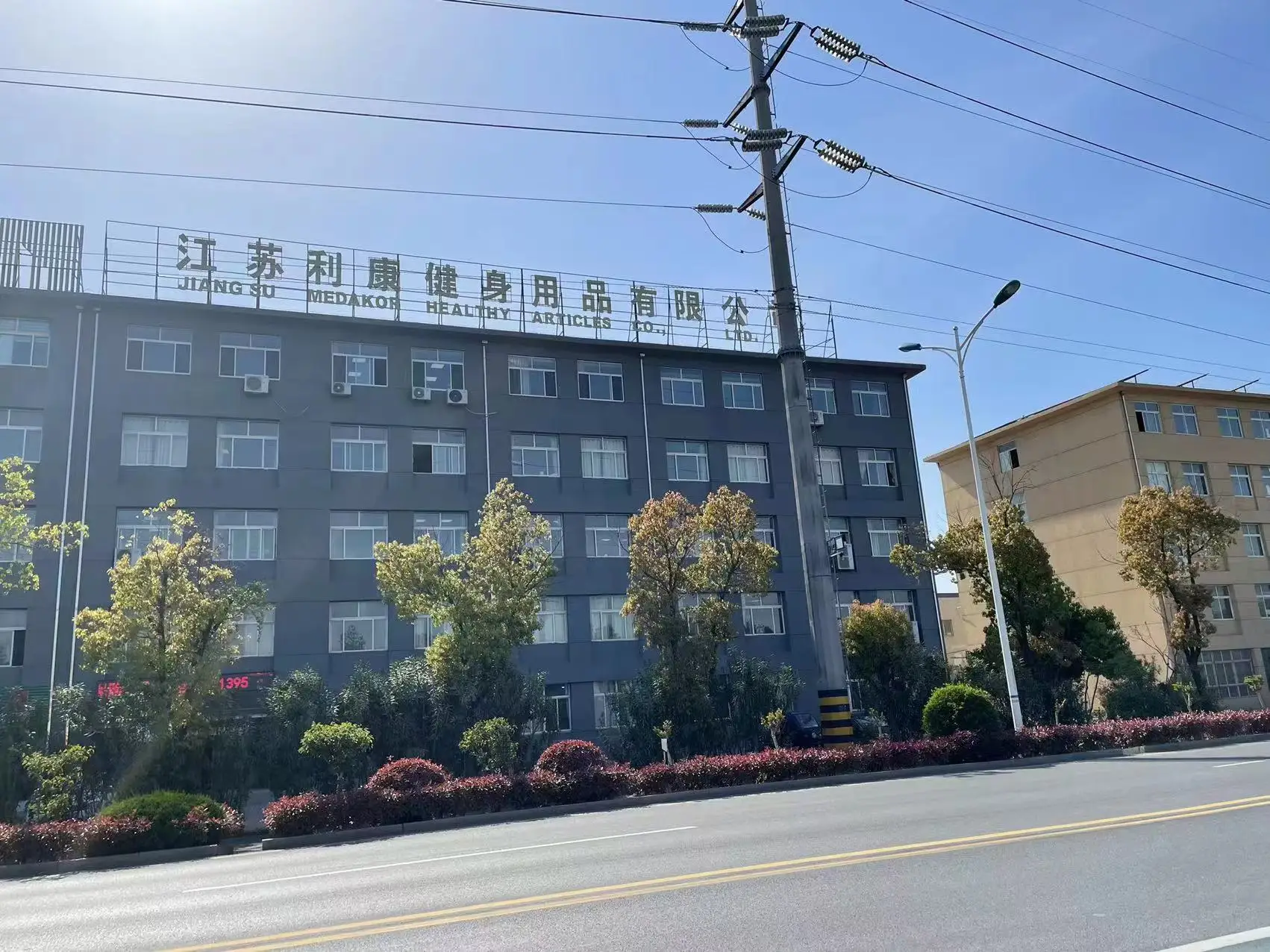
Jiangsu Medakor Healthy Articles Co., Ltd.
- Manufacturer, Trading Company
- Jiangsu, China
- Lead time40 days
- Avg. response≤ 8h
Main productsWrist Support,Knee Support,Elbow Support,Ankle Support,Back Support
Main marketsSouth America(35.00%), North America(25.00%), Eastern Europe(20.00%), Western Europe(10.00%), Mid East(5.00%), South Asia(1.00%), Southern Europe(1.00%), Southeast Asia(1.00%), Africa(1.00%), Oceania(1.00%)
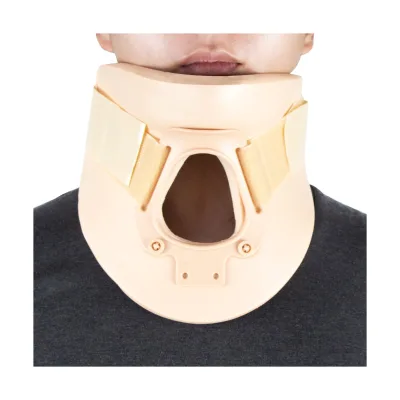
$1.50 - $1.58
MOQ: 200 pieces
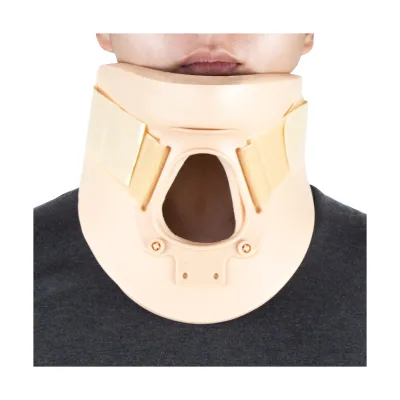
Adjustable Neck Brace Portable Cervical Collar for Cervical Muscle Strain Recovery
$1.50 - $1.58
MOQ: 200
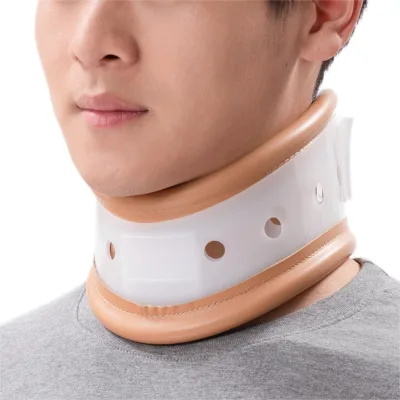
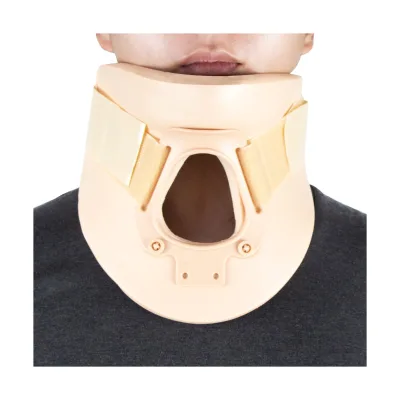
Wholesale Portable Adjustable Enhanced Support Medical Splinting Cervical Collar Brace
$1.50 - $1.58
MOQ: 200 pieces
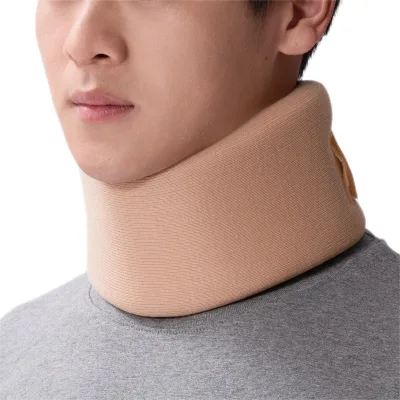
Adjustable Medical Tension Reliever Brace Neck Support Cervical Collar for Relieving Neck Pain
$0.8454 - $0.9069
MOQ: 200 pieces
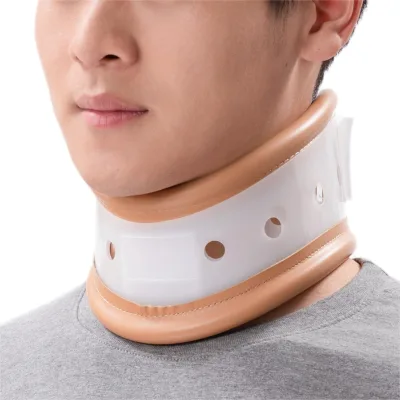
$2.3834 - $2.4449
MOQ: 200 pieces

Dongguan Julisheng New Material Technology Co., Ltd.
- Verified by BV
- Combined
- China Guangdong
- Lead time30 days
- Avg. response≤ 2h
Main productsPU Foam, PU Corner Guard, Accessories PU Armrest, PU Self-Skinning, PU High Rebound, PU Slow Rebound, PU Imitation Wood Hard Foam, PU Foam Rugby, PU Traction Pillow, PU Foam Wheel
Main marketsDomestic

Lightweight Comfortable Foam Support Orthosis Neck Support Brace Cervical Collar
$1.42 - $1.75
MOQ: 50 Pieces


Jiangsu Alphay Medical Device Co., Ltd.
- Verified by Intertek
- Manufacturer, Trading Company
- Lead time15 days
- Avg. response≤ 3h
Main productsMassager Products (Knee Massager, Lumbar Massager, Neck Massager), Medical Device (Air Traction Belt, Neck Traction Device)
Main marketsDomestic Market(50%), Eastern Asia(30%), North America(10%)
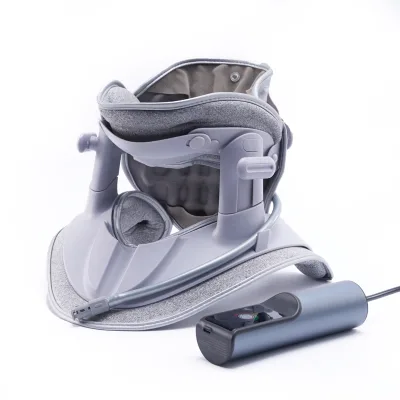
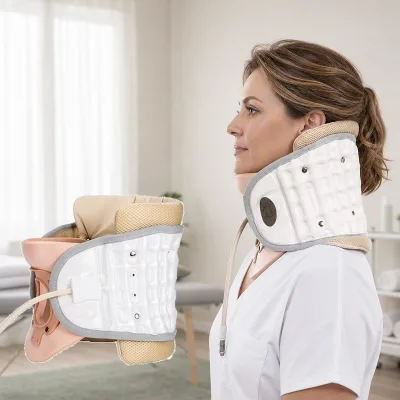
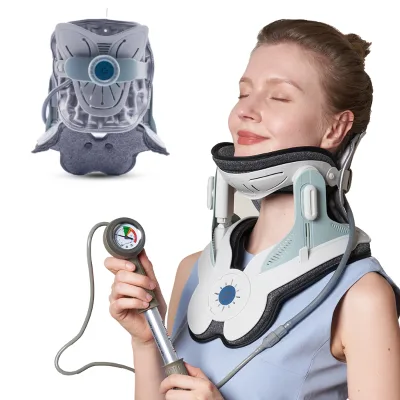
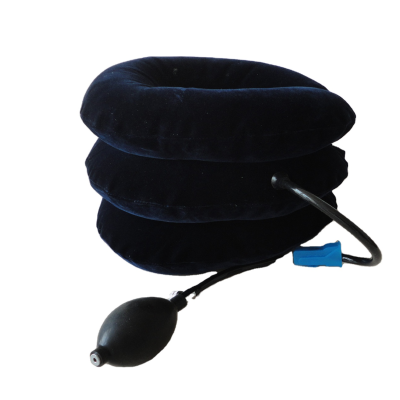
Cervical Air Traction Collar with Lightweight Design for Neck Pain Relief
$34.00 - $37.50
MOQ: 50 units
Shijiazhuang Aofeite Imp & Exp Co., Ltd.
- Manufacturer, Trading Company
- Lead time旺季: "1 - 200":31,"> 200":"To be negotiated", 淡季: "1 - 200":31,"> 200":"To be negotiated"
- Avg. response≤ 2h
Main productsKnee Brace, Lumbar Support Belt
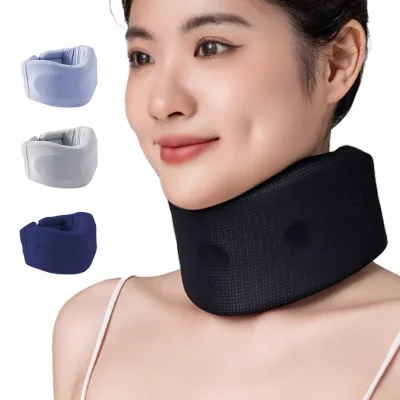
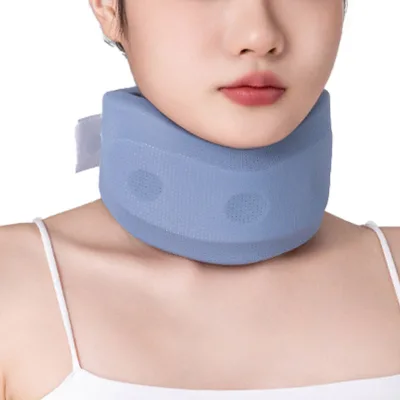
Health Care Neck Brace Support Comfortable Cervical Collar for Sleeping Relieve Neck Pain
$1.2307 - $1.436
MOQ: 10 Minimum
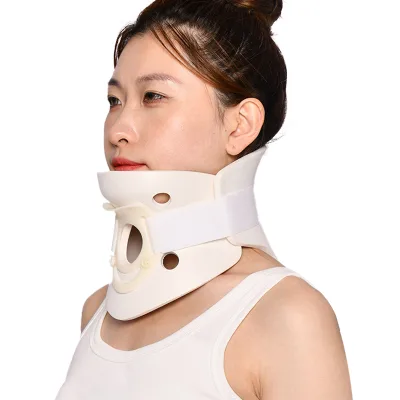
High Quality Physical Therapy Medical Spine Immobilization Neck Support Cervical Collar
$1.6609 - $2.0761
MOQ: 10 pieces
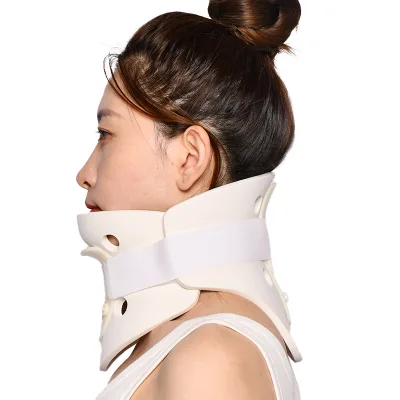
Adult Children Neck Orthopedic Rehabilitation Therapy Supplies Cervical Collar Tractor
$1.6429 - $2.0521
MOQ: 10 pieces
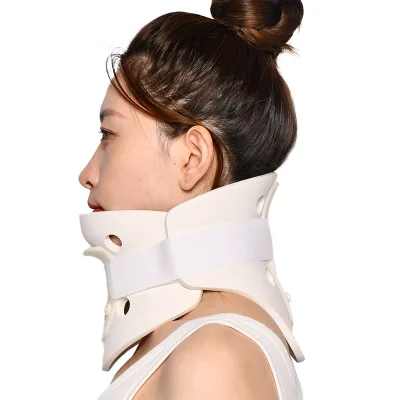
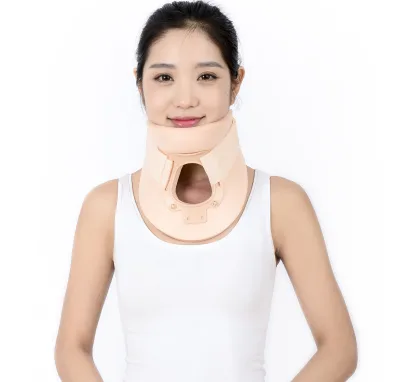
Physiotherapy Medical Health Care Neck Support Standard Philadelphia Cervical Collar
$1.6429 - $2.0521
MOQ: 10 pieces

Xiamen Tianzuo Medical Co., Ltd
- Verified by BV
- Combined
- China Fujian
- Lead time15 days
- Avg. response≤ 10h
Main productsInfrared Thermometer, Digital Thermometer, Safety Goggle, Face Shield, Nebulizer, First Aid Kit, Pulse Oximeter, Blood Pressure Monitor, Manual Resuscitator, Anesthesia Mask
Main marketsEurope


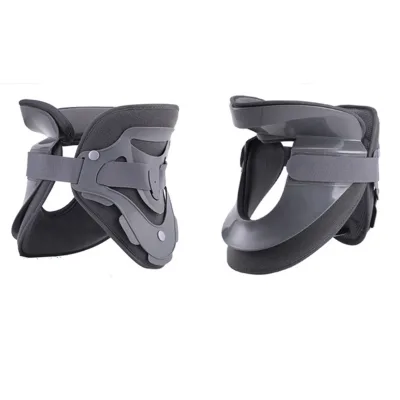
Adjustable Cervical Collar First Aid Rescuing Safe Transportation Extrication Collar Cervical Collar
$2.50 - $3.00
MOQ: 500 Pieces

Factory Manufacture Adjustable Cervical Collar Medical Grade Neck Cervical Extrication Collar
$2.50 - $3.00
MOQ: 500 Pieces


Xiamen Huakang Orthopedic Co., Ltd.
- Verified by TUVRHEINLAND
- Combined
- China Fujian
- Lead time30 days
- Avg. response≤ 11h
Main productsKnee Support, Back Support., Walker Boot, Ankle Brace, Shoulder Brace, Elbow Brace, Wrist Brace, Neck Brace, Finger Splint
Main marketsSoutheast Asia/ Mideast,Europe,North America


Basic Customization Rigid Cervical Collar with Foam Lining for Neck Supported
$2.00 - $4.00
MOQ: 500 Pieces

Jiangsu Alphay International Trade Co., Ltd.
- Trading Company
- Jiangsu, China
- Lead time20 days
- Avg. response≤ 3h
Main productsMassagers,Air Traction Belt/Neck Traction Device/Back Support Belt
Main marketsEastern Asia(15.00%), Western Europe(15.00%), South America(10.00%), South Asia(10.00%), Mid East(10.00%), Southern Europe(10.00%), North America(10.00%), Oceania(5.00%), Southeast Asia(5.00%), Eastern Europe(5.00%), Northern Europe(5.00%)

Hebei Denovo Medical Device Co., Ltd.
- Verified by BV
- Trading Company,Manufacturer/Factory
- China Hebei
- Lead time23 days
- Avg. response≤ 4h
Main productsBack Support, Knee Support, Posture Corrector, Foot Night Splint, Arm Slings, Hernia Belts, Cervical Collars, Abduction Orthosis
Main marketsSouth America,Eastern Europe,Mid East,North America,Southeast Asia,Eastern Asia,Oceania,Western Europe,Africa
Hengshui Gangsheng Medical Instruments Co., Ltd.
- Verified by SGS Group
- Manufacturer, Trading Company
- Lead time7 days
- Avg. response≤ 3h
Main productsCervical Collar, Lumbar Back Brace, Posture Corrector, Knee Brace, Arm Sling
Main marketsNorth America(34%), Western Europe(15%), Domestic Market(11%)
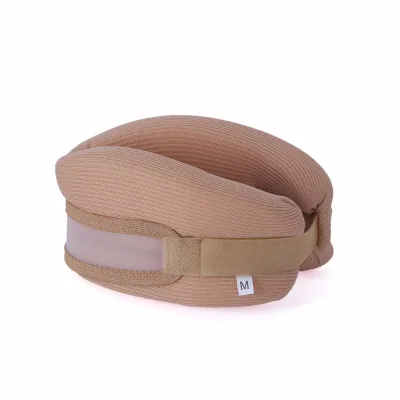
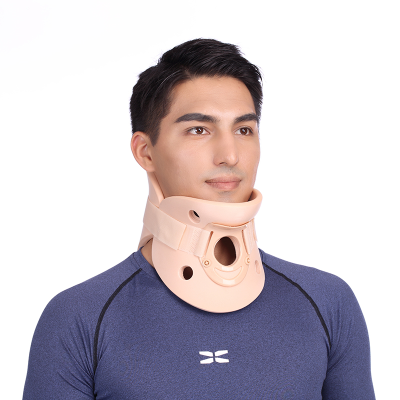
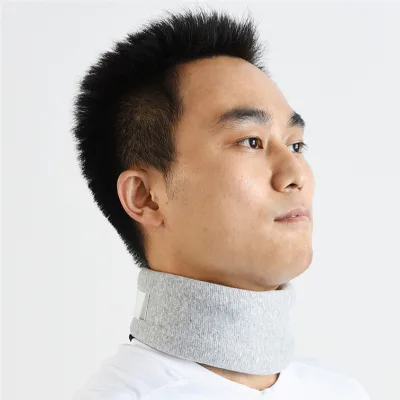
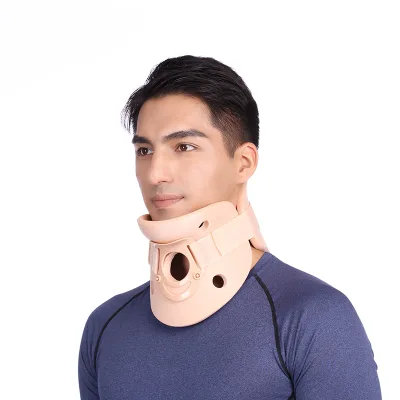
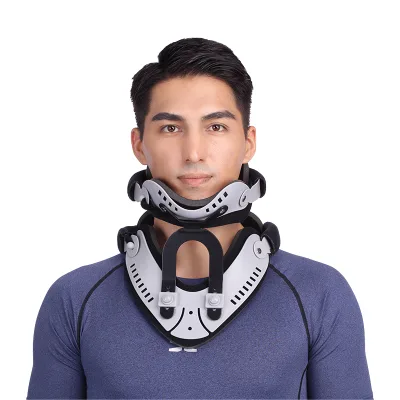
$18.3403 - $21.4147
MOQ: 100 Minimum

Handan Wuxin Medical Devices Co., Ltd.
- Verified by TUVRHEINLAND
- Trading Company
- China Fujian
- Lead time15 days
- Avg. response≤ 2h
Main productsKnee Brace, Back Brace, Neck Brace, Waist Trainer, Body Shaper, Sportswear, Posture Corrector, Sexy Lingerie, Orthopedic Products, Gym Equipment
Main marketsEurope


Adjustable Neck Brace Hard Neck Support High Quality Cervical Collar Medical Neck Support Collar
$2.00 - $2.90
MOQ: 50 Pieces

Adjustable Plastic Medical Rigid Orthopedic Hard Cervical Collar for Decompression Home Use
$2.00 - $2.90
MOQ: 50 Pieces

Shandong Harmowell Trade Co., Ltd.
- Verified by BV
- Trading Company
- China Shandong
- Lead time38 days
- Avg. response≤ 3h
Main productsMedical Equipment, Medical Supply, Hospital Furniture, Blood Collection Tube, Rapid Test Kit, Laboratory Supplies, Medical Catheter, Anesthesia Machine, Laboratory Analyzer, Laboratory Centrifuge
Main marketsSouth America,Eastern Europe,Mid East,North America,Southeast Asia,Eastern Asia,Oceania,Western Europe,Africa
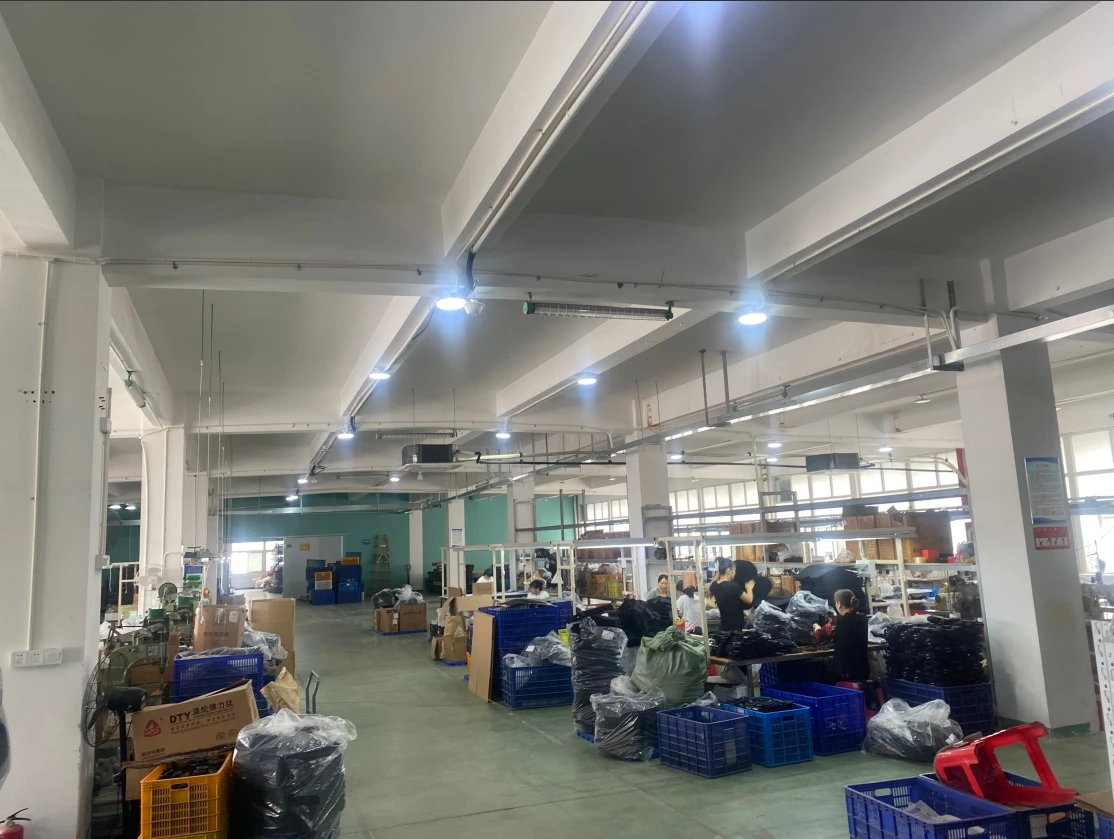
Xiamen Longstar Medical Equipment Co., Ltd.
- Manufacturer
- Fujian, China
- Lead time30 days
- Avg. response≤ 1h
Main productsCervical Collar,Shoulder Brace,Back Brace,Knee brace,Ankle brace
Main marketsDomestic Market(40.00%), Western Europe(20.00%), Eastern Europe(20.00%), North America(10.00%), Mid East(10.00%)
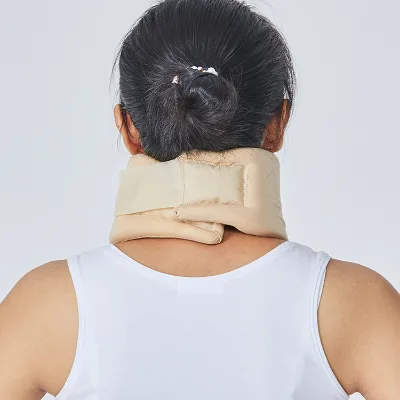
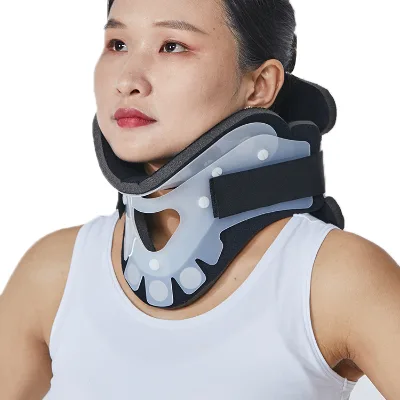
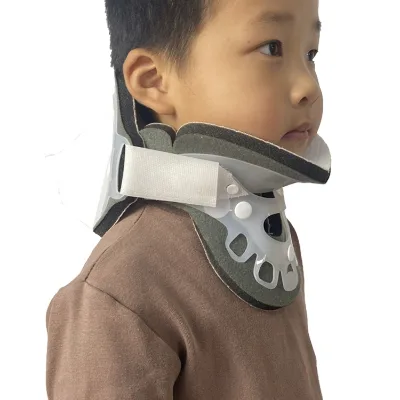
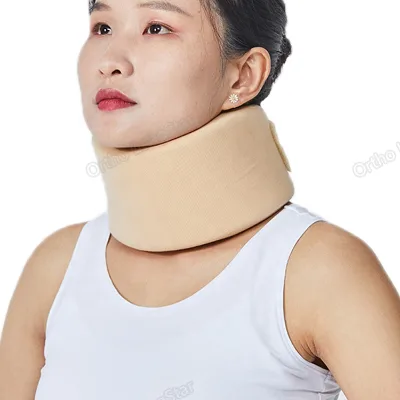
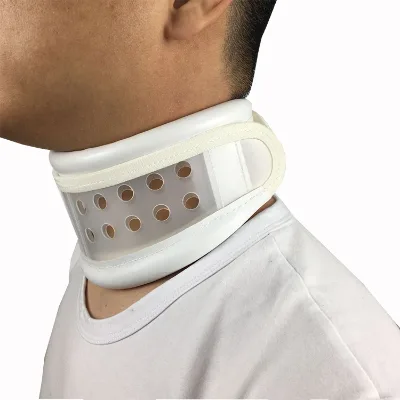
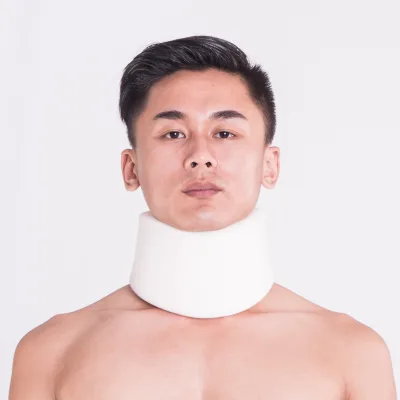
Neck Adjustable Neck Cervica Collar
$5.25 - $5.85

Nanjing Ihome Comfort Co., Ltd.
- Verified by SGS
- Trading Company
- China Jiangsu
- Lead time30 days
- Avg. response≤ 8h
Main productsHot Water Bottle, Ice Pack, Hot Water Bag, Kneepad, Hot Cold Pack, Bp Bulb Bladder, Fitness Equipment, Leather Bag, Test Pack, First Aid Kit
Main marketsSouth America,Africa,Others(foreignTradeCapacity.exportBusinessCapacityMarketOther),Southeast Asia/ Mideast,East Asia(Japan/ South Korea),Europe,North America

Huiling (xiamen) Medical Technology Co., Ltd.
- Manufacturer, Trading Company
- Fujian, China
- Lead time5 days
- Avg. response≤ 1h
Main productsRom Knee Brace,Walker Boot,Ankle Foot orthosis,Elbow Brace,Programmable hear aid
Main marketsNorth America(40.00%), South America(15.00%), Central America(10.00%), Mid East(10.00%), Southeast Asia(8.00%), Northern Europe(8.00%), Eastern Asia(3.00%), Africa(2.00%), South Asia(1.00%), Oceania(1.00%), Eastern Europe(1.00%), Western Europe(1.00%)

Henan Yuenai Trading Co., Ltd.
- Trading Company
- Henan, China
- Lead time5 days
- Avg. response≤ 2h
Main productsMedical consumables,safety butterfly needle,Vacuum blood collection,wheelchair,Medical equipment
Main marketsEastern Asia(30.00%), Southeast Asia(20.00%), Western Europe(20.00%), Africa(20.00%), Mid East(10.00%)
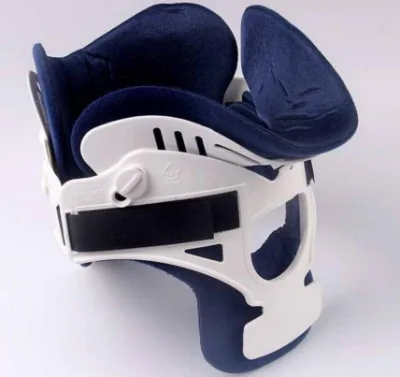
Adjustable HospitalsUse Cervical Collar Breathable Neck Support Brace Cervical Spine Fixator
$22.2587 - $25.8817
MOQ: 10 pieces
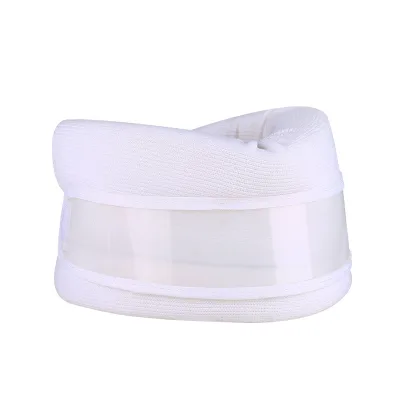
Xiamen Dorrella Health Technology Co., Ltd.
- Verified by TüVRheinland
- Trading Company
- Lead time15 days
- Avg. response≤ 3h
Main productsRehabilitation Orthotics, Rehabilitation Equipment, Sports Braces
Main marketsMid East(45%), Eastern Europe(25%), North America(15%)

Hengshui Jingkang Medical Device Co., Ltd.
- Manufacturer, Trading Company
- Hebei, China
- Lead time5 days
- Avg. response≤ 6h
Main productsmaternity support,lumbar support,tourmaline magnetic,crutch,arm sling
Main marketsNorth America(40.00%), South America(20.00%), Eastern Europe(15.00%), Domestic Market(5.00%)
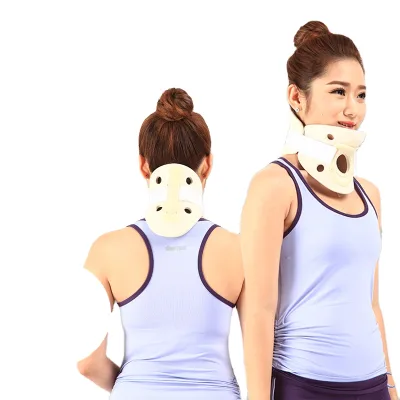
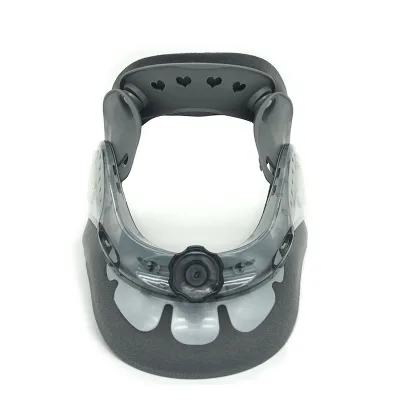
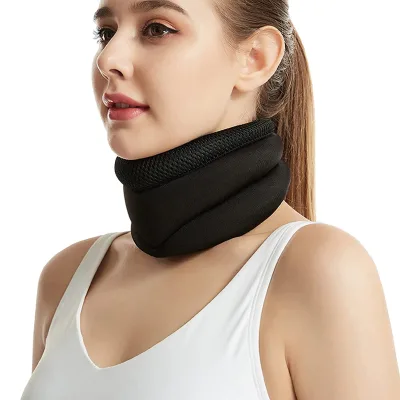
Wholesale High Quality Traction Neck Braces Cervical, Medical Cervical Neck Collar
$25.90 - $29.00
MOQ: 20 pieces
Hebei Chongfeng Technology Co., Ltd.
- Verified by SGS Group
- Trading Company
- Lead time7 days
- Avg. response≤ 3h
Main productsPosture Corrector, Waist Support Belt, Knee Brace, Maternity Belt, Ankle Brace
Main marketsNorth America(25%), Western Europe(20%), Eastern Europe(13%)
Xiamen Bosegrow Medical Equipment Co., Ltd.
- Verified by SGS Group
- Manufacturer, Trading Company
- Lead time30 days
- Avg. response≤ 2h
Main productsWalker Boot, Rom Knee Brace, Ankle Foot Orthosis, Lumbar Support, Cervical Collar
Main marketsNorth America(30%), South America(20%), Southeast Asia(10%)
Shijiazhuang Aofeite Imp & Exp Co., Ltd.
- Manufacturer, Trading Company
- Lead time旺季: "1 - 10":7,"> 10":"To be negotiated", 淡季: "1 - 10":7,"> 10":"To be negotiated"
- Avg. response≤ 2h
Main productsKnee Brace, Lumbar Support Belt
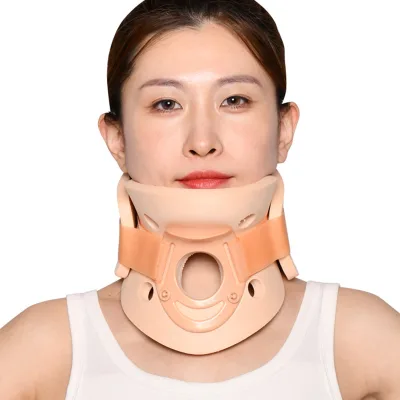
Vertebra Pain Relief Adjustable Neck Stretcher Support Comfortable Foam Cervical Collar
$1.6609 - $2.0761
MOQ: 10 pieces
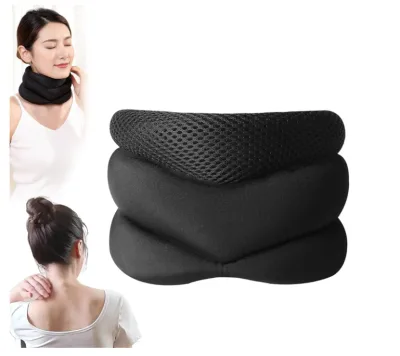
New Product Soft Breathable Cervical Collar Neck Brace for Pain Relief & Posture Correction
$1.7538 - $3.1029
MOQ: 300 pieces
Hengshui Runde Medical Instruments Co., Ltd.
- Manufacturer, Trading Company
- Hebei, China
- Lead time10 days
- Avg. response≤ 2h
Main productsBack Brace,Tourniquet,Pregnancy Support Belt,Crutch,Splint
Main marketsEastern Asia(100.00%), North America(50.00%), Western Europe(10.00%), Domestic Market(5.00%), South America(5.00%), Southern Europe(5.00%), Eastern Europe(5.00%), Northern Europe(5.00%), Oceania(4.00%), South Asia(3.00%), Mid East(2.00%), Africa(2.00%), Southeast Asia(2.00%), Central America(2.00%)

Sun Medical Products Co., Ltd.
- Verified by BV
- Combined
- China Guangdong
- Lead time30 days
- Avg. response≤ 17h
Main productsRadiotherapy, Occupational Therapy, Medical Consumables, Rehabilitation Products, Surgical Instruments
Main marketsSouth America,Africa,Southeast Asia/ Mideast,Europe,North America
Shijiazhuang Youqihui Import And Export Trading Co., Ltd.
- Verified by SGS Group
- Trading Company
- Lead time7 days
- Avg. response≤ 1h
Main productsLumbar Support Belt, Knee Brace
Main marketsNorth America(40%), Eastern Asia(15%), Oceania(15%)
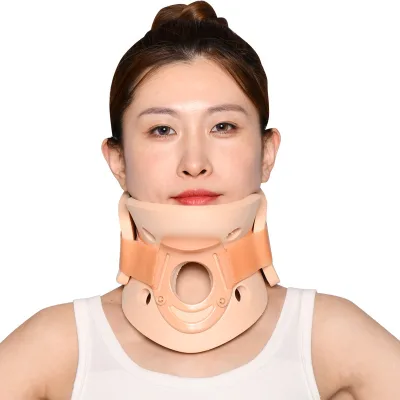
Vertebra Pain Relief Adjustable Neck Stretcher Support Comfortable Foam Cervical Collar
$1.6414 - $2.0506
MOQ: 10 pieces
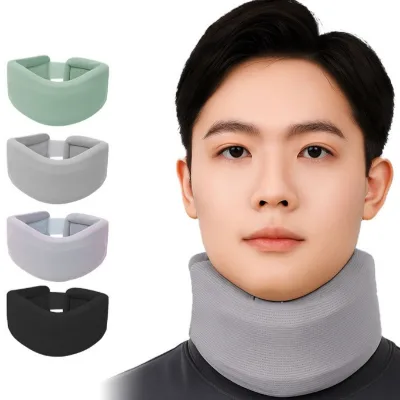
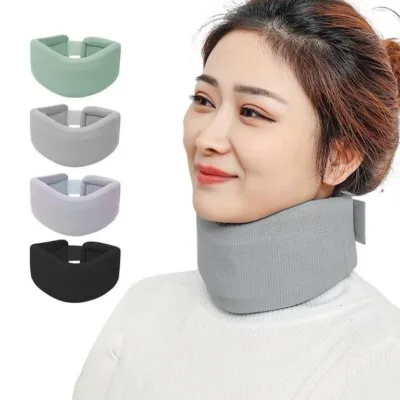
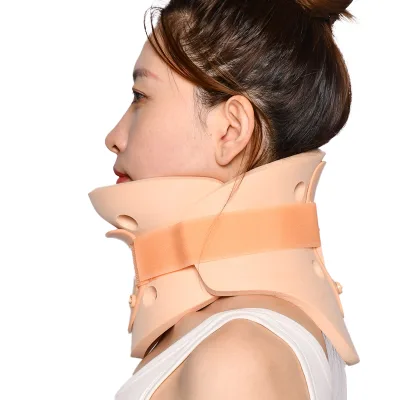

Shanghai Goldenwell Medical Technology Co., Ltd.
- Verified by CTI
- Trading Company
- China Shanghai
- Lead time15 days
- Avg. response≤ 6h
Main productsMedical Devices, Sports Support, Medical Dressings
Main marketsSoutheast Asia/ Mideast,Europe

Adjustable Medical Tension Reliever Brace Neck Support Cervical Collar for Neck Pain
$1.35 - $1.54
MOQ: 1 Pieces

Orthopedic Medical Support Soft Foam Neck Brace Adjustable Black Cervical Collars
$1.35 - $1.54
MOQ: 1 Pieces
Anping Guardian Medical Equipment Co., Ltd.
- Manufacturer, Trading Company
- Lead time旺季: "1 - 1000":31,"> 1000":"To be negotiated", 淡季: "1 - 1000":31,"> 1000":"To be negotiated"
- Avg. response≤ 3h
Main productsTourniquet, Gauze, Bandage, First Aid Kit, Splint

Anping Zhengren Medical Device Co., Ltd.
- Trading Company
- Hebei, China
- Lead time10 days
- Avg. response≤ 7h
Main productsFinger Splint,Posture Corrector,Back Support Belt,Cervical Collar,Arm Sling
Main marketsDomestic Market(50.00%), North America(20.00%), Western Europe(20.00%), South America(5.00%), Eastern Europe(1.00%), South Asia(1.00%), Southeast Asia(1.00%), Mid East(1.00%), Africa(1.00%)
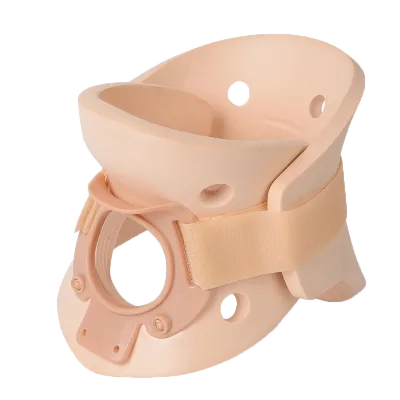
Hard Philadelphia Collar Neck Support Brace Collar Medical Philadelphia Cervical Collar
$2.6757 - $3.4987
MOQ: 10 pieces
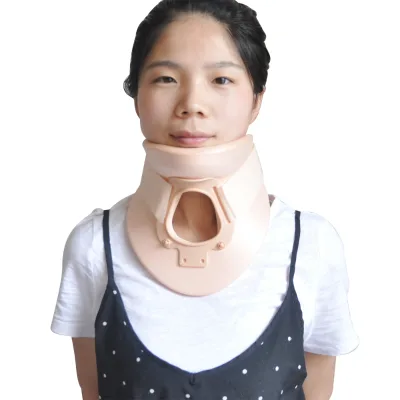
Philadelphia Collar Neck Support Brace Collar Medical Philadelphia Cervical Traction
$2.6757 - $3.4987
MOQ: 10 pieces


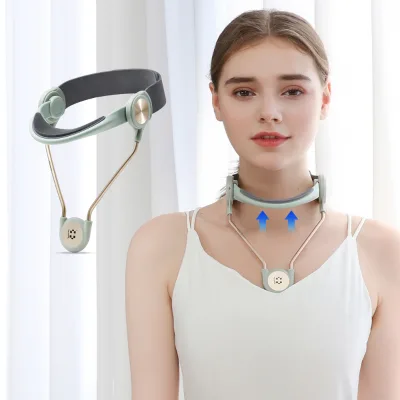
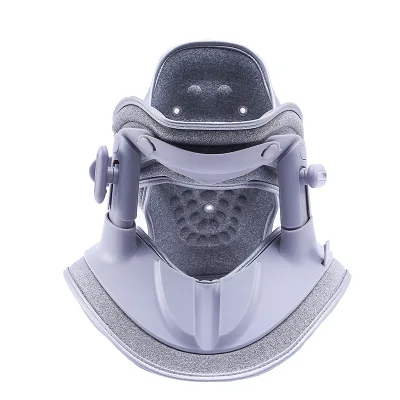


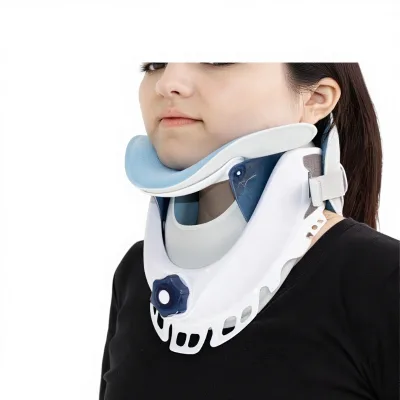


Comprehensive Sourcing Guide
Adjustable Lightweight Cervical Collar Supplier Concentration and Factory Types
The current supplier landscape for adjustable lightweight cervical collars reveals a distinct geographic concentration in China, with specific manufacturing hubs identified in Zhejiang and Jiangsu provinces. Suppliers located in Zhejiang are often categorized as combined entities, indicating a hybrid operational model that may blend manufacturing capabilities with trading functions. This structural diversity allows for flexibility in production scaling and order fulfillment, catering to both large-volume industrial buyers and smaller retail distributors. The presence of these combined company types suggests that buyers might encounter suppliers who manage their own brand alongside original design manufacturing (ODM) and original equipment manufacturing (OEM) services. This dual capability is particularly relevant for buyers seeking customized solutions, as it implies the supplier has the internal infrastructure to handle proprietary designs without relying entirely on external partners. Understanding this factory type distinction is crucial for assessing the supplier’s ability to maintain quality control across different production runs and their capacity to adapt to specific client requirements.
In contrast, suppliers based in Jiangsu province present a different operational profile, often listing themselves as both manufacturers and trading companies. This specific combination suggests a robust supply chain network that can source materials efficiently while maintaining direct oversight of the production process. The main products for these suppliers frequently include a range of orthotic devices, such as wrist, knee, elbow, and ankle supports, alongside the primary focus on cervical collars. This product breadth indicates a specialized expertise in orthopedic rehabilitation equipment, which can be a positive indicator of technical competence. Buyers should note that while the location is confirmed as Jiangsu, China, the specific factory addresses are not provided in the current data set. Therefore, verifying the actual manufacturing site versus the trading office location is a necessary step. The concentration in these two provinces highlights a mature industrial ecosystem for medical and sports rehabilitation accessories, offering buyers a variety of options for sourcing high-quality, adjustable lightweight cervical collars with varying degrees of customization and service levels.
How to Verify Adjustable Lightweight Cervical Collar Suppliers
Verification of suppliers requires a multi-layered approach that goes beyond basic company registration checks, focusing heavily on third-party validations and product-specific certifications. One critical data point available for some suppliers is the SGS verification status, which serves as a tangible indicator of operational legitimacy and adherence to international standards. Buyers should prioritize suppliers who display this verification badge, as it implies that an independent inspection agency has reviewed their business operations and product quality systems. Additionally, product-level certifications such as CE and ISO are frequently listed in the product attributes for cervical collars. These certifications are not merely decorative; they are mandatory for selling medical devices in many global markets, particularly in Europe and other regions with strict regulatory frameworks. Buyers must ensure that the certifications listed on the product page match the specific model numbers and batch codes they intend to purchase, as generic claims may not apply to all SKUs offered by the supplier.
Beyond certifications, buyers should actively verify the supplier’s response capabilities and after-sales support structures. The response time metric, which appears as a numerical value like 8.62 or 8 hours for some suppliers, provides a quantitative measure of their customer service efficiency. A faster response time often correlates with better communication throughout the order lifecycle, from initial inquiry to post-delivery support. Furthermore, the availability of online technical support and onsite training, as noted in some product attributes, indicates a higher level of service commitment. Buyers should inquire about the specific nature of these support services to ensure they align with their operational needs. It is also essential to verify the customization capabilities, such as logo printing and size specifications, by requesting samples or detailed technical drawings before placing bulk orders. This due diligence helps mitigate the risk of receiving products that do not meet the buyer’s specific quality or branding requirements, ensuring a smoother integration into their supply chain.
What to Compare Across Adjustable Lightweight Cervical Collar Suppliers
When evaluating multiple suppliers, buyers must systematically compare key commercial and operational metrics to identify the most suitable partner for their specific needs. One of the most significant differentiators is the minimum order quantity (MOQ), which varies considerably across the supplier base. Some suppliers offer an MOQ of just one unit, which is ideal for testing market response or fulfilling small, urgent orders. In contrast, other suppliers enforce a higher MOQ, such as 200 pieces for a single size and color, which is more suitable for established retailers or distributors with consistent demand. This disparity requires buyers to align their order volume with the supplier’s thresholds to avoid unnecessary costs or stockouts. Additionally, the price range for these products can fluctuate based on the model, material, and customization options. For instance, basic models may start at a lower price point, while more specialized or adjustable versions command a higher premium. Buyers should request detailed quotations that break down costs by unit, tooling, and shipping to ensure accurate budgeting.
Lead time and production capacity are equally critical factors in the comparison process. Suppliers may list lead times ranging from 30 to 40 days, which directly impacts inventory planning and delivery schedules. Buyers with tight deadlines must prioritize suppliers with shorter lead times or those who maintain ready stock of standard items. The production capacity, often indicated by the supplier’s ability to handle ODM and OEM projects, also plays a role in determining scalability. Buyers should assess whether the supplier can handle volume spikes without compromising quality or delivery dates. Furthermore, the main product focus of the supplier can indicate their level of expertise. Suppliers specializing in a wide range of orthotic devices, from spinal supports to limb braces, may offer better cross-product synergies and bulk shipping discounts. By comparing these dimensions—MOQ, price, lead time, capacity, and product breadth—buyers can create a weighted scoring matrix to objectively rank suppliers and select the one that best balances cost, speed, and reliability.
Common Adjustable Lightweight Cervical Collar Sourcing Risks
Sourcing adjustable lightweight cervical collars involves several inherent risks that buyers must proactively manage to ensure a successful procurement outcome. One significant risk is the discrepancy between product specifications and actual delivered goods, particularly when dealing with customized orders. Suppliers may list attributes such as material composition, weight, and size ranges, but variations in manufacturing tolerances can lead to inconsistencies. For example, a product listed with a weight of 0.82kg might vary slightly in different batches, which could be critical for buyers with strict weight constraints for shipping or end-user comfort. Another risk is the validity and scope of certifications. While CE and ISO marks are commonly displayed, buyers must verify that these certifications are current and applicable to the specific product model and region of sale. Relying on outdated or generic certificates can lead to customs delays or legal issues in regulated markets. Buyers should request copies of the certificates and cross-reference them with the issuing bodies to ensure authenticity.
Another common risk is the reliability of after-sales support and warranty terms. Some suppliers offer online technical support, but the depth and responsiveness of this support can vary widely. In cases of product defects or quality issues, the process for returns, replacements, or refunds may be unclear or cumbersome. Buyers should clarify these terms in writing before placing orders, ensuring that there is a clear mechanism for resolving disputes. Additionally, the risk of intellectual property infringement exists when working with suppliers who offer OEM services. Buyers must ensure that their designs and branding are protected and that the supplier does not share their proprietary information with competitors. This is particularly important for suppliers who are also trading companies, as they may have broader networks that could inadvertently expose sensitive design details. To mitigate these risks, buyers should conduct thorough due diligence, including site visits or third-party audits, and establish clear contractual agreements that outline quality standards, certification requirements, and liability clauses.
Adjustable Lightweight Cervical Collar Regional Sourcing and Logistics
The geographic location of suppliers significantly influences logistics planning, shipping costs, and delivery timelines for adjustable lightweight cervical collars. With suppliers concentrated in Zhejiang and Jiangsu provinces in China, buyers benefit from access to well-established manufacturing clusters that are integrated into global supply chains. These regions are known for their efficient port infrastructure, which facilitates smooth export operations to various international destinations. However, the specific logistics advantages depend on the buyer’s location and preferred shipping methods. For buyers in North America or Europe, sea freight from these Chinese ports is a cost-effective option, though it requires careful planning to account for transit times. Air freight may be necessary for urgent orders, but it comes at a higher cost. Buyers should work with their suppliers to determine the most efficient shipping routes and consolidate orders to optimize freight costs. Understanding the regional logistics landscape helps buyers anticipate potential delays and plan their inventory levels accordingly.
In addition to shipping, buyers must consider the packaging and labeling requirements associated with regional sourcing. Suppliers often provide various packaging options, such as OPP bags, polybags with headcards, color boxes, or blister packs. The choice of packaging can impact product protection during transit and compliance with local retail regulations. For instance, some markets require specific labeling in local languages or include safety warnings that must be printed on the packaging. Buyers should confirm these details with their suppliers to ensure that the products meet all destination-specific requirements. Furthermore, the weight and dimensions of the products, such as the 0.82kg weight noted for some models, affect shipping calculations and storage requirements. Buyers should request detailed packing lists and dimensional data to accurately estimate freight costs and warehouse space needs. By leveraging the logistical strengths of the Chinese manufacturing hubs and planning for regional compliance, buyers can streamline their supply chain and reduce overall procurement costs.
Adjustable Lightweight Cervical Collar Commercial Terms and Order Planning
Effective order planning for adjustable lightweight cervical collars requires a clear understanding of commercial terms, payment structures, and production schedules. Buyers should negotiate favorable payment terms, such as partial upfront payments with the balance due upon shipment, to balance risk and cash flow. It is also essential to clarify the Incoterms, such as FOB or CIF, to determine who is responsible for shipping and insurance costs. Suppliers may offer different pricing tiers based on order volume, so buyers should aim to consolidate orders to achieve better unit prices. Additionally, buyers should inquire about sample policies, including costs and lead times for pre-production samples. Obtaining samples is a critical step in verifying product quality and ensuring that the Adjustable Lightweight Cervical Collar meets the buyer’s specifications before committing to a large order. This process helps avoid costly mistakes and ensures that the final product aligns with market expectations.
Long-term order planning should also consider the supplier’s capacity for customization and scalability. Suppliers that offer ODM and OEM services can adapt to changing market trends and buyer requirements, providing a competitive advantage. Buyers should discuss their future volume projections with suppliers to ensure that the supplier can scale production as needed. This conversation should include lead time commitments for larger orders and the supplier’s ability to handle rush orders if necessary. Furthermore, buyers should establish a clear communication protocol for order updates, quality inspections, and issue resolution. Regular communication helps build a strong partnership and ensures that both parties are aligned on expectations. By carefully planning commercial terms and fostering a collaborative relationship with suppliers, buyers can secure a reliable supply of adjustable lightweight cervical collars, minimize risks, and maximize the value of their procurement investments.
FAQs
What is the price range for adjustable lightweight cervical collars?
Prices for these collars typically range from 1.50 to 22.00 USD per unit depending on the specific model and customization options. Some basic models start at 1.50 USD while specialized versions can reach up to 22.00 USD. Buyers should verify exact pricing based on their required quantity and specific product features before placing an order.
What are the minimum order quantities for these products?
Minimum order quantities vary significantly between suppliers, ranging from a single unit to 200 pieces per order. Some listings allow purchasing just one item, while others require a minimum of 200 pieces for specific colors or sizes. Buyers must check individual product pages to confirm the exact MOQ applicable to their specific needs.
How long does it take to receive these cervical collars?
Lead times for these products generally range from 30 to 40 days after order confirmation. Specific delivery schedules depend on the supplier location and current production capacity. Buyers should confirm the exact lead time with the supplier before finalizing their purchase to ensure timely delivery for their project requirements.
Are these collars available with custom branding and logos?
Yes, customization including custom logos is available for many of these adjustable lightweight cervical collars. Suppliers offer options to print logos and customize product specifications to meet specific buyer requirements. Buyers should confirm customization details and any associated costs directly with the supplier before proceeding with their order.
What certifications do these medical devices hold?
Many of these cervical collars carry CE and ISO certifications to ensure compliance with international safety standards. Some products specifically list CE certification as a quality assurance measure. Buyers should verify the specific certification documents for each product to ensure they meet the regulatory requirements of their target market.
Where are these suppliers located and what is their response time?
Suppliers are primarily located in Zhejiang and Jiangsu provinces in China with response times averaging around 8 to 9 hours. Some suppliers have been verified by third-party agencies like SGS to ensure reliability. Buyers can expect relatively quick communication from these manufacturers when inquiring about product details or placing orders.
What materials are used to make these cervical collars?
These collars are commonly constructed from durable plastic materials designed for comfort and effective support. The lightweight design ensures ease of use while maintaining structural integrity for neck stabilization. Buyers should check specific product attributes to confirm the exact material composition and weight for their intended application.