Source Adjustable Magnetic Dental Articulator for labs, clinics, and schools
Compare 30 Adjustable Magnetic Dental Articulator options from verified suppliers. Buyers can evaluate specifications, certifications, and pricing for use in oral health, rehabilitation, and orthodontic departments. These tools support precision work in stomatology and neurosurgery contexts with features like anti-bacterial properties and customizable designs.
Updated
Key considerations
Products List


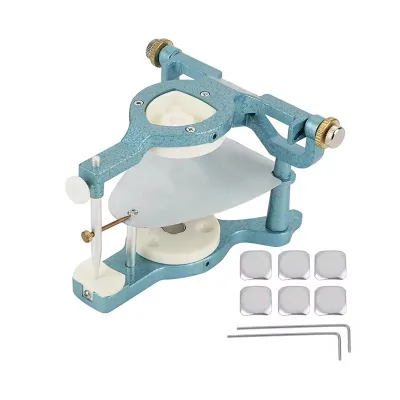
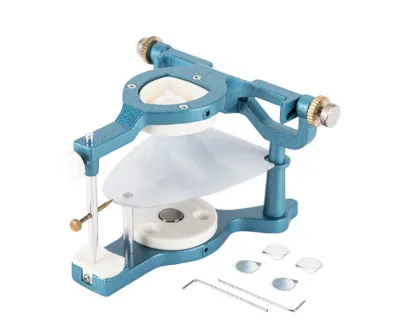
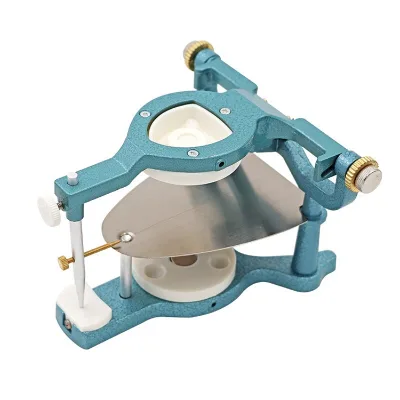
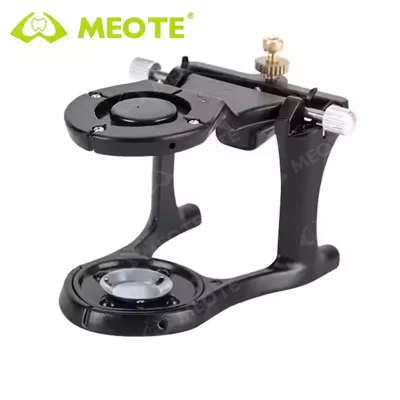


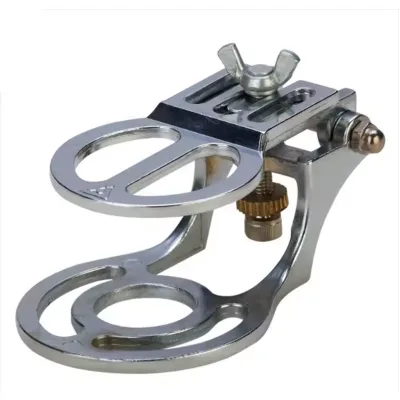
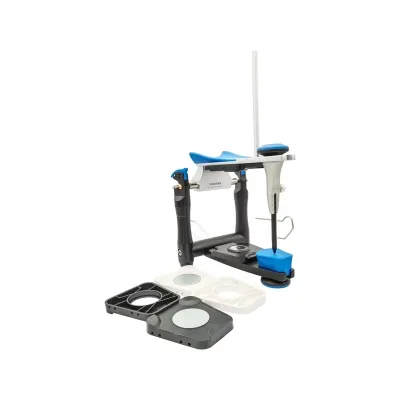
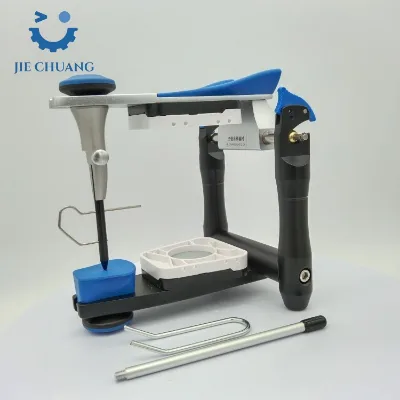
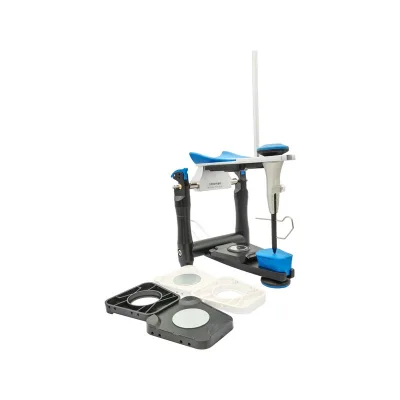


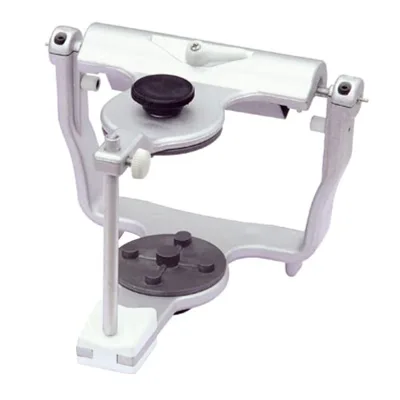
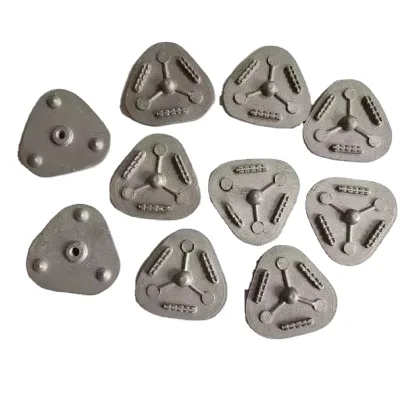
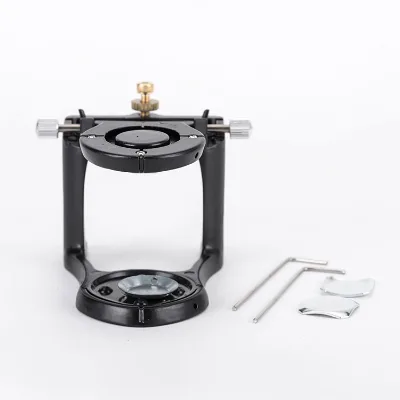
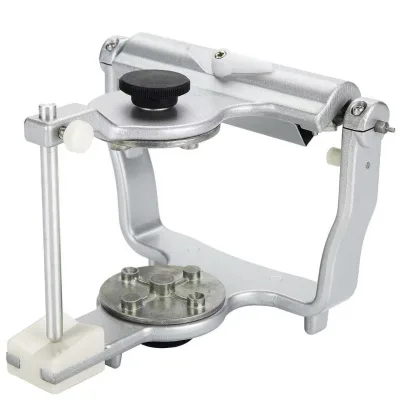
Comprehensive Sourcing Guide
Adjustable Magnetic Dental Articulator Sourcing Guide
Procuring adjustable magnetic dental articulators requires a disciplined approach to verifying mechanical precision and regulatory compliance. These specialized instruments are critical for mounting dental casts in accurate spatial relationships, enabling clinicians to simulate jaw movements during restorative and orthodontic procedures. Buyers must prioritize suppliers who provide transparent technical data regarding the magnetic retention mechanisms and the adjustability range of the condylar guidance. The market offers various configurations, from basic zinc models to high-precision alloy versions, each serving different clinical needs and budget constraints.
The sourcing process involves evaluating multiple product attributes, including material composition, certification status, and packaging standards. Observed listings indicate a wide range of options, with materials varying from PVC to metal alloys, and certifications such as CE, UL, and FDA appearing across different suppliers. Buyers should carefully cross-reference these claims against their specific departmental requirements, whether for oral health, rehabilitation, or orthodontics. Understanding the distinction between disposable and reusable components is equally important, as it impacts long-term operational costs and infection control protocols within the dental laboratory.
Product Scope and Observed Listing Signals
The current market landscape for dental articulators displays significant diversity in product naming and classification. Listings frequently reference terms such as "Japanese Precision Alloy Articulator," "Dental Zinc Articulator," and "Magnetic Denture Articulators," indicating a broad spectrum of technological approaches. Some products are classified under specialized instrument equipment, while others fall under mechanic equipment categories. This variation suggests that buyers must look beyond generic titles and examine the specific model numbers, such as YP-DMJ-002 or JT-02, to understand the underlying mechanical design and intended clinical application.
Observed product attributes reveal distinct differences in customization options and applicable departments. While some articulators are designed for general oral health departments, others are specified for orthodontic or rehabilitation contexts. The availability of customized colors and materials, including silver finishes or specific alloy compositions, allows for tailored procurement strategies. Additionally, the presence of features like anti-bacterial properties or reusability highlights the importance of hygiene considerations in product selection. Buyers should note that packaging varies from individual boxes to bulk cartons containing thirty pieces, which affects storage and inventory management decisions.
Technical Specifications to Verify
Verifying technical specifications is paramount when selecting an Adjustable Magnetic Dental Articulator. Buyers must confirm the exact model number and dimensions, as observed listings show sizes ranging from compact units measuring 15x10x10cm to larger systems spanning 550x330x620mm. The weight of the equipment also varies significantly, with some units weighing 20kg and others specified at 0.7kg per piece. These physical characteristics directly influence the stability of the articulator during use and the logistical requirements for shipping and installation in a dental laboratory setting.
The material composition and instrument classification provide further insight into the durability and regulatory category of the device. Listings indicate materials such as PVC, metal, and specialized alloys, with some products classified as Class I instruments. It is essential to verify whether the magnetic mechanism is integrated into a zinc or copper base, as this affects the precision of the bite registration. Buyers should request detailed schematics or technical datasheets that outline the range of adjustment for condylar guidance and incisor guidance, ensuring the device meets the specific biomechanical requirements of their practice.
Compliance and Safety Documentation
Regulatory compliance is a non-negotiable aspect of sourcing medical devices, and buyers must rigorously audit supplier documentation. Observed certifications include CE, UL, and FDA approvals, which indicate adherence to specific regional and international safety standards. However, the presence of these marks does not guarantee universal compliance; buyers must verify that the specific model they intend to purchase holds the relevant certifications for their target market. It is crucial to request valid certificate copies and check their expiration dates to ensure ongoing regulatory standing.
Beyond certifications, buyers should assess the product standards and manufacturing origins to ensure quality consistency. Many listed products originate from China, with specific mentions of Hebei as a manufacturing hub. While some suppliers claim universal standards, others reference ISO and CE standards explicitly. Buyers must confirm that the manufacturing facility adheres to Good Manufacturing Practices (GMP) and that the products undergo rigorous quality control testing. Understanding the regulatory type, such as specialized instrument equipment, helps in navigating import regulations and ensuring that the devices can be legally deployed in clinical environments.
Cost Drivers and Commercial Terms
Understanding the cost structure of dental articulators involves analyzing price ranges, minimum order quantities, and packaging efficiencies. The observed price range spans from $0.1 to $800, reflecting the vast difference between basic components and high-precision instruments. Minimum order quantities (MOQ) vary from single pieces to sixty units, allowing for flexible procurement strategies based on immediate needs and budget constraints. Buyers should calculate the total landed cost, including shipping and handling, which can be influenced by carton weights and packing densities.
Commercial terms also encompass customization options and lead times, which can significantly impact project timelines. Many suppliers offer customization for colors and specific model requirements, which may incur additional costs or extended lead times. The packing specifications, such as thirty pieces per carton or individual box packaging, affect both storage efficiency and unit costs. Buyers should negotiate clear terms regarding warranty, return policies, and after-sales support, ensuring that any defects or malfunctions are addressed promptly without incurring excessive additional expenses.
Supplier Qualification and Quality Control
Supplier qualification requires a thorough evaluation of their manufacturing capabilities and quality assurance processes. Buyers should prioritize suppliers who provide transparent information about their production lines, including the use of precision machinery for alloy articulators and rigorous testing for magnetic retention strength. It is advisable to request samples for preliminary testing before committing to large orders, allowing for a direct assessment of build quality and mechanical smoothness. Suppliers with established reputations in the stomatology and neurosurgery microscope sectors may offer higher reliability.
Quality control measures should be explicitly defined in the purchase agreement, including inspection protocols and acceptance criteria. Buyers must verify that the supplier conducts pre-shipment inspections and provides certificates of conformity for each batch. The presence of features like anti-bacterial coatings or reusable designs necessitates specific quality checks to ensure these attributes perform as claimed over time. Establishing a clear communication channel for addressing quality issues and defining remediation steps is essential for maintaining consistent supply chain integrity and clinical safety.
Long-Term Procurement Checks
Long-term procurement success depends on establishing ongoing performance reviews and supplier relationship management. Buyers should periodically reassess the performance of their articulators in clinical settings, monitoring for issues such as magnetic degradation, mechanical wear, or calibration drift. Regular feedback loops with clinical staff can identify practical usability concerns that may not be apparent during initial testing. This continuous evaluation helps in making informed decisions about reordering, upgrading to newer models, or switching suppliers if performance standards are not met.
Additionally, buyers must stay updated on regulatory changes and technological advancements in dental articulator design. The market is dynamic, with new materials and precision technologies emerging regularly. Maintaining a diversified supplier base can mitigate risks associated with supply chain disruptions or sudden regulatory shifts. By keeping a close watch on industry trends and maintaining strong relationships with qualified suppliers, buyers can ensure their dental laboratories remain equipped with reliable, high-performance tools that support optimal patient outcomes and operational efficiency.
FAQs
What certifications do adjustable magnetic dental articulators have?
These devices typically hold CE and UL certifications as observed in product listings. Some models also meet ISO and FDA standards. Buyers should verify specific documentation for each supplier to ensure compliance with local regulations before purchasing specialized instrument equipment.
Can I customize the color of the dental articulator?
Yes, customization is available for the color of these articulators. While silver is a common observed color, buyers can request specific shades to match their laboratory needs. This feature allows clinics to align equipment aesthetics with their existing dental department branding or operational requirements.
Which materials are used to make these dental articulators?
Manufacturers use various materials including PVC, metal, and zinc for these devices. The specific material depends on the model type, such as the Japanese Precision Alloy or Zinc articulator. Buyers should check the product specifications to confirm the exact composition required for their dental lab applications.
How is the packaging handled for these dental instruments?
Packaging options include boxes, cartons, and paper boxes depending on the supplier. Some listings indicate a standard of 30 pieces per carton, while others use one set per box. Buyers must confirm the packing details to ensure safe transport and proper inventory management for their orders.
What is the minimum order quantity for these articulators?
The minimum order quantity varies by supplier, ranging from one piece to sixty pieces. Some vendors list an MOQ of one piece, while others require ten pieces. Buyers should check individual supplier terms to find options that fit their budget and immediate inventory needs.
Where are these dental articulators manufactured?
Most products originate from China, specifically regions like Hebei. This location is a common hub for manufacturing specialized instrument equipment. Buyers should verify the exact origin with the supplier to understand shipping times and potential import regulations for their specific destination market.
What departments can use these dental articulators?
These instruments are suitable for the Oral Health Department, Oral Rehabilitation Department, and Orthodontic Department. They serve as specialized instrument equipment for various dental procedures. Buyers should confirm compatibility with their specific departmental workflows before integrating these tools into their clinical practice.