iso certified x-ray protective apron Suppliers and Manufacturers
Compare 25 verified suppliers offering iso certified x-ray protective apron with details on lead times, response times, and certifications. Review product specifications like CE and ISO standards, then contact suppliers directly to request quotes; review the available evidence before requesting comparable quotations from suitable candidates.
Updated
Suppliers List
Shanghai Je-See Technology Co., Ltd.
- Trading Company
- Shanghai, China
- Lead time7 days
- Avg. response≤ 5h
Main productsx ray machine,lab equipment,x ray accessories
Main marketsSouth America(30.00%), Africa(25.00%), South Asia(15.00%), Southeast Asia(15.00%), Eastern Asia(10.00%), Mid East(5.00%)
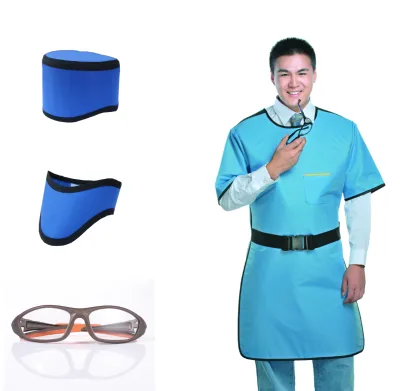
CE Certified Medical Frontal Breast Protective X-Ray Lead Apron for Radiation Protection
$33.5462 - $41.932
MOQ: 1 pieces
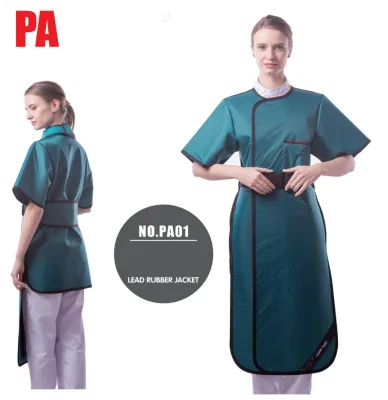
$32.8107 - $41.0137
MOQ: 1 pieces
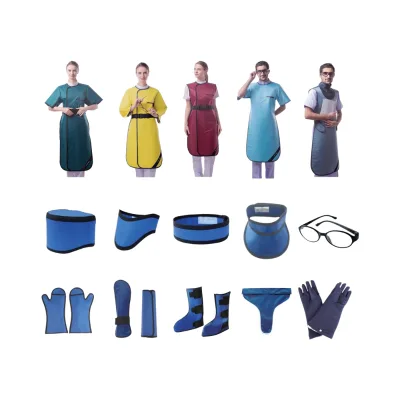
$30.7599 - $41.0137
MOQ: 1 pieces
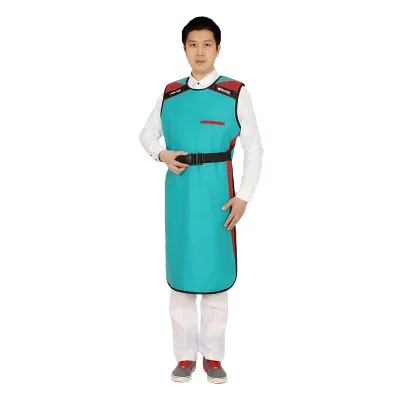
$50.3178 - $62.898
MOQ: 1 pieces
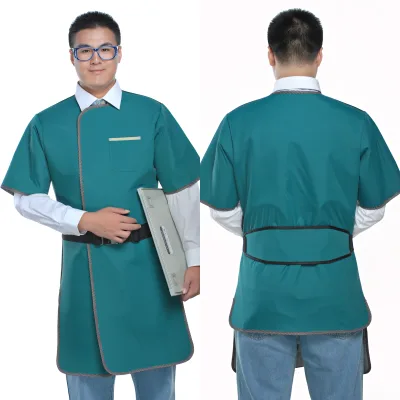
$49.2168 - $61.5199
MOQ: 1 pieces
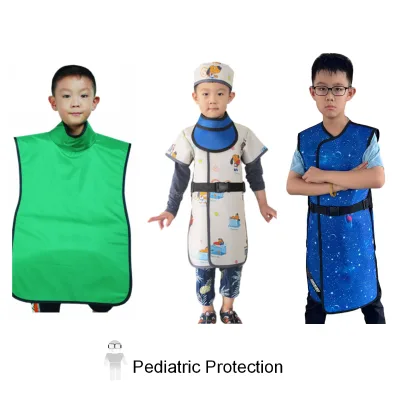
Child and Adult Lead Apron With Thyroid Collar X-Ray Lead Apron for Radiation Protection
$29.3533 - $33.5462
MOQ: 1 pieces
Guangzhou Happycare Medical Equipment Co., Ltd.
- Trading Company
- Lead time旺季: "1 - 5":60,"> 5":"To be negotiated", 淡季: "1 - 5":60,"> 5":"To be negotiated"
- Avg. response≤ 3h
Main productsChemistry Analyzer, Hematology Analyzer, Ultrasound Scanner, Dental X Ray, X Ray Machine
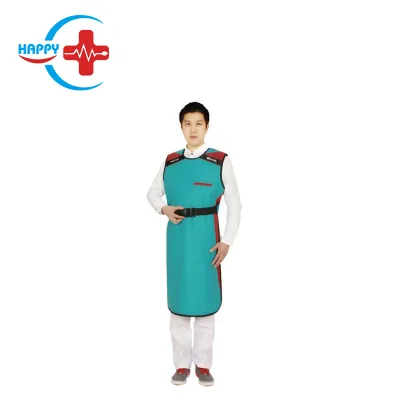
1174 Medical X-ray Protective Products X-ray Protective Lead Apron
$103.7395 - $145.2356
MOQ: 1 Minimum
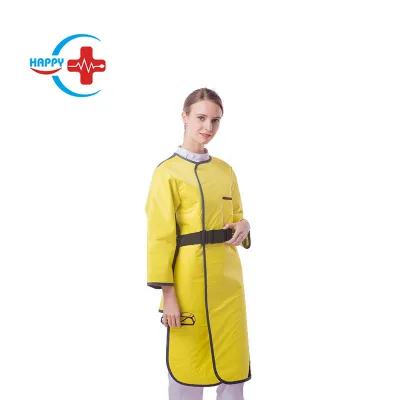
1102 Medical Lead Apron X Ray Radiation protection Lead Clothes With Best Price
$80.00 - $199.00
MOQ: 1 Minimum

SHIJIAZHUANG QIAZHENG INTERNATIONAL TRADE CO., LTD
- Verified by BV
- Trading Company
- China Hebei
- Lead time15 days
- Avg. response≤ 5h
Main productsLead Sheet, Lead Glass, Lead Door, Lead Barriar /Screen, Hot Tapping Machine, X Ray Protect Lead Apron, Pipeline Stopping Machine, Pipeline Equipment
Main marketsOthers(foreignTradeCapacity.exportBusinessCapacityMarketOther)

Wholesale Thyroid Protection Collar X-ray Protection Lead Apron with CE ISO Certification
$65.00 - $100.00
MOQ: 1 piece

Hospital ISO Marked Medical X-ray Protective Lead Apron with Different Colors
$15.00 - $100.00
MOQ: 10 Sets


Medical X Ray Protective Lead Apron Radiation Shielding Cloth Medical X-ray Lead Apron
$25.00 - $100.00
MOQ: 10 Sets

XINDRAY MEDICAL INTERNATIONAL CO., LIMITED
- Trading Company,Manufacturer/Factory
- China Jiangsu
- Lead time60 days
- Avg. response≤ 3h
Main productsMedical Equipment, X-ray Machine, Hospital Equipment, Surgical Medical Product, Operation Light, Operation Table, Hospital Bed, Medical Instrument, Medical Disposable Product, Extracorporeal Shock Wave Lithotripter
Main marketsSouth America,Eastern Europe,Mid East,North America,Southeast Asia,Eastern Asia,Oceania,Western Europe,Africa

with Different Colors Hospital ISO Marked Medical X-ray Protective Lead Apron
$30.00 - $75.00
MOQ: 1 Pieces

Hospital-Use Blue Lead Apron for X-ray Radiation Protection - X Ray Protective Lead Apron
$30.00 - $75.00
MOQ: 1 Pieces

Wholesale Price X Ray Protective Lead Apron with Radioactive Shielding with Best Quality
$30.00 - $75.00
MOQ: 1 Pieces
- Trading Company
- Hong Kong S.A.R.
- Lead time0 days
- Avg. response≤ 16h
Main productsMonitoring,Ultrasound,Radiology,Medical Scales,Medical Furniture
Main marketsAfrica(15.00%), South America(10.00%), Southeast Asia(10.00%), Mid East(10.00%), Eastern Asia(10.00%), Central America(10.00%), Northern Europe(10.00%), South Asia(10.00%), Domestic Market(10.00%), North America(5.00%)
- Verified by SGS Group
- Manufacturer, Trading Company
- Lead time2 days
- Avg. response≤ 5h
Main productsMedical X-ray Equipments & Accessories, Medical Ultrasound Instruments, Emergency & Clinics Apparatuses, Clinical Analytical Instruments, Veterinary Medical Equipments
Main marketsSoutheast Asia(25%), Africa(20%), North America(11%)
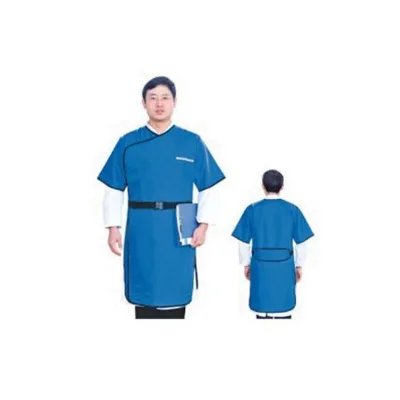
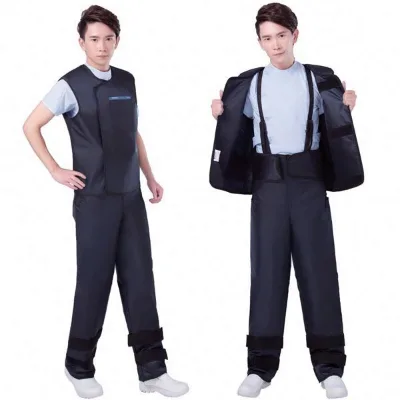
Lead-Free X-Ray Protective Aprons Medical Protective Aprons at Competitive Price
$724.6365 - $1241.9379
MOQ: 1 Minimum

- Verified by CTI
- Trading Company
- China Jiangsu
- Lead time15 days
- Avg. response≤ 16h
Main productsClinical Lab Equipment, Rehabilitation Equipment, Surgical Equipment, Medical Furniture, Medical Scales, X-ray Machine, Medical Disposables, Oxygen Concentrator, Medical Equipment, Medical Consumables
Main marketsSouth America,Africa,Southeast Asia/ Mideast,Europe,Australia
Shanghai Lions Industrial Co., Ltd.
- Trading Company
- Shanghai, China
- Lead time15 days
- Avg. response≤ 3h
Main productsDental Products,Medical Products,Personal care,Pet Medical
Main marketsNorth America(30.00%), Western Europe(20.00%), South America(20.00%), South Asia(10.00%), Southern Europe(10.00%), Mid East(10.00%)
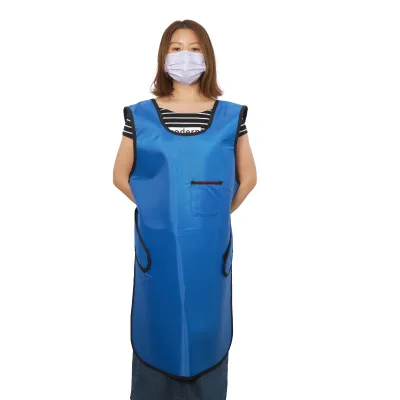
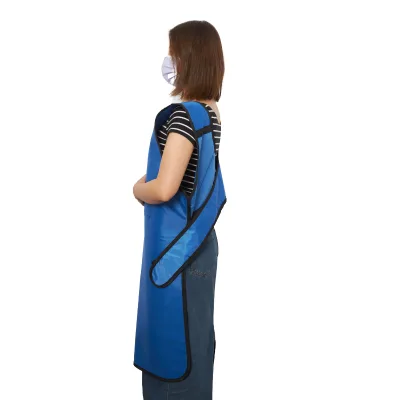
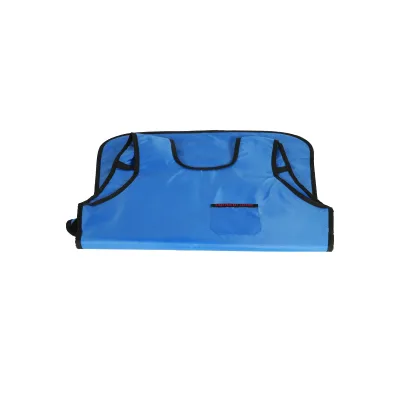
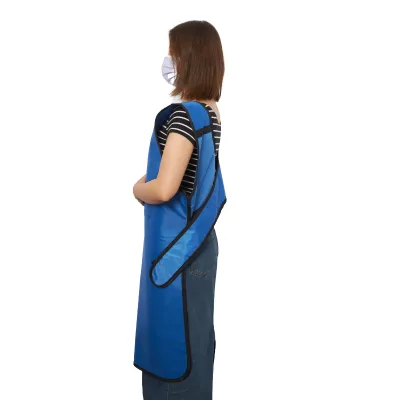
X-ray Protective Lead Rubber Apron ISO Certified 95% Filter Rating Adult/Child Sizes
$25.6338 - $82.026
MOQ: 50 Minimum

Tangshan UMG Medical Instrument Co., Ltd.
- Verified by BV
- Combined
- China Hebei
- Lead time23 days
- Avg. response≤ 3h
Main productsDental Handpiece, Dental Material, Dental Equipment, Dental Disposable Instrument, Dental Orthodontic, Dental Teach Simulation, Dental Prophy Angles, Latex Free Disposable Prophy Cups, Disposable Prophy Brush, Dental Unit
Main marketsSouth America,Africa,Southeast Asia/ Mideast,East Asia(Japan/ South Korea),Domestic,Europe,Australia,North America
Guangzhou Leyte Medical Equipment Co., Ltd.
- Verified by SGS Group
- Trading Company
- Lead time10 days
- Avg. response≤ 1h
Main productsElectrosurgical Generator, Endoscope, Anesthesia Machine, Operation Light, Operation Table
Main marketsAfrica(30%), Southeast Asia(10%), North America(5%)
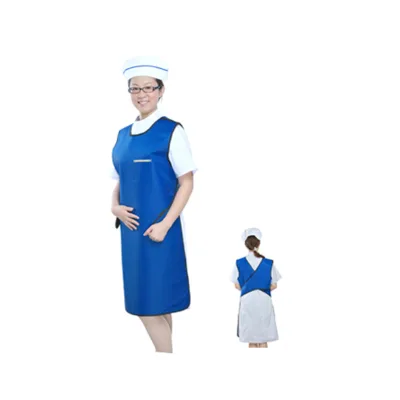
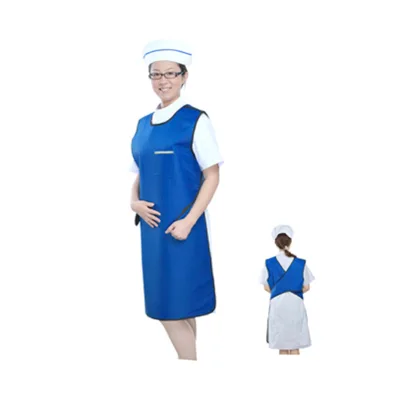
LTXA07 Factory Price X-ray Protective Lead Apron for Adults and Children
$46.1714 - $56.4327
MOQ: 1 Minimum
Eurosun Technology (Shanghai) Co., Ltd.
- Verified by Intertek
- Trading Company
- Lead time3 days
- Avg. response≤ 3h
Main productsBeauty Bed, Eyelash Bed, Beauty Chair, Hospital Bed, Surgical Light
Main marketsNorth America(35%), Western Europe(35%), Africa(15%)
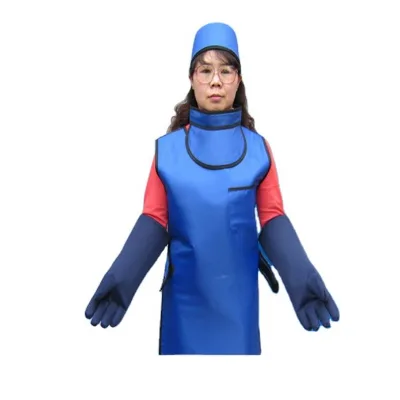
$36.1093 - $40.2363
MOQ: 1 pieces

$31.00 - $35.00
MOQ: 1 pieces

Longkou Sanyi Medical Device Co., Ltd.
- Manufacturer, Trading Company
- Shandong, China
- Lead time10 days
- Avg. response≤ 7h
Main productsX-ray protective clothing,X ray protection system,X-ray protective device
Main marketsDomestic Market(9.09%), South Asia(9.09%), Northern Europe(9.09%), Western Europe(9.09%), Eastern Asia(9.09%), Mid East(9.09%), Oceania(9.09%), Southeast Asia(9.09%), Eastern Europe(9.09%), South America(9.09%), North America(9.09%)

Anqing Topeak Medical Co., Ltd.
- Trading Company
- China Anhui
- Lead time15 days
- Avg. response≤ 6h
Main productsDental Bibs, Non Woven SMS, Mirco Applicator, Face Mask, Saliva Ejector, Dental Needle, Sterilization Pouch, Sterilization Reel, Isolation Gown, Coverall
Main marketsSouth America,Others(foreignTradeCapacity.exportBusinessCapacityMarketOther),Southeast Asia/ Mideast,East Asia(Japan/ South Korea),Europe
Longkou Longyue Medical Device Co., Ltd.
- Manufacturer, Trading Company
- Shandong, China
- Lead time0 days
- Avg. response≤ 3h
Main productsX-Ray Lead Apron, X-Ray Lead Clothing, X-Ray Lead Glasses, X-Ray Lead Gloves, X-Ray Lead Thyroid Shield, X-Ray Lead Gonad Shield, X-Ray Lead Screen, X-Ray Lead Glass, X-Ray Lead Door, X-Ray Lead Sheet
Main marketsDomestic Market(100.00%)
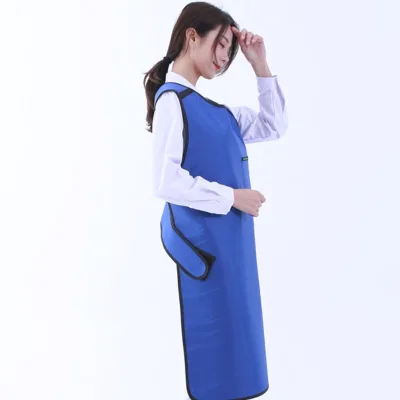
DSA Operating Room and Other Scenes X Ray Shielding Radiation Protective Lead Apron
$28.6507 - $32.7433
MOQ: 1 pieces

$63.0628 - $69.266
MOQ: 1 pieces
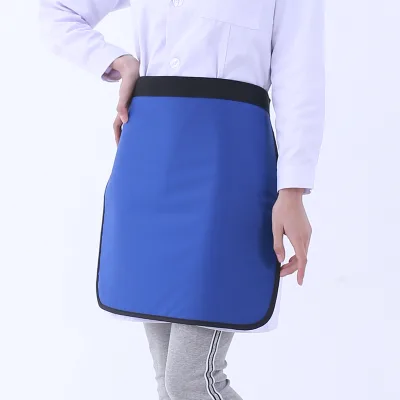
$16.1095 - $19.0845
MOQ: 1 pieces

Shandong Yuguang Radiation Protection Engineering Co., Ltd
- Verified by SGS
- Trading Company
- China Shandong
- Lead time23 days
- Avg. response≤ 11h
Main productsLead Glass
Main marketsDomestic

Shantou Easywell Electronic Technologies Co., Ltd.
- Verified by TUVRHEINLAND
- Combined
- China Guangdong
- Lead time15 days
- Avg. response≤ 8h
Main productsSurgical Examination Light, LED Examination Lamp, Minor Surgical Light, LED X-ray Viewer, LED Wireless Headlights, Shadowless Surgical Lamp, Operation Table, Hospital Furniture, Lab Instruments, X-ray Lead Protective Products
Main marketsAfrica,Southeast Asia/ Mideast,Europe,Australia,North America


Radiation Protection Free Full Sleeve Double Side X Ray Protective Lead Apron
$140.00 - $145.00
MOQ: 1 pc


ALTHEA IMPORT AND EXPORT LIMITED
- Trading Company
- Hong Kong S.A.R.
- Lead time0 days
- Avg. response≤ 1h
Main productsmedical equipment,medical furniture,ot table,ot light,dental lamp
Main marketsSoutheast Asia(30.00%), North America(30.00%), Domestic Market(10.00%), South Asia(10.00%), Western Europe(10.00%), Mid East(10.00%)
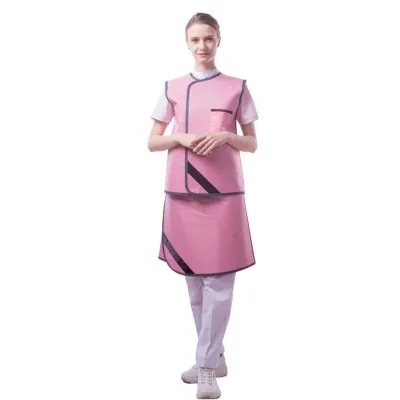
$20.6919 - $51.7274
MOQ: 1 Minimum
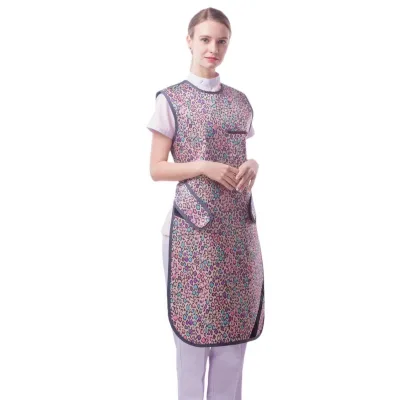
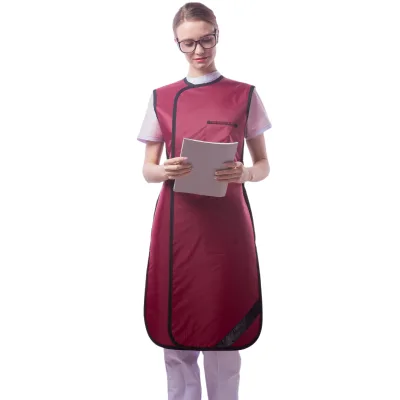
CE Approved Adjustable Lead Apron for Radiation Protection Hot Sales Manual Power Source
$20.7338 - $51.8338
MOQ: 1 Minimum
- Manufacturer, Trading Company
- Lead time旺季: "1 - 1":7,"> 1":"To be negotiated", 淡季: "1 - 1":7,"> 1":"To be negotiated"
- Avg. response≤ 4h
Main productsMedical X-ray Equipments & Accessories, Medical Ultrasound Instruments, Emergency & Clinics Apparatuses, Clinical Analytical Instruments, Veterinary Medical Equipments
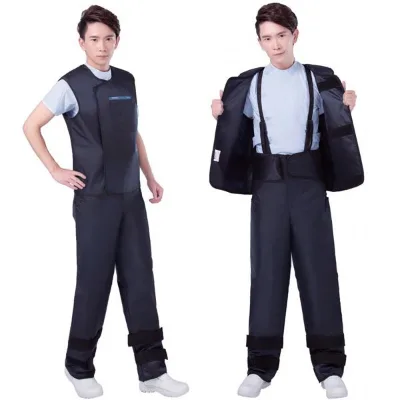
Lead-Free X-Ray Protective Aprons Medical Protective Aprons at Competitive Price
$699.00 - $1198.00
MOQ: 1 Minimum
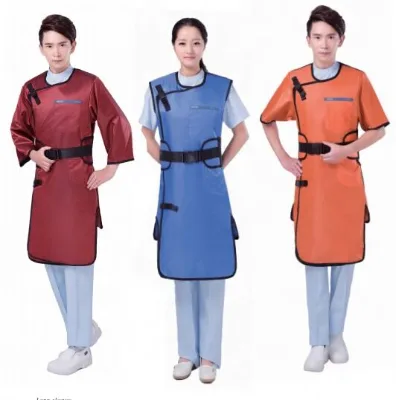
Jiangsu Huibaicheng Group Co., Ltd
- Verified by SGS Group
- Trading Company
- Lead time20 days
- Avg. response≤ 2h
Main productsSafety Helmet, Safety Vest, Safety Shoes, Gloves, Work Clothes
Main marketsNorth America(50%), Southeast Asia(20%), Eastern Europe(10%)
Zhengzhou Smile Medical Technology Co., Ltd.
- Verified by SGS Group
- Trading Company
- Lead time3 days
- Avg. response≤ 3h
Main productsintraoral scanner, dental scanner, dental x ray, Dental Implant , dental sensor
Main marketsMid East(25%), North America(20%), Southeast Asia(20%)
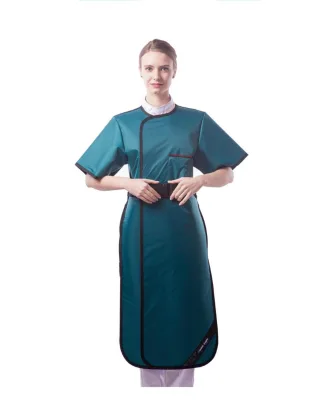
$24.7095 - $39.1248
MOQ: 1 pieces
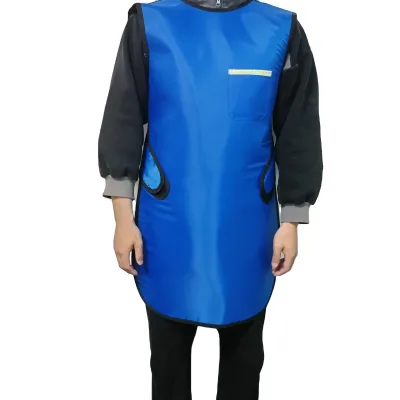
Double Eagle Dental X-Ray Radiological Protection 0.5mmpb Lead Vest Apron
$60.00 - $63.00
MOQ: 1 pieces
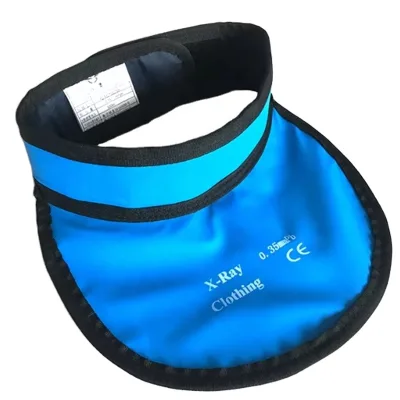
High Quality Lead Apron 0.35mmpb/0.5mmpb X-Ray Protective Thyroid Lead Collar
$17.40 - $27.00
MOQ: 1 pieces
Foshan Meite Medical Equipment Co., Ltd.
- Manufacturer, Trading Company
- Guangdong, China
- Lead time7 days
- Avg. response≤ 1h
Main productsDental air turbine handpiece,Dental files/burs,Dental unit spare parts,Dental eqipment,Dental material
Main marketsDomestic Market(43.00%), Mid East(15.00%), South Asia(10.00%), South America(5.00%), Northern Europe(5.00%), Southeast Asia(5.00%), North America(3.00%), Eastern Europe(3.00%), Africa(3.00%), Central America(2.00%), Western Europe(2.00%), Southern Europe(2.00%), Eastern Asia(2.00%)
Shandong Standard Metal Products Co., Ltd.
- Verified by SGS Group
- Trading Company
- Lead time5 days
- Avg. response≤ 2h
Main productsX-ray Lead Glass, Lead Sheet, Lead Apron, Aluminum Sheet
Main marketsSouth America(30%), Southeast Asia(10%), Western Europe(10%)
Liaocheng Fuxunlai Trading Co., Ltd.
- Verified by SGS Group
- Trading Company
- Lead time180 days
Main productsMedical stainless steel products, Operating Room Door, Hospital Door, Radiation Proof Door, Medical devices and supplies
Main marketsDomestic Market(40%), South America(10%), Eastern Europe(10%)
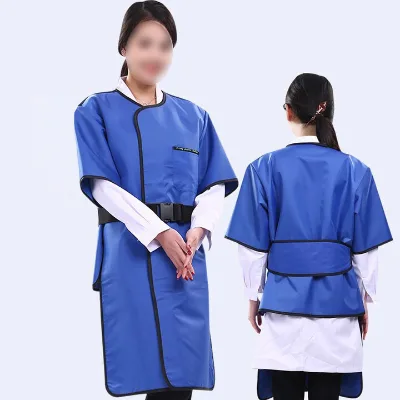
X Ray Lead Apron Medical Radiation Shielding 1mmpb Double Sided Design for Interventional Procedures
$92.852 - $226.9725
MOQ: 5 Minimum
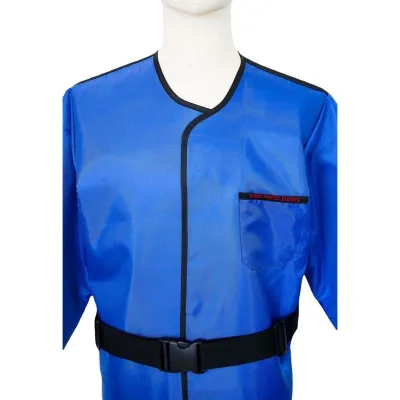
Medical X Ray Lead Apron 0.5mmpb Radiation Protection for Hospital Imaging Department
$92.852 - $226.9725
MOQ: 5 Minimum
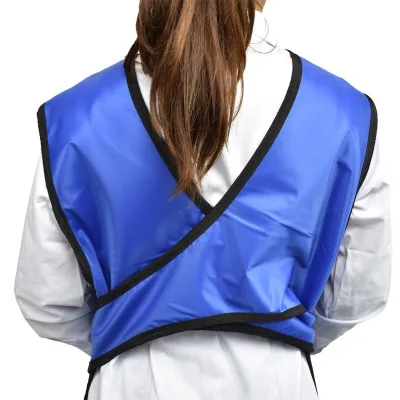
Dental Lead Apron X Ray Protection 0.25mmpb Lightweight Design for Dental Clinic Use
$92.852 - $226.9725
MOQ: 5 Minimum

Shenzhen Magplus Technology Co., Ltd.
- Manufacturer, Trading Company
- Guangdong, China
- Lead time30 days
- Avg. response≤ 7h
Main productsFridge Magnet,Educational Toys,Gift and Premiums items,Magnetic Stationery,Magnetic whiteboard
Main marketsWestern Europe(30.00%), Eastern Europe(20.00%), North America(20.00%), Domestic Market(10.00%), Northern Europe(10.00%), Southeast Asia(5.00%), Mid East(5.00%)
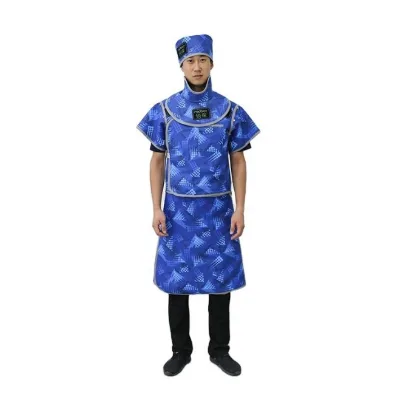
$36.7684 - $39.9187
MOQ: 1 square
$36.7684 - $40.9703
MOQ: 1 square
Guangzhou Medcare Medical Equipment Co., Ltd.
- Trading Company
- Guangdong, China
- Lead time0 days
- Avg. response≤ 2h
Main productsMedical X Ray Machine, Medical Ultrasound Machine, Medical Endoscope, Hematology Analyzer, Veterinary Equipment.
Main marketsAfrica(50.00%), Southeast Asia(30.00%), South America(20.00%)
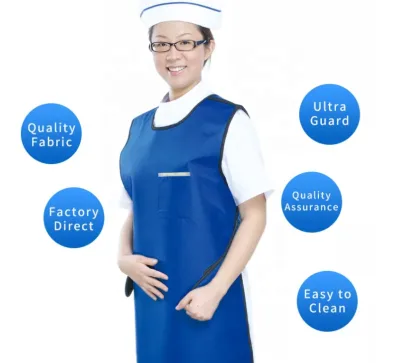
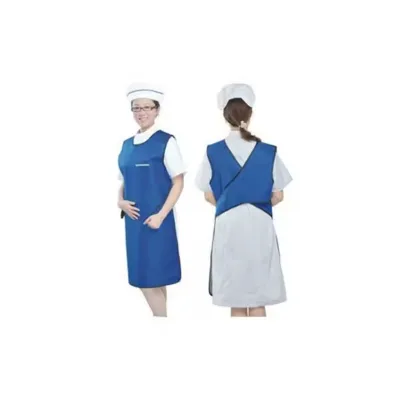
High Quality Radiation Protection Lead Apron Medical Protective Anti Radiation Lead Apron
$28.00 - $58.00
MOQ: 1 Minimum
$28.7301 - $59.5095
MOQ: 1 Minimum






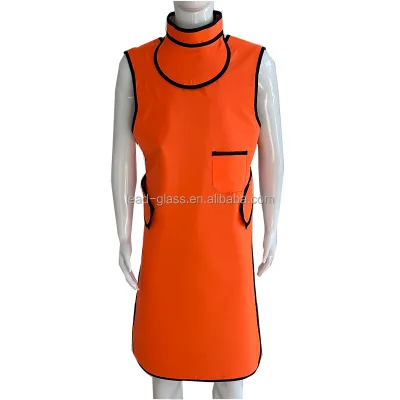
Comprehensive Sourcing Guide
Iso Certified X-Ray Protective Apron Supplier Concentration and Factory Types
The current supplier landscape for ISO certified X-ray protective aprons reveals a distinct concentration of manufacturing and trading entities within specific Chinese industrial hubs. Evidence indicates that a significant portion of available inventory originates from Shanghai, China, where suppliers list their place of origin explicitly on product specifications. This geographic clustering suggests a mature supply chain ecosystem in Shanghai, likely supported by established logistics networks and specialized medical device manufacturing infrastructure. Buyers evaluating suppliers should note that while Shanghai appears as a primary source, other regions such as Guangdong, China, also host manufacturers producing similar protective gear. The presence of suppliers from multiple provinces indicates that sourcing is not limited to a single city, allowing buyers to compare regional pricing and production capabilities. However, the data highlights Shanghai as a notable hub for companies offering CE and ISO certified products, which may imply a higher density of quality-assured vendors in that area. Understanding this geographic distribution helps buyers narrow their search to regions with proven track records in medical radiation protection equipment. It also allows for more targeted logistics planning, as shipping from a concentrated cluster can sometimes reduce freight costs and simplify customs clearance processes. Buyers should verify the specific factory location listed on each supplier’s profile to ensure alignment with their supply chain preferences.
In addition to geographic concentration, the types of companies operating in this sector vary significantly, influencing the nature of the products and services offered. The observed supplier base includes both trading companies and direct manufacturers, each presenting different advantages for procurement. Trading companies often provide a broader range of accessories and complementary items, such as X-ray machines and lab equipment, which can simplify the sourcing process for buyers looking for comprehensive solutions. These entities may offer more flexible order quantities and faster response times, as seen in some profiles with response times of five days or less. Conversely, manufacturers might provide more direct control over production quality and customization options, particularly for specialized lead apron models. The distinction between these company types is crucial for buyers assessing reliability and direct communication channels. Some suppliers explicitly identify as trading companies, which may affect their ability to provide detailed technical support or rapid production adjustments. Buyers should carefully review the company type listed in supplier profiles to determine whether they prefer the breadth of a trading company or the direct oversight of a manufacturer. This classification also impacts how buyers interpret lead times and warranty terms, as trading companies may rely on third-party production schedules.
How to Verify Iso Certified X-Ray Protective Apron Suppliers
Verifying the legitimacy and quality of ISO certified X-ray protective apron suppliers requires a rigorous examination of documented credentials and product specifications. The first step involves confirming the validity of quality certifications such as CE and ISO, which are frequently listed in product attributes. Buyers should request copies of these certificates and verify them with the issuing bodies to ensure they are current and applicable to the specific apron models being purchased. The presence of a CE mark indicates compliance with European health, safety, and environmental protection standards, while ISO certification suggests adherence to international quality management systems. It is essential to check that the certification covers the exact product type, such as medical lead aprons or radiation protection garments, rather than just the company’s general operations. Additionally, buyers should look for specific safety standards mentioned in product descriptions, such as GB2626-2006, which may indicate compliance with local or regional safety regulations. Cross-referencing these standards with the supplier’s claims helps ensure that the protective equipment meets the necessary radiation shielding requirements. Buyers should also verify the instrument classification, often listed as Class I for medical devices, to confirm that the product is categorized correctly for its intended use in hospitals and radiology departments.
Beyond certifications, verifying supplier reliability involves assessing their operational metrics and customer service responsiveness. Response time is a critical indicator of a supplier’s ability to handle inquiries and resolve issues promptly. Some suppliers display response times of three to five days, which buyers should consider when evaluating their capacity for urgent orders or technical support. Buyers should also examine the after-sale service options provided, such as online technical support, which can be valuable for troubleshooting installation or usage questions. Warranty terms are another key verification point, with many suppliers offering one-year warranties on their lead aprons. Buyers should ensure that the warranty covers manufacturing defects and material failures, and understand the process for claiming warranty service. Additionally, checking the shelf life and lifespan of the products, often listed as three to four years, helps buyers assess the long-term value and durability of the aprons. Suppliers that provide detailed product attributes, such as material composition and lead equivalence, demonstrate a higher level of transparency and professionalism. Buyers should request detailed product datasheets and compare them across multiple suppliers to identify inconsistencies or missing information. This thorough verification process helps mitigate the risk of sourcing substandard or non-compliant protective equipment.
What to Compare Across Iso Certified X-Ray Protective Apron Suppliers
When evaluating multiple suppliers for ISO certified X-ray protective aprons, buyers must systematically compare key commercial and operational metrics to identify the most suitable partner. Price is a primary factor, with observed ranges varying significantly based on material quality, lead equivalence, and included accessories. For instance, some suppliers offer aprons priced between thirty and forty dollars, while others with higher lead equivalence or additional features may charge up to sixty dollars or more. Buyers should compare unit prices against the specified lead equivalence, such as 0.35mmPb or 0.50mmPb, to ensure they are getting appropriate protection for the cost. Minimum order quantity (MOQ) is another critical comparison point, as some suppliers allow orders as low as one piece, which is ideal for small clinics or trial purchases, while others may have higher MOQs. Buyers should align their order volume with the supplier’s MOQ to avoid unnecessary inventory costs or stockouts. Lead time is also essential for planning, with some suppliers offering quick turnaround times of seven days, while others may have longer production schedules, especially during peak seasons. Comparing lead times helps buyers manage their inventory and ensure timely delivery for their facilities.
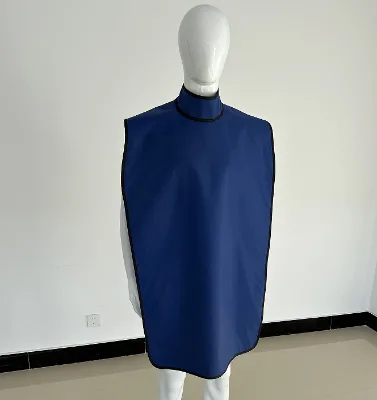
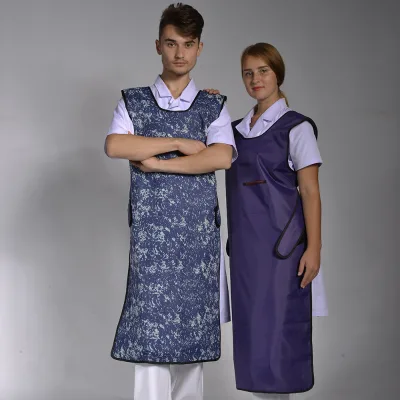
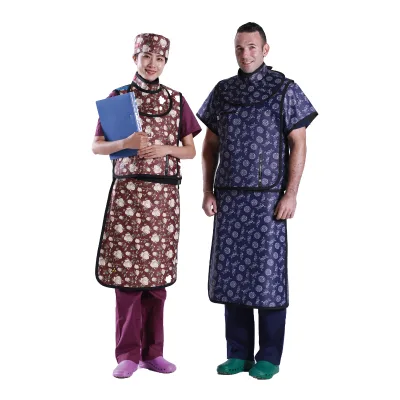
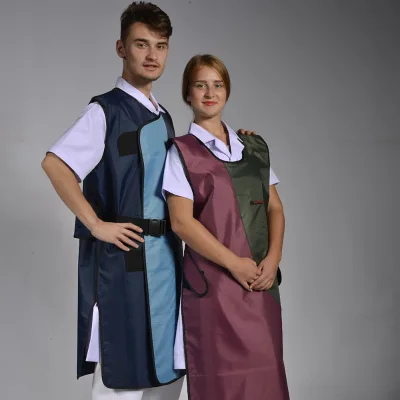
In addition to price and logistics, buyers should compare the specific product features and certifications offered by each supplier. Material composition, such as lead rubber or premium fabric, affects the weight, comfort, and durability of the aprons. Buyers should compare these materials to determine which best suits their staff’s needs for long-term wear. Color options and design features, such as the inclusion of thyroid shields or hanger stands, can also influence the decision. Some suppliers offer more than twenty color choices, allowing for customization and easy identification in busy hospital environments. Warranty terms and after-sale service support should be compared to assess the long-term value and reliability of the supplier. Suppliers offering online technical support and clear warranty policies provide greater peace of mind. Buyers should also compare the supplier’s main product range to see if they offer complementary items like X-ray machines or lab equipment, which could simplify future procurement. By systematically comparing these dimensions, buyers can make informed decisions that balance cost, quality, and service. This comparative analysis ensures that the selected supplier meets all technical and commercial requirements for their specific application.
Common Iso Certified X-Ray Protective Apron Sourcing Risks
Sourcing ISO certified X-ray protective aprons involves several potential risks that buyers must actively manage to ensure product quality and supply chain stability. One significant risk is the variability in certification validity and scope. While many suppliers claim CE or ISO certification, the actual coverage may not extend to the specific apron models being purchased. Buyers risk receiving products that do not meet the required radiation shielding standards if they fail to verify the certificate’s applicability. This can lead to non-compliance with local regulations and potential safety hazards for medical staff. Another risk is the discrepancy between advertised lead equivalence and actual performance. Some suppliers may list high lead equivalence values, such as 0.50mmPb, but the actual product may provide less protection. This discrepancy can compromise patient and operator safety, making it crucial for buyers to request independent test reports or third-party verification. Additionally, the risk of material degradation over time is a concern, as aprons are subject to frequent use and cleaning. Buyers should assess the shelf life and lifespan claims, which are often listed as three to four years, to ensure the product remains effective throughout its intended use.
Supply chain disruptions and logistical challenges also pose significant risks in the sourcing process. Lead times can vary widely, with some suppliers experiencing delays during peak seasons, as indicated by negotiated lead times for larger orders. Buyers risk production delays and inventory shortages if they do not account for these fluctuations in their planning. Furthermore, the reliance on trading companies can introduce additional layers of communication and potential miscommunication regarding product specifications. Buyers may face challenges in resolving quality issues if the supplier is not the direct manufacturer. Another risk is the lack of standardized packaging, which can lead to damage during transit. Some suppliers use standard export packing, while others may have less robust packaging solutions. Buyers should verify packaging details to ensure the aprons arrive in good condition. Additionally, the risk of currency fluctuation and payment terms can impact the final cost of the order. Buyers should secure favorable payment terms and consider using escrow services to protect their funds. By identifying and mitigating these risks, buyers can ensure a smoother and more reliable sourcing experience for their medical protective equipment needs.
Iso Certified X-Ray Protective Apron Regional Sourcing and Logistics
Regional sourcing strategies play a crucial role in optimizing the procurement of ISO certified X-ray protective aprons, particularly when dealing with suppliers located in China. The concentration of suppliers in cities like Shanghai and Guangdong offers buyers access to established manufacturing clusters with specialized expertise in medical radiation protection equipment. Sourcing from these regions can provide benefits such as competitive pricing and a wide variety of product options. However, buyers must also consider the logistical implications of importing from these locations. Shipping times and costs can vary depending on the destination country and the chosen freight method. Buyers should evaluate the single package size and gross weight of the aprons, which are often listed as 62x32x8 cm and 6.000 kg, to estimate freight costs accurately. Understanding these dimensions helps in planning warehouse storage and handling procedures upon arrival. Additionally, buyers should be aware of the HS codes associated with these products, such as 9022909090, to ensure correct customs classification and duty calculation. Proper documentation and compliance with import regulations are essential to avoid delays at customs.
Logistics planning also involves coordinating with suppliers to ensure timely delivery and proper handling of the goods. Some suppliers offer flexible lead times, with quick turnaround options for smaller orders and negotiated schedules for larger volumes. Buyers should align their order placement with the supplier’s production capacity to avoid delays. For buyers in regions with strict import regulations, verifying the supplier’s export experience and documentation capabilities is vital. Suppliers with a history of exporting to specific markets may have established relationships with freight forwarders and customs brokers, facilitating smoother clearance processes. Buyers should also consider the after-sale service logistics, such as the return of defective items for warranty claims. Understanding the return shipping costs and procedures is important for managing potential quality issues. Furthermore, buyers should assess the supplier’s ability to provide tracking information and updates throughout the shipping process. This transparency helps buyers monitor the status of their orders and plan for inventory replenishment. By carefully managing regional sourcing and logistics, buyers can minimize risks and ensure the efficient delivery of high-quality protective aprons to their facilities.
Iso Certified X-Ray Protective Apron Commercial Terms and Order Planning
Effective commercial terms and order planning are essential for securing the best value when sourcing ISO certified X-ray protective aprons. Buyers should negotiate clear pricing structures that account for volume discounts, especially when ordering larger quantities. Some suppliers offer tiered pricing, where the unit cost decreases as the order quantity increases. Understanding these pricing tiers
FAQs
What certifications do ISO certified X-ray protective aprons have?
ISO certified X-ray protective aprons typically hold CE and ISO quality certifications. These standards ensure the product meets strict safety and manufacturing requirements. Buyers should verify specific certificate details with the supplier to confirm compliance with regional regulations and intended medical use.
What is the typical lead time for these aprons?
Lead times vary by season and order volume. Standard lead times are often around seven days for smaller orders. During peak seasons, lead times may extend to sixty days for orders exceeding five units. Buyers should negotiate specific delivery schedules directly with the supplier.
What is the minimum order quantity for these aprons?
The minimum order quantity is often one unit, allowing for sample testing. This low MOQ supports buyers who need to evaluate product quality before committing to larger purchases. Bulk pricing may apply for larger orders, so buyers should request detailed quotes based on their specific volume.
How quickly do suppliers respond to inquiries?
Supplier response times typically range from three to five days. Faster responses indicate active sales teams ready to assist with technical questions. Buyers should expect prompt replies regarding pricing, customization options, and shipping details to ensure efficient procurement processes for their medical equipment needs.
What is the price range for these aprons?
Prices generally range from approximately thirty to sixty-five dollars per unit. The cost depends on material thickness, lead equivalence, and additional features like thyroid shields. Buyers should compare quotes from multiple suppliers to find the best value while ensuring the product meets their radiation protection standards.
Where are these aprons typically manufactured?
These aprons are primarily manufactured in Shanghai and Guangdong, China. These regions are known for their medical device manufacturing capabilities. Buyers should verify the exact place of origin on product listings to ensure alignment with their sourcing preferences and logistical requirements for international shipping.
What warranty is provided for these aprons?
Warranty periods typically cover one year from the date of purchase. This coverage protects against manufacturing defects and material failures. Buyers should confirm specific warranty terms with the supplier, including whether online technical support is included for troubleshooting any issues that arise during the warranty period.