Class II Digital Biological Microscope Suppliers and Manufacturers
Find 32 verified suppliers offering Class II Digital Biological Microscope with ISO13485 and CE certifications. Compare response times, lead times, and prices ranging from 80 to 950 USD. Contact suppliers directly to request samples or negotiate terms; review the available evidence before requesting comparable quotations from suitable candidates.
Updated
Suppliers List
Nanjing Skyline lmport and Export Trading Co., Ltd.
- Verified by TüVRheinland
- Trading Company
- Lead time5 days
- Avg. response≤ 1h
Main productsHalogen Lamp, Lab & Medical Machines, Medical & Lab Consumables
Main marketsMid East(20%), Northern Europe(20%), South Asia(20%)

- Verified by CTI
- Trading Company
- China Jiangsu
- Lead time15 days
- Avg. response≤ 16h
Main productsClinical Lab Equipment, Rehabilitation Equipment, Surgical Equipment, Medical Furniture, Medical Scales, X-ray Machine, Medical Disposables, Oxygen Concentrator, Medical Equipment, Medical Consumables
Main marketsSouth America,Africa,Southeast Asia/ Mideast,Europe,Australia


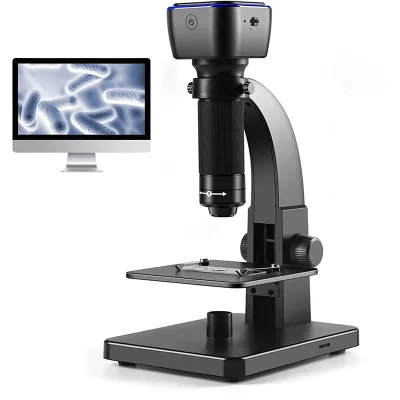
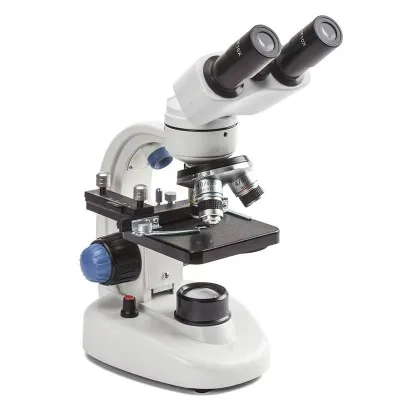
Digital Video Biological Microscope Laboratory Equipment Optical Binocular Camera Microscope
$200.00 - $350.00
MOQ: 1 Pieces

- Manufacturer, Trading Company
- Lead time旺季: "1 - 1":7,"> 1":"To be negotiated", 淡季: "1 - 1":7,"> 1":"To be negotiated"
- Avg. response≤ 4h
Main productsMedical X-ray Equipments & Accessories, Medical Ultrasound Instruments, Emergency & Clinics Apparatuses, Clinical Analytical Instruments, Veterinary Medical Equipments
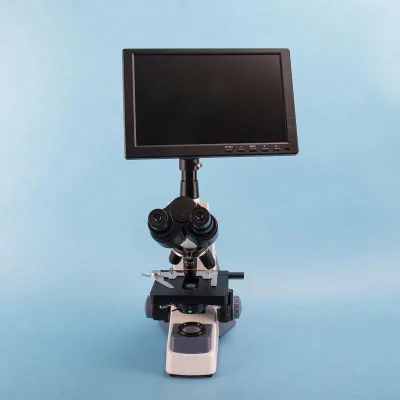
Optics Digital Screen Microscope Camera Electronic Biological Microscope
$170.00 - $580.00
MOQ: 1 Minimum
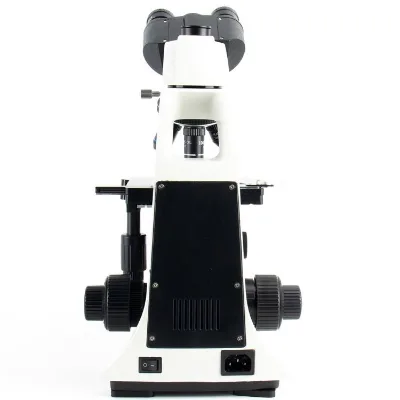

Hot Sell Optical and Mechanical Precision Instruments Biological Microscope
$230.00 - $240.00
MOQ: 1 sets
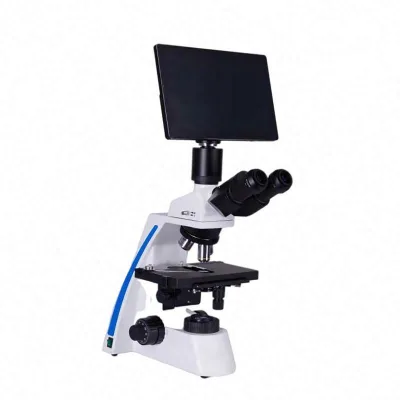
$399.1241 - $1384.1086
MOQ: 1 Minimum
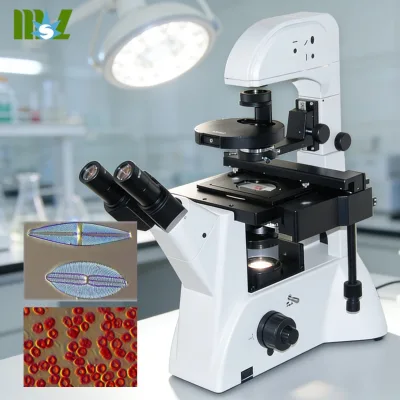
$1232.9199 - $5445.3963
MOQ: 1 Minimum
- Verified by SGS Group
- Manufacturer, Trading Company
- Lead time2 days
- Avg. response≤ 5h
Main productsMedical X-ray Equipments & Accessories, Medical Ultrasound Instruments, Emergency & Clinics Apparatuses, Clinical Analytical Instruments, Veterinary Medical Equipments
Main marketsSoutheast Asia(25%), Africa(20%), North America(11%)
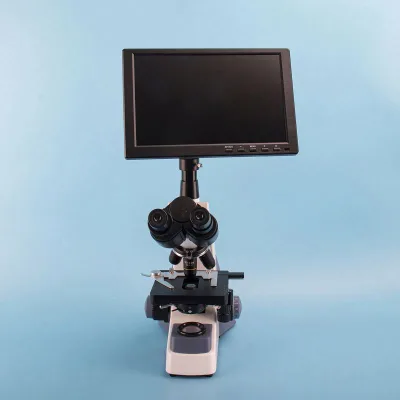
Optics Digital Screen Microscope Camera Electronic Biological Microscope
$170.00 - $580.00
MOQ: 1 Minimum
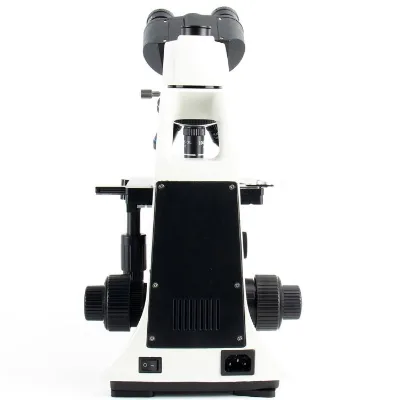
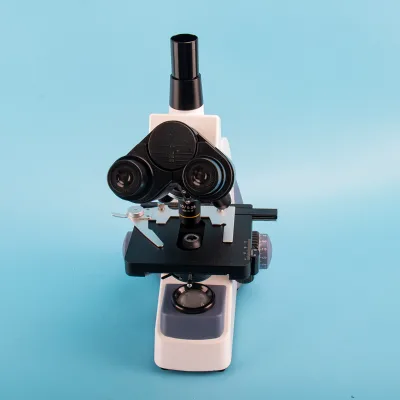
Factory Priced Biological Optics Instruments Microscope for Detailed Visualization
$204.1459
MOQ: 1 Minimum

Sunny Medical Equipment Limited
- Verified by SGS
- Manufacturer/Factory
- China Guangdong
- Lead time0 days
- Avg. response≤ 9h
Main productsEndoscope Camera, B-Ultrasound Scanner, Laboratory Equipment, ECG, Patient Monitor, Dental Equipment, Dialysis Machine, X-ray Machine, Veterinary Equipment

- Trading Company,Manufacturer/Factory
- China Shandong
- Lead time0 days
- Avg. response≤ 7h
Main productsTourniquet, Nonwoven Consumables, Surgical Suture, Bandage, Ostomy Bag, Urine Bag, Cotton Wool Roll, Blood Lancet, Lab Consumable

Guangzhou Med Equipment Limited
- Combined
- China Guangdong
- Lead time15 days
- Avg. response≤ 3h
Main productsMedical Equipment, Lab Equipment, Hospital Bed, Hospital Equipment, Autoclave, Operation Table, X-ray Machine, Endoscope, Refractometer, Dental Chair
Main marketsDomestic

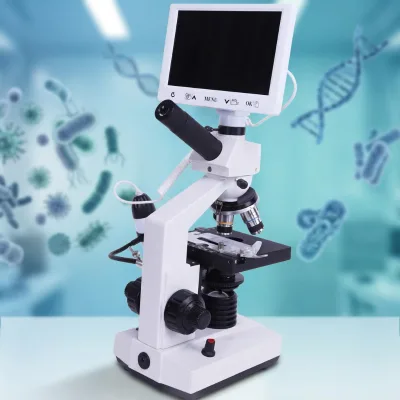
Biological Microscope Laboratory Digital Biology Biological Microscope with LCD Screen
$120.00 - $159.00
MOQ: 1 Pieces

Digital Biological Microscope Medical Lab Biology Multi-Purpose Biological Microscope
$59.00 - $79.00
MOQ: 1 Pieces

Chongqing Optec Instrument Co., Ltd.
- Manufacturer
- China Chongqing
- Lead time15 days
- Avg. response≤ 5h
Main productsStereo Microscope, Monocular Microscope, Video Microscope, Digital Microscope, Operating Microscope, Parallel Light Microscope, LED Cold Light Source
Main marketsAfrica,Europe,North America
Changsha CenLee Technology Co., Ltd.
- Trading Company
- Hunan, China
- Lead time7 days
- Avg. response≤ 2h
Main productsLaboratory Centrifuges,PRP / PRF / CGF Centrifuges,Biological Microscopes,Steam Sterilizers / Autoclaves,Laboratory Analytical Balances
Main marketsNorth America(30.00%)
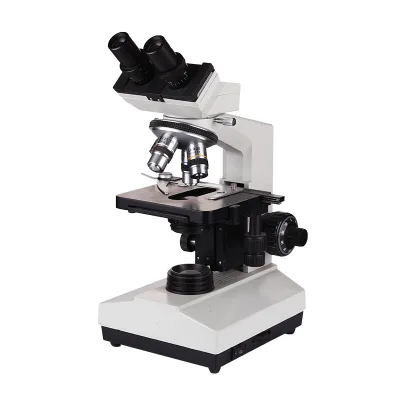
Biological Chemical Microscope with LCD Screen Digital , Biological Microscope for Sales
$120.00 - $130.00
MOQ: 1 sets
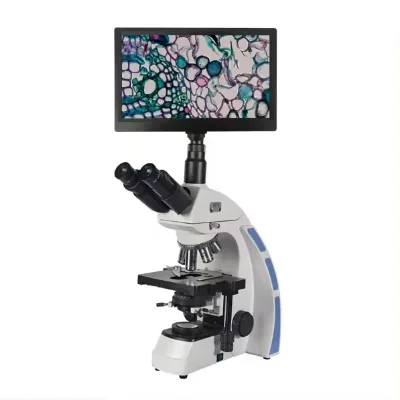
Jinhua Zonghui Trading Co., Ltd.
- Trading Company
- Zhejiang, China
- Lead time7 days
- Avg. response≤ 4h
Main productsmicroscope,telescope,Adult microscope,objective,specimen
Main marketsNorth America(35.00%), Africa(10.00%), Domestic Market(5.00%), South Asia(5.00%), Southern Europe(5.00%), Northern Europe(5.00%), Central America(5.00%), Western Europe(5.00%), Mid East(5.00%), Oceania(5.00%), South America(5.00%), Southeast Asia(5.00%), Eastern Europe(5.00%)
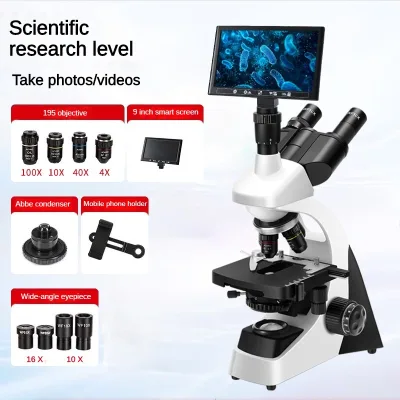
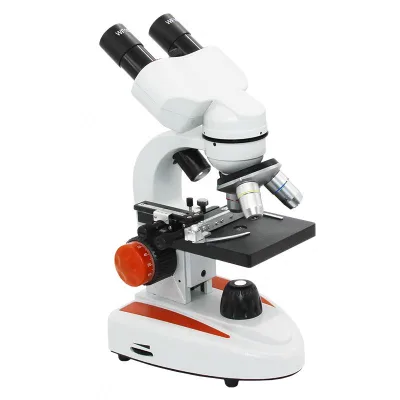
Biological Microscope with LED Light Source Digital Binocular Drawtube Stereo Type
$198.00 - $218.00
MOQ: 1
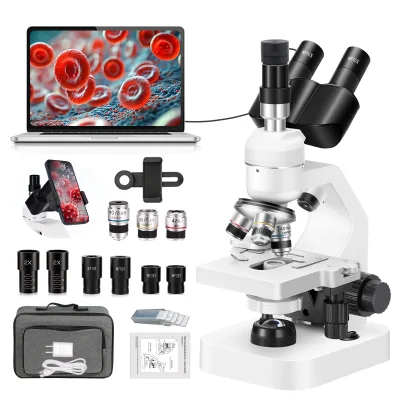
$111.7298 - $122.075
MOQ: 1 sets
$121.4893 - $131.7851
MOQ: 1 sets

Shen Zhen Shenshi Guanggu Optical Instrument Co, Ltd.
- Verified by SGS
- Trading Company
- China Guangdong
- Lead time15 days
- Avg. response≤ 2h
Main productsMicroscope, Digital Microscope, Stereo Microscope, Metallurgical Microscope, Biological Microscope, Optical Lens, Fluorescence Microscope, Measuring Microscope, Industrial Camera, Industrial Light Source
Main marketsSouth America,Southeast Asia/ Mideast
Guangzhou Labon Medical Equipment Co., Limited
- Verified by Intertek
- Trading Company
- Lead time15 days
- Avg. response≤ 6h
Main productsElectrolyte Analyzer, Hematology Analyzer, Ultrasound Scanner, Examination Bed, Microscope
Main marketsSoutheast Asia(28%), Africa(22%), Eastern Europe(18%)

Zhejiang Top Cloud-Agri Technology Co., Ltd.
- Combined
- China Zhejiang
- Lead time15 days
- Avg. response≤ 8h
Main productsSoil Nutrient Analyzer, Seed Tester Meter, Chlorophyll Meter, Leaf Area Meter, Fat Analyzer, Fruit Hardness Tester, Incubator, Grain Testing Meter Tester, Plant Physical Tester, Flour and Oil Testing Instrument
Main marketsAfrica,Southeast Asia/ Mideast,Europe
Nanjing Long Medical Technology Co., Ltd.
- Trading Company
- Jiangsu, China
- Lead time15 days
- Avg. response≤ 2h
Main productsSurgery & ICU Equipment Anesthesia Unit Ventilator Oxygen blender Defibrillator Patient Monitor Vital Sign Monitor ECG/EMG Infusion Pump Syringe Pump Operation Lamp Operation Table Suction Machine,X-ray Series Mobile X-ray Equipment C-arm Unit DR system Automatic Film Processor Ultrasound Scanner/Printer,Lab Device Automatic Hematology Analyzer Electrolyte Analyzer Blood Coagulation Analyzer Centrifuge Machine Urine Analyzer Spectrometer Microscope Semi-Biochemistry Analyzer Auto-Biochemistry Analyzer Elisa Reader Bath Incubator,Sterilizers Autoclave Jaundice Tester Infant Radiant Warmer Infant Incubator Medical Furniture Blood Bank Refrigerator Ultra Low Temperature Freezer Pharmaceutical Refrigerator Mortuary Freezer,Medical Consumables
Main marketsDomestic Market(12.50%), South Asia(12.50%), Eastern Asia(12.50%), Mid East(12.50%), Africa(12.50%), Southeast Asia(12.50%), South America(12.50%), North America(12.50%)
$246.7536 - $550.0536
MOQ: 1 sets
$246.7536 - $550.0536
MOQ: 1 sets
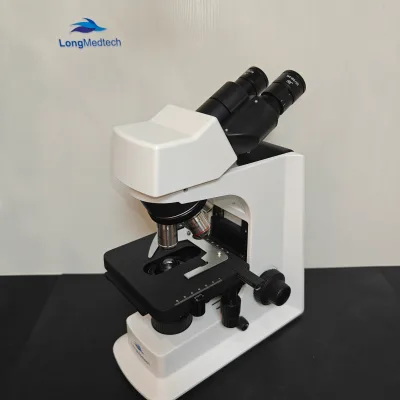
$246.7536 - $550.0536
MOQ: 1 sets
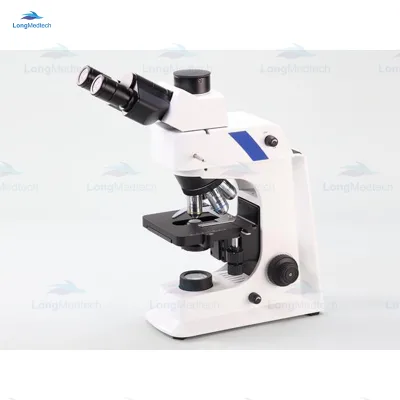
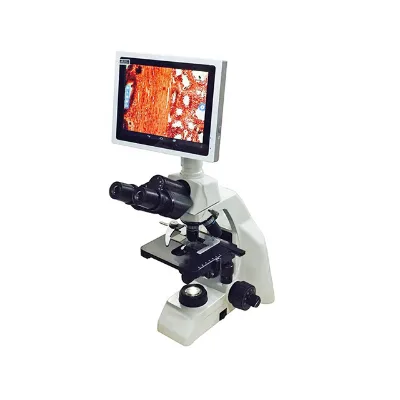
China Hot-selling Microscope LCD Digital Biological Microscope DM-125 for Lab and Hospital
$220.3918 - $352.2817
MOQ: 1 Minimum
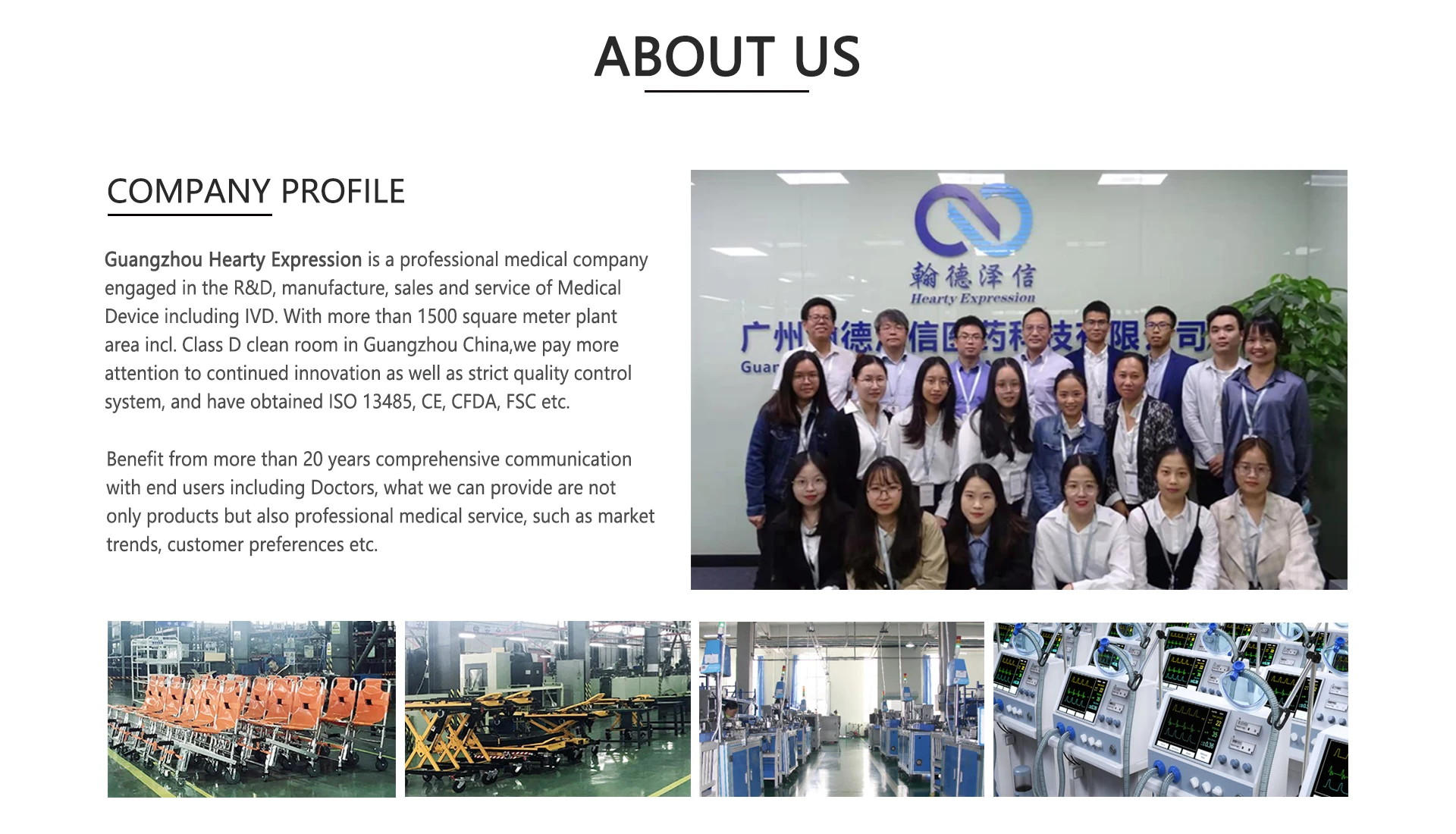
Guangzhou Hearty Expresssion Medical Technology Co., Ltd.
- Manufacturer, Trading Company
- Guangdong, China
- Lead time7 days
- Avg. response≤ 11h
Main productsRecovery Physiotherapy Products,Lab Reagents and Equipments,Professional Medical Products,Medical Beauty Products,Isolation Clothing
Main marketsDomestic Market(47.00%), Southeast Asia(7.00%), South America(6.00%), North America(6.00%), Mid East(5.00%), Western Europe(5.00%), Africa(5.00%), South Asia(3.00%), Southern Europe(3.00%), Northern Europe(3.00%), Central America(3.00%), Eastern Europe(3.00%), Eastern Asia(3.00%), Oceania(1.00%)
Guangzhou Happycare Medical Equipment Co., Ltd.
- Trading Company
- Lead time旺季: "1 - 5":45,"> 5":"To be negotiated", 淡季: "1 - 5":45,"> 5":"To be negotiated"
- Avg. response≤ 3h
Main productsChemistry Analyzer, Hematology Analyzer, Ultrasound Scanner, Dental X Ray, X Ray Machine
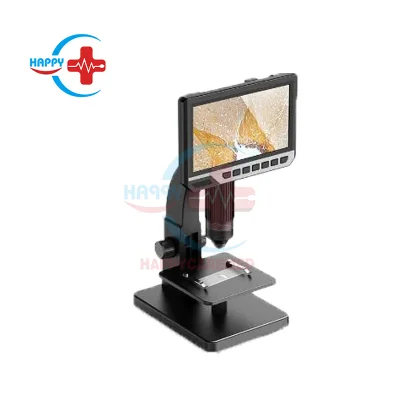
HC-B079E Handheld Digital Biological Microscope Laboratory Gem Identification Microscope
$102.1831 - $132.8381
MOQ: 1 Minimum
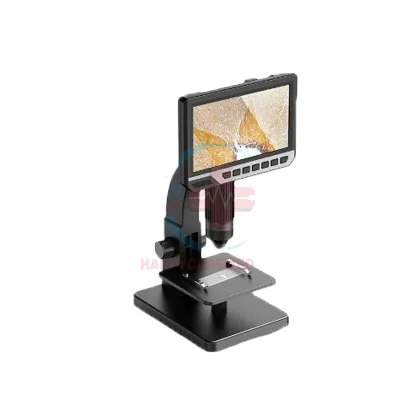
HC-B079E Laboratory Microscope Microbial Section Observation Digital Microscope for Electronics
$102.5321 - $133.292
MOQ: 1 Minimum
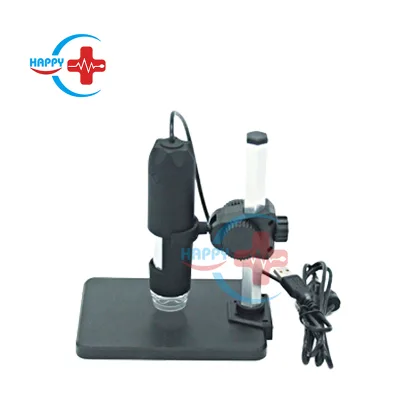
HC-B078C Laboratory Electronic Microscope USB Digital Microscope for Veterinary/human
$30.00 - $35.00
MOQ: 1 Minimum

- Verified by BV
- Combined
- China Shandong
- Lead time30 days
- Avg. response≤ 3h
Main productsLaboratory Equipment, Medical Device, Biochemistry Analyzer, Autoclave, Biological Safety Cabinet, Laminar Flow Cabint, Fume Hood, Centrifuge, Oven, Incubator
Main marketsSouth America,Africa,Southeast Asia/ Mideast,East Asia(Japan/ South Korea),Europe,Australia,North America

Biobase Muti-Function Biological Digital Microscope LCD Digital Biological Microscope for Laboratory
$80.00 - $255.00
MOQ: 1 set


Guangzhou Umy Medical Equipment Co., Ltd.
- Verified by SGS
- Manufacturer
- China Guangdong
- Lead time15 days
- Avg. response≤ 4h
Main marketsDomestic

Advanced User-Friendly Digital Biological Microscope for Clear Imaging
$399.00 - $699.00
MOQ: 1 Pieces

- Verified by TüVRheinland
- Trading Company
- Lead time7 days
- Avg. response≤ 3h
Main productsUltrasound, X Ray, Flat Panel Detector, Lab Analyzer, Surgical Equipment
Main marketsAfrica(35%), South America(15%), North America(10%)
$100.00 - $450.00
MOQ: 1 Minimum
$99.00 - $599.00
MOQ: 1 Minimum
$100.00 - $700.00
MOQ: 1 Minimum

- Verified by BV
- Trading Company
- China Shanghai
- Lead time15 days
- Avg. response≤ 3h
Main productsVeterinary Endoscope, Veterinary Monitor, Equine Endoscope for Horse, Veterinary Ultrasound, Large Animal Operating Table for Equine, Veterinary Laparoscope, Veterinary X-ray Machine, Veterinary Anesthesia Machine, Veterinary Chemistry Analyzer, Veterinary Hematology Analyzer
Main marketsSouth America,Africa,Southeast Asia/ Mideast,Europe,Australia,North America

Digital Binocular Veterinary Microscope/ Biological Microscope for Veterinary
$250.00 - $400.00
MOQ: 1 Pieces


Hot Sale 1.3 M Pixel Medical Digital Biological Microscopes for Laboratory
$400.00 - $700.00
MOQ: 1 Pieces

Ningbo Barride Optics Co., Ltd.
- Trading Company,Manufacturer/Factory
- China Zhejiang
- Lead time75 days
- Avg. response≤ 4h
Main productsMicroscope, Telescope, Binoculars, Riflescope, Magnifier, Spotting Scope, Range Finer, Astronomical Telescope, Night Vision, Biological Microscope
Main marketsSouth America,Eastern Europe,Mid East,North America,Southeast Asia,Eastern Asia,Oceania,Western Europe,Africa

Scientific Monocular Biological Digital Microscope for Lab Research (BM-152S)
$380.00 - $430.00
MOQ: 5 Pieces

CMOS 2MP Built-in Digital Biological Microscope for Education (B1.135D)
$147.00 - $152.00
MOQ: 10 Pieces
Nanyang Ldoptic Instrument Co., Ltd.
- Manufacturer, Trading Company
- Henan, China
- Lead time0 days
- Avg. response≤ 6h
Main productsMicroscope,Telescope,Lens,Magnifier
Main marketsNorth America(30.00%)

Anjue Medical Equipment Co., Ltd.
- Verified by TUVRHEINLAND
- Trading Company
- China Anhui
- Lead time15 days
- Avg. response≤ 21h
Main productsAnesthesia Machine, Ventilator, Medical Sterilization Packaging, Dialysis Machine, Dental Unit, Autoclave, Patient Monitor, Ultrasound Scanner, Hospital Equipmtent, Laboratory Equipment
Main marketsAfrica,Southeast Asia/ Mideast

Guangzhou Umy Medical Equipment Co., Ltd.
- Verified by SGS
- Manufacturer
- China Guangdong
- Lead time15 days
- Avg. response≤ 4h
Main productsX Ray Machine, Flat Panel Detector

Hot Laboratory Equipment Biological Microscope Digital Binocular Microscope Cheap Price
$129.00 - $189.00
MOQ: 1 Pieces

Trinocular Biological Microscope Microscope for Bacteria, Medical Lab Biological, High Precision
$129.00 - $189.00
MOQ: 1 Pieces
Shangrao Deetin Technology Co., Ltd.
- Manufacturer, Trading Company
- Jiangxi, China
- Lead time15 days
- Avg. response≤ 5h
Main productsMicroscope,Telescope,Photography Accessories,Camera accessories,Phone accessories
Main marketsWestern Europe(20.00%), North America(20.00%), Eastern Asia(10.00%), Domestic Market(10.00%), South Asia(10.00%), South America(10.00%), Mid East(5.00%), Oceania(5.00%), Southern Europe(5.00%), Eastern Europe(5.00%)

Sainty International Group Jiangsu Yangzhou Sumex Imp. & Exp. Co., Ltd.
- Trading Company
- China Jiangsu
- Lead time30 days
- Avg. response≤ 12h
Main productsSyringe, Suction Catheter, Endotracheal Tube, Drainage Bag, Bandage, Dental Instrument, Surgical Gown, Vaginal Speculum, Vacutainer, Suture
Main marketsSouth America,Africa,Southeast Asia/ Mideast,East Asia(Japan/ South Korea),Europe,Australia,North America
Biobase Meihua Trading Co., Ltd.
- Manufacturer, Trading Company
- Lead time旺季: "1 - 1":29,"> 1":"To be negotiated", 淡季: "1 - 1":29,"> 1":"To be negotiated"
- Avg. response≤ 2h
Main productsLaboratory Equipment, Biological Safety Cabinet, Autoclave, Freezer And Refrigerator, Centrifuge

Shanghai Mss International Trade Co., Ltd.
- Verified by TUVRHEINLAND
- Trading Company
- China Shanghai
- Lead time15 days
- Avg. response≤ 5h
Main productsMicroscope, Industrial Camera, Microscope Accessories, Industrial Lens, Infrared Thermal Imaging, Vacuum Pump, Endoscope, Optical Measuring Instruments
Main marketsEast Asia(Japan/ South Korea)

Digital Microscope for Teaching, Research, Clinical Experiments, and Analysis
$395.00 - $585.00
MOQ: 1 pcs


Ningbo Gamry Optical Instrument Co., Ltd.
- Combined
- China Shanghai
- Lead time30 days
- Avg. response≤ 7h
Main productsStereo Microscope, Metallurgical Microscope, Biological Microscope, Refractometer, Polarimeter, Colorimeter, Microscope, Prism, Polarizing Microscope, Digital Microscope
Main marketsSoutheast Asia/ Mideast,East Asia(Japan/ South Korea),North America
Beijing Bestscope Technology Co., Ltd.
- Verified by SGS Group
- Trading Company
- Lead time10 days
- Avg. response≤ 1h
Main productsOptical Microscopes/Digital Microscopes
Main marketsNorth America(30%), Southeast Asia(24%), Eastern Asia(10%)
Qingdao Hiprove Medical Technologies Co., Ltd.
- Verified by TüVRheinland
- Trading Company
- Lead time15 days
- Avg. response≤ 3h
Main productsMedical Dressing And Bandage, Injection And Infusion Products, Breathing And Anaesthesia, Medical Protection Products, Laboratory Products
Main marketsAfrica(20%), Mid East(20%), South America(10%)
Nanjing Longcare Medical Equipment Co., Ltd.
- Trading Company
- Jiangsu, China
- Lead time7 days
- Avg. response≤ 2h
Main productsImaging Equipment,ICU equipment,OR Equipment,First-aid Equipment,Sterlizer
Main marketsSoutheast Asia(60.00%), Africa(20.00%), North America(10.00%), Mid East(5.00%), Eastern Europe(5.00%)
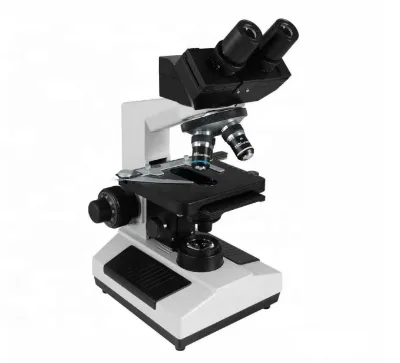
Biological Microscope With High Quality Achromatic Objectives and LED Lamp Adjustable Brightness
$245.2406 - $296.3314
MOQ: 1 Minimum
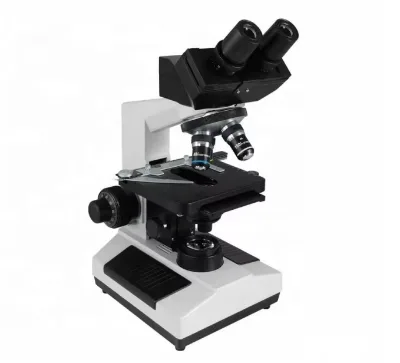
45 Degrees Flat Pull Binocular Head Biological Microscope YH-207B
$248.1167 - $299.8067
MOQ: 1 Minimum











Comprehensive Sourcing Guide
Class II Digital Biological Microscope Supplier Concentration and Factory Types
The current supplier landscape for Class II Digital Biological Microscope products reveals a diverse mix of company types, primarily consisting of trading companies and manufacturers. This distinction is critical for buyers seeking specific supply chain advantages, as trading companies often aggregate products from multiple factories to offer broader catalogs, while manufacturers provide direct control over production processes. In the observed results, some suppliers are identified explicitly as trading companies, which may imply a focus on logistics and customer service rather than direct fabrication. Conversely, other entities operate as both manufacturers and trading companies, offering the dual benefit of production capability and sales flexibility. This hybrid model can be particularly advantageous for buyers who require customized specifications, as it allows for direct communication with the production team while maintaining commercial agility. Understanding this structural diversity helps buyers align their procurement strategy with their operational needs, whether they prioritize volume discounts, rapid prototyping, or specialized technical support.
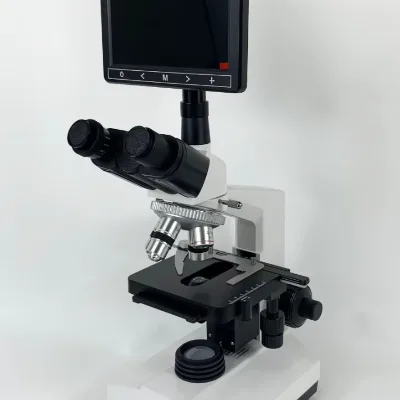
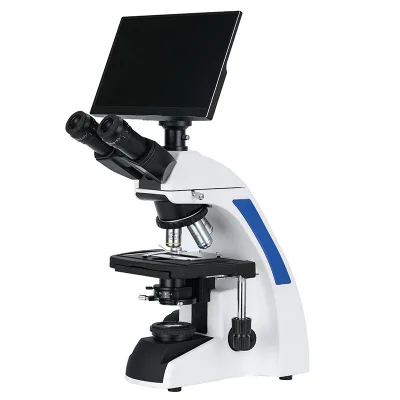
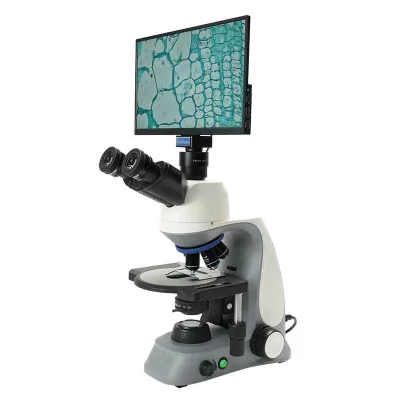
Geographic concentration plays a significant role in the availability and pricing of these instruments. Evidence indicates that suppliers are located in regions such as Jiangsu and Guangdong in China, which are known manufacturing hubs for medical and laboratory equipment. Jiangsu, in particular, appears to be a source for specific models like the Trinocular Head Biological Microscope with a 7-inch screen, suggesting a localized cluster of expertise in optical assembly and digital integration. Buyers should leverage this geographic data to assess shipping logistics and potential lead times, as proximity to major ports can reduce transit durations. However, it is important to verify the actual factory location for each supplier, as trading companies may source from various facilities across different provinces. By mapping supplier locations to known industrial clusters, buyers can better predict quality consistency and supply chain resilience, ensuring that their sourcing decisions are grounded in the physical realities of production rather than just commercial listings.
How to Verify Class II Digital Biological Microscope Suppliers
Verification is a crucial step in mitigating risk when sourcing Class II Digital Biological Microscope equipment from international suppliers. Buyers should prioritize suppliers who have undergone third-party verification processes, as these audits provide an independent assessment of the company’s legitimacy and operational capabilities. In the current results, some suppliers are verified by recognized entities such as TüVRheinland and CTI, which adds a layer of credibility to their claims. These verifications often cover aspects like business license authenticity, factory audits, and product quality management systems. For buyers, this means that a verified badge is not just a marketing tool but a tangible indicator of due diligence performed by a professional agency. It is advisable to request the verification report or summary to understand the scope of the audit, ensuring that it covers the specific manufacturing processes relevant to digital microscopes. This step helps filter out unverified entities that may pose higher risks regarding delivery reliability or product conformity.
Certifications and compliance standards are equally important indicators of supplier reliability, especially for medical and laboratory equipment. The observed data shows that some suppliers hold certifications such as ISO13485, MDD, Declaration of Conformity, and CE marks. These certifications indicate adherence to international quality management standards for medical devices and safety regulations. ISO13485, for instance, is specific to the medical device industry and ensures that the supplier has a robust quality management system in place. The CE mark signifies that the product meets European health, safety, and environmental protection standards, which is often a prerequisite for importing medical equipment into many markets. Buyers should carefully review these certifications to ensure they align with their local regulatory requirements. It is also important to note that not all suppliers may display every certification, so buyers should actively inquire about compliance status for specific models. Verifying these credentials directly with the issuing bodies or through the supplier’s documentation can prevent future legal and operational hurdles.
What to Compare Across Class II Digital Biological Microscope Suppliers
When evaluating multiple suppliers for Class II Digital Biological Microscope products, buyers must compare key operational metrics to determine the best fit for their procurement goals. Response time is a critical factor, as it reflects the supplier’s efficiency in handling inquiries and resolving issues. The data indicates a wide range in response times, with some suppliers responding within one day, while others may take significantly longer, such as 15.48 days. A faster response time often correlates with better customer service and quicker problem resolution, which is essential for maintaining project timelines. Buyers should prioritize suppliers with shorter response times, especially if they are working on tight schedules or require immediate technical support. Additionally, lead time is a vital metric for planning inventory and delivery schedules. The observed lead times vary, with some suppliers offering a standard five-day lead time, while others may have longer durations depending on order volume or seasonality. Understanding these timelines helps buyers avoid stockouts and ensure timely delivery of critical laboratory equipment.
Product specifications and customization capabilities are another area requiring careful comparison. Suppliers offer a variety of models, from basic binocular microscopes to advanced digital video microscopes with LCD screens. Buyers should assess the technical attributes of each product, such as magnification, light source type, and screen size, to ensure they meet their specific laboratory needs. The data shows that some suppliers provide OEM and ODM support, allowing for customized branding and design modifications. This is particularly useful for buyers who want to create a unique product line or integrate specific features into their existing equipment. Furthermore, pricing and minimum order quantities (MOQ) should be compared to align with budget constraints and inventory capacity. Prices for similar products can vary significantly, with some models ranging from $80 to $350, while others may exceed $950. Buyers should also consider the warranty terms and after-sales service options, as these factors contribute to the total cost of ownership and long-term satisfaction with the supplier.
Common Class II Digital Biological Microscope Sourcing Risks
One of the primary risks in sourcing Class II Digital Biological Microscope equipment is the potential discrepancy between product specifications and actual delivery. Buyers often rely on product listings and marketing materials to make purchasing decisions, but these sources may not always reflect the true quality or functionality of the product. For instance, a supplier might advertise a microscope with high magnification and advanced digital features, but the delivered unit may lack these capabilities or perform poorly. This risk is exacerbated when dealing with trading companies that may not have direct control over the manufacturing process. To mitigate this, buyers should request detailed technical specifications and, if possible, samples or video demonstrations before placing large orders. Additionally, verifying the accuracy of claims such as magnification levels and screen resolution through independent testing or third-party inspections can help ensure that the product meets the required standards. This proactive approach reduces the likelihood of receiving substandard equipment that fails to meet laboratory requirements.
Another significant risk is the variability in after-sales service and warranty support. Digital biological microscopes are complex instruments that may require technical assistance for setup, maintenance, or repair. If a supplier does not provide adequate after-sales support, buyers may face difficulties in resolving issues, leading to downtime and increased operational costs. The data shows that some suppliers offer online technical support, but the extent and quality of this support can vary widely. Buyers should inquire about the availability of spare parts, the duration of warranty coverage, and the process for claiming warranty services. It is also important to assess the supplier’s reputation for customer service through reviews or references from other buyers. In cases where after-sales support is unclear or insufficient, buyers may need to consider alternative suppliers or negotiate specific service agreements. Ensuring that the supplier has a robust support structure in place is essential for maintaining the long-term usability and reliability of the purchased equipment.
Class II Digital Biological Microscope Regional Sourcing and Logistics
Regional sourcing strategies can significantly impact the cost and efficiency of procuring Class II Digital Biological Microscope equipment. Suppliers located in manufacturing hubs like Jiangsu and Guangdong in China benefit from established supply chains and infrastructure, which can lead to lower production costs and faster turnaround times. Buyers should consider the geographic location of suppliers when evaluating shipping options and logistics costs. Proximity to major ports can reduce transit times and freight expenses, making it easier to receive orders promptly. However, buyers must also account for customs clearance and import regulations, which can vary by destination country. Understanding the logistical requirements of the target market helps in selecting suppliers who can navigate these complexities effectively. Additionally, buyers should assess the supplier’s experience in international shipping, as this can influence the reliability of delivery and the handling of documentation. A supplier with a proven track record in exporting to the buyer’s region can provide valuable insights and support in managing cross-border transactions.
Logistics planning also involves considering the packaging and handling of sensitive optical equipment. Digital biological microscopes are delicate instruments that require careful packaging to prevent damage during transit. The data indicates that some suppliers use carton packaging, but the quality and robustness of this packaging can vary. Buyers should inquire about the specific packaging methods used by suppliers to ensure that the products are adequately protected. Requesting information on shock absorption, moisture resistance, and stacking capabilities can help assess the supplier’s commitment to product safety. Furthermore, buyers should consider the total landed cost, which includes not only the product price but also shipping, insurance, and customs duties. By comparing these costs across different suppliers and regions, buyers can identify the most cost-effective sourcing options. Effective logistics planning ensures that the equipment arrives in optimal condition and on schedule, supporting the smooth operation of laboratory activities.
Class II Digital Biological Microscope Commercial Terms and Order Planning
Commercial terms and order planning are essential components of a successful procurement strategy for Class II Digital Biological Microscope equipment. Buyers should carefully review the payment terms offered by suppliers, as these can affect cash flow and financial risk. The data shows that some suppliers accept payments via T/T (Telegraphic Transfer), which is a common method for international transactions. However, buyers should also explore other payment options, such as escrow services, which provide an additional layer of security by holding funds until the goods are received and verified. Negotiating favorable payment terms, such as partial payments upfront and the balance upon delivery, can help manage financial exposure. Additionally, buyers should consider the impact of order volume on pricing and lead times. Larger orders may qualify for discounts or priority production, but they also require careful inventory management to avoid excess stock. Understanding these commercial dynamics allows buyers to structure orders that align with their budget and operational needs.
Order planning also involves coordinating with suppliers to ensure timely delivery and alignment with laboratory schedules. Buyers should establish clear communication channels with suppliers to discuss order status, production updates, and potential delays. Regular follow-ups can help identify and resolve issues before they impact the delivery timeline. Furthermore, buyers should consider the supplier’s capacity to handle peak demand periods, as this can affect lead times during busy seasons. The data indicates that some suppliers have variable lead times depending on the season, with longer durations during peak periods. By planning orders in advance and accounting for these variations, buyers can avoid disruptions in their laboratory operations. Additionally, buyers should document all agreements and terms in writing to ensure clarity and accountability. This includes specifications, pricing, delivery dates, and warranty conditions. A well-documented order plan minimizes misunderstandings and provides a reference for resolving any disputes that may arise during the procurement process.
FAQs
What certifications do these microscopes hold?
Suppliers offer devices certified under ISO13485, MDD, and CE standards. These credentials ensure compliance with medical device regulations. Some listings also include a Declaration of Conformity and 2001/95/EC compliance. Buyers should verify specific certificates for their target market requirements before placing orders.
What is the typical lead time for orders?
Standard lead times range from 5 to 15 days depending on the supplier. Some manufacturers indicate seven days during off-peak seasons. Larger orders may require negotiation for delivery schedules. Buyers should confirm exact timelines with the supplier to ensure alignment with their project deadlines and inventory needs.
What is the price range for biological microscopes?
Prices typically range from $80 to $950 per unit. Basic models start around $80, while advanced digital video microscopes with LCD screens can cost up to $950. Specific pricing depends on features like magnification, screen size, and customization options. Buyers should request quotes for precise cost estimates.
Where are these microscopes manufactured?
Manufacturing locations include Jiangsu and Guangdong provinces in China. Suppliers from these regions offer various models, including trinocular and binocular options. Buyers can filter results by specific Chinese provinces to locate suppliers near their preferred logistics hubs or those with established regional supply chains.
What is the minimum order quantity?
The minimum order quantity is often one unit, allowing for sample purchases. This flexibility supports buyers testing product quality before committing to larger volumes. Suppliers generally accept single-item orders for initial evaluation. Buyers should confirm MOQ policies directly with suppliers to ensure smooth transaction processing.
How quickly do suppliers respond to inquiries?
Response times vary, with some suppliers replying within one day. Others may take up to 15.48 days to respond. Faster response times indicate active sales teams and efficient communication channels. Buyers should prioritize suppliers with quicker response rates to ensure timely support and order processing.
What customization options are available?
Suppliers offer OEM and ODM customization support for many models. Buyers can request specific branding, packaging, or technical modifications. Some products allow customized power sources or screen sizes. These options help tailor equipment to specific laboratory requirements or brand identities.