Automatic Bopp Slitting Rewinder Machine Suppliers and Manufacturers
Source 28 verified suppliers for Automatic Bopp Slitting Rewinder Machine units. Compare grounded dimensions including CE certification, lead times, and response speeds. Review product specifications and request quotes directly from the listed manufacturers and trading companies; review the available evidence before requesting comparable quotations from suitable candidates.
Updated
Suppliers List
Ruian Koten Machinery Co., Ltd.
- Verified by TüVRheinland
- Trading Company
- Lead time30 days
- Avg. response≤ 4h
Main productsBook Binding Machine, Paper Cutting Machine, Die Cutting Machine, Rigid Box Machine, Folder Gluer
Main marketsWestern Europe(25%), Northern Europe(15%), Southern Europe(15%)
Luohe Ocean Machinery Manufacturing Co.,Ltd.
- Verified by SGS Group
- Manufacturer, Trading Company
- Lead time10 days
- Avg. response≤ 3h
Main productsWater Well Drilling Machine, Paper product processing machinery, Environmental Protection Equipment, Drying Machine, Mixer Machine
Main marketsAfrica(18%), South Asia(17%), South America(15%)
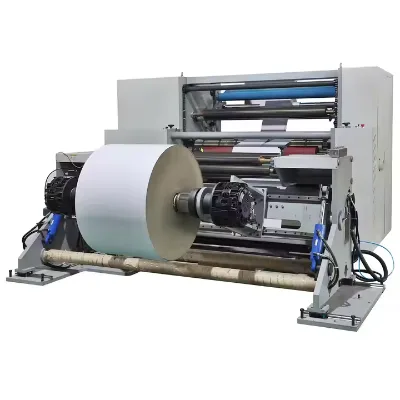
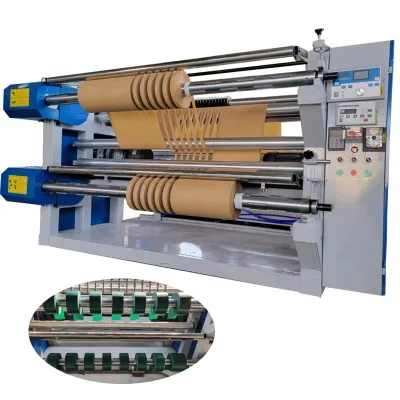
Automatic Paper Slitter Rewinder Machine
$6500.00 - $15000.00
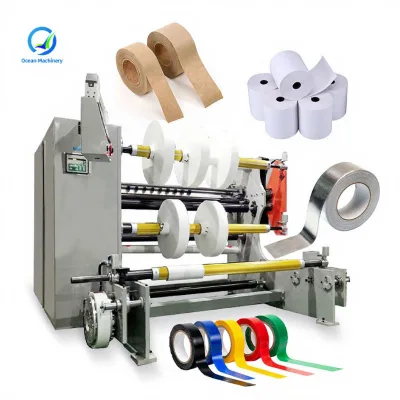
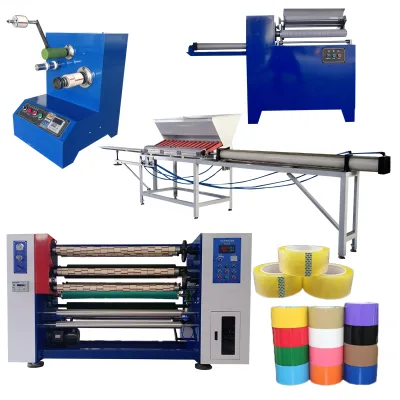
OCEAN Automatic Baking Paper Roll Slitter Rewinder Machine Adhesive Tape Roll to Roll Slit Machine
$7500.00 - $9800.00
MOQ: 1
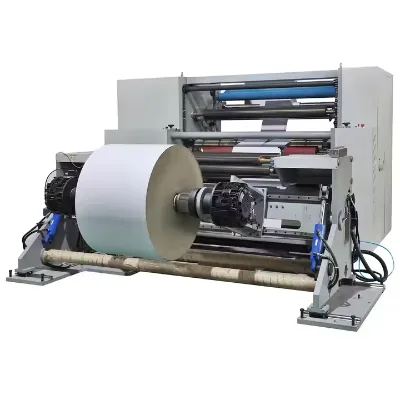
Pe Stretch Film Slitting Rewinding Machine,Slitter Rewinder for Stretching Film
$6757.4993 - $15594.2292
MOQ: 1 sets

Ruian Mingfeng Machinery Co., Ltd.
- Manufacturer/Factory
- China Zhejiang
- Lead time23 days
- Avg. response≤ 3h
Main productsFilm Blowing Machine, Bag Making Machine, Glove Making Machine, Slitting and Rewinding Machine, Flexo Printing Machine, Plastic Recycling Machine, Paper Sheeting Machine, Plastic Bag Making Machine, Slitting Machine, Slitter Rewinder
Main marketsSouth America,Eastern Europe,Mid East,North America,Southeast Asia,Eastern Asia,Oceania,Western Europe,Africa


Automatic Paper Roll Slitter Rewinder Machine Paper Slitting Rewinding Machine
$13000.00 - $17000.00
MOQ: 1 Sets

Paper Roll Slitting Machine Automatic Slitting and Rewinding Machine
$13000.00 - $17000.00
MOQ: 1 Sets


Shijiazhuang Goodi Trade Co., Ltd.
- Trading Company,Manufacturer/Factory
- China Hebei
- Lead time23 days
- Avg. response≤ 5h
Main productsTape Machine, Nail Machine, Adhesive Tape, Paper Core Machine, Tape Coating Machine, Coil Nail Machine, Wire Drawing Machine
Main marketsSouth America,Eastern Europe,Mid East,North America,Southeast Asia,Eastern Asia,Africa

High Quality Slitting Rewinding Machine BOPP Slitting Rewinding Machine BOPP Slitter Rewinder
$8000.00 - $15000.00
MOQ: 1 Pieces


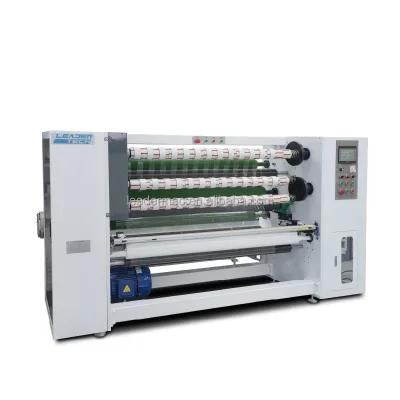
Fully Automatic Tape Slitting Rewinding Machine for Adhesive BOPP Tapes
$55000.00 - $120000.00
MOQ: 1 Sets


Lingtie (Xiamen) Machinery Co., Ltd.
- Combined
- China Fujian
- Lead time15 days
- Avg. response≤ 1h
Main productsAutomatic Roll to Roll Screen Printing Machine, Automatic Label Silk Screen Printing Machine, Automatic Roll Silk Screen Printing Machine, Automatic Screen Printing Machine, Screen Printing Machine, Roll to Roll Screen Printing Machine, Automatic Label Rewinding Machine, Automatic Slitting and Rewinding Machine, Letterpress Printing Machine, Automatic Roll to Sheet Cutting Machine
Main marketsSoutheast Asia/ Mideast,Europe,North America

Hangzhou Depai Machinery Co., Ltd.
- Manufacturer/Factory
- China Zhejiang
- Lead time0 days
- Avg. response≤ 7h
Main productsFlexo Printing Machine, Die Cutting Machine, Slitting Machine, Paper Sheeting Machine, Paper Cup Machine, Paper Cross Cutting Machine, Rotary Die Cutting Machine, Label Sticker Cutting Machine, Label Sticker Printing Machine, Petal Flexo Printing Machine
Main marketsSouth America,Eastern Europe,Mid East,North America,Southeast Asia,Eastern Asia,Oceania,Western Europe,Africa
Ruian Tplast Machine Co., Ltd.
- Verified by TüVRheinland
- Manufacturer, Trading Company
- Lead time30 days
- Avg. response≤ 4h
Main productsBag Making Machine, Film Blowing Machine
Main marketsMid East(30%), North America(25%), South America(20%)
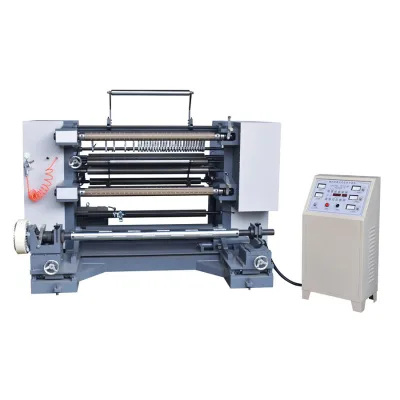
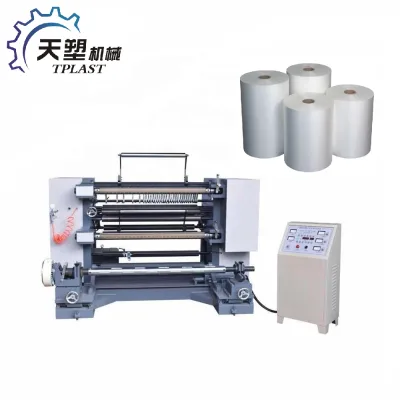
$8945.2168 - $9253.6726
MOQ: 1 sets
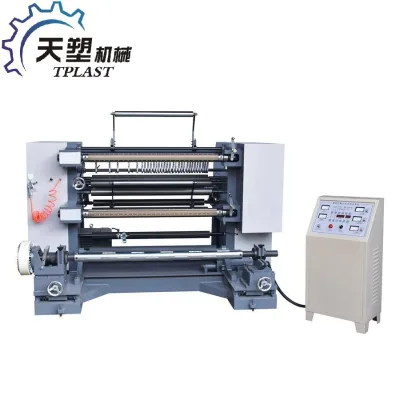
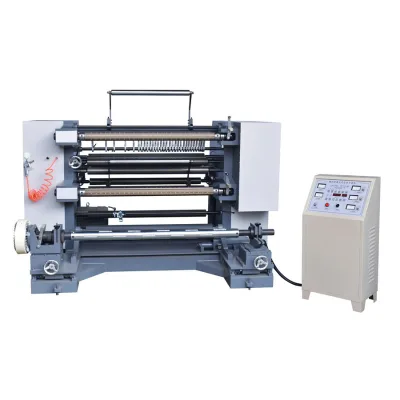
$7900.00 - $8500.00
MOQ: 1 sets
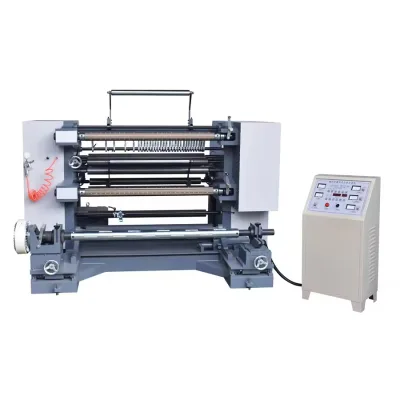
Hot Sale Good Quality Pp/pe/bopp Paper Non Woven Slitting Machine Price
$7700.00 - $7900.00

Suzhou Deedo Machinery Co., Ltd.
- Manufacturer
- China Jiangsu
- Lead time15 days
- Avg. response≤ 4h
Main productsPaper Straw Making Machine, Paper Straw Machine, Slitter Machine, Drinking Straw Wrapping Machine, PP PE Recycling Washing Line, Plastic Pipe Belling Machine, Plastic Mixer Machine, Plastic Crusher Machine, Plastic Shredder Machine, Plastic Recycling Pelletizer Machine
Main marketsSouth America,Africa,Southeast Asia/ Mideast,Domestic,Europe,North America


BOPP Film Slitting Steel Coil Slitter Machine Paper Slitting Machine Slitter Rewinder
$7300.00 - $7500.00
MOQ: 1 Pieces


Slitting Rewinding Machine BOPP PE Paper Plastic Film Slitting Machine Slitter Price
$7500.00
MOQ: 1 Pieces
Suzhou Deedo Machinery Co., Ltd.
- Verified by SGS Group
- Manufacturer, Trading Company
- Lead time20 days
- Avg. response≤ 1h
Main productsPaper Straw Production Line, Packing Machine, Slitter Machine, Extrusion Machine, Recycling Machine
Main marketsNorth America(25%), South America(20%), Eastern Europe(15%)
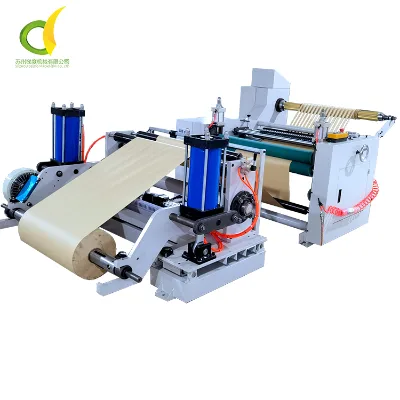
1300mm Acrylic Adhesive BOPP Slitting Rewinding Machine
$3900.00 - $4000.00
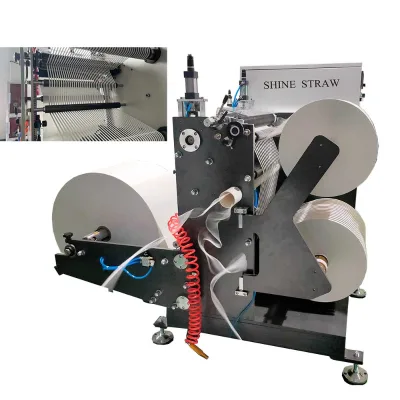
2100 mm Width Jumbo Roll Gantry Slitting and Rewinding Machine 300m/min
$7200.00 - $7500.00

Hangzhou Havesino Import and Export Co., Ltd.
- Trading Company,Manufacturer/Factory
- China Zhejiang
- Lead time60 days
- Avg. response≤ 4h
Main productsSlitting Machine, Slitter Rewinder, Slitter, Thermal Paper Slitter, TTR Slitter, Core Cutter, Paper Slitter, Film Slitter, Hot Stamping Foil Slitter, Rewinding Slitting
Main marketsSouth America,Eastern Europe,Mid East,North America,Southeast Asia,Eastern Asia,Oceania,Western Europe,Africa
Henan Share M&E Equipment Co.,Ltd
- Verified by SGS Group
- Trading Company
- Lead time7 days
- Avg. response≤ 3h
Main productsTextile Machinery, Printing Machinery, Construction Machinery, Wood Machinery
Main marketsNorth America(20%), South America(20%), Eastern Europe(10%)

Zhangjiagang Sino-Tech Machinery Co., Ltd.
- Verified by BV
- Combined
- China Jiangsu
- Lead time30 days
- Avg. response≤ 6h
Main productsExtrusion Blow Molding Machine, PVC Pipe Bending Machine, Plastic Extrusion Machine, Plastic Pulverizer, Plastic Profile Extrusion Machine, Pet Bottle Blow Molding Machine, Plastic Sheet Production Line, Plastic Recyling Machine, Plastic Pelletizing Line, Injection Molding Machine
Main marketsAfrica,Europe,Australia
Hangzhou Havesino Import And Export Co., Ltd.
- Manufacturer, Trading Company
- Zhejiang, China
- Lead time15 days
- Avg. response≤ 3h
Main productsslitting machine,thermal paper slitting machine,paper slitting machine,film slitting machine,paper core cutting machine
Main marketsNorth America(40.00%), Western Europe(20.00%), Southern Europe(10.00%), Southeast Asia(8.00%), Northern Europe(5.00%), Eastern Asia(4.00%), Domestic Market(3.00%), Eastern Europe(3.00%), Africa(2.00%), Mid East(2.00%), South America(1.00%), South Asia(1.00%), Central America(1.00%)
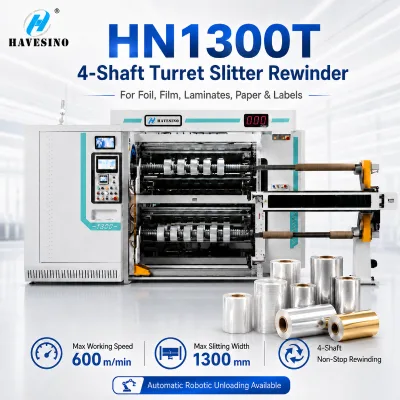
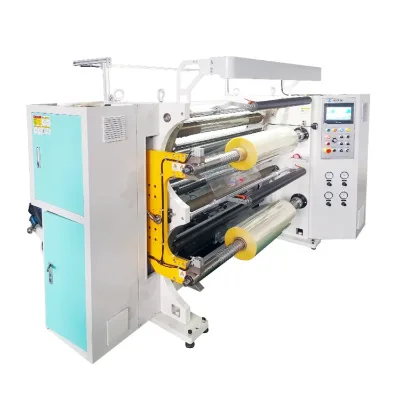
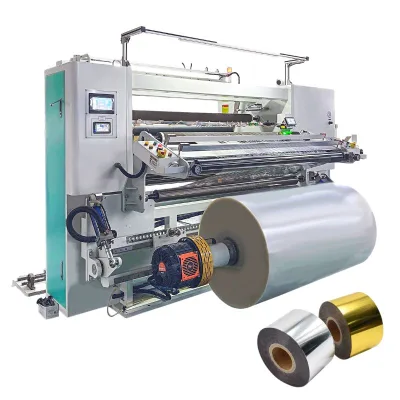
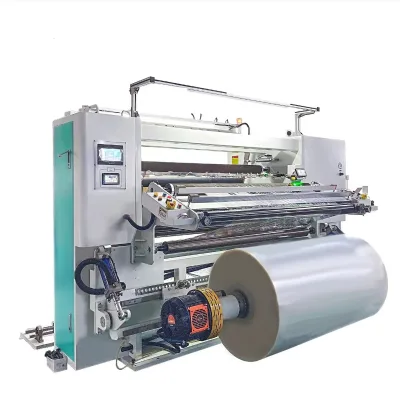
Specialized Designed PP Strapping Roll Rewinding and Slitting Machine
$44000.00 - $45000.00
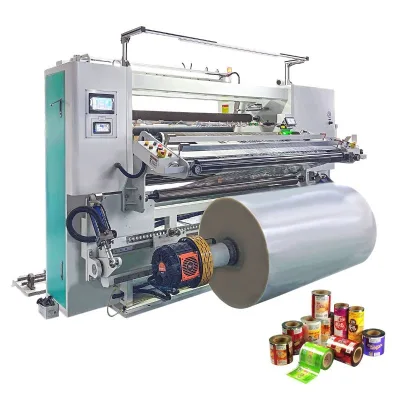
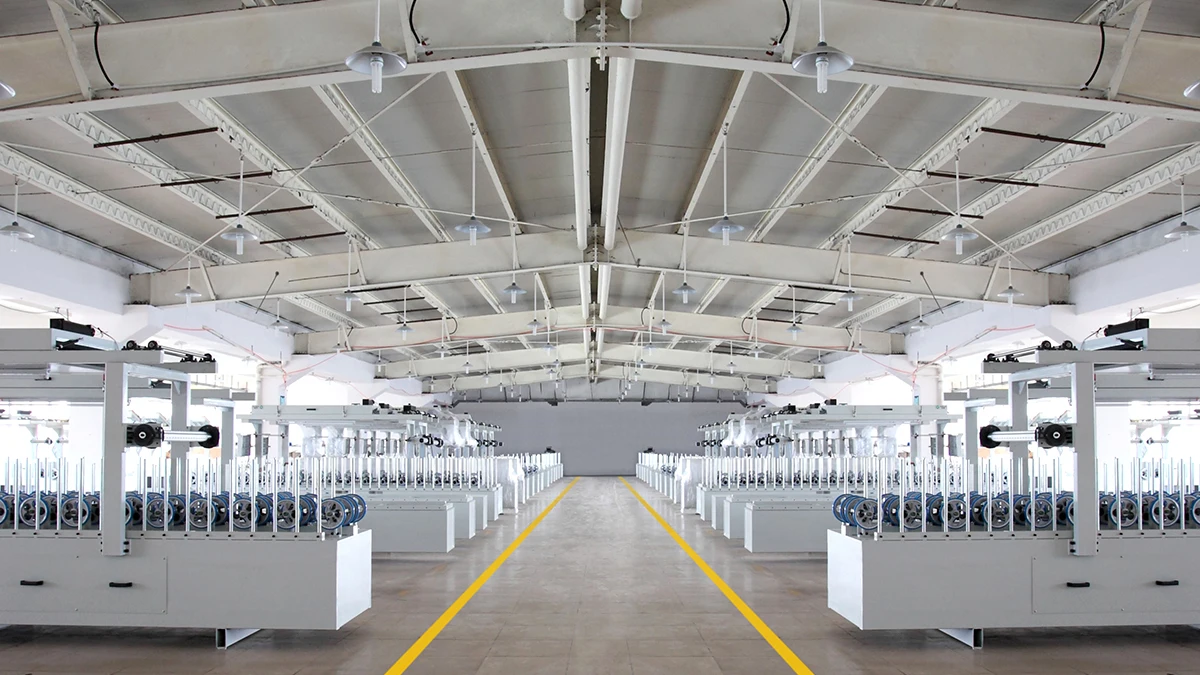
Foshan Leader Machinery Co., Ltd.
- Manufacturer
- Guangdong, China
- Lead time30 days
- Avg. response≤ 24h
Main productsFully Automatic Line,PUR Profile Wrapper,PUR Lamination Line,EVA Profile Wrapper,Solvent Adhesive Wrapper
Main marketsSouth Asia(40.00%), North America(30.00%), Western Europe(20.00%), Eastern Asia(10.00%)
Hangzhou Prime Intellient Technology Co., Ltd.
- Trading Company
- Zhejiang, China
- Lead time30 days
- Avg. response≤ 3h
Main productsPrinting Machine,Lable Machine,Paper Cutting Machine
Main marketsSouth America(30.00%), Eastern Europe(30.00%), Western Europe(20.00%), North America(20.00%)
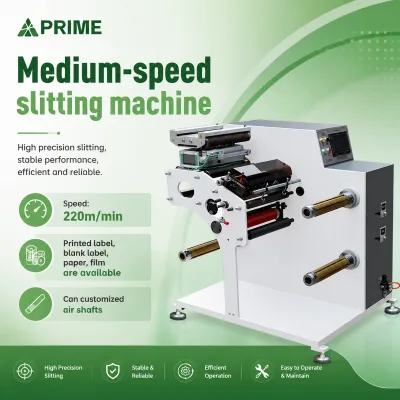
Automatic Slitting Rewinding Machine Paper Label Slitting Machine High Speed
$4000.00 - $5000.00
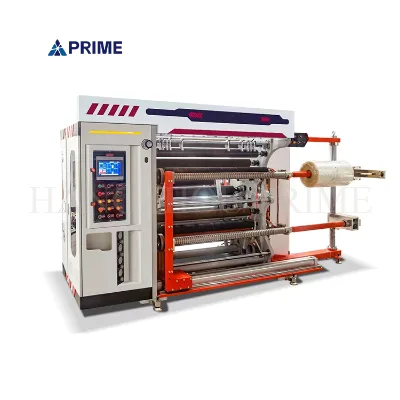
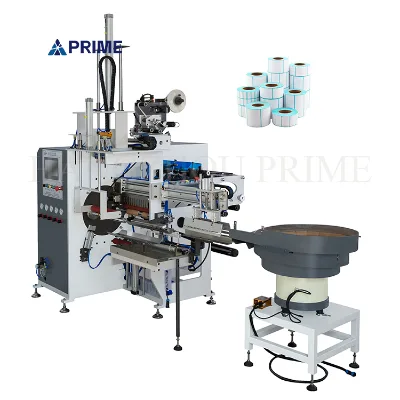
High Speed Non-stop Slitting Rewinding Machine for Labels and Thermal Paper
$10000.00 - $15000.00
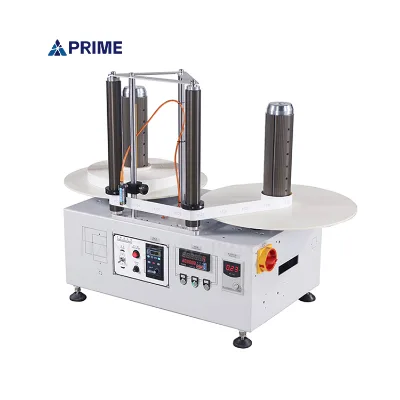
Small Kraft Paper Slitter Rewinder Machine Price Label Rewinding Machine
$761.5762 - $830.8111
MOQ: 1 sets
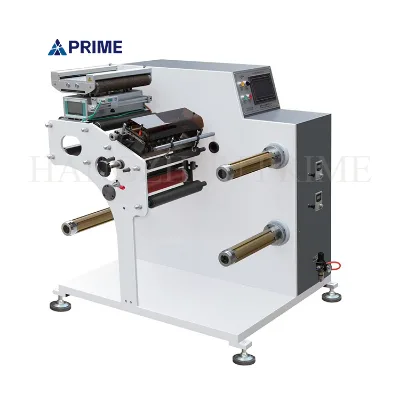
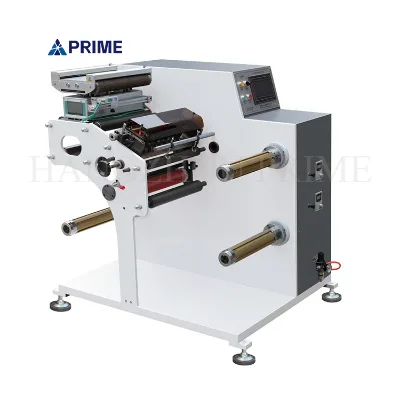
High Speed 350 Automatic Slitting Machine with Rotary Die Cheap Price
$4081.8659 - $5102.3324
MOQ: 1 sets

Zhengzhou Jiyun Machinery Co., Ltd.
- Trading Company
- Henan, China
- Lead time20 days
- Avg. response≤ 2h
Main productsRoll forming machine,Roof panel machine,Stud and Track Roll Forming Machine,roll former,broaching machine
Main marketsSoutheast Asia(25.00%), Africa(20.00%), South America(20.00%), North America(10.00%), South Asia(5.00%), Western Europe(5.00%), Domestic Market(3.00%), Eastern Asia(3.00%), Oceania(2.00%), Northern Europe(2.00%), Central America(2.00%), Eastern Europe(2.00%), Southern Europe(1.00%)
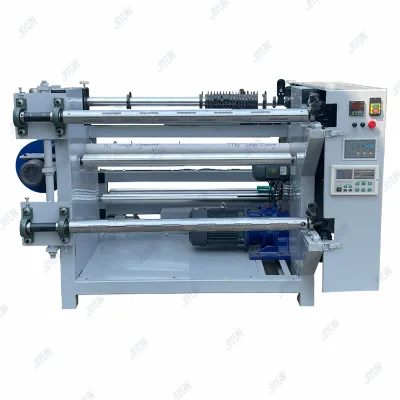
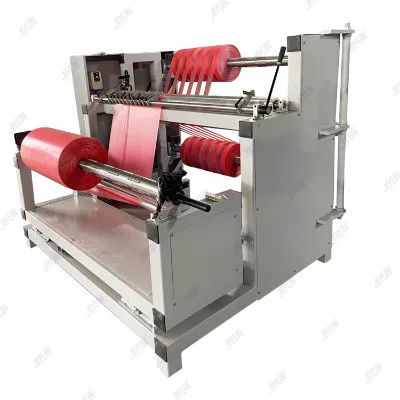
Automatic Film Slitting and Rewinding Machine High Speed Twin Shaft Cutting Slitting Machine
$5243.7478
MOQ: 1 Minimum
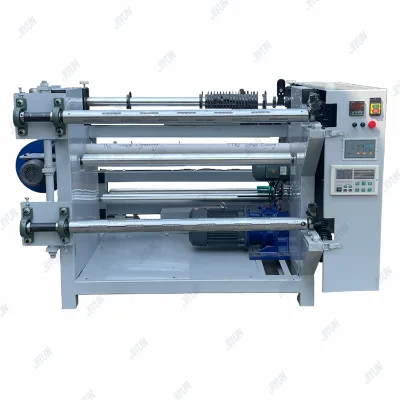
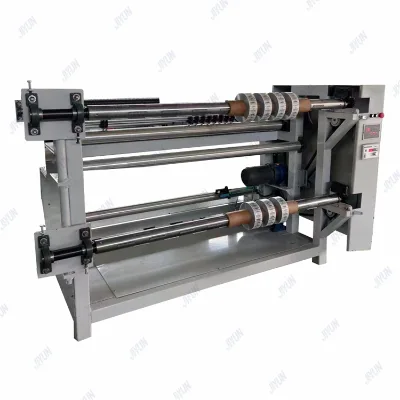
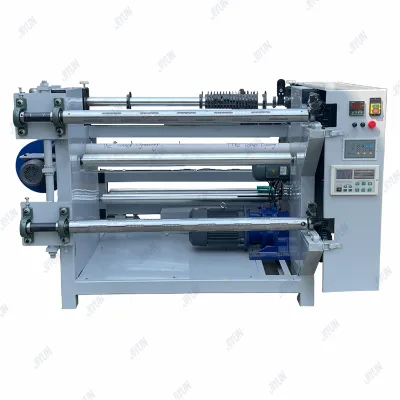
1300/1600mm Customized Rewinder Slitter Machine According to Your Raw Material
$5100.00 - $6500.00
MOQ: 1 Minimum
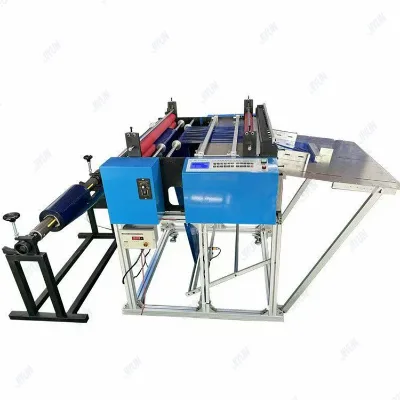
Automatic Slitting Cutter Machine Paper/Film/Non Woven Material Roll to Sheet Cutting Machine
$1500.00 - $2100.00
MOQ: 1 Minimum

JIANGXI BEIDE MEIKE TECHNOLOGY MACHINE CO., LTD
- Combined
- China Jiangxi
- Lead time23 days
- Avg. response≤ 1h
Main productsSolventless Laminator Machine, Slitting Machine, Bag-Making Machine, Gravure Printing Machine, High Speed Laminating Machine, Flexographic Printing Machine, Film Lamination Machine, Plastic Bag Making Equipment, Automatic Laminating Machine, Solventless Laminator
Main marketsSoutheast Asia/ Mideast,Domestic


High-Performance Electric Slitting Machine Packaging Machinery Rewinder Slitting Machine
$33000.00 - $444400.00
MOQ: 1 Sets

Zhejiang Hongsen Machinery Co., ltd
- Verified by TUVRHEINLAND
- Manufacturer/Factory
- China Zhejiang
- Lead time45 days
- Avg. response≤ 11h
Main productsSlitting Machine, Paper Slitting Machine, Slitter Rewinder Machine, Slitting Rewinding Machine, Plastic Film Slitting Machine, Inspecting Rewinding Machine, Doctoring Rewinding Machine, Automatic Inspecting Rewinding Machine, Sleeve Seaming Machine, Middle Sealing Machine
Main marketsSouth America,Eastern Europe,Mid East,North America,Southeast Asia,Eastern Asia,Oceania,Western Europe,Africa


Computer Controlled High Speed Automatic Roll Slitting Rewinding Machine
$28000.00 - $35000.00
MOQ: 1 Sets


Anhui Innovo Bochen Machinery Manufacturing Co., Ltd.
- Manufacturer
- Anhui, China
- Lead time0 days
- Avg. response≤ 4h
Main productsAutomatic Flute Laminating Machine, Automatic Flip Flop Stacker Machine, Automatic Pile Turner Machine, Bookcase Making Machine
Main marketsNorth America(20.00%), Northern Europe(20.00%), Southeast Asia(16.00%), Eastern Asia(13.00%), South America(12.00%), South Asia(9.00%), Africa(5.00%), Mid East(5.00%)

Ruian Binhai Plastic Packing Machinery Co., Ltd.
- Verified by BV
- Combined
- China Zhejiang
- Lead time30 days
- Avg. response≤ 6h
Main productsBag Making Machine, Flexo Printing Machine, Film Blowing Machine, Recycle Machine, Slitting Machine, Roto-Gravure Printing Machine, Rewinder Machine, Paper Cup Machine, Folding Machine, 3 Side Sealing Machine
Main marketsSouth America,Africa,Southeast Asia/ Mideast,East Asia(Japan/ South Korea),Europe,North America
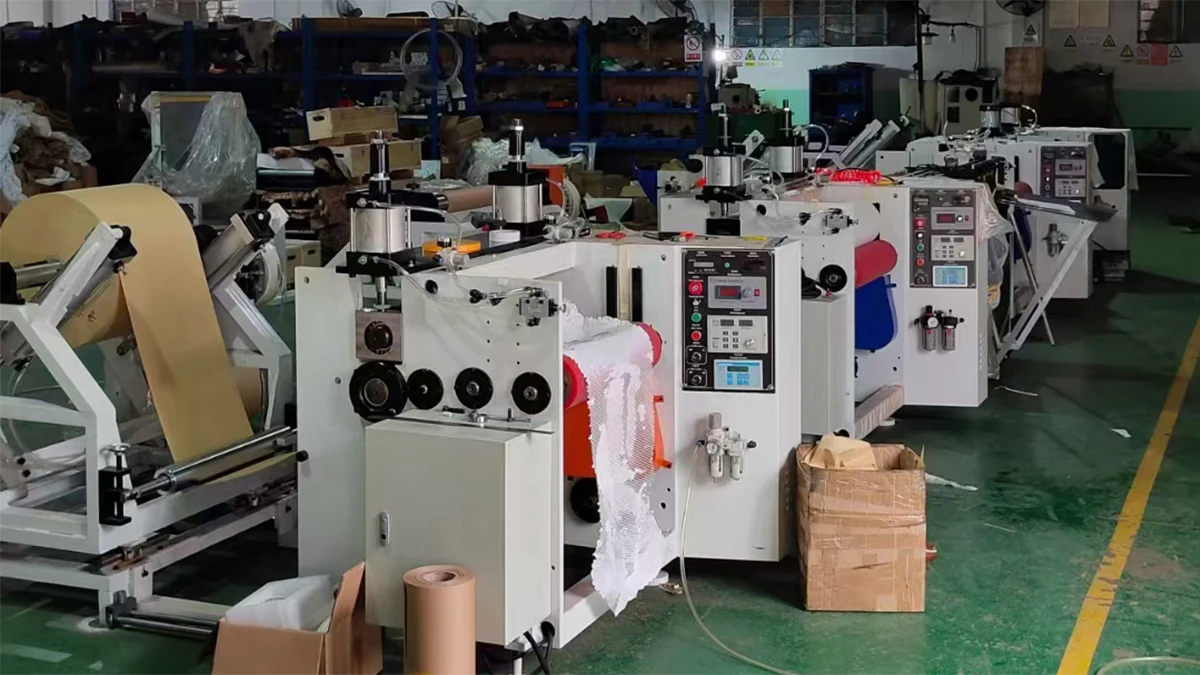
Qingdao Copak Packing Co., Ltd.
- Trading Company
- Shandong, China
- Lead time15 days
- Avg. response≤ 2h
Main productsFully-automatic honeycomb paper making machine,Pre-taped masking film making machine,Paper folding machine,Paper joint tape making machine,Crinkle paper shredder for roll material
Main marketsNorth America(30.00%), Northern Europe(20.00%), Domestic Market(10.00%), Southeast Asia(10.00%), Eastern Asia(10.00%), Mid East(5.00%), Central America(5.00%), South Asia(3.00%), Eastern Europe(2.00%), Oceania(2.00%), Africa(1.00%), South America(1.00%), Southern Europe(1.00%)
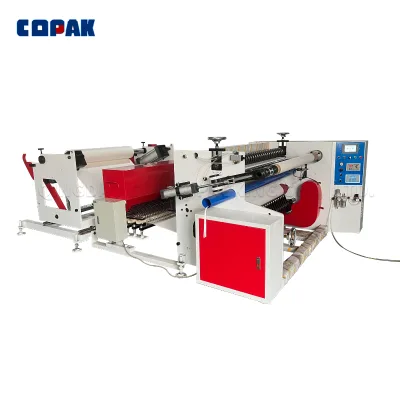
Slitting and Rewinding Machine Auto Slitting Machine Slitter Rewinder Machine Paper Roll
$16462.2234
MOQ: 1 Minimum
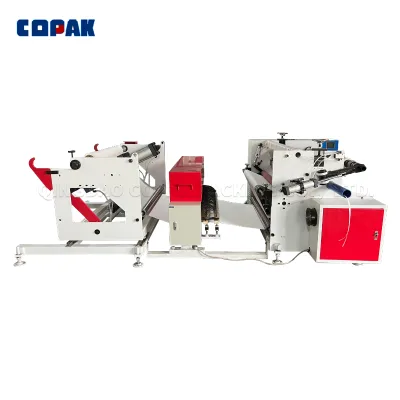
Slitting Machine/slitting Rewinding Machine/high Speed Slitting Machine/film Slitting Machine
$16327.4637
MOQ: 1 Minimum

Anhui Furi Intelligent Equipment Co., Ltd.
- Verified by CTI
- Combined
- China Jiangsu
- Lead time30 days
- Avg. response≤ 1h
Main productsAdhesive Tape Machine, Roll Cutting Machine, Rewinding Machine, Slitter Rewinder, Coating Machine, Packing Machine, Stretch Film Rewinding Machine, Slitting Rewinding Machine, Paper Core Machine, Rotary Die Cutting Machine
Main marketsSouth America,Africa,Southeast Asia/ Mideast,East Asia(Japan/ South Korea),Domestic,Europe,Australia,North America

High-Performance BOPP Tape Slitter and Rewinder Machine for Efficient Production
$3000.00 - $10000.00
MOQ: 1 Sets


Jinan Eagle CNC Machine Co., Ltd.
- Combined
- China Shandong
- Lead time120 days
- Avg. response≤ 5h
Main productsCut to Length Line, Slitting Line, Rotary Shear, Rotary Shear Cut to Length Line, Flying Shear Line, Flat Bar Cutting Production Line, Slitting & Cut to Length Combined Line, Tension Leveling Line, Recoiling Line, Levelling Machine
Main marketsSouth America,Southeast Asia/ Mideast,Europe


High-Value Rewinding Machine/Rewinding Slitting Machine/Rewinding Line
$150000.00 - $300000.00
MOQ: 1 Sets
Zhengzhou Jieyuan Machinery Manufacturing Co., Ltd.
- Trading Company
- Henan, China
- Lead time7 days
- Avg. response≤ 2h
Main productsCurtain machine,quilt machine,cotton fiber machine,Aluminum cutting machine,Pipe bending machine
Main marketsSouthern Europe(20.00%), Western Europe(20.00%), South Asia(10.00%), Africa(10.00%), Central America(10.00%), Mid East(5.00%), South America(5.00%), Northern Europe(5.00%), Southeast Asia(5.00%), North America(5.00%), Eastern Asia(5.00%)

Ruian Loyal Machinery Co., Ltd.
- Combined
- China Zhejiang
- Lead time30 days
- Avg. response≤ 6h
Main productsSlitter Rewinder, High Speed Slitting Machine, Flexo Printing Machine, Die Cutting Machine, Cross Cutting Machine, Paper Tube Cutting Machine, Computer Label Inspection Machine, Slitting Machine
Main marketsSouth America,Southeast Asia/ Mideast,Domestic,Europe,North America
Hebei Bestice Commerce & Trade Co., Ltd.
- Trading Company
- Hebei, China
- Lead time30 days
- Avg. response≤ 2h
Main productsCorrugated Carton Making Machine,Carton Printing Machine,Single Facer Corrugated Machine,Paper Cutting Machine,Die Cutting Creasing Machine
Main marketsDomestic Market(51.00%), South America(9.00%), Africa(7.00%), Southeast Asia(7.00%), South Asia(7.00%), North America(3.00%), Western Europe(3.00%), Eastern Europe(3.00%), Mid East(3.00%), Southern Europe(3.00%), Central America(1.00%), Eastern Asia(1.00%), Oceania(1.00%), Northern Europe(1.00%)
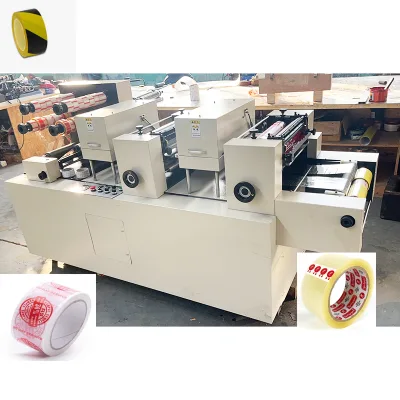
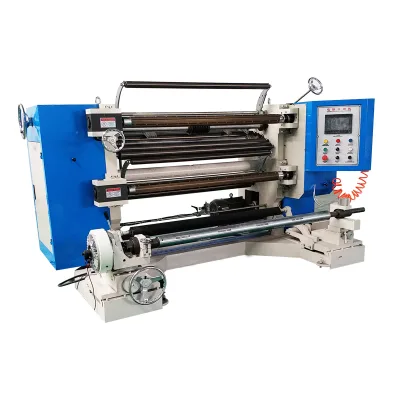
Roll to Roll Slitting Rewinding Machine
$6800.00 - $7000.00
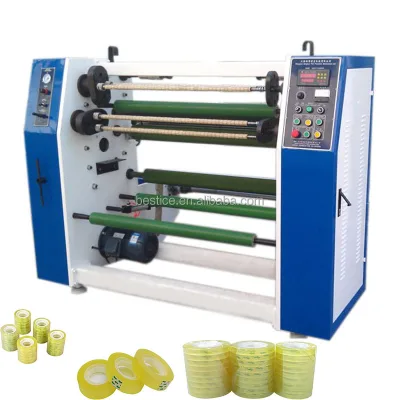
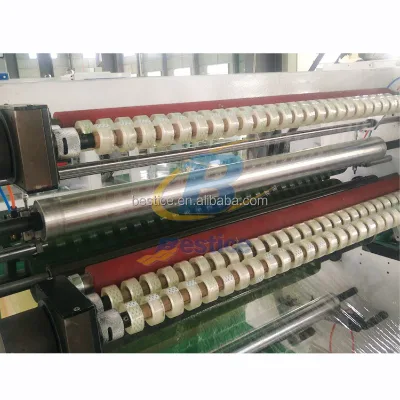
Shenzhen JCD Machinery Co., Ltd.
- Verified by Intertek
- Manufacturer, Trading Company
- Lead time30 days
- Avg. response≤ 7h
Main productsSlitter Rewinder Machine, Log Roll Cutting Machine , Jumbo Roll Rewinding Machine, Optical Film Laminating and Slitting Machine , Layers Lamination
Main marketsDomestic Market(60%), North America(10%), Southeast Asia(10%)
Ruian Bonada Machinery Co., Ltd.
- Trading Company
- Zhejiang, China
- Lead time20 days
- Avg. response≤ 4h
Main productsFilm Blowing Machine,Bag Making Machine,Printing Machine,Recycling Machine,Slitting and Rewinding Machinery
Main marketsAfrica(20.00%), Mid East(15.00%), South America(12.00%), South Asia(10.00%), Eastern Asia(10.00%), Western Europe(10.00%), North America(5.00%), Southeast Asia(5.00%), Eastern Europe(3.00%), Domestic Market(2.00%), Oceania(2.00%), Southern Europe(2.00%), Northern Europe(2.00%), Central America(2.00%)
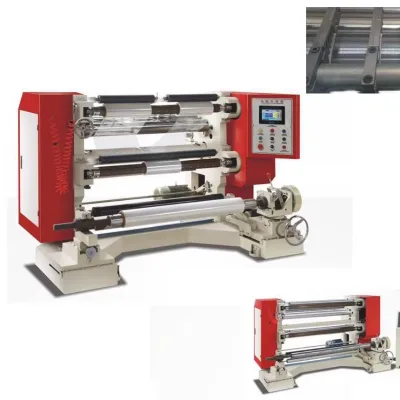
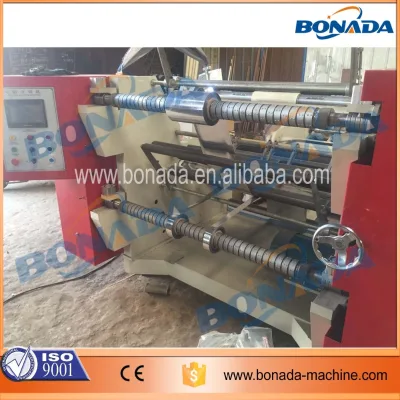
Full Automatic Slitting and Rewinding Machine for BOPP/PET/PVC Shrink Film/Laminated Film
$6000.00 - $15000.00
MOQ: 1 Minimum








Comprehensive Sourcing Guide
Automatic Bopp Slitting Rewinder Machine Supplier Concentration and Factory Types
The current supplier landscape for automatic bopp slitting rewinder machines reveals a mix of manufacturing and trading entities, with specific data points indicating distinct operational models. Some suppliers are identified as manufacturers capable of light customization, sample processing, and graphic processing, while others operate strictly as trading companies. This distinction is critical because manufacturers often provide direct access to production capacity and engineering teams, whereas trading companies may offer broader product ranges including book binding machines, paper cutting machines, and rigid box machines alongside slitting equipment. The presence of both types suggests a market where specialized production coexists with general machinery distribution, requiring buyers to scrutinize the company type listed in supplier profiles to align with their specific needs for customization or immediate availability.
When evaluating the concentration of these suppliers, it is essential to note that specific locations are not universally confirmed for all entities in the current dataset, though some product origins are listed as China or Henan, China. Buyers should verify the actual factory location rather than relying on general country-of-origin labels, as this impacts logistics and after-sales support. The data shows that some suppliers offer customized on-demand capabilities, which is a strong indicator of a manufacturing base, while others focus on standard inventory. To identify the true concentration of factories, buyers must look for explicit mentions of production capacity, such as specific output speeds like 450 meters per minute or 600 meters per minute, and verify if the supplier claims ownership of the machinery design versus simply reselling established brands.
How to Verify Automatic Bopp Slitting Rewinder Machine Suppliers
Verification of suppliers for automatic bopp slitting rewinder machines relies heavily on third-party audit reports and specific certification data points available in the current results. Several suppliers have undergone verification by recognized bodies such as TüVRheinland and SGS Group, which serves as a primary indicator of operational legitimacy. These audits often cover factory conditions, quality control processes, and financial stability, providing a layer of assurance that is absent for unverified entities. Buyers should prioritize suppliers displaying these specific verification badges, as they confirm that an independent party has physically inspected the facility and validated the company's claims regarding their business structure and capabilities.
Beyond third-party verification, buyers must cross-reference product-specific evidence to ensure the supplier can deliver the exact specifications required. The current data includes detailed product attributes such as PLC brands like Siemens, voltage requirements of 380 V, and specific dimensions for machines like the Automatic Slitter Rewinder Machine. A legitimate supplier will provide consistent data across their product listings, including machinery test reports and video outgoing-inspection services. If a supplier claims to be a manufacturer but lacks detailed technical specifications or fails to provide a machinery test report, this discrepancy warrants further investigation. Buyers should request these specific documents to confirm that the machine's core components, such as motors and engines, match the advertised performance metrics before committing to an order.
What to Compare Across Automatic Bopp Slitting Rewinder Machine Suppliers
Comparing suppliers requires a systematic analysis of key operational metrics such as lead time, response time, and minimum order quantities, which vary significantly across the available results. Some suppliers demonstrate a response time of three days, while others list four days, indicating differences in communication efficiency and customer service readiness. Lead times also fluctuate, with some suppliers offering a thirty-day window and others providing a ten-day turnaround, which directly impacts project scheduling and inventory planning. Buyers must weigh these timeframes against their urgency, understanding that shorter lead times may come with higher costs or limited customization options, while longer lead times might allow for more tailored production runs.
In addition to time metrics, buyers should compare the scope of after-sales support and warranty terms provided by different vendors. The data indicates that some suppliers offer a one-year warranty with video technical support, while others provide online service or specific after-sales provisions for different machine types. It is also crucial to compare the main products listed, as some suppliers focus exclusively on paper processing machinery, while others offer a broader range including environmental protection equipment and drying machines. This breadth of product lines can indicate the supplier's overall expertise and resource allocation. Buyers should ensure that the supplier's primary focus aligns with their specific need for a high-precision slitting rewinder machine, rather than a generalist approach that might dilute technical support quality.
Common Automatic Bopp Slitting Rewinder Machine Sourcing Risks
One significant risk in sourcing automatic bopp slitting rewinder machines involves the potential mismatch between advertised capabilities and actual production capacity. While some suppliers list high production capacities such as 600 meters per minute, others may only offer sample processing or limited customization. This discrepancy can lead to delays if the supplier cannot scale production to meet bulk order requirements. Buyers must verify the actual production capacity through machinery test reports and video inspections to ensure the machine can handle the intended volume without compromising quality. Relying solely on marketing claims without independent verification can result in operational bottlenecks once the equipment is deployed.
Another critical risk is the variability in warranty and after-sales service provisions, which can leave buyers vulnerable to unexpected downtime. The current data shows a range of support options, from video technical support to online service, but the depth and responsiveness of these services are not always uniform. If a machine fails after the warranty period or if the supplier lacks the technical expertise to resolve complex issues, the buyer may face significant production losses. It is essential to clarify the specific terms of the warranty, including what components are covered and the response time for technical assistance. Buyers should also verify if the supplier offers spare parts availability and whether they have a local presence or partner network to facilitate repairs, ensuring that long-term operational continuity is not jeopardized.
Automatic Bopp Slitting Rewinder Machine Regional Sourcing and Logistics
Regional sourcing decisions for automatic bopp slitting rewinder machines are heavily influenced by the place of origin and the associated logistics costs. The available data indicates that many products originate from China, with specific mentions of Henan as a production hub for certain models. This concentration suggests that buyers should anticipate shipping routes and customs procedures specific to Chinese exports. However, since not all suppliers provide detailed location data beyond the country level, buyers must confirm the exact city or industrial zone to accurately estimate freight costs and transit times. Understanding the regional logistics infrastructure is vital for planning the delivery of heavy machinery, which often requires specialized transport and handling.
Logistics planning must also account for the packaging specifications provided by suppliers, which can vary significantly based on the machine's size and weight. Some listings indicate wooden case packing, while others specify single package sizes and gross weights that impact shipping volume. For instance, a machine weighing 23,000 kg requires different freight arrangements compared to a 1,000 kg unit. Buyers should request detailed packing lists and dimensions to calculate the necessary container space and ensure that the packaging meets international shipping standards. Additionally, the voltage requirements, such as 380 V or 220 V, must be compatible with the destination country's electrical grid, necessitating potential transformer installations or equipment modifications upon arrival.
Automatic Bopp Slitting Rewinder Machine Commercial Terms and Order Planning
Commercial terms for automatic bopp slitting rewinder machines include pricing structures, minimum order quantities, and payment conditions that vary by supplier. The current data shows specific price points, such as 55,000 units for certain models and ranges from 6,500 to 15,000 for others, indicating a wide spectrum of investment levels. Buyers must carefully review these figures to understand the total cost of ownership, including potential tariffs and shipping fees. Some suppliers list a minimum order quantity of one set, which is advantageous for smaller operations, while others may have higher thresholds. It is crucial to negotiate terms that align with the buyer's budget and cash flow, ensuring that the financial commitment is manageable and transparent.
Order planning should also consider the customization options and production lead times to avoid delays in project timelines. Suppliers offering customized on-demand capabilities may require longer lead times, such as thirty days, compared to those providing standard models with a ten-day turnaround. Buyers need to factor in the time required for design approval, manufacturing, and quality inspections before the machine is ready for shipment. Additionally, the availability of core components like PLCs and motors can affect production schedules, especially if specific brands like Siemens are required. By aligning the order timeline with the supplier's production capacity and lead time, buyers can ensure a smooth transition from procurement to installation, minimizing the risk of operational disruptions.
FAQs
What is the price range for automatic slitter rewinder machines?
Prices vary significantly based on specifications and automation levels. Some models are listed around 55,000 USD, while others start near 6,500 USD. Higher-capacity units with features like hydraulic drives or Siemens PLCs may reach 125,000 USD. Buyers should check specific product listings for exact pricing tailored to their production needs.
What certifications do these machines typically hold?
Many suppliers provide CE certification for their industrial machinery, ensuring compliance with European safety standards. Additionally, some manufacturers undergo verification by recognized third-party groups like TüVRheinland or SGS Group. These credentials help verify the quality and safety of the equipment before purchase, offering buyers greater confidence in the supplier's reliability.
How long does production and delivery usually take?
Lead times generally range from 10 to 30 days depending on the machine type and customization requirements. Some suppliers offer faster turnaround times for standard models, while others may require up to a month for complex configurations. Buyers should confirm specific delivery schedules with the supplier to align with their project timelines effectively.
What after-sales support is typically provided?
Suppliers often offer video technical support and online services to assist with installation and troubleshooting. Warranty periods commonly cover one year for core components and general machinery. Some providers also supply machinery test reports and outgoing inspection videos to ensure quality before shipment, helping buyers resolve issues remotely without immediate on-site visits.
What is the minimum order quantity for these machines?
The minimum order quantity is typically one set for most automatic slitter rewinder machines. This allows buyers to purchase single units for testing or small-scale production needs. Suppliers generally do not require bulk orders for standard industrial equipment, making it accessible for businesses looking to upgrade their paper processing capabilities without large initial commitments.
What are the key technical specifications to consider?
Key specifications include working width, rewinding speed, and power consumption. Machines may offer speeds up to 600 meters per minute with hydraulic or electric drives. Dimensions and weight vary, with some units weighing over 20,000 kg. Buyers should match these specs to their material types, such as kraft paper or BOPP, for optimal performance.