Breathable Anti-Bacterial Kids Socks Suppliers and Manufacturers
Find 29 verified suppliers offering breathable anti-bacterial kids socks with customizable features like non-slip bottoms and cotton materials. Compare response times, lead times, and MOQs to source the right fit for your needs today; review the available evidence before requesting comparable quotations from suitable candidates.
Updated
Suppliers List

- Verified by CTI
- Combined
- China Zhejiang
- Lead time30 days
- Avg. response≤ 2h
Main productsCottton Sock, Crew Sock, Kids Sock, Adult Sock, Men Sock, Sports Sock, Pilates Sock, Football Sock, Ankle Sock
Main marketsEurope,Australia,North America


Custom Children Breathable Cotton Sports Crew Socks Unisex Anti Slip Football Stockings
$0.49 - $1.95
MOQ: 100 Pairs


High Quality Comfortable Soft Non-Slip Cotton Sock Crew Baby Sock Kids Socks
$0.49 - $1.95
MOQ: 100 Pairs

- Verified by CTI
- Trading Company
- China Anhui
- Lead time23 days
- Avg. response≤ 2h
Main productsFurniture, Home Furniture
Main marketsSoutheast Asia/ Mideast

- Verified by CTI
- Trading Company
- China Zhejiang
- Lead time30 days
- Avg. response≤ 5h
Main productsSocks, Men Socks, Sports Socks, Cotton Socks, Custom Socks, Women Socks, Merino Wool Socks, Grip Socks, Bamboo Socks, Pilates Socks
Main marketsSoutheast Asia/ Mideast
Haining Huming Knitting Factory
- Manufacturer, Trading Company
- Zhejiang, China
- Lead time35 days
- Avg. response≤ 4h
Main productsrunning socks,printing socks,ski socks,merino wool socks,sports socks
Main marketsNorth America(70.00%), Eastern Asia(28.00%), Domestic Market(2.00%)
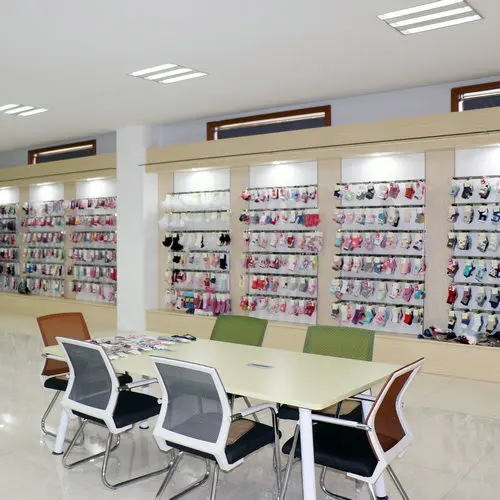
- Manufacturer, Trading Company
- Zhejiang, China
- Lead time15 days
- Avg. response≤ 2h
Main productssocks,women socks,men socks,wholesale socks,custom socks
Main marketsNorth America(38.00%), Western Europe(14.00%), Northern Europe(11.00%), Eastern Europe(8.00%), Eastern Asia(6.00%), South America(5.00%), Southern Europe(4.00%), Southeast Asia(4.00%), Central America(3.00%), South Asia(3.00%), Domestic Market(1.00%), Oceania(1.00%), Africa(1.00%), Mid East(1.00%)

Nantong Bi'antong Textile Fabrics Trade Co., Ltd.
- Verified by SGS
- Trading Company
- China Jiangsu
- Lead time0 days
- Avg. response≤ 24h
Main productsCotton Socks, Hat, Scarf, Blanket, Knee Pad, Cap, Underwear, Wash Accessories, Fabric, Tool Bag


Negotiable
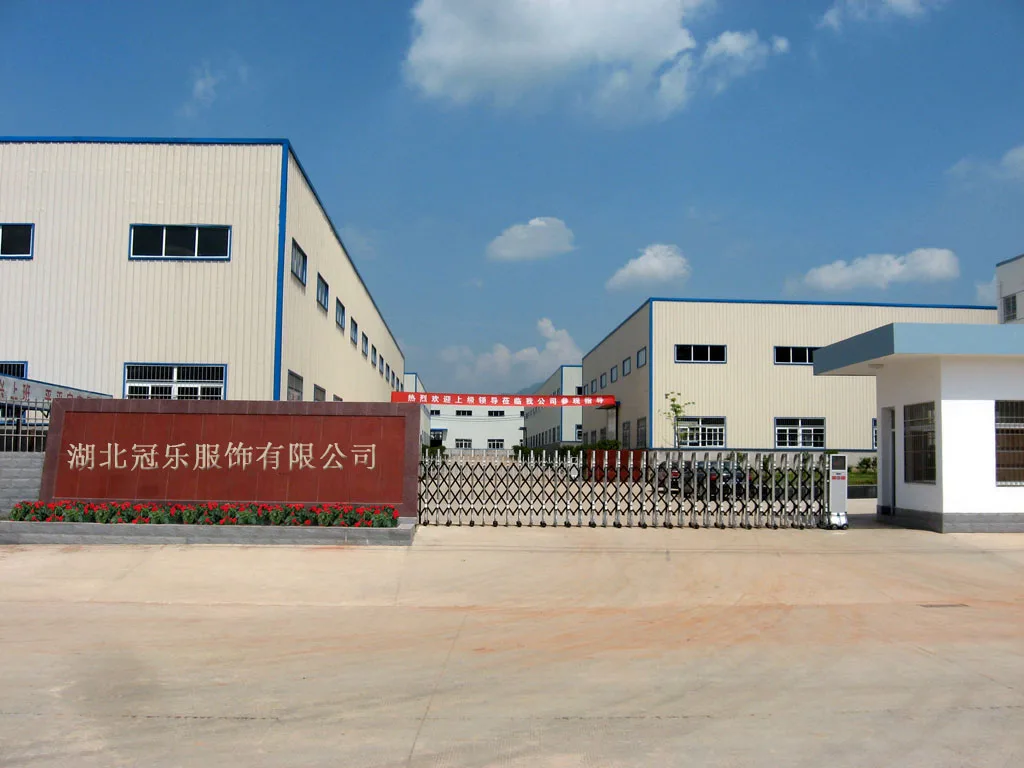
Hubei Guanle Apparel Co., Ltd.
- Trading Company
- Hubei, China
- Lead time10 days
- Avg. response≤ 4h
Main productsBaby Rompers & Bodysuits,Baby Sleeping Bag,Baby Blanket&Swaddle,Baby Nest&Lounger,Baby Shirts & Tops
Main marketsNorth America(25.00%), South America(20.00%), Southeast Asia(15.00%), Eastern Europe(15.00%), Eastern Asia(10.00%), Africa(5.00%), Mid East(5.00%), Oceania(5.00%)

Jingjiang Pingdong Import & Export Co., Ltd.
- Verified by TUVRHEINLAND
- Trading Company
- China Jiangsu
- Lead time30 days
- Avg. response≤ 20h
Main productsSock
Main marketsEurope,North America


Wholesale Kids Cute 100% Cotton Socks Soft Breathable Sport Socks Fashion Socks
$0.25 - $0.35
MOQ: 1000 Pairs


Zhejiang Kaite Knitting Co., Ltd.
- Manufacturer, Trading Company
- Lead time旺季: "1 - 500":7,"> 500":"To be negotiated", 淡季: "1 - 500":7,"> 500":"To be negotiated"
- Avg. response≤ 8h
Main productscustom socks,fashion socks,customdesign socks,custom logo socks,socks

- Manufacturer, Trading Company
- Zhejiang, China
- Lead time7 days
- Avg. response≤ 7h
Main productsSOCKS,custom socks,sport socks,cotton socks,baby socks
Main marketsNorth America(20.00%), Central America(10.00%), Northern Europe(10.00%), Eastern Europe(8.00%), Western Europe(8.00%), Oceania(7.00%), Southern Europe(7.00%), South America(5.00%), Southeast Asia(5.00%), Mid East(5.00%), South Asia(5.00%), Domestic Market(5.00%), Eastern Asia(3.00%), Africa(2.00%)
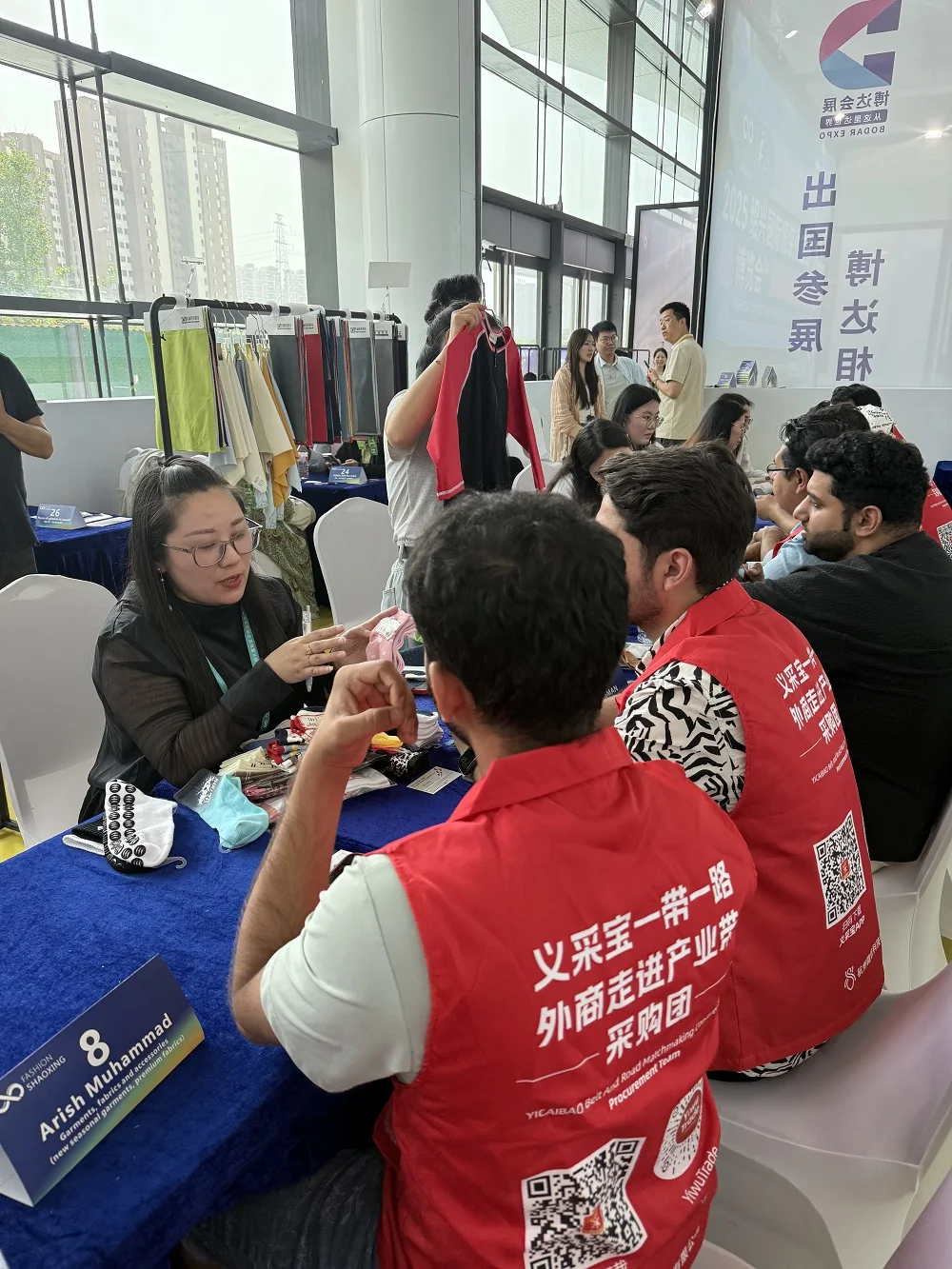
Yiwu Long Glory Imp. & Exp. Co., Ltd.
- Trading Company
- Zhejiang, China
- Lead time25 days
- Avg. response≤ 3h
Main productssocks,shoes
Main marketsNorthern Europe(30.00%), North America(30.00%), Mid East(20.00%), Central America(5.00%), South America(5.00%), Oceania(5.00%), Africa(3.00%), Domestic Market(2.00%)
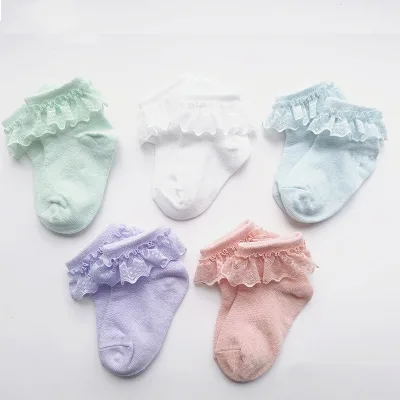
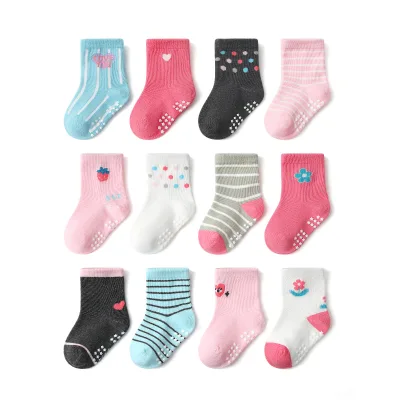
$0.4947 - $3.0909
MOQ: 20 pieces
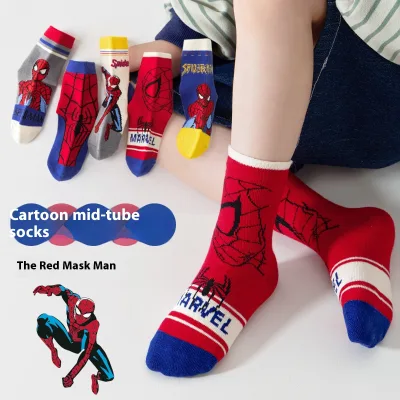
$0.2069 - $3.0909
MOQ: 30 pieces
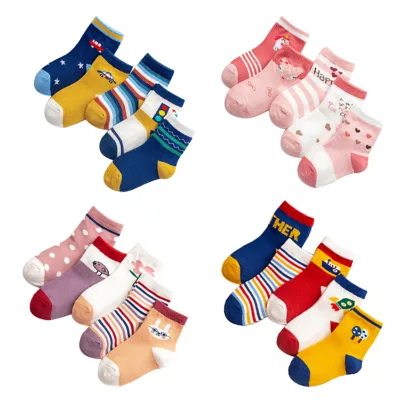
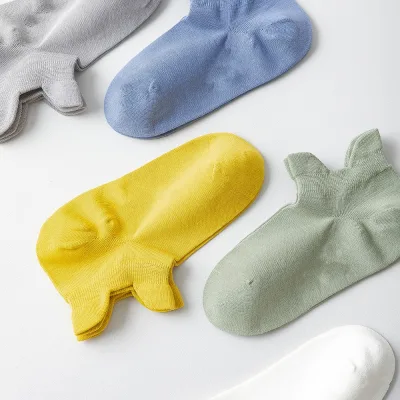

Foshan Youyan Clothing Co., Ltd.
- Combined
- China Guangdong
- Lead time30 days
- Avg. response≤ 7h
Main productsHeadband, Scrunchies, Hair Tie, Hair Clip, Hairband
Main marketsSouth America,Africa,Southeast Asia/ Mideast,East Asia(Japan/ South Korea),Domestic,Europe,Australia,North America

Shanghai Jspeed Industry Co., Ltd.
- Verified by BV
- Trading Company
- China Shanghai
- Lead time60 days
- Avg. response≤ 7h
Main productsMen/Women Swimwear, Underwear, Bra, Socks, Men/Women Pants, Men/Women Jackets, Dress, Sportwear, Skirt, Shirt
Main marketsEurope
- Verified by SGS Group
- Manufacturer, Trading Company
- Lead time35 days
- Avg. response≤ 2h
Main productsSport Socks and Cotton Socks, Wrist Band, Pilates socks, Gym Socks, Gift Socks
Main marketsNorth America(33%), Western Europe(15%), South America(10%)
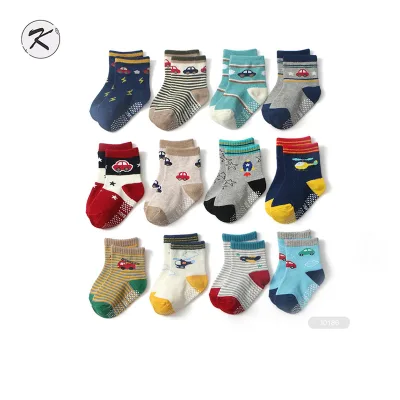
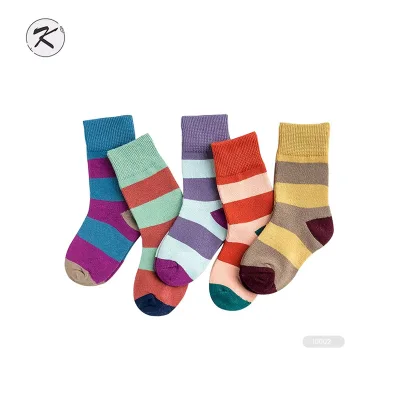
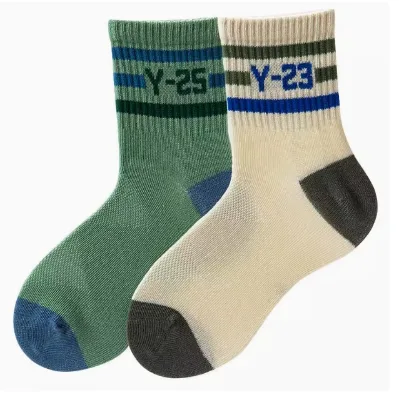
$0.5112 - $1.9802
MOQ: 50 pairs
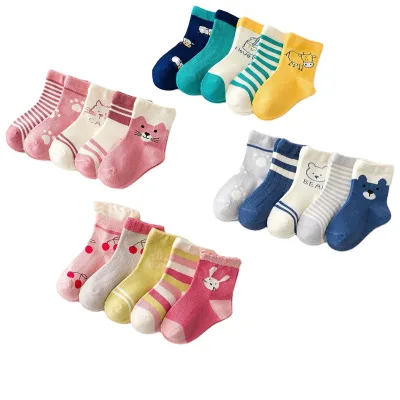
Yiwu Donghong Knitting Co., Ltd.
- Manufacturer, Trading Company
- Lead time旺季: "1 - 100":20,"> 100":"To be negotiated", 淡季: "1 - 100":20,"> 100":"To be negotiated"
- Avg. response≤ 11h
Main productsSocks, Shin Pads
Hangzhou Xianghui International Trading Co., Ltd.
- Verified by SGS Group
- Trading Company
- Lead time30 days
- Avg. response≤ 7h
Main productsSocks, Sports Bag, Shopping Bag
Main marketsNorth America(35%), Western Europe(18%), Oceania(15%)
Shanghai Lingxia Trading Co., Ltd.
- Trading Company
- Shanghai, China
- Lead time20 days
- Avg. response≤ 24h
Main productsCotton Socks,Nylon Socks,Sport socks,Ankle sleeve,Polyester socks
Main marketsNorth America(80.00%), Western Europe(10.00%), Oceania(10.00%)
Hangzhou Fishjumping Industry Co., Ltd.
- Verified by Intertek
- Manufacturer, Trading Company
- Lead time30 days
- Avg. response≤ 3h
Main productsSports Socks, Compression Socks, Yoga Pants, Tights, Pantyhose
Main marketsNorth America(65%), Eastern Europe(14%), Eastern Asia(6%)

Zhuji Dongling Knitting & Textile Co., Ltd.
- Combined
- China Zhejiang
- Lead time30 days
- Avg. response≤ 9h
Main productsSocks, Man Socks, Lady Socks, Sport Socks, Baby & Kids Socks, Tights, Wristband, Non-Slip Socks, Mobile Phone Pouch, Hiking Socks
Main marketsAfrica,Europe,North America

- Verified by BV
- Combined
- China Zhejiang
- Lead time30 days
- Avg. response≤ 11h
Main productsMen Sock, Baby Clothes, Baby Products, Baby Romper, Sock, Baby Bibs, Cotton Socks, Women Socks, Sports Socks, Kids Wear
Main marketsEurope
Zhejiang Coobird Technology Co., Ltd.
- Manufacturer, Trading Company
- Zhejiang, China
- Lead time20 days
- Avg. response≤ 2h
Main productsSocks,sports socks,men socks,custom socks,cotton socks
Main marketsNorth America(55.00%), Western Europe(30.00%), South America(5.00%), Oceania(5.00%), Southeast Asia(5.00%)
Quanzhou Xiami Baby Products Co., Ltd.
- Trading Company
- Fujian, China
- Lead time10 days
- Avg. response≤ 5h
Main productsbaby clothes,baby romper,baby pants,baby socks,baby products
Main marketsNorth America(50.00%), Oceania(40.00%), South America(10.00%)

Sungnan Import & Export Co., Ltd.
- Verified by TUVRHEINLAND
- Combined
- China Zhejiang
- Lead time30 days
- Avg. response≤ 6h
Main productsScarf, Socks, China Scarf, Leggings, Hats, Bags, Gloves
Main marketsNorth America
NANHAI JIXINGFENG KNIT FACTORY
- Manufacturer, Trading Company
- Guangdong, China
- Lead time15 days
- Avg. response≤ 11h
Main productsSocks,Hats,Gloves,Scarves
Main marketsDomestic Market(60.00%), North America(20.00%), Southern Europe(5.00%), Western Europe(5.00%), Northern Europe(2.00%), Eastern Europe(2.00%), South Asia(1.00%), Oceania(1.00%), Eastern Asia(1.00%), Mid East(1.00%), Central America(1.00%), South America(1.00%)
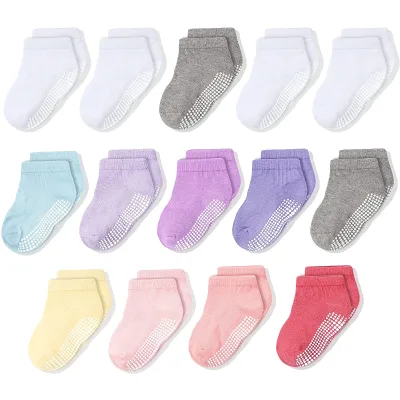
$0.4662 - $0.4977
MOQ: 500 pairs
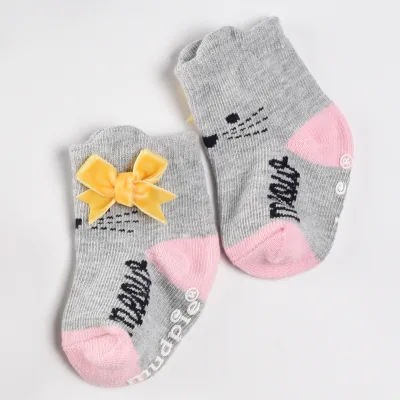
Infant Anti-slip Socks for Baby Girl 0 to 12 Months
$0.40 - $0.50
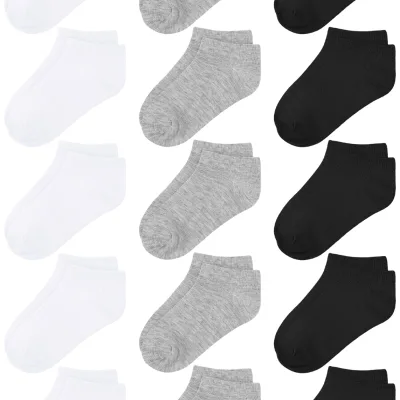
Henan Huaxin Import & Export Trade Co., Ltd.
- Verified by SGS Group
- Trading Company
- Lead time6 days
- Avg. response≤ 7h
Main productsTowels, Bed Sheets, Key Chain, Plastic Bottles, Bucket Hats
Main marketsSoutheast Asia(50%), Western Europe(15%), North America(10%)
- Verified by SGS Group
- Manufacturer, Trading Company
- Lead time7 days
- Avg. response≤ 3h
Main productsSocks
Main marketsNorth America(18%), Central America(13%), Eastern Europe(11%)
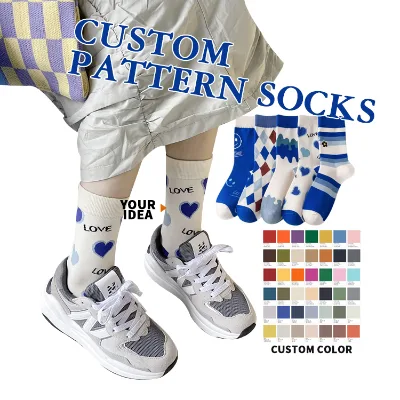
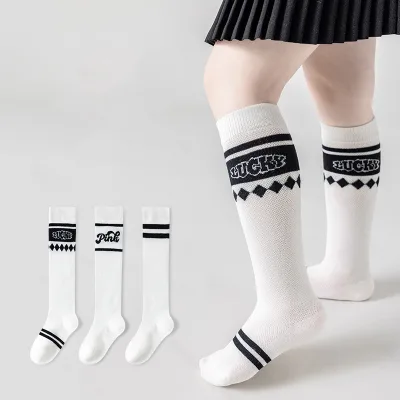
New Arrival Autumn Kids Knee Socks Cotton Sport Socks for Children 3-12 Years Unisex Long Socks
$0.7285 - $0.76
MOQ: 3 pairs
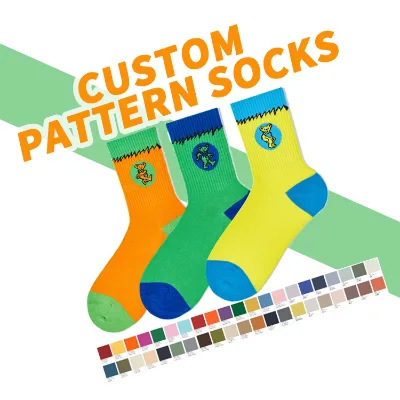
New Arrival ECO Skin Friendly Combed Cotton Kids Socks Size logo Pattern Custom Print Socks Supplier
$0.8724 - $2.2365
MOQ: 50 pairs
Foshan Honghu Xinghuo Textile Technology Co., Ltd.
- Verified by TüVRheinland
- Trading Company
- Guangdong, China
- Lead time15 days
- Avg. response≤ 2h
Main productsSports Socks, Wool Socks, Pressure Socks, Wrist Guards, Knee Guards
Main marketsNorth America(25%), Oceania(15%), Western Europe(15%)
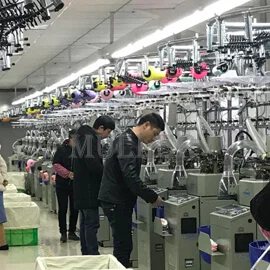
Nanjing Muller Textile Co., Ltd.
- Manufacturer, Trading Company
- Jiangsu, China
- Lead time30 days
- Avg. response≤ 2h
Main productsBaby Socks & Legwear,Dress & Work Socks,Indoor Socks & Booties,Outdoor & Sport Socks,Women's Hosiery
Main marketsSouth America(30.00%), North America(30.00%), Northern Europe(10.00%), Eastern Europe(10.00%), Southern Europe(5.00%), Central America(5.00%), Western Europe(5.00%), Southeast Asia(3.00%), South Asia(2.00%)
- Verified by Intertek
- Manufacturer, Trading Company
- Lead time15 days
- Avg. response≤ 1h
Main productsSocks
Main marketsDomestic Market(30%), Eastern Europe(20%), Mid East(20%)


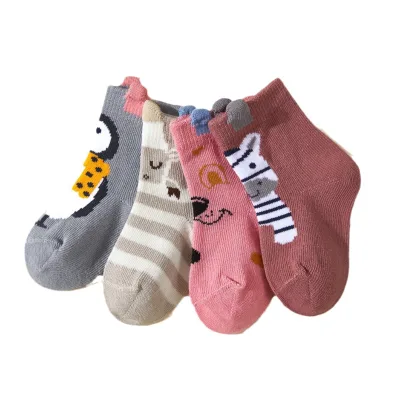
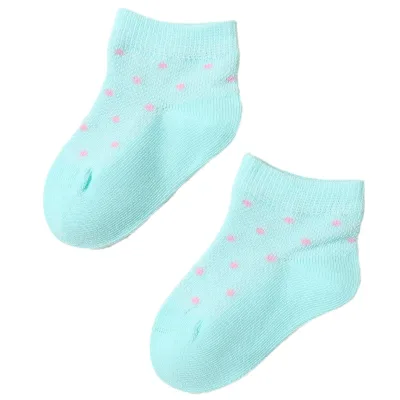
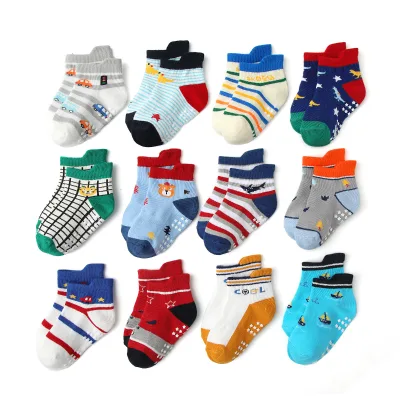
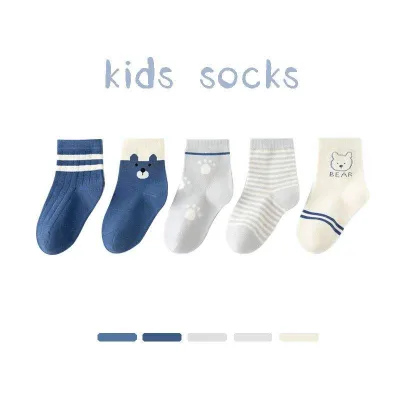
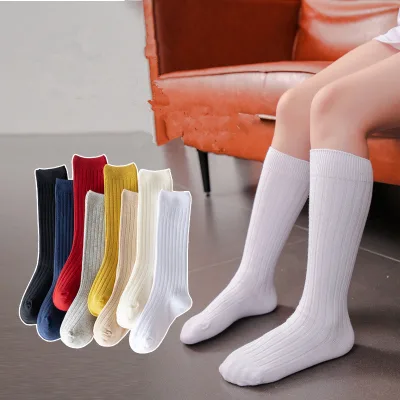
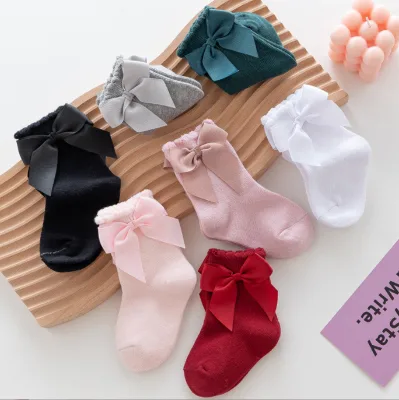
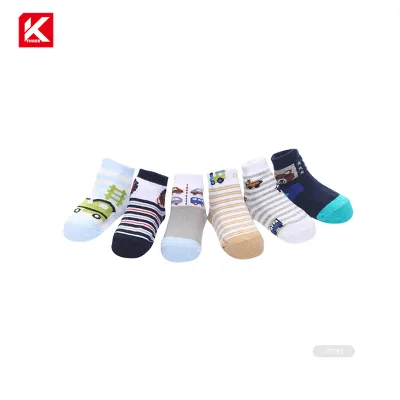
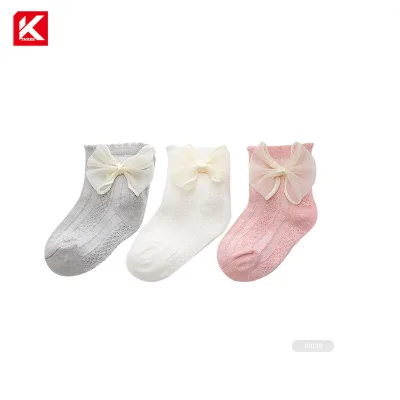
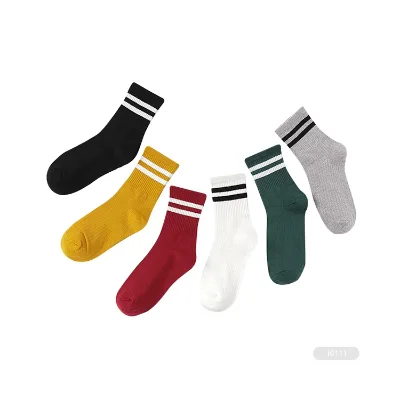
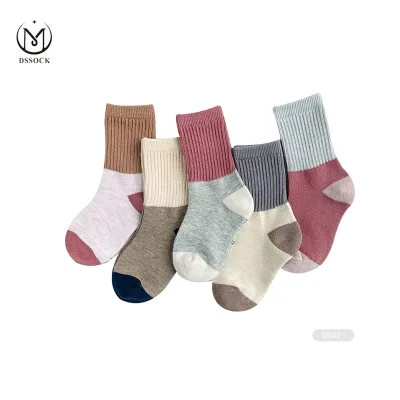


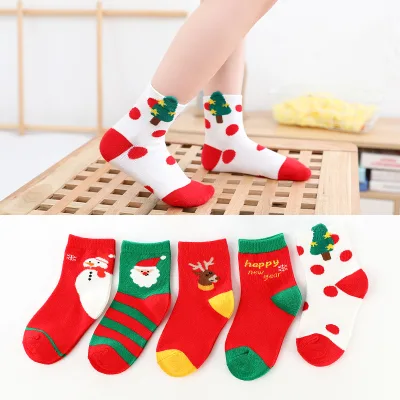
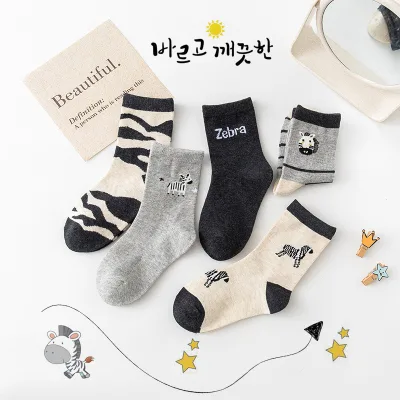
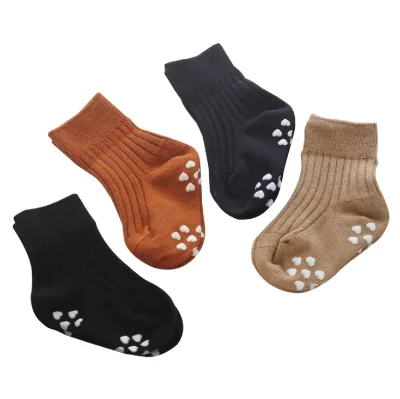
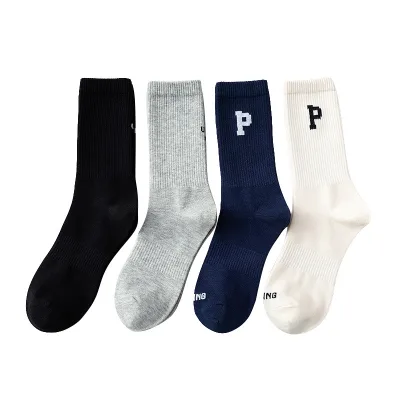
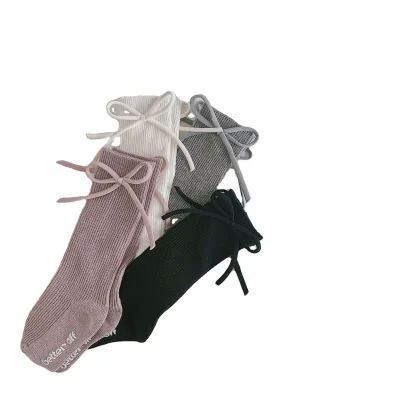


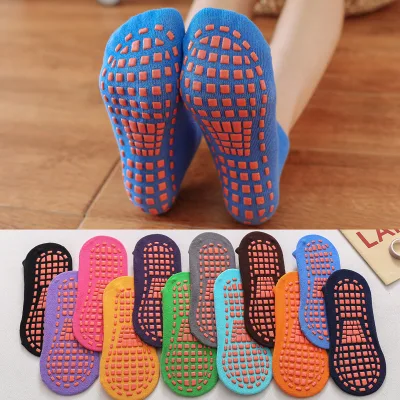
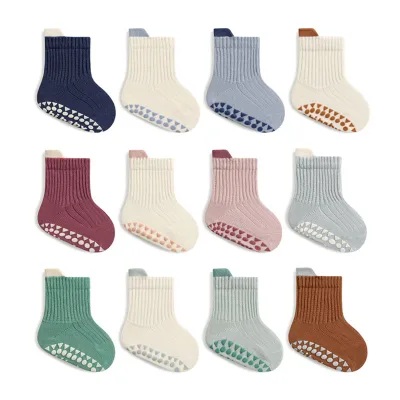
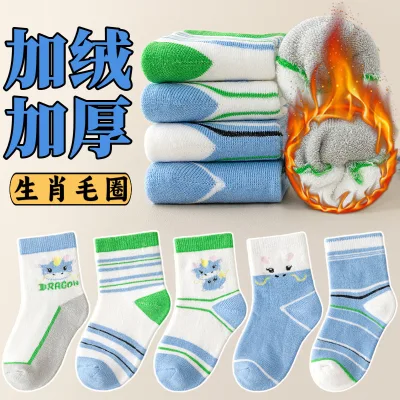
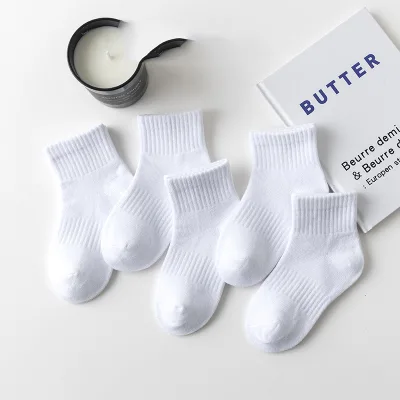


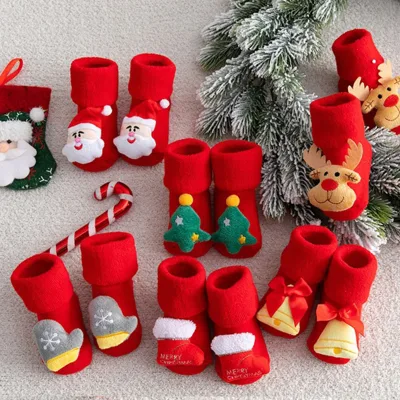
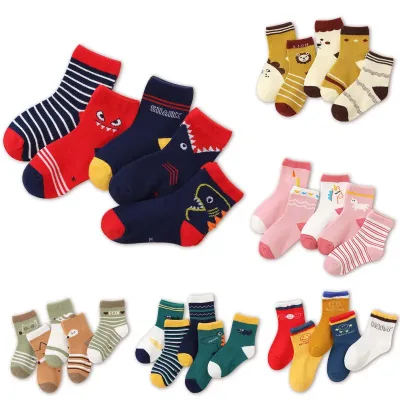
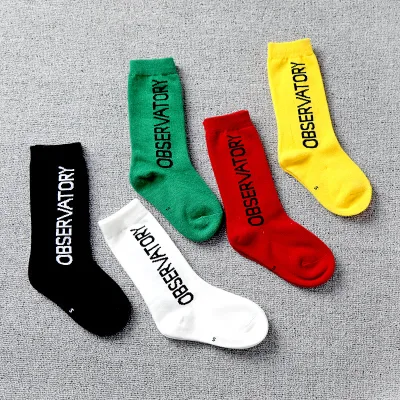
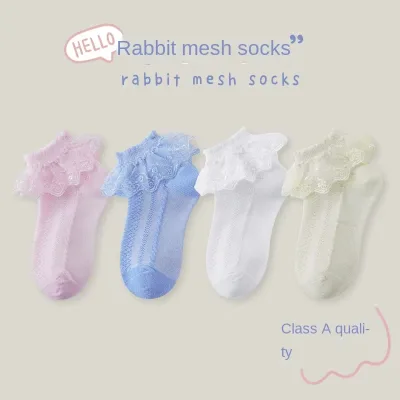
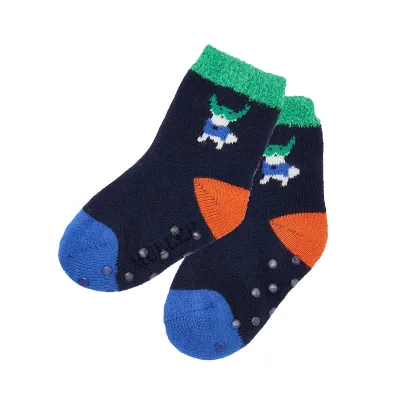
Comprehensive Sourcing Guide
Breathable Anti-Bacterial Kids Socks Supplier Concentration and Factory Types
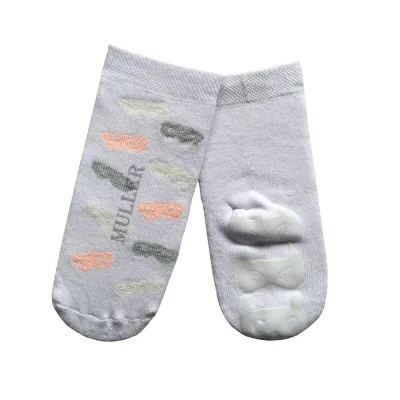
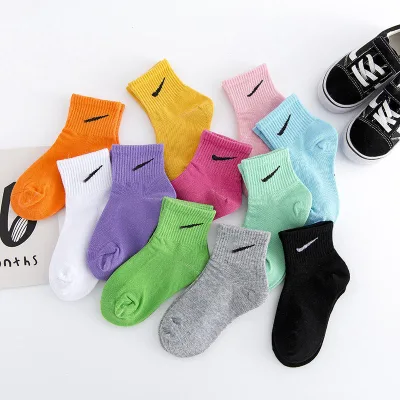
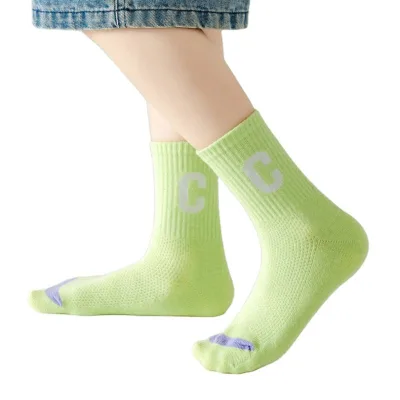
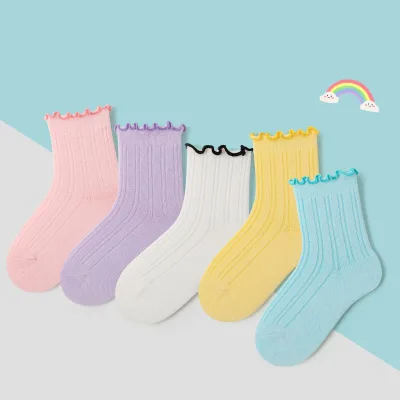
The current supplier landscape for breathable anti-bacterial kids socks reveals a distinct geographic concentration in China, with Zhejiang and Anhui provinces emerging as primary manufacturing hubs. Factories in Zhejiang are often categorized as combined entities, suggesting they may handle both production and trading functions, which can streamline communication for international buyers. These suppliers typically list a broad range of main products, including cotton socks, crew socks, and specialized items like pilates or football socks, indicating a versatile production capability that can adapt to specific kids' sock requirements. The presence of ODM and OEM capabilities in these regions highlights a mature manufacturing ecosystem where custom designs and private labeling are standard offerings rather than exceptions. Buyers looking for high-volume production should note that these combined factories often have established supply chains for raw materials like cotton, which is frequently cited as the primary material for these products.
In contrast, suppliers located in Anhui province appear more specialized as trading companies, focusing on specific niches such as furniture or dedicated sock lines. These trading companies often act as intermediaries, aggregating products from various smaller workshops to offer a wider variety of styles, such as animal patterns or cartoon characters, which are popular in the children's market. While they may not own the factories directly, their role is crucial in providing access to diverse designs and smaller batch sizes that large factories might not accommodate. The distinction between combined factories and trading companies is vital for buyers to understand, as it affects pricing structures, communication efficiency, and quality control processes. Understanding this factory type distribution helps buyers decide whether they need direct manufacturing relationships or the flexibility of a trading partner who can source from multiple facilities.
How to Verify Breathable Anti-Bacterial Kids Socks Suppliers
Verifying the legitimacy and capability of suppliers requires a multi-layered approach that goes beyond simple profile reviews. Buyers should prioritize suppliers who have undergone third-party verification, such as CTI, which provides an additional layer of trust regarding the company's operational status and business scope. This verification is particularly important in the textile industry, where the line between a factory and a trading company can sometimes be blurred. In addition to verification badges, buyers should examine the supplier's response time, which serves as a proxy for their operational efficiency and customer service quality. A response time of around 1.46 hours, for instance, indicates a highly responsive team that is likely to handle inquiries and order modifications promptly, reducing the risk of communication delays during the production process.
Beyond verification and response metrics, buyers must scrutinize the specific product attributes and certifications listed in the supplier's catalog. While some suppliers may claim anti-bacterial properties, it is essential to verify if these claims are backed by specific test results or certifications, which are often listed under system certifications or product standards. In the current data, system certifications are marked as NIL for some suppliers, meaning buyers cannot assume any specific quality or safety standards are met without further inquiry. Buyers should explicitly ask for documentation regarding the anti-bacterial treatment process, such as the type of agent used and its efficacy against common pathogens. Additionally, checking the supplier's main products list can reveal their expertise; a supplier listing "Cotton Sock" and "Kids Sock" as main products is more likely to have specialized knowledge than one with a generic apparel focus.
What to Compare Across Breathable Anti-Bacterial Kids Socks Suppliers
When evaluating multiple suppliers, buyers should compare key operational metrics such as lead time, minimum order quantity (MOQ), and price ranges to determine the best fit for their business model. Lead times can vary significantly, with some suppliers offering a 30-day turnaround while others may provide faster options like 23 days, which can be critical for meeting seasonal demand or urgent restocking needs. The MOQ is another crucial factor, with some suppliers requiring as few as 100 pairs, making them suitable for small businesses or test orders, while others may have higher thresholds. Comparing these metrics allows buyers to balance cost efficiency with inventory risk, ensuring they can order quantities that align with their sales forecasts without overcommitting capital.
Price comparison should also consider the product specifications, such as material composition, thickness, and customization options. For example, socks made from high-elasticity cotton with thickening features for winter use may command a higher price than thin, breathable summer socks. Buyers should look at the price range provided, such as $0.49 to $1.95 for certain ankle socks, and compare it against the features offered, such as non-slip bottoms or custom packaging. Additionally, the availability of customization, including logo printing and custom packaging, should be factored into the total cost analysis. Suppliers offering OEM services may have different pricing structures compared to those providing standard products, so buyers should request detailed quotes that break down the costs of customization to ensure transparency and avoid hidden fees.
Common Breathable Anti-Bacterial Kids Socks Sourcing Risks
One of the primary risks in sourcing kids' socks is the discrepancy between claimed and actual product quality, particularly regarding the anti-bacterial and breathable claims. Suppliers may list features like "anti-bacterial" or "breathable" in their product keywords, but without verified test reports, these claims may not hold up to regulatory standards or consumer expectations. Buyers must be cautious of suppliers who do not provide clear evidence of these properties, as this can lead to product recalls or customer dissatisfaction. Additionally, the material composition, often listed as cotton, may vary in quality, with some suppliers using lower-grade cotton or blends that do not meet the specified thickness or elasticity requirements. This inconsistency can affect the comfort and durability of the socks, which are critical factors for children's apparel.
Another significant risk is the reliability of the supply chain, particularly when dealing with trading companies or combined factories that may not have direct control over production. Delays in production or shipping can occur if the supplier relies on multiple subcontractors, leading to missed deadlines and potential penalties. Buyers should also be aware of the risk of intellectual property infringement, especially when ordering custom designs or logos. Suppliers may reuse existing designs or fail to protect proprietary patterns, leading to legal issues. To mitigate these risks, buyers should conduct thorough due diligence, including requesting samples to verify quality and discussing production timelines in detail. Establishing clear contracts with penalties for delays or quality issues can also provide a layer of protection against these common sourcing pitfalls.
Breathable Anti-Bacterial Kids Socks Regional Sourcing and Logistics
Sourcing from China, specifically from provinces like Zhejiang and Anhui, offers logistical advantages due to the region's well-developed infrastructure and proximity to major ports. Zhejiang, in particular, is known for its robust textile industry and efficient logistics networks, which can facilitate faster shipping times and lower freight costs. Buyers should consider the impact of regional logistics on their overall supply chain, as delays in port operations or customs clearance can affect delivery schedules. Understanding the specific logistics capabilities of each supplier is essential, as some may have established relationships with freight forwarders that can offer better rates or more reliable service. Additionally, buyers should factor in the lead time for production when planning their logistics, ensuring that there is sufficient buffer time to account for any potential delays.
For buyers in different regions, the choice of sourcing location can also impact customs duties and import regulations. China's trade agreements and export policies can influence the final cost of goods, so buyers should stay informed about any changes in tariffs or trade restrictions. Working with suppliers who have experience in exporting to the buyer's country can help navigate these complexities, as they can provide necessary documentation and ensure compliance with local regulations. Additionally, buyers should consider the environmental impact of their sourcing decisions, as sustainable logistics practices are becoming increasingly important. Choosing suppliers who use eco-friendly packaging or optimize shipping routes can contribute to a more sustainable supply chain, aligning with growing consumer demand for environmentally responsible products.
Breathable Anti-Bacterial Kids Socks Commercial Terms and Order Planning
Effective order planning requires a clear understanding of the commercial terms offered by suppliers, including payment terms, sample policies, and after-sales support. Many suppliers offer customization options, such as custom packaging and logo printing, which can enhance brand identity but may require additional time and cost. Buyers should negotiate these terms carefully, ensuring that the customization process is clearly defined and that any additional costs are transparent. Sample policies are also crucial, as buyers often need to verify product quality before placing large orders. Some suppliers may offer free samples, while others may charge a fee that is refundable upon placing a bulk order. Understanding these policies helps buyers manage their budget and reduce the risk of ordering unsuitable products.
In addition to commercial terms, buyers should plan for long-term relationships with suppliers to ensure consistent quality and supply. Building a strong partnership can lead to better pricing, priority production, and improved communication. Buyers should regularly review supplier performance, including response times, lead times, and product quality, to identify areas for improvement. Establishing a clear communication channel and setting expectations for order updates and issue resolution can help maintain a smooth supply chain. Furthermore, buyers should consider diversifying their supplier base to mitigate risks associated with single-source dependency. By maintaining relationships with multiple suppliers, buyers can ensure continuity of supply and leverage competition to secure better terms and conditions.
FAQs
What materials are used for breathable anti-bacterial kids socks?
Most suppliers offer cotton as the primary material for these socks. Some products feature high elasticity and thickening for winter use. Breathable and anti-bacterial features are common in summer and spring autumn collections. Always verify specific material composition before ordering.
What is the minimum order quantity for custom kids socks?
The minimum order quantity typically starts at 100 pairs for custom designs. Some suppliers require a minimum of 200 pairs for specific styles. Custom packaging is often available to meet your branding needs. Check individual product listings for exact MOQ requirements.
How long does it take to receive custom kids socks?
Standard lead times range from 23 to 30 days for production. Sample times are usually between 5 to 7 days. Response times for inquiries vary between 1.24 and 4.48 hours. Confirm specific delivery schedules with the supplier before finalizing your order.
Are non-slip features available on breathable anti-bacterial kids socks?
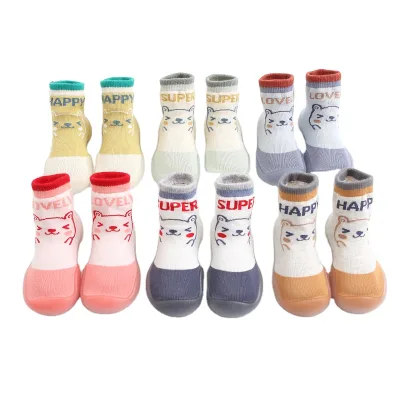
Yes, many options include non-slip bottoms for safety during play. These features are common in ankle, crew, and middle-height styles. Some socks also offer thermal and sporty designs for active children. Verify safety features in the product attributes section.
Can I get custom packaging for my kids sock order?
Custom packaging is available for most bulk orders of kids socks. Suppliers offer options like OPP bags or tailored packages. This service helps with branding and retail presentation. Ensure you discuss packaging details during the customization process.
What price range should I expect for wholesale kids socks?
Prices typically range from 0.49 to 20.00 per pair depending on style. Basic cotton socks start near 0.49 while specialized designs cost more. Customization and material thickness can influence the final price. Request a quote based on your specific quantity and design needs.
Do suppliers offer OEM or ODM services for kids socks?
Many suppliers provide both OEM and ODM services for custom sock production. You can choose from various styles including ankle, crew, and sports socks. Customization is available for patterns, colors, and branding. Confirm service capabilities with the supplier before placing an order.