China Mainland Brass Fitting Suppliers and Manufacturers
Explore 27 verified options for China Mainland Brass Fitting from Zhejiang factories and trading companies. Compare lead times, certifications like ISO and WRAS, response speeds, and pricing to source valves and fittings efficiently. Request samples to validate quality before bulk orders.
Updated
Suppliers List
Taizhou Jiabaili Machinery Co., Ltd.
- Manufacturer, Trading Company
- Zhejiang, China
- Lead time45 days
Main productsValve,Brass Ball Valve,Brass Fitting
Main marketsWestern Europe(12.50%), Eastern Asia(12.50%), Mid East(12.50%), Africa(12.50%), Southeast Asia(12.50%), Eastern Europe(12.50%), South America(12.50%), North America(12.50%)
Taizhou Green Rain Valves Co.,ltd
- Verified by SGS Group
- Manufacturer, Trading Company
- Lead time35 days
- Avg. response≤ 3h
Main productsBrass Valve, Brass Fittings
Main marketsSoutheast Asia(15%), Mid East(15%), South America(10%)
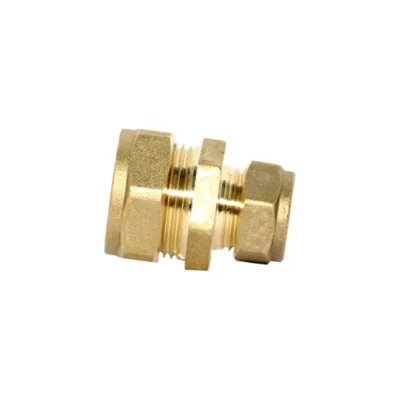
Brass Ferrule Hose Compression Pipe Fittings Brass Male to Copper Connector Reducing Brass Fittings
$0.65 - $1.00
MOQ: 100 pieces
Shanxi Solid Industrial Co., Ltd.
- Verified by TüVRheinland
- Trading Company
- Lead time30 days
- Avg. response≤ 2h
Main productsDuctile Iron Pipes And Fittings, Steel Pipes And Fittings, Manhole Covers, Valves, Flanges
Main marketsSouth America(30%), North America(25%), Africa(15%)

NINGBO STANDARD IMPORT & EXPORT CO., LTD
- Trading Company,Manufacturer/Factory,Group Corporation
- China Zhejiang
- Lead time23 days
- Avg. response≤ 12h
Main productsPex-Al-Pex Pipe, Pipe Fitting, Brass Fitting, Pex Pipe, Gas Fitting, PPR Insert, Screw Thread Fitting, Press Fitting, Compression Fitting, Valve
Main marketsSouth America,Eastern Europe,Mid East,North America,Southeast Asia,Eastern Asia,Oceania,Western Europe,Africa
Taizhou Guangbo Hardware Products Co., Ltd.
- Manufacturer
- Zhejiang, China
- Lead time7 days
- Avg. response≤ 19h
Main productsBrass Valve,Brass Nozzle,Quick Coupling,Stainless Steel Parts,Brass Fitting
Main marketsNorth America(40.00%), Eastern Europe(15.00%), Southeast Asia(10.00%), South America(10.00%), Oceania(7.00%), Mid East(6.00%), Western Europe(5.00%), Africa(3.00%), Eastern Asia(3.00%)
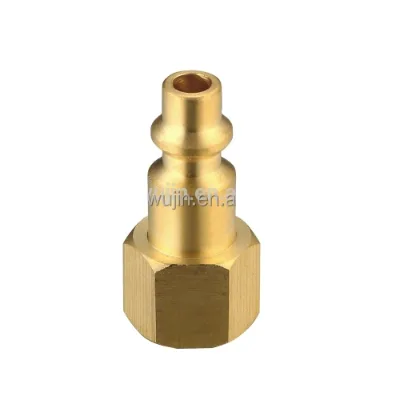
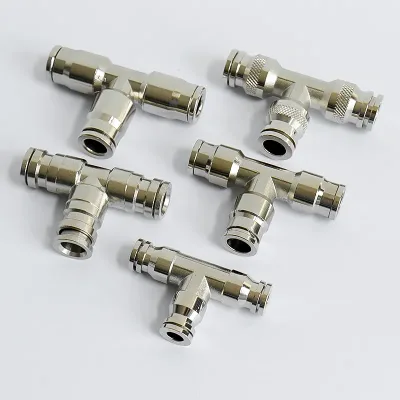
taizhou guangbo 1/4 female brass fitting for pneumatic tool air hose fitting
$1.2472 - $1.5575
MOQ: 3000 pieces
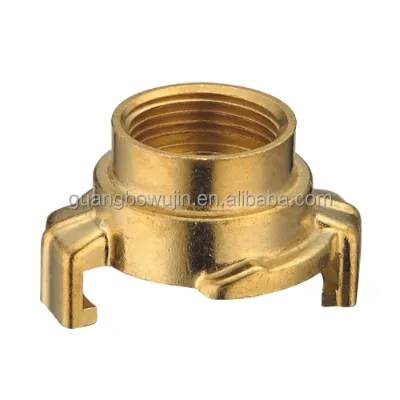
taizhou guangbo Solid brass quick fitting quick coupling
$1.9727 - $2.0776

Ningbo HuaHui Metal Products Co., Ltd.
- Verified by BV
- Manufacturer/Factory
- China Zhejiang
- Lead time30 days
- Avg. response≤ 3h
Main productsBrass Heating Flange, Brass Connector, Brass Valves, Brass Electric Parts, Aluminum Parts, Stamping Parts, Stainless Steel Parts, Plastic Parts, Brass Nipple, Brass Hose Fittings
Main marketsSouth America,Eastern Europe,North America,Western Europe


Brass Female Fitting Connector Fitting Male Female Pipe Fittings Water Connector
$0.10 - $0.70
MOQ: 1000 Pieces


Hangzhou Mark Technological Co., Ltd.
- Manufacturer/Factory
- China Zhejiang
- Lead time30 days
- Avg. response≤ 12h
Main productsPPR Pipe, Pex-Al-Pex Pipe, Pex Pipe, PPR Fitting, HDPE Pipe, Brass Fitting, Pipe Crimping Tool, Insulation Pipe for Pex Pipe, Welding Machine, Pipe Cutter
Main marketsEastern Europe,Mid East,North America,Eastern Asia,Oceania,Western Europe

Wenzhou Hantang Telecommunication Technology Co., Ltd.
- Verified by TUVRHEINLAND
- Combined
- China Zhejiang
- Lead time15 days
- Avg. response≤ 15h
Main productsMicroduct Connector, Pneumatic Fitting, Truck Spare Parts, One Touch Fitting, Push-in Fitting, Brass Fitting, Coupler HDPE Micro Duct Connector, Telcom Fittings for Optical Fiber, Micro Duct, Compression Coupler
Main marketsDomestic

Shanghai Intelsheng International Trading Co., Ltd.
- Verified by SGS
- Trading Company
- China Shanghai
- Lead time23 days
- Avg. response≤ 12h
Main productsValve, Pipe Fittings, Pump Accessories, Brass Manifolds, Brass Ball Valve, Check Valve, Gate Valve, Stop Valve, Brass Bibcock, Brass Radiator
Main marketsSoutheast Asia/ Mideast


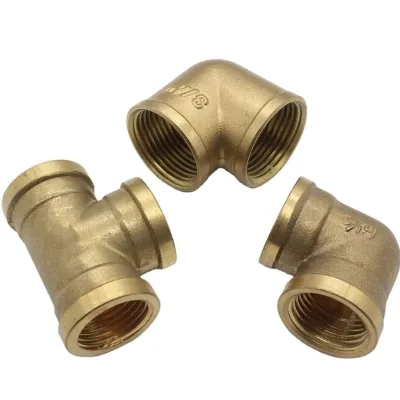
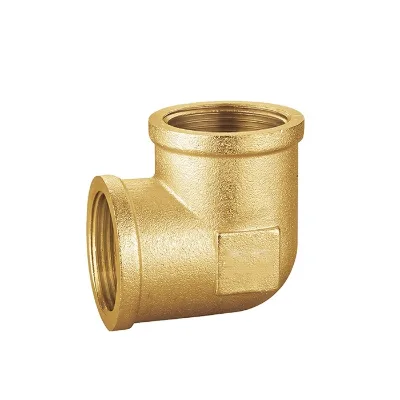
Brass Fittings Brass Fitting Wholesale High Quality Female 58-3 Brass Elbow Fittings
$0.50 - $15.00
MOQ: 300 Pieces


OEM Brass Fittings Fitting Pipe Fitting Factory Direct Sales Brass Pipe Fittings
$0.50 - $15.00
MOQ: 300 Pieces


Ningbo Yinzhou Plumbing Hardware Co., Ltd.
- Verified by BV
- Manufacturer/Factory
- China Zhejiang
- Lead time30 days
- Avg. response≤ 2h
Main productsBrass Valves, Brass Fitting, Water Meter Parts, Lead Free Plumbing, Fire Hydrant Valves, PPR Insert, Brass Gas Valves, Bronze Valves, Bronze Fittings, Brass Bibcock
Main marketsSouth America,Eastern Europe,Mid East,North America,Southeast Asia,Eastern Asia,Oceania,Western Europe,Africa

QUZHOU ECO IMP. & EXP. CO., LTD.
- Trading Company
- China Zhejiang
- Lead time30 days
- Avg. response≤ 25h
Main productsWater Meter, Gas Meter, Electric Meter, PU Tubes, IC Card Prepayment, Caster Wheel, Valves, Pipefittings, Filter, Strainer
Main marketsSoutheast Asia/ Mideast,Europe,North America
Shanghai Intelsheng International Trading Co., Ltd.
- Manufacturer, Trading Company
- Shanghai, China
- Lead time7 days
- Avg. response≤ 6h
Main productsBrass Valve,Brass Fitting,Brass Manifold,Pump Accessories,Faucet Mixer
Main marketsSoutheast Asia(25.00%), North America(15.00%), Central America(12.00%), South America(11.00%), South Asia(10.00%), Eastern Asia(8.00%), Oceania(5.00%), Western Europe(3.00%), Southern Europe(2.00%), Africa(2.00%), Eastern Europe(2.00%), Mid East(2.00%), Domestic Market(1.00%), Northern Europe(1.00%)
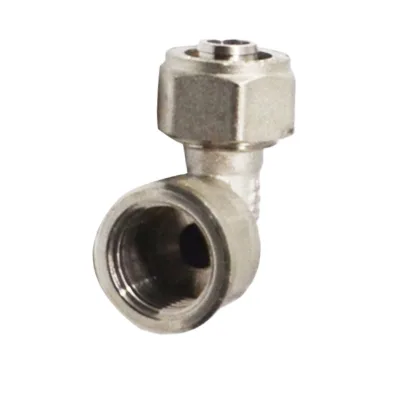
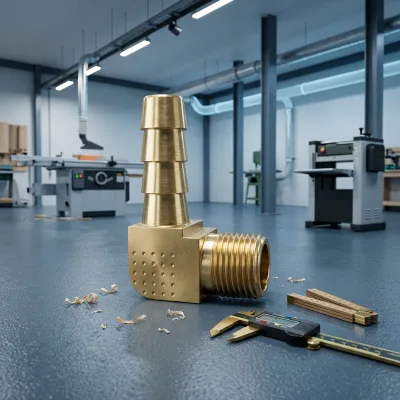
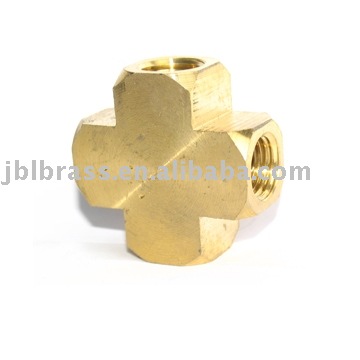
Brass Fitting Brass Hose Fitting Cross
$1.96 - $2.00
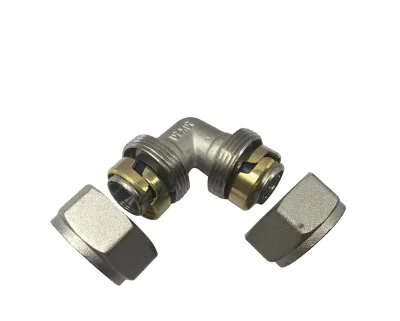
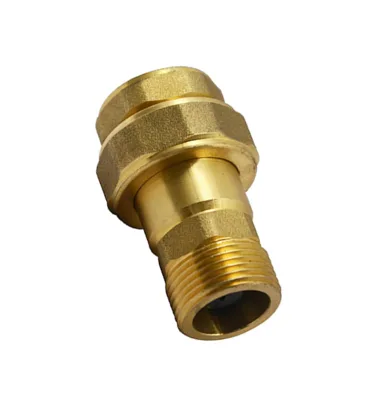
Brass Outlet Water Tank Connectors Elbow Fitting
$1.98 - $2.00
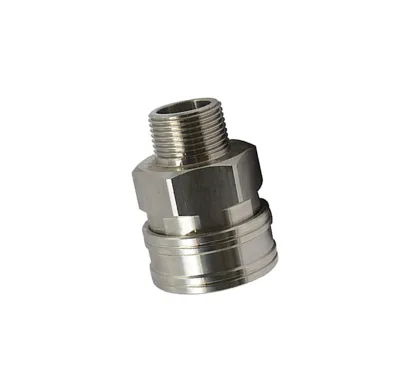
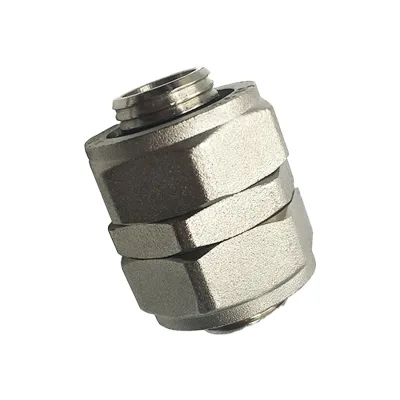
$2.00

Aqua Fitting Pipe Tech (Beijing) Co., Ltd.
- Trading Company,Manufacturer/Factory
- China Beijing
- Lead time45 days
- Avg. response≤ 2h
Main productsFlange Adaptor, Gate Valve, Quick Adaptor, Dismantling Joint, Tapping Saddle, Restraint Coupling for PE Pipe, Rubber Expansion Joint, Universal Coupling, Universal Flange Adapter, Ductile Iron Fitting
Main marketsSouth America,Eastern Europe,Mid East,Southeast Asia,Western Europe,Africa

Hongxing Manufacturing Group Ltd.
- Manufacturer/Factory
- China Zhejiang
- Lead time45 days
- Avg. response≤ 14h
Main productsValve, Fitting, Dzr Brass, Lead Free, Sanitary Ware, Cable Tie, Ball Valve, Stop Valve, Thermostat, Gate Valve
Main marketsSouth America,Eastern Europe,Mid East,North America,Southeast Asia,Eastern Asia,Oceania,Western Europe,Africa

Zhejiang Haizhu Pipe Co., Ltd.
- Verified by TUVRHEINLAND
- Combined
- China Zhejiang
- Lead time30 days
- Avg. response≤ 16h
Main productsAluminum Plastic Composite Pipe, Pex-Al-Pex Pipe, Brass Fittings, Press Fittings, Screw Fittings, Multilayer Pipe, Brass Compression Fittings, Brass Tee, Brass Nipple, Chrome-Plated Brass Extension
Main marketsAfrica,Europe
Zhejiang Universal Fenghe Plastic Industry Co., Ltd.
- Verified by Intertek
- Manufacturer, Trading Company
- Lead time15 days
- Avg. response≤ 2h
Main productsPPR Pipe, PPR Fitting, Plastic Aluminum Composite Pipe, Copper Fitting, Underfloor Heating Pipe
Main marketsDomestic Market(60%), Southeast Asia(30%), Mid East(5%)

Ningbo Riteco Copper Co., Ltd.
- Trading Company
- China Zhejiang
- Lead time30 days
- Avg. response≤ 21h
Main productsBrass Fitting, Fitting, Pex-Al-Pex Pipe, Press Fitting, Pex Fitting, Compression Fitting
Main marketsSouth America,Africa,Southeast Asia/ Mideast,East Asia(Japan/ South Korea),Europe,Australia,North America


Brass Male Coupling Compression Fittings, Brass Fittings for Copper Pipe
$0.31 - $0.326
MOQ: 500 Pieces

Brass Female Coupling Compression Fittings, Brass Fittings for Copper Pipe
$0.31 - $0.3247
MOQ: 500 Pieces

Brass Reducing Coupling Compression Fittings, Brass Fittings for Copper Pipe
$0.63 - $0.6452
MOQ: 500 Pieces

Yu Huan Kaiyu Machine Co., Ltd.
- Verified by BV
- Combined
- China Zhejiang
- Lead time30 days
- Avg. response≤ 17h
Main productsHydraulic Fitting, Stialess Steel Fitting, Pipe Fitting, Hose Fitting, Hydraulic Adaptor, Elbow, Tee, Hydraulic Ferrule, Hydraulic Flange, Nut and Bolt
Main marketsSouth America,Africa,Southeast Asia/ Mideast,East Asia(Japan/ South Korea),Domestic,Europe,Australia,North America

Zhejiang Mingshi Xingxin HVAC Technology Co., Ltd.
- Verified by CTI
- Combined
- China Zhejiang
- Lead time30 days
- Avg. response≤ 3h
Main productsBrass Fitting, Pex Pipe, PPR, Multilayer, Composite, Valve, Manifold, Pexb, Plastic Pipe, EVOH
Main marketsSouth America,Europe,Australia,North America

- Manufacturer, Trading Company
- Zhejiang, China
- Lead time40 days
- Avg. response≤ 10h
Main productsBrass valves,brass fittings and couplings,brass bibcocks,stainless steel valves,stainless steel fittings
Main marketsWestern Europe(33.33%), Eastern Europe(33.33%), North America(33.33%)
Hangzhou Bode Trading Co., Ltd.
- Verified by SGS Group
- Trading Company
- Lead time60 days
- Avg. response≤ 2h
Main productsTRV, Column Radiators, Designer Radiators, Towel Warmer, Brass Valves
Main marketsWestern Europe(40%), North America(25%), Southern Europe(10%)
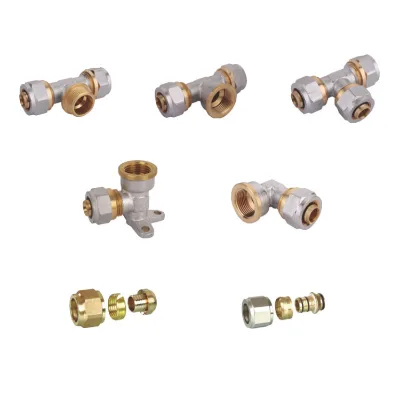
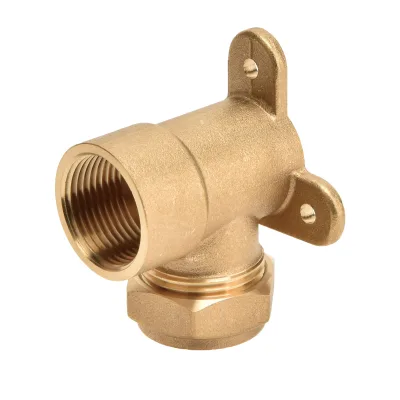
brass tube fitting wall plate elbow plumbing materials nickel plated chroming wholesale
$0.99 - $12.00
MOQ: 1000
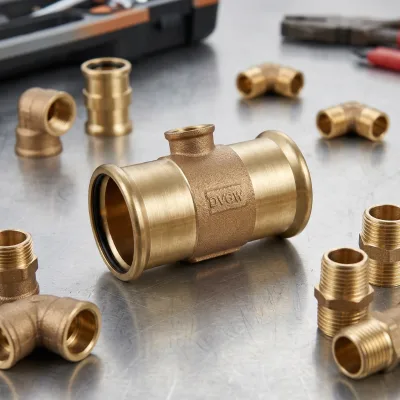
Ningbo Boro Industries Co., Ltd.
- Verified by TüVRheinland
- Trading Company
- Lead time0 days
- Avg. response≤ 1h
Main productsBrass Ball Valves, Brass Fittings, Tankless Water Heator Valves, Frost Free Silcock, Check Valve
Main marketsNorth America(47%), Western Europe(32%), Eastern Europe(21%)

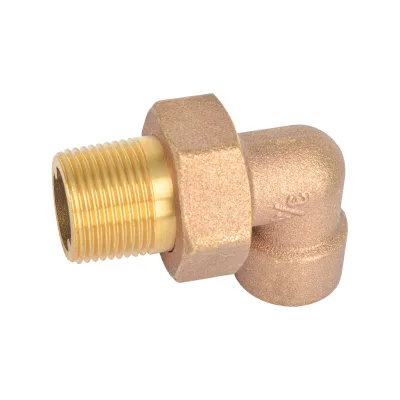
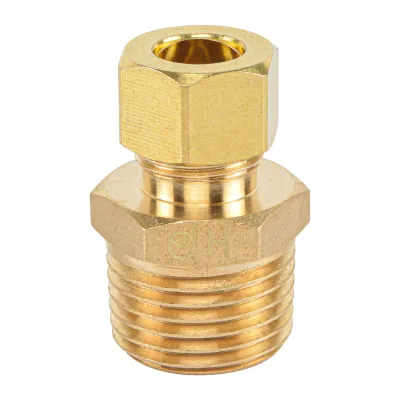
Forged Brass Extensions Fittings
$0.3628 - $0.4032
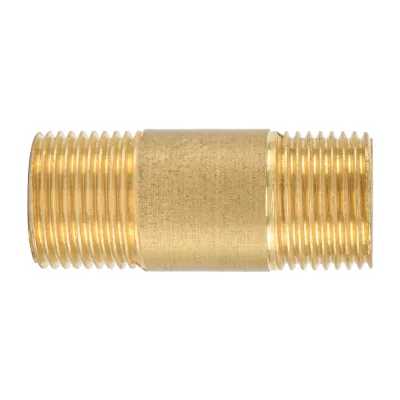
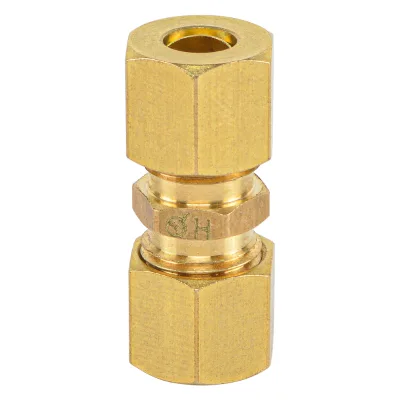
Brass Long Nipple Plumbing Fittings
$5.50 - $6.07
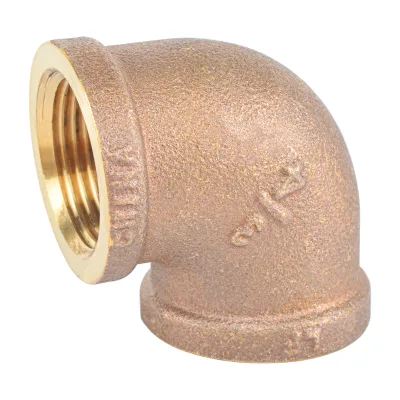

Zhejiang Florank Machinery Industry Co., Ltd.
- Manufacturer/Factory
- China Zhejiang
- Lead time23 days
- Avg. response≤ 24h
Main productsWater Pump, Submersible Pump, Centrifugal Pump, Sewage &Pump; Drainage Pump, Sel-Primg Pump, Jet Pump, Deep Well Pump, Industry Pump, Oil Pump, Peripherial Pump
Main marketsSouth America,Eastern Europe,Mid East,Southeast Asia,Eastern Asia,Western Europe,Africa

Ninghai Raising Copper Industry Co., Ltd.
- Verified by BV
- Combined
- China Zhejiang
- Lead time30 days
- Avg. response≤ 1h
Main productsBall Valve, Check Valve, Gate Valve, Stop Valve, Lockable Ball Valve, Brass Fittings, Water Meter, Ferrule Valve, Forge Ball Valve, Strainer
Main marketsSouth America,Africa,Southeast Asia/ Mideast,Domestic,Europe,North America
Ningbo Angricht Auto Parts Co., Ltd.
- Verified by SGS Group
- Manufacturer, Trading Company
- Lead time20 days
- Avg. response≤ 2h
Main productsBrake Fitting; Brake Hose; Pneumatic Fitting; Rubber Hose, Electrical Cable Hose
Main marketsNorth America(50%), Eastern Europe(10%), Western Europe(10%)
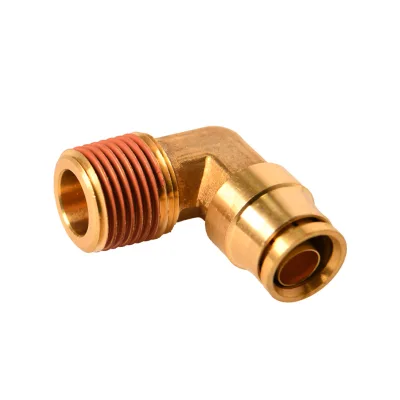
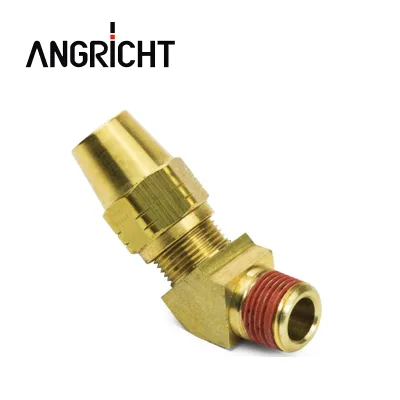
$0.23 - $0.25
MOQ: 200 pieces
- Verified by Intertek
- Manufacturer, Trading Company
- Lead time25 days
- Avg. response≤ 3h
Main productsBrass Ball Valve, Bibcock, Gate Valve, Brass Check Valve, Angle Valve
Main marketsSouth America(25%), Southeast Asia(25%), Eastern Europe(20%)

Taizhou Jiaxin Metals Co., Ltd.
- Verified by SGS
- Manufacturer/Factory,Group Corporation
- China Zhejiang
- Lead time30 days
- Avg. response≤ 8h
Main productsBathtub Drain Kit, Manifold, Ball Valve, Plumbing Fitting, Check Valve, Brass Valve, Bathtub Drain Stopper, Radiator, Basin Waste, Siphon
Main marketsSouth America,Eastern Europe,Mid East,North America,Eastern Asia,Oceania,Western Europe,Africa


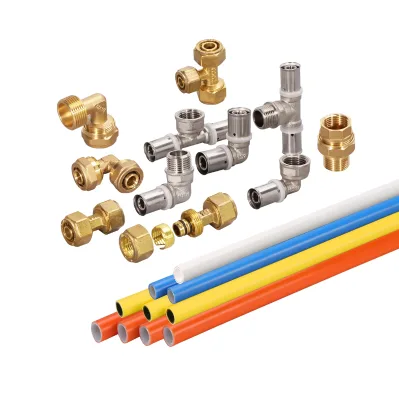
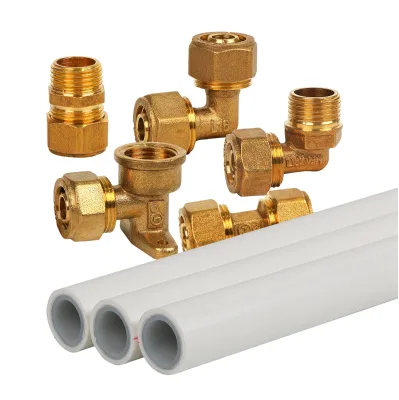
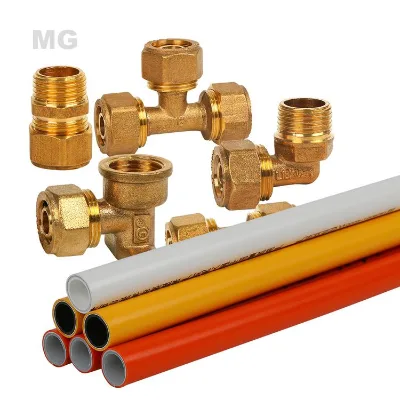
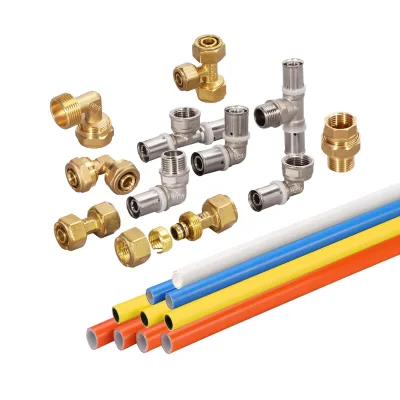


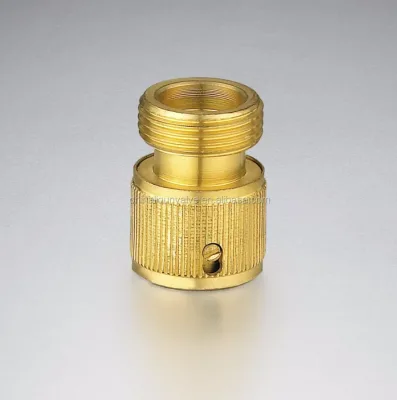
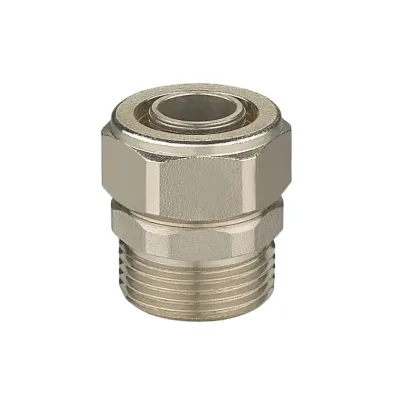


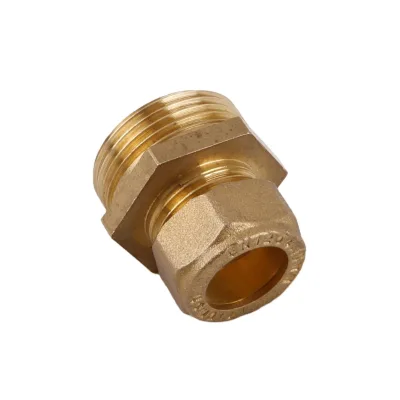
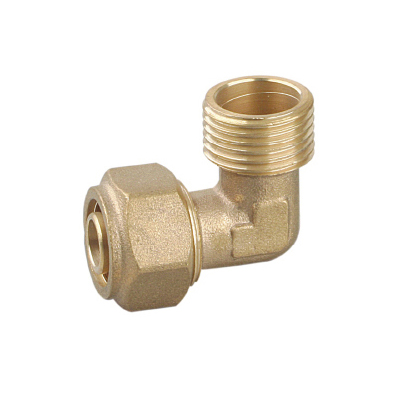


Comprehensive Sourcing Guide
China Mainland Brass Fitting Supplier Concentration and Factory Types
The sourcing landscape for brass fittings in China mainland is characterized by a diverse mix of manufacturing entities and trading companies, each offering distinct advantages for different procurement strategies. Current data indicates that suppliers are primarily concentrated in specific industrial zones, with Zhejiang province emerging as a notable hub for this category of hardware. This geographic clustering suggests a mature supply chain ecosystem where raw material access, specialized machining capabilities, and established logistics networks converge to support efficient production. Buyers evaluating this market should recognize that the presence of manufacturers in Zhejiang often correlates with direct access to forging and casting facilities, which are critical for producing high-quality brass components. However, it is equally important to note that trading companies also play a significant role in the market, acting as intermediaries that aggregate products from multiple factories. These trading entities may offer a broader catalog of fittings, including elbows, tees, couplings, and nipples, but they might not possess the same level of direct control over production processes as pure manufacturers. Understanding this distinction is crucial for buyers who prioritize either cost efficiency through direct factory relationships or convenience through a single point of contact for diverse product needs. The coexistence of these two company types creates a dynamic environment where buyers must carefully assess the value proposition of each supplier type based on their specific order volume, customization requirements, and quality assurance expectations.
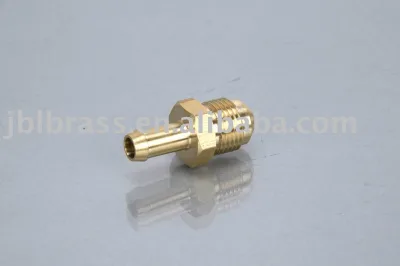
Furthermore, the types of manufacturing processes employed by these suppliers vary significantly, influencing both the final product characteristics and the supplier’s operational capabilities. Evidence from product listings reveals that brass fittings are produced using both forging and casting techniques, with forged items often associated with higher strength and durability due to the grain structure alignment achieved during the forging process. Suppliers offering forged brass fittings, such as those with model numbers like JBL-GF-30 or JBL-au-15, typically cater to applications requiring robust performance under pressure, such as plumbing and industrial fluid systems. In contrast, casting methods may be used for more complex shapes or where cost-effectiveness is a primary driver, although this can sometimes impact the mechanical properties of the final component. Additionally, some suppliers specialize in specific product forms, such as compression fittings, quick connect fittings, or barbed fittings, each requiring specialized tooling and expertise. The presence of suppliers offering both OEM and ODM services indicates a flexibility in production that can accommodate custom designs, but it also requires buyers to provide detailed specifications and potentially invest in tooling or mold costs. This variability in manufacturing capabilities means that buyers must align their technical requirements with the specific strengths of the supplier, ensuring that the chosen partner has the appropriate equipment and expertise to deliver the desired product quality and consistency.
How to Verify China Mainland Brass Fitting Suppliers
Verifying the legitimacy and capability of brass fitting suppliers requires a multi-layered approach that goes beyond simple online profiles, focusing on third-party validations and direct engagement metrics. One of the most reliable indicators of a supplier’s credibility is the presence of independent verification badges from recognized inspection and certification bodies. For instance, some suppliers in this category display verification from SGS Group or TüV Rheinland, which signifies that their business operations, factory audits, or product quality have been assessed by an external, authoritative entity. These verifications provide a layer of assurance that the supplier is not only a legitimate business entity but also adheres to certain standards of operational integrity. Buyers should prioritize suppliers who have undergone such rigorous checks, as these audits often include assessments of production capacity, quality control systems, and financial stability. Additionally, the presence of specific system certifications such as ISO 9001 for quality management, ISO 14001 for environmental management, and ISO 45001 for occupational health and safety further demonstrates a supplier’s commitment to standardized and responsible manufacturing practices. Certifications like WRAS, KITEMARK, CE, and RoHS are particularly relevant for brass fittings, as they indicate compliance with international standards for water safety, electromagnetic compatibility, and restriction of hazardous substances, which are critical for products intended for potable water systems or export to regulated markets.
Beyond certifications, the responsiveness and transparency of the supplier are key metrics for assessing their reliability and customer service quality. Response time is a critical factor in the sourcing process, as delays in communication can lead to misunderstandings in specifications, pricing, and delivery schedules. Data suggests that some suppliers in this category have a response time of approximately two to three days, which, while not instantaneous, indicates a structured communication process. Buyers should evaluate how promptly and thoroughly suppliers respond to inquiries, paying attention to the detail and accuracy of their answers. A supplier that provides comprehensive information about their products, including technical specifications, material compositions, and manufacturing processes, is likely to be more professional and reliable. Furthermore, buyers should inquire about the supplier’s capacity for customization and sample processing, as these capabilities are often indicative of their flexibility and willingness to accommodate specific buyer requirements. Suppliers that offer sample processing, graphic processing, and customized on-demand services demonstrate a higher level of engagement and adaptability, which can be crucial for projects requiring unique fittings or specific design modifications. By combining verification of credentials with an assessment of communication quality and operational flexibility, buyers can build a more accurate picture of a supplier’s suitability for their sourcing needs.
What to Compare Across China Mainland Brass Fitting Suppliers
When evaluating multiple suppliers for brass fittings, buyers must systematically compare key operational and commercial dimensions to identify the most suitable partner for their specific requirements. One of the primary factors to compare is the lead time, which directly impacts inventory management and project timelines. Current data indicates that lead times for brass fittings can vary, with some suppliers offering a lead time of around 30 to 45 days. This variation may be influenced by factors such as order volume, product complexity, and current production capacity. Buyers should clarify whether the stated lead time includes material procurement, manufacturing, quality control, and packaging, as well as whether it accounts for potential delays due to holidays or supply chain disruptions. Additionally, the minimum order quantity (MOQ) is a critical consideration, especially for smaller buyers or those testing new product lines. Some suppliers may have an MOQ of 100 units, which can be manageable for certain projects but prohibitive for others. Buyers should assess whether the supplier is willing to negotiate MOQs for initial orders or if they offer tiered pricing structures that accommodate smaller volumes. Comparing these operational constraints across suppliers helps buyers determine which partners can align with their production schedules and budgetary constraints.
Another essential aspect of comparison is the pricing structure and the range of products offered by each supplier. Prices for brass fittings can vary significantly based on factors such as material grade, manufacturing technique, and surface treatment. For example, some listings show prices ranging from $0.20 to $3.00 per unit, depending on the specific type of fitting, such as a simple nipple versus a more complex compression fitting. Buyers should request detailed quotations that break down costs by component, including material, labor, and overhead, to ensure transparency and facilitate accurate cost comparisons. Additionally, the range of main products offered by each supplier can indicate their specialization and expertise. Some suppliers may focus exclusively on brass valves and fittings, while others may offer a broader range of hardware, including ductile iron pipes, steel pipes, and manhole covers. Buyers should assess whether the supplier’s product portfolio aligns with their current and future sourcing needs, as a supplier with a focused expertise in brass fittings may offer higher quality and more competitive pricing than a generalist trading company. Furthermore, buyers should compare the customization capabilities of each supplier, including their ability to handle OEM and ODM requests, as this can be a decisive factor for buyers seeking unique or branded products. By systematically comparing lead times, MOQs, pricing, product ranges, and customization options, buyers can make informed decisions that balance cost, quality, and operational efficiency.
Common China Mainland Brass Fitting Sourcing Risks
Sourcing brass fittings from China mainland suppliers involves several inherent risks that buyers must proactively manage to ensure successful procurement outcomes. One significant risk is the potential discrepancy between the specified material composition and the actual material delivered. While many suppliers claim to use high-quality brass, variations in copper and zinc content can affect the durability, corrosion resistance, and mechanical properties of the fittings. Buyers should insist on detailed material certificates and, if possible, conduct independent third-party testing to verify the chemical composition of the received goods. This is particularly important for fittings intended for critical applications, such as potable water systems or high-pressure industrial environments, where material failure can have severe consequences. Additionally, the manufacturing technique, whether forging or casting, can impact the quality and consistency of the fittings. Buyers should ensure that the supplier’s stated manufacturing process matches the actual production method, as discrepancies can lead to issues such as porosity in cast fittings or insufficient strength in improperly forged components. Clear communication and explicit contractual terms regarding material specifications and manufacturing processes are essential to mitigate this risk.
Another common risk is the variability in quality control standards and the potential for defects in the final product. While some suppliers display certifications like ISO 9001, the implementation of these standards can vary, and not all suppliers may maintain rigorous quality control throughout the production process. Buyers should inquire about the supplier’s quality assurance procedures, including inspection points, testing methods, and defect rates. Requesting pre-shipment inspections or engaging a third-party inspection agency can help identify and address quality issues before the goods are shipped. Furthermore, the risk of intellectual property infringement is a concern for buyers seeking custom or branded fittings. Suppliers offering OEM and ODM services must be vetted for their ability to protect proprietary designs and specifications. Buyers should include strong confidentiality and non-disclosure agreements in their contracts and ensure that the supplier has a track record of respecting intellectual property rights. Additionally, logistical risks, such as delays in shipping or damage during transit, can disrupt supply chains. Buyers should work with suppliers who have established relationships with reliable freight forwarders and who offer comprehensive packaging solutions to protect the fittings during transportation. By identifying and addressing these risks through due diligence, clear contracts, and proactive monitoring, buyers can minimize potential disruptions and ensure the successful delivery of high-quality brass fittings.
China Mainland Brass Fitting Regional Sourcing and Logistics
The geographic concentration of brass fitting suppliers in regions like Zhejiang province offers both advantages and logistical considerations for buyers. Sourcing from this region can provide access to a dense network of manufacturers and suppliers, facilitating easier communication and potentially lower transportation costs due to the proximity of related industries and infrastructure. Zhejiang is known for its robust manufacturing base and efficient logistics networks, which can support timely delivery of goods to domestic and international markets. Buyers sourcing from this region may benefit from the availability of specialized suppliers who focus on specific types of brass fittings, such as forged valves or compression fittings, allowing for more targeted procurement strategies. However, buyers should also consider the potential for regional disruptions, such as natural disasters or local policy changes, that could impact production and shipping schedules. Diversifying suppliers across different regions or maintaining a buffer stock can help mitigate these risks. Additionally, the choice of logistics provider is crucial, as brass fittings are relatively heavy and require careful handling to prevent damage. Buyers should work with suppliers who have experience in exporting and who can recommend reliable freight forwarders with expertise in handling hardware products.
Logistics planning also involves considerations for packaging and labeling, which are essential for protecting the fittings during transit and ensuring compliance with international shipping regulations. Suppliers in this category often provide packaging details, such as single package sizes and gross weights, which buyers can use to calculate shipping costs and optimize container loading. For example, some listings indicate single package sizes of 33x31x17 cm and gross weights of 21.000 kg, which can help buyers estimate the volume and weight of
FAQs
Where are brass fittings typically manufactured in China?
Brass fittings are primarily manufactured in Zhejiang, China. This region is a major hub for hardware production, offering a concentrated supply chain for brass valves and pipe fittings. Buyers can expect a high density of both manufacturers and trading companies in this area, facilitating easier logistics and sourcing coordination for international orders.
What is the typical lead time for brass fittings?
Lead times for brass fittings generally range from 30 to 45 days. Some suppliers offer faster turnaround times of around 30 days, while others may require up to 45 days depending on order volume and customization needs. Buyers should confirm specific delivery schedules with their chosen supplier before placing large orders to ensure timely project completion.
What certifications do brass fitting suppliers usually hold?
Many brass fitting suppliers hold ISO 9001, ISO 14001, and ISO 45001 certifications. Additional standards like WRAS, KITEMARK, CE, and RoHS are also common for specific markets. These certifications ensure quality management, environmental responsibility, and safety compliance. Buyers should verify which specific certifications are relevant to their target market and regulatory requirements before purchasing.
What is the minimum order quantity for brass fittings?
The minimum order quantity for brass fittings is often set at 100 pieces. This MOQ allows suppliers to cover production and packaging costs efficiently. Buyers seeking smaller quantities may need to negotiate or look for suppliers with lower MOQs. It is advisable to check the specific MOQ requirements for each product type and supplier before initiating contact.
How quickly do suppliers typically respond to inquiries?
Suppliers typically respond to inquiries within 2 to 3 days. This response time indicates a moderate level of engagement and availability. Faster response times can facilitate quicker negotiations and order processing. Buyers should expect responses within this window and follow up if no reply is received to maintain momentum in the sourcing process.
What customization options are available for brass fittings?
Customization options include OEM and ODM services, sample processing, and graphic processing. Suppliers often support light customization and customized on-demand requests. Buyers can specify unique requirements for fittings, such as specific thread types or surface treatments. It is important to discuss customization details and potential additional costs with the supplier early in the process.
What materials are commonly used in brass fittings?
Brass fittings are commonly made from brass copper or other alloys. Some products may also incorporate iron or stainless steel components. The material choice affects durability, corrosion resistance, and suitability for specific applications like oil, gas, or water systems. Buyers should verify the exact material composition to ensure compatibility with their intended use and environmental conditions.