CE RoHS 3D Printer Filament Suppliers and Manufacturers
Compare 26 verified suppliers offering CE RoHS 3D Printer Filament with CE certification and Intertek verification. Review response times, lead times, and material specifications to source PLA, ABS, or PMMA options from Guangdong factories; review the available evidence before requesting comparable quotations from suitable candidates.
Updated
Suppliers List
Dongguan Dezhijian Plastic Electronic Ltd.
- Verified by Intertek
- Manufacturer, Trading Company
- Lead time3 days
- Avg. response≤ 2h
Main products3D Printing Filament, 3D Printing Products
Main marketsDomestic Market(27%), North America(25%), Southeast Asia(13%)
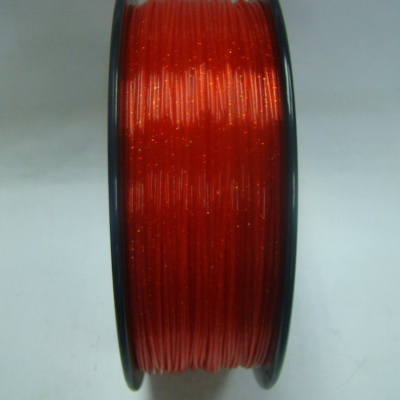
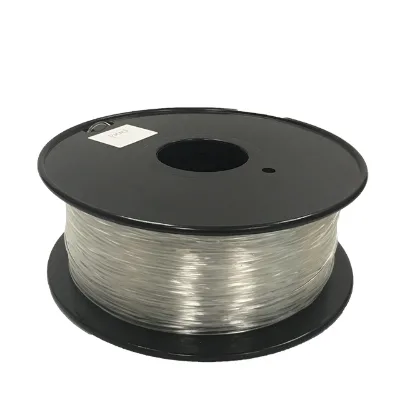
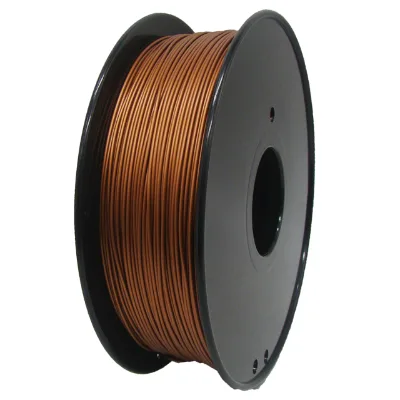
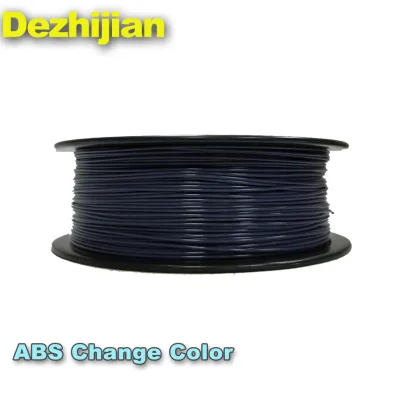
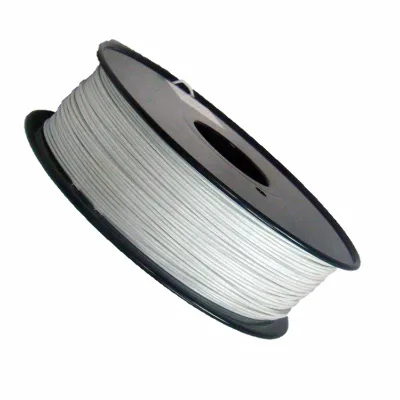
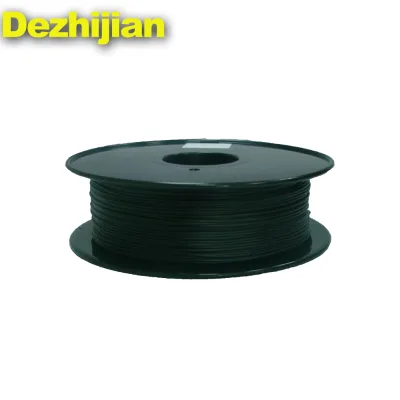
$14.918 - $15.9479
MOQ: 1 rolls

Shenzhen Zhengtai Technology Co., Ltd.
- Manufacturer, Trading Company
- Guangdong, China
- Lead time10 days
- Avg. response≤ 2h
Main productsPLA,PETG,ABS,TPU,PP
Main marketsNorth America(20.00%), Western Europe(18.00%), Oceania(12.00%), Eastern Europe(12.00%), Mid East(8.00%), Central America(8.00%), Northern Europe(6.00%), Africa(5.00%), Southern Europe(5.00%), Southeast Asia(2.00%), South Asia(2.00%), South America(1.00%), Eastern Asia(1.00%)
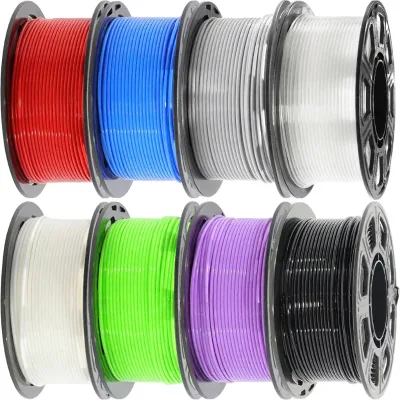
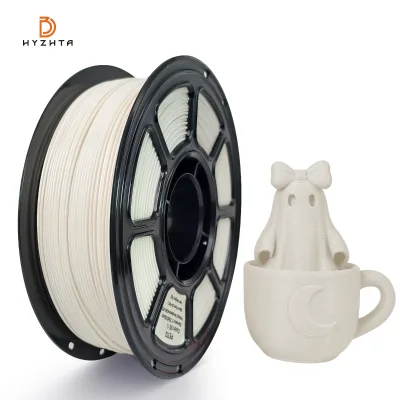
1.75mm PLA 3D Printer Filament
$4.95 - $5.90
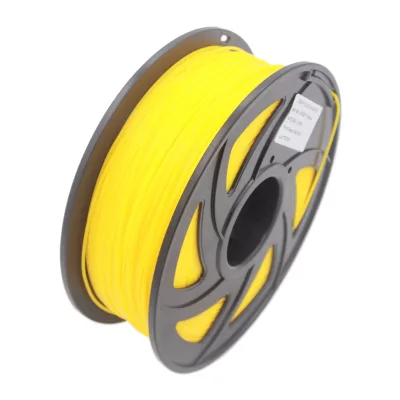

GUANGDONG IBOSS SMART TECHNOLOGY CO.,LTD
- Verified by BV
- Combined
- China Guangdong
- Lead time15 days
- Avg. response≤ 12h
Main products3D Printer Filament, 3D Printing Pen, 3D Printer, 3D Printing, Printer PLA+, 3D Printer PLA, PLA+ Filament, PLC Filament, 3D Printing Pen Filament, 3D Printer Material PLA+
Main marketsSouth America,Southeast Asia/ Mideast,East Asia(Japan/ South Korea),Europe,Australia,North America

JIANGXI NEW SILK ROAD INDUSTRY & TRADE COMPANY LIMITED
- Trading Company
- China Jiangxi
- Lead time23 days
- Avg. response≤ 5h
Main productsConstruction Goods, Hand Tool, Stove for Outdoor, Electric Items, and Any Related Items
Main marketsSouth America,Africa,Southeast Asia/ Mideast,East Asia(Japan/ South Korea),Europe,Australia,North America
JIANGXI NEW SILK ROAD INDUSTRY & TRADE COMPANY LIMITED
- Trading Company
- Jiangxi, China
- Lead time7 days
- Avg. response≤ 4h
Main products3D printer,Electronic Components,Electronic,Accessories & Telecommunications,Robots
Main marketsSouthern Europe(15.00%), Northern Europe(15.00%), Central America(15.00%), Western Europe(15.00%), Eastern Europe(10.00%), South America(10.00%), Domestic Market(7.00%), Mid East(3.00%), Southeast Asia(2.00%), Eastern Asia(2.00%), Africa(2.00%), South Asia(2.00%), Oceania(1.00%), North America(1.00%)
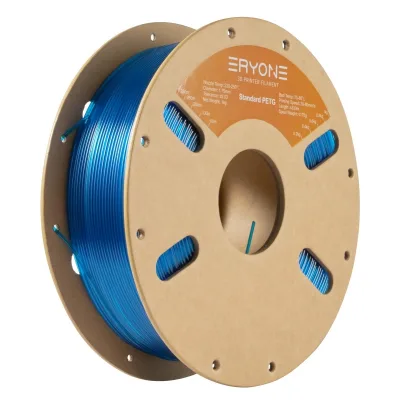
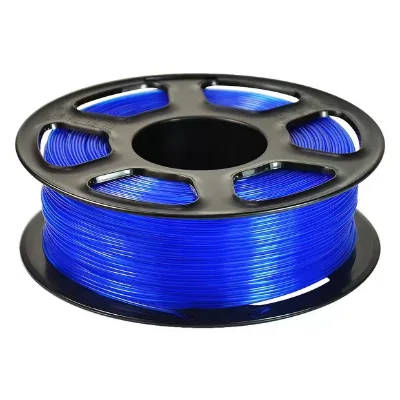
$6.5072 - $8.4738
MOQ: 10 units
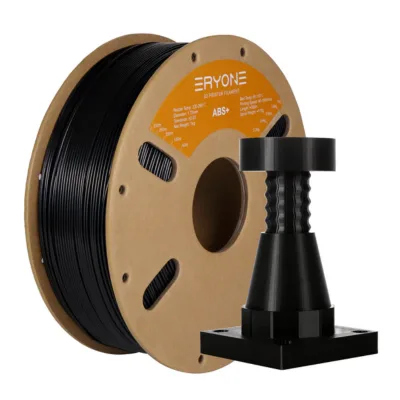
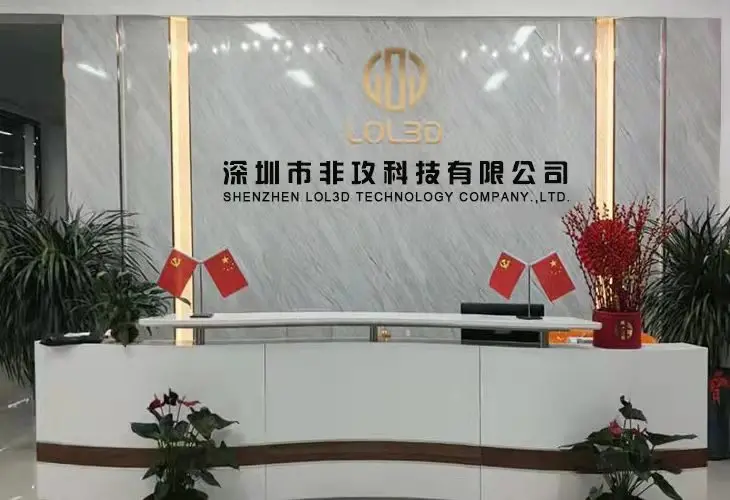
Shenzhen Lol 3D Technology Co., Ltd.
- Manufacturer, Trading Company
- guangdong, China
- Lead time15 days
- Avg. response≤ 3h
Main productsLaser Engrave Machine,3d printer filament,3d printer,3d scanner,uv resin
Main marketsSouth America(20.00%), North America(20.00%), Domestic Market(10.00%), Northern Europe(8.00%), Western Europe(7.00%), Southern Europe(6.00%), Eastern Europe(5.00%), Mid East(5.00%), Southeast Asia(4.00%), Central America(4.00%), Eastern Asia(4.00%), Africa(3.00%), Oceania(2.00%), South Asia(2.00%)

- Combined
- China Shandong
- Lead time15 days
- Avg. response≤ 9h
Main productsHeat Shrinkable Sleeve, Heat Shrinkable Tape, Hand Extruder, Plastic Extrusion Welder, Plastic Welding Rods, HDPE Electro Fusion Belt, HDPE Electro Fusion Welding Joint, Electro Fusion Wrap Sleeve, Plastic Sheet, Plastic Board
Main marketsSouth America,Africa,Southeast Asia/ Mideast,East Asia(Japan/ South Korea),Domestic,Europe,Australia,North America
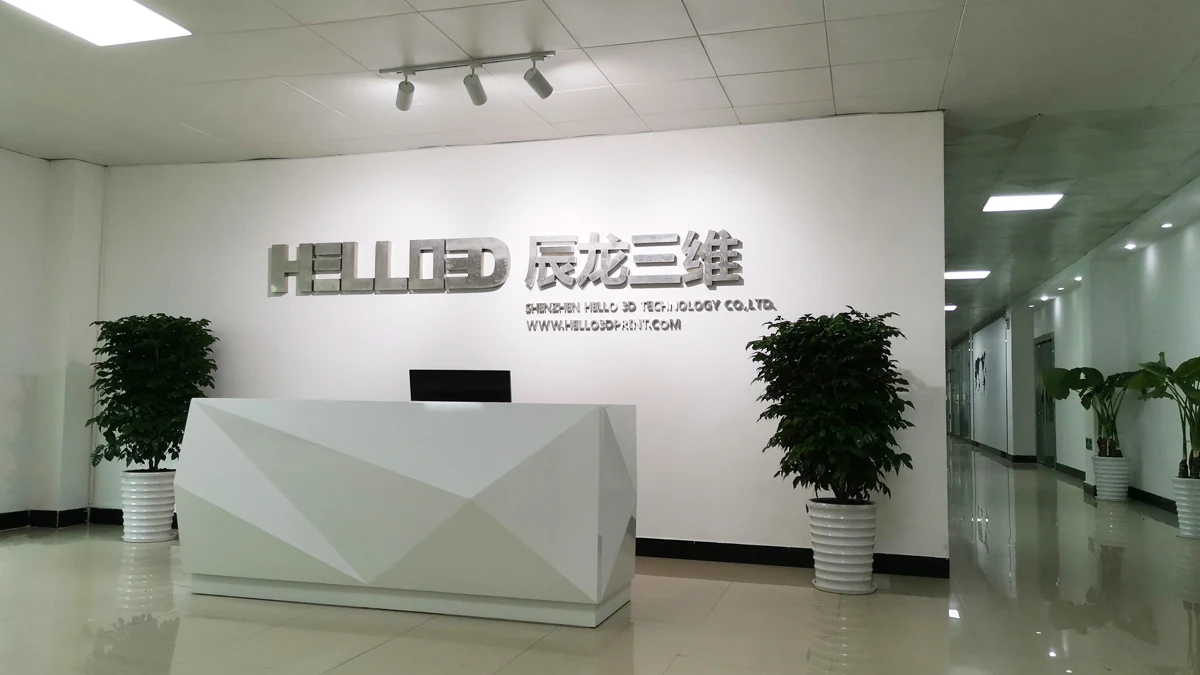
Shenzhen Hello 3d Technology Co., Ltd.
- Manufacturer, Trading Company
- GuangDong, China
- Lead time3 days
- Avg. response≤ 3h
Main products3D Printing Filaments
Main marketsNorth America(20.00%), Domestic Market(10.00%), Africa(10.00%), South America(10.00%), Southeast Asia(5.00%), South Asia(5.00%), Southern Europe(5.00%), Northern Europe(5.00%), Central America(5.00%), Western Europe(5.00%), Eastern Asia(5.00%), Mid East(5.00%), Oceania(5.00%), Eastern Europe(5.00%)

Prospect Image Products Limited of Zhuhai
- Verified by TUVRHEINLAND
- Manufacturer/Factory
- China Guangdong
- Lead time15 days
- Avg. response≤ 8h
Main productsToner Cartridge, Copier Cartridge, Drum Unit, Toner Kit, Toner Powder, Ink Cartridge, Ribbon Cartridge, Ink
Main marketsSouth America,Eastern Europe,Mid East,North America,Southeast Asia,Eastern Asia,Africa


Prospect PLA 3D Printer Filaments 1.75mm for Fdm 3D Printer Multi Colors High Quality PLA Filament
$5.00 - $9.00
MOQ: 1 Pieces

Prospect 3D Printer PLA Filament 1kg 3D Printer Filament 1.75mm Plastic Rods for 3D Printing
$5.00 - $9.00
MOQ: 1 Pieces
Jiangxi Xialong Furniture Co., Ltd.
- Trading Company
- Jiangxi, China
- Lead time7 days
- Avg. response≤ 3h
Main products3D Printing Filaments
Main marketsSoutheast Asia(50.00%), South Asia(20.00%), Domestic Market(20.00%), Southern Europe(10.00%)

Sunhokey Electronics Co., Ltd.
- Trading Company
- China Guangdong
- Lead time15 days
- Avg. response≤ 9h
Main products3D Printer
Main marketsEurope,North America
Zhongshan Ganghui Electric Co., Ltd.
- Verified by SGS Group
- Manufacturer, Trading Company
- Lead time20 days
- Avg. response≤ 4h
Main products3D Printing Filament, Filament Dryer Box
Main marketsWestern Europe(35%), Eastern Europe(30%), North America(20%)

Luoyang Dowell Electronics Technology Co., Ltd
- Combined
- China Henan
- Lead time15 days
- Avg. response≤ 6h
Main products3D Printer, Pellet 3D Printer, Large Size 3D Printer, High Flow 3D Printer, Metal Shell 3D Printer, ABS 3D Printer, PLA Filament
Main marketsSouth America,Africa,Southeast Asia/ Mideast,East Asia(Japan/ South Korea),Domestic,Europe,Australia,North America
Shenzhen Mingda Technology Co., Ltd.
- Verified by TüVRheinland
- Manufacturer, Trading Company
- Lead time3 days
- Avg. response≤ 4h
Main productsFDM 3D Printer, FGF 3D Printer, Channel Letter 3D Printer, 3D Printing Filament, 3D Scanner
Main marketsNorth America(14%), Northern Europe(13%), Southern Europe(13%)
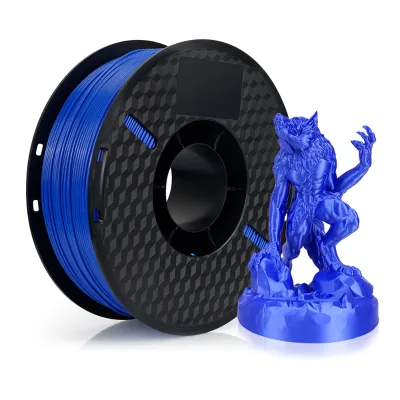
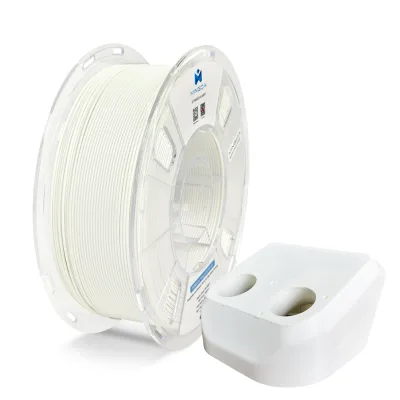
3d Printer Filament 1kg/roll 1.75mm PLA Filament Refill 3D Printer Filament for Most FDM Printers
$8.1291 - $14.302
MOQ: 10 rolls
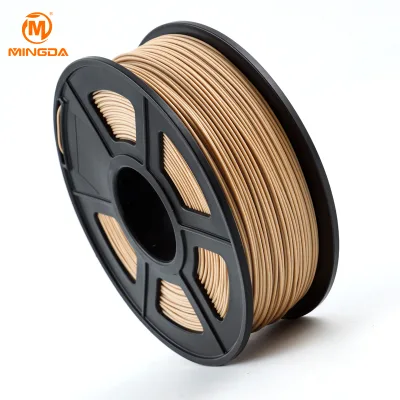
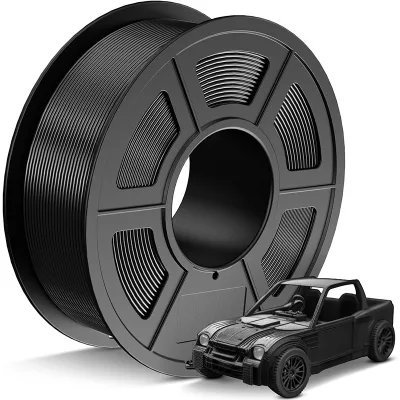
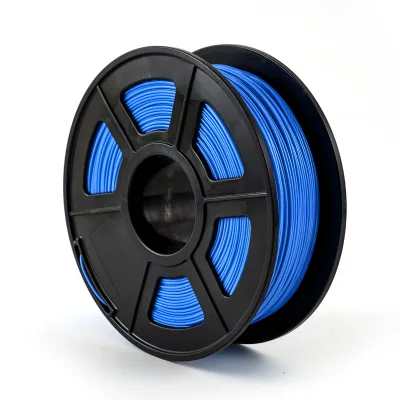
Wholesale Price 3D Printer Filament 1.75 mm 3.0 mm ASA Filament 3D Printer for Sale
$16.00 - $20.00
MOQ: 10
Xiamen Antinsky Industry Co, Ltd.
- Verified by TüVRheinland
- Manufacturer, Trading Company
- Lead time7 days
- Avg. response≤ 6h
Main products3D Printer, 3D Materials, 3D Scaner, 3D Printing Products
Main marketsMid East(40%), South America(20%), Domestic Market(20%)
Hunan Yasin Technology Co., Ltd.
- Verified by Intertek
- Manufacturer, Trading Company
- Lead time0 days
- Avg. response≤ 2h
Main products3D printer filament, Wig, Plastic Raw Material, Mechanical equipment
Main marketsNorth America(40%), Southern Europe(15%), Domestic Market(15%)
$6.1444 - $6.759
MOQ: 1 Minimum
$7.9987 - $9.9489
MOQ: 1 Minimum
Luoyang Dowell Electronics Technology Co., Ltd.
- Verified by TüVRheinland
- Manufacturer, Trading Company
- Lead time7 days
- Avg. response≤ 4h
Main products3D Printers, 3D Consumables, 3D Accessories
Main marketsDomestic Market(45%), North America(16%), South America(9%)

Wuhan Raylas Technology Co., Ltd
- Verified by BV
- Trading Company,Manufacturer/Factory
- China Hubei
- Lead time38 days
- Avg. response≤ 1h
Main productsLaser Cutting Machine, Laser Welding Cleaning Cladding Machine, SLA Slm Fdm 3D Printer, Raycus Max Ipg Rece Laser Source, Precitec Boci Raytools Wsx Cqwy Laser Head, Focus Lens Calibration Lens Ceramic Ring Nozzles, Spare Parts Consumabler Parts for Laser Machines, Metal Sheet Metal Tube Laser Cutting Machine, Retrofit Amada CO2 Laser to Fiber Laser, Technical Service for Laser Machines
Main marketsSouth America,Eastern Europe,Mid East,North America,Southeast Asia,Eastern Asia,Oceania,Western Europe,Africa

Shenzhen Flying Supply Chain Co., Ltd.
- Verified by SGS
- Trading Company
- China Guangdong
- Lead time15 days
- Avg. response≤ 6h
Main productsPacking Bag, Gift Bag, Folding Bag, Laptop Bag, Carton, Toy Puzzle, Stationery, Label, Hot Melt Paper, 3D Printing Consumables
Main marketsNorth America

High Strong 3D Printer Filament PLA 3D Filament 1.75mm for Fdm Printer and 3D Pen 1kg 3kg
$6.80 - $35.00
MOQ: 1 Rolls


Popular 1.75mm PLA 3D Printer Filament of Multi-Color and Friendly Environment Manufacturers
$18.00 - $20.00
MOQ: 10 Rolls

Shenzhen JinboHao Technology Co., Ltd.
- Manufacturer
- Guangdong, China
- Lead time5 days
- Avg. response≤ 1h
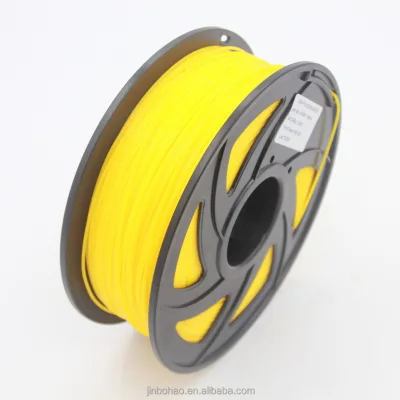
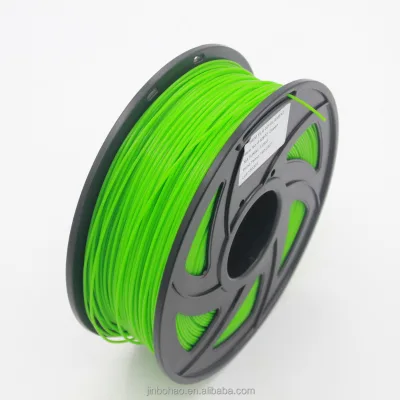
Main products3d printer,3d printer filament,3d pen filament,3d printing filament,3d filament
Main marketsWestern Europe(40.00%), North America(30.00%), Northern Europe(15.00%), Eastern Europe(10.00%), Domestic Market(5.00%)
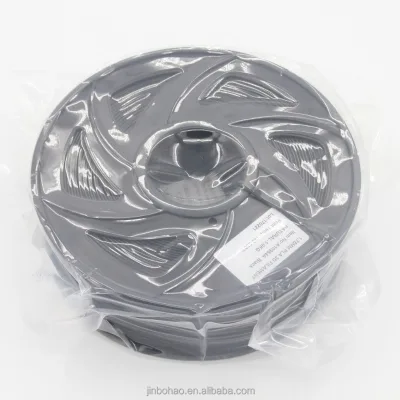
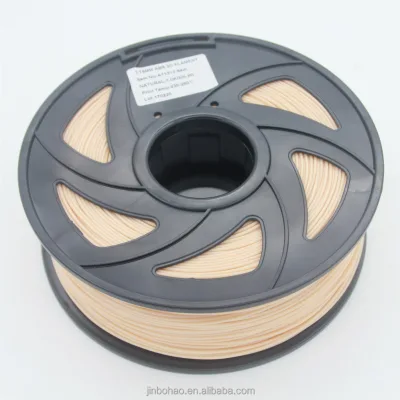
$5.80 - $6.50
MOQ: 20 kilograms
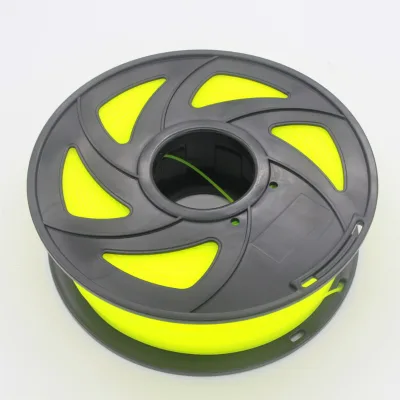
High Quality 1kg/roll 1.75mm NYLON or PA 3d Printer Filament
$11.00 - $11.50
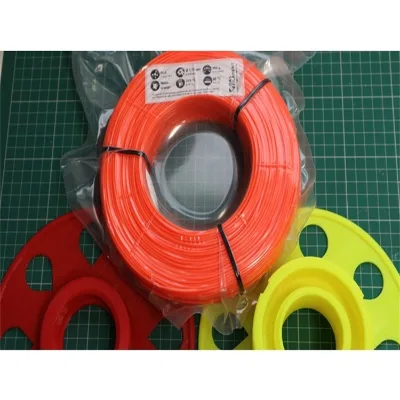
Anhui Ruida Coating Tools Co., Ltd.
- Verified by Intertek
- Manufacturer, Trading Company
- Lead time10 days
- Avg. response≤ 2h
Main productsPutty scrape, Plastic paint tray, Roller Brush, Latex paint, Plastic eel cages

Yan Miao (Yiwu City) International Trade Co., Ltd.
- Verified by SGS
- Trading Company
- China Zhejiang
- Lead time0 days
- Avg. response≤ 1h
Main productsDrip Irrigation System, Irrigation Fittings, Drip Irrigation Pipe, Micro Irrigation System, Garden Irrigation System, Agricultural Irrigation System, Greenhouse Irrigation System, Irrigation Equipment, Irrigation Accessories, Water Saving Irrigation

Shanghai European-Asian Synthetic Material Co., Ltd.
- Verified by SGS
- Combined
- China Shanghai
- Lead time30 days
- Avg. response≤ 5h
Main productsPhenolic Molding Compound and Phenolic Resin, Bakelite Powder, Phenolic Moulding Compound, Novolac, Molding Compound, PMC, Bakelite, Phenolic, Phenol Fomaldehyde
Main marketsSouth America,Others(foreignTradeCapacity.exportBusinessCapacityMarketOther),Domestic,Europe,North America
- Trading Company
- Guangdong, China
- Lead time5 days
- Avg. response≤ 9h
Main products3D Printer Filament,PLA Filament,PETG Filament,ABS Filament,TPU Filament
Main marketsNorth America(20.00%), Western Europe(10.00%), Eastern Europe(10.00%), Oceania(10.00%), Domestic Market(5.00%), South Asia(5.00%), Southern Europe(5.00%), Northern Europe(5.00%), Central America(5.00%), Southeast Asia(5.00%), Eastern Asia(5.00%), Mid East(5.00%), South America(5.00%), Africa(5.00%)
Shenzhen Maikai Electronics Co., Ltd.
- Manufacturer, Trading Company, Buying Office
- Guangdong, China
- Lead time3 days
- Avg. response≤ 2h
Main products3D printer filament,PLA filament,ABS filament,PETG filament,TPU filament
Main marketsSouth America(25.00%), Eastern Europe(20.00%), Africa(15.00%), Southeast Asia(15.00%), North America(15.00%), Mid East(10.00%)
Shenzhen Esun Industrial Co., Ltd.
- Manufacturer, Trading Company
- Lead time旺季: "1 - 300":10,"301 - 500":14,"501 - 1000":20,"> 1000":"To be negotiated", 淡季: "1 - 300":10,"301 - 500":14,"501 - 1000":20,"> 1000":"To be negotiated"
- Avg. response≤ 3h
Main products3D Filament, 3D Resin, 3D Filament PLA, 3D Dental Resin, 3D Accessories
















Comprehensive Sourcing Guide
CE RoHS 3D Printer Filament Supplier Concentration and Factory Types
The current supplier landscape for CE RoHS 3D Printer Filament reveals a diverse mix of manufacturing capabilities and business models. Buyers will encounter both dedicated manufacturers and trading companies within the search results, each offering distinct advantages for different procurement strategies. The primary product categories observed include standard 3D printing filaments, specialized 3D printing products, and various material compositions such as PLA, ABS, PMMA, and metal-infused options. This variety suggests that the market is not dominated by a single type of producer but rather supports a broad ecosystem of suppliers catering to different niche requirements. Understanding this concentration helps buyers determine whether they need a direct factory relationship for custom specifications or a trading partner for consolidated sourcing. The presence of both entity types indicates that buyers must carefully evaluate the supplier’s actual role in the supply chain to ensure alignment with their quality control and communication needs.
Manufacturers in this sector often highlight their ability to provide customized solutions on demand, which is a critical factor for buyers seeking specific filament properties. The observed data indicates that many suppliers offer processing services such as moulding and cutting, allowing for tailored product dimensions and packaging. Additionally, some suppliers provide customized labeling services, which is essential for brands looking to maintain their identity throughout the distribution process. The concentration of these capabilities suggests that buyers should prioritize suppliers who explicitly state their manufacturing processes and customization options. By focusing on suppliers that offer these specific services, buyers can ensure that they are working with entities that have the technical infrastructure to meet their unique requirements. This approach minimizes the risk of receiving generic products that do not fully align with the intended application, thereby enhancing the overall value of the sourcing decision.
How to Verify CE RoHS 3D Printer Filament Filament Suppliers
Verifying the credibility of CE RoHS 3D Printer Filament suppliers requires a systematic approach to checking certifications and verification badges. The presence of CE certification is a key indicator of compliance with European health, safety, and environmental protection standards, which is crucial for buyers targeting markets that require such regulatory adherence. Buyers should look for suppliers who explicitly display this certification, as it serves as a foundational proof of their commitment to quality and regulatory compliance. Additionally, verification badges from third-party inspection companies like Intertek provide an extra layer of confidence regarding the supplier’s operational legitimacy. These badges indicate that the supplier has undergone rigorous audits and inspections, reducing the risk of dealing with fraudulent or unreliable entities. Buyers should prioritize suppliers who hold these verifications, as they offer tangible evidence of the supplier’s standing in the industry.
Beyond certifications, buyers should assess the supplier’s response time and communication efficiency as indicators of their operational reliability. A quick response time, such as two days or less, suggests that the supplier has a dedicated team ready to address inquiries and resolve issues promptly. This responsiveness is particularly important during the initial stages of sourcing, where clear communication can prevent misunderstandings and delays. Buyers should also examine the supplier’s product details for completeness and accuracy, as thorough product descriptions often reflect a professional approach to business. Suppliers that provide detailed specifications, including material composition, dimensions, and packaging details, are more likely to be transparent and reliable. By combining certification checks with an evaluation of communication speed and product detail quality, buyers can effectively filter out less credible suppliers and focus on those that demonstrate a high level of professionalism and compliance.
What to Compare Across CE RoHS 3D Printer Filament Suppliers
When comparing CE RoHS 3D Printer Filament suppliers, buyers should focus on key operational metrics such as lead time, minimum order quantity, and supply capacity. Lead times vary among suppliers, with some offering production cycles as short as three days, which is advantageous for buyers with urgent requirements. Minimum order quantities also differ, with some suppliers allowing orders as low as one piece, providing flexibility for small-scale testing or prototyping. Buyers should evaluate these metrics in the context of their own production schedules and inventory needs to determine which supplier offers the best balance of speed and accessibility. Additionally, supply capacity is a critical factor, with some suppliers boasting high weekly or daily output rates, ensuring that large orders can be fulfilled without significant delays. Comparing these operational details helps buyers identify suppliers that can reliably meet their volume and timing requirements.
Price and product specifications are equally important factors in the comparison process. Buyers should analyze the price ranges offered by different suppliers, noting that costs can vary based on material type, quantity, and customization options. For instance, standard PLA filaments may have different pricing structures compared to specialized metal or ceramic filaments. Buyers should also compare product attributes such as filament diameter, length per spool, and print temperature ranges to ensure compatibility with their specific 3D printing equipment. Packaging details, including net weight and gross weight, should also be considered, as they impact shipping costs and storage requirements. By systematically comparing these variables, buyers can make informed decisions that optimize both cost and performance. This detailed comparison ensures that buyers select suppliers that offer the best value proposition, balancing price with quality and service capabilities.
Common CE RoHS 3D Printer Filament Sourcing Risks
One of the primary risks in sourcing CE RoHS 3D Printer Filament is the potential discrepancy between advertised specifications and actual product quality. Buyers may encounter suppliers who claim high-quality materials but deliver products with inconsistent diameters or poor layer adhesion. This risk is particularly prevalent when dealing with suppliers who do not provide detailed technical data or third-party test results. To mitigate this risk, buyers should request samples before placing large orders and conduct thorough testing to verify the filament’s performance. Additionally, buyers should be cautious of suppliers who offer prices that seem unusually low, as this may indicate the use of inferior materials or compromised manufacturing processes. By prioritizing suppliers with transparent quality control measures and verified certifications, buyers can reduce the likelihood of receiving substandard products.
Another significant risk is the potential for supply chain disruptions due to inadequate capacity or logistical issues. Suppliers with limited production capacity may struggle to fulfill large orders on time, leading to delays in the buyer’s production schedule. Buyers should assess the supplier’s supply ability and historical performance to ensure they can meet demand spikes. Additionally, buyers should be aware of the risks associated with international shipping, including potential customs delays and damage during transit. Proper packaging, such as vacuum-sealed bags with desiccants, is essential to protect the filament from moisture and physical damage. Buyers should verify that suppliers use robust packaging methods and have clear policies for handling shipping issues. By proactively addressing these risks through careful supplier selection and clear contractual terms, buyers can ensure a smoother and more reliable sourcing experience.
CE RoHS 3D Printer Filament Regional Sourcing and Logistics
Regional sourcing plays a crucial role in determining the logistics and cost structure for CE RoHS 3D Printer Filament. Many suppliers are located in specific manufacturing hubs, such as Guangdong, China, which is known for its robust plastic and filament production industry. Sourcing from these regions can offer advantages in terms of cost efficiency and access to a wide variety of suppliers. However, buyers should also consider the logistical implications of sourcing from these locations, including shipping times and customs procedures. Suppliers in these regions often have established export channels, which can facilitate smoother international transactions. Buyers should evaluate the supplier’s port of dispatch and shipping methods to ensure that logistics align with their delivery requirements. Understanding the regional dynamics helps buyers make informed decisions about where to source their materials.
Logistics planning is essential for managing the flow of CE RoHS 3D Printer Filament from supplier to buyer. Buyers should work closely with suppliers to determine the most efficient shipping routes and methods, considering factors such as package size, weight, and destination. Suppliers often provide detailed packaging information, including carton dimensions and gross weight, which are critical for calculating shipping costs. Buyers should also consider the impact of packaging on product protection, ensuring that the filament arrives in optimal condition. Additionally, buyers should be aware of any regional trade agreements or tariffs that may affect the final cost of the product. By carefully planning logistics and collaborating with suppliers on shipping strategies, buyers can minimize costs and ensure timely delivery. This proactive approach to logistics management enhances the overall efficiency of the sourcing process.
CE RoHS 3D Printer Filament Commercial Terms and Order Planning
Commercial terms and order planning are vital components of a successful sourcing strategy for CE RoHS 3D Printer Filament. Buyers should negotiate clear terms regarding payment methods, delivery schedules, and return policies to protect their interests. Suppliers may offer various payment options, such as escrow services, which provide security for both parties by holding funds until the order is confirmed. Buyers should prioritize suppliers who offer secure payment methods to minimize financial risk. Additionally, buyers should establish clear delivery timelines and ensure that the supplier can meet these deadlines. Order planning should also consider the supplier’s minimum order quantities and bulk pricing structures, allowing buyers to optimize their purchase volumes for cost efficiency. By defining these commercial terms upfront, buyers can avoid misunderstandings and ensure a smooth transaction process.
Effective order planning also involves forecasting demand and managing inventory levels to prevent stockouts or excess inventory. Buyers should analyze their production needs and historical consumption data to determine the appropriate order quantities and frequencies. Collaborating with suppliers on long-term contracts can provide stability in pricing and supply, which is beneficial for consistent production schedules. Buyers should also consider the supplier’s ability to handle rush orders or changes in specifications, as flexibility is crucial in dynamic market conditions. By integrating commercial terms with strategic order planning, buyers can create a resilient sourcing framework that supports their business objectives. This comprehensive approach ensures that buyers can maintain a steady supply of high-quality filament while managing costs and risks effectively.
FAQs
What filament diameters and materials are available for CE 3D printer filament?
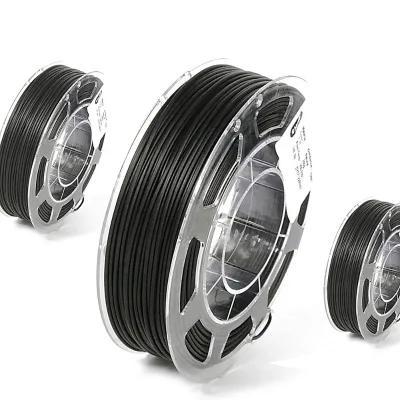
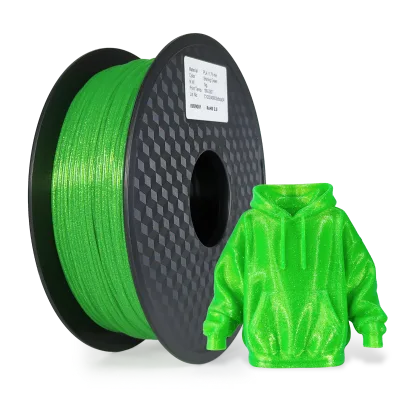
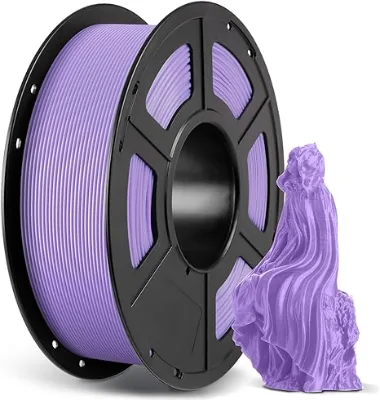
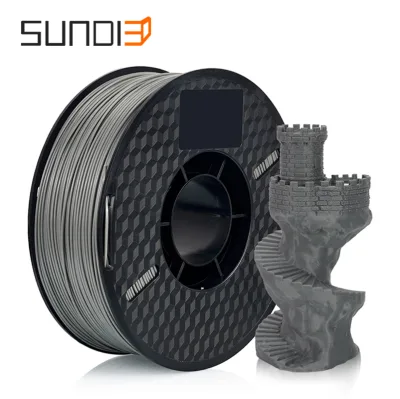
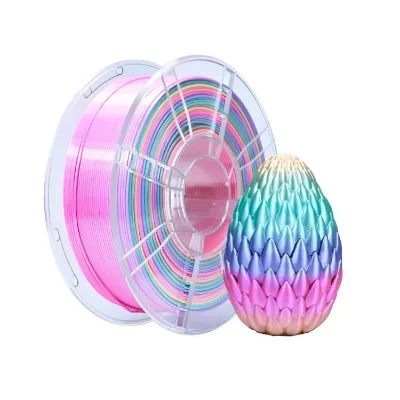
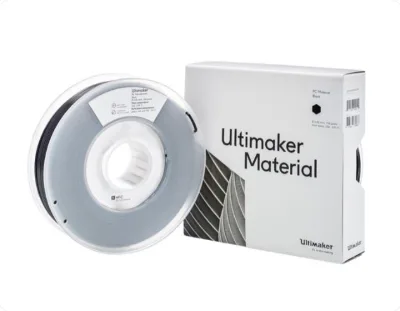
Listed products are offered in 1.75 mm and 3.0 mm diameters, and materials include PLA, ABS, PMMA, copper-filled, carbon fiber PLA, ceramic and twinkling PLA blends. Net weight is commonly 1 kg per spool, with some carbon fiber spools at 0.8 kg. Confirm the exact material, diameter and spool weight for each listing before ordering, since specifications vary between product models.
What is the typical MOQ when ordering 3D printer filament?
The PMMA filament listing shows a minimum order quantity of one piece, so buyers can place small trial orders before committing to volume. Other product models may carry different MOQ terms, so check each listing individually. Ordering a sample spool first lets you test print quality, tolerance and color on your own FDM printer before scaling up.
How long does production and delivery take after placing an order?
The listed lead time is 3 days, which covers production before dispatch from Shenzhen. Actual total delivery time depends on your chosen shipping method, destination country and customs clearance. Ask the supplier to confirm current production schedules and available freight options, and factor in extra time during peak seasons or for large custom orders.
How fast do these filament suppliers respond to inquiries?
The listed average response time is 2 hours, so buyer inquiries are generally answered quickly. Response speed can vary by time zone, workload and message complexity, so include your target material, diameter, quantity and delivery destination in the first message. A detailed inquiry helps the supplier return accurate quotations with fewer back-and-forth exchanges.
What certifications and verification do these filament suppliers hold?
The supplier holds a CE system certification and is verified by Intertek, a third-party inspection body. CE marking relates to applicable product compliance requirements, and Intertek verification confirms the business was assessed by an independent auditor. Always request the current certificate documents directly from the supplier and check their validity before finalizing any purchase agreement.
Where is the filament manufactured and how is it shipped?
The products list Guangdong, China as the place of origin, with Shenzhen noted as the port of dispatch. Filament spools are vacuum packed with desiccant in small boxes, which are then packed into master cartons. Confirm carton dimensions, gross weights and shipping terms with the supplier so you can calculate landed freight costs accurately.
How precise is the filament diameter tolerance for stable printing?
The listed tolerance for roundness is plus or minus 0.03 mm, which supports consistent extrusion on FDM printers. Tighter tolerance reduces clogging and uneven flow, especially at finer nozzle sizes. Ask whether every production batch is measured to this specification and request a test report or sample spool to verify diameter consistency on your own equipment.
What print temperatures should I use for these filament materials?
Listed print temperatures differ by material: PLA and twinkling blends around 200 to 230 degrees Celsius, PMMA around 190 to 210, carbon fiber PLA around 200 to 220, ceramic around 200 to 240, and ABS around 230 to 270. Always confirm the recommended temperature range on the spool label or datasheet and adjust for your specific printer and nozzle setup.