Ceiling Fan Cobweb Duster Suppliers and Manufacturers
Compare 20 verified Ceiling Fan Cobweb Duster suppliers by response time, lead time, and certifications like BSCI. Review product specs including MOQ and origin before contacting factories for samples; review the available evidence before requesting comparable quotations from suitable candidates.
Updated
Suppliers List
Ningbo Summit Cleaning Products Co., Ltd.
- Verified by TüVRheinland
- Trading Company
- Lead time30 days
- Avg. response≤ 3h
Main productsBrush, Broom, Squeegee, Dustpan, Bucket
Main marketsNorth America(64%), Mid East(12%), Africa(11%)

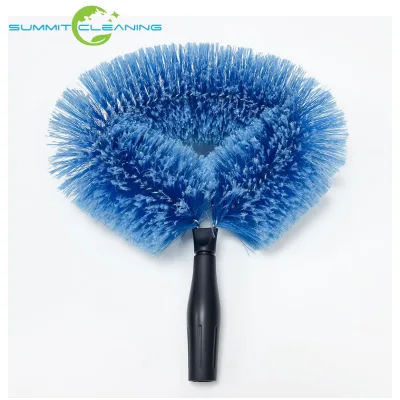
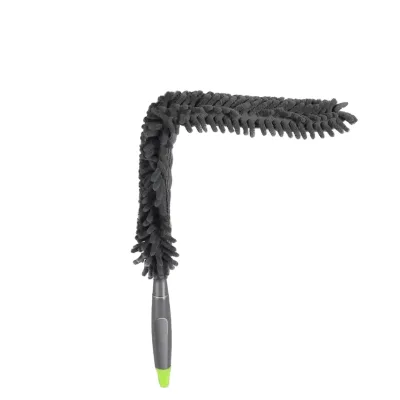
Reusable Ceiling Fan Round Telescoping Ceiling Fan Duster Cobweb Duster
$1.7104 - $1.8138
MOQ: 3000 pieces

Shanghai Setbest Products Co., Ltd.
- Verified by SGS
- Combined
- China Shanghai
- Lead time23 days
- Avg. response≤ 1h
Main productsCleaning Mop, Squeegee, Dustpan, Hardware Products, Plastic Products, Dust Mop, Duster, Brush, PVA Mop, Floor Sign
Main marketsSouth America,Africa,Southeast Asia/ Mideast,East Asia(Japan/ South Korea),Domestic,Europe,Australia,North America


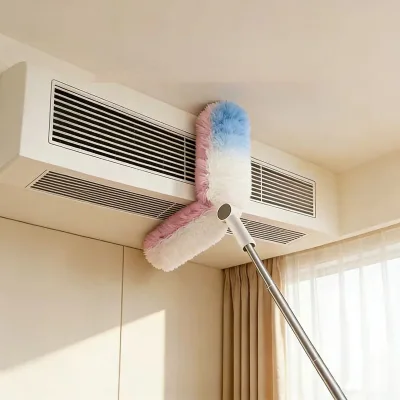
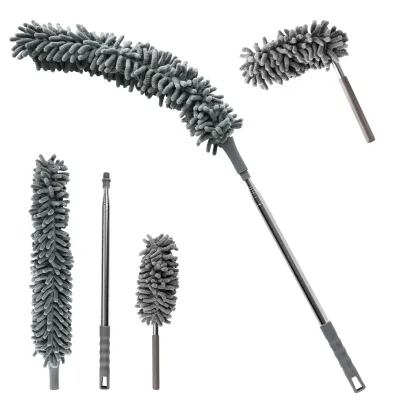
Dust Brush with Extendable Pole Ceiling Duster for Cobweb Removal and High-Reach Cleaning
$1.48 - $1.51
MOQ: 1000 Pieces


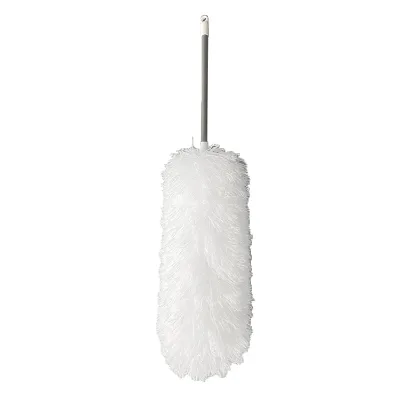
Microfiber Cobweb Ceiling Fan Duster Bendable with Extension Pole for Cleaning
$1.30 - $1.40
MOQ: 3000 Pieces

Fuzhou Eastsound Technology Co., Ltd.
- Verified by TüVRheinland
- Trading Company
- Lead time30 days
- Avg. response≤ 6h
Main productsCleaning Brush, Duster, Bucket, Telescopic Pole, Squeegee
Main marketsNorth America(55%), Western Europe(26%), Oceania(12%)
- Manufacturer
- Zhejiang, China
- Lead time0 days
- Avg. response≤ 8h
Main productsDuster, Mop, Car Brushes, Disposable Glove, Fresh Keeping Bag
Main marketsDomestic Market(45.00%), North America(20.00%), Southern Europe(8.00%), Eastern Asia(8.00%), Western Europe(6.00%), Northern Europe(5.00%), South America(2.00%), Oceania(2.00%), South Asia(1.00%), Eastern Europe(1.00%), Mid East(1.00%), Southeast Asia(1.00%)
Xiamen Cleanwell Households I/E Co.,Ltd
- Verified by TüVRheinland
- Manufacturer, Trading Company
- Lead time40 days
- Avg. response≤ 4h
Main productsBrushes, Cleaning Cloth, Duster, Mop Bucket, Mop
Main marketsNorthern Europe(46%), North America(23%), Western Europe(21%)

NINGHAI XINMING CLEANING EQUIPMENT CO., LTD.
- Verified by SGS
- Combined
- China Zhejiang
- Lead time30 days
- Avg. response≤ 10h
Main productsMassage Tool
Main marketsSouth America,Europe,Australia,North America
Jiaxing Joyan Houseware Products Co., Ltd.
- Verified by Intertek
- Manufacturer, Trading Company
- Lead time45 days
- Avg. response≤ 2h
Main productsMop, Duster, Squeegee, Toilet Brush, Broom and Dustpan
Main marketsDomestic Market(67%), Oceania(9%), Western Europe(6%)
Yiwu Changde Trading Co., Ltd.
- Verified by SGS Group
- Trading Company
- Lead time3 days
- Avg. response≤ 10h
Main productsHousehold Cleaning Products
Main marketsNorth America(50%), Eastern Europe(10%), Western Europe(10%)
$0.6746 - $0.7375
MOQ: 120 pieces
Ningbo Mastertop Home Products Co., Ltd.
- Manufacturer, Trading Company
- Lead time旺季: "1 - 5000":31,"> 5000":"To be negotiated", 淡季: "1 - 5000":31,"> 5000":"To be negotiated"
- Avg. response≤ 4h
Main productsCleaning Products
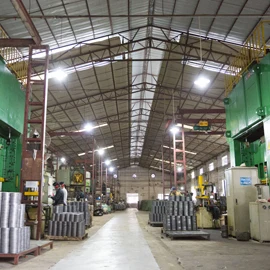
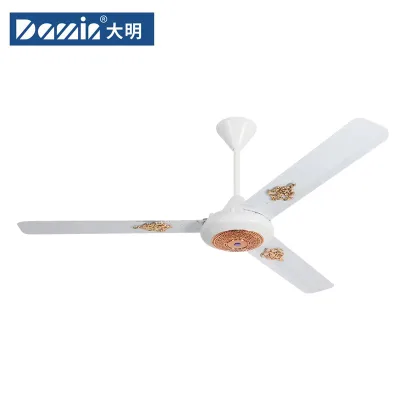
Shunde Damin Enterprise Group Co., Ltd. Of Foshan
- Manufacturer, Trading Company
- Guangdong, China
- Lead time30 days
- Avg. response≤ 2h
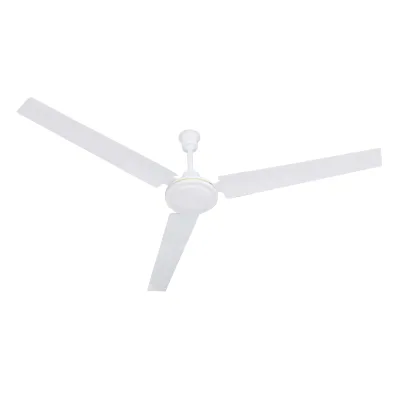
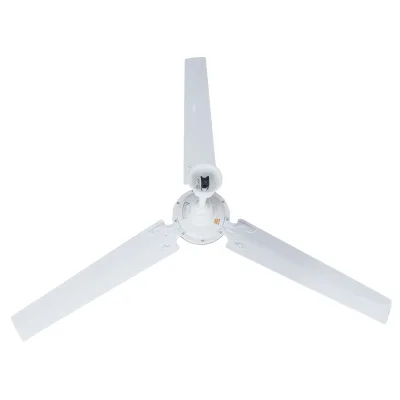
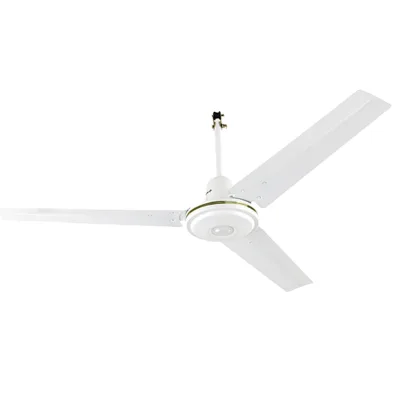
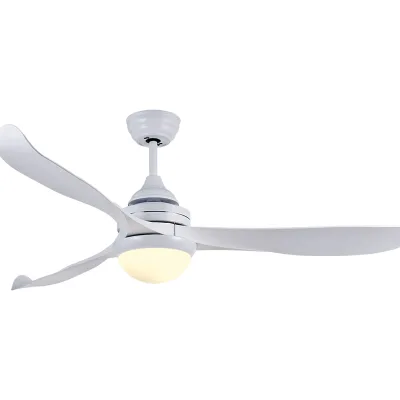
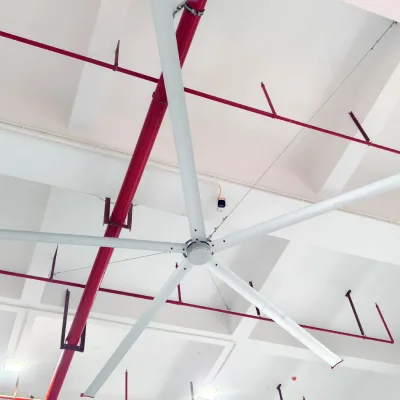
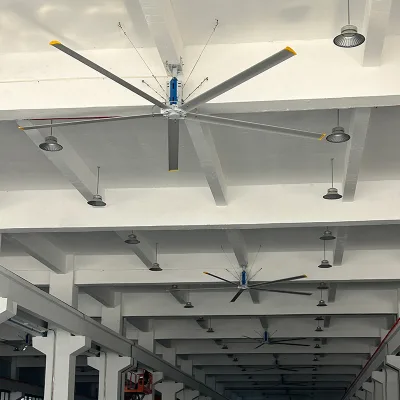
Main productsIndustrial Ceiling Fan,Decorative Ceiling Fan
Main marketsEastern Asia(14.29%), Mid East(14.29%), Africa(14.29%), Southeast Asia(14.29%), Eastern Europe(14.29%), Western Europe(14.29%), South America(14.26%)
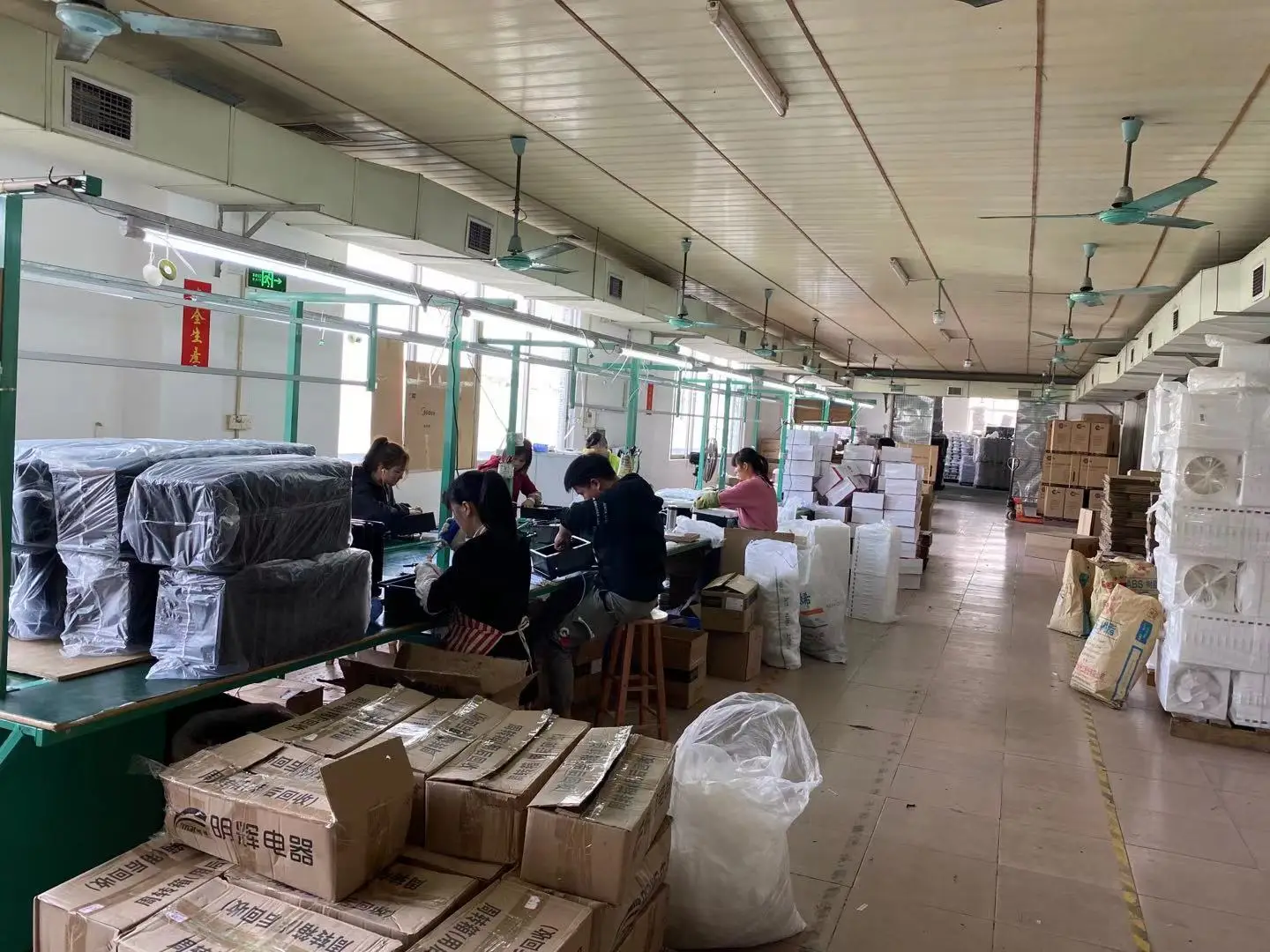
Zhongshan Liangmeite Electric Co., Ltd.
- Manufacturer, Trading Company
- Guangdong, China
- Lead time35 days
- Avg. response≤ 2h
Main productsExhaust Fan,Ventilating Fan,Duct Inline Fan,Ceiling Exhaust fan,Bathroom Exhaust Fan
Main marketsDomestic Market(20.00%), North America(10.00%), South Asia(10.00%), Eastern Asia(10.00%), Mid East(10.00%), Africa(10.00%), Southeast Asia(10.00%), Eastern Europe(10.00%), South America(10.00%)
Zhongshan Eco Lighting Co., Ltd.
- Manufacturer
- Guangdong, China
- Lead time0 days
- Avg. response≤ 3h
Main productsCeiling fan,Ceiling Fan with Light,Outdoor/Wet-rated fan,Smart Indoor Lighting,Chandeliers & Decorative Lighting
Main marketsNorth America(40.00%), Southeast Asia(20.00%), Northern Europe(10.00%), South Asia(5.00%), Eastern Europe(5.00%), Central America(5.00%), Mid East(5.00%), Oceania(5.00%), South America(5.00%)
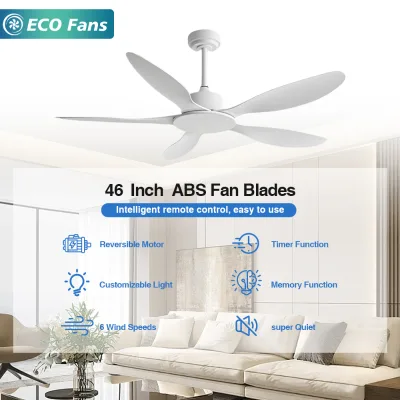
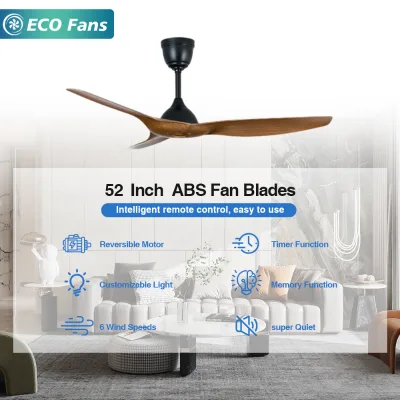
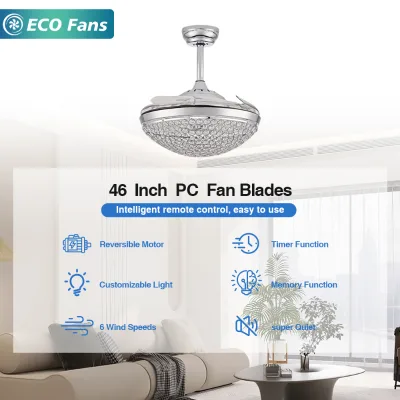
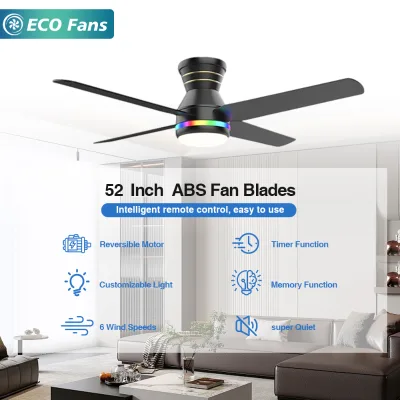
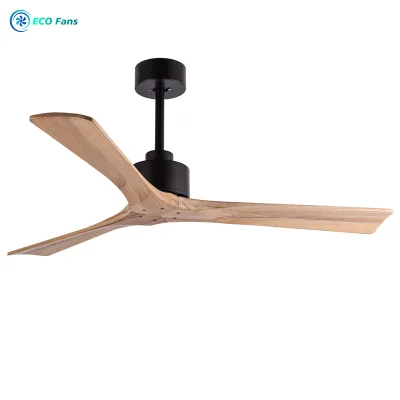
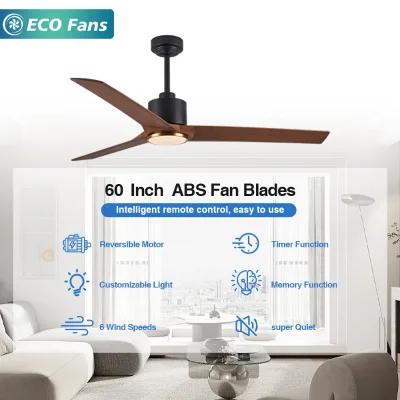
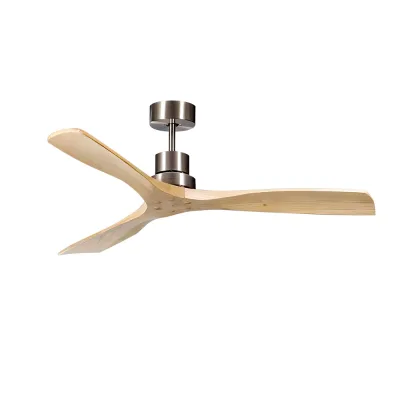
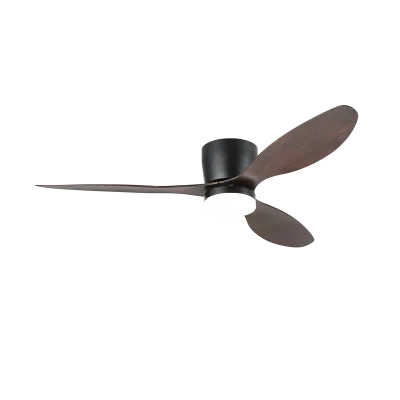
Nordic Style Black Ceiling Fan with Quiet Operation
$73.28 - $87.47
Foshan Juber Electric Appliance Co., Ltd.
- Verified by Intertek
- Manufacturer, Trading Company
- Lead time30 days
- Avg. response≤ 3h
Main productsWall Fan, Ceiling Fan, Industrial Fan, Stand Fan, Table Fan
Main marketsAfrica(23%), Mid East(13%), South America(12%)
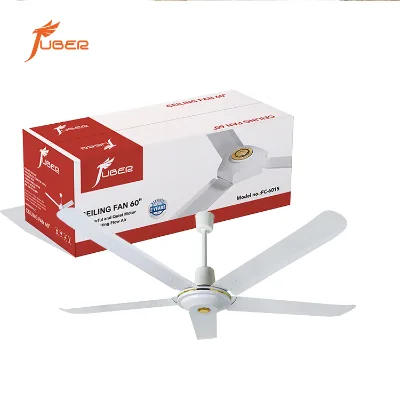
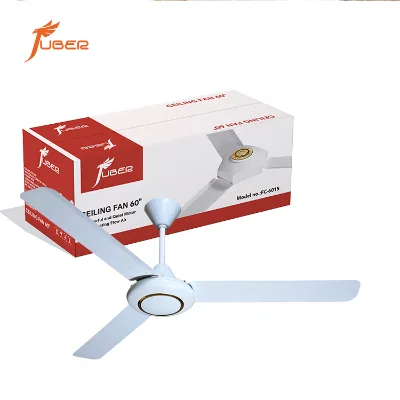
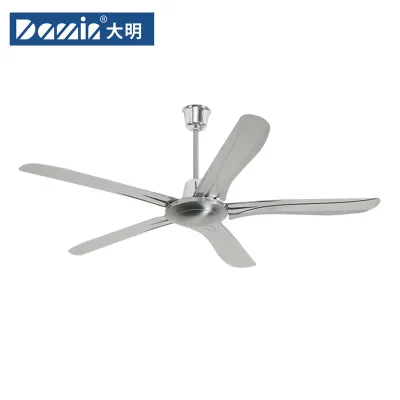
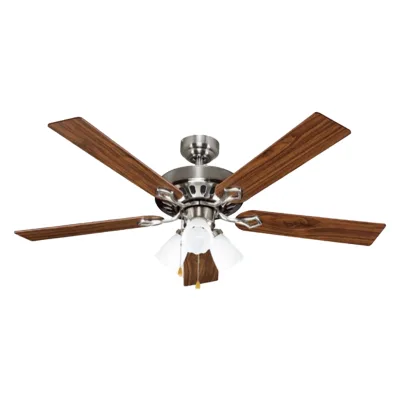
Large Wind Industrial Ceiling Fan Living Room Commercial Dining Room 5 Blade Ceiling Fan
$13.1402 - $14.7172
MOQ: 1000 pieces
Jiangmen Jinxinglong Hardware Electrical Appliances Co., Ltd.
- Verified by TüVRheinland
- Manufacturer, Trading Company
- Lead time0 days
- Avg. response≤ 3h
Main productsCeiling Fan
Main marketsNorth America(70%), South America(10%), Western Europe(5%)
Jiangmen Jinling Ventilating Fan Manufacture Ltd.
- Verified by TüVRheinland
- Manufacturer, Trading Company
- Lead time30 days
- Avg. response≤ 3h
Main productsVentilation Fan, Electrical Fan, Exhaust Fan, Electric Heater, Air Curtain
Main marketsDomestic Market(65%), Southeast Asia(10%), Mid East(10%)

Master Well Enterprise Limited
- Verified by TUVRHEINLAND
- Combined
- China Jiangsu
- Lead time30 days
- Avg. response≤ 7h
Main productsGarage Door, Roller Shutter, Rolling Shutter, Roller Door, Rolling Door, Automatic Door, Door Opener, High Speed Door, Sectional Industrial Door, Glass Garage Door
Main marketsOthers(foreignTradeCapacity.exportBusinessCapacityMarketOther),Southeast Asia/ Mideast,Europe,North America
ZHEJIANG LARISSA MECHANICAL ELECTRIC TECHNOLOGY CO., LTD.
- Verified by Intertek
- Manufacturer, Trading Company
- Lead time7 days
- Avg. response≤ 3h
Main productsMotor, Fan, Pump, Hardware tools, Sprayer
Main marketsNorth America(28%), Southeast Asia(22%), South America(20%)

Zhongshan Chuangzaomei Lighting Electric Co., Ltd.
- Manufacturer
- Guangdong Province, China
- Lead time25 days
- Avg. response≤ 2h
Main productsceiling fan,lighting
Main marketsSoutheast Asia(10.00%), North America(10.00%), Eastern Asia(5.00%), Mid East(5.00%)

Taizhou Taicheng Electrical Equipment Co., Ltd.
- Verified by CTI
- Combined
- China Zhejiang
- Lead time30 days
- Avg. response≤ 15h
Main productsElectric Motor, Fan Motor, Exhaust Fan, Fpr Exhaust Fan, Hvls Industrial Ceiling Fan, Ex Motor, Pm Motor
Main marketsSouth America,Africa,Southeast Asia/ Mideast,Domestic,Europe,Australia
Shenzhen Hongfa Automatic Door Co., Ltd.
- Verified by TüVRheinland
- Manufacturer, Trading Company
- Lead time3 days
- Avg. response≤ 5h
Main productsPVC High Speed Door, Cold Storage Zipper Door, Industrial Sectional Door, Garage Door, Aluminum Roller Shutter Door
Main marketsSoutheast Asia(60%), South America(10%), North America(5%)







Comprehensive Sourcing Guide
Ceiling Fan Cobweb Duster Supplier Concentration and Factory Types
The current supplier landscape for ceiling fan cobweb dusters reveals a distinct mix of trading companies and combined entities, each offering different advantages for procurement teams. Many suppliers identify primarily as trading companies, which often indicates a focus on aggregating products from various manufacturing sources rather than direct factory ownership. This structure can provide buyers with a broader catalog of cleaning tools, including brushes, brooms, squeegees, and dustpans, allowing for consolidated shipping and simplified vendor management. However, trading companies may have less direct control over production schedules and quality assurance processes compared to manufacturers. Buyers must carefully evaluate whether the supplier’s primary role as a trader impacts their ability to handle custom orders or resolve production issues efficiently. The presence of combined company types suggests some entities may blend trading activities with their own manufacturing capabilities or brand ownership, potentially offering more flexibility in customization and pricing structures.
Geographic concentration plays a significant role in the availability and cost structure of these cleaning tools. Evidence points to specific regions in China, such as Zhejiang and Shanghai, as key hubs for the production of ceiling fan dusters and related household cleaning accessories. Suppliers located in Zhejiang often highlight their origin in product attributes, indicating a localized supply chain for materials like PP and PVC used in duster heads. Shanghai-based suppliers also appear prominently, suggesting a dense cluster of trading and manufacturing operations in this major port city. This regional concentration facilitates efficient logistics and access to raw materials, but it also means buyers should verify the actual factory location if they require direct factory audits. Understanding whether a supplier is based in a manufacturing cluster or a trading hub helps in assessing lead times, communication efficiency, and the potential for cost savings through direct negotiation with production facilities.
How to Verify Ceiling Fan Cobweb Duster Suppliers
Verification is a critical step in ensuring the reliability and legitimacy of suppliers offering ceiling fan cobweb dusters. Buyers should prioritize suppliers who have undergone third-party verification processes, as these provide an independent assessment of the company’s business scope, legal status, and operational capabilities. For instance, some suppliers display verification badges from recognized entities like TüVRheinland or SGS, which can serve as indicators of a more rigorous due diligence process. These verifications often confirm that the supplier exists as a legal entity and has been inspected for certain operational standards. However, verification alone does not guarantee product quality or on-time delivery, so it should be viewed as a baseline requirement rather than a comprehensive quality assurance measure. Buyers must look beyond the verification badge to assess the depth of the supplier’s operational history and financial stability.
Certifications and system standards offer additional layers of assurance regarding a supplier’s commitment to ethical and quality practices. Some suppliers in this category hold BSCI (Business Social Compliance Initiative) certification, which indicates adherence to specific labor, health, and safety standards in their supply chain. This is particularly important for buyers who have corporate social responsibility mandates or require compliance with international labor laws. The presence of BSCI certification suggests that the supplier has undergone audits focusing on worker welfare and environmental impact. However, not all suppliers display such certifications, and the absence of a visible badge does not necessarily imply non-compliance. Buyers should actively request documentation for any claimed certifications and verify their validity through the certifying body’s database. Additionally, checking for other relevant quality management certifications can provide further insight into the supplier’s ability to maintain consistent product quality across large production runs.
What to Compare Across Ceiling Fan Cobweb Duster Suppliers
When evaluating multiple suppliers for ceiling fan cobweb dusters, comparing key operational metrics is essential for making an informed decision. One of the most critical factors is the Minimum Order Quantity (MOQ), which varies significantly across different suppliers and product models. For example, some suppliers may require an MOQ of 3000 pieces for standard round duster heads, while others might offer lower thresholds of 2000 or even 1000 pieces for specific designs or irregular-shaped heads. This variation allows buyers to align orders with their inventory needs and cash flow constraints. Additionally, sample times are another important comparative metric, with some suppliers offering samples within 1-3 days, which can accelerate the product development and approval process. Buyers should compare these MOQs and sample lead times to determine which suppliers can best accommodate their specific ordering patterns and timeline requirements.
Response time and lead time are also vital indicators of a supplier’s operational efficiency and reliability. Suppliers with faster response times, such as those under one hour, often demonstrate better communication practices and customer service orientation, which can be crucial for resolving issues quickly during the procurement process. Lead times, which indicate the duration from order placement to shipment, can range from approximately 23 to 35 days depending on the supplier and product complexity. Comparing these metrics helps buyers assess the potential impact on their supply chain continuity. Furthermore, comparing the range of main products offered by each supplier can reveal their specialization and versatility. Suppliers offering a wide array of cleaning tools, from mops to dustpans, may provide better opportunities for product bundling and consolidated shipping, potentially reducing overall logistics costs. Buyers should create a comparison matrix to visualize these differences and identify suppliers that best match their operational priorities.
Common Ceiling Fan Cobweb Duster Sourcing Risks
One of the primary risks in sourcing ceiling fan cobweb dusters is the potential discrepancy between product specifications and actual delivered goods. Suppliers may list attributes such as duster head material, shape, or handle length that do not match the physical sample or final production batch. For instance, a supplier might advertise a microfiber duster head, but the actual product could use a different material that affects cleaning performance or durability. This risk is heightened when dealing with trading companies that may not have direct oversight of the manufacturing process. Buyers must ensure that detailed specifications are clearly documented in the purchase contract and that quality control checks are performed before shipment. Requesting pre-shipment samples or third-party inspection services can help mitigate this risk by verifying that the products meet the agreed-upon standards before they leave the factory.
Another significant risk involves the reliability of delivery timelines and communication during the production process. Suppliers may promise specific lead times, such as 30 or 35 days, but fail to meet these deadlines due to production bottlenecks or logistical issues. This can disrupt the buyer’s inventory planning and lead to stockouts or missed sales opportunities. Additionally, communication gaps can arise if the supplier’s response time is slow or if there are language barriers that lead to misunderstandings about product details or order modifications. Buyers should establish clear communication protocols and regular update schedules with their suppliers to monitor production progress. It is also advisable to include penalty clauses for late delivery in the contract to incentivize timely performance. By proactively addressing these risks through careful supplier selection and robust contract terms, buyers can reduce the likelihood of disruptions and ensure a smoother sourcing experience.
Ceiling Fan Cobweb Duster Regional Sourcing and Logistics
Sourcing ceiling fan cobweb dusters from specific regions in China offers distinct logistical advantages that can impact overall procurement costs and efficiency. Suppliers located in Zhejiang and Shanghai benefit from proximity to major ports and established manufacturing infrastructure, which facilitates faster and more cost-effective shipping. Ningbo, a port city in Zhejiang, is frequently cited as a key shipping point for these products, indicating a well-developed logistics network in the region. This proximity allows for shorter transit times to international destinations and potentially lower freight costs due to the high volume of exports from these areas. Buyers should consider the supplier’s port of origin when calculating total landed costs, as shipping from Ningbo or Shanghai may offer more competitive rates compared to suppliers located in more remote inland regions.
Logistics planning also involves understanding the packaging and dimensions of the products, which directly affect shipping volume and costs. Suppliers often provide details such as single package sizes and packing quantities per case, which are crucial for optimizing container loading. For example, some dusters are packed in cartons with specific dimensions like 30x20x20 cm, while others may have different packing configurations. Buyers should work with suppliers to determine the most efficient packing method to maximize container space and minimize shipping costs. Additionally, considering the weight of the products, such as a single gross weight of 1.0 kg, helps in estimating freight charges based on weight or volume. By carefully planning the logistics strategy and leveraging the advantages of regional sourcing, buyers can enhance their supply chain efficiency and reduce overall procurement expenses.
Ceiling Fan Cobweb Duster Commercial Terms and Order Planning
Commercial terms and payment conditions are fundamental aspects of order planning that can influence the financial risk and cash flow management for buyers. Suppliers often specify payment terms such as T/T (Telegraphic Transfer), which requires buyers to arrange bank transfers for the order value. Understanding these terms is crucial for planning the financial aspects of the procurement process, including timing of payments and currency exchange considerations. Some suppliers may offer flexible payment options or require deposits before production begins, which buyers should negotiate to align with their financial policies. Additionally, the presence of escrow services or other secure payment methods can provide an extra layer of protection for buyers, ensuring that funds are only released upon satisfactory delivery of the goods. Buyers should carefully review the payment terms and consider the implications for their cash flow before finalizing orders.
Order planning also involves strategic decisions regarding product customization and branding. Many suppliers support OEM (Original Equipment Manufacturing) and ODM (Original Design Manufacturing) services, allowing buyers to customize product designs, colors, and packaging to match their brand identity. This capability is particularly valuable for buyers looking to differentiate their products in the market. However, customization often comes with higher MOQs and longer lead times, which buyers must factor into their planning. For instance, customizing duster colors or adding specific branding may require additional production steps and quality checks. Buyers should communicate their customization requirements clearly to suppliers and confirm the associated costs and timelines. By effectively managing commercial terms and leveraging customization options, buyers can optimize their order planning and achieve better alignment with their market strategies.
FAQs
What is a Ceiling Fan Cobweb Duster and how does it work?
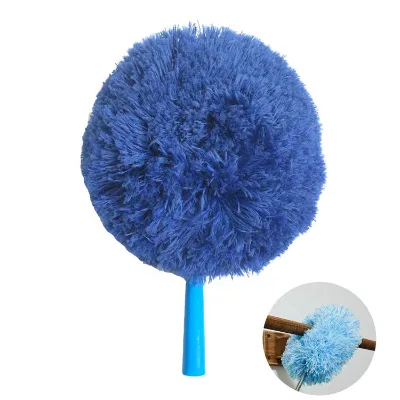
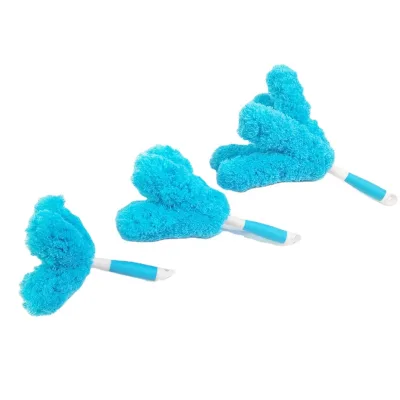
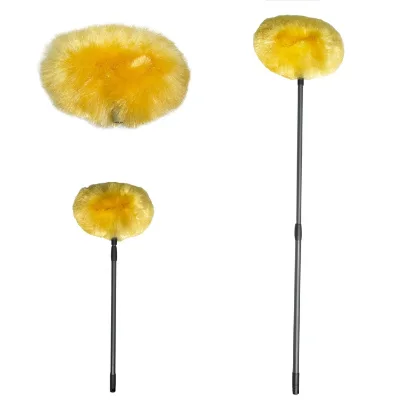
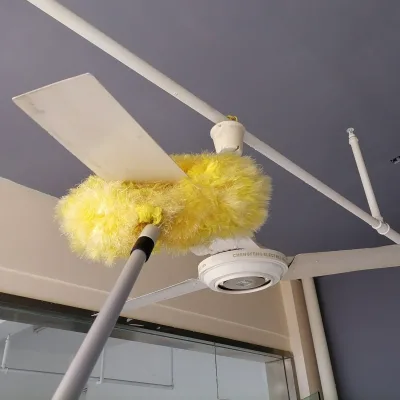
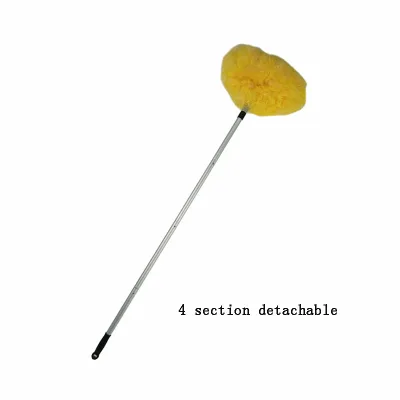
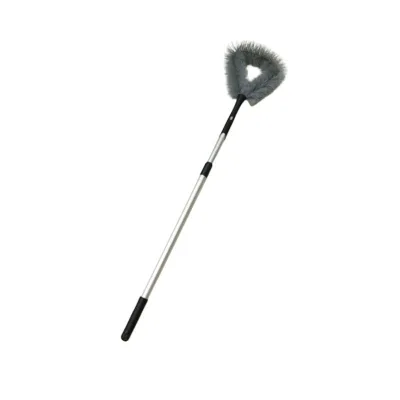
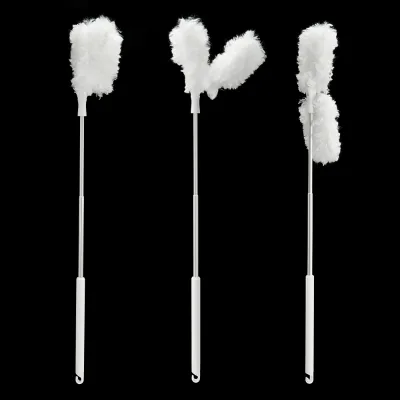
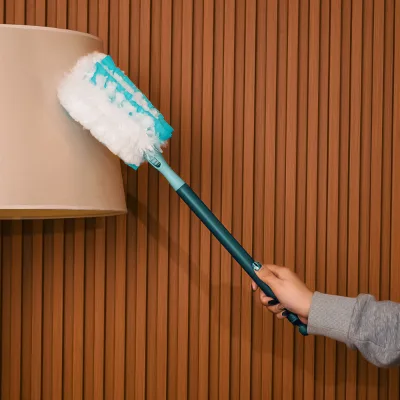
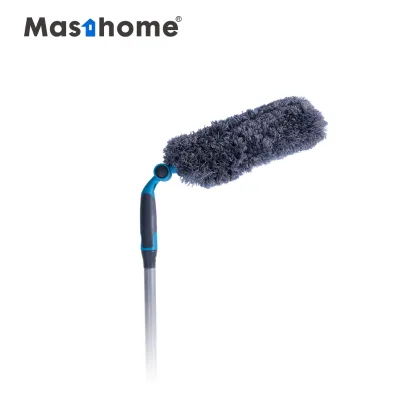
A Ceiling Fan Cobweb Duster is a cleaning tool with a flexible or contoured head designed to remove dust and cobwebs from fan blades, ceiling corners, and high surfaces. Most models attach to a telescoping extension pole so you can reach high areas from the floor. Heads are typically made from PP, PVC bristles, or microfiber that conforms to irregular surfaces.
What MOQ should I expect when sourcing cobweb dusters from China?
Typical MOQs for ceiling fan cobweb dusters range from 1000 to 3000 pieces depending on the model and customization level. Simpler head designs and stock colors usually sit at the lower end of that range. If you need custom branding, packaging, or head shapes, suppliers often apply the higher MOQ, so confirm requirements before requesting samples.
How long is the usual lead time for a cobweb duster order?
Lead times commonly range from about 23 to 35 days after order confirmation, depending on order size and customization. Stock-color models without custom printing tend to finish faster, while OEM packaging or custom colors add production steps. Sample preparation is usually quicker, often within one to three days, so you can evaluate quality before committing to bulk.
Can cobweb dusters be customized with my own brand and packaging?
Yes, most listed suppliers support OEM and ODM services, including custom colors, branding, model numbers, and packing configurations. You can typically request sample processing and graphic processing before mass production. Provide your logo artwork, preferred colorways, and packing requirements early, since customization may affect MOQ, sample cost, and the overall production lead time.
What materials are common for duster heads and extension poles?
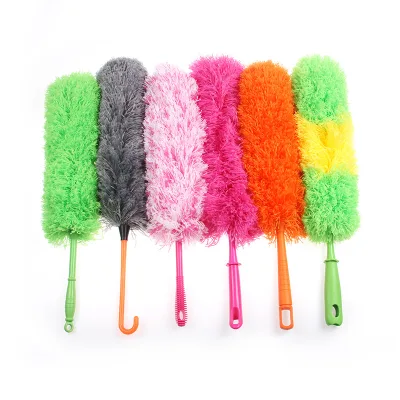
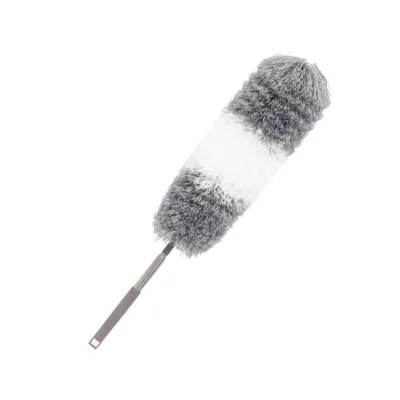
Duster heads are commonly made from PP, PP with PVC bristles, or microfiber, each suited to different surfaces. Contoured plastic bristle heads work well on rough ceilings and corners, while microfiber heads capture finer dust on fan blades and delicate items. Handles are usually plastic, often with telescoping extension poles that adjust for high-reach cleaning.
Which certifications should I verify before ordering cleaning dusters?
Look for BSCI system certification, which appears among listed suppliers and relates to social compliance auditing. Third-party verification such as TUV Rheinland or SGS indicates the supplier profile has been independently assessed. Also ask for material safety documentation for plastic and microfiber components, and confirm any destination-market requirements before finalizing your purchase contract.
Where are these cobweb dusters mainly produced and shipped from?
Production is concentrated in Zhejiang and Shanghai, China, with Ningbo listed as a shipping port for some models. These regions have established household cleaning tool supply chains covering brushes, mops, and dusters. Confirm the exact origin and nearest port with each supplier, since freight costs and transit times vary by departure location.
How much do ceiling fan cobweb dusters typically cost per unit?
Listed unit prices generally fall between roughly 0.98 and 2.28 USD depending on design and materials. Basic five-finger cobweb brush heads sit near the low end, while telescoping models with extension poles or microfiber heads cost more. Final pricing depends on order quantity, customization, and packaging, so request quotations against your specific specifications.