Continuous Automatic Heat Sealing Machine Suppliers and Manufacturers
Compare 28 verified suppliers of continuous automatic heat sealing machines across China, Hunan, and Shandong. Review lead times, response rates, and certifications like CE and TÜV Rheinland before requesting quotes for your packaging needs; review the available evidence before requesting comparable quotations from suitable candidates.
Updated
Suppliers List

Qingdao Zhongkang Printing and Packaging Machinery Co., Ltd.
- Verified by TUVRHEINLAND
- Trading Company
- China Shandong
- Lead time30 days
- Avg. response≤ 3h
Main productsPacking Machine, Non-Woven Bags, Filling Machine, Capping Machine, Vacuum Packing Machine, Labeling Machine, Strapping Machine, Sealing Machine, Printer Coding Machine, Packaging Bag
Main marketsSouth America,Domestic,Europe


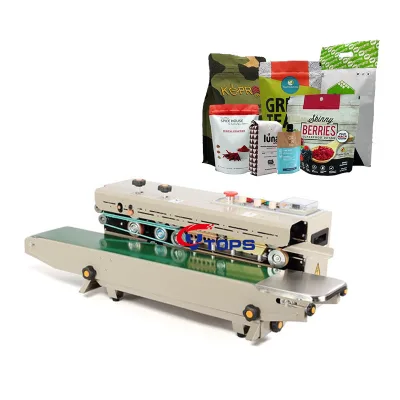
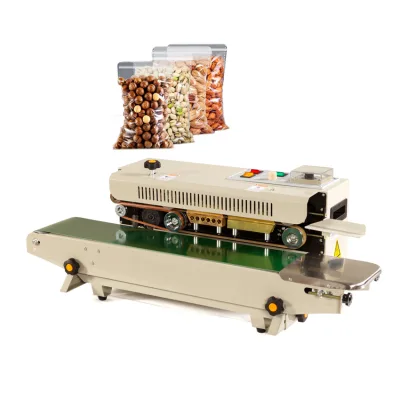
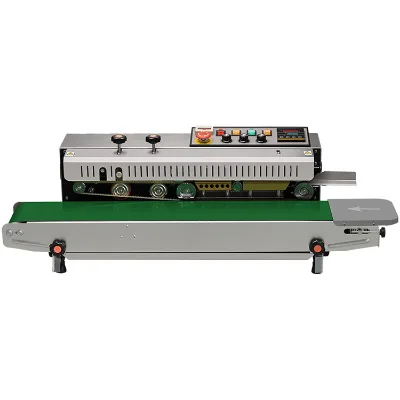
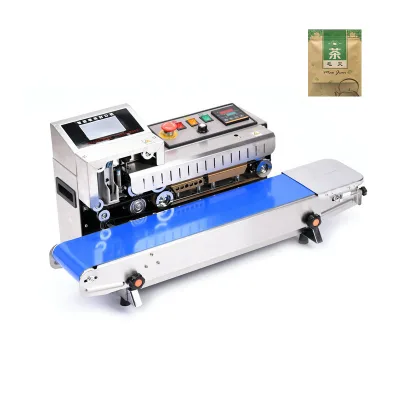
Automatic Heat Sealing Machine for Food Plastics Packages Plastic Pack Film Bag Sealer
$79.00 - $159.00
MOQ: 1 set
Hunan Lixing Automation Equipment Co., Ltd.
- Manufacturer
- Hunan, China
- Lead time10 days
- Avg. response≤ 4h
Main productsVacuum packaging machine,Multifunction packaging machine,Vertical packaging machine,Labeling machine,Wire disc packaging machine
Main marketsAfrica(30.00%), Northern Europe(15.00%), Eastern Europe(9.00%), Western Europe(8.00%), Oceania(7.00%), South America(5.00%), Domestic Market(5.00%), Mid East(5.00%), North America(5.00%), Southern Europe(3.00%), Southeast Asia(3.00%), South Asia(3.00%), Eastern Asia(1.00%), Central America(1.00%)
Guangxi Lanzhuoxin Inkjet Equipment Co., Ltd.
- Verified by TüVRheinland
- Trading Company
- Lead time0 days
- Avg. response≤ 1h
Main productsInkjet Printer, Laser Marking Machine, TIJ Inkjet Printer, CIJ Small Character Inkjet Printer, Ink Cartridge
Main marketsNorth America(30%), Western Europe(30%), Southeast Asia(25%)
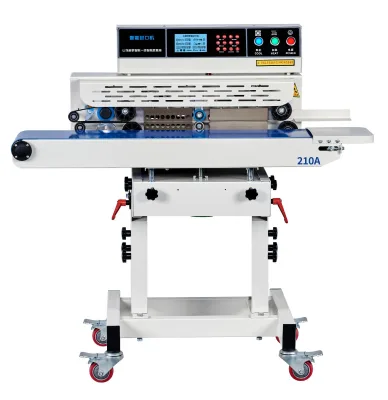
210A Vertical Continuous Intelligent Sealing Machine Multi-function Automatic Heat Sealing Machine
$1196.34 - $1608.87
MOQ: 1 Minimum
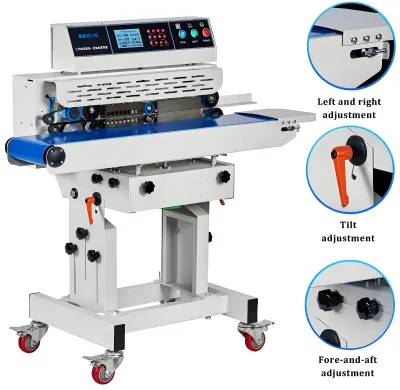
$1196.34 - $1608.87
MOQ: 1 Minimum

Hangzhou Evalcan Machinery & Equipment Co., Ltd.
- Verified by SGS
- Combined
- China Zhejiang
- Lead time30 days
- Avg. response≤ 2h
Main productsPacking Machine, Case Packer, Forming Filling Sealing Machine, Vegetable and Fruit Processing Machine, Evaporator, Juice Extraction Machine, Food Machine, Packaging Machine, Packing Line, Other Food Processing Machine
Main marketsEurope

Better Technology Group Limited
- Verified by CTI
- Manufacturer/Factory
- China Fujian
- Lead time23 days
- Avg. response≤ 3h
Main productsTurnkey Solution for Battery Manufacturing, Battery Production Equipment, Automatic Battery Assembly Line, Solar Home Energy Storage Battery, Small-Scale I&C Energy Storage Cabinet, Lithium Battery Manufacturing Machine, 4G+GPS Smart Start-Stop Lithium Battery, Lead-Acid to Lithium Battery Conversion, Portable Power Station, Lead Acid Batteries
Main marketsSouth America,Eastern Europe,Mid East,North America,Southeast Asia,Eastern Asia,Oceania,Western Europe,Africa

WENZHOU URBAN MACHINERY CO., LTD.
- Trading Company,Manufacturer/Factory
- China Zhejiang
- Lead time60 days
- Avg. response≤ 2h
Main productsCapsule Filling Machine, Blister Packing Machine, Box Packaging Machine, Capsule Counting Machine, Capsule Tablet Counting Production Line, Food Packaging Machine, Stationery Packing Machine, Vial Ampoule Syringe Packing Production Line, Oral Liquid Filling and Packing Line, Oral Liquid Capsule Filling and Sealing Machine
Main marketsSouth America,Eastern Europe,Mid East,North America,Southeast Asia,Eastern Asia,Oceania,Western Europe,Africa

Automatic Sealing Machine Automatic Heat Sealing Machine Packing and Sealing Machine
$15896.00 - $19635.00
MOQ: 1 Pieces

Automatic Heat Sealing Machine Filling and Sealing Machine Plastic Tube Sealing Machines
$17528.00 - $23698.00
MOQ: 1 Pieces

WILLITA INK JET TECHNOLOGY(WUHAN) CO.,LTD.
- Verified by SGS
- Combined
- China Hubei
- Lead time15 days
- Avg. response≤ 4h
Main productsInkjet Printer, Laser Marking Machine, Tij Inkjet Printer, Industrial Inkjet Printer, Inkjet Printer Inks, Handheld Inkjet Printer, Wall Printer
Main marketsSouth America,Africa,Southeast Asia/ Mideast,East Asia(Japan/ South Korea),Europe,Australia,North America


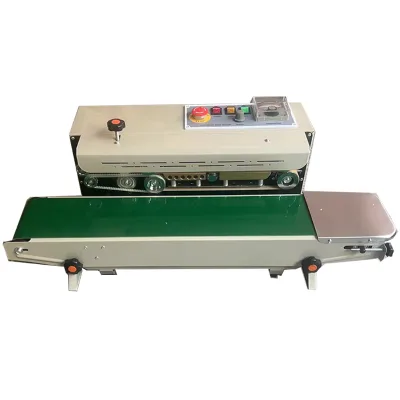
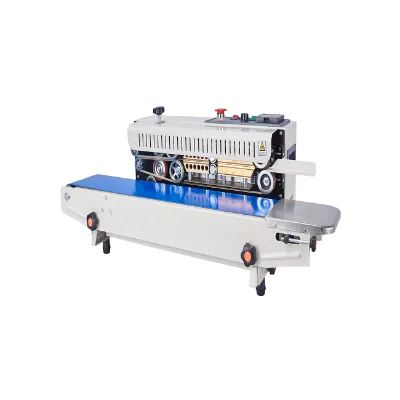
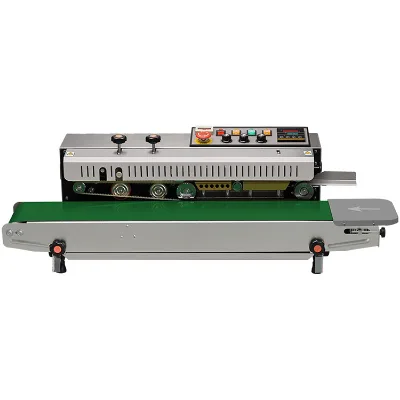
Automatic Horizontal Plastic Film Bags Heat Sealing Machine Continuous Sealer Machine
$419.00 - $470.00
MOQ: 1 Pieces

Zhengzhou Vtops Machinery Co., Ltd.
- Verified by TüVRheinland
- Manufacturer, Trading Company
- Lead time30 days
- Avg. response≤ 2h
Main productsAuger Filler Machine, Vibratory Filler Machine, Piston Filling Machine, Vertical Form Fill Sealing Machine, Pick Fill Seal Machine
Main marketsNorth America(35%), Western Europe(13%), Eastern Europe(7%)
Jingdezhen Huiju Technologies Co., Ltd.
- Verified by TüVRheinland
- Manufacturer, Trading Company
- Lead time5 days
- Avg. response≤ 3h
Main productsOil Press Machine, Egg Incubator, Poultry Feed Pellet Machine
Main marketsAfrica(30%), North America(25%), Southeast Asia(10%)

Ruian Xinyuan Packaging Machinery Co., Ltd.
- Manufacturer
- China Zhejiang
- Lead time15 days
- Avg. response≤ 1h
Main productsPacking Machinery
Main marketsSouth America,Southeast Asia/ Mideast,Europe
Henan Cyril Machinery Equipment Co., Ltd
- Trading Company
- He'nan, China
- Lead time10 days
- Avg. response≤ 4h
Main productsFilling Machine, Labeling Machine, Capping Machine, Packaging Machine, Coding Machine
Main marketsDomestic Market(40.00%), South America(15.00%), Mid East(10.00%), North America(5.00%), Western Europe(5.00%), Central America(5.00%), Southeast Asia(5.00%), South Asia(3.00%), Eastern Asia(2.00%), Oceania(2.00%), Southern Europe(2.00%), Northern Europe(2.00%), Africa(2.00%), Eastern Europe(2.00%)

Guangzhou Guanhe Light Industry Machinery Co., Ltd.
- Verified by SGS
- Trading Company,Manufacturer/Factory
- China Guangdong
- Lead time38 days
- Avg. response≤ 9h
Main productsFilling Machines, Packing Machine, Capping Machine, Sealing Machine, Labeling Machine, Bottle Washing Drying Machine, Bottle Unscrambling Machine, Conveying Machine, Filling Capping Machines, Mixing/Storage Tanks
Main marketsSouth America,Eastern Europe,Mid East,North America,Southeast Asia,Eastern Asia,Oceania,Western Europe,Africa

Anchor Automation Equipment (Shanghai) Co., Ltd
- Verified by SGS
- Combined
- China Shanghai
- Lead time60 days
- Avg. response≤ 4h
Main productsLabeling Machine, Sleeve Labeling Machine, Filling Machine, Heat Shrink Packaging Machine, Carton Packing Machine, Capping Machine, Automatic Bottles Unscrambler Machine
Main marketsSoutheast Asia/ Mideast
Hangzhou Top Well Imp. & Exp. Co., Ltd.
- Trading Company
- Zhejiang, China
- Lead time0 days
- Avg. response≤ 18h
Main productsPacking Machine,spray bottle,knapsack,sanitizer appliances,accessories
Main marketsSouth Asia(40.00%), Africa(20.00%), North America(15.00%), Domestic Market(5.00%), South America(5.00%), Central America(5.00%), Western Europe(5.00%), Mid East(5.00%)

Guangzhou ola Machinery Equipment Co., Ltd.
- Verified by SGS
- Combined
- China Guangdong
- Lead time23 days
- Avg. response≤ 3h
Main marketsDomestic
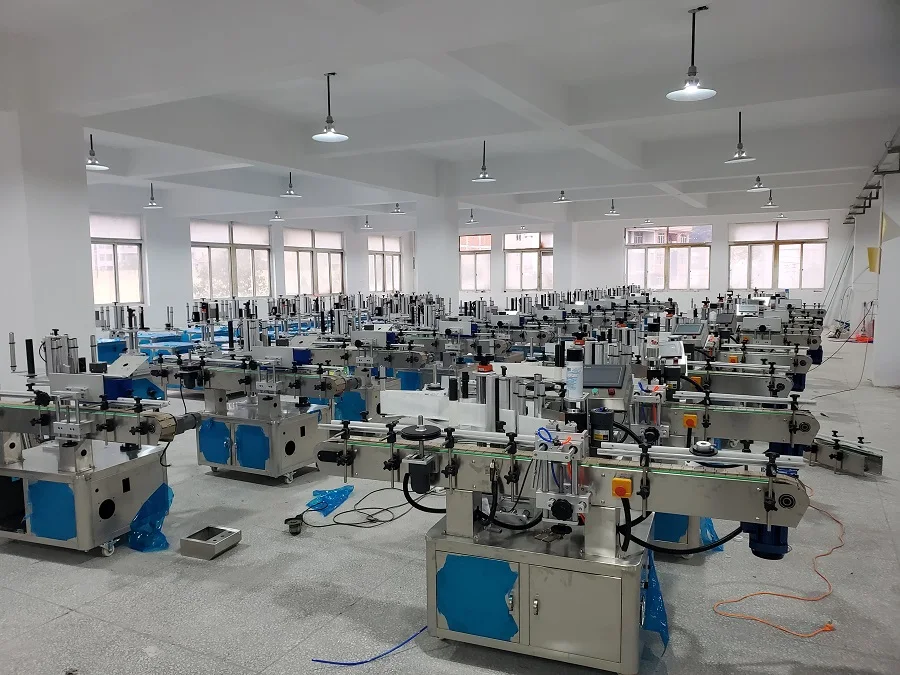
Jiaozuo Fonfar International Trade Co., Ltd.
- Trading Company
- Henan, China
- Lead time3 days
- Avg. response≤ 2h
Main productsPacking machine,Filling Machine,Capping Machine,Labeling Machine,Vacuum Packing Machine
Main marketsSoutheast Asia(23.00%), Eastern Asia(15.00%), South America(15.00%), Mid East(12.00%), Oceania(10.00%), Eastern Europe(6.00%), Western Europe(5.00%), North America(5.00%), Southern Europe(4.00%), Northern Europe(3.00%), Central America(2.00%)

HEBEI BEIBU MACHINERY TECHNOLOGY CO., LTD.
- Verified by SGS
- Trading Company
- China Hebei
- Lead time15 days
- Avg. response≤ 4h
Main productsGrain Cleaning Machine, Agro Cleaning Machine, Sesame Cleaning Machine, Soybean Cleaning Machine, Oil Making Machine, Soybean Oil Machine, Sesame Oil Machine, Peanut Shelling Machine, Peanut Butter Making Machine, Sesame Peeling Machine
Main marketsSouth America,Africa,Southeast Asia/ Mideast,Europe,North America
Hangzhou Tonchant Eco Friendly Technology Co., Ltd.
- Manufacturer, Trading Company
- Lead time旺季: "1 - 2":7,"> 2":"To be negotiated", 淡季: "1 - 2":7,"> 2":"To be negotiated"
- Avg. response≤ 2h
Main productsDrip Coffee Filter, Packaging Bag, Coffee Filter Paper, Empty Tea Bag, Coffee
Henan Jinfuda Trading Co., Ltd.
- Trading Company
- Lead time旺季: "1 - 50":30,"> 50":"To be negotiated", 淡季: "1 - 50":30,"> 50":"To be negotiated"
- Avg. response≤ 3h
Main productsFruit Vegetables Processing Machines, Meat Processing Machines, Bakery Pastry Processing Machines, Snack Processing Machines, Packaging Machines
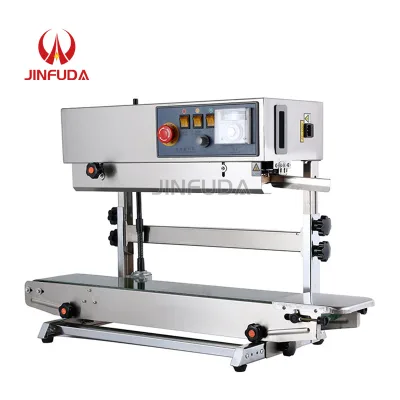
$142.9024 - $171.4865
MOQ: 2 sets
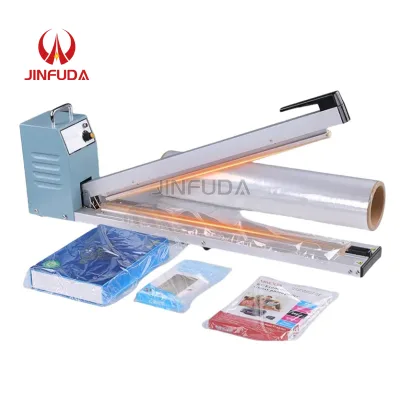
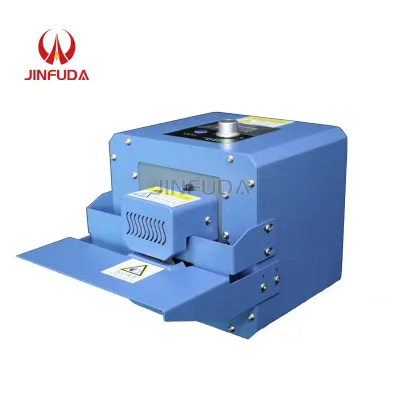
Automatic Continuous Sealing Machine Roller Type with Temp Control for Food Packaging
$72.4707 - $82.8245
MOQ: 1 sets
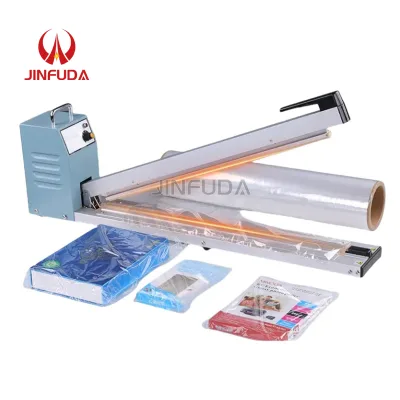
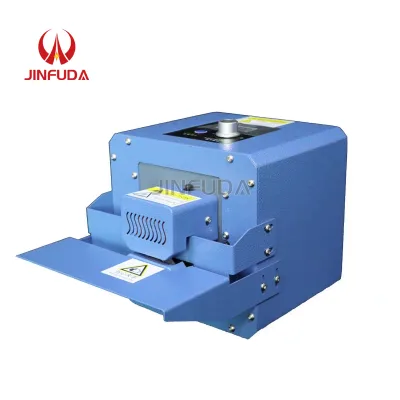
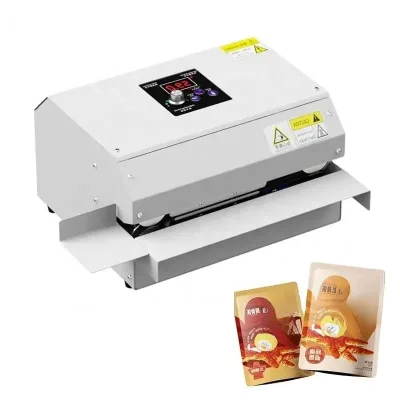
Continuous Heat Sealing Machine Desktop Type with Adjustable Temp for Food Small Packages
$71.8245 - $82.0855
MOQ: 1 sets
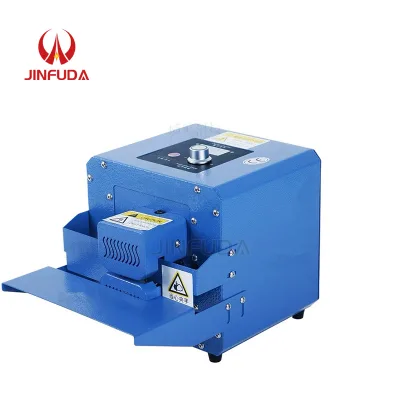
High Efficiency and Good Use Sealing Bag Machine Price Heat Sealer Plastic Bag
$75.00 - $100.00
MOQ: 1 pieces

Shandong Sapphire Packaging Machinery Co., Ltd.
- Verified by SGS
- Combined
- China Shandong
- Lead time15 days
- Avg. response≤ 4h
Main productsPallet Wrapping Packaging Machine, Vertical Coil Wrapping Machine, Horizontal Coil Wrapping Machine
Main marketsAfrica,East Asia(Japan/ South Korea),Europe

Liaoyang Shenzhou Machinery Equipment Co., Ltd.
- Verified by TUVRHEINLAND
- Trading Company
- China Liaoning
- Lead time30 days
- Avg. response≤ 3h
Main productsCentrifuge, Separator, Decanter Centrifuge, Coconut Oil Machine, Packing Machine, Drying Machine, Filling and Sealing Machine, Tubular Centrifuge, Disc Centrifuge, Pusher Centrifuge
Main marketsSouth America,Africa,Southeast Asia/ Mideast,East Asia(Japan/ South Korea),Domestic,Europe,Australia,North America
- Verified by Intertek
- Trading Company
- Lead time7 days
- Avg. response≤ 1h
Main productsFruit Vegetable Machine, Meat Processing Machine, Pastry Bakery Machine, Snack Machine, Feed Processing Machine
Zhongshan Chengwang Electric Appliance Manufacturing Co., Ltd.
- Manufacturer, Trading Company
- Guangdong, China
- Lead time0 days
- Avg. response≤ 3h
Main productsAutomatic Cup Sealing Machine, Dough Mixer, Steam Boiling Water Machine
Main marketsDomestic Market(90.00%), Southeast Asia(4.00%), South Asia(3.00%), Western Europe(3.00%)
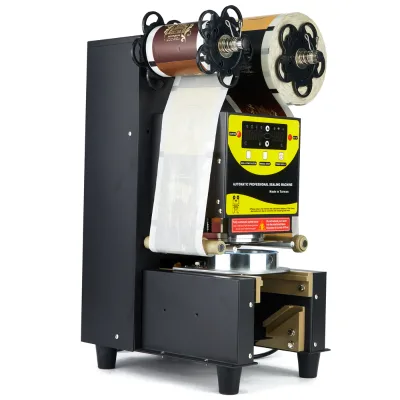
$102.4655 - $184.4388
MOQ: 1 pieces
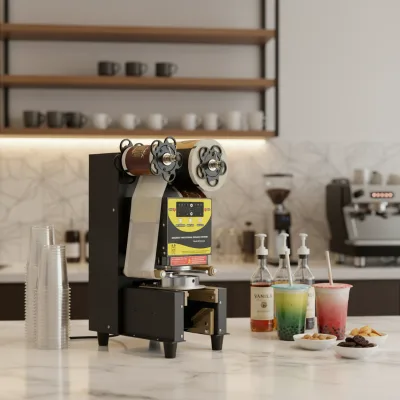
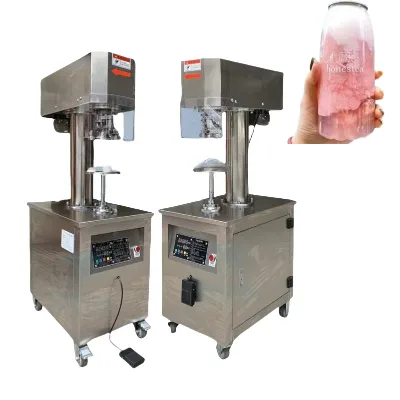
Commercial Stainless Steel Sealing Machine
$100.00 - $180.00
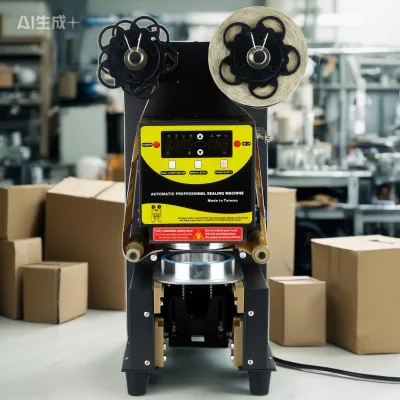
the Best-selling Fully Automatic Sealing Machine Is Suitable for Beverages.
$102.6765 - $184.8188
MOQ: 1 pieces
Foshan Shunde Maoduoyu Trading Co., Ltd.
- Manufacturer, Trading Company, Distributor/Wholesaler
- Guangdong, China
- Lead time0 days
- Avg. response≤ 1h
Main productsIndustrial machinery,Commercial machinery,Packaging machinery,Filling machinery,Food machinery
Main marketsNorth America(50.00%), Southeast Asia(10.00%), Mid East(10.00%), Central America(10.00%), Domestic Market(5.00%), Western Europe(5.00%), Northern Europe(3.00%), South Asia(2.00%), Oceania(1.00%), Eastern Asia(1.00%), Eastern Europe(1.00%), South America(1.00%), Africa(1.00%)
Luohe Quality Mechanical Equipment Co., Ltd.
- Verified by SGS Group
- Manufacturer, Trading Company
- Lead time10 days
- Avg. response≤ 2h
Main productsPackaging Machines
Main marketsNorth America(30%), Southeast Asia(20%), Eastern Europe(15%)

Hualian Machinery Group Co., Ltd.
- Verified by TUVRHEINLAND
- Combined
- China Zhejiang
- Lead time30 days
- Avg. response≤ 11h
Main productsMachine, Packing Machine, Shrink Packing Machine, Sealing Machine, Packaging Machine, Vacuum Machine, Carton Sealer, Strapping Machine, Coding Machine, Carton Packaging Line
Main marketsOthers(foreignTradeCapacity.exportBusinessCapacityMarketOther)


High Efficiency Automatic Sealing Machine with Max Packing Height 150mm
$6000.00 - $8030.00
MOQ: 1 Sets

Wenzhou Furi Packaging Machinery Co., Ltd.
- Combined
- China Zhejiang
- Lead time30 days
- Avg. response≤ 3h
Main productsCap Machine, 5 Gallon Cap Labeling Sealing Machine, Cap Wadding Machine, Paper Pipe Labeling Machine, Cap Assembly Machine, Bottle Cap Processing Equipment, Cap Liner Inserting Machine, Drink Straw Machine, Cap Packing Machine, 5 Gallon Cap Lining Machine
Main marketsDomestic
Jiaozuo Forward Machine Co., Ltd.
- Verified by SGS Group
- Trading Company
- Lead time10 days
- Avg. response≤ 4h
Main productsChocolate Machine, Wax Melting Machine, Freeze Dry Machine, Waffle Machine, Food Grinder
Main marketsEastern Asia(20%), Southeast Asia(19%), North America(10%)
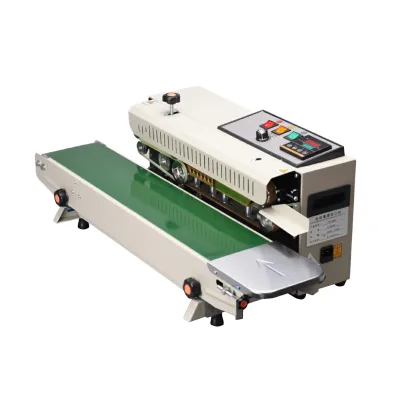
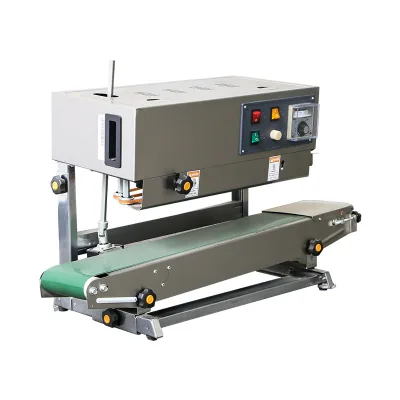


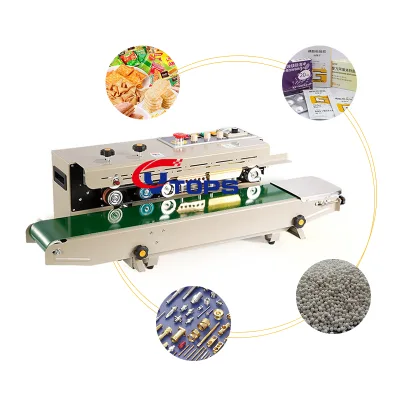


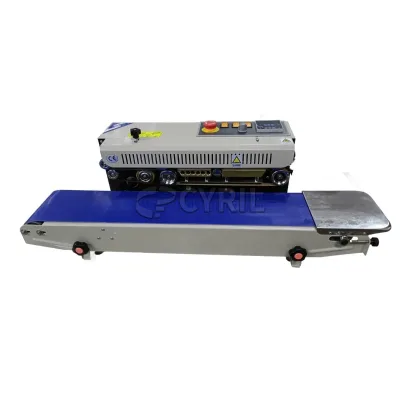
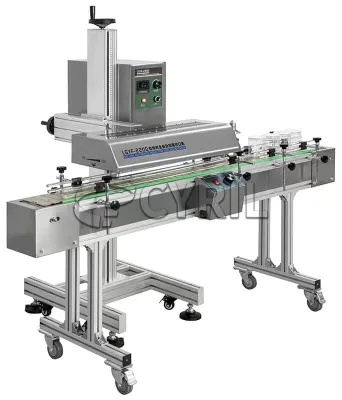
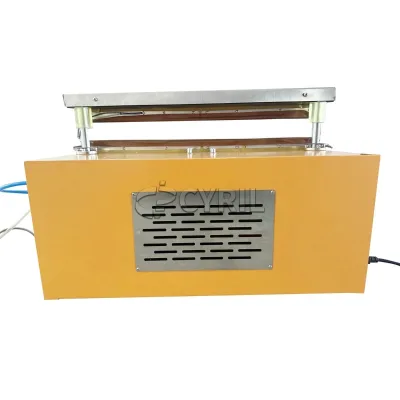
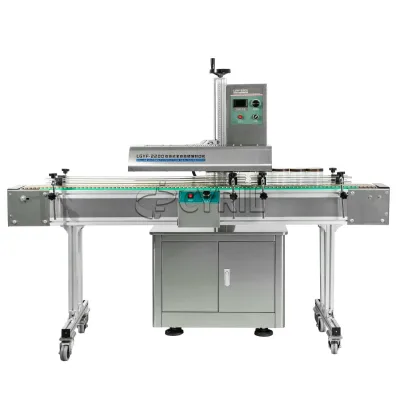


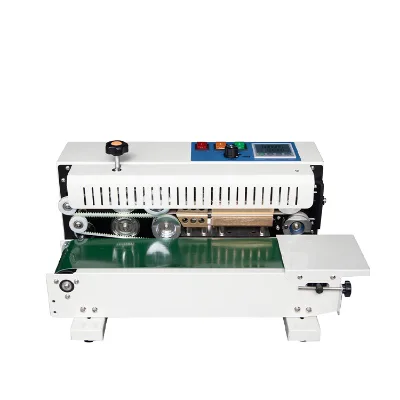
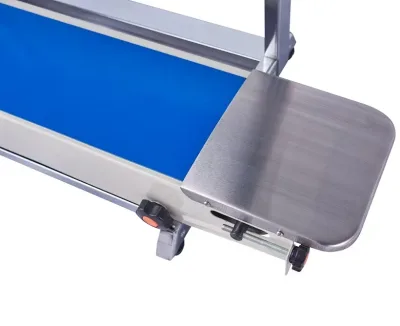


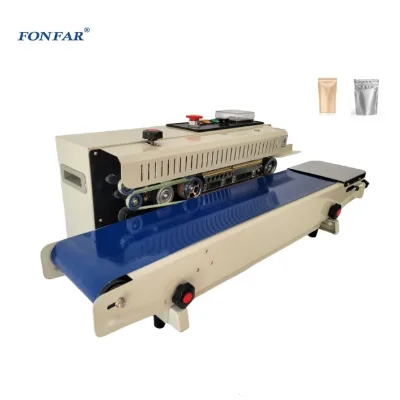
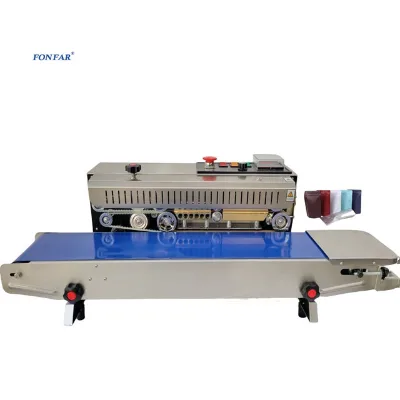
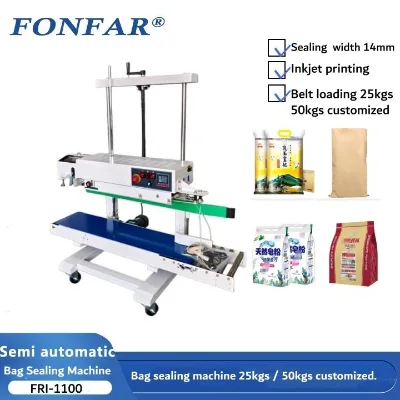


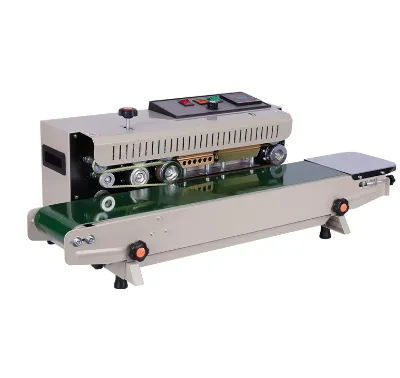
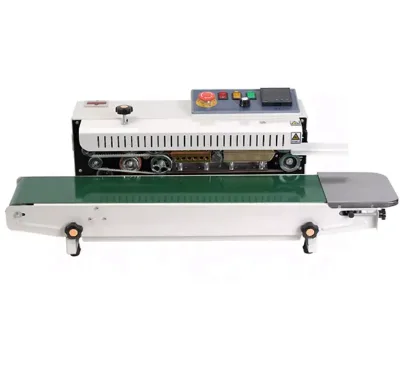
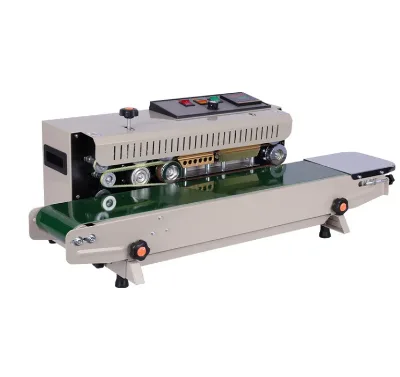


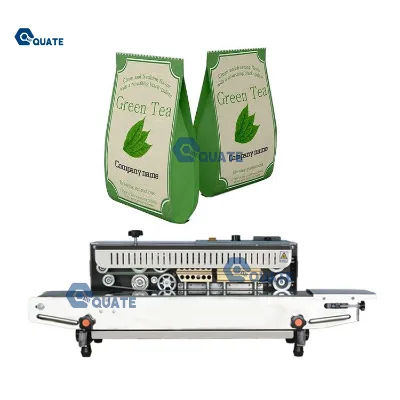
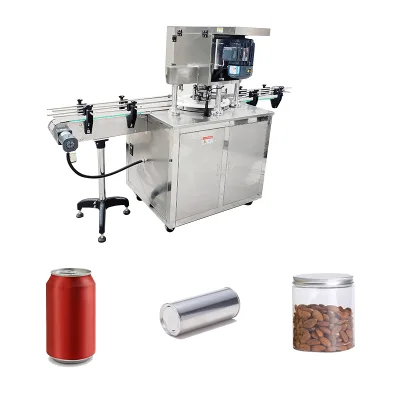


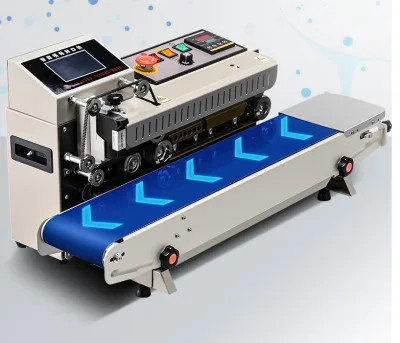
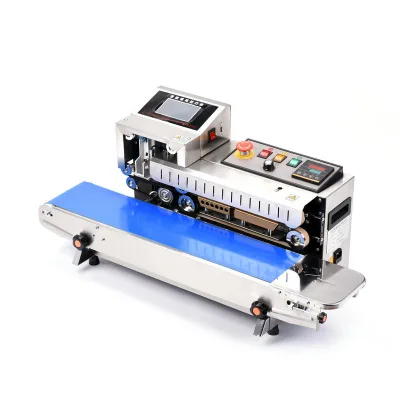
Comprehensive Sourcing Guide
Continuous Automatic Heat Sealing Machine Supplier Concentration and Factory Types
The current supplier landscape for continuous automatic heat sealing machines reveals a distinct split between trading companies and direct manufacturers, primarily concentrated in specific Chinese provinces. Data indicates that suppliers are located in regions such as Shandong and Hunan, with some results pointing to Guangdong for advanced models. This geographic distribution suggests that buyers can find a variety of operational models depending on their specific sourcing needs. For instance, one observed supplier type is a trading company based in Shandong, which offers a broad range of packaging equipment including sealing machines, packing machines, and labeling machines. In contrast, other results identify manufacturers in Hunan that specialize in vacuum packaging and multifunctional packaging machines. This distinction is critical because trading companies may offer a wider catalog of related accessories, while manufacturers might provide more direct control over production specifications and customization options.
Understanding the company type is essential for evaluating the supply chain structure. Trading companies often act as intermediaries, aggregating products from various factories to offer a one-stop solution for buyers who need multiple types of packaging machinery. The presence of a trading company in the results, verified by TÜV Rheinland, suggests that even non-manufacturers undergo rigorous verification processes. On the other hand, manufacturers, such as those in Hunan, typically focus on specific product lines like continuous sealing machines or vertical packaging machines. These entities often highlight their core components, such as gears, motors, and PLCs, indicating a deeper technical capability in machine assembly. Buyers should assess whether they prioritize the breadth of product offerings found with trading companies or the specialized manufacturing expertise and potential for direct customization offered by factories. This choice will influence lead times, communication efficiency, and the ability to resolve technical issues during the procurement process.
How to Verify Continuous Automatic Heat Sealing Machine Suppliers
Verification is a critical step in ensuring the reliability of suppliers offering continuous automatic heat sealing machines. The data shows that several suppliers have undergone third-party verification, with TÜV Rheinland being a prominent certifier mentioned in the results. This verification status provides a layer of confidence regarding the supplier's business legitimacy and operational stability. Buyers should prioritize suppliers with such verified badges, as it indicates that an independent agency has assessed their company profile and potentially their physical premises. Additionally, the presence of system certifications, such as CE marks observed for some inkjet and marking machine suppliers, suggests that certain manufacturers adhere to international safety and quality standards. While not all sealing machine suppliers in the current results display explicit system certifications, the verification status serves as a strong proxy for trustworthiness. Buyers must actively check for these badges on supplier profiles to mitigate the risk of engaging with unverified entities.
Beyond verification badges, buyers should scrutinize the technical documentation and product attributes provided by suppliers. The results indicate that some suppliers provide machinery test reports, which are crucial for validating the performance and safety of the equipment. For example, one supplier explicitly states that machinery test reports are provided, offering proof of quality control measures. Furthermore, the detailed product attributes, such as core components (PLC, gear, gearbox, motor) and warranty terms (1 Year), provide insight into the supplier's transparency and confidence in their products. Buyers should request these documents and specifications before placing orders to ensure that the machines meet their operational requirements. It is also important to verify the after-sales service provisions, such as online support, video technical support, and free spare parts, which are listed for some suppliers. These services are vital for maintaining the continuous automatic heat sealing machines over their lifespan, ensuring minimal downtime and sustained production efficiency.
What to Compare Across Continuous Automatic Heat Sealing Machine Suppliers
When evaluating suppliers, buyers must compare key operational metrics such as lead times, response times, and minimum order quantities (MOQs). The data reveals significant variation in these areas, with lead times ranging from 0 to 30 days. A supplier with a 0-day lead time might indicate stock availability or rapid processing capabilities, while a 30-day lead time suggests a more standard production cycle. Response times also vary, with some suppliers responding within 1 hour and others taking up to 4 hours or more. Faster response times are indicative of efficient customer service teams, which can be crucial for resolving queries and negotiating terms quickly. Additionally, MOQs are observed to be as low as 1 unit, allowing buyers to test the market or purchase small batches without significant inventory commitment. Comparing these metrics helps buyers identify suppliers that align with their urgency and volume requirements, ensuring a smoother procurement experience.
Price and product specifications are equally important factors in the comparison process. The price range for continuous automatic heat sealing machines varies, with some models priced between $59 and $99, while others range from $79 to $159, and some specialized units are priced around $110 to $160. Buyers should analyze these prices in conjunction with the product features, such as automatic grade, sealing width, and power consumption. For instance, machines with higher power ratings (e.g., 960W vs. 150W) or advanced features like PLC control systems may command higher prices. It is also essential to compare the customization options available, as some suppliers offer customizable sealing widths and machine materials (carbon steel vs. stainless steel). By systematically comparing these attributes, buyers can determine the best value proposition, balancing cost with performance and durability. This holistic approach ensures that the selected supplier meets both budgetary and technical expectations.
Common Continuous Automatic Heat Sealing Machine Sourcing Risks
One significant risk in sourcing continuous automatic heat sealing machines is the potential mismatch between advertised specifications and actual product performance. Suppliers may list generic attributes that do not fully reflect the machine's capabilities, such as sealing speed or material compatibility. For example, while some machines are advertised for plastic bags, others may support a wider range of materials including paper and foil. Buyers must verify these specifications through detailed product attributes and, if possible, request samples or video demonstrations. Another risk is the variability in after-sales support quality. Although some suppliers offer comprehensive support including video technical support and free spare parts, others may only provide basic online support. Inadequate after-sales service can lead to prolonged downtime if technical issues arise, impacting production schedules. Buyers should carefully review the after-sales service provisions and consider the supplier's reputation and response history to mitigate this risk.
Another common risk is the inconsistency in lead times and delivery reliability. While some suppliers claim rapid lead times, actual delivery may be delayed due to production bottlenecks or logistical issues. The data shows lead times ranging from 0 to 30 days, but these are estimates and may not always be met. Buyers should communicate clearly with suppliers about production schedules and request regular updates during the manufacturing process. Additionally, there is a risk associated with the quality of core components. Machines with lower-quality gears, motors, or PLCs may have shorter lifespans and higher maintenance costs. Buyers should inquire about the brands and origins of these components to ensure they meet industry standards. By proactively addressing these risks through thorough due diligence and clear communication, buyers can protect their investments and ensure a successful sourcing outcome.
Continuous Automatic Heat Sealing Machine Regional Sourcing and Logistics
The geographic location of suppliers plays a crucial role in determining logistics costs and delivery times. The current results indicate that suppliers are primarily located in China, with specific concentrations in Shandong, Hunan, and Guangdong provinces. Each of these regions may offer different logistical advantages depending on the buyer's location. For instance, suppliers in Shandong and Hunan may have established shipping routes to various international ports, while those in Guangdong might benefit from proximity to major manufacturing hubs and export centers. Buyers should consider the proximity of the supplier to their own location to minimize shipping costs and transit times. Additionally, the type of packaging used by suppliers, such as wooden crates or cartons, can impact the safety of the machines during transit. Ensuring that the supplier uses appropriate packaging materials is essential to prevent damage during shipping.
Logistics planning also involves understanding the import regulations and customs procedures in the buyer's country. Different regions may have varying requirements for machinery imports, including certifications and documentation. Buyers should verify that the suppliers can provide all necessary documents, such as commercial invoices, packing lists, and certificates of origin. Furthermore, the choice of shipping method, whether by sea or air, will affect the overall cost and delivery speed. Sea freight is generally more cost-effective for heavy machinery, while air freight may be suitable for urgent orders. Buyers should work with their freight forwarders to determine the most efficient shipping method based on their specific needs. By carefully planning the logistics and considering the regional advantages of different supplier locations, buyers can optimize their supply chain and reduce overall procurement costs.
Continuous Automatic Heat Sealing Machine Commercial Terms and Order Planning
Commercial terms, including payment methods and warranty conditions, are vital components of the sourcing process. The data shows that many suppliers offer a 1-year warranty, which provides a safety net for buyers against early failures. Buyers should ensure that the warranty terms are clearly stated in the contract and cover both parts and labor. Additionally, the availability of customization options, such as adjustable sealing widths and machine materials, allows buyers to tailor the machines to their specific production needs. These customizations may incur additional costs, so buyers should negotiate these terms carefully. It is also important to clarify the payment terms, such as whether deposits are required or if full payment is due upon shipment. Understanding these commercial terms helps buyers manage their cash flow and financial risk effectively.
Order planning involves determining the appropriate quantity and timing of purchases based on production demands. The low MOQs observed, such as 1 unit, allow buyers to start with small orders and scale up as needed. This flexibility is beneficial for testing the market or adjusting to changing production requirements. Buyers should also consider the lead times when planning their orders to avoid stockouts or production delays. By aligning their order quantities with their production schedules and negotiating favorable commercial terms, buyers can optimize their procurement strategy. Furthermore, maintaining a good relationship with suppliers through consistent communication and timely payments can lead to better service and potential discounts in the future. Effective order planning and commercial negotiation are key to building a sustainable and efficient supply chain for continuous automatic heat sealing machines.
FAQs
What is the price range for continuous automatic heat sealing machines?
Prices typically range from $59 to $160 per unit depending on the model and specifications. Some basic units start at $79 while more advanced configurations with higher speed capabilities may reach $159. Buyers should verify the exact cost for their specific production requirements and volume needs.
What is the minimum order quantity for these sealing machines?
The minimum order quantity is generally one unit, allowing buyers to purchase single machines for testing or small-scale operations. This low MOQ facilitates easier entry for new businesses or those requiring specific customization without committing to large bulk orders immediately.
How long does delivery take for these packaging machines?
Lead times vary significantly, ranging from zero days for immediate availability to thirty days for standard production runs. Some suppliers offer rapid turnaround times, while others require longer preparation periods. Buyers should confirm specific delivery schedules with the supplier before placing an order.
What certifications do these machines typically hold?
Many machines carry CE certification, ensuring compliance with European safety standards. Some suppliers also provide TÜV Rheinland verification for additional quality assurance. Buyers should request specific certification documents to verify compliance with local regulations and industry standards before finalizing purchases.
What after-sales support is available for these machines?
Support options often include online technical assistance, video guidance, and free spare parts. Some manufacturers provide comprehensive warranty coverage for one year. Buyers should confirm the specific support terms and availability of replacement components to ensure long-term operational reliability.
Where are these sealing machines manufactured?
Manufacturing locations include regions such as Shandong, Hunan, and Guangdong in China. Different factories specialize in various aspects of packaging machinery production. Buyers should verify the specific origin to assess logistics costs and supply chain reliability for their region.