Eco Friendly Inflatable Life Ring Suppliers and Manufacturers
Compare 21 verified suppliers of Eco Friendly Inflatable Life Ring from Zhejiang, China based on certifications like CE and ISO, lead times, and response rates. Review product specs and request quotes to proceed with sourcing; review the available evidence before requesting comparable quotations from suitable candidates.
Updated
Suppliers List

NINGBO MERCE TECHNOLOGY CO., LTD.
- Verified by TUVRHEINLAND
- Trading Company,Manufacturer/Factory
- China Zhejiang
- Lead time23 days
- Avg. response≤ 2h
Main productsLifejacket, Floating Pontoon, Inflatable Fender, Lifebuoy, Pilot&Embarkation Ladder, Liferaft, Breathing Apparatus, Load Test Waterbag, Lifeline, Used Marine Appliance
Main marketsSouth America,Eastern Europe,Mid East,North America,Southeast Asia,Eastern Asia,Oceania,Western Europe,Africa
- Trading Company
- Zhejiang, China
- Lead time0 days
- Avg. response≤ 1h
Main productsfolding stool,Travel Bag,Swimming Pool Float,Inflatable Sofa,Swimming rings
Main marketsNorth America(50.00%), Eastern Europe(20.00%), South America(18.00%), Western Europe(10.00%), Mid East(1.00%), Eastern Asia(1.00%)
Xiamen Double-S Lifesaving Products Co., Ltd.
- Verified by Intertek
- Manufacturer, Trading Company
- Lead time30 days
- Avg. response≤ 3h
Main productsLife Jacket, Waterproof Bag
Jiangsu Baizhou Safety Technology Co., Ltd.
- Verified by Intertek
- Manufacturer, Trading Company
- Lead time20 days
- Avg. response≤ 5h
Main productsLife Jacket, GFRP, Life Buoy, Rescue Tube, Hardware
Main marketsDomestic Market(50%), North America(18%), Africa(17%)
Shenzhen Cadomi Technology Co., Ltd.
- Manufacturer, Trading Company, Other
- Guangdong, China
- Lead time15 days
- Avg. response≤ 7h
Main productswater freight,winter sports,sports bag,Outdoor sports,Indoor activities
Main marketsDomestic Market(40.00%), North America(25.00%), Southeast Asia(20.00%), Mid East(8.00%), South Asia(3.00%), South America(2.00%), Central America(2.00%)

Chongqing Gathering Marine Equipment Co., Ltd.
- Verified by BV
- Trading Company,Manufacturer/Factory
- China Chongqing
- Lead time45 days
- Avg. response≤ 4h
Main productsLifesaving, Marine Equipment, Fire Fighting Equipment, Bow Thruster, Diesel Engine, Azimuth Thruster, Fifi System, Water Treatment Equipment, Oily Water Separator, Marine Sewage Treatment Equipment
Main marketsSouth America,Eastern Europe,Mid East,North America,Southeast Asia,Eastern Asia,Oceania,Western Europe,Africa

Throwing Automatic Inflatable Rescue Ring Fast Life Saving Device Life Buoy
$15.00 - $38.10
MOQ: 10 Pieces

Inflatable Lifebuoy Portable Belt Inflatable Lifebuoy Portable Lifebelt
$25.00 - $38.00
MOQ: 10 Pieces

High Buoyancy Swimming Ring Inflatable Life Buoy Automatic Inflation with 150n
$30.00 - $50.00
MOQ: 2 Pieces

2.5kg Personalized Marine Life Ring Buoy Orange Swimming Pool Life Ring for Sale
$15.50 - $20.00
MOQ: 1 Pieces


Yiwu Kland Plastic Products Co., Ltd.
- Trading Company
- Zhejiang, China
- Lead time30 days
- Avg. response≤ 2h
Main productsAir Bed, Air Swimming Pool, Folding Bathtub, Paddling Paddle Board, Inflatable Toys
Main marketsWestern Europe(25.00%), North America(20.00%), South America(15.00%), Central America(6.00%), Eastern Europe(6.00%), Northern Europe(5.00%), Africa(5.00%), Mid East(5.00%), Southern Europe(4.00%), Southeast Asia(4.00%), Eastern Asia(3.00%), Oceania(2.00%)

MAX (HK) INDUSTRIAL CO., LIMITED
- Verified by SGS
- Trading Company,Manufacturer/Factory,Group Corporation
- China Guangdong
- Lead time23 days
- Avg. response≤ 2h
Main productsInflatable Promotion Items, Inflatable Pool Float, Inflatable Swimming Tools, Inflatable Hot Air Balloon, Mascot Costume, Inflatable Sofa or Furniture, Inflatable Moon House Bouncer, Inflatable Castle and Sports Game, Inflatable Commerical Ad Display, Inflatable Outdoor Camping Prodcuts
Main marketsSouth America,Eastern Europe,Mid East,North America,Southeast Asia,Eastern Asia,Oceania,Western Europe,Africa

Guangzhou Barry Industrial Co., Ltd.
- Verified by CTI
- Combined
- China Guangdong
- Lead time15 days
- Avg. response≤ 1h
Main productsInflatable Water Park, Inflatable Sport Game, Inflatable Water Slide, Swimming Pool, Bouncy Castle, Inflatable Dock, Air Track, Inflatable Theme Park, Inflatable Tent, Inflatable Obstacle Course
Main marketsSouth America,Southeast Asia/ Mideast,East Asia(Japan/ South Korea),Domestic,Europe,Australia,North America
Jiangsu Baizhou Trading Co., Ltd.
- Manufacturer, Trading Company
- Jiangsu, China
- Lead time30 days
- Avg. response≤ 6h
Main productsLife Jacket, Life Buoy, Life Saving Equipment, Marine Equipment, Outdoor Equipment
Main marketsSoutheast Asia(30.00%), Africa(15.00%), Eastern Europe(15.00%), Domestic Market(15.00%), Mid East(15.00%), Western Europe(10.00%)
Hangzhou Jixin Imp. & Exp. Co., Ltd.
- Manufacturer, Trading Company
- Lead time旺季: "1 - 1000":35,"1001 - 1500":40,"1501 - 2000":45,"> 2000":"To be negotiated", 淡季: "1 - 1000":35,"1001 - 1500":40,"1501 - 2000":45,"> 2000":"To be negotiated"
- Avg. response≤ 2h
Main productsFolding Chairs,Camping Tents,Sleeping bags,Beach lounges,Hammocks
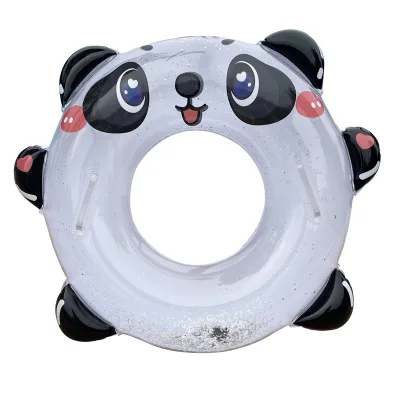
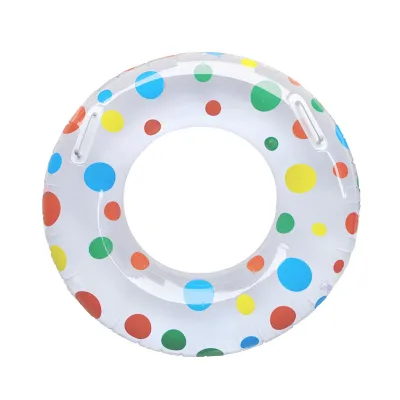
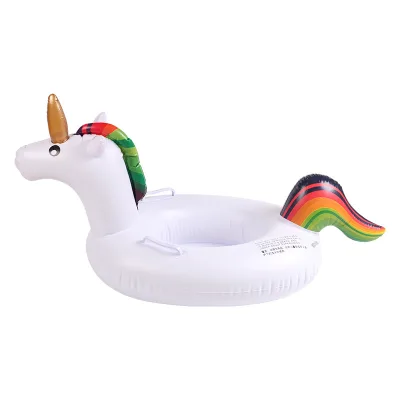
Crystal Ring PVC Inflatable Underarm Life Ring Thickened 3D Adult Swimming Ring
$0.78 - $0.81
MOQ: 1000

Jiangsu Baizhou Safety Technology Co., Ltd.
- Combined
- China Jiangsu
- Lead time15 days
- Avg. response≤ 4h
Main productsLife Jacket, Inflatable Life Jacket, Life Buoy, Rescue Tube, FRP Box, Fire Hose Box, Scba
Main marketsSouth America,Africa,Southeast Asia/ Mideast,East Asia(Japan/ South Korea),Domestic,Europe,Australia,North America
Shanghai Jilong Sport And Leisure Products Co., Ltd.
- Verified by TüVRheinland
- Manufacturer, Trading Company
- Lead time45 days
- Avg. response≤ 3h
Main productsAir Bed, Swimming Pool, Inflatable Water Toys, Inflatable Sup Board, Inflatable SPA
Main marketsNorth America(15%), Northern Europe(15%), South America(10%)

- Trading Company,Manufacturer/Factory
- China Guangdong
- Lead time23 days
- Avg. response≤ 3h
Main productsBow Thrusters, Windlasses, Winches, Capstan, Lifeboat, Mooring Bollards, Centrifugal Pumps, Gangway Ladder, Accommodation Ladder, Panama Chocks
Main marketsSouth America,Eastern Europe,Mid East,North America,Southeast Asia,Eastern Asia,Oceania,Western Europe,Africa
Zhangjiagang Jiekang Medical Equipment Co., Ltd.
- Verified by TüVRheinland
- Manufacturer, Trading Company
- Lead time20 days
- Avg. response≤ 5h
Main productsStretcher, Spine Board, Splints, Life Vest, First Aid Kit
Main marketsSouth America(30%), North America(20%), Domestic Market(8%)
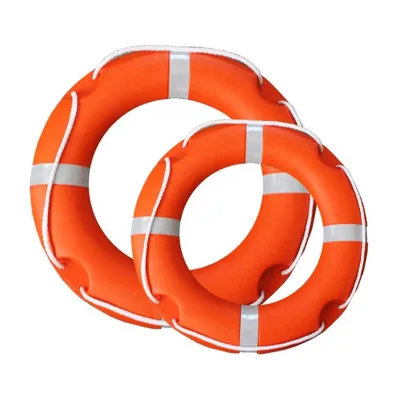
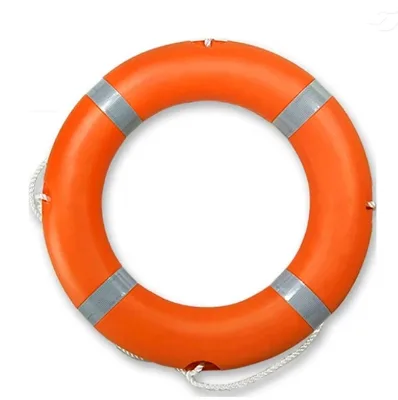
New Style Marine Inflatable Life Saving Ring Buoys Swimming Pool Life Saver
$10.3311 - $15.4967
MOQ: 1 pieces
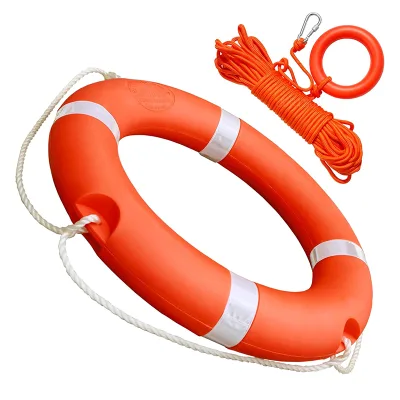
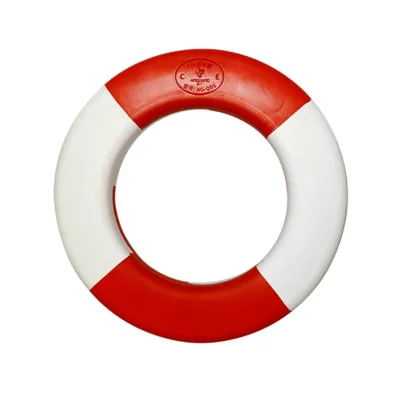
Boat Safety Throw Rings Life Buoy Ring with Water Floating Lifesaving Rope Compiled with Solas
$10.2741 - $12.3293
MOQ: 1 Minimum
Jiangsu Bright Trading Co., Ltd.
- Trading Company
- Jiangsu, China
- Lead time15 days
- Avg. response≤ 8h
Main productsPollution prevention equipment,Fire fighting equipment,Life-saving equipment,Diving equipment,Marine equipment
Main marketsDomestic Market(50.00%), Southeast Asia(7.00%), South Asia(7.00%), Mid East(6.00%), North America(5.00%), Eastern Asia(5.00%), Oceania(5.00%), Eastern Europe(3.00%), Southern Europe(3.00%), Western Europe(3.00%), Central America(2.00%), Northern Europe(2.00%), Africa(1.00%), South America(1.00%)
Jiangmen Lexing Leisure Products Co., Ltd.
- Verified by SGS Group
- Manufacturer, Trading Company
- Lead time30 days
- Avg. response≤ 2h
Main productsInflatable Swim Pool, Inflatable Bathtub, Inflatable Pool Float, Inflatable Punching Bag, Inflatable Baby Chair
Main marketsNorth America(40%), Eastern Asia(20%), South America(10%)
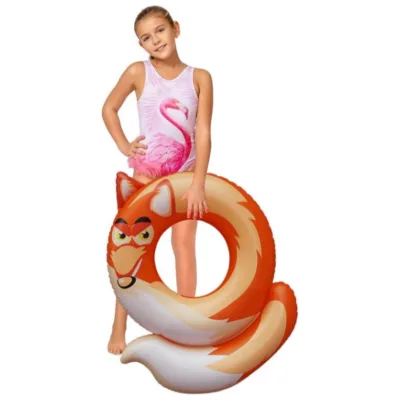
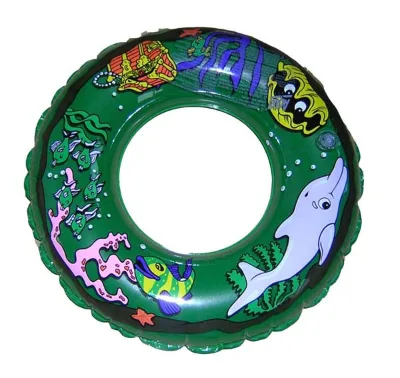
High Buoyancy Life Buoy With High Buoyancy for Emergency Water Rescue Beach Pool Safety
$4.1897 - $4.8268
MOQ: 500 pieces
Shenzhen Hoverstar Innovations Technology Co.,Ltd
- Verified by Intertek
- Manufacturer, Trading Company
- Lead time40 days
- Avg. response≤ 3h
Main productsElectric Mini Jet Boat, Electric Surfboard, Underwater Scooter, Remote Controlled Lifebuoy, Water Rescue Rowing Boat
Main marketsNorth America(26%), Western Europe(23%), Southeast Asia(19%)

SHANDONG XINCHENG PIPE CO., LTD.
- Verified by BV
- Combined
- China Shandong
- Lead time15 days
- Avg. response≤ 9h
Main productsDredging Floats, Buoys, Rotational Moulding, Dredging Pipe, Fishing Boat, Farm Machinery Ceiling, Rotomolded Tank, Rubber Hose, Customized Rotomolded Products
Main marketsSouth America,Southeast Asia/ Mideast,Domestic,North America

Polyurethane Foam Injected Into Polyethylene Shell Life Buoys Ring Buoys Life Rings
$15.00 - $30.00
MOQ: 1 Sets


Guangdong Water Crown Environment Technology Co.,Ltd.
- Verified by TUVRHEINLAND
- Combined
- China Guangdong
- Lead time30 days
- Avg. response≤ 2h
Main productsGarden Fountain, Music Fountain, Swimming Pool Heater, Swimming Pool Waterfall, Swimming Pool Pump, Swimming Pool Filter, Swimming Pool Liner, Swimming Pool Light, Swimming Pool Ladder, Bobby Pins
Main marketsOthers(foreignTradeCapacity.exportBusinessCapacityMarketOther)
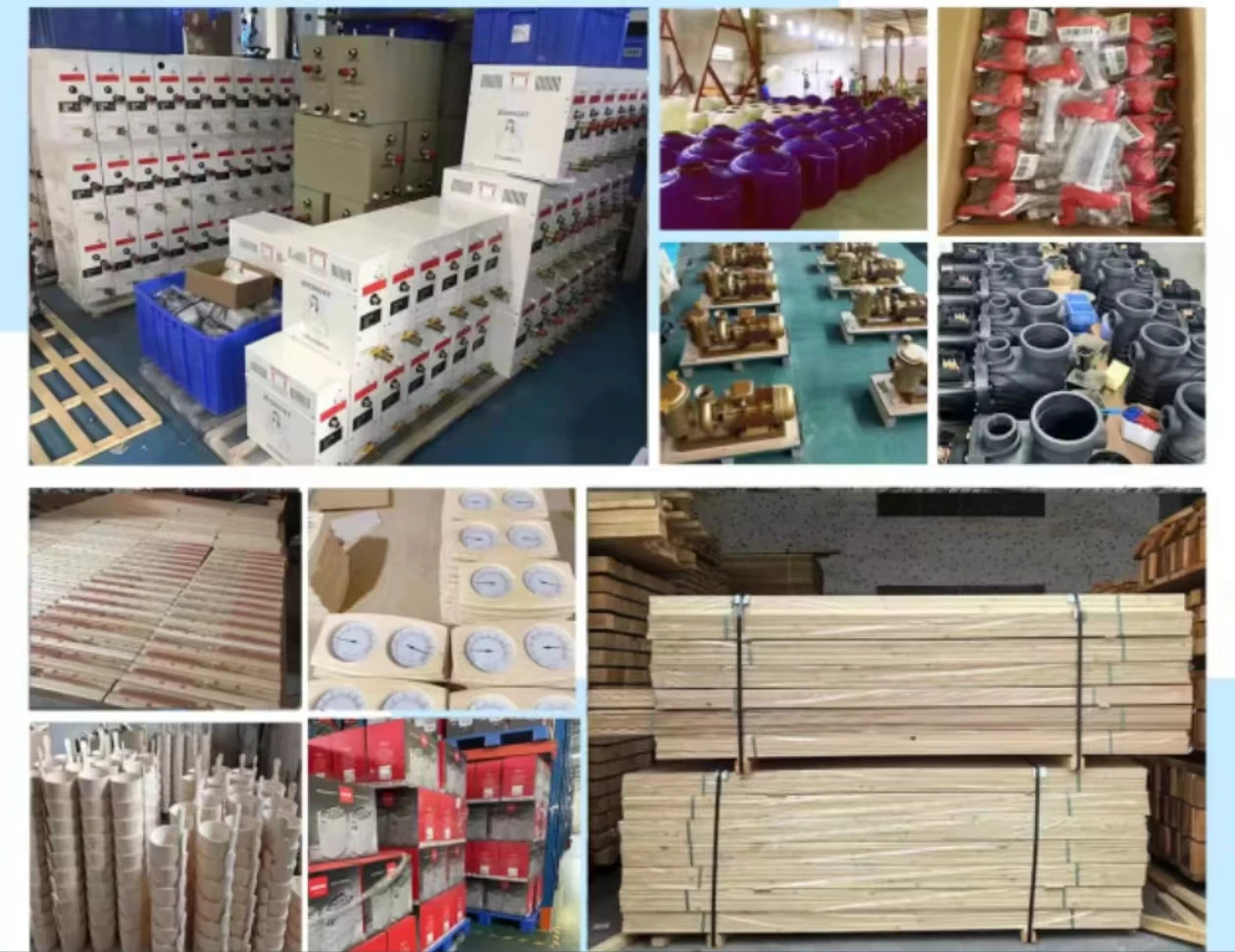
Guangzhou Lingshi Recreation Equipment Co., Ltd.
- Manufacturer, Trading Company, Distributor/Wholesaler
- Guangdong, China
- Lead time10 days
- Avg. response≤ 3h
Main productspool accessories,pool spa products,pool fittings,sauna heater,sauna generator
Main marketsSouth America(12.00%), Eastern Europe(12.00%), Domestic Market(11.00%), Southeast Asia(11.00%), Mid East(11.00%), South Asia(8.00%), North America(8.00%), Northern Europe(8.00%), Africa(4.00%), Southern Europe(4.00%), Eastern Asia(3.00%), Western Europe(3.00%), Oceania(3.00%), Central America(2.00%)


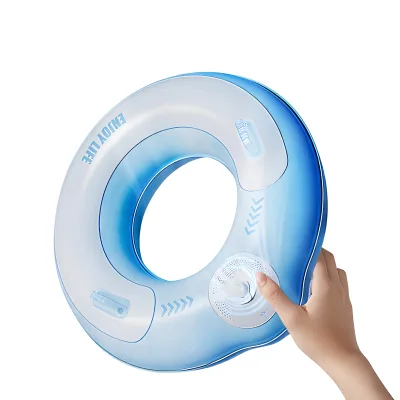
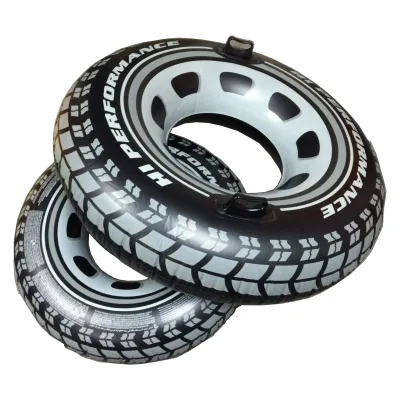
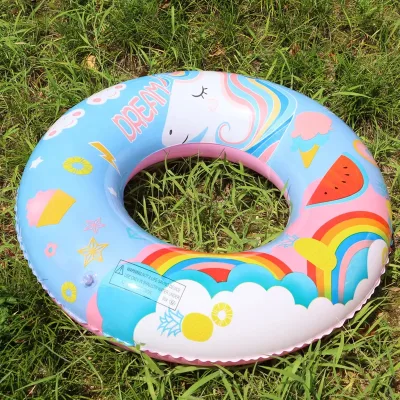
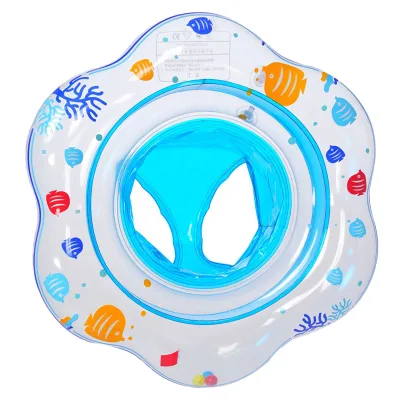








Comprehensive Sourcing Guide
Eco Friendly Inflatable Life Ring Supplier Concentration and Factory Types
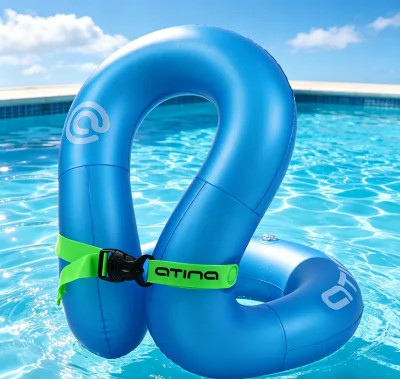
Buyers searching for Eco Friendly Inflatable Life Ring products will find that listed suppliers in this category cluster heavily in Zhejiang, China, which appears both as a company location and as a stated place of origin for individual products such as retro striped PVC children's lifebuoy swimming rings. This concentration matters because a regional cluster typically means easier factory visits, consolidated freight, and faster sampling loops. However, not every result carries a location label, so buyers should treat Zhejiang as a confirmed anchor point and verify any unlisted supplier's base directly before planning travel or freight consolidation around it.
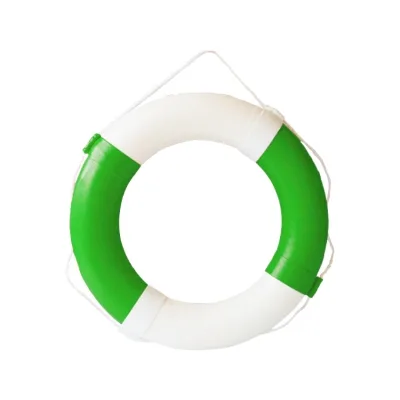
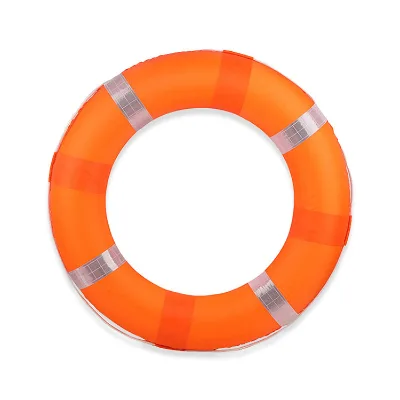
Supplier types in this category split between trading companies and combined manufacturer/factory operations. The manufacturer-side listings cover a broad marine safety portfolio, including lifejackets, lifebuoys, inflatable fenders, liferafts, pilot and embarkation ladders, lifelines, and load test waterbags, which signals genuine production tooling for inflatable and foam lifesaving equipment. Pure trading companies, by contrast, list products such as swimming pool floats, inflatable sofas, swimming rings, and folding stools, pointing toward general PVC inflatables manufacturing they resell rather than operate. Both models can work for an Eco Friendly Inflatable Life Ring program: factories suit custom buoyancy ratings and certification-driven marine work, while traders often offer faster access to swimming-ring-style consumer products. Matching supplier type to your product spec—regulated marine lifebuoy versus recreational swim ring—is the first structural decision to make.
How to Verify Eco Friendly Inflatable Life Ring Suppliers
Verification should start with third-party audit signals shown on the listing. Some suppliers in this category display TÜV Rheinland verification and an ISO 9001 system certification, which are meaningful starting filters because they indicate an external body has reviewed operations and quality management. Additional signals worth checking include stated company type (trading company versus manufacturer/factory), the breadth of main products, and whether the supplier offers OEM, ODM, or own-brand capacity—some listings show all three, including an own brand label alongside custom manufacturing services. Absence of a displayed credential is not proof of a problem, but it is a prompt to request documentation yourself.
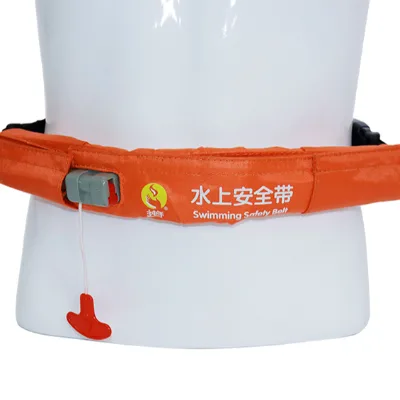
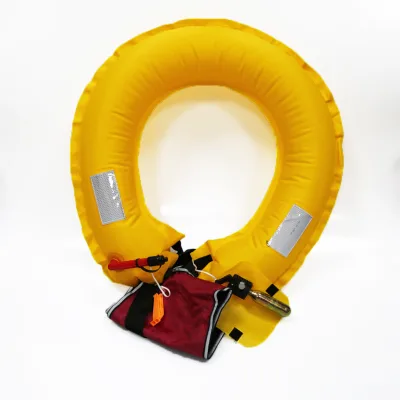
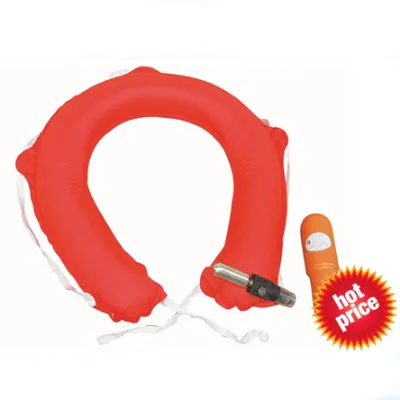
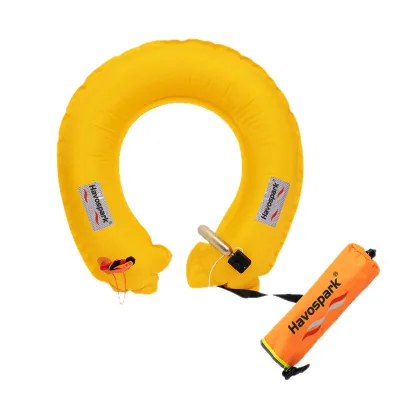
Product-level verification is equally important because an eco friendly claim must be supported by material and compliance evidence. One listed personal inflatable lifebelt ring carries CE certification and specifies water repellent polyester construction, 150N buoyancy, inflation in under five seconds, under 0.8kg weight, and buoyancy loss under five percent after 24 hours. A belt-style life ring lists CCS and CE certificates plus ISO, GL/EC certifications on related items. Buyers should ask each supplier for the actual certificate numbers behind these labels, confirm which material substitutions deliver the eco friendly attribute—recycled PVC, phthalate-free plasticizers, or TPU—and request test reports proving environmental claims. Finally, cross-check that the displayed product attributes match what the factory can reproduce consistently at your order volume, since listing data and production reality can diverge.
What to Compare Across Eco Friendly Inflatable Life Ring Suppliers
Build a comparison grid using the supplier-label dimensions available on the platform rather than assumptions. Useful columns include location (Zhejiang appears repeatedly, but confirm each listing), company type, main products, response time, lead time, MOQ, verification status, system certification, and R&D capacity. Response times in this result set range from under one hour to under two hours, and lead times range widely between listings, so record the displayed values and treat them as baseline negotiation points rather than guarantees. Do not assume every supplier displays every attribute; where a field is blank, request the value directly and note whether the answer comes promptly and precisely.
On the product side, compare technical attributes across the listings you shortlist. Displayed buoyancy standards vary from 75N belt-style life rings to 110N, 130N, and 150N models; inflation times run under five seconds; CO2 cylinder sizes (17g on one model), valve types, and activation modes (manual, auto, or both) differ by product. Price bands on listed items run roughly from $30 to $45 per unit, and MOQs range from one piece on some inflatable life ring listings to carton-based packing like 15 pieces per carton on others. Compare packaging format (PP bag versus carton), accessory sets (whistles, SOLAS reflective tape), and validity periods alongside price, because these materially change landed cost and suitability for your market.
Common Eco Friendly Inflatable Life Ring Sourcing Risks
The largest risk in this category is the ambiguity of the eco friendly claim itself. Listings in this space describe materials as PVC or water repellent polyester, and one child-focused product is labeled eco-friendly, but none of the visible data specifies recycled content percentages, plasticizer type, or environmental certifications. A buyer who orders based on a marketing adjective alone may receive standard PVC. Mitigate this by requiring written material specifications, third-party test reports for restricted substances, and pre-shipment samples tested against your own environmental criteria before mass production is approved.
Other risks stem from mismatched supplier profiles and product categories. A trading company specializing in swimming pool floats, inflatable sofas, and children's swim rings is unlikely to support certified marine lifebuoy work that requires SOLAS-standard compliance, which one listed throw-over life buoy references. Conversely, a marine safety factory may quote higher minimums and longer lead times for a simple recreational ring. Watch also for data inconsistencies in listings themselves—spelling variants like "Caton" for carton, mixed certification strings, or buoyancy figures presented in multiple formats—since sloppy listing data often predicts sloppy order handling. Finally, verify that displayed lead times and response speeds hold up under your actual inquiry: ask a technical question about eco material options and measure how substantively the supplier answers before committing to a deposit.
Eco Friendly Inflatable Life Ring Regional Sourcing and Logistics
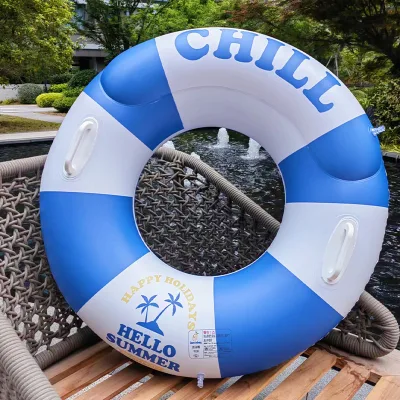
Zhejiang, China is the only region supported by the evidence on this page, appearing as both supplier location and product place of origin, and it is a recognized dense area for inflatable and water safety products. For a buyer, sourcing from a confirmed cluster shortens the sample loop: factory visits, material supplier introductions, and third-party inspection bookings can all be arranged within one trip. When other listings lack a location label, ask each supplier for their factory address and province early, because freight quotation, consolidation possibilities, and audit scheduling all depend on it. If your shortlist spans multiple provinces, weigh whether one cluster visit can cover enough candidates to justify the travel.
Logistics planning should account for the physical profile of inflatable life rings. Displayed single-package data for a PVC swim ring shows a compact 20x20x2 cm size and 0.4 kg gross weight, which makes these products cheap to freight relative to rigid safety equipment; carton packing of 15 pieces per carton appears on a 150N lifebelt listing. Confirm packed dimensions and carton quantities in writing, since volumetric weight drives air freight cost and container loading calculations. Lead times displayed in this category vary between suppliers, so request the lead time applicable to your specific customization—color, buoyancy rating, eco material swap—rather than the catalog default, and build inspection time before shipment into the schedule.
Eco Friendly Inflatable Life Ring Commercial Terms and Order Planning
Commercial terms should be structured around the low minimums this category often allows. Several displayed listings state an MOQ of one piece, including a throw-over inflatable life saving ring and personal lifesaving belt rings, which makes sampling inexpensive and lets you validate quality before scaling. Listed unit price ranges run from about $30 for a 75N automatic belt life ring to $35–$45 for throw-over and 150N models, though prices change with customization and volume, so treat them as reference points and request quotations tied to your exact specification, including the eco material requirement.
Order planning should sequence customization, certification, and payment protection deliberately. One supplier offers OEM, ODM, and own-brand manufacturing capacity, so decide early who holds the design and whether branding is exclusive to you. For payment, check what transaction protection the platform offers—escrow-style arrangements are common on B2B marketplaces, and some listings may display escrow status, but confirm the actual payment terms per supplier rather than assuming coverage. Tie final payment to passed inspection covering buoyancy retention (listed products claim under five percent loss after 24 hours), inflation time, material composition, and eco compliance documents. Finally, since the child swim ring listing shows packaging details available only via online consultation, confirm carton specs, marking, and inner packaging in writing before production so the goods arrive retail-ready and freight-optimized.
FAQs
What certifications do these life rings have?
Manufacturers in Zhejiang, China, typically provide CE, ISO, CCS, and GL/EC certifications for their inflatable life rings. These standards ensure the equipment meets international safety requirements for professional aquatic use. Buyers should verify specific certificates for their target market before placing orders.
What is the typical lead time for orders?
Lead times for these products generally range from zero to twenty-three days depending on the supplier type. Trading companies often offer faster turnaround times compared to manufacturers. Buyers should confirm exact delivery schedules with the supplier to ensure timely arrival for their specific project needs.
What is the minimum order quantity required?
The minimum order quantity for these inflatable life rings is typically one piece. This low MOQ allows buyers to test product quality and performance before committing to larger bulk orders. It is an ideal option for small-scale procurement or initial sampling requirements.
How quickly do suppliers respond to inquiries?
Supplier response times are generally fast, averaging around one to two hours. Quick communication ensures that buyers can clarify technical specifications and pricing details efficiently. Prompt responses are crucial for maintaining project timelines and resolving any immediate sourcing questions during the procurement process.
What is the price range for these items?
Prices for inflatable life rings typically range from thirty to forty-five US dollars per unit. The cost varies based on buoyancy, certification, and customization options. Buyers should request detailed quotes to understand the final pricing structure, including packaging and shipping costs for their specific order volume.
What materials are used in construction?
These life rings are commonly constructed from water-repellent polyester or durable PVC materials. The materials are selected for their eco-friendly properties and resistance to harsh marine environments. Buyers should check specific product attributes to ensure the material meets their durability and environmental standards.