eco-friendly non-toxic coin bank Suppliers and Manufacturers
Compare 30 verified suppliers offering eco-friendly non-toxic coin banks with details on certifications like BSCI, ISO 9001, and EN 71. Review lead times, MOQs, and response times to source custom resin or plastic money boxes from factories in China; review the available evidence before requesting comparable quotations from suitable candidates.
Updated
Suppliers List

Quanzhou Wutongcrafts Co., Ltd.
- Verified by CTI
- Manufacturer/Factory
- China Fujian
- Lead time30 days
- Avg. response≤ 5h
Main productsResin Figurine, Snow Globe, Fridge Magnets, Tourist Souvenirs, Garden Ornaments, Holiday Decorations, Madonna Statue, Bobble Head, Polyresin Statue, Polyresin Flower Pot
Main marketsSouth America,Eastern Europe,North America,Oceania,Western Europe,Africa


Basketball Piggy Bank for Boys Sports Coin Bank Resin Money Bank for Desktop Decoration
$1.00 - $5.00
MOQ: 500 Pieces


Dongguan Jiujie Toys Manufacturing Co., Ltd.
- Verified by Intertek
- Manufacturer, Trading Company
- Lead time25 days
- Avg. response≤ 7h
Main productsRubber Duck, Piggy Bank, Eye Popper Keychains, Plastic Figures, Squishy Toys
Main marketsSoutheast Asia(38%), North America(28%), Eastern Europe(15%)
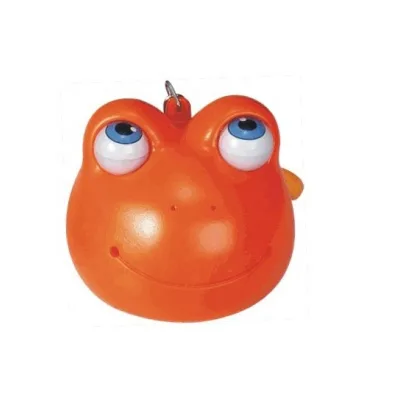
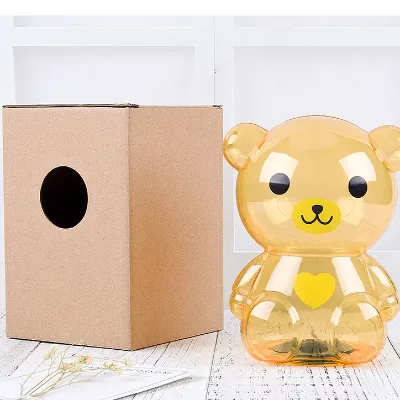
$1.2891 - $1.5455
MOQ: 1000 pieces
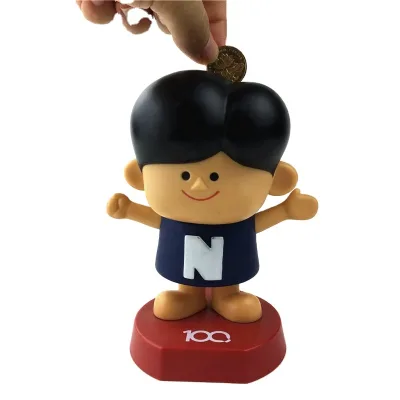
Hangzhou Baodengda Tin Co., Ltd.
- Verified by TüVRheinland
- Manufacturer, Trading Company
- Zhejiang, China
- Lead time30 days
- Avg. response≤ 2h
Main productsTin Boxes, Metal Boxes, Tea Cans, Biscuit Cans, Candy Cans
Main marketsEastern Europe(20%), North America(17%), Southern Europe(15%)
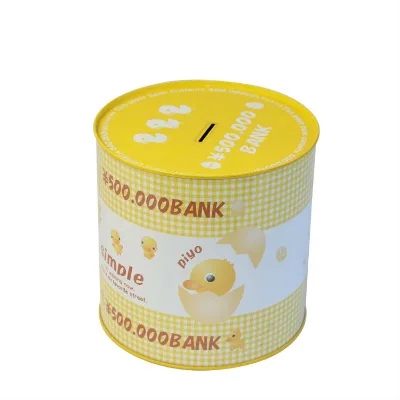
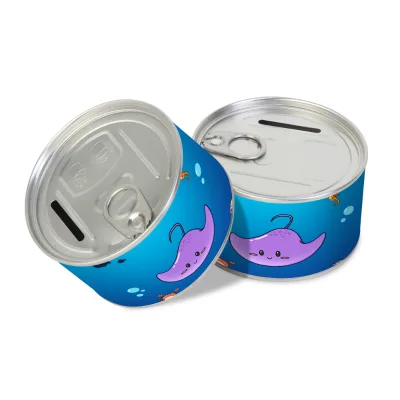
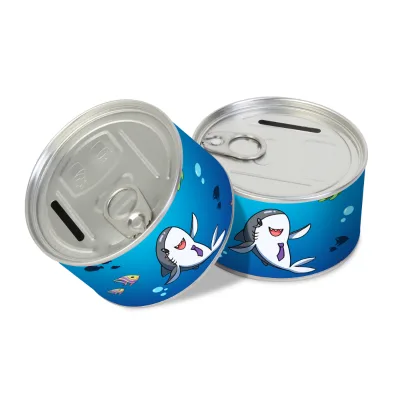
Round Shape Cute Printing Unique Coin Banks Promotional Coin Saving Bank for Children
$0.40 - $0.45
MOQ: 20000 pieces
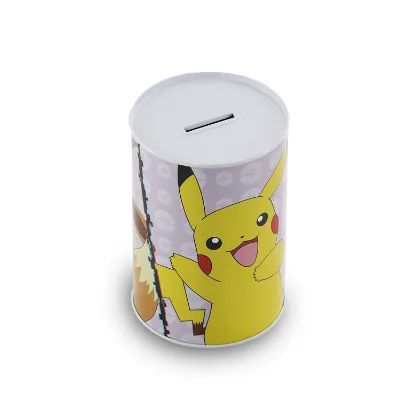
Tinplate Material Money Bank Cartoon Piggy Bank Metal Money Bank Money Storage
$0.40
MOQ: 20000 pieces

TAIZHOU HARSOUL IMP. & EXP. CO., LTD.
- Trading Company
- China Zhejiang
- Lead time30 days
- Avg. response≤ 15h
Main productsPromotion Gifts, Promotional Bag, Promotional Jewelry, Promotional Toys, Promotional Stationery, Promotional Plastic Goods
Main marketsOthers(foreignTradeCapacity.exportBusinessCapacityMarketOther),Europe,North America

Eco-Friendly Plastic Saving Box Children's Piggy Bank Plastic Coin Bank
$3.00 - $4.00
MOQ: 1000 Pieces


Custom Money Box Saving Bank/Cartoon Money Saving Box/ Cartoon Coin Bank
$2.00 - $3.00
MOQ: 5000 Pieces


Huizhou Huiyang Joinfun Electronic & Plastic Factory
- Verified by TüVRheinland
- Manufacturer, Trading Company
- Lead time20 days
- Avg. response≤ 9h
Main productsPlastic Toys
Main marketsNorth America(39%), Southeast Asia(11%), Western Europe(9%)
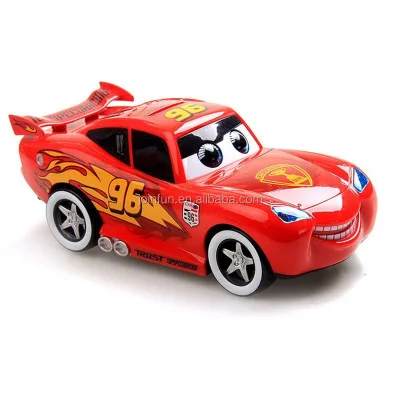
Custom Coin Bank; Custom Plastic Coin Bank; Plastic Car Shaped Coin Bank
$0.29 - $0.76
MOQ: 2000 Minimum
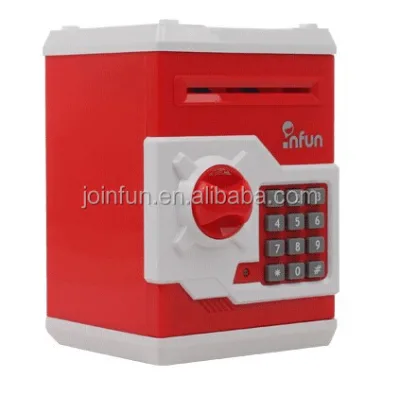
Custom Atm Coin Bank, Plastic Mini Atm Coin Bank,OEM Plastic Mini Atm Toy Bank
$0.7495 - $1.1512
MOQ: 2 Minimum

LEEWING TRADING COMPANY LIMITED
- Trading Company
- Hong Kong S.A.R.
- Lead time30 days
- Avg. response≤ 6h
Main productsCoin Banks,Vinyl Ducks,Rubber Ducks,PP Non Woven Bags,Bathing Toys
Main marketsWestern Europe(25.00%), Northern Europe(10.00%), North America(10.00%), Oceania(10.00%), Africa(8.00%), Domestic Market(5.00%), Central America(5.00%), Eastern Europe(5.00%), Eastern Asia(5.00%), Southern Europe(5.00%), South America(5.00%), Mid East(3.00%), Southeast Asia(2.00%), South Asia(2.00%)
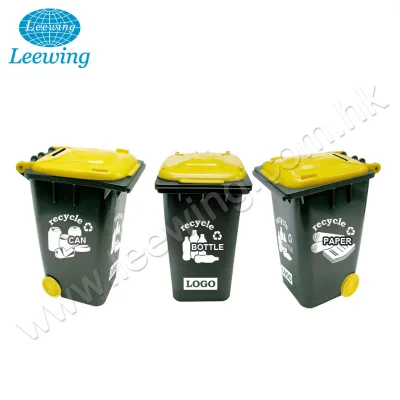
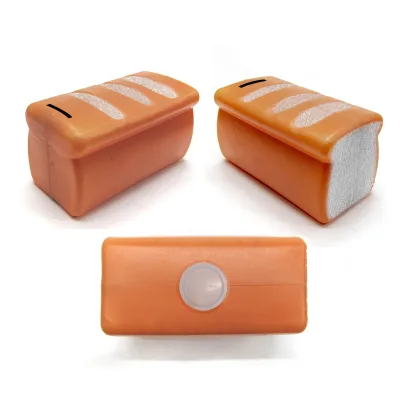
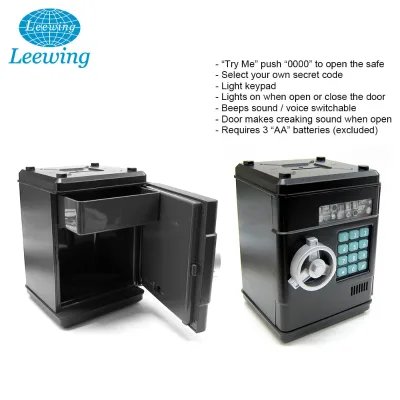
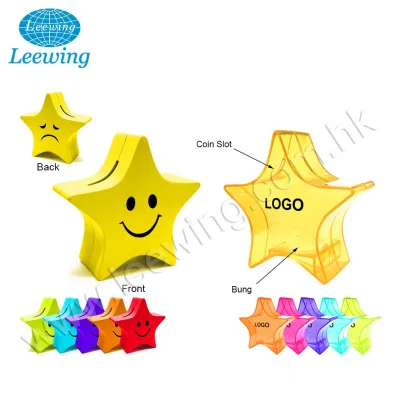
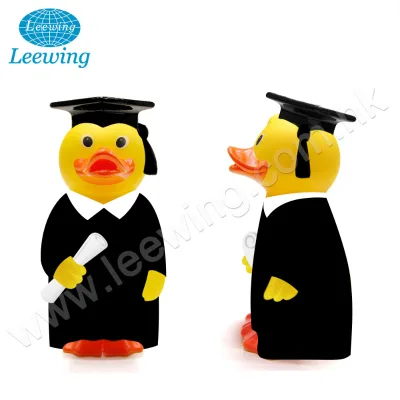
High Quality Plastic Vinyl Yellow Duck Coin Bank Money Saving Box Graduation Gift
$0.80 - $2.00
MOQ: 1000 Minimum

Jinjiang Jiayi Supply Chain Management Co., Ltd.
- Verified by BV
- Trading Company
- China Fujian
- Lead time30 days
- Avg. response≤ 2h
Main productsGift, Shoe, Garment, Machine
Main marketsDomestic
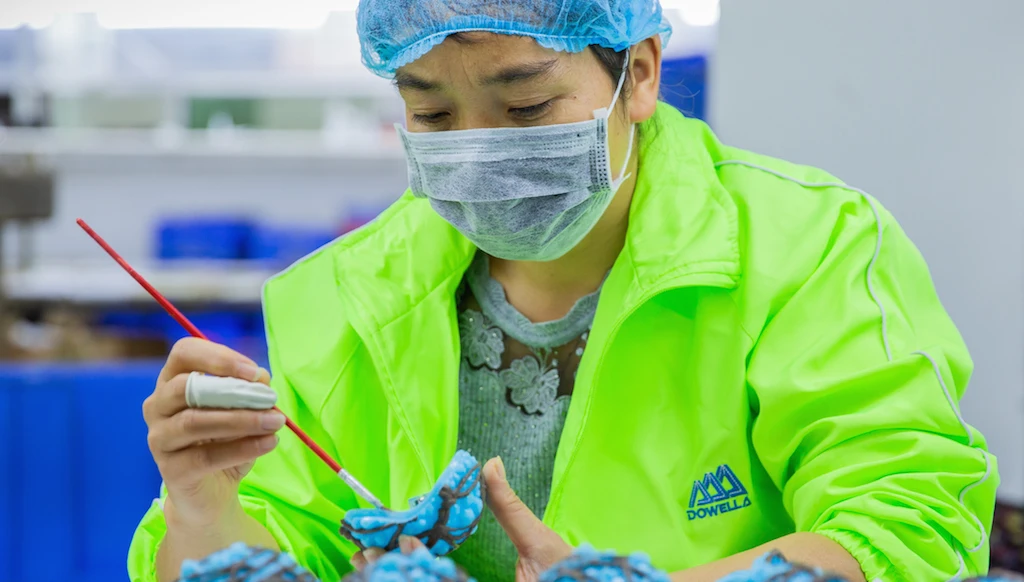
Shenzhen Dowella Plastic & Electric Co., Ltd.
- Manufacturer, Trading Company
- Guangdong, China
- Lead time35 days
- Avg. response≤ 2h
Main productspvc animal,tpr animal,silicone wrist
Main marketsNorthern Europe(16.67%), Mid East(16.67%), Eastern Europe(16.67%), South America(16.67%), North America(16.67%), Western Europe(6.00%)
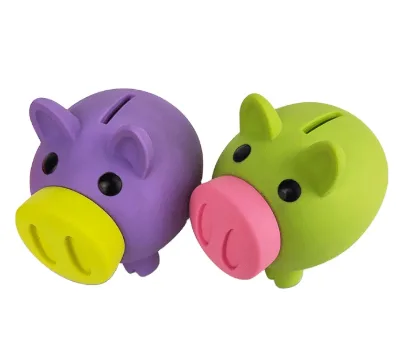
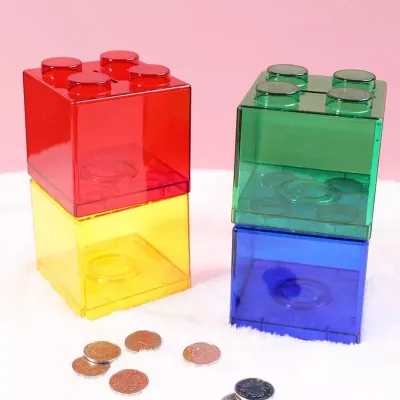
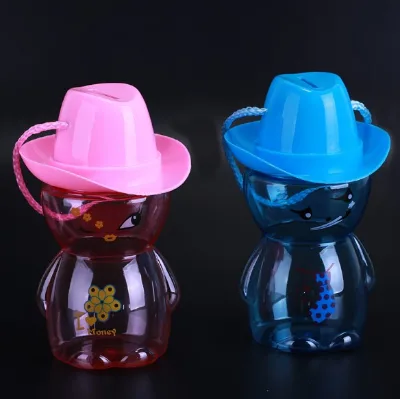
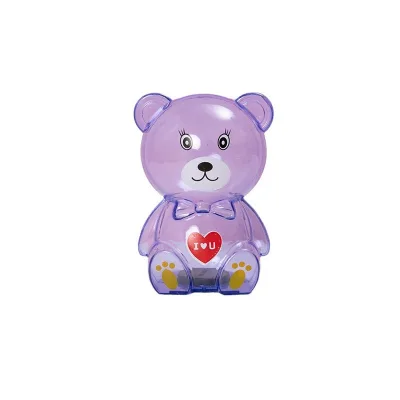
Custom Colorful Stacking Block Coin Bank Clear Plastic Coin Bank for Saving Money
$0.69 - $0.80
MOQ: 500

- Combined
- China Guangdong
- Lead time30 days
- Avg. response≤ 5h
Main productsTin Can
Main marketsSouth America,Africa,Southeast Asia/ Mideast,East Asia(Japan/ South Korea),Domestic,Europe,Australia,North America


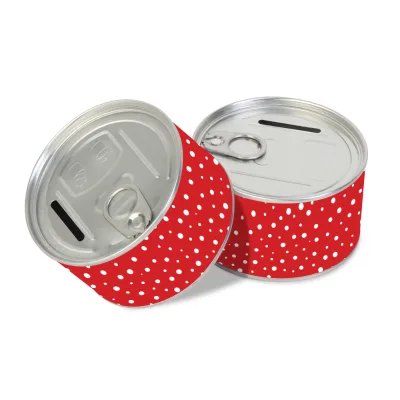
Cute Kids Metal Coin Box Wholesaleoval Money Saving Can Cheap Custom Tin Coin Bank with Lock and Key
$0.80 - $0.85
MOQ: 5000 Pieces

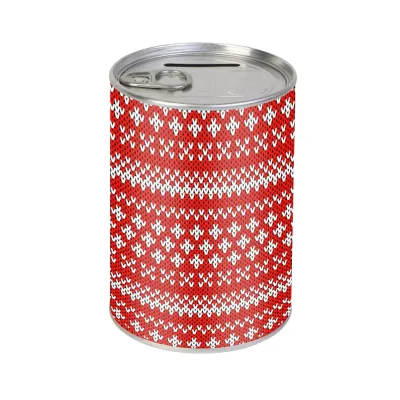
Best Selling Tin Money Safe Box Bottle Coin Bank with Easy Pull Cover Lid
$0.75 - $0.80
MOQ: 5000 Pieces

Xiamen Ebei Import & Export Co., Ltd.
- Verified by CTI
- Trading Company,Manufacturer/Factory
- China Fujian
- Lead time45 days
- Avg. response≤ 2h
Main productsEco-Friendly Products, Bamboo Tableware, Bamboo Furniture, Bamboo Kitchenware, Bamboo Office Supply, Bamboo Fibre Products, Biodegradable Products, Bamboo Towel, Solar Energy Products, Bamboo Garden Products
Main marketsSouth America,Eastern Europe,Mid East,North America,Southeast Asia,Eastern Asia,Oceania,Western Europe,Africa

Jinjiang Jiaxing Supply Management Co., Ltd.
- Verified by TUVRHEINLAND
- Trading Company
- China Fujian
- Lead time30 days
- Avg. response≤ 2h
Main productsEVA Clogs, Flip Flop, Shoe Charms, Shopping Bags, Wristbands, Gifts, Promotional Gifts, Slipper, Sport Cap, Ball
Main marketsNorth America

Xiamen Yoyo Ceramic Trading Co., Ltd.
- Verified by BV
- Combined
- China Fujian
- Lead time23 days
- Avg. response≤ 11h
Main productsCeramic Mugs, Ceramic Plates, Teawares, Ceramic Canisters, Ceramic Vases, Ceramic Flower Planters, Ceramic Coin Bank, Flowerpot, Canisters, Resin Crafts
Main marketsSouth America,Africa,Southeast Asia/ Mideast,East Asia(Japan/ South Korea),Europe,Australia,North America


Cute Resin Money Bank Handmade Polyresin Bunny Coin Bank Storage Containers
$1.35 - $2.85
MOQ: 1000 Pieces
Xiamen Charmlite Trading Co., Ltd.
- Verified by SGS Group
- Trading Company
- Lead time25 days
- Avg. response≤ 2h
Main productsYard Cups, Plastic Wine Glass, Water Bottle, Plastic Cup, Coffee Mug
Main marketsNorth America(26%), Western Europe(21%), Northern Europe(14%)
Huachuang Wisdom Household Co., Ltd.
- Trading Company
- Lead time旺季: "1 - 500":25,"501 - 1000":30,"1001 - 3000":40,"> 3000":"To be negotiated", 淡季: "1 - 500":25,"501 - 1000":30,"1001 - 3000":40,"> 3000":"To be negotiated"
- Avg. response≤ 5h
Main productsBathroom rack,bathroom organizer,towel rack,coat rack

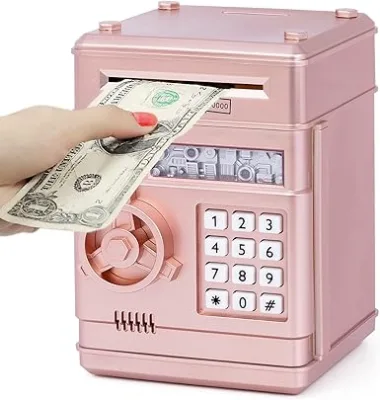
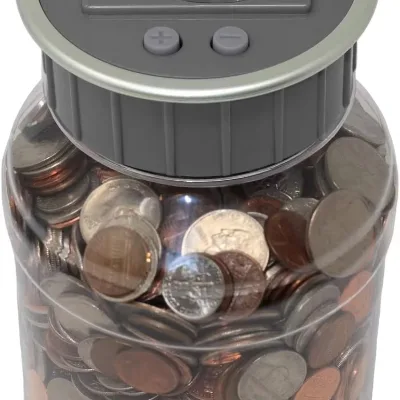
Refasy Piggy Bank Cash Coin Can ATM Bank Electronic Coin Money Bank for Kids-Hot Gift
$3.80 - $4.20
MOQ: 500 pieces
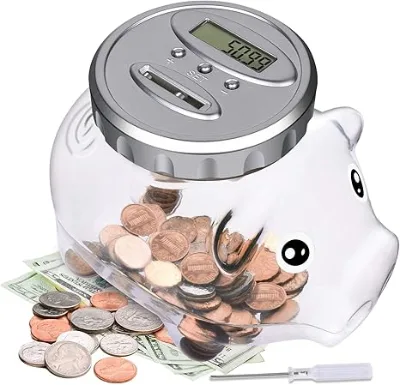
$2.5993 - $3.016
MOQ: 500 pieces
Changsha M-Shine Crafts Co., Ltd.
- Trading Company
- Hunan, China
- Lead time3 days
- Avg. response≤ 6h
Main productsanime pvc figure,anime brooch pins,anime pendant,anime plush dolls,anime stationery
Main marketsSouth America(21.00%), Western Europe(19.00%), North America(12.00%), Eastern Europe(10.00%), Oceania(8.00%), Mid East(8.00%), Northern Europe(5.00%), Africa(5.00%), Southern Europe(4.00%), Domestic Market(2.00%), South Asia(2.00%), Southeast Asia(2.00%), Eastern Asia(2.00%)
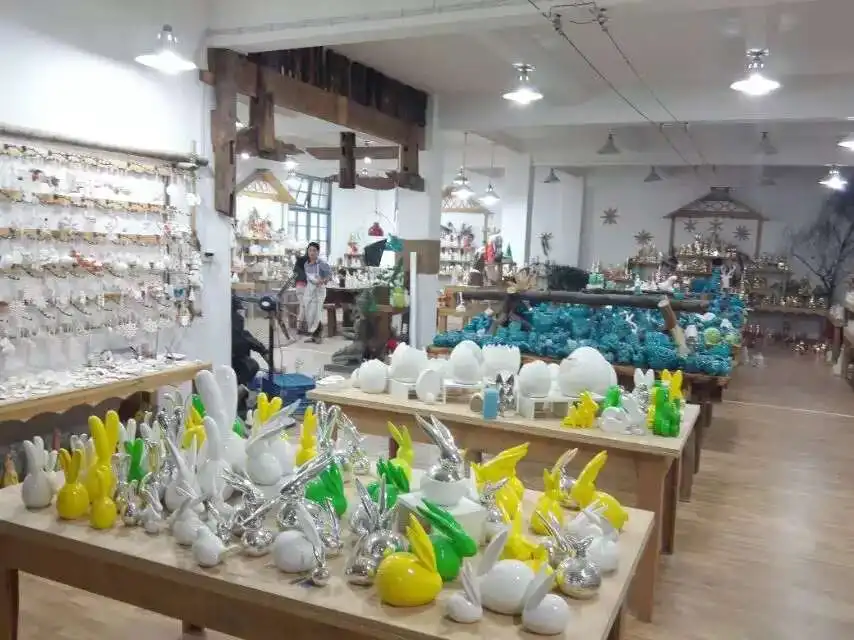
Dehua Beauty Rich Arts & Crafts Co., Ltd.
- Manufacturer, Trading Company
- Fujian, China
- Lead time30 days
- Avg. response≤ 7h
Main productsPolyresin crafts,Ceramic crafts,PVC crafts,Home decoration,Garden decoration
Main marketsEastern Europe(15.00%), North America(15.00%), South America(12.00%), Mid East(5.00%), Oceania(5.00%), South Asia(3.00%), Southern Europe(3.00%), Northern Europe(3.00%), Central America(3.00%), Western Europe(3.00%), Eastern Asia(3.00%), Domestic Market(3.00%), Southeast Asia(3.00%), Africa(2.00%)
- Trading Company
- Fujian, China
- Lead time30 days
- Avg. response≤ 1h
Main productsJigsaw puzzle,Can clock,Packing box,promotional gift,piggy bank
Main marketsNorth America(27.20%), Mid East(12.00%), South America(12.00%), Northern Europe(11.00%), Domestic Market(8.20%), Southeast Asia(7.00%), Southern Europe(6.60%), Western Europe(5.80%), Eastern Europe(5.50%), South Asia(2.70%), Africa(1.00%), Eastern Asia(1.00%)

- Manufacturer/Factory
- China Fujian
- Lead time45 days
- Avg. response≤ 11h
Main productsBamboo Chopping Board, Bamboo Box, Bamboo Tray, Bamboo Bottle, Bamboo Products, Bamboo Cutlery, Bamboo Plywood, Bamboo Furniture, Bamboo Plate, Bamboo Broom
Main marketsSouth America,Eastern Europe,Mid East,North America,Southeast Asia,Oceania,Western Europe,Africa

Jinjiang Naike Eco Technology Co., Ltd.
- Verified by SGS
- Trading Company
- China Fujian
- Lead time30 days
- Avg. response≤ 2h
Main productsKeychain, Promotional Gifts, Shoes Charm, Straw Toppers, Pencil Toppers, Christmas Decoration, Party Decoration, Toy, Metal Craft, Silicone Products
Main marketsEurope,North America

New Arrival Custom Metal Round Piggy Bank Promotional Gift Creative Coin Bank
$0.22 - $0.43
MOQ: 1200 Pieces

Wholesale Adults Kids Piggy Banks Custom Design Promotion Cool Coin Bank Saving Box
$0.41 - $0.56
MOQ: 1000 Pieces

Hot Sale Promotional Custom Coin Bank Colorful Plastic Piggy Bank Money Box
$0.78 - $1.42
MOQ: 500 Pieces

New Arrival Custom Plastic Safe Coin Box Home Decoration Promotion Soft PVC Cute Piggy Bank
$1.11 - $2.01
MOQ: 300 Pieces
Xiamen Yoyo Ceramic Trading Co., Ltd.
- Verified by Intertek
- Manufacturer, Trading Company
- Lead time55 days
- Avg. response≤ 6h
Main productsCandle Jar, Daily Ceramic Ware, Home Decoration, Garden Decoration, Bathroom Accessory
Main marketsNorth America(45%), Oceania(20%), Western Europe(20%)
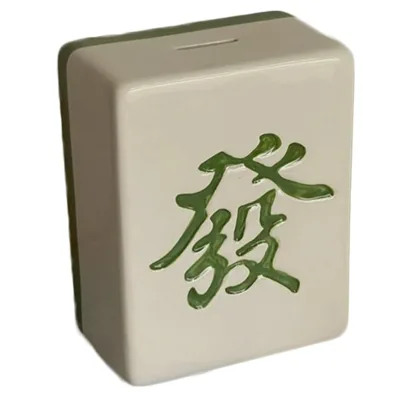
$1.9547 - $4.3186
MOQ: 1000 pieces
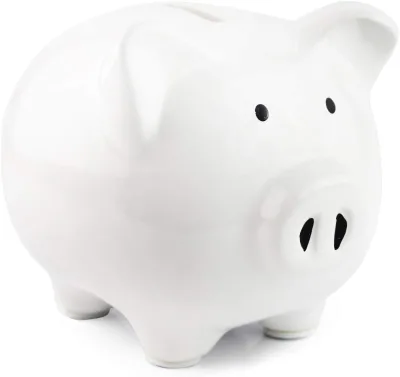
Custom Cute Animal Coin Cash Bank Ceramic Money Piggy Bank Ceramic Gift for Kids
$1.50 - $2.70
MOQ: 1000

Ningbo V. K. Industry and Trading Co., Ltd.
- Verified by BV
- Trading Company
- China Zhejiang
- Lead time30 days
- Avg. response≤ 6h
Main productsIce Bath Tub, Cosmetic Glass Bottle, Hydroponics Grow Box, Baby Bottle, Inflatable Tent, Cream Jar, Reed Diffuser Bottle, Jewish Products, Mezuzah Case
Main marketsSouth America,Europe,Australia,North America


Customized Piggy Bank Money Bank Coin Holder Promotional Gifts Fun Stylish
$0.66 - $0.99
MOQ: 100 Pieces
Cao County Kailiyang Handicrafts Co., Ltd.
- Manufacturer, Trading Company
- Shandong, China
- Lead time0 days
- Avg. response≤ 2h
Main productsWood Box,Wood Tray,Wood Shelf,Wood Craft
Main marketsNorth America(45.00%), Oceania(15.00%), Domestic Market(10.00%), Eastern Europe(5.00%), Southeast Asia(5.00%), Eastern Asia(5.00%), Western Europe(5.00%), Northern Europe(5.00%), South Asia(5.00%)
Cao County Lubang Wood Products Co., Ltd.
- Manufacturer, Trading Company
- Shandong, China
- Lead time7 days
- Avg. response≤ 1h
Main productswooden box,Wooden storage rack,Wooden tray,Wooden crafts
Main marketsNorth America(40.00%), Southeast Asia(10.00%), Central America(5.00%), Mid East(5.00%), Africa(5.00%), South America(5.00%)
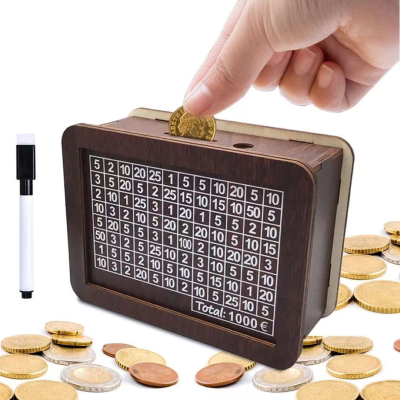
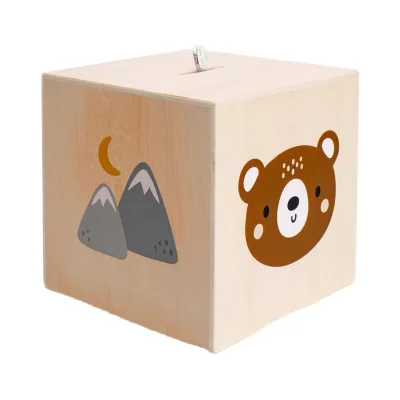
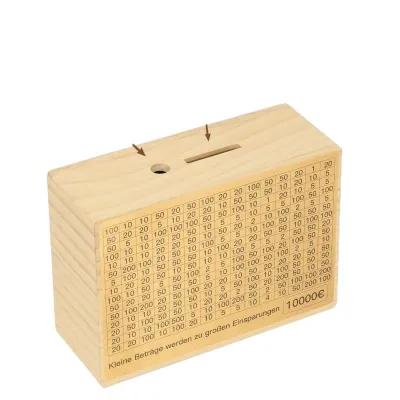
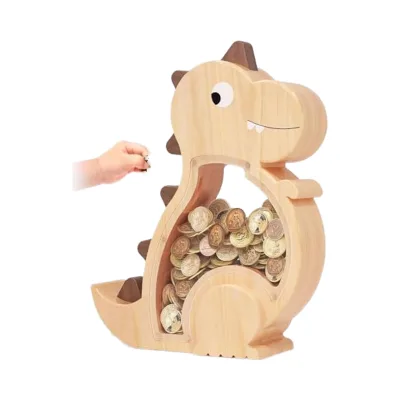
$4.6364 - $5.6677
MOQ: 200 pieces

Dongguan City Huawei Hardware Products Co., Ltd.
- Verified by SGS
- Combined
- China Guangdong
- Lead time30 days
- Avg. response≤ 2h
Main productsTin Box, Tin Can, Food Tin Box, Tin Packing Box, Tea Tin Box, Cosmetic Tin Box, Candy Tin Box, Gift Tin Box, Cigarette Tin Box, Wine Tin Box
Main marketsSouth America

Guangzhou Kinglaiky Industrial Ltd.,
- Verified by TUVRHEINLAND
- Trading Company
- China Guangdong
- Lead time15 days
- Avg. response≤ 12h
Main productsPromotional Gifts, Pen, Leather Product, Wallet, Keyring, Namecard Holder, Mouse Mat, Flask, Wristband, USB Pen Drive
Main marketsAfrica

Promotional Gift Piggy Bank Plastic Safe Children's Toys Coin Bank Money Box
$0.75 - $0.80
MOQ: 500 Pieces


WENZHOU TIMES ARTS&CRAFTS CO., LTD.
- Verified by SGS
- Manufacturer/Factory
- China Zhejiang
- Lead time23 days
- Avg. response≤ 5h
Main productsToys, Montessori Toys, Wooden Toy, Educational Toy, Role Play Toys, Children Furniture, Puzzle, Kid Bike, Musical Toy, Wooden Blocks
Main marketsSouth America,Eastern Europe,Mid East,North America,Southeast Asia,Eastern Asia,Oceania,Western Europe,Africa

New Design Red Postbox Shape Wooden Coin Bank for Children Saving Money W02A263
$2.00 - $8.00
MOQ: 500 Pieces

Jinhua Weihai Plexiglass Product Co., Ltd.
- Verified by SGS Group
- Manufacturer, Trading Company
- Lead time15 days
- Avg. response≤ 3h
Main productsAcrylic Displays, Acrylic Furniture, Acrylic tray, Photo Frames, Acrylic keychain
Xiamen Joinste Arts & Crafts Co., Ltd.
- Trading Company
- Fujian, China
- Lead time45 days
- Avg. response≤ 4h
Main productsCeramic Coffee Mug, Ceramic Cookie Jar, Ceramic Salt and Pepper Shakers, Ceramic Candle Jar, Ceramic Coin Bank
Main marketsNorth America(40.00%), South America(20.00%), Western Europe(10.00%), Eastern Asia(10.00%), Oceania(5.00%), Southern Europe(5.00%), Central America(5.00%), Northern Europe(5.00%)
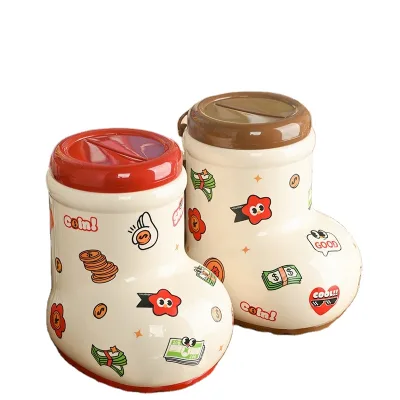
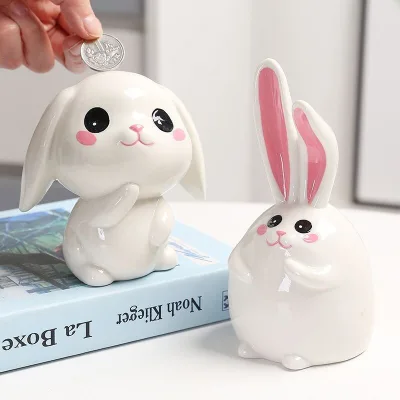
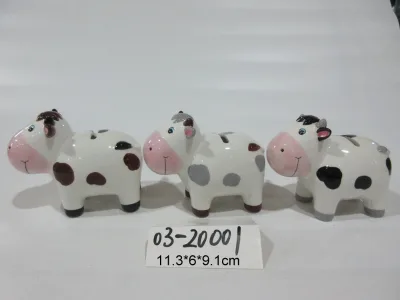
Handmade Ceramic Cow shape Piggy banks,4 inch small cute Kids Piggy coin bank , Birthday gifts
$3.9424
MOQ: 1000 Minimum
Guangzhou Tomas Crafts Co., Limited
- Trading Company
- Lead time旺季: "1 - 100":15,"> 100":"To be negotiated", 淡季: "1 - 100":15,"> 100":"To be negotiated"
- Avg. response≤ 2h
Main productsPromotional Gift,Souvenir Gifts,Medals & Trophies Suppliers,Luggages & Bags,Party Supplies

NINGBO BOHONGCHUANGYI INTERNATIONAL CO., LTD.
- Trading Company,Manufacturer/Factory
- China Zhejiang
- Lead time30 days
- Avg. response≤ 12h
Main productsWooden Photo Frame, Photo Frame, Wooden Box, PVC Photo Frame, Baby Toy, Plastic Photo Frame, Glass Photo Frame, Polyresin Photo Frame, Wooden Toy, Leather Frame
Main marketsSouth America,Eastern Europe,Mid East,North America,Southeast Asia,Eastern Asia,Oceania,Western Europe,Africa








Comprehensive Sourcing Guide
Eco-Friendly Non-Toxic Coin Bank Supplier Concentration and Factory Types
The current supplier landscape for eco-friendly non-toxic coin banks reveals a distinct concentration of manufacturing capabilities within specific Chinese regions, particularly Fujian and Guangdong. Suppliers located in Fujian are predominantly identified as manufacturers or factories, indicating a direct production model rather than a trading intermediary structure. These entities specialize in a diverse array of products including resin figurines, snow globes, fridge magnets, tourist souvenirs, garden ornaments, holiday decorations, Madonna statues, bobble heads, polyresin statues, and polyresin flower pots. This broad product range suggests that these factories possess versatile molding and casting infrastructure capable of handling complex designs, which is essential for producing detailed coin banks. The presence of OEM and ODM capabilities further confirms that these facilities are equipped to handle custom design requests, allowing buyers to develop unique eco-friendly non-toxic coin bank products tailored to specific market demands. The focus on resin and polyresin materials highlights a specific technical expertise in these mediums, which are often chosen for their ability to replicate intricate details and accept various surface treatments.
In contrast, suppliers operating in Guangdong exhibit a hybrid operational model, functioning as both manufacturers and trading companies. This dual role allows them to offer a wider variety of materials, including rubber ducks, piggy banks, eye popper keychains, plastic figures, and squishy toys. The inclusion of plastic figures and squishy toys alongside coin banks indicates a capability in injection molding and soft-touch material processing, which differs from the casting methods used for resin products. These suppliers often emphasize light customization, sample processing, graphic processing, and customized on-demand services, suggesting a flexible approach to product development. The ability to process graphics and handle light customization implies that these factories may offer quicker turnaround times for branded or logo-applied coin banks. This structural difference between Fujian-based resin specialists and Guangdong-based hybrid manufacturers provides buyers with distinct options based on their need for material specificity versus operational flexibility. Understanding these factory types is crucial for aligning sourcing strategies with product design requirements and volume expectations.
How to Verify Eco-Friendly Non-Toxic Coin Bank Suppliers
Verifying the legitimacy and compliance of eco-friendly non-toxic coin bank suppliers requires a rigorous examination of their certification portfolios and verification statuses. Suppliers in the current results display a range of system certifications, including BSCI, ISO 9000, ISO 9001, and HSE, which indicate adherence to international management and safety standards. For products intended for children or home use, specific product-level certifications are critical. Some suppliers list SGS certificates for their polyresin money boxes, while others provide CE certificates for their plastic coin banks. Additionally, certifications such as Sedex, EN 71, ASTM F963, CPSIA, and CPC are present, which are particularly relevant for ensuring that plastic and PVC materials meet strict safety and toxicity regulations. These certifications serve as primary evidence of the non-toxic claims made by suppliers, providing buyers with documented proof that the materials used in production do not contain harmful substances. Buyers should prioritize suppliers who can provide these specific test reports, as they are essential for market entry in regions with stringent safety laws.
Beyond certifications, the verification status of the supplier itself is a key indicator of reliability. The current data shows that some suppliers are verified by CTI, while others hold Intertek verification. These third-party verification bodies conduct on-site audits to confirm the existence of the factory, the accuracy of the business license, and the operational capacity claimed by the supplier. A CTI or Intertek verification badge adds a layer of trust, reducing the risk of engaging with fraudulent entities. Furthermore, buyers should assess the supplier's response time as a proxy for operational efficiency and communication reliability. Response times vary, with some suppliers averaging 4.33 hours and others taking up to 7 hours. A faster response time often correlates with a more organized sales and technical support team, which is vital for resolving issues related to custom designs or quality control. Buyers should also look for evidence of established production processes, such as defined sample times and production lead times, which indicate a mature manufacturing workflow. Combining certification checks with verification status and response metrics creates a comprehensive due diligence framework.
What to Compare Across Eco-Friendly Non-Toxic Coin Bank Suppliers
When evaluating multiple suppliers for eco-friendly non-toxic coin banks, buyers must compare key operational metrics such as minimum order quantities, lead times, and pricing structures to determine the best fit for their business model. Minimum order quantities (MOQs) vary significantly across the supplier base, ranging from 500 pieces for resin-based products to 2000 or even 3000 pieces for plastic and PVC items. This disparity is largely driven by the manufacturing process; resin casting often allows for lower MOQs due to simpler tooling requirements, whereas plastic injection molding necessitates higher volumes to amortize mold costs. Lead times also differ, with some suppliers offering a standard 30-day production time, while others specify 30-35 days or even 35 work days for polyresin items. Sample times are another critical comparison point, typically ranging from 8 to 15 days for plastic items and 10 to 15 days for resin products. Buyers should align these timelines with their inventory planning and seasonal demand cycles to avoid stockouts or excess inventory.
Pricing and customization options are equally important factors in supplier comparison. The price range for resin coin banks can vary from $0.10 to $5.00 per unit, depending on the complexity of the design, material quality, and surface treatment. For instance, a creative resin motorcycle coin bank may be priced differently than a simple plastic cartoon elephant coin bank. Buyers should request detailed quotations that break down costs for tooling, sampling, and mass production. Customization capabilities should also be scrutinized; some suppliers offer full OEM and ODM services, allowing for complete design freedom, while others provide only light customization or graphic processing. The availability of specific materials, such as polyresin versus PVC, will also impact the final product cost and aesthetic. By systematically comparing MOQs, lead times, sample durations, and pricing structures, buyers can identify suppliers that offer the best balance of cost-efficiency, speed, and flexibility for their specific sourcing needs.
Common Eco-Friendly Non-Toxic Coin Bank Sourcing Risks
One of the primary risks in sourcing eco-friendly non-toxic coin banks is the potential discrepancy between claimed material safety and actual product composition. While suppliers may list certifications like CPSIA or EN 71, there is a risk that these documents may not correspond to the specific batch of materials used in production. Buyers must ensure that the certifications provided are valid and recent, as standards can change over time. Another significant risk is the variability in quality control, particularly for hand-made resin products. Since many resin coin banks are described as hand-made, there is an inherent risk of inconsistencies in finish, paint application, and structural integrity. Defects such as air bubbles, uneven painting, or weak joints can lead to high return rates and customer dissatisfaction. Buyers should establish clear quality standards and request pre-shipment inspections to mitigate these risks, ensuring that the final products meet the expected aesthetic and functional criteria.
Packaging and logistics present another set of risks, especially for fragile materials like resin and polyresin. Improper packaging can lead to damage during transit, resulting in financial losses and delayed deliveries. Suppliers often use various packing methods, such as PP bags with polyfoam, bubble packs with inner boxes, or styrofoam with export cartons. Buyers must evaluate the adequacy of these packaging solutions for their specific shipping routes and handling conditions. Additionally, there is a risk of communication breakdowns when dealing with suppliers who have slower response times or limited English proficiency. Misunderstandings regarding design specifications, customization details, or delivery schedules can lead to costly errors. To mitigate these risks, buyers should maintain clear and documented communication channels, request detailed product specifications, and consider using escrow services or third-party inspection agencies to ensure that the supplier fulfills their obligations accurately and on time.
Eco-Friendly Non-Toxic Coin Bank Regional Sourcing and Logistics
Sourcing eco-friendly non-toxic coin banks from China involves navigating distinct regional logistics advantages based on the supplier's location. Suppliers in Fujian, primarily focused on resin and polyresin products, benefit from established supply chains for these specific materials. The region's industrial clusters often provide easier access to raw materials and specialized labor for casting and finishing processes. Logistics from Fujian typically involve shipping through major ports in the southeast, which can offer competitive freight rates for ocean shipping to global destinations. Buyers should consider the transit times and port congestion when planning shipments from this region, as delays can impact overall lead times. The focus on resin products also means that packaging requirements may differ from plastic items, necessitating careful attention to protective measures during transport to prevent breakage.
In contrast, suppliers in Guangdong, which produce a mix of plastic, PVC, and rubber products, are located in a major manufacturing hub with extensive logistics infrastructure. The proximity to Shenzhen and Guangzhou provides access to a wide range of shipping options, including air freight for urgent orders and sea freight for bulk shipments. The region's efficiency in handling high-volume plastic production means that lead times can be more predictable, but buyers must still account for the time required for mold creation, which can take 21 to 28 days. Logistics from Guangdong are often streamlined due to the high volume of exports, but buyers should verify the supplier's preferred shipping methods, such as DHL, UPS, FedEx, or sea and air options. Understanding the logistical nuances of each region allows buyers to optimize their supply chain, reduce shipping costs, and ensure timely delivery of their eco-friendly non-toxic coin bank orders.
Eco-Friendly Non-Toxic Coin Bank Commercial Terms and Order Planning
Effective order planning for eco-friendly non-toxic coin banks requires a thorough understanding of commercial terms, including payment methods, shipping arrangements, and customization policies. Suppliers typically offer a range of payment options, such as Western Union, T/T, LC, and PayPal, each with different implications for security and cash flow. Buyers should select payment methods that offer adequate protection, such as using escrow services or letters of credit for larger orders. Shipping terms are also critical, with suppliers offering various delivery methods including DHL, UPS, FedEx, sea, and air freight. The choice of shipping method will impact the total cost and delivery time, so buyers must balance urgency with budget constraints. Additionally, buyers should clarify the supplier's policy on sample costs and whether they are refundable upon placing a bulk order, as this can affect the initial investment in product development.
Customization policies vary among suppliers, with some offering full OEM and ODM services while others provide only light customization or graphic processing. Buyers must clearly define their customization requirements, including design specifications, material preferences, and packaging details, to avoid misunderstandings. It is also important to confirm the supplier's ability to handle specific certifications and testing requirements, as this can impact the production timeline and cost. Buyers should establish a clear timeline for sample approval, mold creation, and mass production to ensure that orders are completed on time. By carefully reviewing commercial terms and planning orders with a clear understanding of customization and logistics, buyers can minimize risks and ensure a smooth sourcing process for their eco-friendly non-toxic coin bank products.
FAQs
What is the typical lead time for resin coin banks?
Manufacturers in China Fujian typically require 30 days for production. Some suppliers offer a range of 30 to 35 days for standard orders. Sample creation usually takes 10 to 15 days before bulk manufacturing begins. Buyers should confirm specific timelines with the factory to ensure delivery aligns with project schedules.
What certifications ensure these coin banks are safe?
Suppliers hold BSCI, ISO 9000, ISO 9001, and HSE system certifications. Plastic options include EN 71, ASTM F963, CPSIA, and CPC. Some resin products carry SGS certificates. These credentials verify compliance with international safety and quality standards for toys and home decor items.
What is the minimum order quantity for custom designs?
Resin coin banks generally require a minimum order of 500 pieces. Plastic animal-shaped banks often have a higher threshold of 2000 pieces. Some promotional items may accept orders starting at 1000 pieces. Buyers should verify the specific MOQ for their chosen material and customization level.
How quickly do suppliers respond to inquiries?
Response times vary by supplier location and type. One manufacturer in Fujian shows an average response time of 4.33. Another supplier in Guangdong has a response time of 7. Faster response rates often indicate higher operational efficiency and better communication channels for international buyers.
What materials are used for eco-friendly coin banks?
Resin and polyresin are common materials for sculpted designs. Plastic options utilize PVC, ABS, and general plastics. Some products are hand-made with painted finishes. Buyers should request material safety data sheets to confirm non-toxic properties and verify if the specific product meets their environmental requirements.
What is the price range for bulk orders?
Resin motorcycle coin banks range from $1.00 to $5.00 per unit. Plastic animal banks cost between $0.42 and $0.50 per piece. Polyresin bus coin banks are priced from $3.75 to $4.50. Prices depend on material, customization, and order volume.