Factory Humidity and Temperature Conditioning Machine Suppliers and Manufacturers
Explore 25 verified suppliers offering factory humidity and temperature conditioning machines with ISO certifications and SGS verification. Compare response times, lead times, and product specifications like temperature ranges and humidity levels before requesting quotes; review the available evidence before requesting comparable quotations from suitable candidates.
Updated
Suppliers List

Dongguan Huanyi Instrument Technology Co., Ltd.
- Verified by SGS
- Combined
- China Guangdong
- Lead time30 days
- Avg. response≤ 1h
Main productslaboratory instruments and equipment
Main marketsSoutheast Asia/ Mideast,Domestic,North America


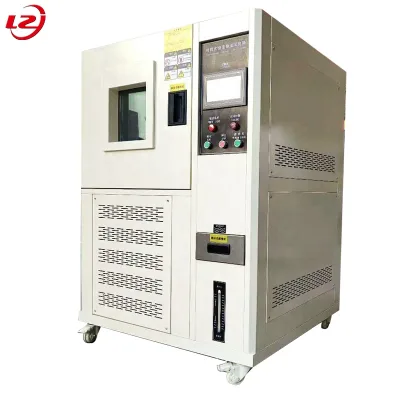
Temperature Humidity Test Machine with Programmable Temperature and Humidity System
$3500.00 - $5000.00
MOQ: 1 Pieces


Programe-Type Environment Constant Temperature and Humidity Test Machine
$3500.00 - $5000.00
MOQ: 1 Pieces
Hangzhou Shuyi Electric Appliance Co., Ltd.
- Verified by SGS Group
- Manufacturer, Trading Company
- Lead time7 days
- Avg. response≤ 2h
Main productsIndustrial Dehumidifier, Ceiling Mounted Dehumidifier, Commercial Dehumidifier, Desiccant Rotor Dehumidifier, Industrial Humidifier
Main marketsSoutheast Asia(30%), North America(29%), Eastern Europe(11%)
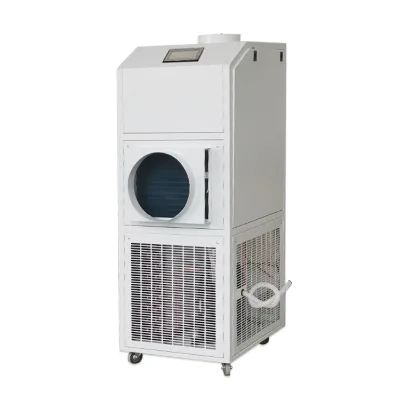
DJHF-901E 90 Liters/Day Air Humidity and Temperature Conditioning Machine for Factory
$1386.0593 - $1437.3941
MOQ: 1 units
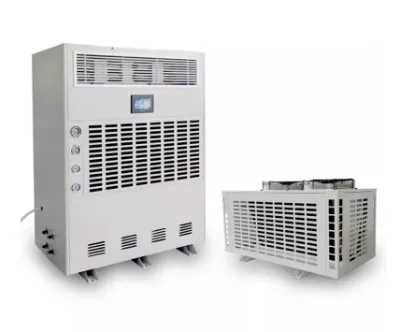
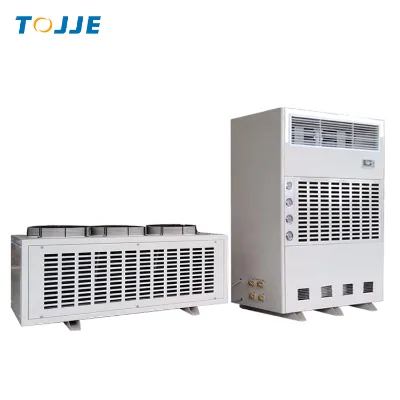
$3517.3166 - $3620.767
MOQ: 1 pieces

Dongguan Lituo Testing Instrument Co., Ltd.
- Verified by TUVRHEINLAND
- Combined
- China Guangdong
- Lead time30 days
- Avg. response≤ 1h
Main productsUniversal Tensile Strength Tester, Environmental Testing Machine, Paper Paperboard and Packaging Tester, Furniture Testing Equipment, Leather Textile Footware Series, Drop Testing Machine Series, Bathroom Testing Machine
Main marketsOthers(foreignTradeCapacity.exportBusinessCapacityMarketOther),Domestic

High-Low Temperature Cycle and Humidity Test Machine for Floor Springs
$1300.00 - $2700.00
MOQ: 1 Pieces

Stability Environmental Climatic Constant Temperature and Humidity Testing Machine
Negotiable
MOQ: 1 Pieces


Environmental Temperature Humidity Constant Temperature and Humidity Test Machinery
Negotiable
MOQ: 1 Pieces


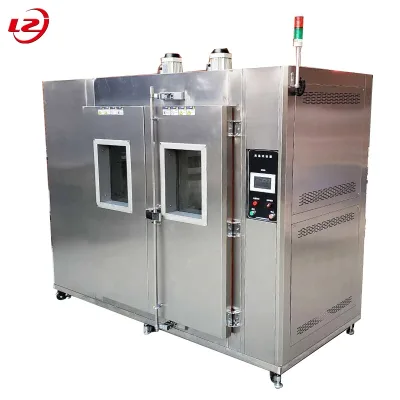
Double Door Environmental Simulation Constant Temperature Humidity Climatic Test Machine
Negotiable
MOQ: 1 Pieces

NINGBO HICON INDUSTRY CO., LTD.
- Verified by TUVRHEINLAND
- Combined
- China Zhejiang
- Lead time30 days
- Avg. response≤ 7h
Main productsIndustrial Chiller, Grain Cooler, E-Room Air Conditioner, Rooftop Unit, Precision Air Conditioner, Industrial Air Conditioner, Crane Cabin Air Conditioner, Marine Air Conditioner, Cabinet Air Conditioner, Air Handling Unit
Main marketsAfrica,Southeast Asia/ Mideast,Domestic,Europe,North America

Water Cooled Precision Constant Temperature and Humidity Air Conditioning Unit
$1000.00 - $6500.00
MOQ: 1 Sets

Dongguan Hongjin Test Instrument Co., Ltd.
- Manufacturer
- Guangdong Province, China
- Lead time10 days
- Avg. response≤ 1h
Main productsuniversal testing machine,tensile testing machine,High Temperature Tensile Tester,electromagnetic shaker machine,impacting test machine
Main marketsNorth America(35.00%), South Asia(15.00%), South America(15.00%), Domestic Market(5.00%), Southeast Asia(5.00%), Northern Europe(5.00%), Central America(5.00%), Eastern Asia(5.00%), Mid East(5.00%), Africa(5.00%)
Shandong Aikesen Energy-Saving Equipment Co., Ltd.
- Trading Company
- Shandong, China
- Lead time30 days
- Avg. response≤ 1h
Main productschiller,Industrial air conditioner,Industrial air conditioner,Condensing unit,Other refrigerators and heat exchangers
Main marketsNorthern Europe(20.00%), South Asia(10.00%), North America(10.00%), Central America(10.00%), Eastern Asia(10.00%), Mid East(10.00%), Africa(10.00%), Southeast Asia(10.00%), South America(10.00%)

Suzhou Qiantong Instrument Equipment Co., Ltd.
- Combined
- China Jiangsu
- Lead time23 days
- Avg. response≤ 3h
Main productsUniversal Testing Machine, Solar Cell Temsile Testing Machine, Melt Flow Rate Measurer, Hydraulic Testing Machine
Main marketsSoutheast Asia/ Mideast,East Asia(Japan/ South Korea),Domestic,North America

Sailham Equipment (Dongguan) Co., Ltd.
- Verified by TUVRHEINLAND
- Trading Company,Manufacturer/Factory
- China Guangdong
- Lead time23 days
- Avg. response≤ 5h
Main productsClimatic Test Chamber, Temperature Humidity Test Chamber, Wak-in Climatic Chamber, Salt Spray Test Chamber, Rain Spray Test Chamber, Universal Testing Machine, Thermal Shock Chamber, Heat Damp Changing Test Chamber, Vibration Table, Drop Test Machine
Main marketsSouth America,Eastern Europe,Mid East,North America,Southeast Asia,Eastern Asia,Oceania,Western Europe,Africa


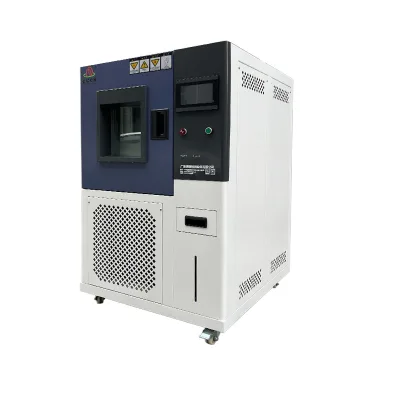
Programmable Environmental Temperature and Humidity Test Machine/ Climate Chamber
$3000.00 - $8000.00
MOQ: 1 set

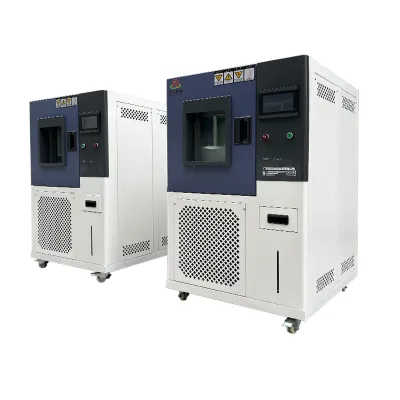
Program Constant Temperature Humidity Test Chamber Climate Testing Machine
$3000.00 - $8000.00
MOQ: 1 set

Programmable Constant Temperature Humidity Test Machine / Climate Chamber
$3800.00 - $8000.00
MOQ: 1 set

Ai Si Li (China) Test Equipment Co., Limited
- Manufacturer
- China Guangdong
- Lead time23 days
- Avg. response≤ 6h
Main productsTemperature Humidity Chamber, Temperature Test Chamber, Humidity Test Chamber, Walk in Stability Chamber, Thermal Shock Chamber, Electrodynamic Vibration Shaker, Mechanical Shock Tester, Vibration Test System, Pct/Hast Chamber, Climatic Chamber
Main marketsSoutheast Asia/ Mideast,Europe,North America


Temperature and Humidity Test Machine with Ce Certification/Cooling Chamber Price
$5800.00 - $56000.00
MOQ: 1 Set

Customized Climatic Temperature Humidity Testing Machine for 70c Environmental Test
Negotiable
MOQ: 1 Pieces

Guangdong Komeg Industrial Co., Ltd.
- Verified by TUVRHEINLAND
- Combined
- China Guangdong
- Lead time30 days
- Avg. response≤ 6h
Main productsEnvironmental Test Chamber, Walk-in Chamber, Climatic Chamber, Thermal Shock Chamber, Constant Temperature Refrigerator, Deep Freezers, Heating Oven, Mini Lab, Reliability Test Equipment, Laboratory Device
Main marketsSouth America,Africa,Southeast Asia/ Mideast,East Asia(Japan/ South Korea),Domestic,Europe,Australia,North America


Third-Party Calibration Programmable Constant Temperature and Humidity Test Chamber/Machine
$4000.00 - $8000.00
MOQ: 1 Pieces

Ideal Simulation Temperture and Humidity Test Equipment with Air Cooled
$2000.00 - $8000.00
MOQ: 1 Pieces
- Trading Company
- Shandong, China
- Lead time30 days
- Avg. response≤ 1h
Main productsbattery equipment,battery material,battery machine,lithium battery,Battery production line
Main marketsNorth America(30.00%), Northern Europe(15.00%), Mid East(9.00%), South America(8.00%), Eastern Europe(8.00%), South Asia(7.00%), Eastern Asia(6.00%), Southeast Asia(5.00%), Southern Europe(4.00%), Oceania(3.00%), Africa(3.00%), Western Europe(2.00%)
Guangdong Hongyu International Trade Co., Ltd.
- Manufacturer, Trading Company
- Lead time旺季: "1 - 30":31,"> 30":"To be negotiated", 淡季: "1 - 30":31,"> 30":"To be negotiated"
- Avg. response≤ 1h
Main productsEnvironmental testing equipment,Mechanical testing equipment,Testing Machine,Tensile testing machine

Guangdong Newgoer Instrument Co., Ltd
- Verified by SGS
- Combined
- China Guangdong
- Lead time15 days
- Avg. response≤ 1h
Main productsFood Metal Detector, Conveyor Checkweigher, X-ray Baggage Inspection, Universal Tensile Testing Machine, Temperature and Himidity Test Chamber, Melt Flow Index Tester, Xenon Lamp Weather Resistant Aging Testing Chamb, Salt Spray Corrosion Test Chamber, UV Weather Aging Test Chamber, Thermal Analyzer
Main marketsSouth America,Africa,Others(foreignTradeCapacity.exportBusinessCapacityMarketOther),Southeast Asia/ Mideast,East Asia(Japan/ South Korea),Domestic,Europe,Australia,North America


20L 36L 62L Desktop Environmental Temperature and Humidity Testing Machine
$3900.00 - $4980.00
MOQ: 1 Pieces

Temperature and Humidity Machine Climate Chamber Room Control Climate Test Cabinet
$1900.00 - $2980.00
MOQ: 1 Pieces

Guangdong Yuanyao Test Equipment Co., Ltd.
- Manufacturer/Factory
- China Guangdong
- Lead time23 days
- Avg. response≤ 10h
Main productsTemperature Humidity Climate Chamber, Environment Test Equipment, Industrial Oven, Vacuum Oven, Dust Test Chamber, Water Test Machine, Altitude Chamber, Thermal Shock Test Chamber, Walk-in Environmental Test Room, Drop Tester
Main marketsSouth America,Eastern Europe,Mid East,North America,Southeast Asia,Eastern Asia,Oceania,Western Europe,Africa
Dongguan Best Instrument Technology Co., Ltd.
- Manufacturer, Trading Company
- Guangdong, China
- Lead time7 days
- Avg. response≤ 3h
Main productsMelt Flow Index Tester,Pendulum Impact Test Machine,Servo Universal Material Test Machine,Flame Retardant Test Machine,Environmental Test Chamber
Main marketsSoutheast Asia(40.00%), Mid East(20.00%), North America(20.00%), Western Europe(10.00%), Eastern Asia(10.00%)
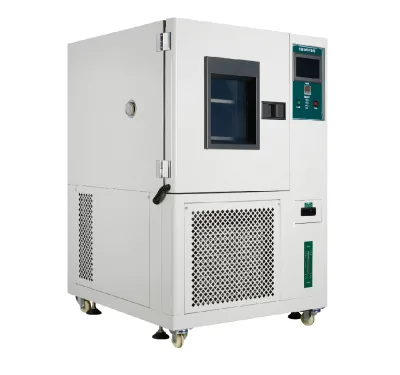
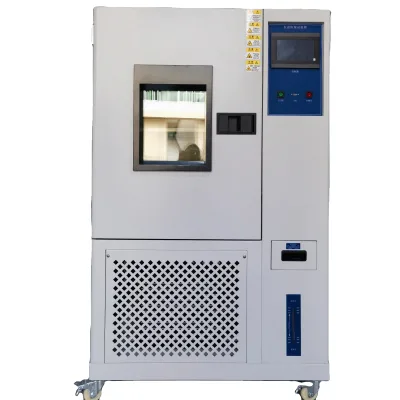
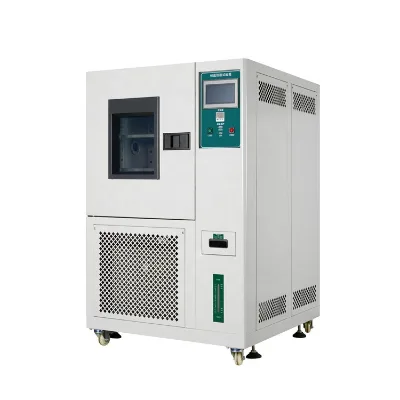
Programmable Constant Temperature and Humidity Climatic Chamber for Sale
$3000.00 - $5000.00
MOQ: 1 sets

Dongguan Nanxus Information Technology Co., Ltd
- Manufacturer/Factory
- China Guangdong
- Lead time23 days
- Avg. response≤ 9h
Main productsUniversal Testing Equipment, Testing Equipment, Laboratory Equipment, Climatic Chamber, Temperature Controller, Environmental Chamber, Battery Tester, Tensile Testing, Humidity Chamber, Testing Machine
Main marketsSouth America,Eastern Europe,Mid East,North America,Southeast Asia,Eastern Asia,Oceania,Western Europe,Africa


Programmable Constant Temperature Humidity Testing Machine -40°C to 150°C Vertical
$7000.00
MOQ: 1 Pieces

Desktop Constant Temperature Humidity Testing Machine -20°C to 100°C Horizontal
$5500.00
MOQ: 1 Pieces

Dongguan Xin Bao Instrument Co.,Ltd
- Verified by SGS
- Combined
- China Guangdong
- Lead time15 days
- Avg. response≤ 4h
Main productsTesting Machine, Test Chamber, Tensile Testing Machine, Climatic Chamber, Vibration Test Machine, Salt Spray Chamber, UV Aging Test Chamber, Dust Chamber, Drying Oven, Testing Equipment
Main marketsSouth America,Africa,Others(foreignTradeCapacity.exportBusinessCapacityMarketOther),Southeast Asia/ Mideast,East Asia(Japan/ South Korea),Domestic,Europe,Australia,North America
Dongguan Lizjin Electronic Technology Co., Ltd.
- Verified by Intertek
- Manufacturer, Trading Company
- Lead time0 days
Main productsBicycle and Motorcycle Testing Machine, Sports Equipment Testing Machine, Caster, Rubber Wheel and Wheel Testing Machine, Battery Testing Machine, Furniture Testing Machine
Main marketsNorth America(20%), Eastern Asia(20%), Eastern Europe(15%)
Guangdong Derui Testing Equipment Co., Ltd.
- Verified by Intertek
- Manufacturer, Trading Company
- Lead time0 days
- Avg. response≤ 1h
Main productsConstant Temperature and Humidity Test Chamber, Thermal Shock Test Chamber, Xenon Lamp Aging Test Chamber, Ultraviolet Aging Test Chamber, Oven
Main marketsSoutheast Asia(20%), Western Europe(15%), North America(15%)
Guangdong Atmars Test Equipment Co., Ltd.
- Verified by TüVRheinland
- Manufacturer, Trading Company
- Lead time45 days
- Avg. response≤ 1h
Main productsTemperature And Humidity Test Chamber, Altitude Test Chamber, Thermal Shock Test Chamber, Rapid Temperature Changing (humidity )test Chamber, Walk In Test Chamber
Main marketsDomestic Market(40%), Southeast Asia(15%), Eastern Europe(12%)

JIANGSU JINGYA IMPORT AND EXPORT CO., LTD.
- Combined
- China Jiangsu
- Lead time60 days
- Avg. response≤ 25h
Main productsTextile Machine
Main marketsSouth America,Africa,Southeast Asia/ Mideast,East Asia(Japan/ South Korea),Europe,North America


High Quality Textile Machine Air Conditioner for Humidification System Industrial
$10000.00 - $20000.00
MOQ: 1 Pieces

Professional Textile Machine Air Conditioner for Humidification System Industrial
$10000.00 - $20000.00
MOQ: 1 Pieces
Huato System (shenzhen) Co., Ltd.
- Verified by SGS Group
- Manufacturer, Trading Company
- Lead time7 days
- Avg. response≤ 2h
Main productsMulti-function Potable Paperless Data Logge, Thermometer Hygrometer, Microenvironment Constant Humidity Control System, Constant Temperature And Humidity Storage Cabinet, Acid Free Capsule
Main marketsDomestic Market(30%), Mid East(14%), South America(13%)
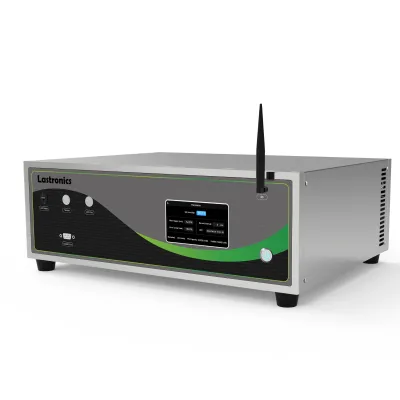
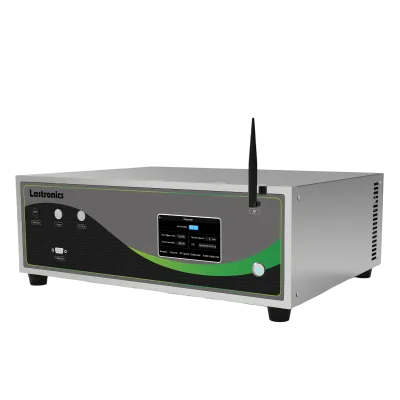
Electrical Digital Constant Humidity for Humidification Dehumidification Machine
$1636.0341 - $2975.3561
MOQ: 1 units
Dongguan Zhongli Instrument Technology Co., Ltd.
- Trading Company
- Lead time旺季: "1 - 1":14,"> 1":"To be negotiated", 淡季: "1 - 1":14,"> 1":"To be negotiated"
- Avg. response≤ 2h
Main productsRheometer Machine For Rubber, Tensile Strength Tester, Banbury Mixer, Roll Open Mixing Mill, Climatic Temperature Humidity Tester

Meizi Senmei (Suzhou) Electric Co., Ltd.
- Trading Company
- China Jiangsu
- Lead time0 days
- Avg. response≤ 3h
Main productsDehumidifier, Humidifier

Multifunctional Heating and Humidity Control System for Optimal Comfort
$2300.00 - $2400.00
MOQ: 1 Pieces

High Performance Dehumidification Machine for Humidity Control in Workshops
$2500.00 - $2550.00
MOQ: 1 Pieces

Advanced Multifunctional Heating Dehumidifier for Optimal Humidity Control
$2300.00 - $2400.00
MOQ: 1 Pieces

Guangdong Xiecheng Intelligent Equipment Co., Ltd.
- Verified by TUVRHEINLAND
- Combined
- China Guangdong
- Lead time15 days
- Avg. response≤ 8h
Main productsIndustrial Chiller, Mold Temperature Controller, Auto Loader, Plastic Crusher, Color Mixer, Hopper Dryer, Industrial Dehumidifier, Cooling Tower, Gravimetric Bleander Doser, Belt Conveyor
Main marketsSoutheast Asia/ Mideast


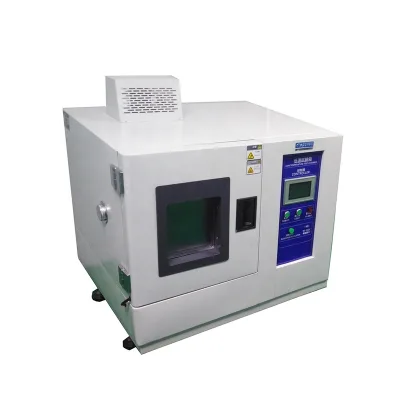
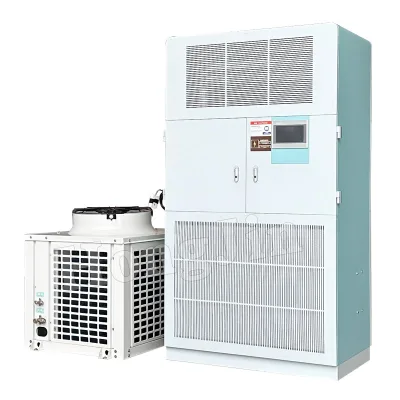
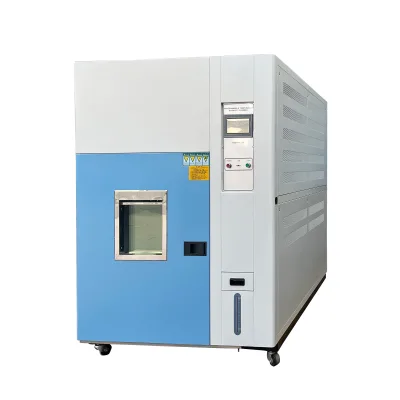
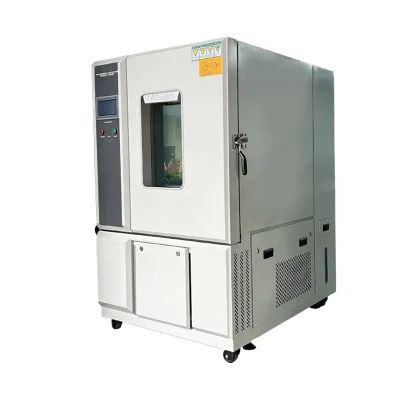


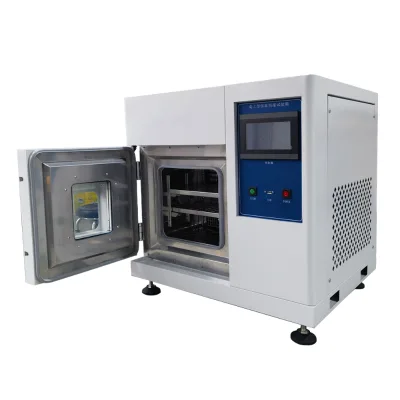
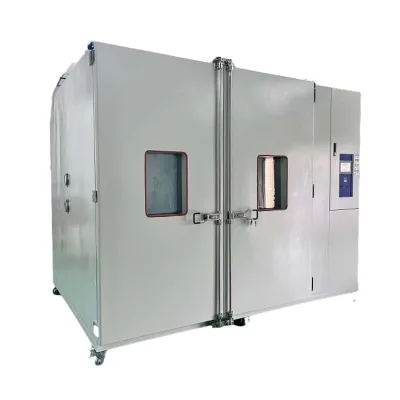


Comprehensive Sourcing Guide
Factory Humidity and Temperature Conditioning Machine Supplier Concentration and Factory Types
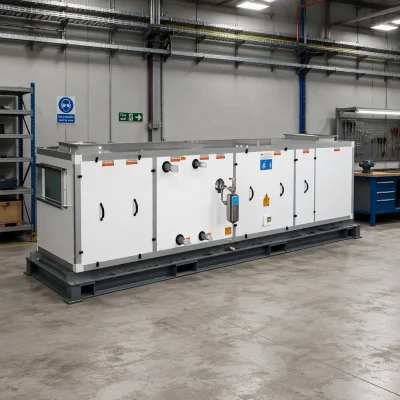
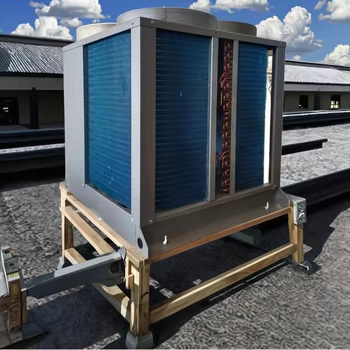
The current supplier landscape for factory humidity and temperature conditioning machines reveals a distinct concentration of manufacturing activity within China, specifically in the Guangdong and Zhejiang provinces. This geographic clustering is significant for buyers because it indicates established industrial ecosystems where specialized components, such as compressors and stainless steel fabrication, are readily available. Suppliers located in these regions often benefit from mature supply chains that reduce logistical friction and allow for more efficient production scheduling. When evaluating potential partners, buyers should prioritize suppliers whose verified locations align with these known manufacturing hubs, as this often correlates with higher production capacity and technical expertise in environmental testing equipment. The presence of suppliers in these specific provinces suggests a competitive market where price and quality are balanced through intense local competition, providing buyers with a wider selection of options ranging from basic units to highly customized industrial solutions.
Company types in this sector vary significantly, encompassing both pure manufacturers and combined entities that function as both manufacturers and trading companies. This distinction is crucial for procurement strategy, as pure manufacturers typically offer greater control over production processes and potentially lower base costs, while combined entities may provide broader product portfolios and more flexible service models. Many suppliers in this category list their company type as combined, indicating they may source certain components externally while assembling final units in-house or managing the entire supply chain for their clients. Buyers must carefully review the supplier’s declared capabilities, such as ODM and OEM capacities, to understand whether the supplier is primarily focused on original design manufacturing or original equipment manufacturing. Understanding this structural difference helps in negotiating better terms, as manufacturers with strong R&D capabilities may offer more innovative solutions, whereas trading-focused entities might excel in logistics and customer service coordination.
How to Verify Factory Humidity and Temperature Conditioning Machine Suppliers
Verification is a critical step in mitigating risk when sourcing factory humidity and temperature conditioning machines, as the technical specifications of these units directly impact operational safety and product integrity. Buyers should prioritize suppliers who hold third-party verification badges, such as SGS, which provides an additional layer of confidence regarding the supplier’s business legitimacy and operational standards. Beyond basic verification, it is essential to examine the specific system certifications held by the supplier, such as ISO9001:2015 and ISO14001:2015, which demonstrate a commitment to quality management and environmental responsibility. These certifications are not merely decorative; they indicate that the supplier has undergone rigorous audits and maintains standardized processes for production and quality control. Buyers should request copies of these certificates and verify their validity through the issuing bodies to ensure they are current and applicable to the specific products being sourced.
In addition to corporate certifications, product-specific evidence must be scrutinized to ensure compliance with international standards. Many suppliers list certifications such as RoHS, CE, and TUV on their product pages, which are vital for market access in various regions. Buyers should verify that these certifications are not just claimed but are supported by test reports or documentation that can be provided upon request. For instance, the presence of a CE mark indicates conformity with health, safety, and environmental protection standards for products sold within the European Economic Area. Similarly, RoHS certification ensures that the equipment does not contain specific hazardous materials. It is also important to check for warranty terms and after-sales support structures, as these reflect the supplier’s confidence in their product’s durability. Suppliers offering a one-year warranty on core components or the entire unit provide a baseline level of assurance, but buyers should clarify the scope of this warranty to understand what is covered and what constitutes voided coverage.
What to Compare Across Factory Humidity and Temperature Conditioning Machine Suppliers
When comparing suppliers, lead time and response speed are two of the most practical metrics for assessing operational efficiency. Suppliers in this category exhibit varying lead times, with some offering rapid turnaround times of around seven days, while others may require up to thirty days for production and delivery. This variance often correlates with the complexity of the order and the supplier’s current production load. Buyers should also pay close attention to response times, as a quick reply to inquiries often indicates a more responsive customer service team that can address technical questions or customization requests promptly. A response time of less than one day suggests a highly active sales team, which can be beneficial for resolving issues quickly during the procurement process. Comparing these metrics across multiple suppliers helps buyers identify those who can meet their specific timeline requirements without compromising on communication quality.
Product specifications and pricing structures also require careful comparison to ensure value for money. The price range for these machines can vary significantly, from approximately $3,500 for basic models to over $7,900 for more advanced units with higher capacity or specialized features. Buyers should not focus solely on the lowest price but should evaluate the cost against the technical specifications, such as temperature range, humidity control precision, and dehumidifying capacity. For example, a machine with a temperature range of -40ºC to 150ºC and a humidity range of 20% to 98% Rh may command a higher price due to the complexity of its control systems. Additionally, the minimum order quantity (MOQ) is a key factor, with many suppliers offering an MOQ of just one unit, which is ideal for small-scale testing or pilot projects. Buyers should also consider the customization options available, such as adjustable outer box sizes or specific voltage requirements, as these can add value but may also impact the final price and lead time.
Common Factory Humidity and Temperature Conditioning Machine Sourcing Risks
One of the primary risks in sourcing factory humidity and temperature conditioning machines is the potential mismatch between advertised specifications and actual performance. Buyers must be cautious of suppliers who provide vague or incomplete technical data, as this can lead to receiving equipment that does not meet their operational requirements. For instance, claims about cooling rates or temperature uniformity should be backed by detailed test reports or third-party verification. Without such evidence, buyers risk investing in machinery that fails to maintain the precise environmental conditions necessary for their testing processes. It is also important to verify the material quality, such as the use of stainless steel for the interior chamber, as inferior materials can lead to corrosion and reduced lifespan of the equipment. Buyers should request detailed product attributes and compare them across suppliers to identify any discrepancies or unrealistic claims.
Another significant risk is the lack of clarity regarding warranty and after-sales support. While many suppliers offer a one-year warranty, the terms and conditions can vary widely, and some may exclude certain components or types of damage from coverage. Buyers should carefully review the warranty details to understand what is included and what is excluded, as well as the process for claiming repairs or replacements. Additionally, the availability of spare parts and technical support in the buyer’s region is crucial for minimizing downtime in case of equipment failure. Suppliers who provide video outgoing-inspections or machinery test reports offer an additional layer of assurance, as these allow buyers to verify the condition of the equipment before shipment. However, buyers should also consider the logistical challenges of returning defective units for repair, which can be costly and time-consuming. Establishing clear communication channels and documenting all agreements regarding support and warranty is essential to mitigate these risks.
Factory Humidity and Temperature Conditioning Machine Regional Sourcing and Logistics
Sourcing from specific regions like China offers access to a wide range of suppliers with varying capabilities, but it also introduces logistical complexities that buyers must manage. The distance between the manufacturing hubs in Guangdong and Zhejiang and international destinations can impact shipping costs and transit times. Buyers should work with suppliers who have experience in international logistics to ensure that the equipment is packed securely and shipped efficiently. Many suppliers use wooden packing or customized wooden packages to protect the machinery during transit, which is essential for preventing damage to sensitive components like compressors and control panels. Understanding the packaging standards and dimensions provided by the supplier is crucial for planning storage and installation at the destination. Buyers should also consider the environmental impact of the packaging materials and whether they comply with international regulations for imported goods.
Customs clearance and import regulations are another critical aspect of regional sourcing that buyers must navigate. Different countries have varying requirements for electrical equipment, including voltage standards and safety certifications. Buyers should ensure that the supplier’s products meet the specific regulatory requirements of their target market, such as CE marking for Europe or other local standards. Failure to comply with these regulations can result in delays, fines, or the rejection of the shipment at customs. Additionally, buyers should be aware of any tariffs or duties that may apply to the import of industrial machinery, as these can significantly impact the total cost of ownership. Working with a freight forwarder who specializes in industrial equipment can help streamline the customs process and ensure that all necessary documentation is prepared correctly. Clear communication with the supplier regarding Incoterms and shipping responsibilities is essential to avoid unexpected costs or delays.
Factory Humidity and Temperature Conditioning Machine Commercial Terms and Order Planning
Effective order planning requires a thorough understanding of the commercial terms offered by suppliers, including payment methods, delivery schedules, and customization policies. Many suppliers offer flexible payment terms, but buyers should always use secure payment methods such as escrow services to protect their funds until the goods are received and verified. This is particularly important for large orders or first-time transactions with new suppliers. Buyers should also clarify the delivery schedule and ensure that it aligns with their production or testing timelines. If the supplier offers a lead time of seven to thirty days, buyers should plan their orders accordingly to avoid production delays. Additionally, buyers should confirm whether the quoted price includes shipping and insurance costs, as these can vary depending on the destination and the method of transport.
Customization is a key feature for many factory humidity and temperature conditioning machines, allowing buyers to tailor the equipment to their specific needs. Suppliers often offer options for customized sizes, voltages, and control systems, which can enhance the functionality of the machine. However, customization can also impact the lead time and cost of the order, so buyers should discuss these details with the supplier before placing the order. It is also important to verify that the customized features do not compromise the safety or reliability of the equipment. Buyers should request detailed drawings or specifications for any customized components and ensure that they are approved before production begins. Finally, buyers should establish a clear communication plan with the supplier to monitor the progress of the order and address any issues that may arise during production or shipping. This proactive approach helps ensure a smooth procurement process and successful delivery of the equipment.
FAQs
What types of factory humidity and temperature conditioning machines are available from Chinese suppliers?
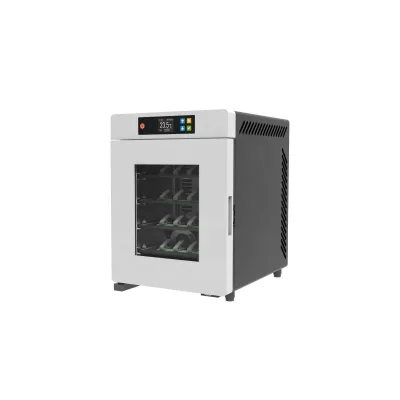
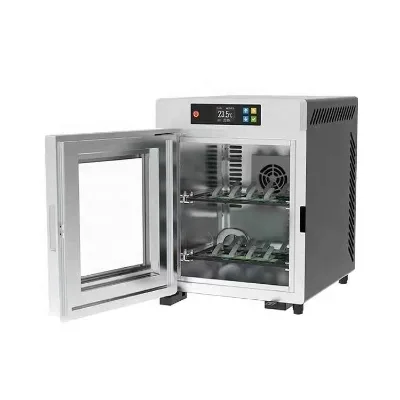
Suppliers mainly offer two categories: environmental test chambers with programmable temperature and humidity control, and industrial conditioning machines that combine dehumidification and humidification for factory floors and laboratories. Chamber models cover ranges such as -40 to 150 degrees Celsius with 20 to 98 percent relative humidity, while conditioning units reach capacities from 90 up to 960 liters per day.
What is the typical temperature and humidity control accuracy of these machines?
Typical specifications include temperature uniformity of plus or minus 2 degrees Celsius and temperature fluctuation of plus or minus 0.5 degrees Celsius, with humidity fluctuation around plus or minus 2.5 percent relative humidity. Confirm the exact fluctuation and uniformity values on the datasheet for your required setpoints, since performance can vary between chamber sizes and conditioning machine models.
What is the minimum order quantity for factory humidity and temperature conditioning machines?
Many listings show a minimum order quantity of just one unit, which suits factories testing a single machine before scaling up. Customization is often available, so you can request specific chamber sizes or conditioning capacities. Before ordering, verify whether the quoted MOQ applies to customized configurations or only to standard catalog models, as custom builds may carry different terms.
How long does production and delivery usually take?
Lead times in current supplier results range from about 7 days to 30 days depending on the supplier and product type. Simpler conditioning units generally ship faster, while programmable test chambers built to customized dimensions take longer. Ask each supplier to confirm the lead time for your exact specification, including any time needed for factory testing and wooden export packing.
Which certifications should I check before importing these machines?
Look for CE marking and ISO 9001 system certification as a baseline, and RoHS or TUV markings on test chamber products. Some verified suppliers also hold ISO 14001 certification. Check that the specific machine model, not only the company, carries the claimed product certification, and request copies of certificates together with a machinery test report before placing your order.
Can these machines be customized for my factory's specific conditions?
Yes, customization is widely offered, including ODM and OEM services from combined manufacturers. Chamber sizes can be built to your required dimensions, and conditioning machines can be configured for specific dehumidifying capacities and humidification rates. Provide your factory's floor area, target temperature and humidity setpoints, and power supply voltage, such as 220V or 380V, so suppliers can propose a suitable configuration.