FTTX Fiber Optical Cable Suppliers and Manufacturers
Compare 22 verified suppliers of FTTX Fiber Optical Cable based on location, lead times, certifications, and response times. Review product specifications like G657A and ISO9001, then request quotes directly from factories in Guangdong; review the available evidence before requesting comparable quotations from suitable candidates.
Updated
Suppliers List

Shenzhen KOC Communication Co., Ltd.
- Verified by TUVRHEINLAND
- Combined
- China Guangdong
- Lead time15 days
- Avg. response≤ 10h
Main productsFiber Optic Components, Patch Cord, Connector, Attenuator, Adaptor, FTTH Componets, MPO/MTP, PLC Splitters, Coupler, Wdm/CWDM Components
Main marketsAfrica,Southeast Asia/ Mideast

Shenzhen Necero Optical Fiber And Cable Co., Ltd.
- Manufacturer/Factory
- China Guangdong
- Lead time15 days
- Avg. response≤ 11h
Main productsOptical Fiber Cable, Fiber Optic Jumper, Outdoor Optical Cable, Indoor Optical Cable, Indoor Armoured Fiber Optic Cable, FTTH Cable, ADSS Cable, Optical Power Composite Cable, Stainless Steel Tube Optical Cable, Air Blowing Fiber Optic Cable
Main marketsSouth America,Eastern Europe,North America,Southeast Asia,Eastern Asia,Oceania,Western Europe,Africa


GJYXFCH (V) Outdoor FTTH Fttp FTTX Cable/Optical Fiber Cable/Fiber Optic Cable
$0.10 - $0.30
MOQ: 1 Meters


Hangzhou Photoelectric Technology Co., Ltd.
- Verified by TüVRheinland
- Trading Company
- Lead time10 days
- Avg. response≤ 23h
Main productsOptical Fiber Cable, Xpon, Fiber Optic Distribution Box, Fiber Optic Terminal Box, Fiber Optic Splice Closure
Main marketsNorth America(10%), Eastern Europe(10%), Southeast Asia(10%)

Shenzhen Hanxin Communication Optical Fiber Cable Co., Ltd.
- Verified by BV
- Trading Company
- China Guangdong
- Lead time15 days
- Avg. response≤ 4h
Main productsFTTH Drop Cable, Indoor Fiber Optic Cable, Outdoor Fiber Optic Cable, MTP/MPO, Fiber Optic Patch Cord/Jumper, Fiber Optic Pigtail, Fiber Optic Media Converter, Termination Box/Patch Panel, Fast Connectors
Main marketsSouth America,Southeast Asia/ Mideast,Domestic
Changhe Optical Technology Co., Ltd.
- Manufacturer, Trading Company
- Shandong, China
- Lead time0 days
- Avg. response≤ 3h
Main productsg652d optical fiber,g657a optical fiber,g657a1 optical fiber,g657a2 optical fiber
Main marketsDomestic Market(50.00%), Mid East(30.00%), Western Europe(20.00%)

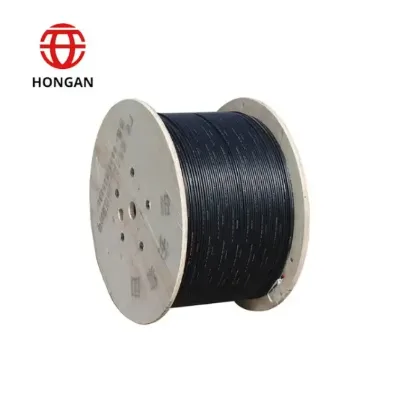
Hongan Group Corporation Limited
- Group Corporation
- China Shandong
- Lead time15 days
- Avg. response≤ 12h
Main productsOptical Fiber Cable, FTTH FTTX, Fiber Cable, Fiber Optic Cable, Data LAN Cable, Internet Cable, Fiber Jumper, Multi Pair Telephone Cable, Epon Gpon, Joint Closure ODF
Main marketsAfrica,Southeast Asia/ Mideast,Domestic
Ella Optoelectronic Technology Hebei Co., Ltd.
- Verified by SGS Group
- Manufacturer, Trading Company
- Lead time14 days
- Avg. response≤ 6h
Main productsFRP
Main marketsDomestic Market(100%)

Changzhou HITEK Electronics Co., Ltd.
- Combined
- China Jiangsu
- Lead time30 days
- Avg. response≤ 24h
Main productsHDMI Cable, Connector, Antenna, RCA Cable, DVI Cable, AV Cable, Vedio Cable, Audio Cable, USB Cable, Network Cable
Main marketsDomestic
Hongan Group Corporation Limited
- Verified by Intertek
- Manufacturer, Trading Company
- Lead time10 days
- Avg. response≤ 3h
Main productsFiber Optical Cable, Patch Cords, Luminous Fiber, Optical Fiber, Network Cable
Main marketsDomestic Market(70%), Southeast Asia(10%), Eastern Asia(10%)

Shenzhen Opelink Communication Technology Co., Ltd.
- Verified by SGS
- Trading Company
- China Guangdong
- Lead time15 days
- Avg. response≤ 5h
Main productsFiber Optic PLC Splitter/Coupler, Optical CWDM/DWDM/OADM/AWG, FTTH Drop Fiber Optic Cable, Indoor/Outdoor Fiber Optic Cable, Fiber Optic Patchcord/Patch Cable/Jumper/Pigtail, Fiber Optic Connector/Fast(Quick) Connector, Fiber Optic Adaptor/Adapter, Fiber Optic Attenuator, Optical Circulator/Islator, Optical Fiber Indoor Duplex(Simplex) Cable
Main marketsSoutheast Asia/ Mideast,Europe

Sichuan Lefei Optoelectronics Technology Co., Ltd.
- Verified by SGS
- Combined
- China Sichuan
- Lead time23 days
- Avg. response≤ 5h
Main productsOptical Fiber Cable, Outdoor Optical Cable, Indoor Optical Cable, FTTH Optic Cable, ADSS Optical Cable, Epfu Cable, Fiber Drop Cable, Fiber Cable, Anti-Rodent Optical Cable, Armoured Fiber Optical Cable
Main marketsDomestic
Shenzhen Fongko Communication Equipment Co., Ltd.
- Verified by TüVRheinland
- Manufacturer, Trading Company
- Lead time0 days
- Avg. response≤ 3h
Main productsFiber Optic Cable, Fiber Optic Fast Connector, Fiber Optic Patchcord, Fiber Optic Splitter, Fiber Optic Terminal Box
Main marketsDomestic Market(25%), South America(15%), North America(12%)
Anhui Fiberyard Technology Co., Ltd.
- Verified by SGS Group
- Manufacturer, Trading Company
- Lead time0 days
- Avg. response≤ 5h
Main productsADSS Cable, OPGW Cable, FTTH Cable, FTTH Accessories
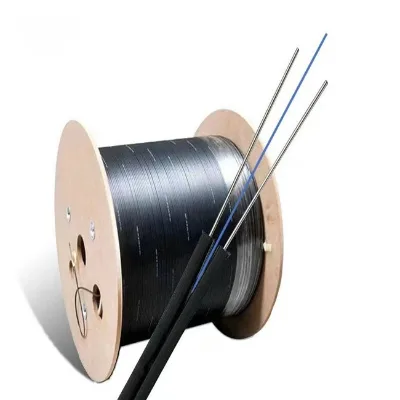
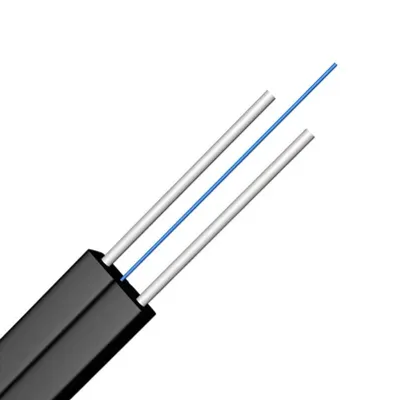
Quality Choice Low Loss Premium Networking Fiber Optic Cable Solutions Gjxfh
$0.30 - $2.99
MOQ: 2000 meters

Shenzhen Leo Network Technology Co., Ltd.
- Verified by TUVRHEINLAND
- Trading Company
- China Guangdong
- Lead time15 days
- Avg. response≤ 14h
Main productsPatch Panel, Keystone Jack, LAN Cable, Network Cabinet, RJ45 Connector, PLC Splitter, Fiber Optic Cable, Patch Cord, Network Rack, Server Rack
Main marketsDomestic

Hangzhou Xingfa Technology Co., Ltd.
- Verified by BV
- Combined
- China Zhejiang
- Lead time15 days
- Avg. response≤ 11h
Main productsCoaxial Cable, LAN Cable, UTP Cat5e, CAT6, FTP Cat5e, Trunk Cable, Telephone Cable, Speaker Cable, Alarm Cable, Fiber Optic Cable
Main marketsSouth America,Africa,Southeast Asia/ Mideast,East Asia(Japan/ South Korea),Europe,Australia,North America
Ningbo Fibconet Communication Technology Co., Ltd.
- Verified by Intertek
- Manufacturer, Trading Company
- Lead time0 days
- Avg. response≤ 2h
Main productsOptical Fiber And Cable, Splitter PLC, Adapter, Patch Cord, Fast Connector
Main marketsMid East(30%), South America(20%), Southeast Asia(12%)
Hunan Pon Information Technology Co., Ltd.
- Trading Company
- Hunan, China
- Lead time7 days
- Avg. response≤ 2h
Main productsFiber optic equipments,OTDR,Fusion Splicer,OLT,Desk Socket
Main marketsSouth America(20.00%), North America(20.00%), Southern Europe(10.00%), Western Europe(10.00%), Southeast Asia(10.00%), Eastern Europe(10.00%), South Asia(5.00%), Mid East(5.00%), Northern Europe(5.00%), Africa(5.00%)

Shenzhen NH-Link Communication Co., Ltd
- Verified by BV
- Trading Company
- China Guangdong
- Lead time15 days
- Avg. response≤ 3h
Main productsFiber Optic Cable, Network Cable, Network Cabinet, Patch Cord, Accessories
Main marketsNorth America

Fiber Cable Optic Fiber Cableoptical Fiber Cable Wireoptical Fiber Cable
$0.15 - $0.25
MOQ: 1000 Meters


Shenzhen Pioneer Goods Communication Co., Limited
- Verified by TUVRHEINLAND
- Trading Company
- China Guangdong
- Lead time15 days
- Avg. response≤ 3h
Main productsfiber telecom equipment and FTTH solution
Main marketsSouth America,Southeast Asia/ Mideast,Europe,North America
ZheJiang JinYuan WanBao Optical Fiber Co., LTD.
- Manufacturer
- Zhejiang, China
- Lead time15 days
Main productsFiber Optic Cable
Main marketsWestern Europe(20.00%), Eastern Europe(20.00%), Mid East(15.00%), Africa(10.00%), Northern Europe(5.00%), South America(5.00%), Southeast Asia(5.00%), Eastern Asia(5.00%), North America(5.00%), Southern Europe(5.00%), Central America(3.00%), Domestic Market(2.00%)

Shanghai Gengyun Industrial Co., Ltd.
- Verified by TUVRHEINLAND
- Trading Company
- China Shanghai
- Lead time15 days
- Avg. response≤ 5h
Main productsOptical Fiber Cable Material, Optical Fiber Coating Resin, Sheath Raw Materials for Cable, PBT Polybutylene Terephthalate, Cable Water Blocking Material, Optical Fiber Coloring Ink, Cable Armoring Material, Optical Fiber Machine, Optical Fiber Cable Machine, Fiber Cable Reinforced Material
Main marketsSoutheast Asia/ Mideast

Hangzhou zhiyi communication Co.,Ltd
- Verified by TUVRHEINLAND
- Trading Company,Manufacturer/Factory
- China Zhejiang
- Lead time15 days
- Avg. response≤ 23h
Main productsCoaxial Cable, Fiber Optical Cable, FTTH Optical Fiber Cable, E/Gpon ONU Olt, CATV Cable RG6, Eoc Master / Slave, Optical Splice Clouse/ Box, RF Coaxial Cable, Connector, Jumper
Main marketsSouth America,Eastern Europe,Mid East,Southeast Asia,Eastern Asia,Oceania,Western Europe,Africa

Negotiable


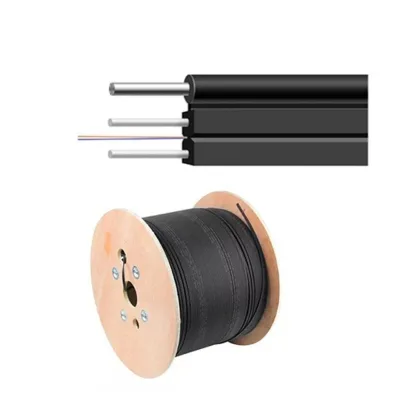
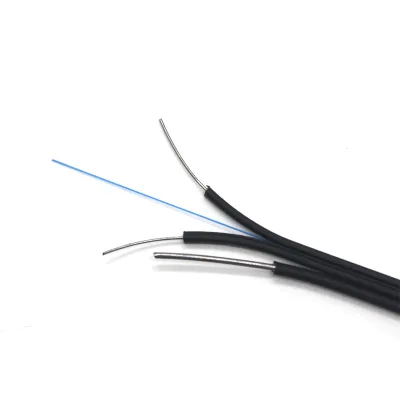
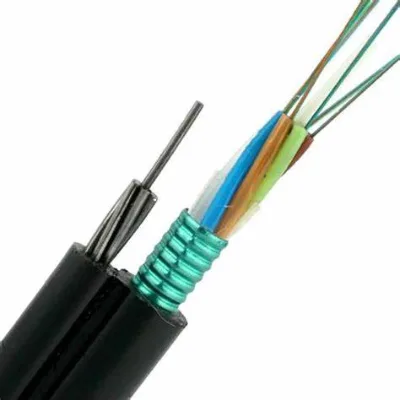
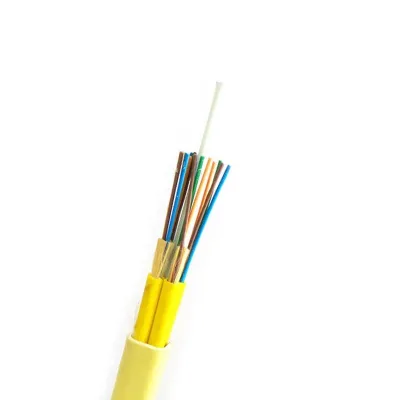
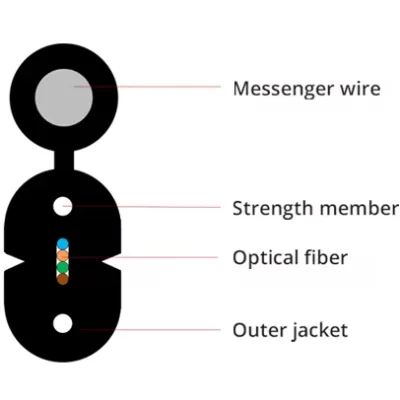
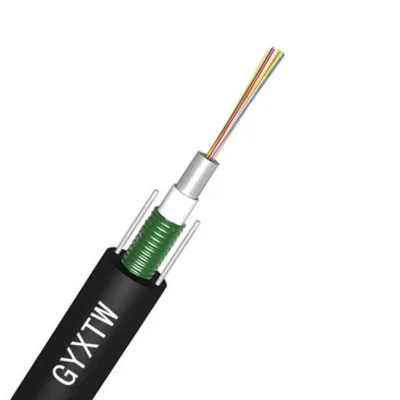
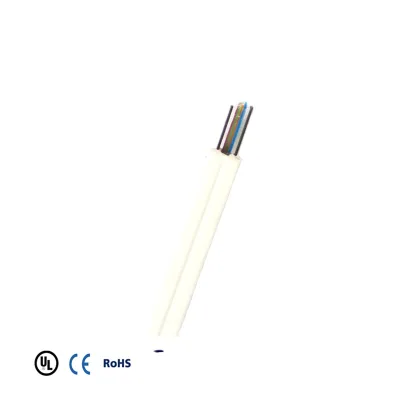
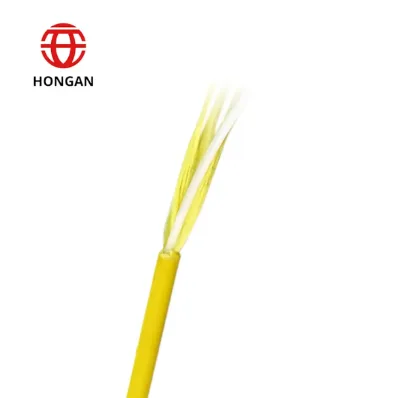
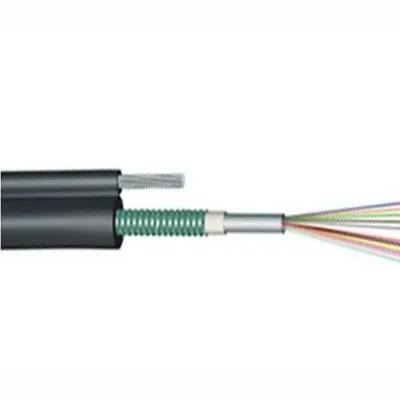
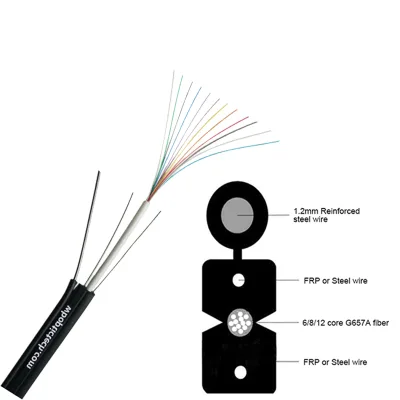
FTTH Optical Fiber Cable (GJXFDH, GJXDH)
Negotiable












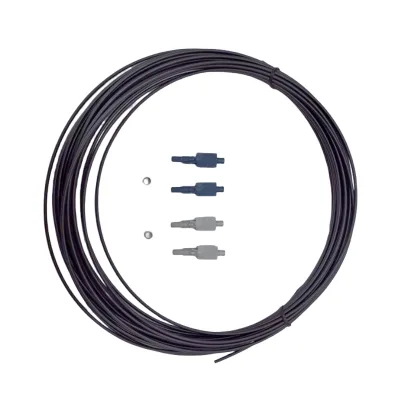
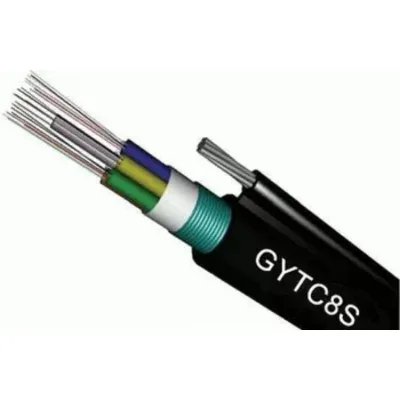
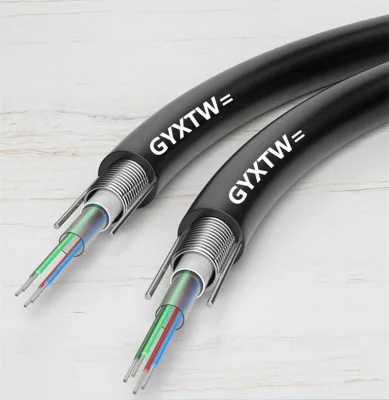




Comprehensive Sourcing Guide
FTTX Fiber Optical Cable Supplier Concentration and Factory Types
The current supplier landscape for FTTH and FTTX fiber optical cables shows a distinct concentration in China, specifically within the Guangdong province. This region serves as a primary manufacturing hub where combined entities and dedicated manufacturers operate side by side. Buyers observing these results will find that many suppliers list their origin as Shenzhen or Guangdong, indicating a dense cluster of production facilities capable of handling large-scale orders for components like patch cords, connectors, and various cable types. This geographic clustering suggests a mature supply chain ecosystem where raw materials and finished goods move efficiently between factories and logistics providers.
When evaluating the company types available, buyers will encounter a mix of combined trading entities and direct manufacturers. Some suppliers identify as manufacturers with their own brands, while others operate as combined firms offering both OEM and ODM services. This distinction is critical because a manufacturer typically controls the production process from raw fiber to the final drum, whereas a combined entity might source from multiple factories. The presence of companies offering own-brand products alongside OEM capabilities indicates flexibility in branding and customization. Buyers should verify whether a specific supplier is a direct factory or a trading company to understand the depth of their technical support and production control capabilities.
How to Verify FTTX Fiber Optical Cable Suppliers
Verification of suppliers in this sector relies heavily on third-party audit reports and specific system certifications. Evidence from current results indicates that some suppliers hold ISO9001:2015 and ISO14001:2015 certificates, which are standard benchmarks for quality and environmental management. Additionally, verification badges from recognized bodies like TÜV Rheinland appear in the data, serving as a tangible proof point of a supplier's operational integrity. Buyers must treat these certifications as essential verification steps rather than optional extras, as they confirm that the supplier adheres to international standards for manufacturing processes and product safety.
Beyond certifications, buyers should scrutinize the specific product attributes and material specifications provided in the supplier listings. For instance, detailed data on sheath materials like LSZH or PVC, along with fiber types such as G657A or G652D, demonstrates a supplier's technical depth. The presence of specific test results or compliance marks like RoHS and CE in product attributes further validates the supplier's ability to meet regulatory requirements. Buyers should request copies of these certificates and cross-reference them with the supplier's profile to ensure the claims are current and valid. If a supplier lacks these specific details or verification badges, it is a signal to proceed with caution and request additional documentation before proceeding.
What to Compare Across FTTX Fiber Optical Cable Suppliers
Comparing suppliers requires a systematic analysis of key operational metrics such as lead time, minimum order quantity, and response speed. Current data shows lead times ranging from 15 days, while response times vary between 9 and 11 hours. These figures are vital for planning production schedules and inventory management. Buyers should compare these numbers across multiple suppliers to identify those that align with their specific project timelines. A supplier with a shorter lead time might be preferable for urgent orders, while a longer lead time could indicate a more robust production schedule or higher customization requirements.
In addition to operational speed, buyers must compare pricing structures and customization capabilities. Product listings reveal price ranges that can vary significantly, with some items priced as low as $0.08 per unit and others reaching $1.90. The minimum order quantities also differ, with some suppliers requiring 100 units while others accept orders as low as one unit. Customization options, such as available jacket colors, cable lengths, and specific fiber counts, are another critical comparison point. Buyers should evaluate whether a supplier can accommodate their specific technical needs, such as multi-core configurations or specific bending-insensitive fiber types, while maintaining competitive pricing and reasonable order thresholds.
Common FTTX Fiber Optical Cable Sourcing Risks
One significant risk in sourcing FTTH cables involves the discrepancy between claimed specifications and actual product performance. While suppliers list attributes like tensile strength and lateral pressure, these values can vary based on the specific manufacturing batch. For example, some listings mention allowed tensile strengths of less than 100N, while others indicate ranges up to 1000N. Buyers must verify these physical properties through independent testing to ensure the cables will withstand installation stresses and environmental conditions. Relying solely on the provided product attributes without validation can lead to installation failures or premature cable degradation in the field.
Another risk pertains to the consistency of material quality and certification validity. Suppliers may list certifications like RoHS or ISO, but the actual materials used, such as the sheath composition, might not always match the claimed standards. Variations in jacket materials, such as LSZH versus PVC, can impact fire safety and environmental compliance. Furthermore, the origin of the product, often listed as Shenzhen or Guangdong, does not guarantee uniform quality across all batches. Buyers should be wary of suppliers who cannot provide detailed material safety data sheets or who offer vague descriptions of their fabrication processes. Ensuring that the materials used meet the specific project requirements is essential to mitigate these risks.
FTTX Fiber Optical Cable Regional Sourcing and Logistics
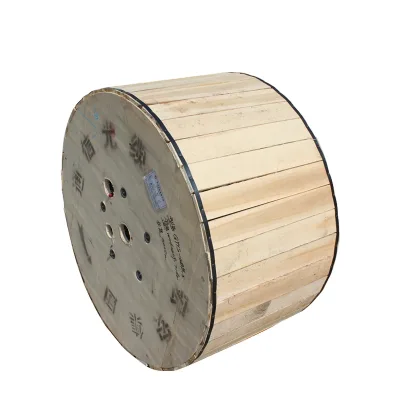
Sourcing from the identified region of Guangdong, China, offers logistical advantages due to the established infrastructure for exporting telecommunications equipment. The concentration of manufacturers in this area facilitates efficient shipping and reduces transit times for international buyers. However, buyers must account for the specific packaging standards used by suppliers, which can range from drums to cartons. Some listings specify packing methods like plywood drums with cartons, while others use simple zipper bags or standard cartons. Understanding these packaging differences is crucial for calculating shipping costs and ensuring the cables arrive without damage during transit.
Logistics planning also involves considering the impact of regional production clusters on supply chain resilience. The presence of multiple suppliers in the same region can lead to competition, potentially driving down costs and improving service levels. However, it also means that regional disruptions, such as port congestion or local regulatory changes, could affect multiple suppliers simultaneously. Buyers should diversify their sourcing strategy by engaging with suppliers in different locations if possible, or by maintaining a buffer stock to mitigate potential delays. Additionally, verifying the supplier's experience with international shipping and their ability to handle customs documentation is essential for a smooth logistics process.
FTTX Fiber Optical Cable Commercial Terms and Order Planning
Commercial terms for FTTH fiber optical cables often include specific requirements for payment, delivery, and customization. Buyers should carefully review the minimum order quantities, which can range from single units to thousands of meters, depending on the product type. For instance, some drop cables have an MOQ of 1000 units, while patch cords might accept orders of just one unit. Understanding these thresholds is essential for budgeting and inventory planning. Buyers should also clarify the pricing structure, noting that prices can vary based on the fiber count, jacket material, and customization level.
Order planning must also account for the production capacity and lead times provided by the supplier. With lead times around 15 days and response times under 11 hours, buyers can expect a relatively quick turnaround for standard orders. However, for customized products involving specific fiber types or unique jacket materials, lead times may extend. Buyers should confirm the supplier's ability to handle rush orders and their policy on production delays. Additionally, verifying the availability of escrow services or other payment protections can safeguard the transaction. Clear communication regarding these commercial terms ensures that both parties have aligned expectations and reduces the risk of disputes during the order fulfillment process.
FAQs
Where are these FTTH fiber optic cables manufactured?
The suppliers are located in Guangdong, China, specifically in Shenzhen. This region is a major hub for telecommunications equipment manufacturing. Buyers should verify specific factory addresses during the inquiry process to ensure logistics compatibility with their local requirements.
What is the typical lead time for these optical cables?
The observed lead time for these products is 15 days. This duration applies to standard orders and may vary based on customization needs. Buyers should confirm the exact delivery schedule with the supplier before finalizing the purchase agreement to avoid delays.
What certifications do these fiber optic components hold?
Many suppliers hold ISO9001:2015 and ISO14001:2015 system certifications. Products often carry RoHS and CE marks as well. Verification by third parties like TÜV Rheinland is available for some suppliers. Buyers must request specific certificates for their required compliance standards.
What is the minimum order quantity for FTTH cables?
Minimum order quantities vary by product type, ranging from 1 unit for connectors to 1000 units for drop cables. Specific MOQs depend on the item selected, such as 100 units for certain fiber cables. Buyers should check the product page for the exact threshold.
How quickly do suppliers typically respond to inquiries?
Response times observed in the results average around 9 to 11 hours. This indicates a relatively fast communication cycle for initial inquiries. Buyers should expect a reply within this window but should verify current availability as response speeds can fluctuate based on workload.
Can these cables be customized for specific projects?
Customization is available for many fiber optic products, including sheath materials and cable lengths. Suppliers offer OEM and ODM services to meet specific project needs. Buyers should specify their requirements clearly, such as jacket color or fiber count, when requesting a quote.
What are the price ranges for FTTH fiber cables?
Prices for FTTH cables range from 0.08 to 0.35 per unit depending on the model and specifications. Drop cables and connectors have different pricing tiers. Buyers should request a detailed quotation to confirm the final cost based on their specific quantity and customization choices.