Full-Automatic Aluminum Melting Furnace Suppliers and Manufacturers
Explore 27 verified options for full-automatic aluminum melting furnace suppliers and manufacturers. Compare locations in China, response times, lead times, certifications like ISO and CE, and pricing ranges from 5,570 to 70,000 USD. Contact suppliers directly to request quotes and verify specifications.
Updated
Suppliers List

Jiaxing Kingchan Machinery Co., LTD
- Trading Company,Manufacturer/Factory,Group Corporation
- China Zhejiang
- Lead time0 days
- Avg. response≤ 12h
Main productsHeat Treatment Furnace, Heating Furnace, Formaldehyde-Free Plywood, Waste Water Treatment Engineering, Waste Gas Treatment Engineering, Electroplating Machinery, Metal Phosphating Equipment, Metal Blackening Equipment, Automatic Pickling Equipment
Main marketsSouth America,Mid East,Southeast Asia,Oceania

Lvyuan Smart Machine Manufacture (Guangdong) Co., LTD.
- Verified by SGS
- Combined
- China Guangdong
- Lead time120 days
- Avg. response≤ 11h
Main productsMelting Furnaces, Aluminum Ingot and Billet Production Lines, Aluminum Dro Separation Production Line, Fully Automatic Aluminum Bar Saws, Pulse Bag Dust Collector, Ceramic Foam Filter, Metal Supporting Materials, Ball Mill and Screening Machine
Main marketsDomestic

Large Capacity Fixed Aluminum Melting Furnace for Aluminum Industry Regeneration
$10000.00 - $100000.00
MOQ: 1 Tons

Energy Saving Fixed Aluminum Melting Furnace for Industrial Foundry
$10000.00 - $100000.00
MOQ: 1 Tons

Regenerative Fixed Aluminum Melting Furnace for Modern Aluminum Plant
$10000.00 - $100000.00
MOQ: 1 Tons

High Output Fixed Aluminum Melting Furnace for Industrial Casting Production
$10000.00 - $100000.00
MOQ: 1 Tons

Industrial Fixed Aluminum Melting Furnace Solution for Recycling Factory
$10000.00 - $100000.00
MOQ: 1 Tons

High Efficiency Fixed Aluminum Melting Furnace for Industrial Use Energy Saving
$10000.00 - $100000.00
MOQ: 1 Tons
Bengbu Longhua Die Casting Machine Co., Ltd.
- Verified by SGS Group
- Manufacturer, Trading Company
- Lead time30 days
- Avg. response≤ 1h
Main productsDie Casting Machine, Die Casting Machine Parts, Die Casting Mould, Melting Furnace, Robot For Die Casting Machine
Main marketsDomestic Market(23%), Southeast Asia(15%), Mid East(12%)
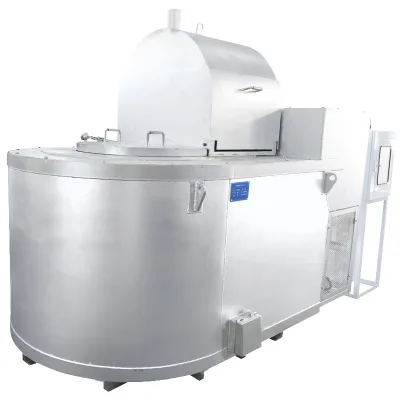
Easy Operation Fully Automatic Aluminum Alloy Smelting Furnace
$5570.00 - $5670.00
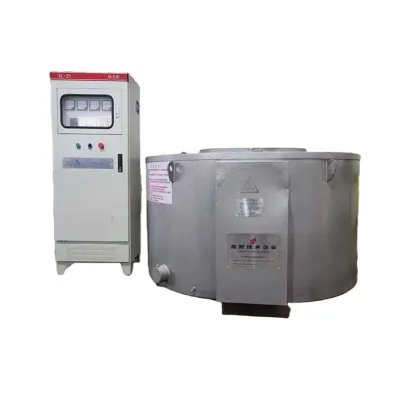
Service Equipment Aluminum Melting Furnace for Efficient Die Casting Production Line
$12750.00 - $12850.00
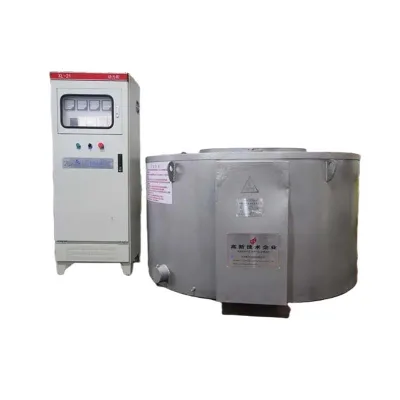
$5670.00 - $8900.00
MOQ: 1 sets
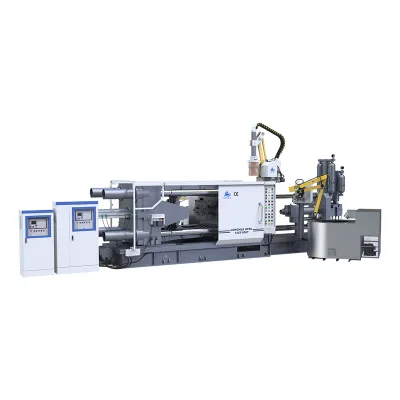
New Condition Aluminum Melting Furnace for Cold Chamber Die Casting Machine
$9250.00 - $9350.00
MOQ: 1
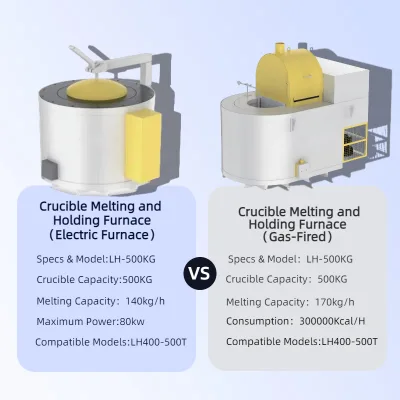
Luoyang Hongteng Electrical Equipment Co., Ltd.
- Verified by SGS Group
- Manufacturer, Trading Company
- Lead time15 days
- Avg. response≤ 2h
Main productsInduction Heating Furnace, Induction Melting Furnace, Ingot Casting Machine, Hot Rolling Mill, Continuous Casting Machine

Tai'an Anyutian General Equipment Co., Ltd.
- Verified by BV
- Trading Company
- China Shandong
- Lead time45 days
- Avg. response≤ 4h
Main productsAluminum Melting Furnace, Copper Melting Furnace, Rectangular Furnace, Rotary Furnace, Tilting Rotary Furnace, Melting Furnace, Heating Furnace, Central Melting Furnace
Main marketsDomestic

Shanghai Fortune Electric Co., Ltd.
- Manufacturer/Factory
- China Shanghai
- Lead time45 days
- Avg. response≤ 16h
Main productsDC Motor, Electric DC Motor, High Voltage Motor, Medium Voltage Motor, Electrical AC Motor, Wound Rotor Slip Ring Motor, Vertical Hollow Shaft Vhs Motor, Small Electric Arc Furnace, Induction Melting Furnace, Continuous Casting Machine
Main marketsSouth America,Eastern Europe,Mid East,North America,Southeast Asia,Eastern Asia,Oceania,Western Europe,Africa
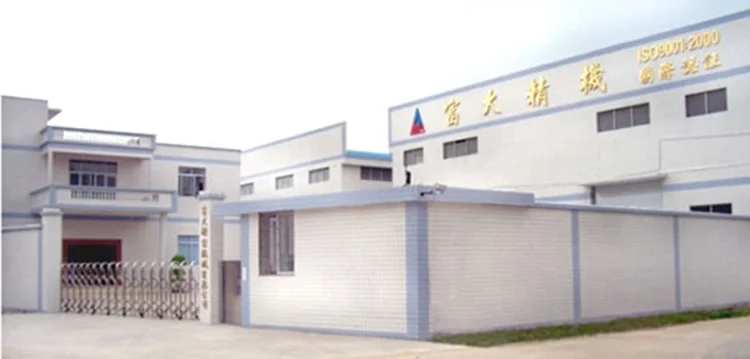
Yinan Copper (Zhaoqing) Co., Ltd.
- Manufacturer, Trading Company
- Guandong, China
- Lead time60 days
- Avg. response≤ 8h
Main productsbrass casting production line,CNC lathe Machine,aluminium extrusion machine,Industrial Furnace,hot forging machine
Main marketsDomestic Market(50.00%), Mid East(20.00%), Eastern Europe(10.00%), Western Europe(10.00%), Southeast Asia(10.00%)
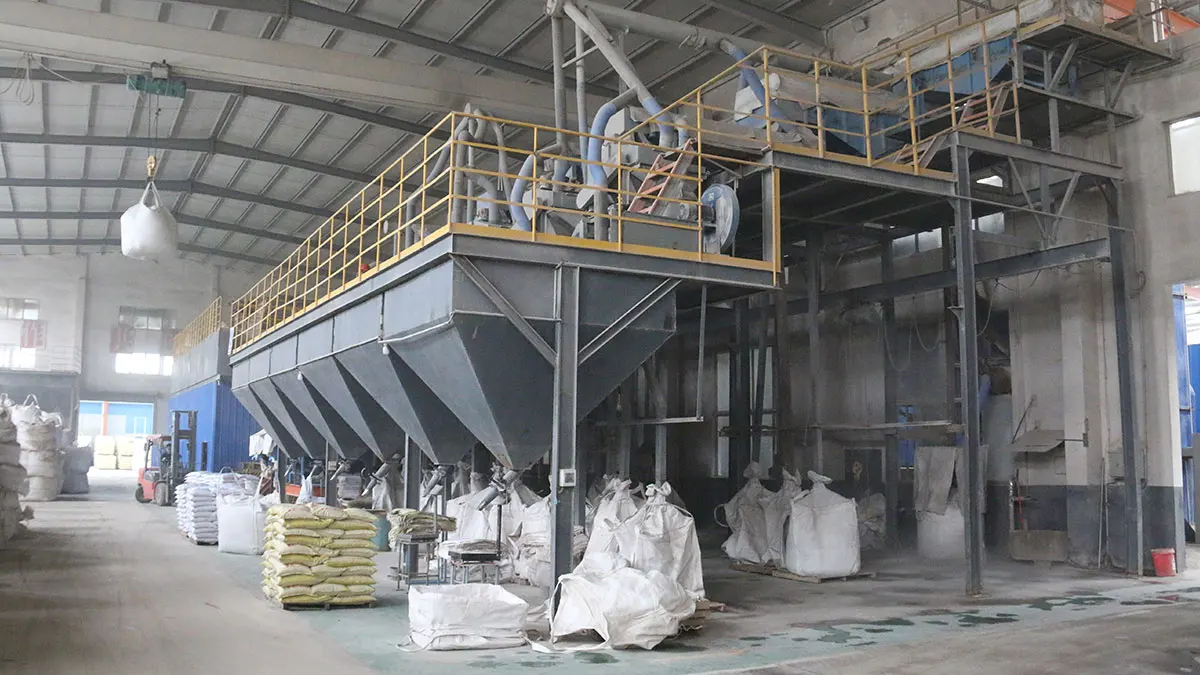
Henan Lite Refractory Material Co., Ltd.
- Trading Company
- Henan, China
- Lead time10 days
- Avg. response≤ 4h
Main productsTunnel kiln,Rotary kiln,Shuttle kiln,Roller kiln,AOD furnace
Main marketsSouth America(20.00%), Southeast Asia(20.00%), Western Europe(10.00%), North America(10.00%), Mid East(10.00%), Central America(5.00%), South Asia(5.00%), Eastern Asia(5.00%), Eastern Europe(5.00%), Oceania(5.00%), Africa(3.00%), Southern Europe(2.00%)

Guangdong Futuer Machinery Co., Ltd.
- Verified by BV
- Combined
- China Guangdong
- Lead time30 days
- Avg. response≤ 5h
Main productsCNC Lathe, CNC Control System, CNC Vertical Machining Center, Swiss Lathe, Gang Type CNC Lathe, Turret Type CNC Lathe, Dual Spindle Type CNC Lathe, Milling CNC Lathe
Main marketsSouth America,Africa,Others(foreignTradeCapacity.exportBusinessCapacityMarketOther),Southeast Asia/ Mideast,Europe

APS Induction Furnace (Taizhou) Co., Ltd.
- Verified by TUVRHEINLAND
- Combined
- China Jiangsu
- Lead time38 days
- Avg. response≤ 9h
Main productsInduction Furnace, Melting Furnace, Electric Furnace, Vacuum Furnace, Water Cooled Cable, Induction Heating Coil, Induction Furnace Parts, Electric Arc Furnace, Billet Heating Furnace, Submerged Arc Furnace
Main marketsSouth America,Africa,Southeast Asia/ Mideast,East Asia(Japan/ South Korea),Europe


Aps Energy Saving Big Capacity Electric Aluminum Melting Furnace Price
$10000.00 - $60000.00
MOQ: 1 Pieces


Bengbu Long Hua Die Casting Machine Co., Ltd.
- Verified by TUVRHEINLAND
- Trading Company,Manufacturer/Factory
- China Anhui
- Lead time23 days
- Avg. response≤ 2h
Main productsDie Casting Machine, Casting Machines, Aluminium Die Casting Machine, Pressure Die Casting Machine, Cold Chamber Die Casting Machine, Brass Die Casting Machine, Zinc Die Casting Machine, Metal Casting Machine, Radiator Machine
Main marketsSouth America,Eastern Europe,Mid East,North America,Southeast Asia,Eastern Asia,Oceania,Western Europe,Africa

High Efficiency Fast Heating 230kg Aluminum Melting Equipment Furnace
$5670.00 - $5900.00
MOQ: 1 Pieces

Die Casting Production Line Aluminum Melting Furnace Metal Melting Furnaces for Sale
$8650.00 - $8750.00
MOQ: 1 Pieces

High Efficiency Manufacturing Plants Use 500kg Aluminum Melting Furnace
$9550.00 - $9650.00
MOQ: 1 Pieces


Nanjing Boqiao Machinery Co., Ltd.
- Manufacturer, Trading Company
- Jiangsu, China
- Lead time30 days
- Avg. response≤ 15h
Main productslow pressure die casting machine,gravity die casting machine,aluminum melting furnace,aluminum quenching furnace,heating furnace
Main marketsAfrica(25.00%), South Asia(20.00%), South America(20.00%), Eastern Europe(15.00%), Southeast Asia(10.00%), Mid East(10.00%)
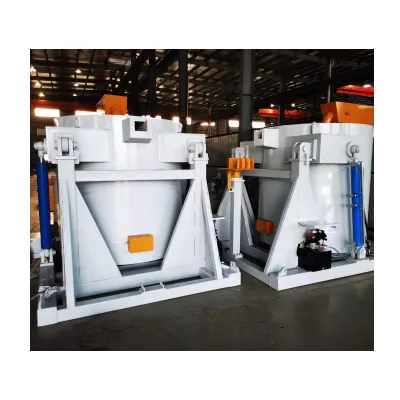
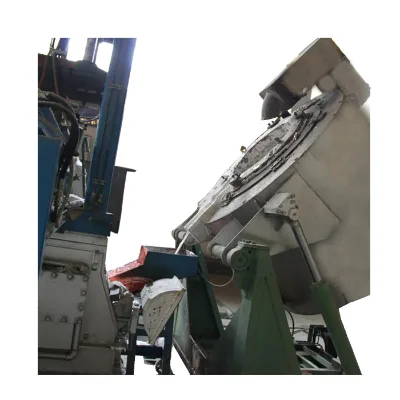
Crucible Melting Furnace Electric Heating Aluminum Melting and Holding Crucible Furnace
$3103.5146 - $7034.6331
MOQ: 1 Minimum
Jiangsu Giansun Precision Technology Group Co., Ltd.
- Verified by TüVRheinland
- Manufacturer, Trading Company
- Lead time7 days
Main productsAluminium Extrusion Die, Aluminium Extrusion Furnaces
Main marketsDomestic Market(100%)
Luoyang Shennai Import & Export Trading Co., Ltd.
- Verified by SGS Group
- Manufacturer, Trading Company
- Lead time0 days
- Avg. response≤ 1h
Main productsElectric Induction Furnace, Power Supply Cabinet, Closed Type Cooling Tower, Rolling Mill, Arc Melting Furnace
Main marketsDomestic Market(74%), Southeast Asia(10%), Africa(10%)

Shandong Dingsheng Electrical Technology Co., Ltd.
- Verified by SGS
- Combined
- China Shandong
- Lead time45 days
- Avg. response≤ 1h
Main productsMedium-Frequency Melting Furnace, Vacuum Furnace, Melting Furnace, Induction Furnace, Cooling Tower, Transformer, Metal Melting Furnace, Manhole Cover, Cast Iron Manhole Cover, Diesel Generator
Main marketsDomestic,Europe

Fast Heating Medium Frequency Coreless Aluminum Induction Melting Furnace for Aluminum Recycling
$10000.00 - $57000.00
MOQ: 1 Pieces

500kg Metal Casting Induction Melting Furnace for Steel Aluminum Melting Furnace
$1000.00 - $12000.00
MOQ: 1 Pieces


Efficient Hydraulic Pouring Metal Aluminum Medium-Frequency Melting Furnace for Melting Metal
$10000.00 - $57000.00
MOQ: 1 Pieces

Efficient Medium Frequency Induction Aluminum Melting Furnace for Foundry
$10000.00 - $57000.00
MOQ: 1 Pieces

High Capacity Aluminum Shell Induction Melting Furnace for Steel Copper
$1000.00 - $12000.00
MOQ: 1 Pieces
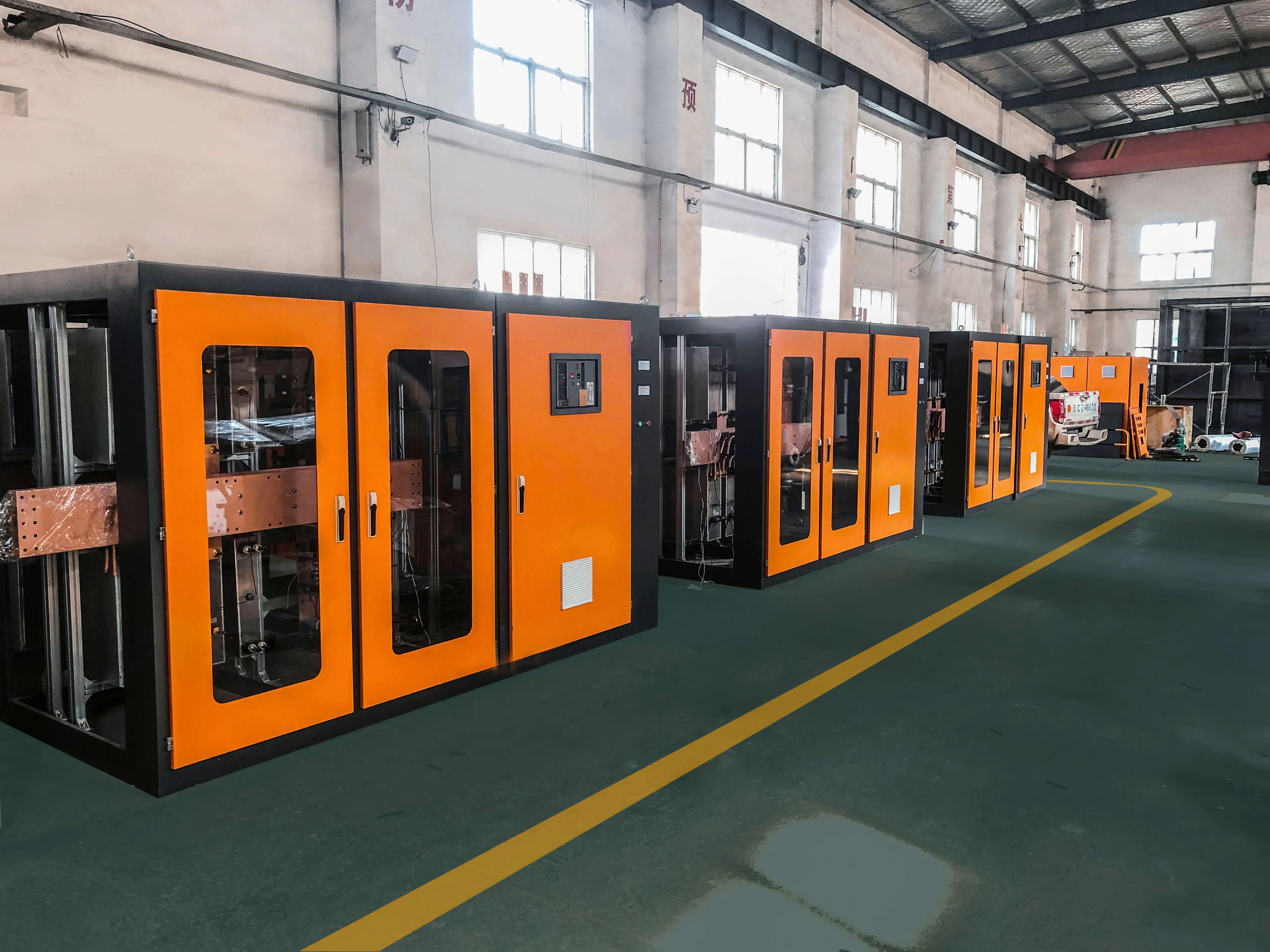
Luoyang Dinghong Electric Technology Co., Ltd.
- Manufacturer, Trading Company
- Henan, China
- Lead time20 days
- Avg. response≤ 1h
Main productsMedium Frequency Power Control Cabinet/Electric Induction Furnace/Closed Water Cooling Tower,induction furnace,melting furnace,aluminum melting furnace,annealing furnace
Main marketsSoutheast Asia(60.00%), Domestic Market(20.00%), Africa(10.00%), South Asia(10.00%)

Guangzhou DT Exp. & Imp. Co., Ltd.
- Trading Company,Manufacturer/Factory
- China Guangdong
- Lead time120 days
- Avg. response≤ 4h
Main productsIndustrial Furnace, Non-Ferrous Metal Forming Equipment, Hydraulic Extrusion Machine, Cutting Machine Chamferring Machine, Metal Wire/Rod/Pipe Drawing/Peeling Machine, Strip Rolling Machine, Casting Equipment, Metal Recycalling Equipment, Straightening Machine, Graphite Die/ Drawing Die
Main marketsSouth America,Eastern Europe,Mid East,North America,Southeast Asia,Eastern Asia,Oceania,Western Europe,Africa
Henan Dming Technology Co., Ltd.
- Manufacturer, Trading Company
- Henan, China
- Lead time15 days
- Avg. response≤ 5h
Main productsSilicon Carbide Sintering Furnace,Quenching Furnace,Vacuum Furnace,Muffle Furnace,Tube Furnace
Main marketsDomestic Market(40.00%), North America(20.00%), South America(10.00%), Western Europe(10.00%), Oceania(10.00%), Eastern Europe(10.00%)
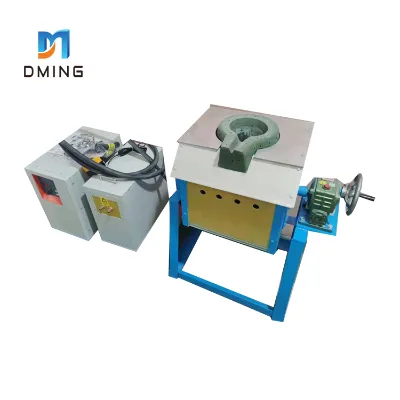
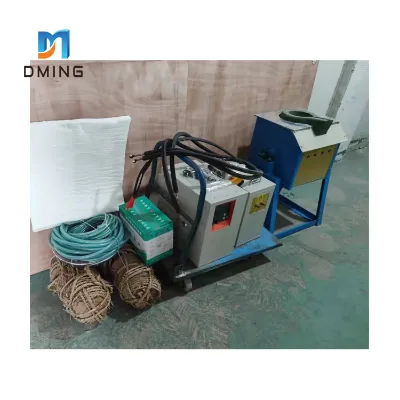
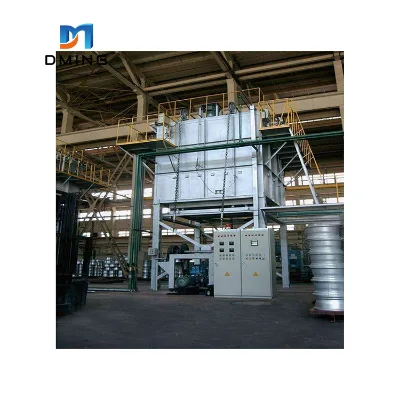
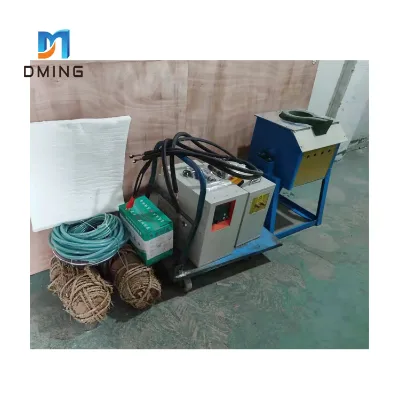
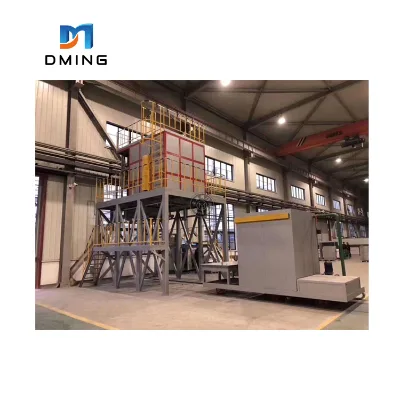
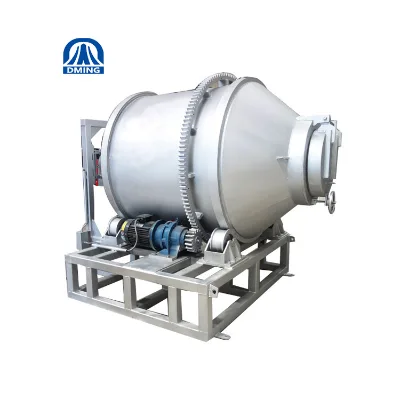
New Design Platinum Double Chamber Aluminum Melting Vacuum Gold Melt Furnace
$3993.2371
MOQ: 1 Minimum

Wuxi Aluwell Imp & Exp Co., Ltd.
- Verified by TUVRHEINLAND
- Trading Company
- China Jiangsu
- Lead time15 days
- Avg. response≤ 10h
Main productsMelting Furnace, Extrusion Die, Extrusion Line, Extrusion Press, Extrusion Machine, Aluminium Billet Casting Machine, Aluminium Foundry Equipment
Main marketsSouth America,Southeast Asia/ Mideast
Zhengzhou Lanshuo Electronics Co., Ltd
- Verified by TüVRheinland
- Manufacturer, Trading Company
- Lead time5 days
- Avg. response≤ 5h
Main productsInduction Heating Machine, Induction Melting Furnace, CNC Scanner, Water Cooling Tower
Main marketsDomestic Market(30%), Eastern Europe(25%), Southeast Asia(15%)
- Manufacturer, Trading Company
- Guandong, China
- Lead time45 days
- Avg. response≤ 6h
Main productsContinuous Casting Machine, Straightening Machine, Peeling Machine, Ingot Casting Machine, Furnace
Main marketsSoutheast Asia(30.00%), Southern Europe(20.00%), Africa(20.00%), Eastern Europe(15.00%), Mid East(10.00%), South Asia(5.00%)
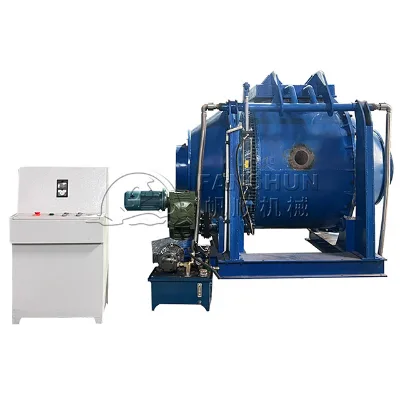
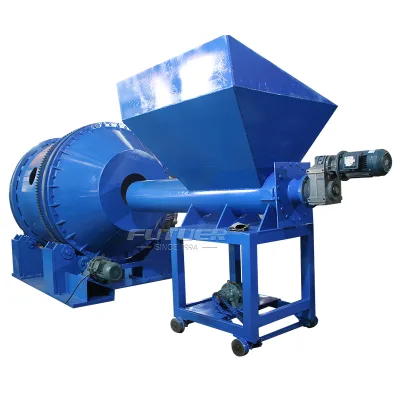
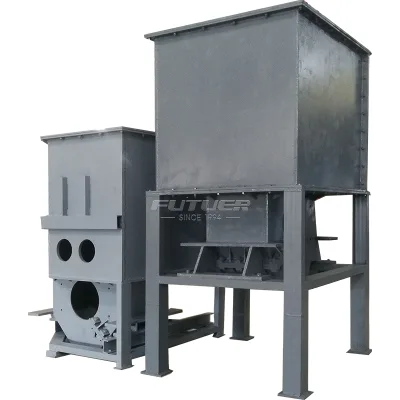
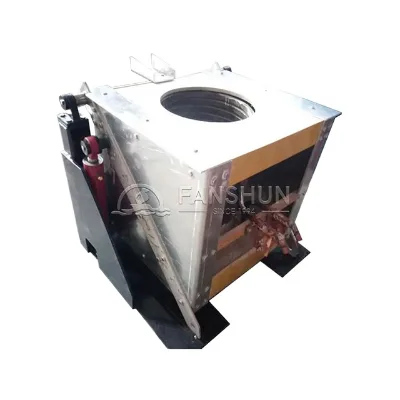
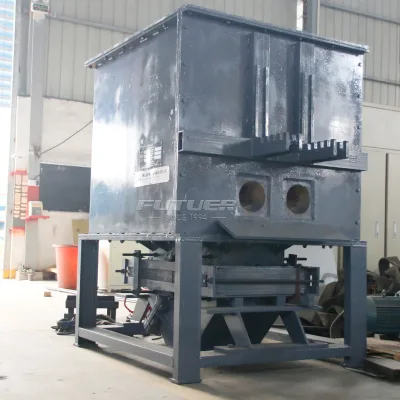
2500 degree rodhum copper aluminum lead magnesium melting and holding furnace for sale
$4000.00
MOQ: 1 Minimum
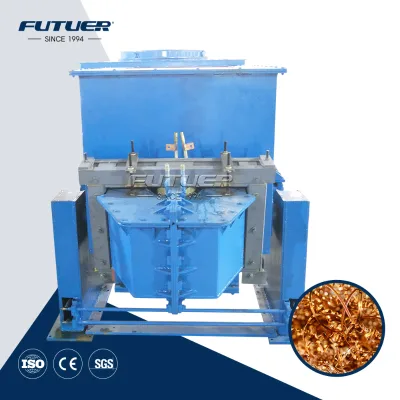
Luoyang Monte Intelligent Technology Co.,ltd.
- Manufacturer, Trading Company
- Henan, China
- Lead time0 days
- Avg. response≤ 1h
Main productsInduction Heating Equipment,Quenching Machines,Muffle Furnaces; Environmental Protection Equipment; Automation Equipment,Bogie Furnace,Mesh Belt Furnace
Main marketsDomestic Market(100.00%), South Asia(100.00%), Southern Europe(100.00%), Northern Europe(100.00%), Central America(100.00%), Western Europe(100.00%), Eastern Asia(100.00%), Mid East(100.00%), Oceania(100.00%), Africa(100.00%), Southeast Asia(100.00%), Eastern Europe(100.00%), South America(100.00%), North America(100.00%)
- Verified by SGS Group
- Manufacturer, Trading Company
- Shaanxi Province, China
- Lead time旺季: "1 - 2":60,"> 2":"To be negotiated", 淡季: "1 - 2":60,"> 2":"To be negotiated"
- Avg. response≤ 5h
Main productsHot Rolling Mill & Cold Rolling Mill, Electric Arc Furnace & Submerged Arc Furnance, Induction Furnace, Continuous Casting Machine( CCM), Steel Rolling Mill Line
Main marketsSoutheast Asia(40%), Mid East(25%), South Asia(25%)
LUOYANG JUDIAN METAL HOT PROCESSING EQUIPMENT CO., LTD.
- Verified by Intertek
- Manufacturer, Trading Company
- Lead time15 days
- Avg. response≤ 3h
Main productsInduction Furnace, Induction Heating Furnace, Rolling Mill, Ingot Casting Machine
Chengdu Jinkezhi Electronic Co., Ltd.
- Verified by Intertek
- Manufacturer, Trading Company
- Lead time3 days
Main productsInduction Heating Machine, Induction Heat Treatment Machine, Induction Heating Furnace, Induction Forging Furnace, Induction Heating Generator
Main marketsEastern Europe(30%), North America(21%), Eastern Asia(18%)
Taizhou Jinghua Environmental Protection Equipment Co., Ltd.
- Manufacturer
- Zhejiang, China
- Lead time30 days
- Avg. response≤ 24h
Main productsbrass bar make machine,metallurgical equipment,Valve parts manufacturer,Environmental protection dustproof equipment,Hot working forging furnace
Main marketsDomestic Market(50.00%), Eastern Europe(30.00%), Mid East(20.00%), South Asia(10.00%), Southeast Asia(10.00%)

Wuxi Jizhou Technology Co., Ltd.
- Verified by BV
- Combined
- China Jiangsu
- Lead time30 days
- Avg. response≤ 1h
Main marketsSoutheast Asia/ Mideast

Reliable Medium Frequency Aluminum Induction Melting Furnace for Precision Casting
$490000.00 - $500000.00
MOQ: 1 Sets

High Efficiency Energy Saving Medium Frequency Induction Aluminum Melting Furnace with Low Melt Loss
$8800.00 - $180000.00
MOQ: 1 Sets


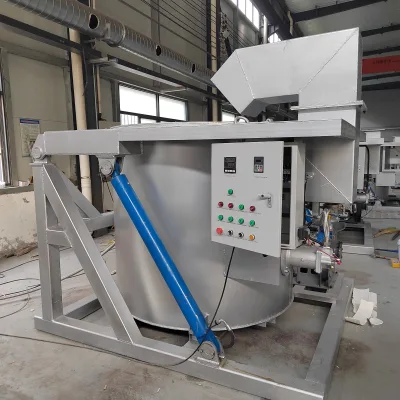
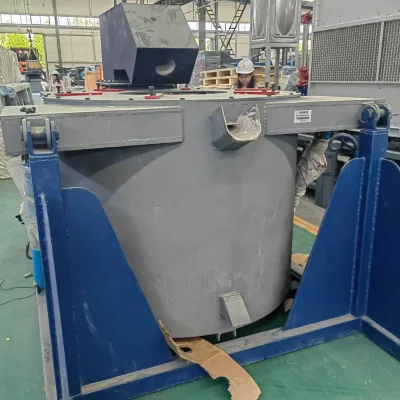
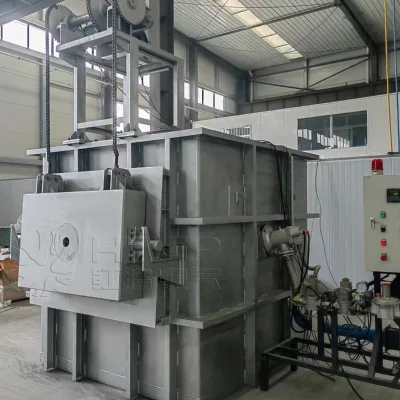
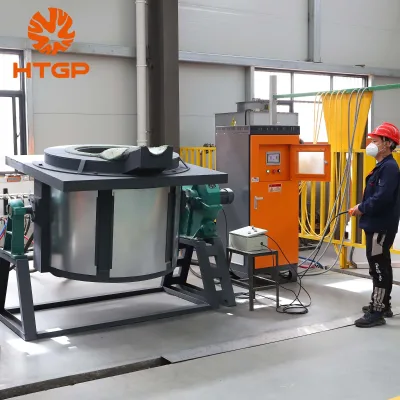






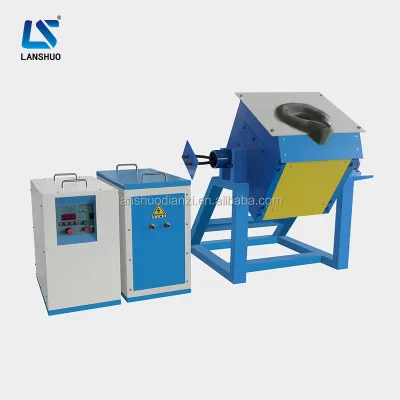
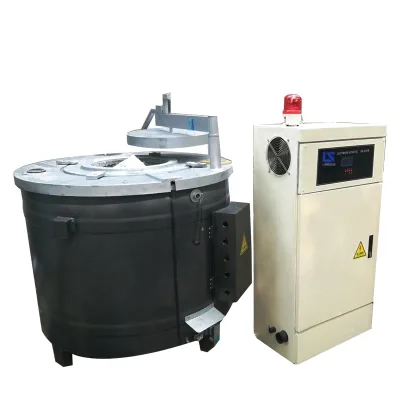
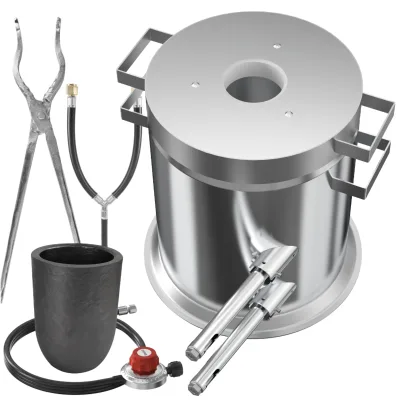
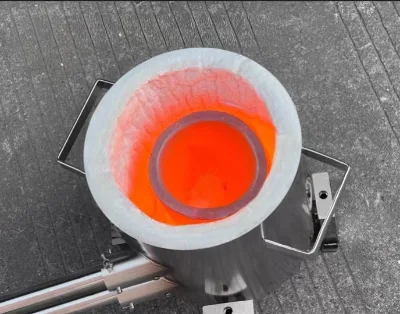
Comprehensive Sourcing Guide
Full-Automatic Aluminum Melting Furnace Supplier Concentration and Factory Types
Current data indicates that manufacturers and trading companies offering full-automatic aluminum melting furnaces are concentrated in specific Chinese provinces, with Zhejiang and Guangdong emerging as primary hubs for this industrial equipment. Suppliers in these regions often operate as group corporations or combined entities that integrate manufacturing with trading functions, allowing them to manage complex supply chains for heavy machinery. The presence of these facilities suggests a mature industrial ecosystem where specialized components like PLC control systems and crucibles are readily available for integration into automated melting solutions. Buyers should prioritize regions where the density of suppliers correlates with the specific technical requirements of their production lines, as proximity to component manufacturers can reduce lead times and facilitate easier technical support.
Factory types in this sector vary significantly, ranging from pure manufacturers to trading companies that aggregate products from multiple sources. Some suppliers possess their own brands, such as SUMON, indicating a capacity for original design and manufacturing, while others focus on ODM and OEM services to meet specific client customization needs. The company structures observed include group corporations and combined entities that may offer a broader range of products, including waste water treatment engineering and metal phosphating equipment alongside melting furnaces. This diversity in supplier types means that a buyer must carefully distinguish between a direct factory capable of custom engineering and a trading company that may offer faster logistics but less control over the manufacturing process. Understanding these structural differences is essential for aligning procurement strategy with long-term operational goals.
How to Verify Full-Automatic Aluminum Melting Furnace Suppliers
Verification of suppliers requires a rigorous examination of their system certifications and third-party audit reports to ensure compliance with international safety and quality standards. Many suppliers in the current results hold ISO 9001 and ISO 14001 certifications, which validate their quality management systems and environmental practices, while others display specific product certifications like UL, CE, and ISO for their machinery. Buyers should request current certificates and cross-reference them with the issuing bodies to confirm validity, as these documents are critical for ensuring that the equipment meets the necessary regulatory requirements for operation in various markets. Additionally, verification of the supplier's business license and physical address is necessary to confirm that the entity is a legitimate operating company rather than a shell organization.
Beyond documentation, buyers must assess the supplier's responsiveness and their ability to provide detailed product evidence to confirm their technical capabilities. Response times observed in the market vary, with some suppliers demonstrating rapid engagement within a single day, while others may take longer to provide comprehensive technical data. It is crucial to verify that the supplier can provide machinery test reports, video outgoing-inspection footage, and detailed specifications for core components like PLCs and heating elements. Suppliers that offer these detailed proofs of quality and functionality demonstrate a higher level of transparency and confidence in their products. Buyers should also check for verification badges from recognized agencies like SGS, which indicate that the supplier has undergone independent scrutiny of their business operations and product claims.
What to Compare Across Full-Automatic Aluminum Melting Furnace Suppliers
When evaluating potential partners, buyers must compare key operational metrics such as lead times, minimum order quantities, and response speeds to determine which supplier best fits their production schedule. Lead times in the current market range from zero days for immediate stock availability to 120 days for custom-engineered solutions, requiring careful alignment with project timelines. Minimum order quantities also vary, with some suppliers offering a single unit as the starting point, while others may have higher thresholds for custom configurations. Response times are another critical factor, as a supplier's ability to communicate quickly can significantly impact the efficiency of the negotiation and technical clarification process. Buyers should create a comparison matrix that weighs these factors against their specific project constraints to identify the most suitable candidates.
Product specifications and pricing structures must also be scrutinized to ensure that the selected supplier offers the right balance of performance and cost. Prices for full-automatic aluminum melting furnaces can range from approximately 5,570 to 70,000 units depending on the model, capacity, and level of automation, with some high-output industrial solutions commanding higher price points. Buyers should compare the technical attributes of different models, such as control modes, thermal efficiency, and energy consumption rates, to ensure they are selecting equipment that meets their specific production requirements. It is also important to verify the warranty terms and the availability of after-sales support, as these factors can significantly influence the total cost of ownership. By systematically comparing these dimensions, buyers can make informed decisions that optimize both immediate procurement costs and long-term operational efficiency.
Common Full-Automatic Aluminum Melting Furnace Sourcing Risks
One of the primary risks in sourcing full-automatic aluminum melting furnaces is the potential mismatch between advertised capabilities and actual performance, particularly regarding customization and technical specifications. Suppliers may claim features such as high thermal efficiency or specific control modes, but without detailed verification, these claims may not hold up under operational stress. Buyers must be cautious of suppliers who provide vague product descriptions or fail to offer concrete evidence of their manufacturing capabilities, such as machinery test reports or video inspections. The risk of receiving equipment that does not meet the required standards is heightened when dealing with trading companies that may not have direct control over the manufacturing process, making it essential to verify the origin and quality of the components used.
Another significant risk involves the reliability of delivery timelines and the potential for hidden costs that can arise during the shipping and installation phases. Lead times can vary widely, and delays in production or logistics can disrupt entire production schedules, leading to financial losses and operational bottlenecks. Buyers should be aware that some suppliers may quote low prices but add significant costs for packaging, shipping, or installation services that were not initially disclosed. Additionally, the lack of standardized packaging for certain models can increase the risk of damage during transit, necessitating careful inspection upon arrival. To mitigate these risks, buyers should establish clear contractual terms regarding delivery schedules, payment conditions, and liability for damages, ensuring that they have recourse in case of non-performance or delays.
Full-Automatic Aluminum Melting Furnace Regional Sourcing and Logistics
Sourcing from regions like Zhejiang and Guangdong offers distinct logistical advantages due to the concentration of industrial infrastructure and specialized manufacturing clusters in these areas. These provinces host a high density of suppliers capable of producing complex machinery, which can facilitate faster communication and easier coordination for technical support and spare parts. The proximity of these manufacturing hubs to major ports and transportation networks can reduce shipping times and costs, making it an attractive option for buyers seeking efficient supply chain solutions. However, buyers must also consider the potential challenges of managing logistics across long distances, including customs clearance, import duties, and the coordination of freight forwarders to ensure that heavy machinery arrives safely and on time.
Logistics planning for full-automatic aluminum melting furnaces requires careful attention to packaging and handling requirements, as these are large and sensitive industrial assets. Some suppliers offer open packaging, while others may provide specialized non-standard packing to protect the equipment during transit. Buyers should verify the packaging standards and ensure that the supplier has experience in shipping heavy machinery to their specific destination. The choice of logistics provider is also critical, as specialized freight services are often required to handle the weight and dimensions of these furnaces. Additionally, buyers should consider the impact of regional trade policies and tariffs on the final cost of the equipment, as these factors can vary significantly depending on the country of origin and the destination market.
Full-Automatic Aluminum Melting Furnace Commercial Terms and Order Planning
Commercial terms for full-automatic aluminum melting furnaces often include specific conditions regarding payment, warranty, and after-sales support that must be clearly defined before placing an order. Warranty periods can vary, with some suppliers offering six months of coverage, while others may provide extended terms for additional fees. Buyers should negotiate these terms to ensure they have adequate protection against defects and malfunctions, as well as clear protocols for handling repairs and replacements. Payment terms are another critical aspect, with options ranging from partial payments to full upfront costs, and buyers should seek terms that align with their cash flow and risk management strategies. Escrow services can provide an additional layer of security, ensuring that funds are only released once the equipment meets the agreed-upon specifications.
Order planning for these furnaces requires a detailed understanding of the supplier's capacity and their ability to meet production deadlines. Buyers should assess the supplier's current workload and their ability to scale production to meet demand, especially for custom orders that may require significant lead time. It is also important to plan for the installation and commissioning of the equipment, as this process may require specialized technical expertise and coordination with the supplier's engineering team. Buyers should establish a clear timeline for each stage of the order, from initial design and manufacturing to shipping and installation, to ensure that the project stays on track. By carefully planning these commercial and operational aspects, buyers can minimize risks and ensure a smooth procurement process that delivers the desired results.
FAQs
What is the price range for fully automatic aluminum melting furnaces?
Prices for fully automatic aluminum melting furnaces typically range from $5,570 to $70,000 depending on capacity and features. Basic resistance heating models start around $5,570, while larger industrial units with computer control can reach $70,000. Buyers should verify specific pricing based on their required tonnage and automation level.
What certifications are available for these furnaces?
Fully automatic aluminum melting furnaces commonly hold ISO 9001, ISO 14001, CE, and UL certifications. These standards ensure quality management, environmental compliance, and safety. Buyers should request valid certificates to confirm that the equipment meets international regulatory requirements for their specific market and operational needs.
What is the typical lead time for manufacturing?
Manufacturing lead times vary significantly, ranging from 30 days to 120 days. Some suppliers offer faster turnaround times of 30 days, while others require up to 120 days for complex custom orders. Buyers should confirm the exact delivery schedule with the supplier before placing an order to avoid production delays.
What is the minimum order quantity for these furnaces?
The minimum order quantity is typically one unit for fully automatic aluminum melting furnaces. This allows buyers to purchase single units for testing or small-scale operations. Buyers should confirm if bulk discounts apply for larger orders, as pricing may vary based on the total quantity purchased.
Where are these furnaces manufactured?
These furnaces are primarily manufactured in China, specifically in Zhejiang and Guangdong provinces. Suppliers in these regions offer various models, including horizontal and vertical types. Buyers should verify the specific origin to ensure compatibility with local standards and to assess shipping logistics and costs.
What response times can buyers expect from suppliers?
Supplier response times typically range from 1 hour to 11 hours. Faster response times indicate higher availability and customer service efficiency. Buyers should prioritize suppliers with quicker response times to ensure timely communication regarding technical specifications, pricing, and order status throughout the procurement process.