Furniture Cowhide Suppliers and Manufacturers in China
Compare 15 verified Furniture Cowhide suppliers in Guangdong, China based on response times, lead times, and certifications. Review product specs like thickness and patterns, then request samples to verify quality before placing orders; review the available evidence before requesting comparable quotations from suitable candidates.
Updated
Suppliers List

Foshan Fenghao Leather Co., Ltd.
- Verified by SGS
- Trading Company
- China Guangdong
- Lead time15 days
- Avg. response≤ 3h
Main marketsDomestic
Guangzhou Weiran Sea Leather Industry Co., Ltd.
- Manufacturer, Trading Company, Distributor/Wholesaler
- Guangdong, China
- Lead time0 days
- Avg. response≤ 3h
Main productsGenuine Leather,Leather,weave,fur,Rare Leather
Main marketsNorth America(25.00%), Mid East(15.00%), Oceania(15.00%), Western Europe(15.00%), Northern Europe(5.00%), Eastern Europe(5.00%), Central America(5.00%), Southeast Asia(3.00%), Domestic Market(2.00%), South Asia(2.00%), Southern Europe(2.00%), Eastern Asia(2.00%), Africa(2.00%), South America(2.00%)
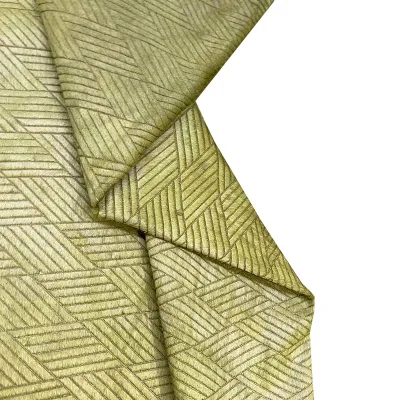
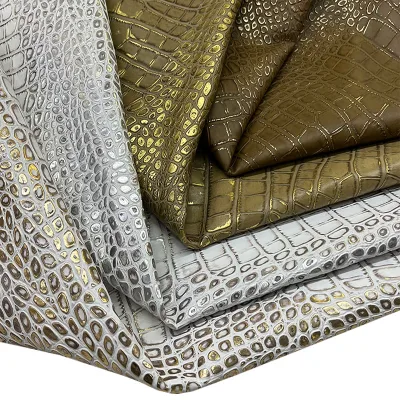
$3.8254 - $4.4221
MOQ: 50 square
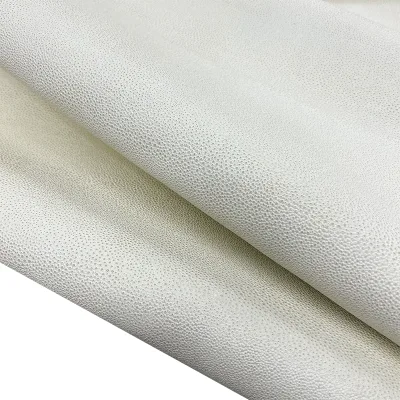
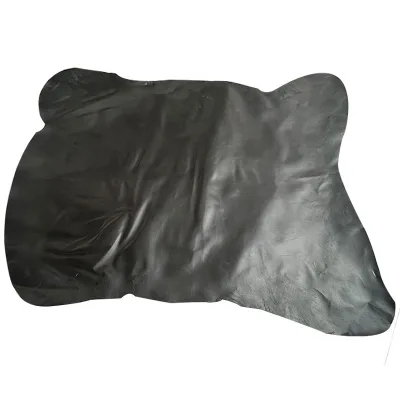
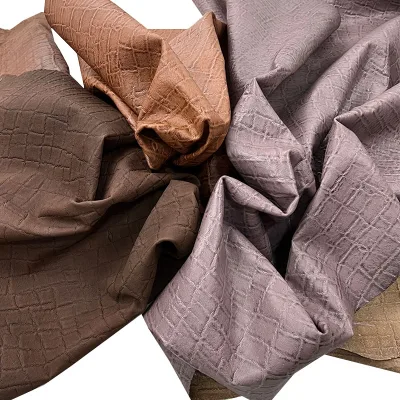
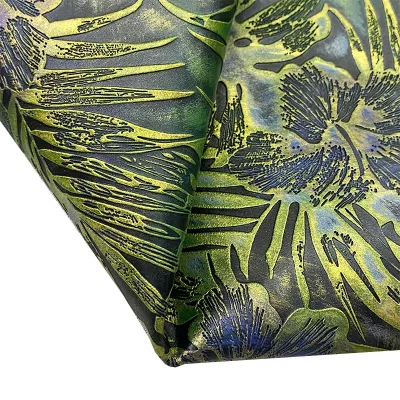
$4.2512 - $4.7233
MOQ: 100 Minimum

Linyi Kangdexiang New Materials Co., Ltd.
- Trading Company
- Shandong, China
- Lead time0 days
- Avg. response≤ 2h
Main productsPU Leather,Synthetic Leather,PVC Leather,Cowhide Leather,Vegan Leather
Main marketsNorthern Europe(30.00%), Central America(30.00%), South America(10.00%), North America(10.00%), Southeast Asia(10.00%), Eastern Europe(10.00%)
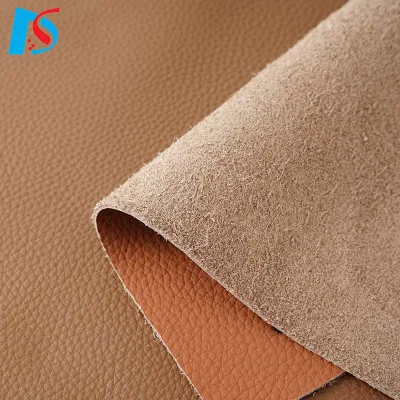
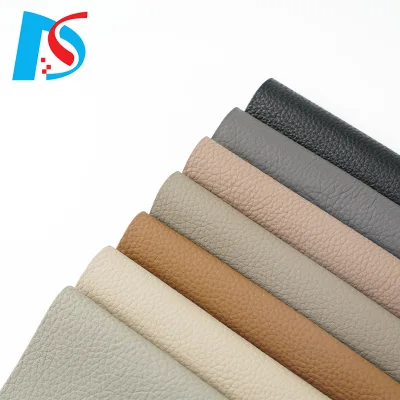
$0.8245 - $1.0298
MOQ: 50 square


Foshan Angkelei Furniture Com., Ltd
- Verified by SGS
- Trading Company
- China Guangdong
- Lead time30 days
- Avg. response≤ 2h
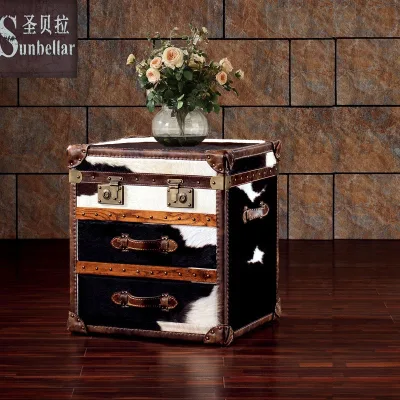
Main productsSofa, Chair, Coffee Table, Trunk Case, Desk, Bed, Dining Chair, Dining Table, Ottoman, Bar Chair
Main marketsOthers(foreignTradeCapacity.exportBusinessCapacityMarketOther),Europe,North America


Elegant Brown Cowhide Leather Bookcase for Home Office and Living Room
$789.00 - $880.00
MOQ: 1 Pieces


Luxury Cowhide Round Ottoman Stool Home Hotel Living Room Small Chair Furniture
$230.00 - $255.00
MOQ: 1 Pieces


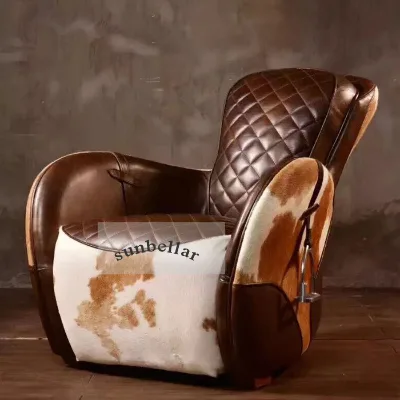
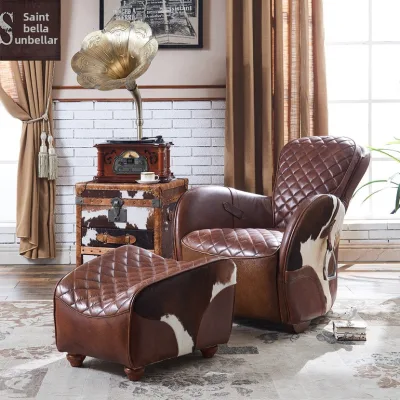
Customized Luxury Real Leather Cowhide Saddle Chair for Living Room or Bedroom
$651.00 - $699.00
MOQ: 1 Pieces
- Verified by Intertek
- Manufacturer, Trading Company
- Lead time10 days
- Avg. response≤ 1h
Main productsCow Leather, Cowhide With Hair, Synthetic Leather
Main marketsDomestic Market(61%), North America(20%), South America(5%)
Foshan Angkelei Furniture Co., Ltd.
- Verified by Intertek
- Trading Company
- Lead time25 days
- Avg. response≤ 3h
Main productsSofa, Sofa Chair, Cabinet, Coffee Table, Console Table
Main marketsNorth America(50%), Western Europe(20%), Northern Europe(20%)

Chengdu Kangxuan Technology Co., Ltd.
- Trading Company
- China Sichuan
- Lead time0 days
- Avg. response≤ 1h
Main productscustom furniture

- Verified by TUVRHEINLAND
- Combined
- China Guangdong
- Lead time30 days
- Avg. response≤ 2h
Main productsDesigner Replica Chairs, Designer Tables, Fiberglass Chairs, Lounge Chairs, Leisure Chairs, Metal Wire Chairs, Office Sofas, Living Room Sofas, Commercial Furniture, Furniture
Main marketsEurope

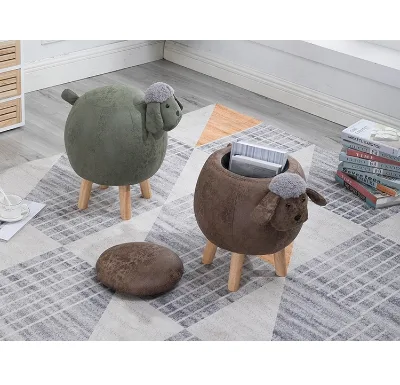
Cowhide Fur Furniture Ottoman Footstool Pouf for Living Room Hotel Usage
$69.00 - $129.00
MOQ: 20 Pieces

$181.00 - $235.00
MOQ: 20 Pieces

Foshan City Donglu Home Furnishing Co., Ltd.
- Manufacturer, Trading Company, Buying Office
- Guangdong, China
- Lead time45 days
- Avg. response≤ 1h
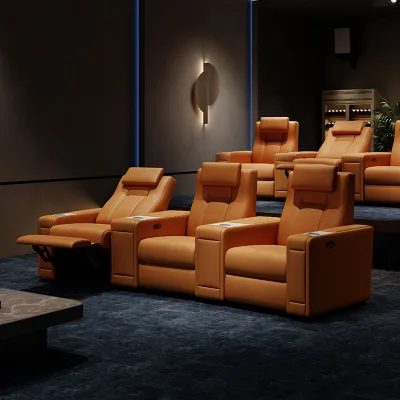
Main productsLiving room furniture,Movie theater sofa,Electric sofa bed,Restaurant Furniture,Bedroom furniture
Main marketsNorth America(25.00%), Southeast Asia(20.00%), Southern Europe(10.00%)

Ganzhou Xiangling Furniture Co., Ltd.
- Manufacturer, Trading Company
- Jiangxi, China
- Lead time30 days
- Avg. response≤ 5h
Main productsLiving Room,Bedroom Furniture,Office furniture,bedside table,sofa
Main marketsNorth America(30.00%), Africa(15.00%)

Foshan Aston Furniture Co., Ltd.
- Verified by SGS
- Combined
- China Guangdong
- Lead time15 days
- Avg. response≤ 10h
Main productsoffice Furniture
Main marketsDomestic

Executive Genuine Leather Chair Top-Grain Cowhide B2b Project Factory
$125.99 - $128.99
MOQ: 30 pieces

Hangzhou Aoqi Furniture Co., Ltd.
- Trading Company
- Lead time旺季: "1 - 500":20,"501 - 1000":35,"1001 - 5000":45,"> 5000":"To be negotiated", 淡季: "1 - 500":20,"501 - 1000":35,"1001 - 5000":45,"> 5000":"To be negotiated"
- Avg. response≤ 6h
Main productsOffice chair,Gaming chair,Office furniture,Home furniture,Baby furniture

GUANGDONG ZHIDA FURNISHINGS INDUSTRIAL CO., LTD
- Verified by TUVRHEINLAND
- Combined
- China Guangdong
- Lead time30 days
- Avg. response≤ 3h
Main productsHotel Furniture, Hotel Bedroom Furniture, Restaurant Furniture, Lobby Furniture, Sofa, Curtain, Fabric, Coffee Table, Chair, Bed
Main marketsEurope


High-Class Contemporary Rocking Chair Saddle Leather Upholstered Bedroom Leisure Chairs for Villa
$201.00 - $360.00
MOQ: 2 Sets
Foshan Hui Youna Furniture Co., Ltd.
- Manufacturer, Trading Company
- Guangdong, China
- Lead time0 days
- Avg. response≤ 2h
Main productsbed,sofa,closet,dining-table,dresser
Main marketsNorth America(13.00%), Southeast Asia(10.00%), Eastern Europe(10.00%), Northern Europe(10.00%), Mid East(8.00%), South America(8.00%), Central America(8.00%), South Asia(7.00%), Western Europe(6.00%), Southern Europe(5.00%), Eastern Asia(5.00%), Africa(5.00%), Domestic Market(3.00%), Oceania(2.00%)
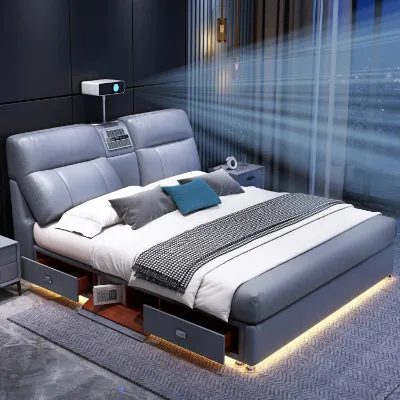
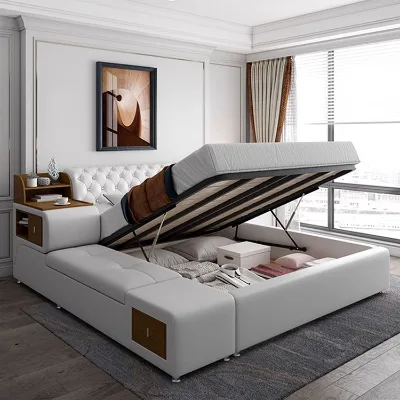
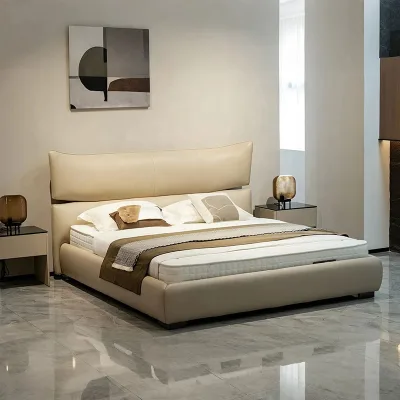
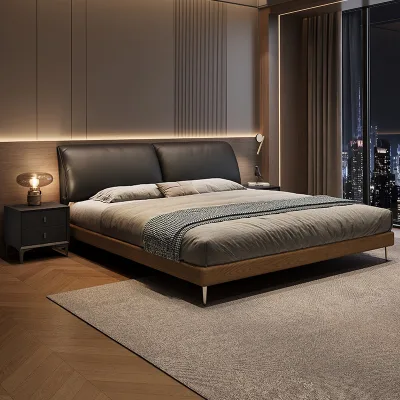
Modern Bedroom Furniture Storage Queen Bed Multifunctional Tatami king Size Wood Beds
$415.00 - $445.00
MOQ: 1

Ganzhou Yuqi Technology Co., Ltd.
- Trading Company
- Jiangxi, China
- Lead time30 days
- Avg. response≤ 7h
Main productstable,bed,chair,sofa,dresser
Main marketsAfrica(30.00%), North America(24.00%), Western Europe(15.00%), Eastern Europe(12.00%), Northern Europe(8.00%), Southern Europe(6.00%), South America(5.00%)






Comprehensive Sourcing Guide
Furniture Cowhide Supplier Concentration and Factory Types
The current supplier landscape for Furniture Cowhide reveals a distinct concentration of manufacturing and trading entities within China, specifically in the Guangdong region. This geographic clustering is significant because it indicates a mature supply chain ecosystem where raw material processing, tanning, and finishing capabilities are co-located. Buyers evaluating potential partners should recognize that suppliers located in this area often benefit from established logistics networks and specialized labor pools dedicated to leather goods. The presence of both manufacturers and trading companies in this cluster suggests a diverse range of sourcing options, from direct factory outlets to intermediaries who may offer broader product portfolios. Understanding this concentration helps buyers narrow their search to regions with proven expertise in leather production, thereby reducing the risk of engaging with entities that lack the necessary infrastructure for high-quality cowhide processing.
Within this regional cluster, the types of business entities vary, offering different advantages depending on the buyer’s specific needs. Some suppliers operate primarily as trading companies, which can provide flexibility in sourcing different leather grades or styles from multiple factories under one roof. Others identify as manufacturers, potentially offering more direct control over production processes and customization options. Additionally, some entities function as distributors or wholesalers, which might be suitable for buyers seeking larger volumes or established inventory. It is crucial for buyers to verify the actual operational nature of the supplier, as the company type listed may not always reflect the full scope of their capabilities. By distinguishing between pure trading entities and those with manufacturing roots, buyers can better align their sourcing strategy with their requirements for quality control, customization, and supply chain transparency.
How to Verify Furniture Cowhide Suppliers
Verification is a critical step in ensuring the reliability and legitimacy of Furniture Cowhide suppliers. Buyers should prioritize suppliers who have undergone third-party verification processes, such as SGS, which provides an additional layer of confidence regarding the supplier’s business operations and product quality. This verification status serves as a baseline indicator that the supplier has met certain standards for business legitimacy and operational integrity. However, verification alone is not sufficient; buyers must also scrutinize the specific certifications and compliance standards associated with the products themselves. For instance, some suppliers may highlight BSCI compliance or ISO 9001 certification, which are important for ensuring ethical labor practices and consistent quality management systems. These certifications are particularly relevant for buyers in markets with strict regulatory requirements or corporate social responsibility mandates.
Beyond certifications, buyers should assess the supplier’s responsiveness and communication efficiency as part of the verification process. A supplier’s response time can be a strong indicator of their operational efficiency and customer service commitment. In the current market, suppliers with response times around 2.59 to 3 hours are considered responsive, suggesting that they are actively monitoring inquiries and ready to engage in detailed discussions. Buyers should test this responsiveness by sending specific technical questions about leather grades, thickness, or finishing processes. The quality and speed of the reply can reveal much about the supplier’s expertise and willingness to support the buyer’s project. Additionally, buyers should request detailed product specifications and samples to verify that the supplier’s claims match the actual product characteristics, ensuring that the verification process extends beyond paperwork to tangible product quality.
What to Compare Across Furniture Cowhide Suppliers
When comparing suppliers, buyers should focus on key operational metrics such as lead times, minimum order quantities (MOQs), and pricing structures. Lead times vary significantly, with some suppliers offering rapid turnaround times of zero days for ready stock, while others may require up to 15 days for production. This variation is crucial for buyers managing tight project schedules or needing to replenish inventory quickly. Similarly, MOQs can range from as low as 20 square feet to 200 square feet, depending on the supplier and the specific product line. Buyers with smaller volume requirements may need to seek out suppliers with lower MOQs, even if it means accepting slightly higher per-unit costs. Understanding these operational constraints allows buyers to select suppliers that align with their production capacity and inventory management strategies.
Pricing and product specifications are also critical comparison points. Prices for Furniture Cowhide can vary based on the leather grade, thickness, and finishing techniques. For example, some suppliers offer prices around $1.40 to $1.60 per square foot for standard top-grain cowhide, while others may charge higher rates for specialized finishes like aniline or embossed patterns. Buyers should compare not just the unit price but also the value proposition, including features such as water resistance, stain resistance, and durability. Additionally, the width of the leather, typically 58/60 inches, and the level of the leather, such as the first layer, should be considered. By creating a detailed comparison matrix that includes these factors, buyers can make informed decisions that balance cost, quality, and operational efficiency, ensuring they select the most suitable supplier for their specific furniture manufacturing needs.
Common Furniture Cowhide Sourcing Risks
One of the primary risks in sourcing Furniture Cowhide is the inconsistency in leather quality and grading. Buyers must be vigilant about ensuring that the leather received matches the specified grade, such as top-grain or first-layer, as discrepancies can lead to significant issues in furniture production and final product quality. Another risk is the potential for misrepresentation of product features, such as thickness, softness, or resistance properties. For instance, claims of cold crack resistance or heavy metal-free finishes must be verified through independent testing or detailed supplier documentation. Buyers should request comprehensive product data sheets and, if possible, conduct their own quality checks upon receipt. This due diligence is essential to avoid costly rework or customer complaints related to product performance and durability.
Supply chain disruptions and communication gaps also pose significant risks. Suppliers with longer lead times or those located in regions prone to logistical challenges may struggle to meet delivery deadlines, impacting the buyer’s production schedule. Additionally, language barriers or unclear communication can lead to misunderstandings regarding product specifications, customization requirements, or packaging standards. Buyers should establish clear communication protocols and confirm all details in writing before placing orders. It is also advisable to work with suppliers who have a proven track record of reliable delivery and responsive customer service. By proactively identifying and mitigating these risks, buyers can ensure a smoother sourcing process and maintain the integrity of their furniture manufacturing operations, reducing the likelihood of delays or quality issues.
Furniture Cowhide Regional Sourcing and Logistics
Sourcing Furniture Cowhide from the Guangdong region in China offers several logistical advantages, including proximity to major ports and established shipping routes. This geographic location facilitates efficient export processes, reducing transit times and costs for international buyers. Buyers should consider the impact of regional logistics on their overall supply chain strategy, particularly when planning for large-volume orders or just-in-time inventory management. The concentration of suppliers in this area also means that buyers can potentially consolidate shipments from multiple suppliers, optimizing freight costs and simplifying logistics coordination. However, buyers must also be aware of potential regional challenges, such as seasonal weather impacts on shipping or local regulatory changes that could affect export procedures.
Logistics planning should also account for packaging and handling requirements specific to leather products. Furniture Cowhide is often packed in inner PE bags and outside woven bags to protect against moisture and damage during transit. Buyers should verify that suppliers adhere to these packaging standards to ensure the leather arrives in optimal condition. Additionally, the dimensions of the packed leather, such as 220CM40CM22CM, should be considered when planning storage and handling at the destination. Buyers may need to adjust their warehouse layout or handling equipment to accommodate these specific packaging sizes. By understanding the logistical nuances of sourcing from this region, buyers can optimize their supply chain, reduce the risk of damage, and ensure timely delivery of high-quality Furniture Cowhide to their manufacturing facilities.
Furniture Cowhide Commercial Terms and Order Planning
Commercial terms and order planning are essential components of a successful sourcing strategy for Furniture Cowhide. Buyers should negotiate clear payment terms, such as the use of escrow services, to protect their financial interests and ensure that payments are released only upon satisfactory delivery of goods. This approach minimizes the risk of fraud or non-delivery, providing a secure transaction environment for both parties. Additionally, buyers should establish clear agreements on return policies, quality guarantees, and dispute resolution mechanisms. These terms should be documented in the purchase contract to ensure mutual understanding and commitment. By setting robust commercial terms, buyers can safeguard their investments and maintain a positive relationship with their suppliers, fostering long-term partnership and reliability.
Order planning should also consider the customization options available from suppliers, such as pattern embossing, color variations, and thickness specifications. Buyers should plan their orders well in advance to accommodate any customization requirements, which may extend lead times. It is also important to align order quantities with the supplier’s MOQs to avoid additional costs or delays. Buyers should maintain a buffer stock of critical leather grades to mitigate the risk of supply shortages or production delays. Regular communication with suppliers regarding inventory levels and upcoming production schedules can help buyers anticipate potential issues and adjust their plans accordingly. By integrating commercial terms and order planning into a cohesive strategy, buyers can ensure a steady supply of high-quality Furniture Cowhide, supporting their manufacturing operations and meeting customer demands effectively.
FAQs
What is the minimum order quantity for Furniture Cowhide?
Minimum order quantities vary by product, ranging from 20 square feet to 200 square feet. Some listings require 50 square feet, while others specify 100 square feet. Buyers should check specific product pages for exact thresholds before placing orders.
Where are these Furniture Cowhide suppliers located?
Most suppliers are located in Guangdong, China. This region is a major hub for leather manufacturing and trading. Buyers can expect products to originate from this specific province when sourcing genuine cowhide for furniture applications.
How long does it take to receive Furniture Cowhide orders?
Lead times typically range from zero to fifteen days depending on the supplier. Some manufacturers offer immediate availability, while others require up to two weeks for production. Buyers should confirm specific timelines with the seller before finalizing purchases.
What certifications do these cowhide products hold?
Some products carry BSCI compliance or ISO 9001 certification. Others are verified by SGS for supplier reliability. Buyers should verify specific certification details on individual product pages as not all listings display system certifications explicitly.
What is the price range for genuine Furniture Cowhide?
Prices generally range from 1.40 to 4.42 per unit based on the specific product listing. Costs vary depending on leather grade, pattern, and thickness. Buyers should compare multiple listings to find the best value for their specific furniture needs.
Can I customize the size or pattern of the cowhide?
Customization is available for many products, allowing buyers to specify patterns or sizes. Some listings offer embossed designs or specific thicknesses like 1.1mm. Buyers should confirm customization options directly with the supplier to ensure requirements are met.
What is the response time for supplier inquiries?
Supplier response times are typically around 2.59 to 3 hours. This indicates a relatively quick turnaround for initial communications. Buyers can expect timely replies when contacting suppliers regarding product availability or specific customization requests.