Hydraulic Proportional Flow Control Valve Suppliers and Manufacturers
Compare 25 verified suppliers of hydraulic proportional flow control valves based on location, lead time, response time, and certifications. Review product specifications like CE standards and OEM capabilities before contacting factories in China for quotes; review the available evidence before requesting comparable quotations from suitable candidates.
Updated
Suppliers List

Shanghai Guorui Hydraulic Technology Co., Ltd.
- Verified by SGS
- Combined
- China Shanghai
- Lead time30 days
- Avg. response≤ 5h
Main productsGear Pump, Gear Motor, Hydraulic Control Valve, Flow Divider, Orbit Motor, Monoblock Valve, Sectional Valve, Power Unit, Air Cooler, Steering Unit
Main marketsSoutheast Asia/ Mideast,Domestic,North America

Jiangsu KM Hydraulic Control System Co., Ltd.
- Verified by TUVRHEINLAND
- Combined
- China Jiangsu
- Lead time30 days
- Avg. response≤ 2h
Main productsProportional Directional Spool Valve, Load-Sensing Valve, Crane Valve
Main marketsDomestic

Feiyang Science and Industry Co., Ltd.
- Verified by SGS
- Combined
- China Hubei
- Lead time15 days
- Avg. response≤ 5h
Main productsHydraulic Solenoid Valve, Hydraulic Cylinder, Gear Pump, Hydraulic Valve, Hydraulic Pump, Excavator Cylinder, Hydraulic System, Pump, Hydraulic Parts
Main marketsSoutheast Asia/ Mideast,Domestic
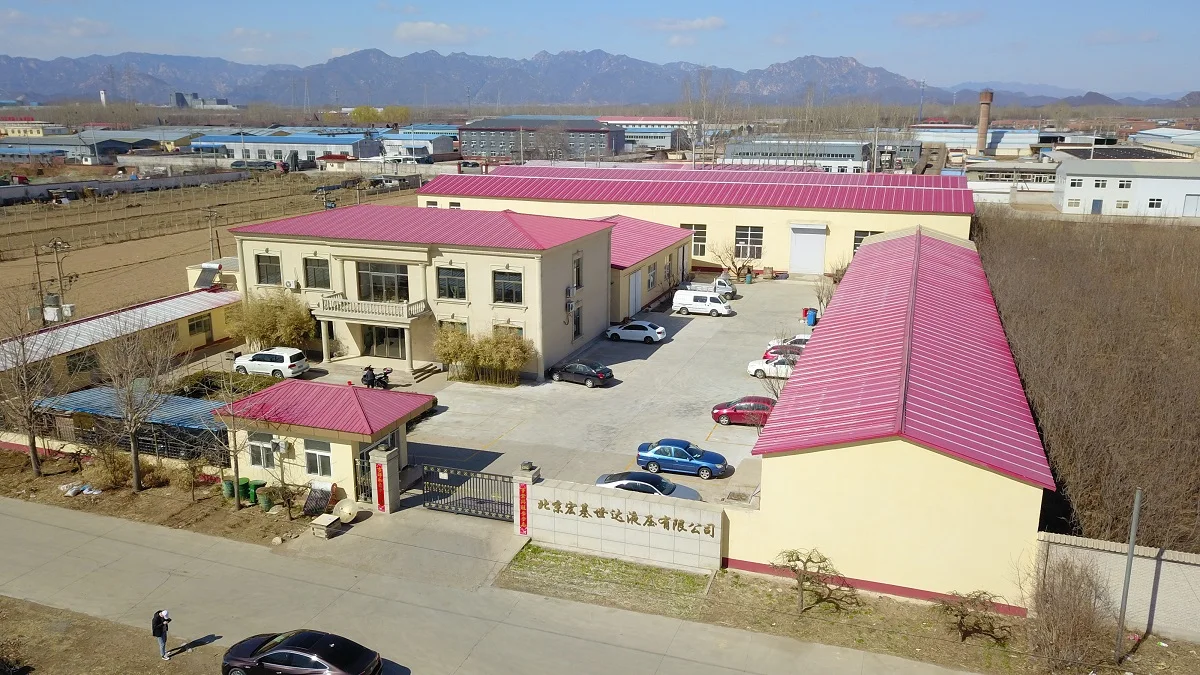
Beijing Hongji Shida Hydraulic Co., Ltd.
- Manufacturer, Trading Company
- Beijing, China
- Lead time0 days
- Avg. response≤ 1h
Main productsSolenoid valve,Proportional directional valve,Proportional flow valve,Proportional pressure valve,Solenoid Manual Reversing Valve
Main marketsSouth America(30.00%), North America(30.00%), Eastern Europe(25.00%), Southeast Asia(15.00%)

Baoding So Luen Import&Export Co., Ltd.
- Verified by BV
- Trading Company
- China Hebei
- Lead time60 days
- Avg. response≤ 5h
Main productsHydraulic Fittings and Agricultural Machinery, Boom Sprayer, Grass Mower, Hydraulic Cyliner and Link, Multi-Way Control Valve, Soil Grader and Leveller, Air Blast Sprayer, Grass Tedder, Hay Rake, Fertilizer Spreader
Main marketsDomestic

Dongguan Yi Hui Forklift Co., Ltd.
- Verified by SGS
- Trading Company
- China Guangdong
- Lead time15 days
- Avg. response≤ 6h
Main productsForklift Parts Forklift Accessories Valve, Injection Pump Forklift Engine Parts Valve, Pump Engine Valve Forklift Parts, Cat Excavator Parts, Cat -/ C6.6/C7/C9/C13/C15 Engine, Toyota Way Multi-Way Valve for 7f/8f Forklift, Toyota Original Accessories for Forklif, Cat Walking Hydraulic Pump/Pump/Fuel Injection P, Toyota Fuel Injector or Forklift, Toyota Direction of The Machine for Forklift
Main marketsOthers(foreignTradeCapacity.exportBusinessCapacityMarketOther),Domestic
Wuhan Hongda Hydraulic Pneumatic Equipment Manufacturing Co., Ltd.
- Verified by Intertek
- Manufacturer, Trading Company
- Lead time0 days
- Avg. response≤ 4h
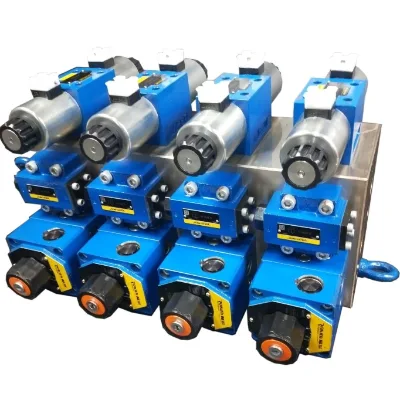
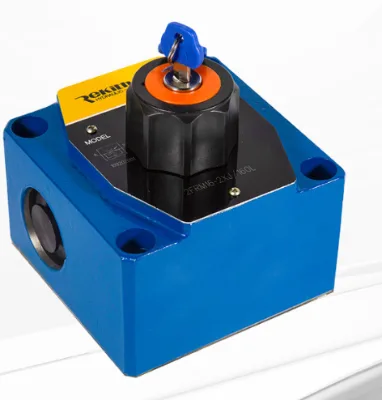
Main productsHydraulic Cylinder, Control Valves, Hydraulic Pumps, Hydraulic Power Unit, Pneumatic Cylinder
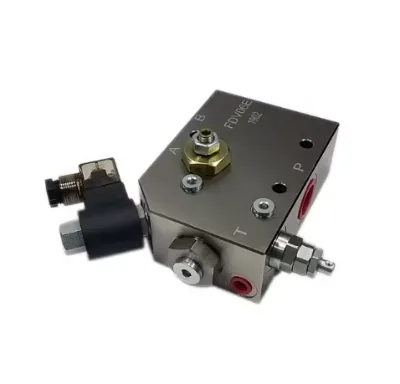
$25.5984 - $30.7175
MOQ: 1 parcels
Shanghai Shangjia Zhikong Hydraulic Co., Ltd.
- Trading Company
- Shanghai, China
- Lead time7 days
- Avg. response≤ 5h
Main productsHydraulic Component,Radiator,Hydraulic gear pump,Hydraulic Air cooler,Hydraulic Valve
Main marketsMid East(20.00%), Eastern Asia(10.00%), Northern Europe(10.00%), Africa(10.00%), Eastern Europe(10.00%), South America(10.00%), Western Europe(10.00%), South Asia(5.00%), Oceania(5.00%), North America(5.00%), Central America(5.00%)

Shanxi Jingwei Chemical Fiber Machinery Co.,Ltd
- Verified by BV
- Combined
- China Shanxi
- Lead time15 days
- Avg. response≤ 18h
Main productsgear pump
Main marketsOthers(foreignTradeCapacity.exportBusinessCapacityMarketOther),Domestic
Taizhou Dengxu Hydraulic Machinery Co., Ltd.
- Trading Company
- Zhejiang, China
- Lead time10 days
- Avg. response≤ 2h
Main productsHydraulic Pump,Hydraulic Valve,Gear pump,Hydraulic motor,Multi-way valve
Main marketsSoutheast Asia(20.00%), Africa(20.00%), Central America(10.00%), Mid East(10.00%), North America(10.00%)
Botou Longguan Valve Co., Ltd.
- Manufacturer, Trading Company
- Hebei, China
- Lead time15 days
- Avg. response≤ 2h
Main productsCopper Core Gate Valve, Soft Sealed Gate Valve, Check Valve, Filter, Exhaust Valve
Main marketsDomestic Market(100.00%)
Qingzhou Boxin Huasheng Hydraulic Technology Co., Ltd.
- Verified by SGS Group
- Manufacturer, Trading Company
- Lead time10 days
- Avg. response≤ 2h
Main productsHydraulic Valve, Power Take Off, Tipping Valve, Gear Pump, Piston Pump
Main marketsDomestic Market(60%), Western Europe(11%), South America(10%)
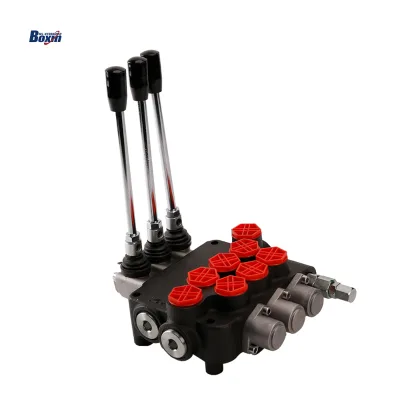
Custom Hydraulic Spool Distribution Fluid Control Flow Valve for Tractor
$28.7493 - $30.8015
MOQ: 2 sets
Jinzhong Runde Hydraulic Equipment Co., Ltd.
- Verified by TüVRheinland
- Manufacturer, Trading Company
- Lead time15 days
- Avg. response≤ 1h
Main productsHydraulic Cylinder, Hydraulic Valve, Hydraulic Pumps, Hydraulic Parts, Mechanical Equipment
Main marketsOceania(30%), South America(20%), Mid East(20%)

- Verified by TUVRHEINLAND
- Combined
- China Hebei
- Lead time15 days
- Avg. response≤ 4h
Main productsHydraulic Gear Pump, Hydraulic Multi-Way Valve, Cast Iron Gear Pump
Main marketsDomestic

Hebei Gallop Import And Export Trading Co., Ltd.
- Manufacturer, Trading Company
- hebei, China
- Lead time20 days
- Avg. response≤ 5h
Main productshydraulic valve,hydraulic accumulator,hydraulic gear pump,PTO gearbox,hydraulic cylinder
Main marketsMid East(30.00%), South Asia(30.00%), Southeast Asia(10.00%), Northern Europe(10.00%), Western Europe(10.00%), Eastern Asia(10.00%)
Ningbo Fenghua Gogo Automatic Trading Company Limited
- Trading Company
- Lead time旺季: "1 - 2":31,"> 2":"To be negotiated", 淡季: "1 - 2":31,"> 2":"To be negotiated"
- Avg. response≤ 7h
Main productsMechanical Parts, Auto Parts, Electric Parts, Pneumatic, Valve
Huade Hydraulic Technology Co., Ltd.
- Verified by Intertek
- Manufacturer, Trading Company
- Lead time10 days
- Avg. response≤ 2h
Main productsHydraulic System, Hydraulic Valve, Hydraulic Pump, Hydraulic Motor
Main marketsDomestic Market(60%), Mid East(10%), Eastern Europe(10%)
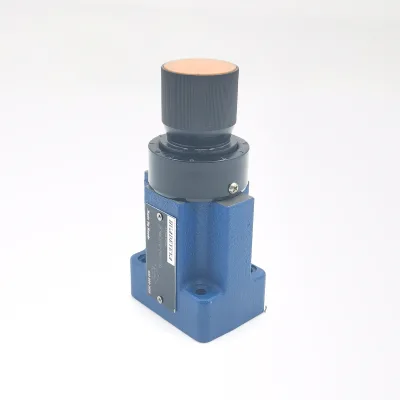
2FRM6B76-20B/10Q Hydraulic Flow Control Valve,One-Way Speed Regulating Valve,Hydraulic Valves
$51.00 - $55.00
MOQ: 1 sets

- Verified by SGS
- Combined
- China Zhejiang
- Lead time15 days
- Avg. response≤ 4h
Main productsBall Valve, Stainless Steel Ball Valve, Trunnion Ball Valve, Metal to Metal Ball Valve
Main marketsDomestic

Guoyue Hydraulic Equipment Manufacturing (Jiangsu) Co., Ltd.
- Verified by SGS
- Combined
- China Jiangsu
- Lead time30 days
- Avg. response≤ 5h
Main productsHydraulic Cylinder, Oil Cylinder, Engineering Oil Cylinder, Excavator Oil Cylinder, High Pressure Oil Cylinder, Metallurgical Oil Cylinder, Single Acting Cylinders, Double Acting Cylinders, Low Height Cylinders, High Tonnage Cylinders
Main marketsSouth America,Domestic,Europe
- Manufacturer, Trading Company
- Henan, China
- Lead time0 days
- Avg. response≤ 1h
Main productsProduction.,Sales.,Import and export business,Machining,Gold electromechanical
Main marketsMid East(10.00%), Africa(6.00%), Oceania(5.00%), South America(5.00%), Southeast Asia(5.00%), Eastern Europe(5.00%), Eastern Asia(4.00%), Northern Europe(4.00%), Southern Europe(3.00%), North America(3.00%), South Asia(3.00%), Central America(2.00%), Domestic Market(1.00%), Western Europe(1.00%)

Huade Hydraulic Technology Co., Ltd.
- Verified by SGS
- Trading Company
- China Hebei
- Lead time15 days
- Avg. response≤ 2h
Main productsHydraulic Valve, Hydraulic Pump, Hydraulic Motor, Hydraulic Flow Valve
Main marketsDomestic


Hydraulic Valve for Construction Equipment Hydraulic Valve for Hydraulic System
$47.00 - $51.00
MOQ: 2 Pieces


Keep Promise Global (Xiamen) Holding Limited
- Verified by TUVRHEINLAND
- Trading Company
- China Fujian
- Lead time30 days
- Avg. response≤ 3h
Main productsWater Valve, Butterfly Valve, Gate Valve, Check Valve, Control Valve, Globe Valve, Balance Valve, Solenoid Valve
Main marketsDomestic

High-Performance Hydraulic Control Valve for Efficient Water Management
$39.00 - $598.00
MOQ: 5 Pieces


Wenzhou Safety Import&Export Co., Ltd
- Verified by TUVRHEINLAND
- Trading Company,Manufacturer/Factory,Group Corporation,Other
- China Zhejiang
- Lead time23 days
- Avg. response≤ 21h
Main productsBall Valve, Gate Valve, Globe Valve, Check Valve, Safety Valve, Flange, Knife Gate Valve, Sanitary Ball Valve, High Pressure Valve, High Temperature Valve
Main marketsSouth America,Eastern Europe,Mid East,North America,Southeast Asia,Eastern Asia,Oceania,Western Europe,Africa
Yancheng Jingdong Hydraulic Machine Co., Ltd.
- Manufacturer, Trading Company
- Jiangsu, China
- Lead time15 days
- Avg. response≤ 2h
Main productsHydraulic Quick Coupling,hydraulic valves,pressure test couplings,hydraulic hose &fitting adapter,camlock quick couplings
Main marketsDomestic Market(45.00%), North America(10.00%), Central America(10.00%), Oceania(5.00%), South America(5.00%), Mid East(5.00%), South Asia(3.00%), Africa(3.00%), Northern Europe(3.00%), Southeast Asia(3.00%), Eastern Europe(2.00%), Western Europe(2.00%), Southern Europe(2.00%), Eastern Asia(2.00%)
Quanzhou Bingde Electromechanical Equipment Co., Ltd.
- Trading Company
- Fujian, China
- Lead time60 days
- Avg. response≤ 5h
Main productsOil and Gas,Maritime&Offshoreneering,Petrochemical industry,Renewable energy,Mining
Main marketsDomestic Market(40.00%), Eastern Asia(20.00%), Eastern Europe(15.00%), South Asia(10.00%), Southeast Asia(10.00%), Mid East(5.00%)
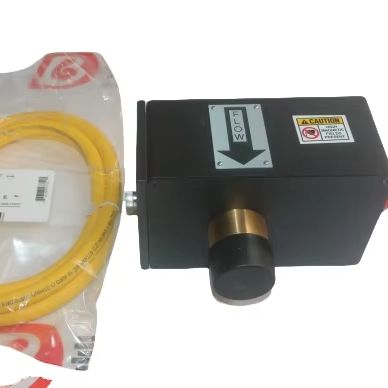
Efficient Flow Control Valve 578-24 - Perfect for Precise Flow Regulation
$1970.7113 - $1988.5329
MOQ: 1 pieces













Comprehensive Sourcing Guide
Hydraulic Proportional Flow Control Valve Supplier Concentration and Factory Types
The current supplier landscape for hydraulic proportional flow control valves shows a distinct concentration of manufacturing activity within specific Chinese provinces, notably Shanghai and Jiangsu. These regions host combined entities that function as both manufacturers and trading companies, offering a blend of direct production capabilities and broader supply chain access. The data indicates that suppliers in these areas often list extensive product ranges including gear pumps, hydraulic control valves, and power units, suggesting a mature industrial ecosystem capable of supporting complex hydraulic system requirements. Buyers should recognize that these combined company types may offer flexibility in customization while maintaining direct oversight of the manufacturing process for core components like sectional valves and flow dividers.
When evaluating factory types, it is critical to distinguish between pure manufacturers and combined entities based on their stated capabilities. The available facts reveal that some suppliers possess ODM and OEM capacities, allowing them to produce custom-branded products or modify existing designs to meet specific client needs. Others may focus on their own brands, indicating a stronger commitment to proprietary technology and long-term product development. For buyers seeking specialized components like electro-hydraulic directional valves, identifying suppliers with explicit ODM, OEM, or own-brand capabilities is essential. This distinction helps in understanding whether a supplier can adapt to unique engineering challenges or if they are limited to standard catalog items, which directly impacts the feasibility of sourcing complex proportional flow control solutions.
How to Verify Hydraulic Proportional Flow Control Valve Suppliers
Verification of supplier credibility relies heavily on third-party audit results and specific certification claims found in the product data. The current results highlight that some suppliers have undergone verification by recognized bodies such as SGS or TÜV Rheinland, providing a baseline level of trust regarding their business operations and quality management systems. Additionally, specific product listings may reference certifications like ISO9001:2015 or ISO14001:2015, which are crucial indicators of a supplier's adherence to international quality and environmental standards. Buyers must treat these certifications as primary evidence of a supplier's operational maturity, ensuring that the manufacturing processes for hydraulic valves meet rigorous safety and performance benchmarks before committing to an order.
Beyond certifications, the response time and verification status serve as immediate indicators of a supplier's reliability and engagement level. Data shows response times varying significantly, with some suppliers demonstrating rapid engagement metrics while others may take longer to reply. A faster response time often correlates with a more active sales team and better communication channels, which is vital for resolving technical queries regarding valve specifications or customization options. Buyers should prioritize suppliers with verified status and documented response speeds, as these factors reduce the risk of miscommunication and delays. It is also important to cross-reference the claimed verification status with the specific product attributes, ensuring that the certified entity is indeed the one supplying the hydraulic proportional flow control valves in question.
What to Compare Across Hydraulic Proportional Flow Control Valve Suppliers
When comparing suppliers, key dimensions such as lead time, minimum order quantity (MOQ), and pricing structures must be analyzed to determine the best fit for specific project requirements. The observed data indicates lead times can range from 15 to 30 days, depending on the supplier's location and production capacity. Some suppliers offer a low MOQ of just one unit, which is advantageous for prototyping or small-scale testing, while others may have higher thresholds. Pricing also varies, with specific product models showing price ranges that reflect differences in complexity, material quality, and customization levels. Buyers should create a comparison matrix that weighs these factors against their own production schedules and budget constraints to identify the most efficient sourcing partner.
In addition to logistical metrics, the scope of main products and customization capabilities provides insight into a supplier's versatility and technical depth. Suppliers listing a broad array of hydraulic components, such as gear motors, monoblock valves, and steering units, often possess the engineering expertise required to support complex proportional flow control applications. The availability of customization options, explicitly noted in product attributes, allows buyers to tailor valve specifications to unique system requirements. Comparing these product portfolios helps buyers assess whether a supplier can provide a comprehensive solution or if they need to source complementary components from different vendors. This holistic view ensures that the selected supplier can meet both immediate and future hydraulic system needs without compromising on quality or performance.
Common Hydraulic Proportional Flow Control Valve Sourcing Risks
One significant risk in sourcing hydraulic proportional flow control valves is the potential mismatch between claimed certifications and actual product standards. While some suppliers list certifications like CE or ISO standards, others may have no system certification listed, creating uncertainty about the quality assurance processes behind their products. Buyers must be vigilant in verifying that the specific valve models they intend to purchase are covered by the stated certifications, as a general company certification does not automatically guarantee that every product line meets the same rigorous standards. This discrepancy can lead to compliance issues in regulated industries or performance failures in critical hydraulic systems, making thorough due diligence essential before finalizing any procurement agreement.
Another critical risk involves the reliability of lead times and the consistency of product specifications across different batches. The data shows varying lead times and packing standards, which can impact project timelines and inventory management. If a supplier promises a specific delivery window but lacks the capacity to meet it, production delays can cascade through the entire supply chain. Furthermore, inconsistencies in product attributes, such as material composition or pressure ratings, can arise if the supplier does not maintain strict quality control. Buyers should mitigate these risks by requesting detailed product specifications and testing reports for each batch, ensuring that the hydraulic valves meet the exact technical requirements of their application before accepting delivery.
Hydraulic Proportional Flow Control Valve Regional Sourcing and Logistics
Regional sourcing strategies should focus on the specific manufacturing clusters identified in the supplier data, particularly those located in Shanghai and Jiangsu Province. These regions offer a dense network of hydraulic component manufacturers, providing buyers with access to a wide variety of products and specialized engineering expertise. The proximity of these suppliers to major shipping ports can facilitate efficient logistics, reducing transit times and costs for international orders. However, buyers must also consider the specific origin details listed for each product, as some items may be manufactured in different provinces like Hubei, which could affect shipping routes and delivery schedules. Understanding these regional nuances allows buyers to optimize their logistics planning and minimize potential delays.
Logistics planning must also account for the specific packing standards and shipping requirements associated with hydraulic valves. The data indicates that some suppliers use standard packing, while others utilize plywood boxes, which can influence the handling and protection of the products during transit. Buyers should verify the packing details to ensure that the valves are adequately protected against damage during shipping, especially for delicate components like proportional directional spool valves. Additionally, the origin of the product, whether from Jiangsu or other provinces, may impact customs clearance procedures and import duties. By aligning their logistics strategy with the specific regional and packing attributes of the chosen supplier, buyers can ensure a smoother and more cost-effective supply chain operation.
Hydraulic Proportional Flow Control Valve Commercial Terms and Order Planning
Commercial terms for hydraulic proportional flow control valves often include specific pricing structures, warranty periods, and customization agreements that must be clearly defined before placing an order. The observed data shows price ranges for various valve models, with some products offering warranties of one year. Buyers should carefully review these terms to understand the total cost of ownership, including any potential additional costs for customization or expedited shipping. It is also crucial to confirm the warranty coverage and the process for handling defects or returns, as these terms can significantly impact the long-term viability of the supplier relationship. Clear communication of these commercial terms helps prevent misunderstandings and ensures that both parties are aligned on expectations.
Order planning should be guided by the supplier's response time, lead time, and capacity for ODM or OEM production. Suppliers with faster response times and shorter lead times can offer greater flexibility for urgent orders or rapid prototyping, while those with established ODM capabilities may be better suited for long-term, large-scale production runs. Buyers should align their order schedules with the supplier's production capacity to avoid bottlenecks and ensure timely delivery. Additionally, considering the MOQ and pricing tiers can help in optimizing order quantities to achieve cost efficiencies without overstocking inventory. By integrating these commercial and logistical factors into their order planning, buyers can create a robust procurement strategy that balances cost, speed, and quality requirements effectively.
FAQs
What is the price range for hydraulic sectional valves?
Prices for hydraulic sectional valves typically range from $10 to $100 per unit depending on the specific model and configuration. Basic proportional directional valves start around $10, while electro-hydraulic flow control valves can cost between $70 and $100. Buyers should verify exact pricing based on quantity and customization needs.
What certifications do these hydraulic valves hold?
Many hydraulic valves carry CE certification as a standard product attribute. Some suppliers also hold ISO9001:2015 and ISO14001:2015 system certifications. Additional product certifications may include RoHS, GS, and ISO standards. Buyers should request specific certificate copies to verify compliance with their regional regulatory requirements before placing orders.
What is the typical lead time for these products?
Lead times for hydraulic valves generally range from 15 to 30 days. Some suppliers offer a 15-day lead time for standard items, while others may require up to 30 days for production. Buyers should confirm the exact delivery schedule with the supplier, as lead times can vary based on order volume and customization.
What is the minimum order quantity for these valves?
The minimum order quantity for many hydraulic sectional valves is one unit. This low MOQ allows buyers to test product quality before committing to larger orders. However, pricing and lead times may improve with higher volumes. Buyers should confirm the specific MOQ with the supplier to ensure it meets their procurement needs.
Where are these hydraulic valves manufactured?
These hydraulic valves are primarily manufactured in China, with specific origins in Shanghai, Jiangsu Province, and Hubei. Jiangsu Province is a common production hub for sectional and proportional valves. Buyers should verify the exact manufacturing location to assess logistics costs and ensure alignment with their supply chain preferences.
What warranty is provided for hydraulic valves?
A one-year warranty is commonly provided for hydraulic sectional and directional valves. This warranty covers manufacturing defects and ensures product reliability during initial operation. Buyers should review the specific warranty terms with the supplier, including coverage details and return procedures, to understand their protection against potential product failures.