Intrinsic Safety Ear Plugs Suppliers and Manufacturers
Compare 26 verified suppliers offering Intrinsic Safety Ear Plugs with ISO 9001, CE, and ANSI certifications. Review response times, lead times, and pricing to source waterproof or foam options from Guangdong, China factories today; review the available evidence before requesting comparable quotations from suitable candidates.
Updated
Suppliers List
GuangZhou J&Y Safety Products Manufacturer Co., Ltd.
- Verified by SGS Group
- Manufacturer, Trading Company
- Lead time30 days
- Avg. response≤ 6h
Main productsSafety Earplug, Safety Helmet, Face Shields, Safety Glasses, Safety Earmuff
Main marketsNorth America(15%), Domestic Market(15%), Eastern Europe(10%)

Jinhua Toper Safety Equipment Co., Ltd.
- Combined
- China Zhejiang
- Lead time15 days
- Avg. response≤ 19h
Main productsSafey Helmet, Safety Glasses, Safety Goggle, Welding Helmet, Welding Goggle, Face Shield, Dust Mask, Half-Face Respirator, Earmuff, Earplugs
Main marketsDomestic

Fuzhou Golden Moral Imp & Exp Co., Ltd.
- Verified by CTI
- Trading Company
- China Fujian
- Lead time23 days
- Avg. response≤ 5h
Main productsMiner Lamp, Water Well Drill, Construction Machinery, Safety Protection Product, Mining Machine, Air Compressor, Drilling Tools, Detector Instrument, Steel Rails, Chemical Products
Main marketsSouth America,Southeast Asia/ Mideast,North America


Reusable Hearing Protection Cylindrical Noise Cancelling Foam Safety Earplugs
$0.06 - $0.40
MOQ: 100 pairs

Reusable Noise Reduction Sleeping Safety Earplug Soundproof Ear Plug with Cord and Without Cord
$0.05 - $0.40
MOQ: 100 pairs


KEYFUN SAFETY EQUIPMENT GROUP LIMITED
- Verified by SGS
- Manufacturer/Factory,Group Corporation
- China Zhejiang
- Lead time23 days
- Avg. response≤ 25h
Main productsAgro Sprayer, Ear Muffs, Safety Helmet, Face Shield, Respirator, Gas Mask, Solo Port 423 Mist Blower Power Sprayer, Capacitor, Knapsack Sprayer, Cooper Pegler Matabi Jacto Bp Sprayer
Main marketsSouth America,Eastern Europe,Mid East,North America,Southeast Asia,Eastern Asia,Oceania,Western Europe,Africa


Ear Plugs Soft Earplug Silicone Ear Plugs Noise Earplugs Sounds Safety Ear Plug
$0.10
MOQ: 10000 Pieces


- Verified by CTI
- Trading Company
- China Zhejiang
- Lead time15 days
- Avg. response≤ 3h
Main productsWarning Vests, Safety Glasses, Welding Mask, Rain Coat, Work Wear, Gloves, Safety Shoes, Respirator
Main marketsSoutheast Asia/ Mideast,Europe,North America


Premium CE Certified Corded Soundproof Safety Earplugs for Ultimate Noise Reduction
$0.13 - $0.15
MOQ: 1000 Pieces

Fuzhou Golden Moral Imp & Exp Co., Ltd.
- Trading Company
- Fujian, China
- Lead time12 days
- Avg. response≤ 2h
Main productsPneumatic tools,Safety protection product,Mining machine,Safety Lamp,Construction machinery
Main marketsAfrica(20.00%), Mid East(20.00%), South America(20.00%), Eastern Asia(10.00%), Southeast Asia(10.00%), South Asia(10.00%), Domestic Market(5.00%), Oceania(5.00%)

Guhua Industrial Corporation Limited
- Verified by SGS
- Trading Company
- China Shanghai
- Lead time30 days
- Avg. response≤ 10h
Main productsSafety Shoes, Coveralls, Safety Gloves, Safety Glasses, Earplug, Earmuff, Safety Gogglees, Earplugs, Working Gloves
Main marketsSouth America,Southeast Asia/ Mideast,East Asia(Japan/ South Korea),Europe,Australia,North America

Wholesale Safety TPR Ear Plugs for Sleep and Hearing Protection Ear Protection Plugs
$0.10 - $0.11
MOQ: 200000 Pieces

Factory Direct Sell Ear Protective Noise Reduction Soundproof Ear Plugs
$0.10 - $0.11
MOQ: 200000 Pieces


Safety Ear Plug Hearing Protection Noise Cancelling Silicone Quiet Noise Reduction Earplugs
$0.05 - $0.06
MOQ: 200000 Pieces

Hearing Protection Ear Plugs for Sleeping Noise Cancelling Silicone Earplugs
$0.10 - $0.11
MOQ: 200000 Pieces
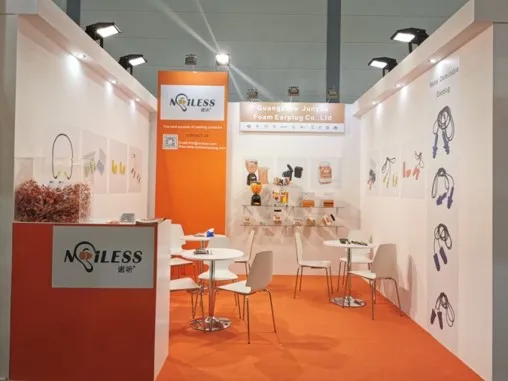
Guangzhou Junyue Foam Earplug Co., Ltd.
- Manufacturer, Trading Company
- Guangdong, China
- Lead time45 days
- Avg. response≤ 9h
Main productsPU Earplug, TPR Earplug, Metal Detectable Earplug, Banded Earplugs, Earmuff
Main marketsNorth America(44.00%), Africa(15.00%), South America(9.00%), Domestic Market(8.00%), Oceania(6.00%), Western Europe(4.00%), Eastern Europe(4.00%), Southern Europe(2.00%), Northern Europe(2.00%), Southeast Asia(2.00%), South Asia(1.00%), Eastern Asia(1.00%), Central America(1.00%), Mid East(1.00%)
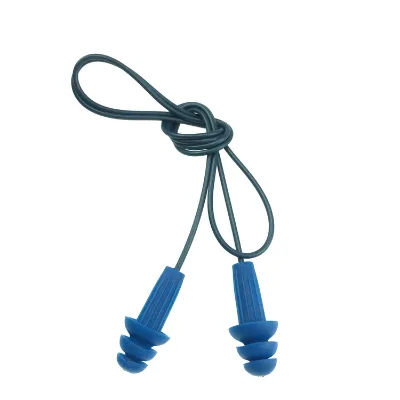
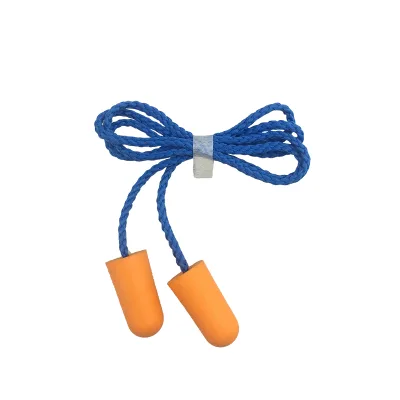
Detect Ear Plugs for Food Processing Corded Earplugs Ear Protector Bulk Noise Reduction Ear Plug
$0.15 - $0.20
MOQ: 10000 pairs
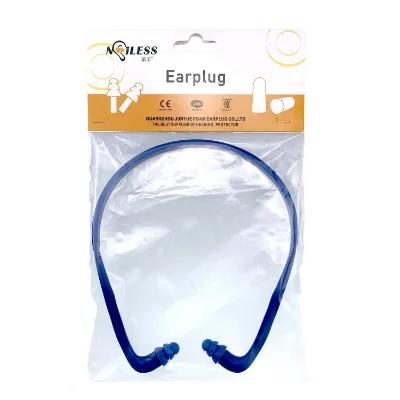
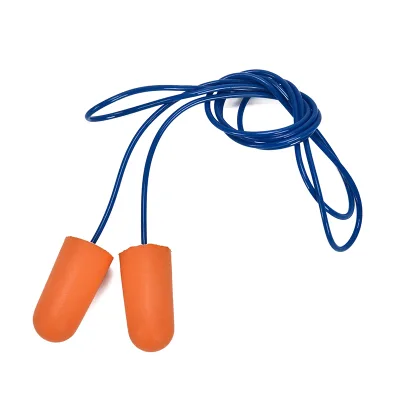
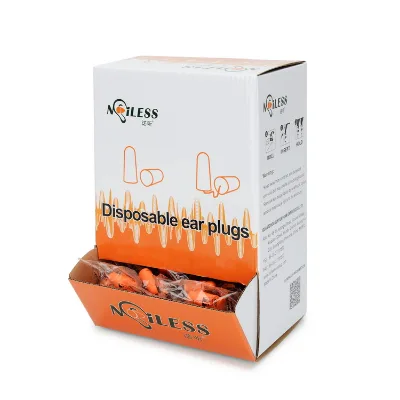

Hangzhou Tingoton Technology Co., Ltd.
- Verified by SGS
- Combined
- China Zhejiang
- Lead time30 days
- Avg. response≤ 9h
Main productsCustom Ear Mold Materials, Hearing Aids, Hearing Aid Accessories, Hearing Testing Equipment, Hearing Aid Maintenance, Hearing Diagnostic Equipment, Hearing Aid Device & Accessories, Hearing Aid Hygiene & Care Products, Hearing Aid Fitting Tools, Consumer Components
Main marketsDomestic,Europe,North America

Logo Customizable Safety Cylindrical Acoustic Ear Plug Earplugs with Round CAS
$0.98 - $2.25
MOQ: 100 pieces

OEM/ODM Safety Yellow Cylindrical PU Foam Earplug Acoustic Hearing Protection Ear Plug
$0.98 - $2.25
MOQ: 100 pieces


Qingdao Signal Technology Co., Ltd
- Verified by TUVRHEINLAND
- Trading Company,Manufacturer/Factory,Group Corporation
- China Shandong
- Lead time15 days
- Avg. response≤ 3h
Main productsPersonal Protective Equipment Supplier, Safety Products Supplier, Safety Gloves Manufacturer, Construction Safety Equipment, Road Safety Products, OEM PPE Supplier, Industrial Protection Solutions, Foot Protection, Respiratory Protection, Safety Shoes
Main marketsSouth America,Eastern Europe,Mid East,North America,Southeast Asia,Eastern Asia,Oceania,Western Europe,Africa

Guangzhou 247 International Co., Ltd
- Verified by SGS
- Trading Company,Manufacturer/Factory
- China Guangdong
- Lead time23 days
- Avg. response≤ 13h
Main productsIron Nails, Screws, Welding Rods, Iron Wire, Welding Wires, Wire Mesh, Safety Products, Welding Gloves, Fastener, Labour Protection Tools
Main marketsSouth America,Eastern Europe,Mid East,North America,Southeast Asia,Eastern Asia,Oceania,Western Europe,Africa

PU Ear Plug Anti-Noise Earplug Silicone Ear Plugs Hearing Protection Earplugs
$0.08
MOQ: 500000 Pieces

Custom Color Comfortable Safety Ear Plugs Noise Reduction Silicone Earplug
$0.10 - $0.12
MOQ: 1000 Piece

Kanghua Safety Equipment Manufacturing Co., Ltd.
- Manufacturer
- Zhejiang, China
- Lead time30 days
- Avg. response≤ 1h
Main productshelmet,earmuffs,safety glasses,face shield,respirator
Main marketsWestern Europe(40.00%), Eastern Europe(20.00%), South America(15.00%), Southern Europe(5.00%), Northern Europe(5.00%), North America(5.00%), Eastern Asia(5.00%), Southeast Asia(5.00%)

Xiamen Flying Silicone Rubber Co., Ltd.
- Verified by TUVRHEINLAND
- Trading Company,Manufacturer/Factory
- China Fujian
- Lead time23 days
- Avg. response≤ 12h
Main productsSilicone Rubber Auto Parts, Silicone Rubber Keypad, Silicone Rubber Gasket, Silicone Rubber O-Ring, Silicone Rubber Valve, Silicone Rubber Kitchenware, Plastic Injection Parts, Silicone Rubber Gifts, Silicone Medical Accessories, LSR Baby Care
Main marketsSouth America,Eastern Europe,North America,Southeast Asia,Western Europe
Guangzhou Aier Slow Rebound Foam Earplug Co.,ltd.
- Verified by Intertek
- Manufacturer, Trading Company
- Lead time15 days
- Avg. response≤ 3h
Main productsSlow Rebound Memory Foam Ear Tips, Noise Reduction Earplugs
Main marketsDomestic Market(35%), Western Europe(25%), North America(20%)
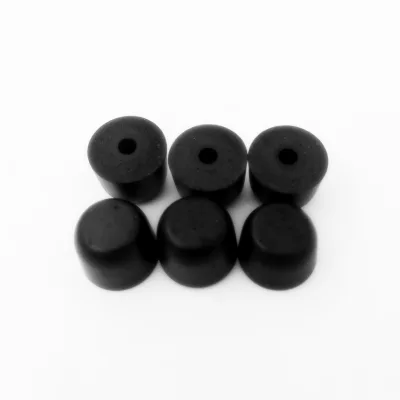
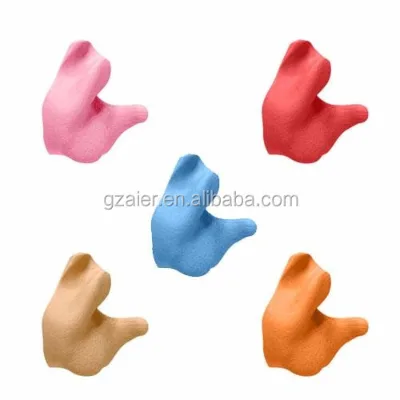
Reusable Silicon Custom Molded Ear Plugs Hearing protection Soundproof Earplug
$4.0113
MOQ: 500 Minimum
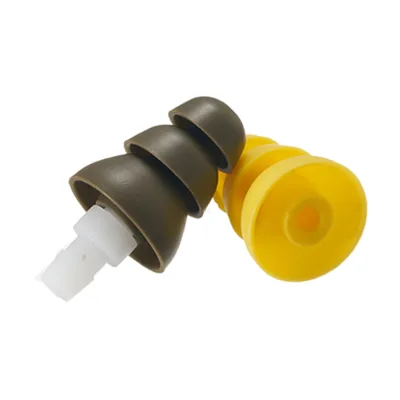
$2.3624 - $2.7222
MOQ: 1000 pairs
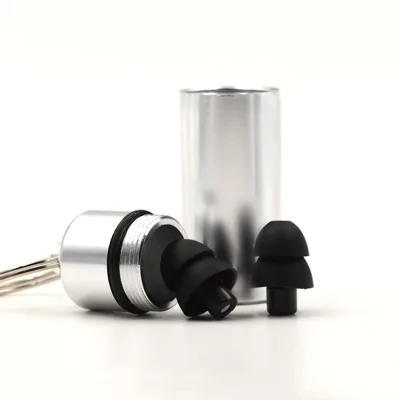
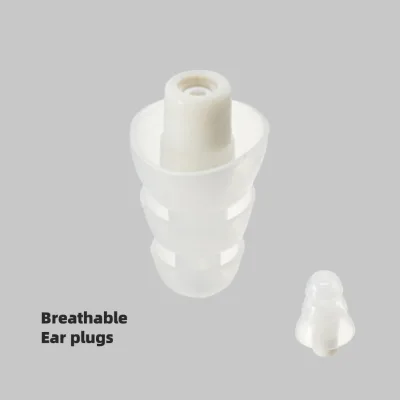
$2.208 - $2.4134
MOQ: 3 pairs
Jiangmen City Jianghai District Gold Dali Sponge Products Co., Ltd.
- Verified by TüVRheinland
- Manufacturer, Trading Company
- Lead time2 days
- Avg. response≤ 3h
Main productsPU Foam Earplug, Silicone Earplug
Main marketsNorth America(58%), South America(12%), Western Europe(10%)
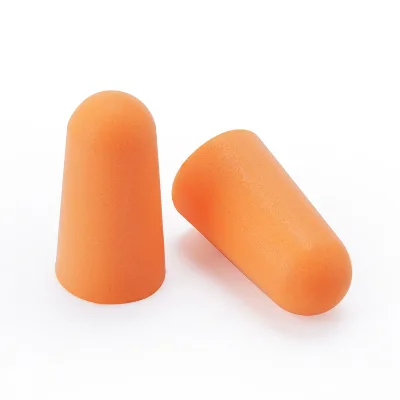
$0.0412 - $0.0617
MOQ: 1 pairs
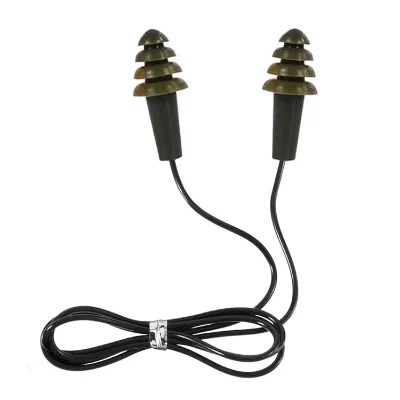
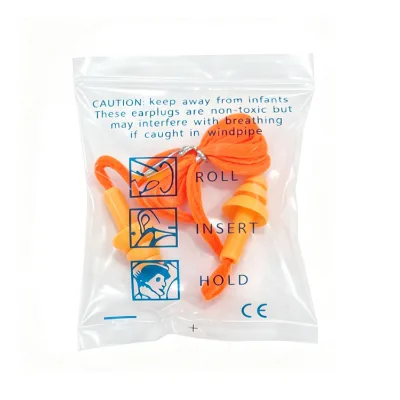
4 Tier Reusable Ear Plugs 32db Soft Silicone Ear Plugs Noise Cancelling Earplugs Corded
$0.11 - $0.13
MOQ: 1000 pairs
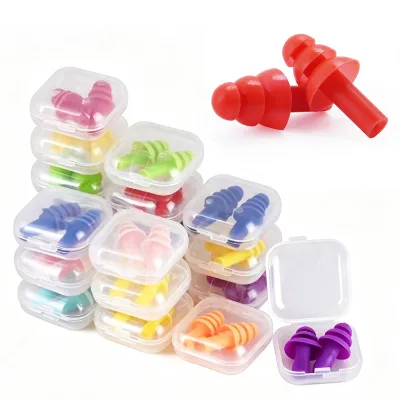
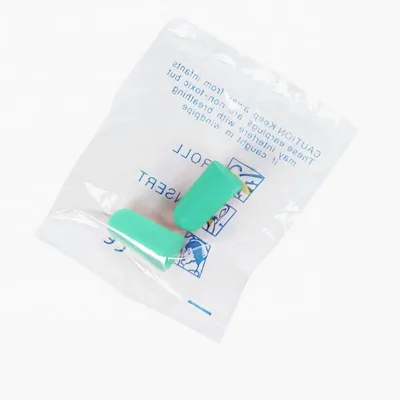
Ningbo Huaqia Electronic Technology Co., Ltd.
- Verified by SGS Group
- Manufacturer, Trading Company
- Lead time15 days
- Avg. response≤ 3h
Main productsShooting Earmuffs / Hunting Earmuffs / Children's Earmuffs / Labor Protection Earmuffs / Silicone Earplugs / PU Earplugs, Labor Protection Knee Pads And Elbow Pads / Sports Knee Pads And Elbow Pads, Dog Earmuffs
Main marketsNorth America(40%), Southeast Asia(25%), Western Europe(25%)
Guangzhou Opsmen Tech Co., Ltd.
- Verified by TüVRheinland
- Manufacturer, Trading Company
- Lead time3 days
- Avg. response≤ 2h
Main productsTactical Headsets, Bluetooth Communication Headsets, Hearing Protection Earmuffs, Bluetooth Earplugs, Tactical Accessories
Main marketsNorth America(20%), Eastern Europe(20%), Western Europe(20%)
Suzhou Jujie Electron Co., Ltd.
- Verified by TüVRheinland
- Manufacturer, Trading Company
- Lead time3 days
- Avg. response≤ 4h
Main productsCleanroom Wiper, Sticky Mat, Clean Swab, ESD Clothing, ESD Shoes
Main marketsDomestic Market(48%), North America(16%), Western Europe(6%)
Ningbo GY Safety Technology Co., Ltd.
- Manufacturer
- Zhejiang, China
- Lead time15 days
- Avg. response≤ 2h
Main productsElectronic earmuffs,Children earmuffs,Safety earmuffs,Earplugs,Eyeglasses
Main marketsNorth America(40.00%), Western Europe(25.00%), Southeast Asia(25.00%), Mid East(5.00%), Eastern Asia(5.00%)
Fuzhou Cangshan Sunton Import And Export Co., Ltd.
- Verified by TüVRheinland
- Trading Company
- Lead time0 days
- Avg. response≤ 1h
Main productsSafety Earmuff, Earplug, Safety Glass, Safety Shoes, Gas Mask
Main marketsNorth America(40%), Western Europe(40%), Oceania(20%)
HO CHENG SAFETY ENTERPRISE CO., LTD.
- Manufacturer
- Taiwan, China
- Lead time35 days
- Avg. response≤ 18h
Main productsSafety Glasses, Face Shields, Earmuffs, Safety Goggles, Safety Helmets
Main marketsNorth America(30.00%), Southern Europe(15.00%), Eastern Europe(15.00%), Western Europe(10.00%), Northern Europe(10.00%), South America(5.00%), Oceania(5.00%), Central America(5.00%), Mid East(5.00%)
$0.1035 - $0.1559
MOQ: 20000 Minimum
$0.1345 - $0.1559
MOQ: 20000 Minimum
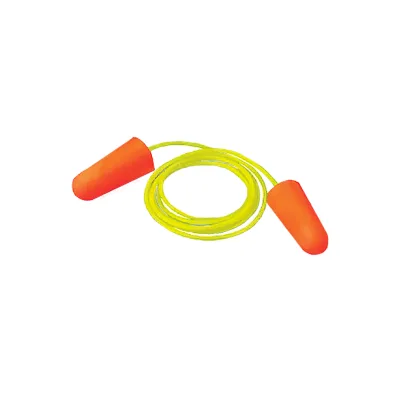

- Verified by BV
- Trading Company,Manufacturer/Factory
- China Jiangsu
- Lead time23 days
- Avg. response≤ 4h
Main productsHearing Aid Accessories, Hygiene&Care, Ear Impression, Iem Related Product, 3D Printing, Earmold Lab Material & Equipment, Market&Display, Hearing Aid Batteries, Drilling & Grinding, Noise Protect
Main marketsSouth America,Eastern Europe,Mid East,North America,Southeast Asia,Eastern Asia,Oceania,Western Europe,Africa
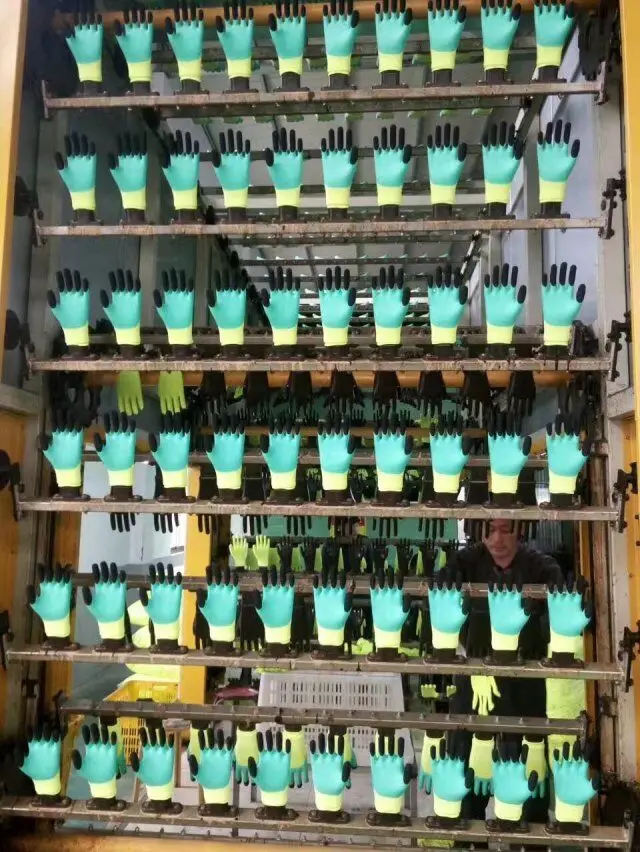
Linyi Zhongsen Glove Co., Limited
- Trading Company
- Shandong, China
- Lead time20 days
- Avg. response≤ 6h
Main productsSafety Glove,Refelect Vest,Helmets
Main marketsSoutheast Asia(25.00%), Mid East(25.00%), Central America(5.00%), South America(5.00%), North America(5.00%), Africa(5.00%), Western Europe(5.00%), Eastern Europe(5.00%), Eastern Asia(5.00%), Northern Europe(5.00%), Oceania(5.00%), Southern Europe(5.00%)

- Trading Company
- China Jiangsu
- Lead time30 days
- Avg. response≤ 9h
Main productsElectric Pruning Shear, Sparkplug, Grass Timmmer, Trimmer Line, Trimmer Head, Brush Cutter Blade, Paint Brush, Paint Roller, Work Gloves, Safety Helmet
Main marketsDomestic,Europe
SUNTECH SAFETY EQUIPMENT (SHANGHAI) CO., LTD.
- Trading Company
- Shanghai, China
- Lead time7 days
- Avg. response≤ 3h
Main productsSafety Gloves, Earplugs And Earmuffs, Safety Goggles, Face Shield, Reflective Safety Clothing
Main marketsDomestic Market(50.00%), North America(20.00%), Southern Europe(20.00%), Oceania(10.00%)
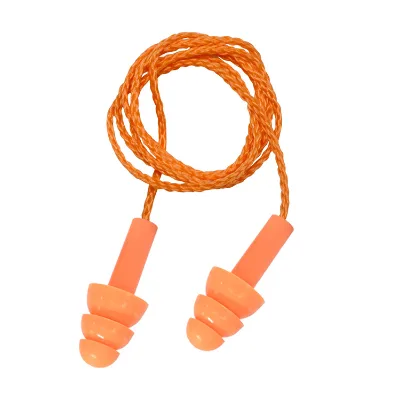
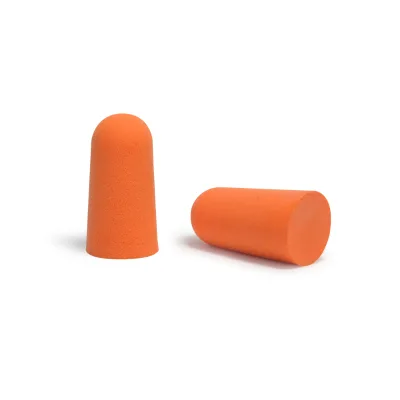
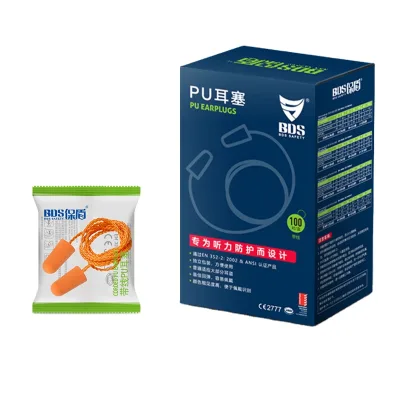
PU & ABS Material Protective Equipment Rubber Earplugs with Noise Reduction Function for Safety
$0.0414 - $0.0725
MOQ: 2000 pairs

Globalink International Limited
- Verified by SGS
- Trading Company,Manufacturer/Factory,Other
- China Shandong
- Lead time45 days
- Avg. response≤ 13h
Main productsPlastic Packaging, Food Container, Fruit packaging, Paper Bags, Paper Packaging, Plastic Bags, Plastic Tape, Egg Tray, Aluminum Foil, Sushi Container
Main marketsSouth America,Eastern Europe,Mid East,North America,Southeast Asia,Eastern Asia,Oceania,Western Europe,Africa


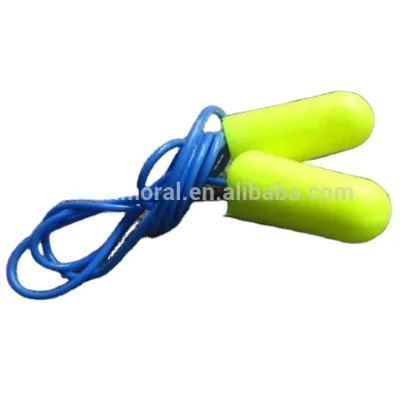


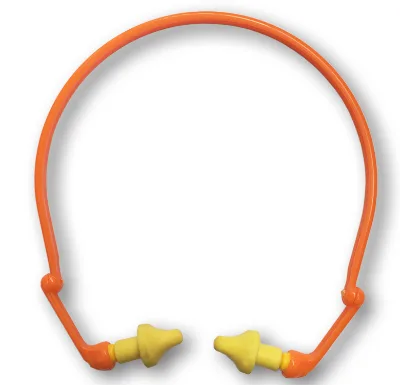
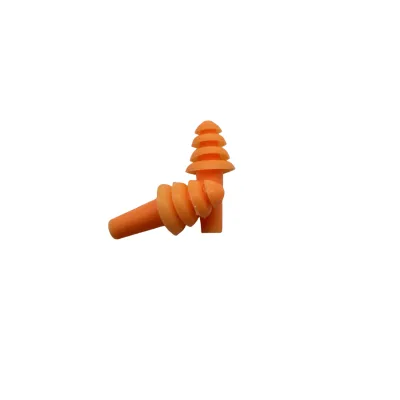
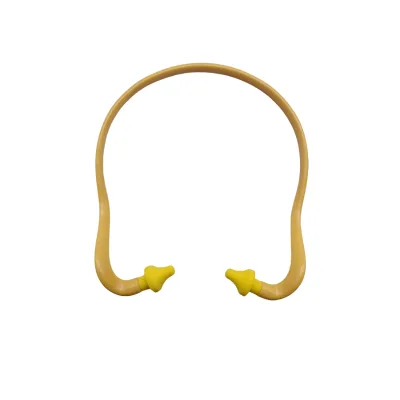




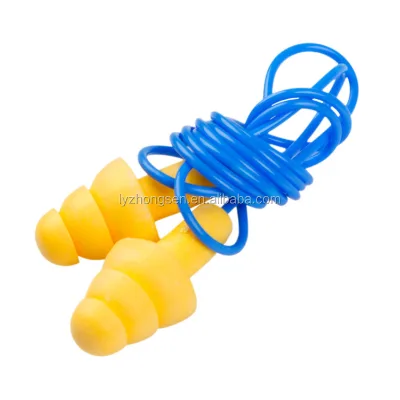
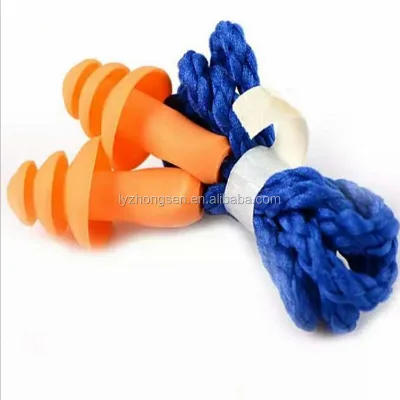


Comprehensive Sourcing Guide
Intrinsic Safety Ear Plugs Supplier Concentration and Factory Types
The current supplier landscape for hearing protection devices reveals a diverse mix of manufacturing capabilities and business models. Buyers will encounter both dedicated manufacturers and trading companies offering these essential safety items. The available data indicates that twenty-six suppliers are currently active in this specific product category, providing a broad selection for procurement teams. This variety allows buyers to choose between direct factory engagement for better pricing control or trading companies for consolidated logistics and broader catalog access. Understanding the company type is the first step in aligning supplier capabilities with your specific sourcing strategy and volume requirements.
Manufacturers in this sector often highlight their ability to handle light customization, sample processing, and graphic processing on demand. This suggests that many factories are equipped to handle OEM and ODM requests, allowing buyers to brand products with their own logos or specific design requirements. The presence of companies labeled as "Combined" or "Trading Company" alongside pure manufacturers indicates a hybrid market structure. Buyers should verify whether the supplier is the actual producer or an intermediary, as this impacts communication efficiency, quality control oversight, and long-term cost stability. The main products listed often include safety helmets, face shields, and glasses alongside earplugs, suggesting many suppliers are general PPE providers rather than specialized hearing protection specialists.
How to Verify Intrinsic Safety Ear Plugs Suppliers
Verification is a critical step to ensure the reliability and legitimacy of potential partners in the personal protective equipment market. One key indicator of supplier credibility is third-party verification status. In the current results, some suppliers are verified by SGS Group, a globally recognized inspection and certification company. This verification adds a layer of trust regarding the supplier’s business operations and legal standing. Buyers should prioritize suppliers with such verified badges, as it reduces the risk of engaging with fraudulent entities. However, verification alone is not a guarantee of product quality, so it must be combined with other due diligence steps.
Beyond basic business verification, buyers must scrutinize the specific certifications held by the supplier and their products. The available facts show that many suppliers hold ISO 9001 and ISO 14001 system certifications, which indicate adherence to quality management and environmental standards. Furthermore, product-specific certifications such as CE, UKCA, RoHS, and compliance with the PPE Regulation (EU) 2016/425 are prominently displayed. These certifications are essential for selling in regulated markets like Europe and the UK. Buyers should request copies of these certificates and verify their validity directly with the issuing bodies. Additionally, checking for ANSI and AS/NZS certifications is crucial for North American and Australian/New Zealand markets, ensuring the earplugs meet local noise reduction rating standards.
What to Compare Across Intrinsic Safety Ear Plugs Suppliers
When evaluating multiple suppliers, buyers should compare key operational metrics to determine the best fit for their supply chain. Response time is a significant factor in supplier selection, with some suppliers showing a response time of six hours, while others may take significantly longer. A faster response time often correlates with better customer service and quicker issue resolution. Lead time is another critical comparison point, with observed times ranging from fifteen to thirty days. Buyers with urgent needs should prioritize suppliers with shorter lead times, while those planning for long-term inventory can accommodate longer production windows. These metrics directly impact your ability to meet downstream demand without stockouts.
Product specifications and pricing structures also require careful comparison. The available data shows a wide range of noise reduction ratings, from twenty dB to thirty-eight dB, depending on the material and design. Silicone earplugs may offer different performance characteristics compared to PU foam or slow-rebound options. Buyers should compare the specific ANSI NRR and SNR values to ensure they meet their workplace safety requirements. Price ranges vary significantly, with some products starting as low as $0.03 per unit and others reaching $0.39. This variance reflects differences in material quality, certification levels, and customization options. Buyers should not choose solely based on the lowest price but should evaluate the total value, including certification coverage, material durability, and supplier reliability.
Common Intrinsic Safety Ear Plugs Sourcing Risks
One of the primary risks in sourcing hearing protection is the discrepancy between claimed and actual noise reduction performance. Suppliers may list high SNR or NRR values, but without independent test reports, these claims cannot be fully trusted. Buyers must ensure that the products have been tested according to the relevant standards, such as ANSI S3.1 or EN 352. Relying solely on supplier-provided data without verification can lead to non-compliance with occupational health and safety regulations. This risk is particularly acute when dealing with trading companies that may not have direct control over the manufacturing process or quality assurance protocols.
Another significant risk involves the consistency of supply and the ability to handle customization requests. While many suppliers advertise OEM and ODM capabilities, the actual implementation can vary. Some suppliers may struggle with graphic processing or specific material requirements, leading to delays or quality issues. Additionally, the use of different materials, such as pure silicone versus PU foam, can affect comfort and durability. Buyers must clearly specify their requirements and verify that the supplier has the technical capacity to meet them. Failure to do so can result in products that do not meet user expectations or workplace safety standards, leading to returns, complaints, and potential liability issues.
Intrinsic Safety Ear Plugs Regional Sourcing and Logistics
Geographic location plays a crucial role in determining shipping costs and delivery times. The available data indicates that many suppliers are located in Guangdong, China, a major manufacturing hub for personal protective equipment. This concentration offers benefits in terms of supply chain efficiency and competitive pricing due to established infrastructure and supplier ecosystems. However, buyers should also be aware of other locations, such as Zhejiang, China, which may offer different logistical advantages depending on the port of entry and local trade agreements. Understanding the supplier’s precise location helps in calculating accurate landed costs and estimating transit times.
Logistics planning should also consider the packaging and unit dimensions provided by suppliers. Some products come in small, compact packages, which can reduce shipping volume and costs. For example, certain earplugs have single package sizes as small as 0.16x0.11x0.18 cm, allowing for efficient container loading. Buyers should request detailed packaging information to optimize freight costs. Additionally, the availability of cord options or custom packaging can impact logistics, as bulkier items may require more space. Coordinating with suppliers on packaging standards early in the process can prevent unexpected shipping expenses and ensure that products arrive in optimal condition.
Intrinsic Safety Ear Plugs Commercial Terms and Order Planning
Commercial terms and order planning are essential for managing cash flow and inventory levels. Buyers should negotiate clear payment terms, such as escrow services, to protect their interests during the transaction. Escrow ensures that funds are only released when the goods are received and meet the agreed-upon specifications. This is particularly important for first-time orders or when dealing with new suppliers. Additionally, understanding the minimum order quantity (MOQ) is crucial for planning production runs. While specific MOQs are not always listed, buyers should inquire about the lowest viable order size to test the market or fulfill small-scale needs.
Lead time management is another key aspect of order planning. With lead times ranging from fifteen to thirty days, buyers must align their ordering schedule with their sales forecasts. Early communication with suppliers about production capacity and material availability can help prevent delays. Buyers should also consider the supplier’s response time when planning for urgent orders or changes. A supplier with a six-hour response time is more likely to accommodate last-minute requests or provide quick updates on order status. By carefully managing these commercial terms and logistical details, buyers can build a resilient and efficient supply chain for Intrinsic Safety Ear Plugs.
FAQs
What certifications do these earplugs hold?
Manufacturers typically provide CE, ANSI, and AS/NZS certifications for hearing protection products. These standards ensure the earplugs meet specific noise reduction requirements for industrial and recreational use. Buyers should verify the exact certification class, such as Class 4 or Class 5, to confirm compliance with regional safety regulations before placing bulk orders.
What is the typical lead time for orders?
Production lead times generally range from 15 to 30 days depending on the manufacturer and order volume. Some suppliers offer faster turnaround times for customized items, while others may require longer periods for standard bulk production. Buyers should confirm the specific delivery schedule with the supplier to ensure it aligns with their project deadlines.
What materials are used in safety earplugs?
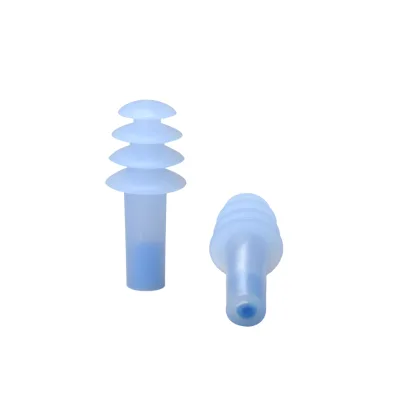
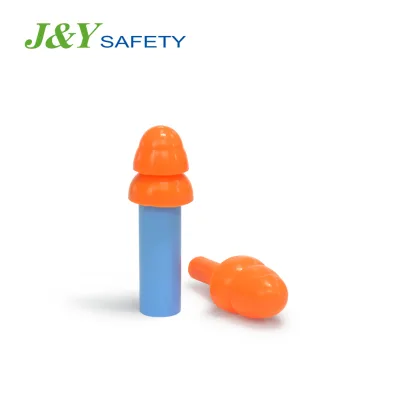
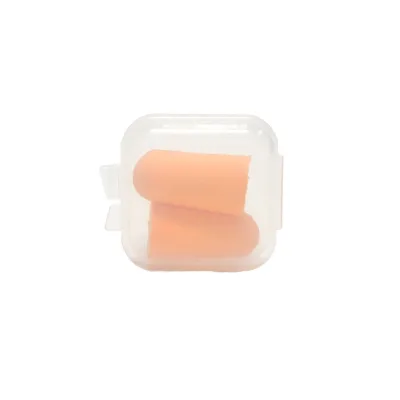
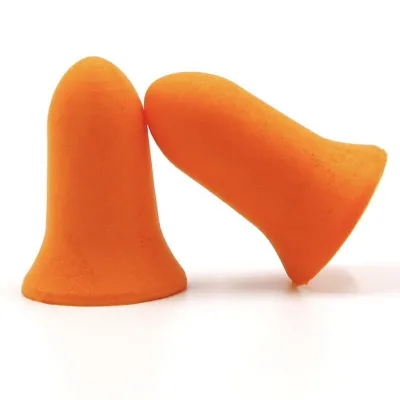
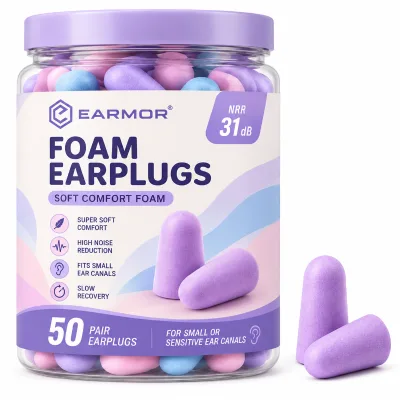
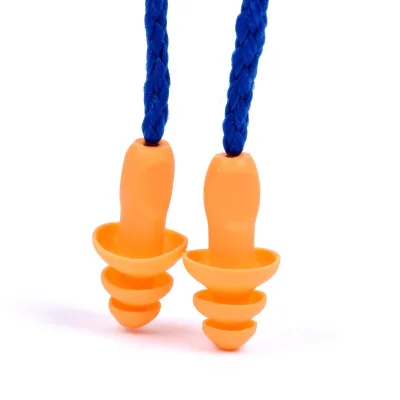
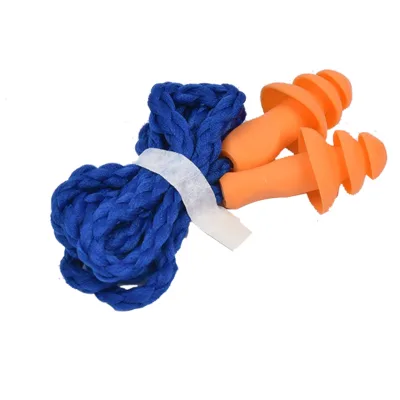
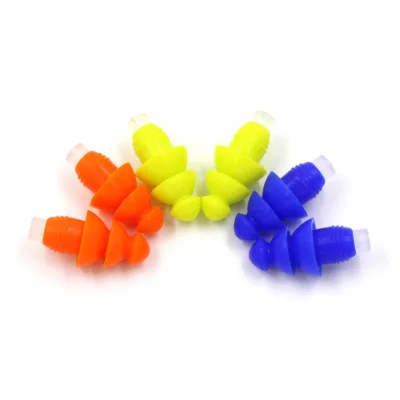
Common materials include pure silicone, slow-rebounded PU foam, and standard silicone. Silicone options are often reusable and waterproof, suitable for swimming or shooting. Foam earplugs provide high noise reduction ratings and are typically disposable. The choice depends on the intended application, comfort preferences, and whether the user requires a washable or single-use product.
What is the noise reduction rating range?
Noise reduction ratings vary significantly, with SNR values ranging from 20dB to 38dB and ANSI NRR from 20dB to 32dB. Higher ratings indicate better protection against loud environments like construction sites or shooting ranges. Buyers must select the appropriate rating based on the decibel levels of their specific work environment to ensure adequate hearing protection.
Do suppliers offer customization services?
Many manufacturers support OEM and ODM services, allowing for custom colors, logos, and packaging. Some suppliers also offer graphic processing and customized designs on demand. Buyers can request specific features like corded or cordless designs, different shapes, or specialized materials to meet unique branding or functional requirements for their target market.
What is the price range for earplugs?
Unit prices typically range from $0.03 to $0.39 depending on the material and features. Basic foam earplugs are often the most affordable, while high-fidelity or specialized silicone models cost more. Bulk orders usually result in lower per-unit costs. Buyers should request detailed quotations to understand how volume discounts and customization options affect the final price.