Source Intrinsic Safety Ear Plugs for Construction, Mining, and Industry
Compare 30 verified listings for Intrinsic Safety Ear Plugs suitable for construction, mining, and industrial applications. Buyers can evaluate NRR ratings, materials like foam and ABS, and customization options from suppliers in China; compare the available evidence and request quotations based on your requirements.
Updated
Key considerations
Products List




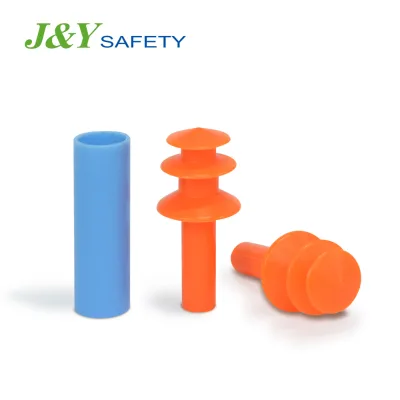
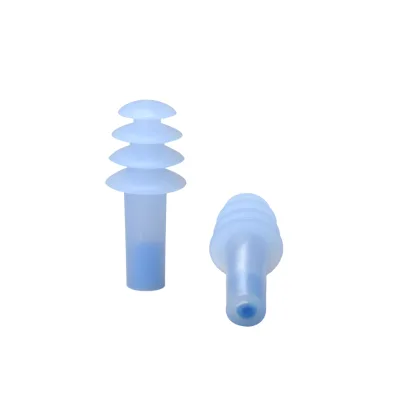
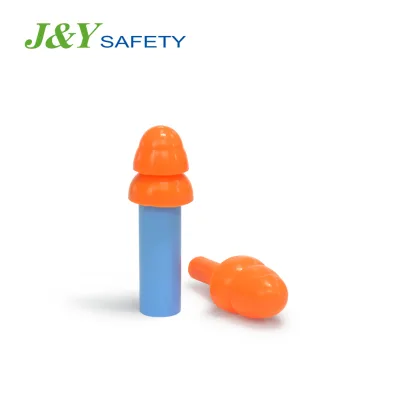
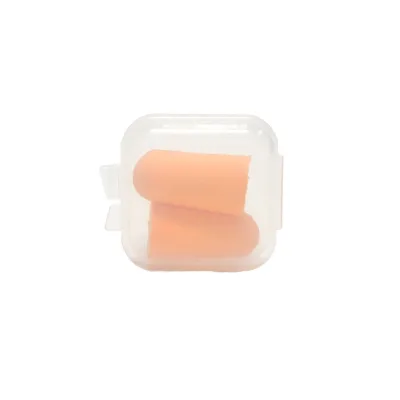
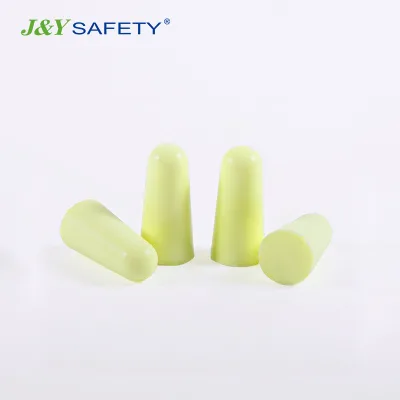
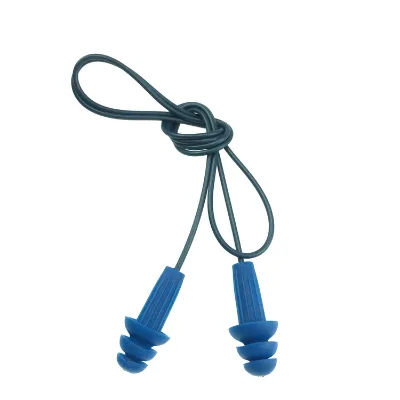
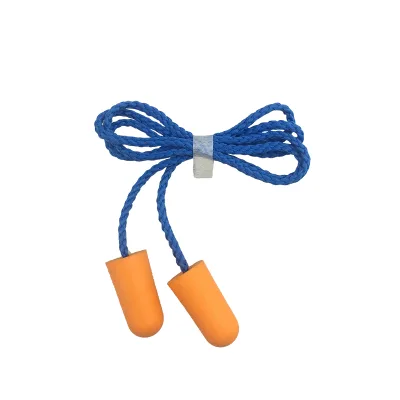
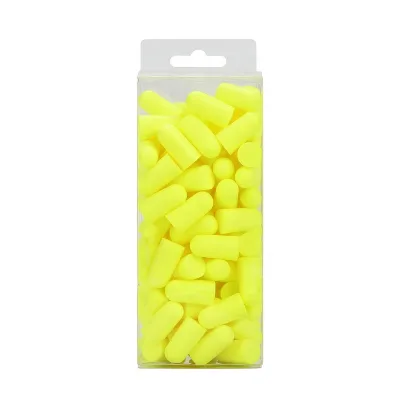
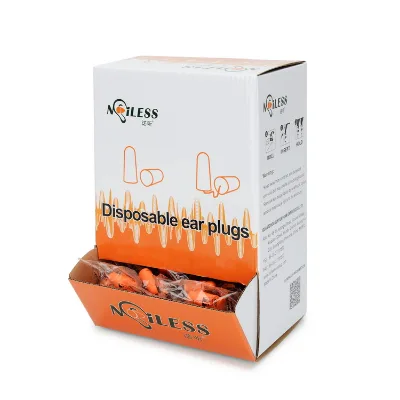
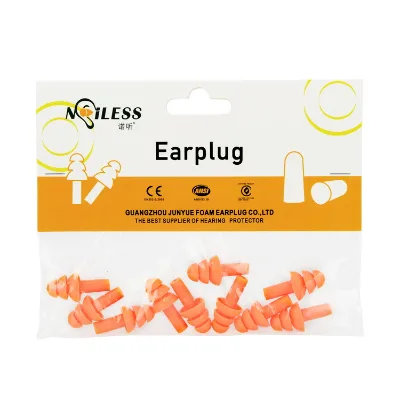
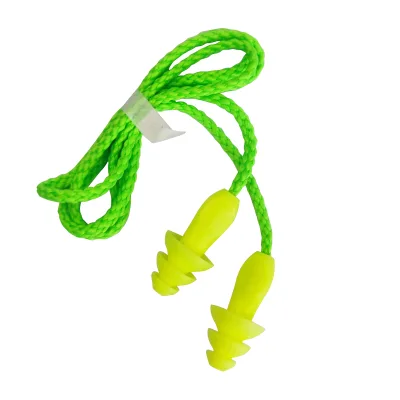


Premium CE Certified Corded Soundproof Safety Earplugs for Ultimate Noise Reduction
$0.13 - $0.15
MOQ: 1000 Pieces

Comprehensive Sourcing Guide
Intrinsic Safety Ear Plugs Sourcing Guide
Procuring hearing protection devices for hazardous environments requires a rigorous understanding of both acoustic performance and material compatibility. Buyers must distinguish between general industrial earplugs and those specifically engineered for intrinsic safety applications, where the risk of ignition from static discharge or electrical faults is a primary concern. The supplied data indicates a diverse range of products, including foam, silicone, and custom-molded options, with Noise Reduction Ratings (NRR) varying from 25dB to 32dB. This variance necessitates careful selection based on the specific decibel levels present in the workplace.
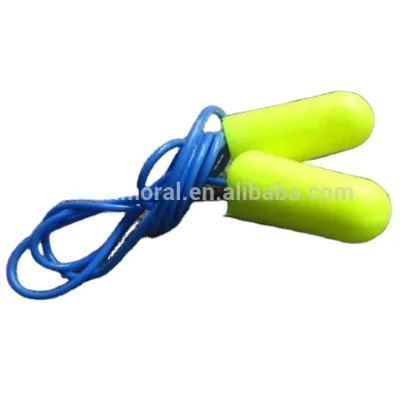
Furthermore, the sourcing landscape includes manufacturers from Taiwan and mainland China, offering OEM and ODM services. While many products are marked as disposable or reusable, the intrinsic safety requirement often dictates specific material properties, such as anti-static capabilities, which are not explicitly detailed in the provided specifications. Buyers must therefore verify that the chosen earplugs do not generate static electricity that could ignite flammable gases or dust. The presence of cords, such as nylon cords, also introduces potential snag hazards that must be evaluated against site-specific safety protocols.
Product Scope and Observed Listing Signals
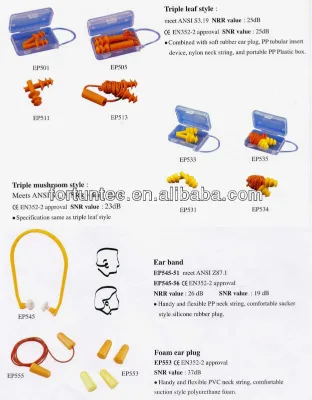
The observed market signals reveal a broad spectrum of ear protection products, ranging from simple cylindrical foam plugs to more complex earmuff configurations. Listings indicate models like EP553 and EP605, with materials including sponge and ABS plastic. The NRR values observed span from 25dB to 32dB, suggesting that buyers must match the attenuation level to the specific noise exposure limits of their facility. The inclusion of features like "push-in" insertion methods and "self-adjusting foam" highlights the importance of user comfort and ease of use in high-turnover industrial environments.
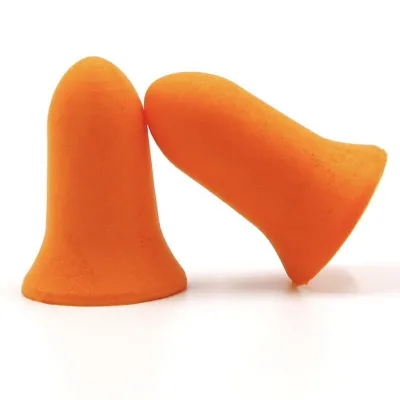
Additionally, the data shows variations in packaging and customization options, with bulk packing and custom logo services available. Some products are described as having a "Bell type" design or being "Cylindrical earplugs," indicating diverse form factors. The mention of "Orange" earmuffs and "Yellow" connectors suggests color-coding may be used for identification purposes. Buyers should note that while many items are labeled as "Disposable," others are marked as "Reusable," which impacts long-term cost calculations and hygiene management protocols in shared workspaces.
Technical Specifications to Verify
When evaluating technical specifications, the Noise Reduction Rating (NRR) is a critical metric, with observed values of 25dB, 29dB, and 32dB. Buyers must ensure that the selected NRR provides adequate protection without over-attenuating, which can hinder communication. The insertion method, described as "push-in" for some models, requires training to ensure a proper seal. Materials such as "Sponge" and "ABS" offer different tactile experiences and durability profiles, so tactile feedback and fit consistency should be tested with a sample batch before full-scale procurement.
The physical dimensions and fit are also crucial, with listings noting "Rugular Size" and "Soft PU Foam" that fit most adults. However, "Rugular" may be a typo for "Regular," and buyers should verify actual sizing charts. The presence of cords, such as "Nylon Cord," can be a safety feature or a hazard depending on the machinery involved. Additionally, the "Model" numbers like 311-1250 and 340-4004 should be cross-referenced with manufacturer datasheets to confirm acoustic performance under real-world conditions, as laboratory NRR values may differ from field performance.
Compliance and Safety Documentation
Compliance with safety standards is non-negotiable for intrinsic safety applications. The supplied data mentions CE certification for some products, which is a baseline requirement for many international markets. However, intrinsic safety often requires additional certifications, such as ATEX or IECEx, which are not explicitly listed in the provided facts. Buyers must request documentation proving that the earplugs meet the specific hazardous area classifications of their facility, particularly regarding static dissipation and electrical conductivity.
Furthermore, the "OEM" standard and "Self-adjusting foam" claims require verification through independent testing reports. Buyers should ask for test results that demonstrate the earplugs' ability to maintain their seal and attenuation properties over time and under various environmental conditions. The "CE" mark alone does not guarantee intrinsic safety; it only indicates conformity with health, safety, and environmental protection standards for products sold within the European Economic Area. Therefore, additional due diligence is required to ensure the product is suitable for explosive atmospheres.
Cost Drivers and Commercial Terms
Cost drivers for ear protection include material quality, NRR performance, and customization requirements. The observed price range of $0.03 to $11 USD reflects significant variation, likely due to differences in material complexity and packaging. Higher NRR values and specialized materials for intrinsic safety may command a premium. The MOQs observed range from 1 to 20,000 pairs, allowing for flexibility in initial orders. Buyers should negotiate based on volume tiers, keeping in mind that lower MOQs may incur higher per-unit costs.
Commercial terms also involve sample times, which are listed as 3-7 days, facilitating quick evaluation of product quality. Packaging options, such as "Poly Bag with Carton Box" or "1 pair/Polybag," affect logistics and storage efficiency. Buyers should consider the total cost of ownership, including storage, distribution, and replacement frequency. Customization services, including "Custom Logo / Packaging," add value for brand identity but may increase lead times and costs. Clear communication of these terms is essential for accurate budgeting.
Supplier Qualification and Quality Control
Supplier qualification begins with verifying the place of origin, which includes Taiwan and locations in China such as Jinhua, Zhejiang, and Fujian. Buyers should assess the supplier's manufacturing capabilities, including processes like "Injection Molding" and "SLA" for prototypes. The availability of "3D Design Dr" services indicates a capacity for custom solutions. It is crucial to verify the supplier's quality management systems, ensuring they adhere to international standards for medical and industrial products, even if not explicitly stated.
Quality control measures should include regular audits of production lines and random sampling of finished goods. The "Sample Time" of 3-7 days allows for iterative testing and feedback. Buyers should establish clear acceptance criteria for noise reduction, material integrity, and packaging consistency. Given the "OEM/ODM/Obm" services offered, buyers must ensure that the supplier maintains strict confidentiality and quality control over proprietary designs. Regular communication and clear specifications are vital to maintaining product consistency across batches.
Long-Term Procurement Checks
Long-term procurement requires ongoing monitoring of product performance and supplier reliability. Buyers should track employee feedback on comfort and fit, as these factors influence compliance and effectiveness. The "Reusable" vs. "Disposable" nature of the products should be re-evaluated periodically based on hygiene requirements and cost-benefit analysis. Suppliers may update materials or designs, so buyers must stay informed about any changes that could affect intrinsic safety or acoustic performance.
Additionally, buyers should review certification status regularly, ensuring that products remain compliant with evolving regulations. The "CE" and "ISO" certifications mentioned should be verified for validity and scope. Building a strong relationship with suppliers can facilitate better pricing and priority support during supply chain disruptions. Regular performance reviews and supplier scorecards can help identify areas for improvement and ensure that the procurement strategy continues to meet the safety and operational needs of the organization.
FAQs
What is the NRR rating for these ear plugs?
The noise reduction rating varies by model, with observed values including 25dB, 29dB, 30dB, and 32dB. These ratings indicate the attenuation level provided by the specific foam or material construction. Buyers should select the model that matches their required hearing protection level for industrial or construction environments.
Can these ear plugs be customized for branding?
Yes, customization is available for OEM, ODM, and custom logo or packaging requirements. Suppliers offer services such as 3D design and custom branding to meet specific corporate or safety standards. This allows businesses to maintain brand visibility while ensuring employees use compliant hearing protection equipment in various industrial settings.
What certifications do these ear plugs hold?
Products are certified with CE and ISO standards to ensure compliance with international safety regulations. These certifications verify that the ear plugs meet specific quality and safety requirements for noise reduction. Buyers can rely on these documented standards when sourcing hearing protection for regulated industries such as mining, construction, and transportation.
What is the typical MOQ for bulk orders?
The minimum order quantity ranges from 1 to 20,000 pairs depending on the supplier and product type. Some items have a specific MOQ of 20,000 pairs, while others accommodate smaller trial orders. This flexibility allows businesses to scale procurement based on their inventory needs and distribution requirements for hearing protection supplies.
How long does sample production take?
Sample production typically takes 3 to 7 days to complete. This timeframe allows buyers to evaluate product quality, fit, and material before committing to large-scale orders. The quick turnaround supports efficient sourcing decisions and ensures that the selected ear plugs meet specific performance criteria for workplace safety applications.
Where are these ear plugs manufactured?
Manufacturing origins include Taiwan, China, Jinhua, Zhejiang, and Fujian. These locations indicate a concentration of production facilities in China, offering diverse sourcing options for buyers. The geographic distribution allows for varied logistics and supply chain strategies while maintaining access to established manufacturing capabilities for hearing protection products.