Korean Style Stainless Steel Mug Suppliers and Manufacturers
Explore 27 verified options for Korean Style Stainless Steel Mug from Guangdong, China. Compare response times, lead times, MOQs, and prices directly. Contact suppliers to request samples and confirm customization details; review the available evidence before requesting comparable quotations from suitable candidates.
Updated
Suppliers List
CHAOZHOU CHAOAN JINQILIN STAINLESS STEEL CO., LTD.
- Manufacturer, Trading Company
- Guangdong, China
- Lead time20 days
- Avg. response≤ 3h
Main productsKorean Stainless Steel Tableware,Stainless Steel Pot Set,Food Storage Box
Main marketsEastern Asia(45.00%), Eastern Europe(20.00%), Africa(15.00%), North America(15.00%), Southeast Asia(5.00%)
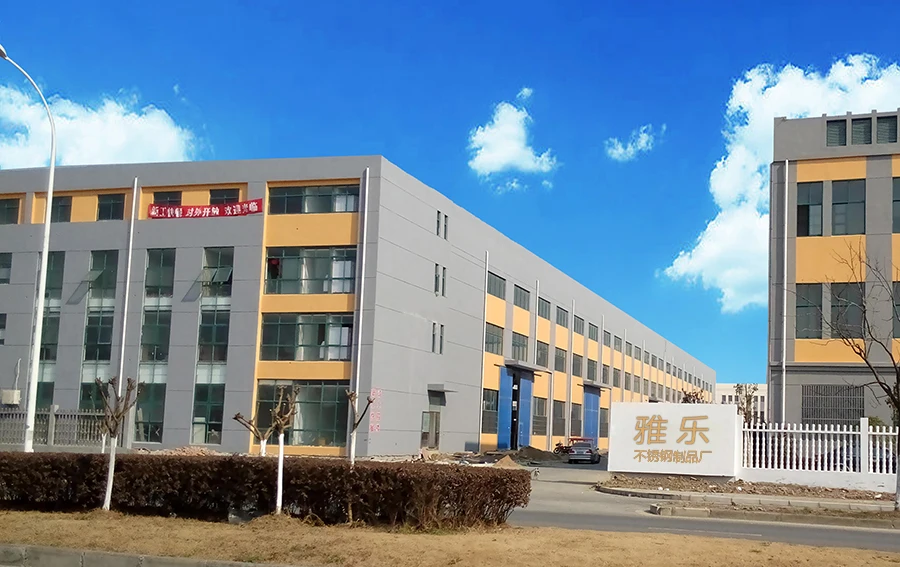
Chaozhou Chaoan District Anbu Town Yale Stainless Steel Products Factory
- Manufacturer, Trading Company
- Guangdong, China
- Lead time7 days
- Avg. response≤ 4h
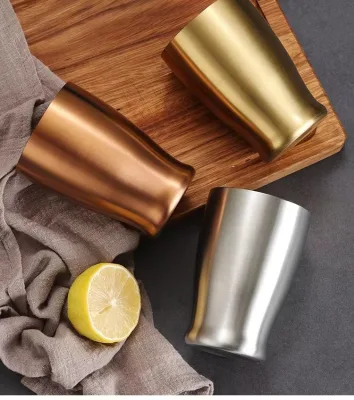
Main productsStainless steel cup,stainless steel plate,stainless steel bowl,stainless steel plate,Korean tableware
Main marketsAfrica(50.00%), South Asia(30.00%), Mid East(20.00%)
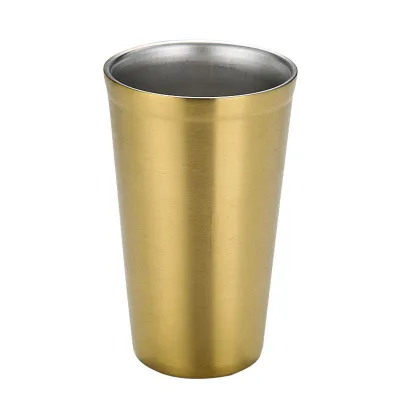
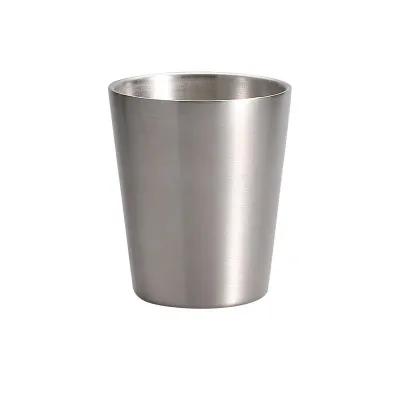
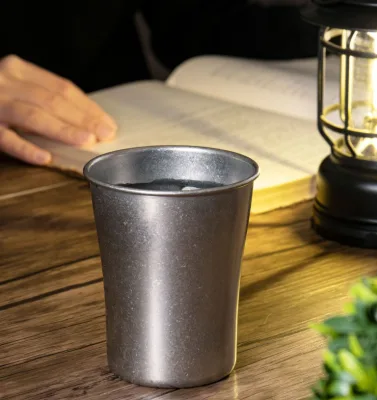
$1.0178 - $3.4912
MOQ: 20 Minimum

NINGBO SEVEN STAR STATIONERY & GIFT CO., LTD.
- Verified by SGS
- Trading Company
- China Zhejiang
- Lead time60 days
- Avg. response≤ 6h
Main productsPen, Pencil, Box, Mug, Water Bottle, Stationery, Highlighter Pen, Permanet Marker
Main marketsSouth America
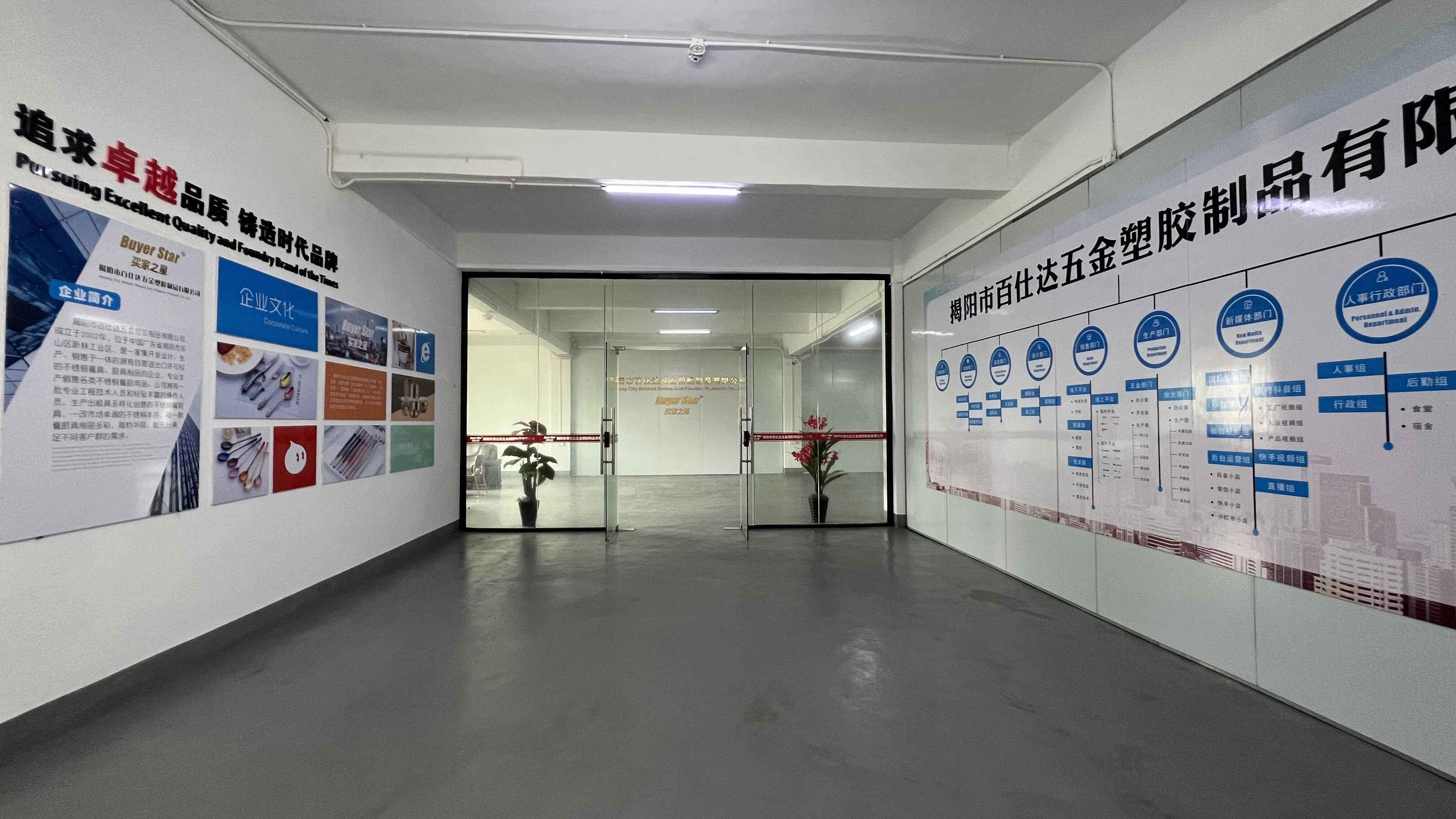
Jieyang City Bestart Metals And Plastics Products Co., Ltd.
- Manufacturer
- Guangdong, China
- Lead time10 days
- Avg. response≤ 4h
Main productscutlery,kitchenware,flatware,tableware,cookware
Main marketsSouth America(12.00%), Domestic Market(10.00%), Southeast Asia(10.00%), Eastern Asia(10.00%), Mid East(10.00%), North America(8.00%), South Asia(5.00%), Southern Europe(5.00%), Oceania(5.00%), Africa(5.00%), Northern Europe(5.00%), Central America(5.00%), Eastern Europe(5.00%), Western Europe(5.00%)

Jinjiang Jiaxing Supply Management Co., Ltd.
- Verified by TUVRHEINLAND
- Trading Company
- China Fujian
- Lead time30 days
- Avg. response≤ 2h
Main productsEVA Clogs, Flip Flop, Shoe Charms, Shopping Bags, Wristbands, Gifts, Promotional Gifts, Slipper, Sport Cap, Ball
Main marketsNorth America

Wenzhou Guanmin Import and Export Co., Ltd.
- Verified by BV
- Trading Company,Manufacturer/Factory
- China Zhejiang
- Lead time120 days
- Avg. response≤ 7h
Main productsShopping Bag, Cooler Bag, Notebook, Pen, Color Pencil, Lanyard, Beach Ball, Umbrella, Sunshade, Air Freshener
Main marketsSouth America,Eastern Europe,Mid East,North America,Southeast Asia,Eastern Asia,Western Europe

Chinapack Ningbo Import & Export Co., Ltd.
- Verified by SGS
- Trading Company,Manufacturer/Factory
- China Zhejiang
- Lead time23 days
- Avg. response≤ 17h
Main productsSnowboard, Water Bottle, Promotional Hats, Glass Bottle, Ski Set, Snowboot, Snowboard Binding, Home Sock, Hood, Scarf
Main marketsSouth America,Eastern Europe,North America,Southeast Asia,Eastern Asia,Oceania,Western Europe
Shenzhen Bogart Kitchenware Co., Ltd.
- Verified by TüVRheinland
- Trading Company
- Guangdong, China
- Lead time15 days
- Avg. response≤ 2h
Main productsCoffee & Tea Sets, Matcha Tools, Portable Coffee Maker, Coffee Tumbler & Mugs, Coffee Accessories
Main marketsMid East(30%), North America(20%), Western Europe(13%)
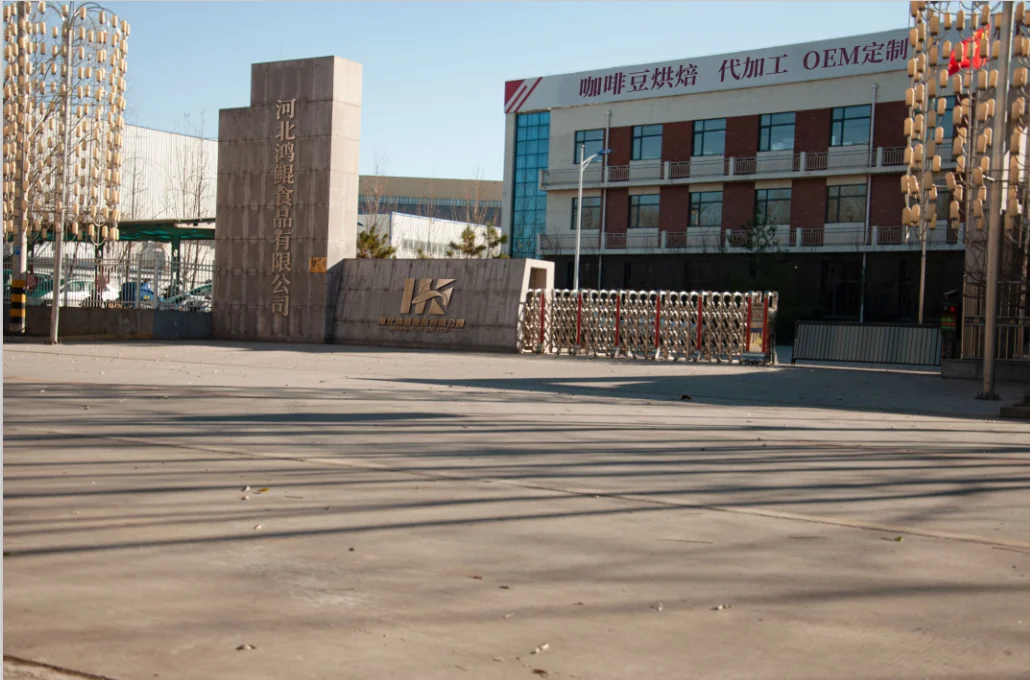
- Manufacturer
- Hebei, China
- Lead time15 days
- Avg. response≤ 9h
Main productscoffee filter paper,coffee cup,coffee machine,coffee kettle,coffee grinder
Main marketsNorth America(42.00%), Western Europe(22.00%), Southeast Asia(15.00%), Oceania(11.00%), Eastern Europe(6.00%), Eastern Asia(4.00%)
Guangzhou Lemo Technology Co., Ltd.,
- Manufacturer, Trading Company
- Guangdong, China
- Lead time0 days
- Avg. response≤ 5h
Main productsStainless steel pressure cooker, Set soup pot, Stainless steel bowl, Stainless steel hot pot, Stainless steel plate
Main marketsNorth America(25.00%), Eastern Europe(20.00%), Southeast Asia(18.00%), Western Europe(10.00%), Eastern Asia(10.00%), Central America(4.00%), South Asia(3.00%), South America(3.00%), Northern Europe(3.00%), Africa(3.00%), Oceania(1.00%)

Zhejiang Yunuo Industrial Co., Ltd.
- Verified by SGS
- Combined
- China Zhejiang
- Lead time30 days
- Avg. response≤ 25h
Main productsInsulated Container, Tumbler, Hydration, Food Container, Air Pressure Pot, Kettle
Main marketsSoutheast Asia/ Mideast,East Asia(Japan/ South Korea),Europe,Australia,North America

Changsha Chengtong Technology Co., Ltd.
- Verified by SGS
- Trading Company
- China Hunan
- Lead time15 days
- Avg. response≤ 6h
Main productsCutting Board, Vegetable Chopper, Measuring Cup, Milk Frother, Measuring Spoon, Vegetable Peeler, Kitchen Scissors, Knife Sharpener
Main marketsSoutheast Asia/ Mideast

Ningbo Maxtor Houseware Manufacturing Co., Ltd
- Trading Company
- China Zhejiang
- Lead time30 days
- Avg. response≤ 11h
Main productsAluminum Pressed Cookware, Aluminum Forged Cookware, Full Induction Cookware, Fire Pit, Tri-Ply Stainless Steel Cookware, Stone Marble Cookware, Hard Anodized Cookware, Pressure Cooker
Main marketsSouth America,Africa,Southeast Asia/ Mideast,East Asia(Japan/ South Korea),Domestic,Europe,Australia,North America

Wuyi Yuxin Outdoors Products Co., Ltd
- Trading Company
- China Zhejiang
- Lead time0 days
- Avg. response≤ 5h
Main productsStainless Steel Cup, Coffee Mug, Tumbler Cup, Sports Bottles, Travel Mug, Thermos, Water Flask, Beer Mug, Metal Bottles, Jug

Yongkang Heecn Stainless Steel Co., Ltd.
- Manufacturer/Factory
- China Zhejiang
- Lead time45 days
- Avg. response≤ 11h
Main productsMug, Cup, Flask, Bottle, Coffee Mug, Drink Bottle, Camping Mug, Advsing Mug, Gift Mug, Shot Glass
Main marketsSouth America,Eastern Europe,North America,Western Europe
Guangzhou Chenxuan Technology Co., Ltd.
- Trading Company, Distributor/Wholesaler, Other
- Guangdong, China
- Lead time10 days
- Avg. response≤ 2h
Main productssteel kitchenware,round dinner plate,retro cutlery set,gold dinner plate,korean gold dinner plate
Main marketsWestern Europe(30.00%), North America(30.00%), Mid East(15.00%), Oceania(15.00%), South America(10.00%)
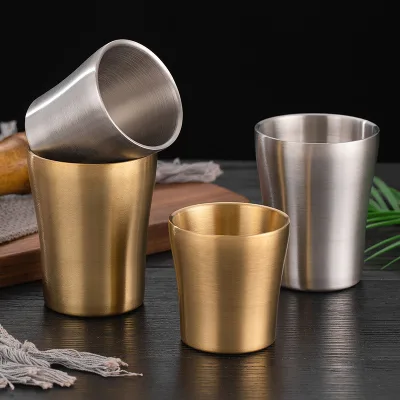
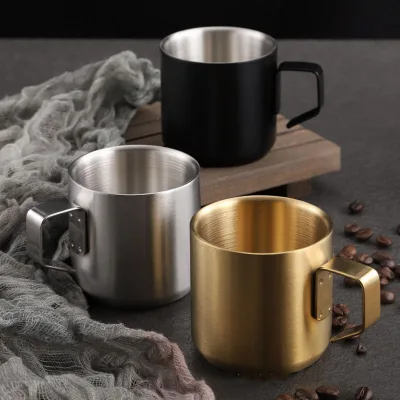
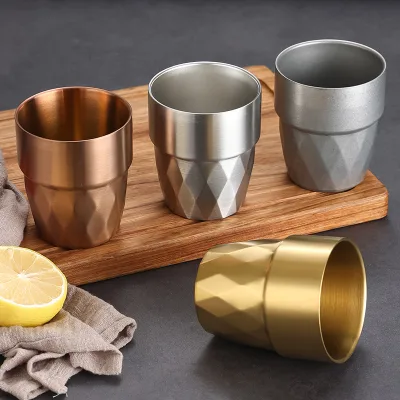
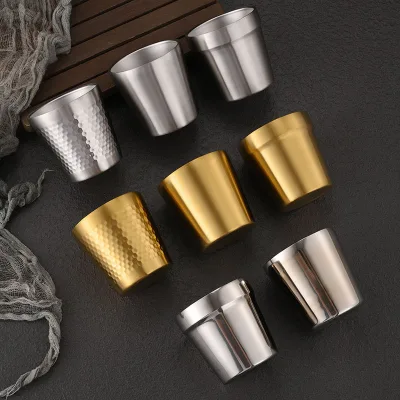
Mug Gold Metal Sublimation Custom Korean Tea Water Stainless Steel Double Wall Coffee Cup
$1.80 - $3.15
MOQ: 50 Minimum
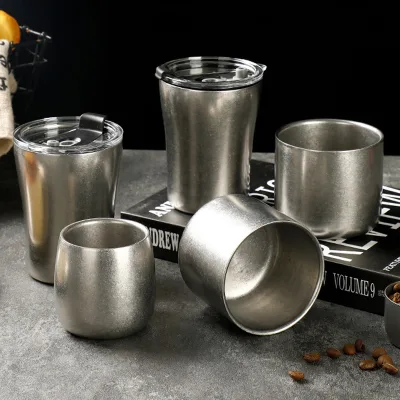
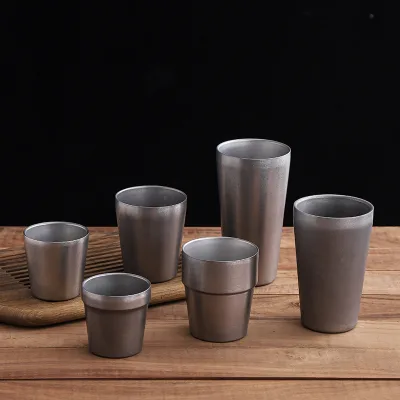
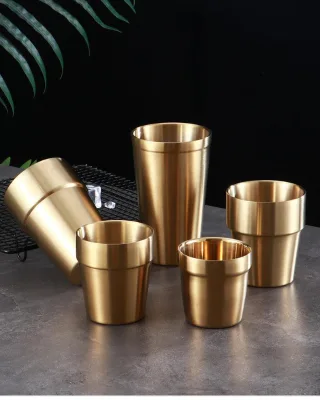
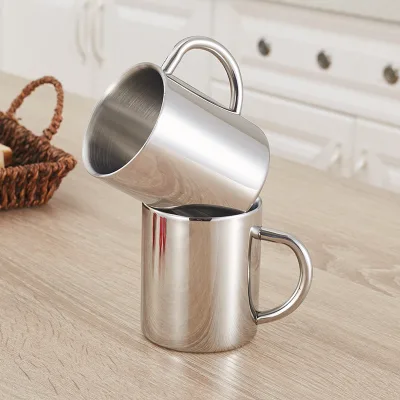
NEW Korean Style StainlessSteel Double Wall Tea Cup Double-layer Insulation Anti-hot Water Wine Cup
$0.97 - $3.10
MOQ: 50 Minimum
Zibo Ciyu Light Industry Co., Ltd.
- Verified by TüVRheinland
- Trading Company
- Lead time20 days
- Avg. response≤ 4h
Main productsCeramic Plate, Mug, Glass Cup, Ceramic Dinnerware Set, Glass Jar
Main marketsNorth America(76%), Eastern Europe(5%), Oceania(3%)
$4.443 - $13.0698
MOQ: 100 Minimum

Zhejiang Cibola Products Co., Ltd.
- Verified by SGS
- Manufacturer/Factory
- China Zhejiang
- Lead time23 days
- Avg. response≤ 12h
Main productsVacuum Flask, Stainless Steel Insulated Water Bottle, Tumbler/Coffee Cup, Cup, Coffee Pot, Stainless Steel Shaker, Stainless Steel Mug, Stainless Steel Single Wall Bottle, Water Jug, Children Bottle
Main marketsSouth America,Eastern Europe,Mid East,North America,Southeast Asia,Eastern Asia,Oceania,Western Europe,Africa

Yongkang Senhe Hardware Products Co., Ltd.
- Verified by CTI
- Trading Company
- China Zhejiang
- Lead time23 days
- Avg. response≤ 8h
Main productsAuto Mug, Vacuum Flask, Plastic Mug, Water Bottle, Travel Mug, Coffee Cup, Sports Bottle, Coffee Pot, Advertise Mug, Coffee Mug
Main marketsSouth America,Africa,Southeast Asia/ Mideast,Europe


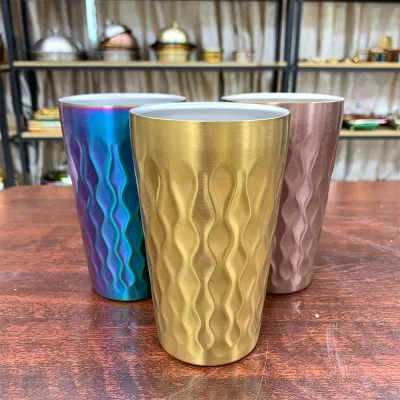
Whole Sale Double Layer 420ml Stainless Steel Vacuum Straw Mug, Coffee Mug
$2.50 - $3.00
MOQ: 3000 Pieces


$2.80 - $3.28
MOQ: 3000 Pieces
Yiwu Lelyi Arts And Crafts Co., Ltd.
- Verified by SGS Group
- Trading Company
- Lead time7 days
- Avg. response≤ 4h
Main productsCeramic Cup, Ceramic Plate, Tableware Set, Stainless Steel Water Bottle, Home Decoration
Main marketsMid East(30%), North America(20%), Western Europe(20%)

Zhejiang Daian Commodity Co., Ltd.
- Verified by TUVRHEINLAND
- Combined
- China Shanghai
- Lead time45 days
- Avg. response≤ 8h
Main productsTumbler, Water Bottle, Stainless Steel Water Bottle, Travel Mug, Coffee Mug, Stainless Steel Tumbler, Mug, Plastic Cup, Barware, Pet Bowl
Main marketsSouth America,East Asia(Japan/ South Korea),Australia,North America

Shenzhen Kingline Technology Development Co., Ltd.
- Verified by BV
- Trading Company
- China Guangdong
- Lead time15 days
- Avg. response≤ 5h
Main productsShaker Bottle, Water Bottle, Sports Water Bottle, Pill Box, Stainless Steel Water Bottle, Vacuum Flask, Water Jug, Travel Water Bottle, Gym Water Bottle, Cycling Water Bottle
Main marketsSouth America,Southeast Asia/ Mideast,Europe,Australia,North America

Anhui Dream-China Technology Co., Ltd.
- Verified by SGS
- Combined
- China Anhui
- Lead time23 days
- Avg. response≤ 4h
Main productsUHF/VHF/Yagi/TV Antenna, LNB, MMDS Downconverter, Power Supply/Adapter, Cables, Diseqc Swithes/Spliter/Sat-Finder, Travel Mug, Fishing Net, Security Seal, SPD/Thermostat
Main marketsDomestic,Europe


2023 Hot Sales 380ml 510ml Custom Logo Double Walled Stainless Steel Coffee Mug
$2.99 - $3.99
MOQ: 50 Pieces


Whole Sales 380ml 510ml Custom Logo Double Walled Stainless Steel Travel Coffee Mug
$2.99 - $3.99
MOQ: 50 Pieces


Chaozhou Binsly Stainless Steel Manufactory (sole Proprietorship)
- Verified by SGS Group
- Manufacturer, Trading Company
- Lead time0 days
- Avg. response≤ 3h
Main productsStainless Steel Water Bottle, Silicone Water Bottle, Tritan Bottle, Plastic Water Bottle, Cups

- Verified by BV
- Manufacturer/Factory
- China Fujian
- Lead time15 days
- Avg. response≤ 25h
Main productsWater Bottle, Kitchen Ware, Shoes, Plastic Product, Bag, Toy
Main marketsSouth America,Eastern Europe,Mid East,North America,Southeast Asia,Eastern Asia,Oceania,Western Europe,Africa
- Verified by TüVRheinland
- Manufacturer, Trading Company
- Lead time25 days
- Avg. response≤ 3h
Main productsDrinkware, Ceramicware, Barware, Kitchenware, Glass Bottles
Main marketsNorth America(20%), South America(20%), Southeast Asia(20%)
- Trading Company
- Taiwan, China
- Lead time35 days
- Avg. response≤ 2h
Main productsbar accessories,living accessories,home accessories,wine accessories,seasonal items
Main marketsNorth America(35.00%), Western Europe(15.00%), Northern Europe(12.00%), Oceania(10.00%), Southern Europe(9.00%), Domestic Market(8.00%), Eastern Asia(6.00%), South America(5.00%)






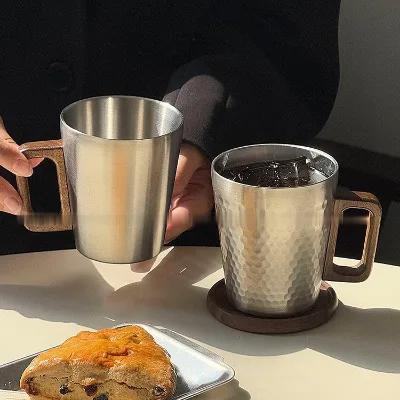


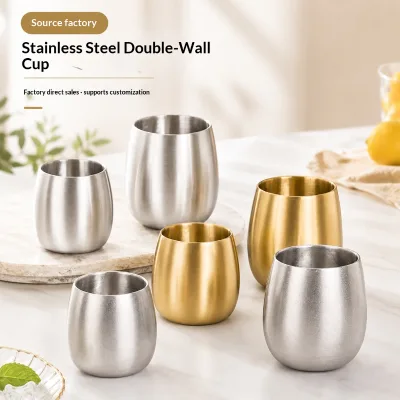
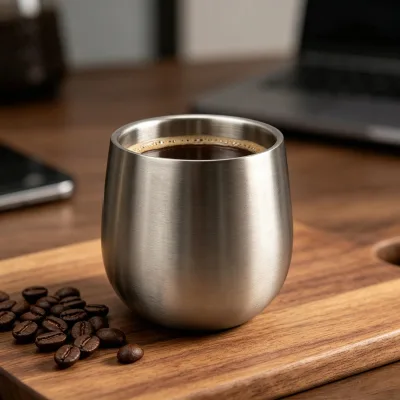


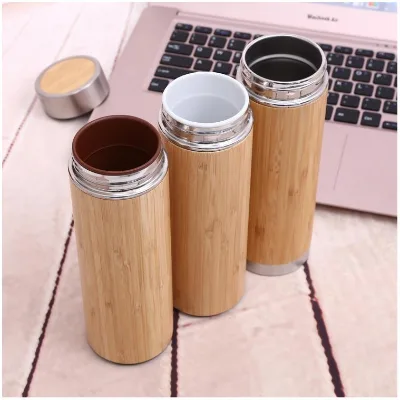
Comprehensive Sourcing Guide
Korean Style Stainless Steel Mug Supplier Concentration and Factory Types
The available data indicates a significant concentration of manufacturers and trading companies operating within Guangdong, China, specifically for Korean style stainless steel mugs. This region serves as a primary hub for the production of stainless steel tableware, including double-wall drink cups, coffee mugs, and beer mugs. Buyers observing this geographic clustering should recognize that suppliers in this area often share supply chain advantages related to raw material access and specialized finishing processes. The presence of both manufacturers and trading companies suggests a diverse ecosystem where direct factory production coexists with intermediaries who may offer broader product ranges or consolidated shipping solutions.
When evaluating the company types listed in search results, buyers must distinguish between entities that manufacture the goods and those that trade them. Some suppliers explicitly list their type as a manufacturer, while others operate as trading companies. This distinction impacts the directness of communication regarding production capabilities and customization. A manufacturer might offer more flexibility on design changes, whereas a trading company could provide a wider variety of existing stock items. Understanding this structural difference is essential for aligning procurement goals with the appropriate supplier model, ensuring that the buyer engages with the right entity for their specific volume and customization needs.
How to Verify Korean Style Stainless Steel Mug Suppliers
Verification begins with scrutinizing the specific product attributes and origin data provided in the supplier listings. For instance, some product entries explicitly state a place of origin as Guangdong, China, while others simply list China. Buyers should prioritize suppliers who provide detailed origin information to ensure transparency regarding manufacturing locations. Additionally, checking for specific material claims, such as 304 Stainless Steel, is crucial for quality assurance. The presence of attributes like "Eco-friendly Natural Healthy" or "High-quality" should be treated as marketing claims requiring independent validation rather than guaranteed facts. Buyers must request third-party test reports to confirm material composition and safety standards before committing to large orders.
Response time and sample availability serve as practical indicators of supplier reliability and operational efficiency. The data shows response times ranging from three to four units, which may reflect the speed of initial communication. Suppliers offering samples, such as those listing "Sample Provide" or "Offered," demonstrate a willingness to validate product quality before bulk production. Buyers should verify the lead time for these samples and the cost associated with them. Furthermore, checking if a supplier accepts customized logos or designs indicates their capacity for OEM and ODM services. A supplier that readily accepts custom designs and provides samples is likely more adaptable to specific buyer requirements than one with rigid standard offerings.
What to Compare Across Korean Style Stainless Steel Mug Suppliers
Comparing suppliers requires a systematic analysis of Minimum Order Quantities (MOQ) and pricing structures, which vary significantly across different product listings. Some suppliers list an MOQ of 10 pieces, while others require 100, 500, or even 1000 pieces. This variance directly impacts the feasibility of small-batch testing versus large-scale procurement. Pricing also fluctuates based on these volume thresholds, with some listings showing a price point around 0.99 per unit for low MOQs and others starting at 1.02 or 1.25 for different configurations. Buyers must calculate the total cost of ownership, including the impact of higher MOQs on inventory holding costs, to determine the most economical option for their specific business model.
Lead times and response speeds are critical operational metrics that influence supply chain planning and inventory management. The observed lead times in the data range from 7 to 20 days, indicating varying production capacities and scheduling efficiencies among suppliers. A shorter lead time of 7 days might suggest a supplier with ready stock or streamlined processes, whereas a 20-day lead time could indicate a more complex production cycle or lower current capacity. Buyers should compare these timelines against their own delivery deadlines to avoid stockouts. Additionally, the response time of three to four units suggests a baseline for communication speed, but buyers should verify if this translates to actual problem-solving speed during the order fulfillment process.
Common Korean Style Stainless Steel Mug Sourcing Risks
One significant risk involves the discrepancy between product descriptions and actual manufacturing capabilities, particularly regarding material specifications and customization limits. While listings may claim "304 Stainless Steel" or "Double Wall" construction, these attributes must be verified through physical samples and independent testing. There is a risk that a supplier might advertise a specific style, such as "Korean Style," but fail to deliver the precise aesthetic or functional quality expected. Buyers should be cautious of vague terms like "Customized Size" without clear tolerance limits, as this can lead to production errors that render the goods unusable for their intended application in restaurants, hotels, or retail settings.
Another risk pertains to the reliability of commercial terms, including packaging standards and delivery schedules. Some product attributes mention "Custom Packing Acceptable" or "Regular packaging," but the actual execution of these terms can vary. Inconsistent packaging can lead to product damage during transit, especially for fragile items like insulated mugs. Furthermore, relying solely on the stated lead time without a contractual penalty clause can result in delays that disrupt the buyer's sales cycle. The variation in MOQs also presents a risk; a supplier might accept a low initial order but fail to scale production efficiently for subsequent larger orders, leading to inconsistent quality or delivery delays as volume increases.
Korean Style Stainless Steel Mug Regional Sourcing and Logistics
The concentration of suppliers in Guangdong, China, offers logistical advantages regarding shipping infrastructure and export experience. This region is a well-established manufacturing hub with access to major ports, facilitating efficient export of stainless steel goods. Buyers sourcing from this area can expect established logistics channels that handle the weight and fragility of metal drinkware effectively. However, the specific location within the region can impact transit times and freight costs. Buyers should verify the exact port of loading and the shipping terms offered by each supplier to ensure that the logistics chain aligns with their delivery requirements. Understanding the regional infrastructure helps in anticipating potential bottlenecks during peak shipping seasons.
Logistics planning must also account for the specific packaging requirements of stainless steel mugs to prevent damage during international transit. The data indicates that some suppliers offer "Custom Package Supported," which can be a significant advantage for buyers needing specialized branding or protective packaging. However, standard packaging might not be sufficient for long-distance shipping without additional reinforcement. Buyers should inquire about the single package size and weight to calculate accurate freight costs. Additionally, the thermal insulation performance of the mugs, noted as 0-6 hours in some listings, should be considered when selecting packaging to ensure the product remains in optimal condition upon arrival at the destination market.
Korean Style Stainless Steel Mug Commercial Terms and Order Planning
Order planning for Korean style stainless steel mugs requires careful attention to the Minimum Order Quantity (MOQ) and its impact on cash flow and inventory. The wide range of MOQs, from 10 pieces to 1000 pieces, allows for flexibility but demands strategic decision-making. Buyers with limited capital might start with low MOQ suppliers to test the market, while those with established demand should negotiate for better pricing tiers with higher volume commitments. It is essential to understand the pricing structure associated with each MOQ level, as the unit price may remain fixed or vary based on the order size. Clear communication regarding payment terms and deposit requirements is necessary to secure the order and ensure production begins as scheduled.
Commercial terms also encompass the availability of samples and the process for customization, which are vital for product validation. Suppliers offering samples allow buyers to verify quality, design, and material before committing to bulk production. The data shows that some suppliers provide samples, while others may require a fee or specific conditions. Buyers should clarify the cost and lead time for samples and ensure that the customization process, such as logo printing or color selection, is clearly defined. Establishing a clear timeline for sample approval and subsequent production is crucial to avoid delays. Additionally, verifying the supplier's ability to handle custom designs and packaging ensures that the final product meets the buyer's brand standards and market expectations.
FAQs
What is the typical MOQ for Korean style stainless steel mugs?
Minimum order quantities vary by supplier and product specifications. Some manufacturers require as few as 10 pieces for sample orders, while others set the threshold at 50 or 100 pieces. Bulk orders for custom logo items often start at 1,000 pieces. Buyers should verify the specific MOQ with the supplier before placing an order to ensure it aligns with their inventory needs.
How long does production take for these mugs?
Lead times generally range from 7 to 20 days depending on the order volume and customization level. Standard stocked items may ship faster, while custom designs require additional time for tooling and printing. Suppliers in Guangdong, China, typically provide these estimates. Buyers should confirm the exact production schedule with the supplier to plan their inventory and shipping logistics effectively.
Are these mugs made from food-grade stainless steel?
Yes, most Korean style stainless steel mugs are manufactured using 304 stainless steel, which is food-grade and safe for beverages. The material is durable, rust-resistant, and suitable for hot and cold drinks. Some products also highlight eco-friendly and healthy advantages. Buyers should check the material specifications listed in the product details to confirm the grade of steel used.
Can I get a sample before placing a bulk order?
Many suppliers offer samples to help buyers evaluate quality and design. Some provide samples for free or at a low cost, while others may charge a fee. The response time for sample requests is typically within 3 to 4 days. Buyers should contact the supplier directly to inquire about sample availability, costs, and shipping methods to ensure the product meets their expectations.
What is the price range for these mugs?
Prices for Korean style stainless steel mugs typically range from $0.99 to $1.28 per piece. The cost depends on factors such as material quality, design complexity, and order quantity. Custom packaging and logo printing may affect the final price. Buyers should request a detailed quotation from the supplier to understand the total cost, including any additional fees for customization or shipping.