hand-made modern simplicity glass cup Suppliers and Manufacturers
Explore 25 verified options for hand-made modern simplicity glass cup from China Hebei and Guangdong. Compare ISO9001:2015 and BSCI certifications, response times, lead times, and pricing ranges to find the right partner. Request samples to verify LFGB standards and customization availability.
Updated
Suppliers List

Hebei Xingchen Glass Technology Co., Ltd.
- Verified by CTI
- Combined
- China Hebei
- Lead time30 days
- Avg. response≤ 9h
Main productsGlass Cup, French Press, Coffee Pot, Glass Jar, Teapot, Syphon Coffee Maker, Glass Cooking Pot, Glass Pitcher, Glass Straw, Glass Teacup
Main marketsSouth America,Africa,Others(foreignTradeCapacity.exportBusinessCapacityMarketOther),Southeast Asia/ Mideast,East Asia(Japan/ South Korea),Europe,Australia,North America


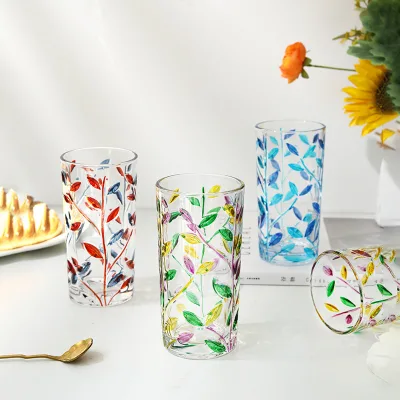
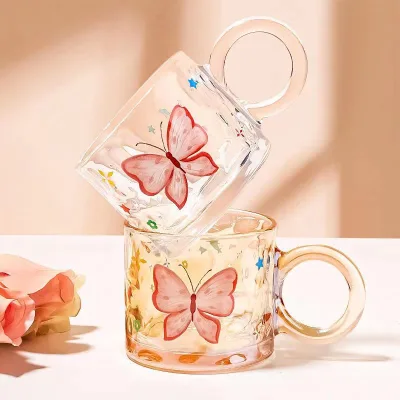
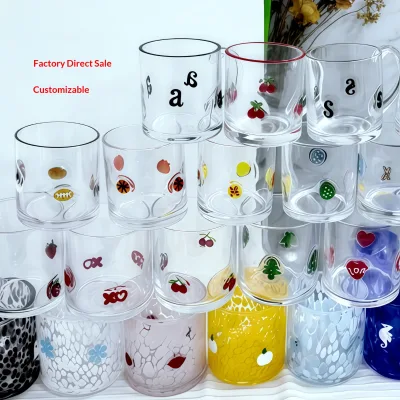
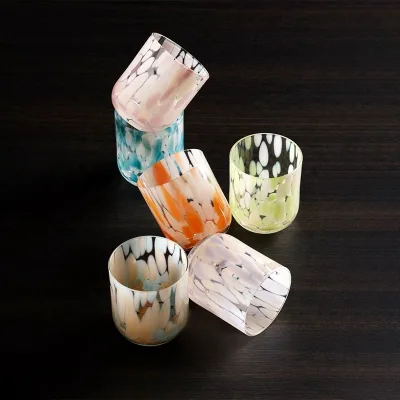
Wholesale Custom Creative Handmade Colored Glass Coffee Cups with Stacked Cups
$1.99 - $3.19
MOQ: 500 Pieces


Guangzhou Garbo International Trading Co., Ltd.
- Verified by TUVRHEINLAND
- Trading Company,Manufacturer/Factory
- China Guangdong
- Lead time45 days
- Avg. response≤ 5h
Main productsGlassware, Glass Cup, Glass Mug, Glass Bowl, Glass Candy Jar, Glass Pitcher, Glass Ice Cream Cup and Ice Bucket, Opal Glassware, Stainless Steel Cutlery, Ceramic Dinnerware
Main marketsSouth America,Eastern Europe,Mid East,North America,Southeast Asia,Eastern Asia,Oceania,Western Europe,Africa


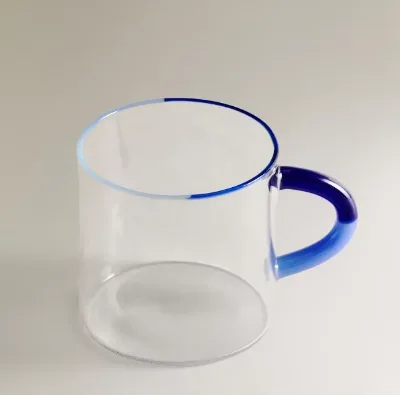
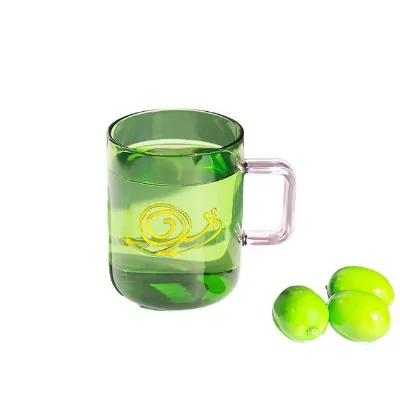
Original Factory Decorative Handmade Glass Cups with Multi-Colored Handle
$1.71 - $2.34
MOQ: 3000 Pieces

Baoying County Xuzhiguang Glass Crafts Co., Ltd.
- Verified by SGS Group
- Manufacturer, Trading Company
- Lead time7 days
- Avg. response≤ 1h
Main productsGlass Vases, Glass Candle Holders, Glass Tea Sets, Glass Wind Chimes, Glass Wine Glasses
Main marketsDomestic Market(66%), North America(12%), Western Europe(5%)

Golden Ace Industrial Co., Ltd.
- Verified by BV
- Combined
- China Shandong
- Lead time60 days
- Avg. response≤ 13h
Main productsGlassware, Kitchenware, Houseware, Glass Vase, Giftware
Main marketsAfrica,Southeast Asia/ Mideast,Europe,Australia,North America
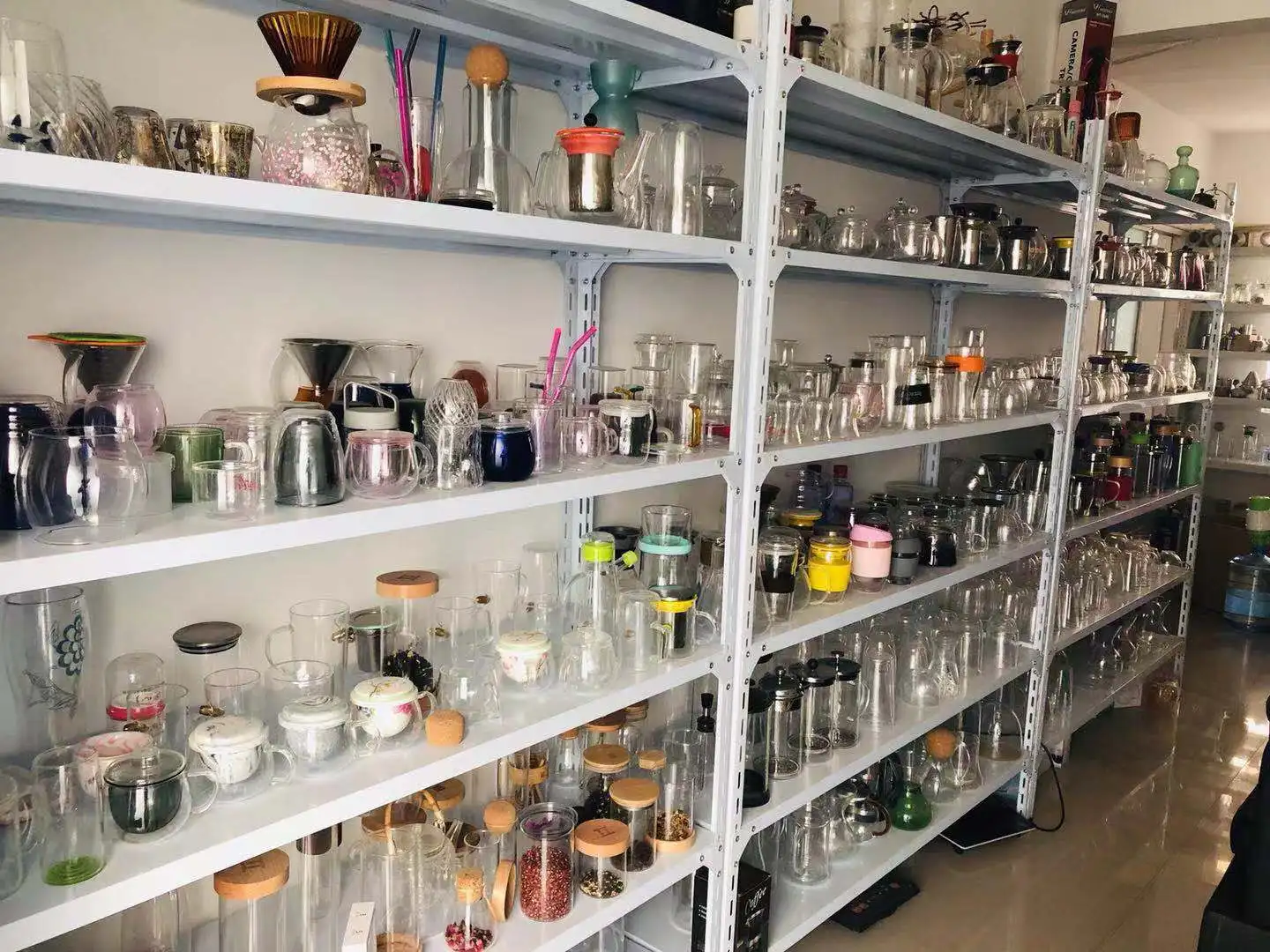
- Manufacturer, Trading Company
- Hebei, China
- Lead time30 days
- Avg. response≤ 2h
Main productsglassware,teapot,double wall glass,glass cup,glass mug
Main marketsNorth America(45.00%), Eastern Europe(18.00%), Northern Europe(10.00%), Eastern Asia(5.00%), Oceania(5.00%), Africa(3.00%), Central America(3.00%), Western Europe(3.00%), Southern Europe(2.00%), Southeast Asia(2.00%), Domestic Market(1.00%), South Asia(1.00%), Mid East(1.00%), South America(1.00%)
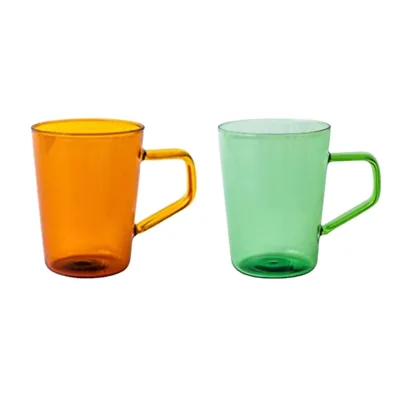
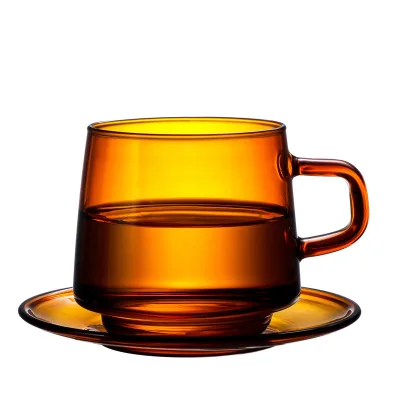
Wholesale Fashionable Handmade Modern Classical Amber Green Color Glass Coffee Cup
$1.30 - $1.70
MOQ: 500
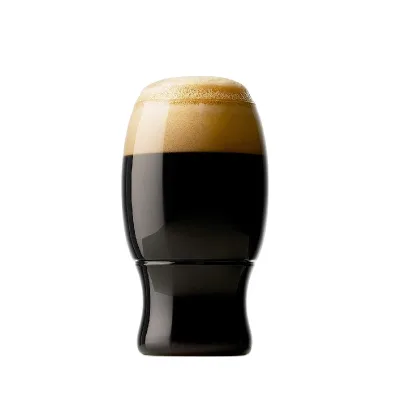
Creative Customize Design Brand Printed OEM Handmade Borosilicate Glass Beer Cup
$1.40 - $1.80
MOQ: 1000
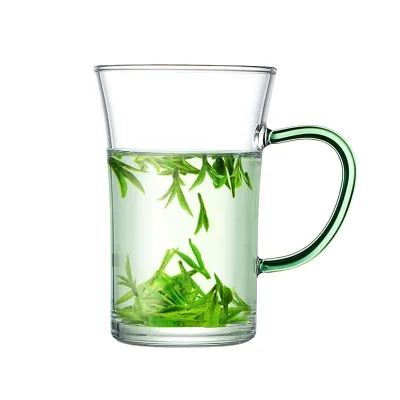
Classical Household Wide Mouth Transparent ultra Handmade clear Glass Coffee Cup
$1.30 - $1.70
MOQ: 500
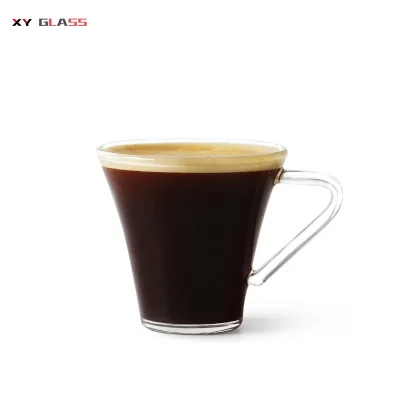
Yancheng Jingmao Glassware Co., Ltd.
- Trading Company
- Jingasu, China
- Lead time30 days
- Avg. response≤ 2h
Main productsWine Glassware,Tea Glass Set,Glass Vase,Glass Candle Holder,Glass Jar
Main marketsNorth America(15.00%), Western Europe(10.00%), Africa(10.00%), Southern Europe(10.00%), Southeast Asia(10.00%), South America(10.00%), Eastern Europe(9.00%), Oceania(8.00%), Central America(5.00%), Northern Europe(5.00%), Eastern Asia(3.00%), South Asia(2.00%), Domestic Market(2.00%), Mid East(1.00%)

Zibo Melory Import & Export Trade Co., Ltd.
- Trading Company,Manufacturer/Factory
- China Shandong
- Lead time45 days
- Avg. response≤ 19h
Main productsGlass Candle Holder, Glass Jar, Glass Votive, Glass Diffuser, Glass Bottle, Glass Vase, Matches, Ceramic Candle Holder, Ceramic Holder for Incense, Glass Candle Jar
Main marketsSouth America,Eastern Europe,North America,Western Europe

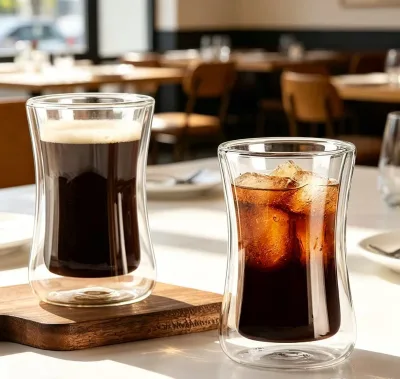
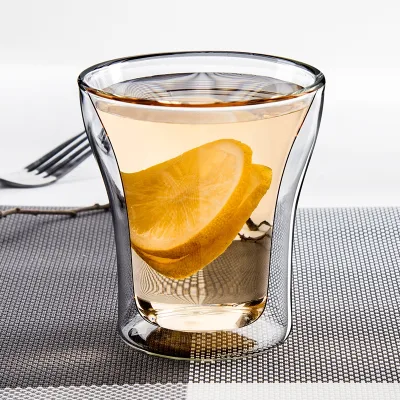
180ml Handmade Double Insulated Glass Cup/Glassware/Glass Borosilicate Glass Cup
$1.80 - $2.10
MOQ: 3000 Pieces


300ml and 440ml Handmade Double Insulated Glass Cup/Glassware/Glass Borosilicate Glass Cup
$0.45 - $0.90
MOQ: 3000 Pieces


250ml Handmade Double Insulated Glass Cup/Glassware/Glass Borosilicate Glass Cup
$1.80 - $2.10
MOQ: 3000 Pieces

Hejian Hongyi Glass Products Co., Ltd.
- Verified by SGS Group
- Manufacturer, Trading Company
- Lead time15 days
- Avg. response≤ 2h
Main productsGlass Decanter, Glass Cup, Glass Bottle, Glass Tea Pots
Main marketsNorth America(50%), Southeast Asia(20%), South America(5%)

Tianjin Jiaming Technology Co., Ltd.
- Verified by SGS
- Trading Company
- China Tianjin
- Lead time15 days
- Avg. response≤ 12h
Main productsGlass Jar, Glass Cup, Kitchen Utensils, Teapot, Glass Pitcher
Main marketsOthers(foreignTradeCapacity.exportBusinessCapacityMarketOther)


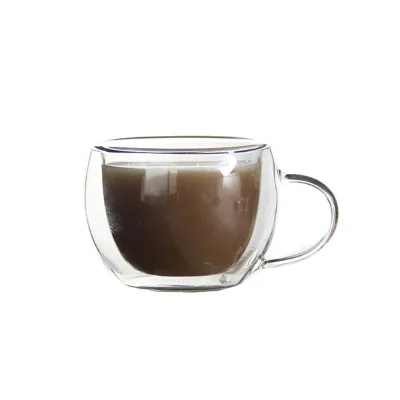
Factory Customized 350ml Hand Made Borosilicate Double Wall Glass Coffee Cup
$0.86 - $1.46
MOQ: 500 Pieces


Hebei Zhuo Zhongxi Glass Products Co., Ltd.
- Manufacturer, Trading Company
- Hebei Province, China
- Lead time0 days
- Avg. response≤ 2h
Main productsjuice cups,coffee cups,beer cups,double-layer glass cups
Main marketsNorth America(300.00%), Domestic Market(29.00%), Eastern Europe(21.00%), Oceania(10.00%), Southeast Asia(5.00%), South Asia(5.00%)
Hebei Zhonglong Glassware Co., Ltd.
- Verified by SGS Group
- Manufacturer, Trading Company
- Lead time25 days
- Avg. response≤ 2h
Main productsDecanter, Liquor Glassware, Coffee Glassware, Tea Glassware, Glass Cup
Main marketsDomestic Market(60%), North America(20%), Western Europe(20%)
- Trading Company
- Shaanxi, China
- Lead time45 days
- Avg. response≤ 5h
Main productsMuslim prayer mat,Muslim prayer rug,Crafts,muslim wool felt hat,men prayer cap
Main marketsSouthern Europe(9.09%), Northern Europe(9.09%), Western Europe(9.09%), Eastern Asia(9.09%), Mid East(9.09%), Oceania(9.09%), Africa(9.09%), Southeast Asia(9.09%), Eastern Europe(9.09%), South America(9.09%), North America(9.09%)
Shanxi Delight Houseware Co., Ltd.
- Verified by Intertek
- Trading Company
- Lead time30 days
- Avg. response≤ 4h
Main productsGlass Drinkware, Glass Plate and Bowl, Glass Candle Holder, Glass Decanter
Main marketsNorth America(20%), Mid East(15%), South America(10%)

Shandong Jingyuan Glass Co., Ltd.
- Verified by SGS
- Trading Company
- China Shandong
- Lead time30 days
- Avg. response≤ 9h
Main productsGlass Bottle, Glass Jar, Glass Perfume Bottle, Glass Wine Bottle, Glass Beverage Bottles, Glass Dropper Bottle
Main marketsDomestic,Europe

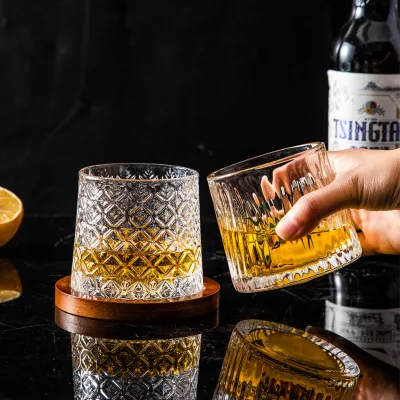
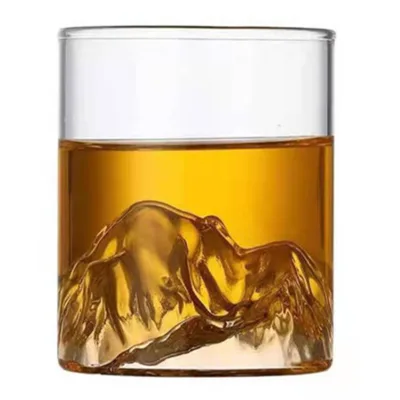
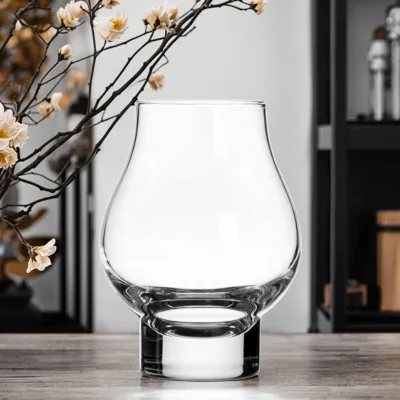
Eco Friendly Luxury Classic Handmade Whiskey Glasses Wine Cup Clear Mountain Shaped Glass Cup
$0.53 - $0.59
MOQ: 3000 Pieces


Qixian Xin Sen Glass Products Co., Ltd.
- Verified by Intertek
- Manufacturer, Trading Company
- Lead time35 days
- Avg. response≤ 3h
Main productsDrinking Glassware, Glass Jar, Glass Plate, Glass Vase
Main marketsNorth America(40%), Oceania(20%), Northern Europe(20%)
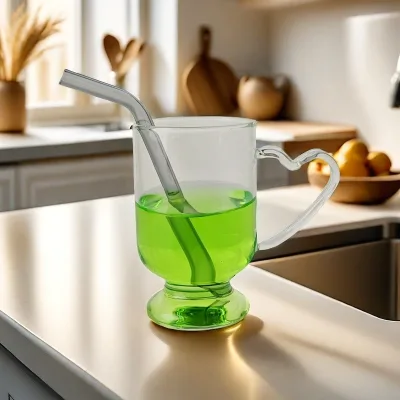
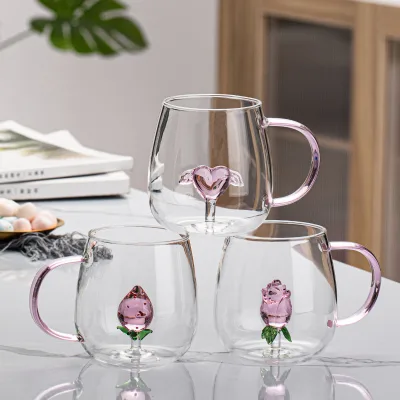
Creative Classic Design Heat-Resistant Borosilicate Glass Love Handle Glass Cup for Juice Milk Mugs
$2.8751 - $3.5946
MOQ: 100 pieces
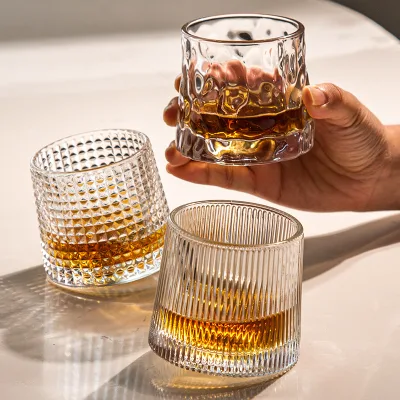
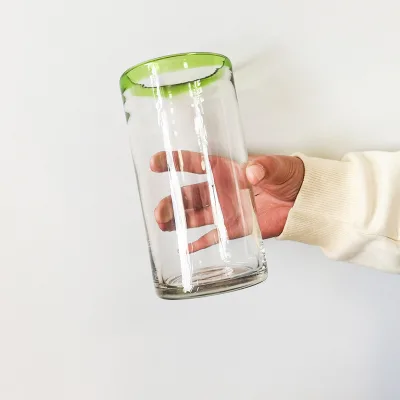
$1.00 - $7.50
MOQ: 100 Minimum

Jiangsu Mengran Glass Artware Co., Ltd.
- Verified by BV
- Combined
- China Jiangsu
- Lead time30 days
- Avg. response≤ 4h
Main productsGlass Smoking Pipe, Glass Water Pipe, Glass Hookah, Ash Catcher, Quartz Banger, Carb Cap, DAB Rig, Glass Tobacco Bowl, Nectar Collector, Glass Pipe
Main marketsEast Asia(Japan/ South Korea),Domestic,Europe,North America


Customized Handmade High Borosilicate Double Coffee Tea Cup Tumbler Glass Cup
$2.00 - $2.50
MOQ: 100 Pieces

JINAN FLAME GLASSWARE COMPANY LIMITED
- Verified by SGS
- Trading Company
- China Shandong
- Lead time23 days
- Avg. response≤ 19h
Main marketsDomestic

Hejian Longteng Plastic Products Co., Ltd.
- Verified by CTI
- Combined
- China Hebei
- Lead time30 days
- Avg. response≤ 9h
Main productsGlass Cup
Main marketsDomestic

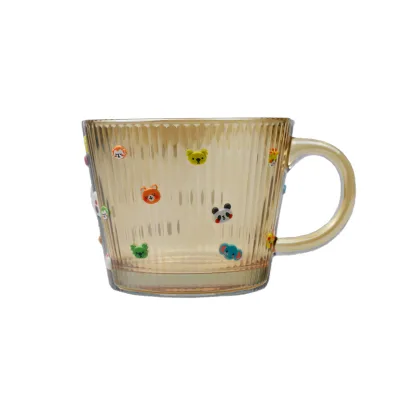
Wholesale Handmade Brown Clear Round Double Wall Bear Glass Cup with Handle
$2.08 - $2.61
MOQ: 100 Pieces

Hot Sale Handmade Transparency Borosilicate Double Wall Glass Cup with Lid
$2.32 - $3.09
MOQ: 100 Pieces

ANHUI IDEA TECHNOLOGY IMP AND EXP CO., LTD
- Verified by TUVRHEINLAND
- Trading Company
- China Anhui
- Lead time23 days
- Avg. response≤ 5h
Main productsGlass Jar, Glass Bottle, Pet Preform, Aluminum Cans, Glass Cup, Bottle Caps Jar Lids, Candle Jars, Perfume Bottle, Cosmetic Bottle
Main marketsSouth America,Africa,Southeast Asia/ Mideast,East Asia(Japan/ South Korea),Europe,Australia,North America
Changsha Aikeyi Homeware Co., Ltd.
- Trading Company
- Hunan, China
- Lead time25 days
- Avg. response≤ 2h
Main productsCustomized Glassware,Glass Tableware,Wine Glass,Glass Bottle,Glass Jar
Main marketsNorth America(33.00%), Oceania(15.00%), South America(12.00%), Western Europe(9.00%), Mid East(8.00%), Central America(4.00%), Northern Europe(4.00%), Africa(3.00%), Eastern Europe(3.00%), Southern Europe(3.00%), South Asia(2.00%), Southeast Asia(2.00%), Eastern Asia(2.00%)

- Verified by SGS
- Trading Company
- China Yunnan
- Lead time15 days
- Avg. response≤ 2h
Main marketsSoutheast Asia/ Mideast
- Verified by TüVRheinland
- Manufacturer, Trading Company
- Lead time25 days
- Avg. response≤ 3h
Main productsDrinkware, Ceramicware, Barware, Kitchenware, Glass Bottles
Main marketsNorth America(20%), South America(20%), Southeast Asia(20%)
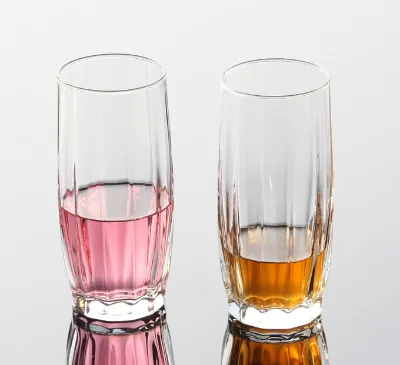
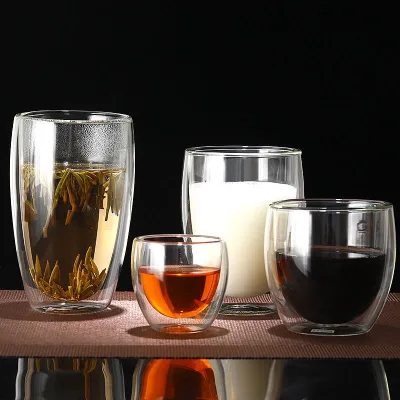
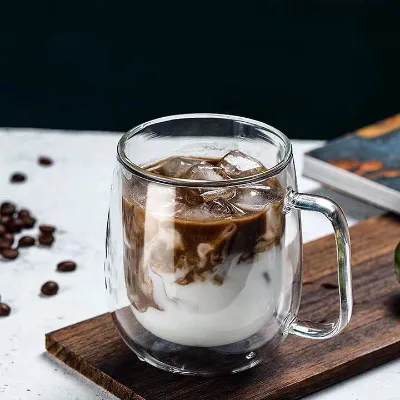
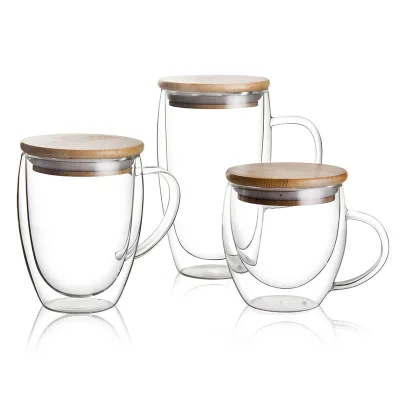
Wholesale Customized Double Wall Tea Glass Cup Coffee Cup with handle
$1.2322 - $1.5395
MOQ: 1000 pieces

Hebei Zhuozhongxi Glass Products Co., Ltd.
- Verified by BV
- Manufacturer/Factory
- China Hebei
- Lead time15 days
- Avg. response≤ 4h
Main productsGlass Cup, Glass Teapot, Coffee Appliance, Tea Set, Glass Crafts, Glass Jug, Glass Food Storage Jar, Wine Glass, Candle Holders, Double Wall Glass
Main marketsSouth America,Eastern Europe,Mid East,North America,Southeast Asia,Eastern Asia,Oceania,Western Europe,Africa

Yancheng Leading Homeware Corporation Ltd.
- Verified by CTI
- Manufacturer/Factory
- China Jiangsu
- Lead time30 days
- Avg. response≤ 4h
Main productsGlass Teapot, Double Wall Glass Cup, Borosilicate Glass Jug, Glass Coffee Dripper, Borosilicate Glass Cup, Glass Sealed Jars
Main marketsEastern Europe,Mid East,North America,Western Europe,Africa
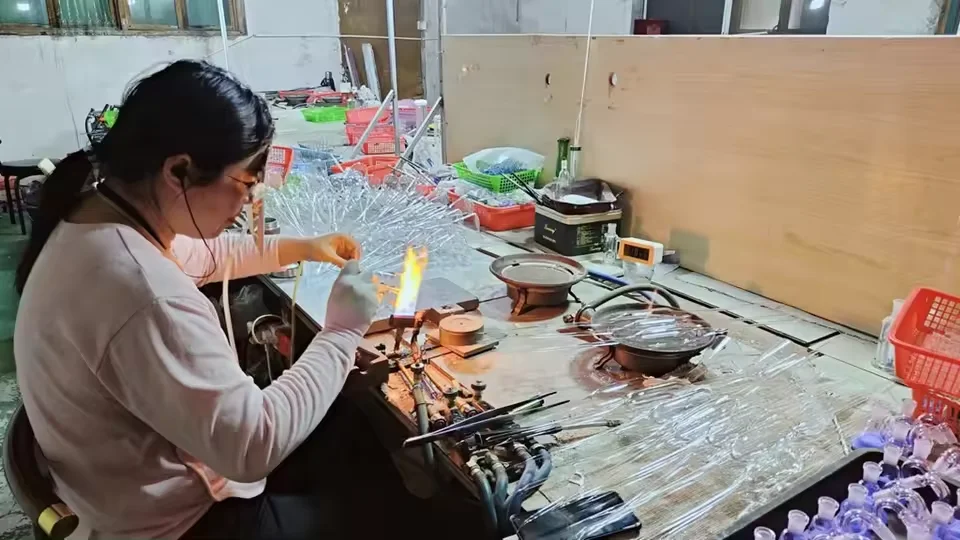
Baoying Jiayu Glass Products Co., Ltd.
- Manufacturer, Trading Company
- Jiangsu, China
- Lead time3 days
- Avg. response≤ 3h
Main productsGlass Dildo, Glass Crafts, Glass Cups, Glass Candle Holders, Adult Products
Main marketsNorth America(80.00%), Western Europe(15.00%), South America(5.00%)
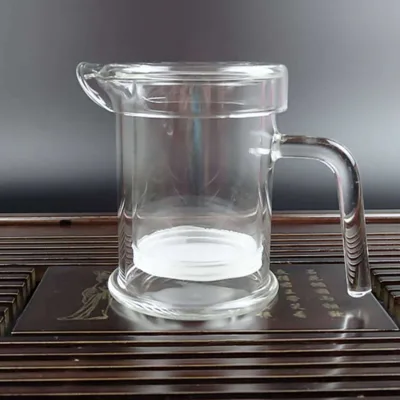
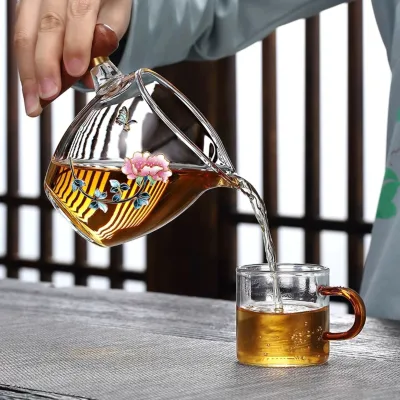
Manufacturers Direct Sales Insulated Coffee Cup with Handle Glass Cup for Tea
$2.29 - $2.39
MOQ: 50 pieces



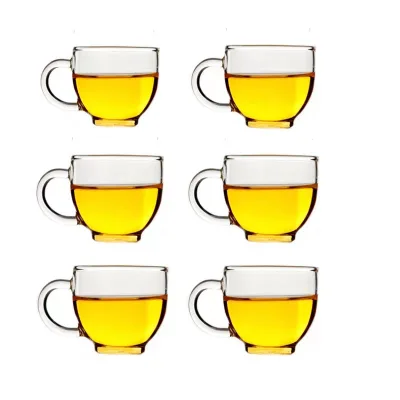
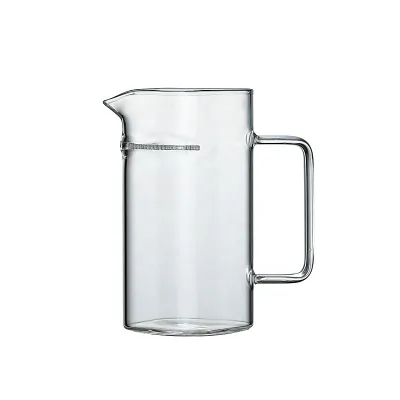
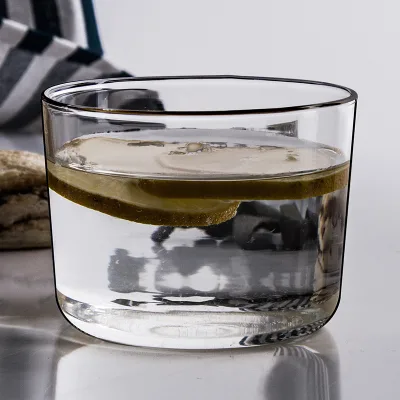
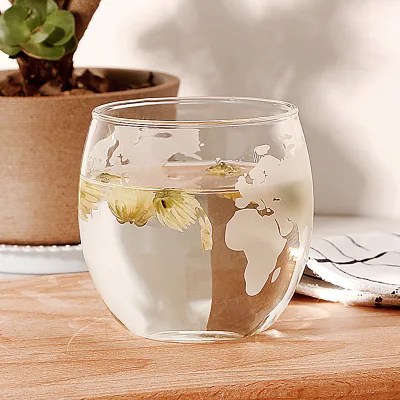




Comprehensive Sourcing Guide
Hand-Made Modern Simplicity Glass Cup Supplier Concentration and Factory Types
The current supplier landscape for hand-made modern simplicity glass cups reveals a distinct geographic and operational split that buyers must navigate carefully. Evidence indicates that suppliers are concentrated in specific Chinese manufacturing hubs, with notable presence in Hebei and Guangdong provinces. These regions serve as primary clusters for glassware production, offering varying degrees of specialization. In Hebei, suppliers often focus on combined company types that blend manufacturing capabilities with trading functions. This structure allows for a broader range of product offerings, including glass cups, French presses, coffee pots, and various glass jars. The presence of these combined entities suggests a market where vertical integration is not always strict, but rather flexible to meet diverse buyer needs. Conversely, suppliers in Guangdong present a different operational profile, often identifying as both trading companies and manufacturers. This dual identity can provide buyers with access to both factory-direct pricing and the logistical support of a trading arm. The main products listed for these Guangdong-based entities include glassware, glass mugs, bowls, and even opal glassware, indicating a broader material expertise beyond just borosilicate glass. Understanding this concentration helps buyers target their search efforts more effectively, knowing that specific regions may offer better pricing or specialized product lines.
Beyond geography, the type of company significantly influences the sourcing experience. The data shows a mix of combined companies, trading companies, and manufacturer/factories. Combined companies in Hebei often leverage OEM capabilities, allowing for significant customization of products such as handmade household borosilicate glass colored cups. This is crucial for buyers seeking unique designs or specific branding. On the other hand, the Guangdong suppliers highlight their capacity for OEM, ODM, and even their own brands, such as Garbo Glassware. This suggests a higher level of design innovation and proprietary product development in that region. The distinction between a pure trading company and a manufacturer/factory is critical for price negotiation and quality control. Manufacturers typically offer more direct control over the production process, which can lead to better consistency in handmade items. Trading companies, while potentially adding a margin, may offer better communication and logistics support. Buyers should assess whether their priority is cost efficiency through direct manufacturing or service quality through trading support. The availability of both types in the search results provides flexibility, but requires careful vetting to ensure the supplier’s actual capabilities align with their stated company type.
How to Verify Hand-Made Modern Simplicity Glass Cup Suppliers
Verification is the cornerstone of mitigating risk when sourcing hand-made modern simplicity glass cups from international suppliers. The current results highlight several verification mechanisms that buyers should prioritize. One key indicator is the verification status provided by third-party inspection agencies. For instance, some suppliers are verified by CTI, while others hold verification from TÜV Rheinland. These verifications provide a layer of confidence regarding the supplier’s business legitimacy and operational stability. Buyers should actively look for these badges and understand what they entail. A CTI verification might focus on business license and factory audit, while TÜV Rheinland often involves more rigorous quality management system checks. Additionally, system certifications such as ISO9001:2015 and BSCI are prominently displayed. ISO9001:2015 indicates a standardized quality management system, which is essential for maintaining consistency in handmade products. BSCI certification, seen in Guangdong suppliers, focuses on social compliance, ensuring ethical labor practices. These certifications are not just badges; they are evidence of a supplier’s commitment to quality and ethical standards. Buyers should request copies of these certificates and verify their validity through the issuing bodies.
Product-level certifications are equally important for glassware, especially when it comes to food safety. The product evidence shows that many glass cups carry LFGB certification, which is a strict German food safety standard. Some products also mention FDA and SGS certifications. LFGB is particularly relevant for glassware that will come into contact with hot beverages, as it tests for heavy metal migration. Buyers should ensure that the specific product they intend to order has the appropriate certification. It is not enough to assume that a supplier’s general certification applies to all their products. Furthermore, the verification of the supplier’s response time can serve as an indirect indicator of their operational efficiency. Suppliers with faster response times, such as those averaging under five hours, may be more responsive to queries and issues. However, response time alone is not a substitute for thorough verification. Buyers should also check the supplier’s establishment year and track record. While specific establishment years are not always provided in the summary, the longevity of a supplier can be inferred from their product history and certification renewals. Combining third-party verification, system certifications, and product-specific safety standards creates a robust framework for assessing supplier reliability.
What to Compare Across Hand-Made Modern Simplicity Glass Cup Suppliers
When evaluating multiple suppliers for hand-made modern simplicity glass cups, buyers must compare several key dimensions to find the best fit for their business. One critical factor is the lead time, which varies significantly across suppliers. For example, some suppliers indicate a lead time of 30 days, while others may require up to 45 days. This difference can impact inventory planning and market launch schedules. Buyers should align their order timing with the supplier’s stated lead time to avoid stockouts or excess inventory. Another important comparison point is the Minimum Order Quantity (MOQ). The data shows an MOQ of 500 for certain products, which may be suitable for larger buyers but challenging for smaller startups. Buyers should assess whether the MOQ aligns with their sales volume and storage capacity. Additionally, the response time of the supplier is a practical metric for assessing communication efficiency. Suppliers with response times around 4.70 hours may be more accessible for quick negotiations and problem-solving compared to those with slower response rates. This responsiveness can be crucial during the customization process, where frequent communication is needed to refine designs and specifications.
Price and customization options are also vital comparison criteria. The price range for glass cups varies, with some products priced between $0.65 and $1.35, while others range from $2.49 to $2.99. This variation reflects differences in material quality, design complexity, and production methods. Buyers should compare prices not just on a per-unit basis, but also considering the total cost of ownership, including shipping and tariffs. Customization availability is another key differentiator. Many suppliers offer customization, allowing buyers to tailor products to their brand. However, the extent of customization, such as logo printing, packaging design, or unique shapes, should be clarified. The product evidence shows that customization is available for many items, but buyers should confirm the specific options and any associated costs. Furthermore, the main products offered by each supplier can indicate their specialization. Suppliers focusing on a narrow range of glassware may offer higher quality and expertise in those areas, while those with a broad range may offer more convenience. Buyers should also consider the supplier’s capacity for OEM and ODM, as this affects their ability to innovate and meet unique market demands.
Common Hand-Made Modern Simplicity Glass Cup Sourcing Risks
Sourcing hand-made modern simplicity glass cups involves several inherent risks that buyers must proactively manage. One significant risk is the variability in product quality due to the handmade nature of the items. Unlike machine-produced goods, handmade products can have slight variations in shape, size, and finish. While this can be a selling point for artisanal brands, it poses a challenge for buyers seeking uniformity. The product evidence shows that some cups are described as having a "Simple" style and "Cylindrical Shape," but the handmade process may introduce deviations. Buyers should request samples to assess the quality and consistency before placing large orders. Another risk is the potential for damage during shipping. Glassware is fragile, and improper packaging can lead to breakage. The product evidence mentions packaging such as "White Box with Bubble Bag," which is a good start, but buyers should verify if this packaging is sufficient for international shipping. They may need to request additional protective materials or specific packing instructions to minimize breakage rates.
Intellectual property and design theft is another risk, particularly when working with suppliers who offer OEM and ODM services. Buyers who provide custom designs must ensure that their intellectual property is protected. This can be achieved through non-disclosure agreements and clear contracts. Additionally, there is a risk of miscommunication regarding product specifications. The product evidence shows various attributes such as "Single Wall" or "Double Wall" types, and different capacities like 80ml, 250ml, 350ml, and 450ml. Buyers must ensure that their requirements are clearly documented and confirmed by the supplier. Failure to do so can result in receiving products that do not meet their expectations. Furthermore, supply chain disruptions can affect lead times. The data shows lead times ranging from 30 to 45 days, but external factors such as raw material shortages or labor issues can extend these times. Buyers should maintain open communication with their suppliers and have contingency plans in place. Finally, there is a risk of non-compliance with local regulations in the buyer’s market. Buyers must ensure that the products meet all relevant safety and labeling requirements, such as FDA or LFGB standards, to avoid legal issues and product recalls.
Hand-Made Modern Simplicity Glass Cup Regional Sourcing and Logistics
The regional location of suppliers plays a crucial role in logistics and overall sourcing strategy. The current results indicate that suppliers are primarily located in China, with specific concentrations in Hebei and Guangdong provinces. Hebei is known for its glass manufacturing industry, and suppliers here often benefit from established supply chains for raw materials. This can lead to competitive pricing and efficient production. However, buyers should consider the logistics implications of sourcing from Hebei. The distance to major ports may affect shipping costs and transit times. On the other hand, Guangdong province, particularly Guangzhou, is a major hub for international trade and logistics. Suppliers in Guangdong often have better access to shipping routes and may offer more flexible logistics solutions. The product evidence shows that some products originate from Guangzhou, China, while others are from Hebei. Buyers should evaluate the total landed cost, including shipping, when comparing suppliers from different regions. The proximity to ports can significantly impact the speed and cost of delivery.
Logistics planning also involves understanding the supplier’s packaging and handling capabilities. The product evidence mentions specific packing methods, such as "White Box with Bubble Bag" or "Safety Packing or as Per Customer's Requirement." These details are crucial for ensuring that products arrive in good condition. Buyers should discuss packaging requirements with their suppliers to ensure they meet the needs of their supply chain. Additionally, the supplier’s location can influence their ability to handle customs documentation and export regulations. Suppliers in established manufacturing hubs like Guangdong may have more experience with international exports and can provide better support in this area. Buyers should also consider the impact of regional trade policies and tariffs. Sourcing from different regions within China may have different tariff implications depending on the buyer’s country. Understanding these factors can help buyers optimize their sourcing strategy and reduce overall costs. Furthermore, the supplier’s location can affect their responsiveness to local market trends and changes. Suppliers in major trade hubs may be more attuned to global market demands and can offer more relevant product innovations.
Hand-Made Modern Simplicity Glass Cup Commercial Terms and Order Planning
Commercial terms and order planning are essential for a successful sourcing experience. Buyers must carefully review the payment terms, pricing structures, and order quantities offered by suppliers. The data shows a range of prices, from $0.65 to $2.99 per unit, depending on the product specifications and customization options. Buyers should negotiate prices based on volume and long-term partnership potential. It is also important to clarify any
FAQs
What is the price range for handmade modern glass cups?
Prices typically range from $0.65 to $2.99 per unit depending on specifications. Single wall borosilicate options start lower, while double wall or colored variants cost more. Buyers should verify exact pricing based on volume and customization needs.
What certifications are available for these glass products?
Products commonly hold LFGB certification for food safety. Some suppliers also provide FDA and SGS certificates. System certifications like ISO9001:2015 and BSCI are available for manufacturing quality assurance. Buyers should request specific test reports for compliance.
What is the minimum order quantity for custom glass cups?
The minimum order quantity is generally 500 pieces. This applies to standard and customized designs. Buyers seeking smaller batches should verify if suppliers offer lower MOQs for stock items. Bulk orders often secure better unit pricing.
How long does production take for these glass items?
Lead times typically range from 30 to 45 days. Some suppliers specify 7-45 days depending on order complexity. Custom designs may require additional time. Buyers should confirm exact schedules with suppliers before placing orders to avoid delays.
Where are these glass cup manufacturers located?
Manufacturers are primarily located in China, specifically in Hebei and Guangdong provinces. Hebei suppliers focus on borosilicate glass, while Guangdong suppliers offer diverse glassware. Buyers can filter by location to assess logistics and shipping costs effectively.
Can I customize the design of these glass cups?
Customization is available for most products, including decals and shapes. Suppliers offer OEM and ODM services for branding. Buyers can specify sizes, colors, and packaging. Verify customization options and associated costs with the supplier before finalizing the design.