Leaf Shape Rice Wash Sieve Suppliers and Manufacturers
Compare 17 verified suppliers offering Leaf Shape Rice Wash Sieve machines with varying lead times, response speeds, and production capacities. Review specifications like voltage, material, and cleaning function before contacting factories in China for quotes; review the available evidence before requesting comparable quotations from suitable candidates.
Updated
Suppliers List

Kaifeng New Hope Grain and Oil Machinery Equipment Co., Ltd.
- Verified by SGS
- Combined
- China Henan
- Lead time23 days
- Avg. response≤ 10h
Main marketsAfrica,Southeast Asia/ Mideast,Domestic


Hybrid Rice Cleaner Grain Sieve Machine 100 Tons Per Hour Wheat Cleaning Sieve
$5280.00 - $11800.00
MOQ: 1 set


Jiangsu Jialiang Machinery Co., Ltd.
- Manufacturer, Trading Company
- Jiangsu, China
- Lead time15 days
- Avg. response≤ 19h
Main productsRice Milling Machinery
Main marketsDomestic Market(80.00%), Africa(13.00%), Southeast Asia(5.00%), South America(2.00%), South Asia(0.00%), Eastern Asia(0.00%), North America(0.00%), Oceania(0.00%), Western Europe(0.00%), Southern Europe(0.00%), Central America(0.00%), Northern Europe(0.00%), Eastern Europe(0.00%), Mid East(0.00%)
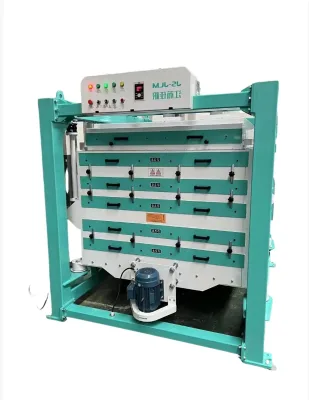
Rice Rotary Sifter Sorter Rice Shape Grader Sieve for Rice Processing
$5600.00 - $6000.00
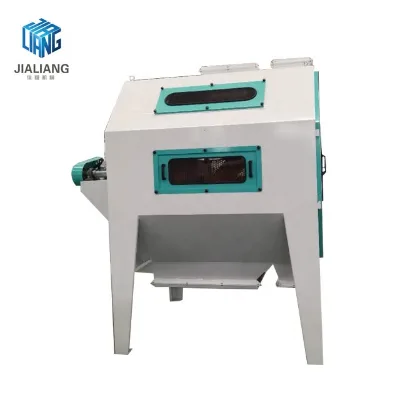
$1200.00 - $2000.00

Yueyang Zhuoli Machine Sieve Co., Ltd.
- Manufacturer, Trading Company
- Hunan, China
- Lead time0 days
- Avg. response≤ 1h
Main productsSieving slice,hammer,Perforated metal mesh plate,Rice sieve,Food machinery parts
Main marketsDomestic Market(21.00%), Mid East(20.00%), Eastern Asia(15.00%), South Asia(15.00%), Southeast Asia(12.00%), South America(10.00%), Africa(7.00%)

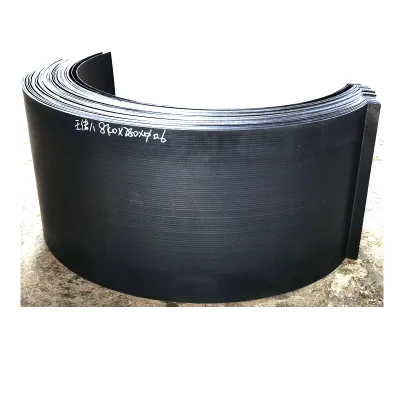
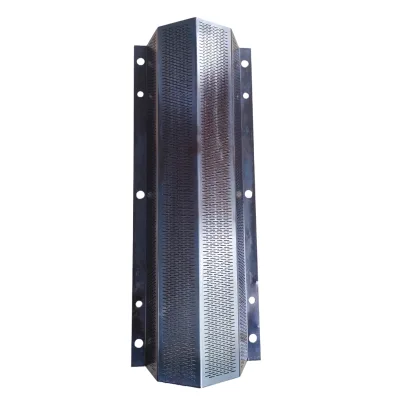
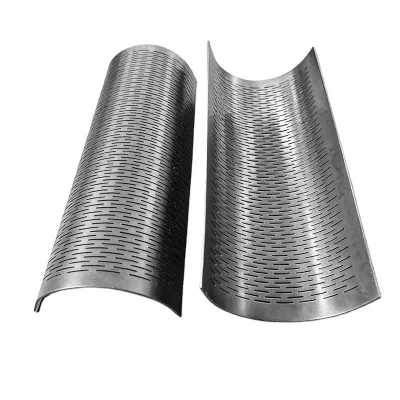
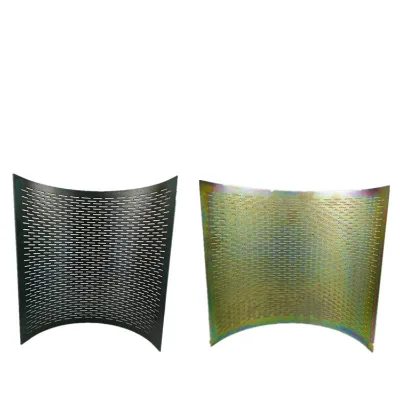
Grading Sieves Stainless Steel Sieve Screen
MOQ: 20 Minimum
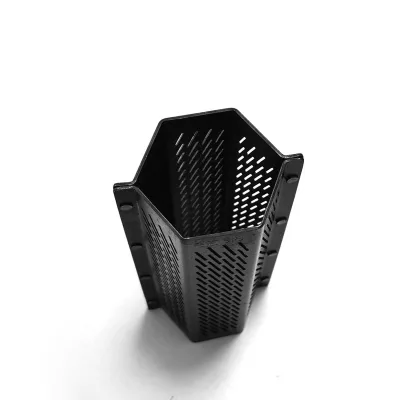
Guangzhou Fengtai Machinery Co., Ltd.
- Association
- Guangdong, China
- Lead time10 days
- Avg. response≤ 1h
Main productsRice Mill Machine,Rice Polisher,Destoner Machinery,Color Sorter,Grain Dryer
Main marketsAfrica(40.00%), Southeast Asia(25.00%), South America(25.00%), North America(5.00%), Eastern Europe(5.00%)
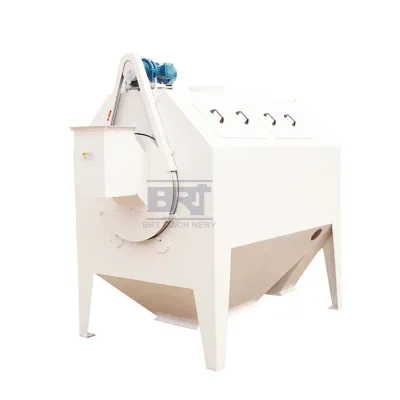
High Efficiency Drum Sieve Paddy Rice Pre Cleaner Manufacturers
$1500.00 - $1600.00
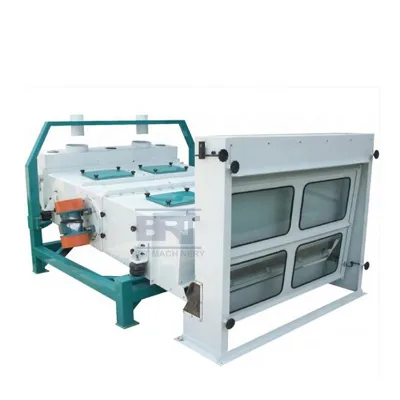
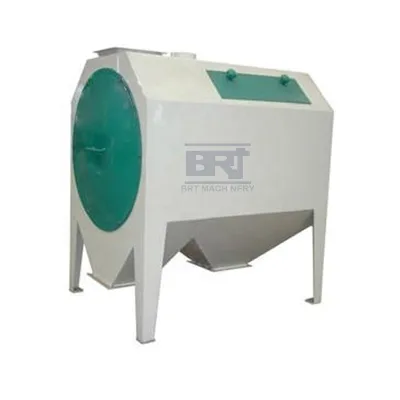
Drum Sieve TCQY63 80 Paddy Cleaner Rice Mill 8ton 10 Ton Paddy Pre Cleaner
$1500.00 - $3000.00
Wuhan Dingxin Mechnical & Electic Equipment Co., Ltd.
- Trading Company
- Hubei, China
- Lead time20 days
- Avg. response≤ 4h
Main productsRice Whitener,Rice Polisher,Paddy Separator,Rice Husking Machine,Rice Grader
Main marketsMid East(30.00%), Southeast Asia(27.00%), Africa(15.00%), South Asia(10.00%), Eastern Asia(5.00%), North America(5.00%), South America(3.00%), Eastern Europe(3.00%), Oceania(2.00%)
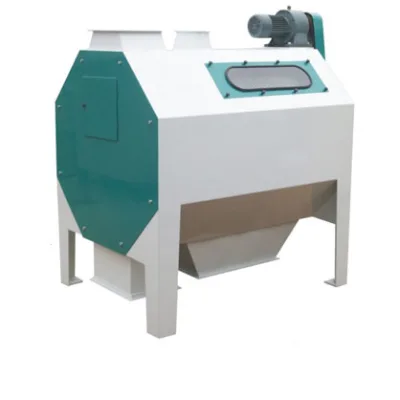
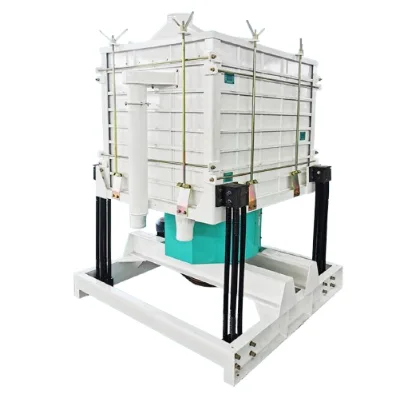
Rice Grader Rice Rotary Sifter Equipment Grading Screen Plan Sifting DM
$1800.00 - $1850.00
MOQ: 1 sets
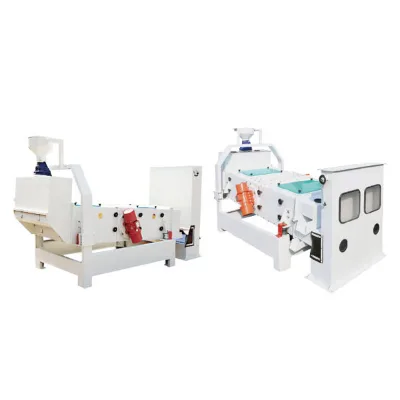
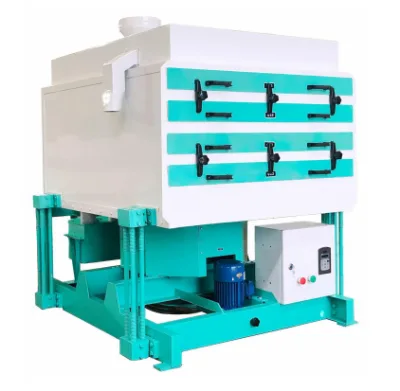
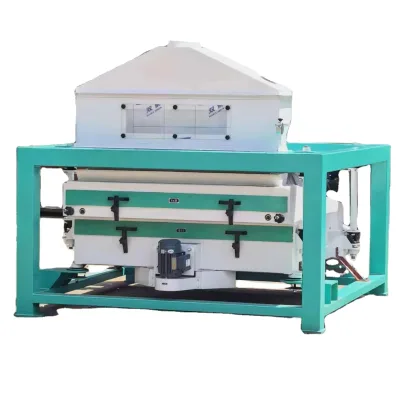
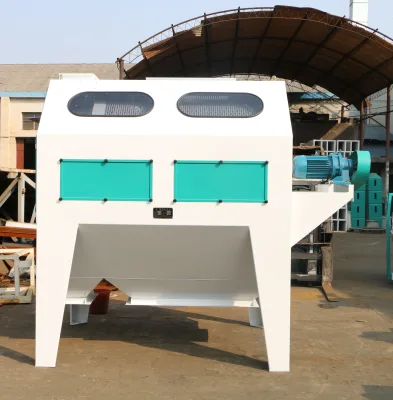
SCY Pre-Cleaning Drum Sieve Machine for Rice Mill and Grain Processing
$500.00 - $1500.00

LIAONING XINLAI INTELLIGENT EQUIPMENT MANUFACTURING CO LIMITED
- Verified by TUVRHEINLAND
- Combined
- China Liaoning
- Lead time60 days
- Avg. response≤ 8h
Main productsFeed Machinery, Automatic Palletizer, Automatic Control System, Full Automatic Feedmill Plant, Palletizing Machine, Feed Plant Expansion and Fertilizer Project, Pet Feed Project, Storage and Drying Project, Livestock & Poultry Feed Project, Aquatic Feed Project
Main marketsSoutheast Asia/ Mideast


Shape Grader Rice Grading Screen Sieve Rotary Sifter Grader Rice Grading Machinery Rice Mill Machine
$3000.00 - $8000.00
MOQ: 1 Sets

Kaifeng Lecheng Machinery Co., Ltd.
- Verified by BV
- Trading Company,Manufacturer/Factory
- China Henan
- Lead time23 days
- Avg. response≤ 5h
Main productsSeed Cleaner, Vibration Cleaner, Gravity Separator, Gravity Table, Seed Treater, Packing Scale, Air Screen Seed Cleaner, De-Stoner, Soybean Cleaner, Bucket Elevator
Main marketsSouth America,Eastern Europe,Mid East,North America,Southeast Asia,Eastern Asia,Oceania,Western Europe,Africa


Rice Cleaning for Sale Soybean Pre Cleaning Drum Sieve Cleaner Machine
$3000.00 - $13000.00
MOQ: 1 Pieces


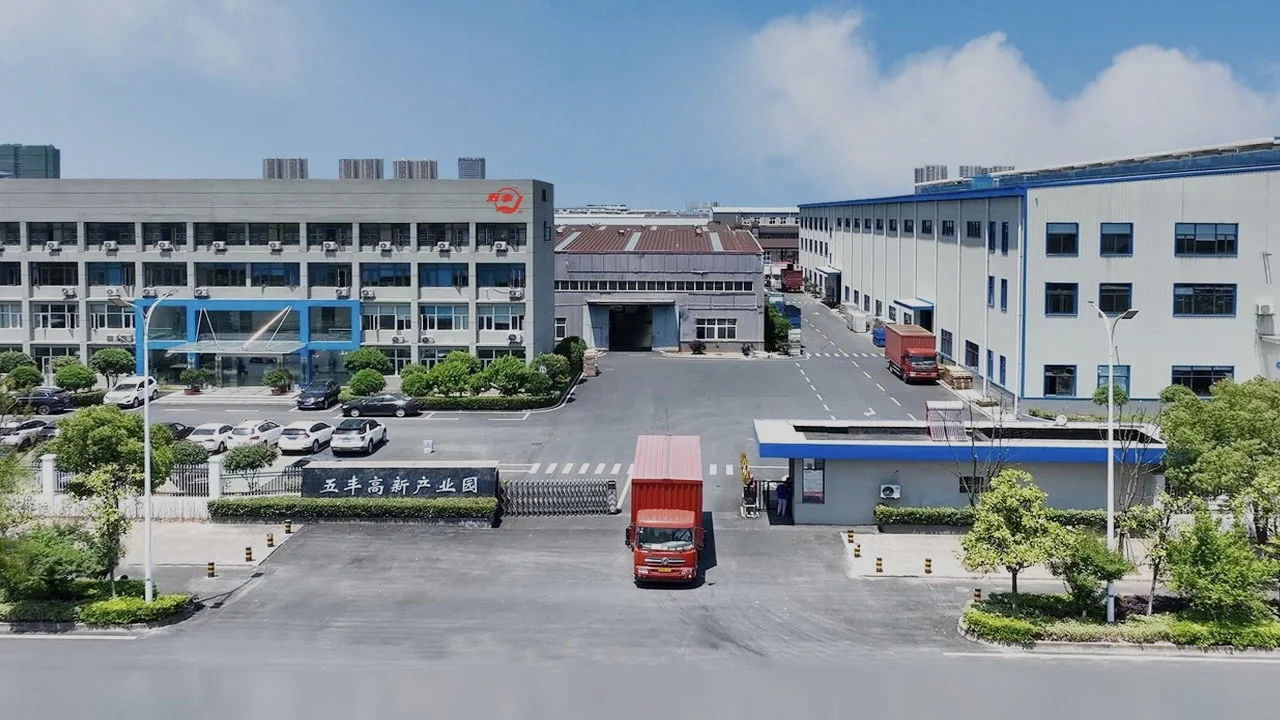
Hubei Wufeng Grain Machine Imp & Exp Co., Ltd.
- Manufacturer, Trading Company
- Hubei, China
- Lead time15 days
- Avg. response≤ 3h
Main productsRice Mill Plant,Rice Whitener,Rice Polisher,Rice Huller,Paddy Separator
Main marketsDomestic Market(45.00%), Southeast Asia(15.00%), South Asia(10.00%), Mid East(8.00%), North America(5.00%), South America(5.00%), Africa(5.00%), Eastern Europe(2.00%), Southern Europe(2.00%), Eastern Asia(1.00%), Northern Europe(1.00%), Western Europe(1.00%)
Kaifeng Lecheng Machinery Co., Ltd.
- Verified by Intertek
- Manufacturer, Trading Company
- Lead time0 days
- Avg. response≤ 2h
Main productsVibrate Screener, Multi-Deck Rotary Cleaner, Complete Set Rice Milling Equipment, High Pressure Pulse-Jet Bag-House Dust Collector, Experiment Seed Gravity Separator

Shandong Shelley Grain Steel Silo Co., Ltd.
- Verified by SGS
- Combined
- China Shandong
- Lead time30 days
- Avg. response≤ 4h
Main productsSteel Grain Silo, Elevator, Conveyor, Cleaning Equipments, Feed Silo, Grain Temperature Monitoring System, Sweep Auger, Weighing Sensor System, Level Sensors System, Ventilation System
Main marketsDomestic

Hot Sale Rice Cleaning Machine Drum Sieve Grain Wheat Corn Soybeans Cleaner Equipment
$5000.00 - $5300.00
MOQ: 1 Pieces

Drum Type Per-Cleaner for Grain Legume Corn Barley Wheat Rotary Drum Sieve Seeds Cleaner
$5000.00 - $5300.00
MOQ: 1 Pieces

50t/H 30t/H Drums Type Rice Cleaner Grain Wheat Maize Soybean Seeds Cleaning Machine
$5000.00 - $5300.00
MOQ: 1 Pieces
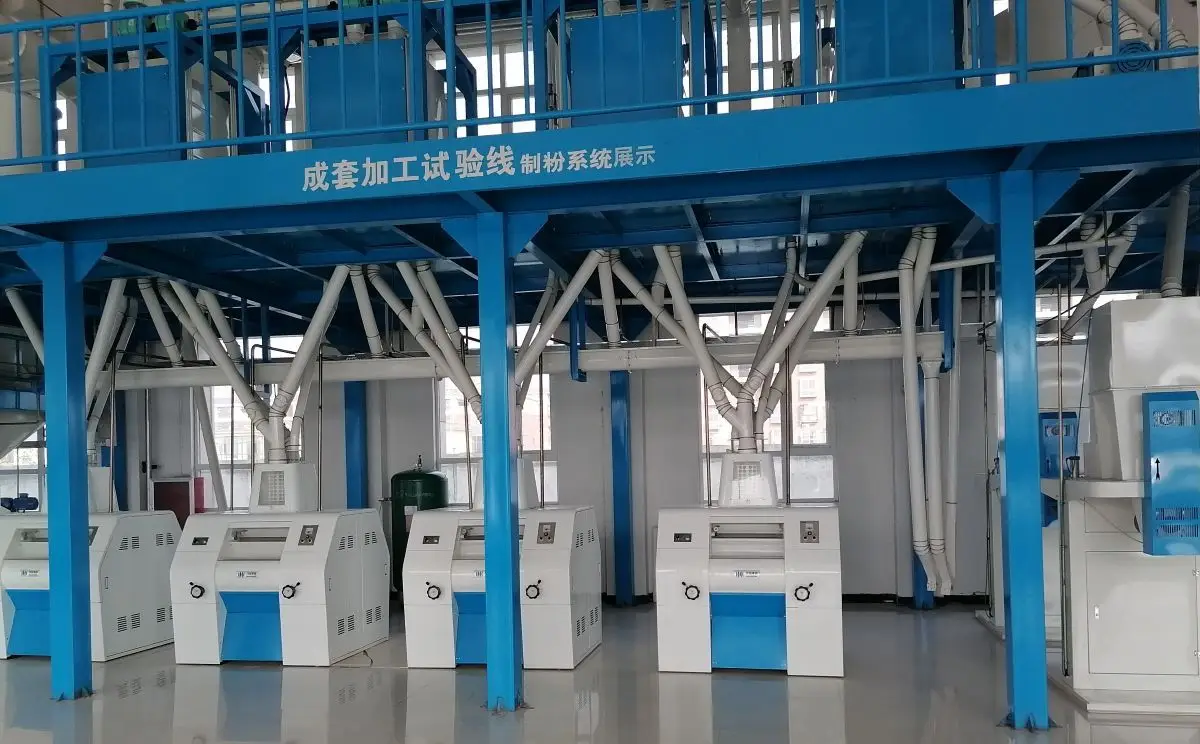
Wuhan Good Rain Machinery Co., Ltd.
- Manufacturer, Trading Company
- Hubei, China
- Lead time15 days
- Avg. response≤ 9h
Main productsRice milling machinery,flour milling machinery,Agricultural machinery,Food and beverage machinery,grain proceesing machinery
Main marketsSoutheast Asia(25.00%), Mid East(20.00%), South America(20.00%), Domestic Market(15.00%), Africa(10.00%), Eastern Europe(3.00%), South Asia(2.00%), North America(1.00%), Eastern Asia(1.00%), Southern Europe(1.00%), Central America(1.00%), Western Europe(1.00%)

Hefei Branagh Photoelectric Technology Co., Ltd.
- Verified by TUVRHEINLAND
- Combined
- China Anhui
- Lead time15 days
- Avg. response≤ 3h
Main productsColor Sorter, Rice Color Sorter, Grain Color Sorter, Color Sorter Machaine, Mini Color Sorter, Color Sortering Machine, Beans Color Sorter, Nuts Color Sorter, Plastic Color Sorter, Corn Color Sorter
Main marketsSoutheast Asia/ Mideast,East Asia(Japan/ South Korea),Europe

Wuhan Bailong Star Machinery Co., Ltd.
- Trading Company
- Hubei, China
- Lead time20 days
- Avg. response≤ 3h
Main productsFood Processing Machinery,Poultry Equipment,Agricultural Machinery,Rice Milling Machinery,Industry Machine
Main marketsSouth Asia(31.00%), Southeast Asia(20.00%), Domestic Market(11.00%), Africa(10.00%), South America(8.00%), Eastern Asia(7.00%), Central America(4.00%), Northern Europe(2.00%), Mid East(2.00%), North America(2.00%), Eastern Europe(1.00%), Western Europe(1.00%), Southern Europe(1.00%)
Shandong Unio Machinery Equipment Co., Ltd.
- Verified by Intertek
- Trading Company
- Lead time10 days
- Avg. response≤ 2h
Main productsCultivator, Grain Processing Machine, Harvester, Tractor, Feed Processing Machine
Wuhan Anon Tech-Trade Co., Ltd.
- Trading Company
- Hubei, China
- Lead time25 days
- Avg. response≤ 9h
Main productsagriculture machine,food machine,Biological energy
Main marketsAfrica(33.00%), Southeast Asia(31.00%), South Asia(15.00%), Oceania(3.50%), Eastern Europe(3.00%), North America(3.00%), Eastern Asia(2.30%), South America(2.00%), Northern Europe(1.50%), Mid East(1.50%), Domestic Market(1.50%), Central America(1.00%), Western Europe(1.00%), Southern Europe(0.70%)

Zhengzhou Hento Machinery Co., Ltd.
- Verified by SGS
- Trading Company,Manufacturer/Factory,Group Corporation
- China Henan
- Lead time15 days
- Avg. response≤ 7h
Main productsMeat Processing Machinery, Egg Processing Machinery, Dairy Processing Machinery, Fruit & Vegetable Processing Machinery, Grain Product Making Machines, Snack Machines, Nuts Processing Machinery, Packing Machines, Drying Machines, Commodity Making Machines
Main marketsSouth America,Eastern Europe,Mid East,North America,Southeast Asia,Eastern Asia,Oceania,Western Europe,Africa
Shenzhen Juneng Huachuang Machinery Equipment Co., Ltd.
- Manufacturer
- Guangdong, China
- Lead time7 days
- Avg. response≤ 3h
Main productspacker machine,Filling machine,Labeling machine,sealing machine,Boring machine
Main marketsSouth Asia(10.00%), Central America(10.00%), Southeast Asia(10.00%), Mid East(10.00%), South America(10.00%), North America(10.00%), Domestic Market(5.00%), Southern Europe(5.00%), Oceania(5.00%), Africa(5.00%), Northern Europe(5.00%), Western Europe(5.00%), Eastern Europe(5.00%), Eastern Asia(5.00%)
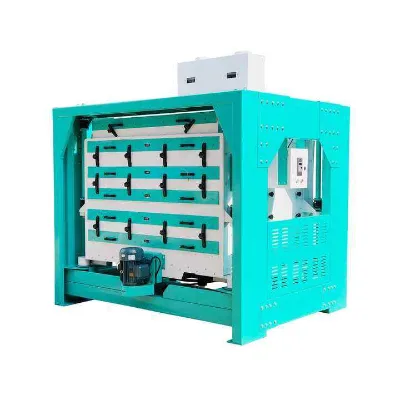




Comprehensive Sourcing Guide
Leaf Shape Rice Wash Sieve Supplier Concentration and Factory Types
When sourcing a Leaf Shape Rice Wash Sieve, the first structural question is which factory types actually produce it. Supplier results for adjacent grain-cleaning and rice-milling equipment show several distinct company profiles: combined manufacturer-and-trading operations, standalone manufacturer-trading hybrids, and parts-focused workshops whose main products include sieving slices, perforated metal mesh plates, and rice sieves. The Leaf Shape Rice Wash Sieve sits at the intersection of these categories, so a buyer should expect to find it listed by grain cleaning machine builders, rice milling machinery producers, and component specialists alike. Knowing which profile you are talking to matters, because a parts workshop may offer fast customization of sieve plates while a machinery builder can integrate the sieve into a fuller processing line.
On geography, supplied results point to activity in Henan, Jiangsu, and Hunan, China. Henan-based suppliers in the results cluster around grain cleaning and grading machines such as rotary paddy sieves and hybrid rice cleaners, offered with ODM and OEM capability. Jiangsu entries center on rice milling machinery, including rotary sifters and drum sieves for rice mills. Hunan entries emphasize consumable sieve parts and food machinery components. When no verified location is shown, identify clusters indirectly by checking where a supplier's main products and product keywords concentrate, since those fields reveal whether a listing comes from a grain-cleaning specialist, a rice mill equipment maker, or a sieve plate fabricator.
How to Verify Leaf Shape Rice Wash Sieve Suppliers
Verification should start with the platform-visible evidence and only then move to direct checks. Some suppliers in grain machinery results carry third-party verification such as SGS, which is a meaningful screen because it confirms an external body reviewed the company. System certification, however, may show as NIL even for verified accounts, so never treat a verification badge as proof of quality management credentials. Always ask specifically for certificates relevant to your market and confirm their scope covers the factory that will actually produce the Leaf Shape Rice Wash Sieve, not only the sales office. Match the listing's product evidence against what the company claims: categories, materials, voltage, and application fields should be consistent across a supplier's catalog.
Next, request documentation that the supplier can plausibly produce. In the observed machinery results, several listings state that a machinery test report and video outgoing-inspection are provided; ask for these for your specific sieve model, with your leaf dimensions and mesh specification noted. Confirm the place of origin field, since Jiangsu entries explicitly list it while others do not. Verify customization capability by referencing the Customization and Customized attributes some listings display, and check research capacity claims such as ODM and OEM support by asking for an example of a modified design. Finally, test responsiveness before committing: response time fields in the results range from roughly one hour to nearly twenty hours, so send a technical question and measure how long a substantive answer takes rather than an auto-reply.
What to Compare Across Leaf Shape Rice Wash Sieve Suppliers
Build a comparison table from the attribute dimensions that supplier pages actually expose, without assuming every supplier shows every field. Useful columns include location, lead time, response time, MOQ, verification status, company type, main products, and customization support. The supplied results illustrate the spread you will encounter: lead times of roughly fifteen to twenty-three days, response times from about one to nearly twenty hours, and MOQs as low as a single unit on grain-cleaning sieve equipment. For a Leaf Shape Rice Wash Sieve, a low MOQ is valuable for pilot lines, but confirm whether the single-unit price reflects your leaf geometry or a standard screen configuration.
Also compare product-level evidence rather than company-level labels alone. Listings for related rice and grain sieves disclose material (steel, stainless steel for some sieve plates), voltage (commonly 380V), appearance (horizontal), function (grain cleaning, pre-cleaning, white rice production), and model numbers such as MMJM and HZXZ series or JLQY. Weight and dimensions, where shown, range widely, from a drum sieve around 420 kg to grading machines near 2300 kg, which affects freight. Warranty claims (one year appears in rice mill listings), production capacity figures (for example 13 to 16 tons per hour or 40 tons per day), and supply ability (such as 30 sets per month) should be recorded and cross-checked. Suppliers whose main products match rice sieves or milling machinery are likelier to hold relevant tooling than generalists.
Common Leaf Shape Rice Wash Sieve Sourcing Risks
The most frequent risk is specification drift on the leaf profile itself. Many grain sieve listings display customized attributes, but customization claims do not guarantee the vendor can hold tolerances on leaf-shaped openings, perforation spacing, and plate flatness. Ask the supplier to confirm in writing that the leaf geometry will be produced to your drawing, and request a sample plate or a video outgoing inspection of the finished sieve before mass production. A second risk is conflating a trading company with the actual fabricator; combined company types are common in this category, and the listed factory may only assemble purchased sieve plates. Third-party verification such as SGS reduces but does not eliminate this risk, especially where system certification fields show NIL.
Price-range ambiguity is another trap. Observed sieve and rice machinery listings show ranges from roughly 1,200 to 2,000 dollars on a drum sieve, 2,980 to 5,980 on cleaning sieve equipment, and up to 11,800 on larger rotary vibrating units, so a quoted figure must be tied to a specific model, material, and dimension. Warranty terms may be stated as one year on some machinery but absent on sieve-plate listings; clarify coverage for wear parts. Lead times around fifteen to twenty-three days are typical in the observed data, but a customized leaf shape will likely extend this. Finally, do not rely on product keyword stuffing; a listing tagged for wheat, sesame, rapeseed, and coffee simultaneously may simply be a general-purpose screen relabeled, so demand application-specific evidence for rice washing use.
Leaf Shape Rice Wash Sieve Regional Sourcing and Logistics
Regional sourcing decisions should follow the evidence visible in supplier profiles. The supplied results place relevant activity in Henan, Jiangsu, and Hunan, China. Henan suppliers specialize in grain cleaning and grading machinery, listing products like rotary paddy sieves and hybrid rice cleaners with customization available, which makes them candidates for a leaf-shaped screen as a pre-cleaning component. Jiangsu suppliers focus on rice milling machinery, including white rice grading sieves and drum sieves, with one entry naming Shanghai Port as the dispatch point, a useful logistics anchor for ocean freight planning. Hunan suppliers list sieve plates, perforated metal mesh, and rice sieves as main products, positioning them as component sources when you need replacement or spare leaf-shaped plates rather than complete machines.
For logistics, extract the concrete fields that listings provide and turn them into freight questions. Weight, dimensions, and packaging data appear in the results: a drum sieve at roughly 420 kg in a wooden case, and grading machines around 2,300 kg, imply very different container planning. Confirm packing material for a thin stainless plate, since wooden case packing is standard for some machinery but a flat sieve may need edge protection. Where a port of dispatch is stated, use it; where it is not, ask before quoting freight. Compare stated lead times, about fifteen days among Jiangsu machinery makers and twenty-three days for a Henan cleaning-equipment supplier, then add customized production time for your leaf geometry. Voltage fields, such as 380V or multi-voltage options on rice mill listings, matter if your sieve is motorized rather than a passive plate.
Leaf Shape Rice Wash Sieve Commercial Terms and Order Planning
Commercial terms should be negotiated against the data fields suppliers already publish, then locked into the contract. Start with price structure: observed ranges for comparable sieves and rice machinery span roughly 1,200 to 11,800 dollars depending on type and scale, so request itemized quotes separating the sieve plate, frame, motor if applicable, packaging, and customization fees for the leaf geometry. Record the MOQ explicitly; results show single-unit MOQs on some grain cleaning equipment, which supports trial orders, but confirm the unit price at your quantity and whether tooling charges for a custom leaf shape are one-time or amortized. Warranty should be written in, using the one-year terms visible on some rice mill listings as a reference point, with wear parts treated separately.
Order planning should sequence a sample, then inspection, then volume. Given lead times in the observed data of roughly fifteen to twenty-three days, budget additional time for customized leaf plates and for a pre-shipment step; several listings state video outgoing-inspection and machinery test reports are provided, so make these contractual deliverables tied to your drawings. Confirm payment protection on the platform you use rather than assuming escrow applies, since such terms vary by listing and cannot be inferred from a supplier profile. Plan spare-part inventory from the start: Hunan-type sieve-plate specialists suggest that replacement leaf screens can be sourced separately from the machine builder, often faster and cheaper. Finally, compare response times, roughly one to twenty hours in the results, and weight suppliers who answer technical questions within a day, because post-order modifications to a leaf shape depend on that responsiveness.
(Word count: approximately 1,385 words across six sections.)
FAQs
What is the price range for rice wash sieves?
Prices for rice processing sieves typically range from $1,200 to $11,800 depending on capacity and configuration. Basic drum sieves start around $1,200, while high-capacity rotary cleaners can exceed $5,000. Buyers should verify specific model pricing and customization options directly with suppliers to ensure accurate budgeting for their facility.
What is the typical lead time for these machines?
Manufacturers generally offer lead times between 15 and 23 days for standard rice cleaning equipment. Some suppliers indicate zero lead time for specific parts like sieve plates. Buyers should confirm exact delivery schedules with the supplier before placing orders to align with their production planning and installation requirements.
What is the minimum order quantity for rice sieves?
The minimum order quantity for most rice cleaning and grading machines is one unit. This allows buyers to purchase single units for testing or small-scale operations. Suppliers typically support this low MOQ to accommodate diverse business sizes and specific processing needs without requiring bulk commitments.
Where are these rice processing machines manufactured?
These machines are primarily manufactured in China, with key production hubs in Henan, Jiangsu, and Hunan provinces. Jiangsu suppliers often specialize in rice milling machinery, while Henan and Hunan facilities focus on cleaning sieves and replacement parts. Buyers can verify specific factory locations to assess logistics and supply chain proximity.
What voltage options are available for rice sieves?
Standard voltage options include 380V, with variations such as 380/50Hz, 380/60Hz, 440/60Hz, and 220/60Hz available. Buyers must select the correct voltage configuration to match their local power infrastructure. Confirming voltage compatibility with the supplier is essential to ensure safe and efficient machine operation in your facility.
What certifications do these suppliers hold?
Supplier verification status includes SGS verification for some manufacturers. System certifications are listed as NIL for certain results, indicating buyers should request specific quality or safety certificates directly. Verifying these credentials ensures the equipment meets international standards and provides confidence in the supplier's manufacturing quality and reliability.