eco-friendly sushi mold set Suppliers and Manufacturers
Compare 24 verified suppliers offering eco-friendly sushi mold sets with varying lead times, MOQs, and certifications. Review response times and delivery schedules to select the right partner for your bulk order needs today; review the available evidence before requesting comparable quotations from suitable candidates.
Updated
Suppliers List
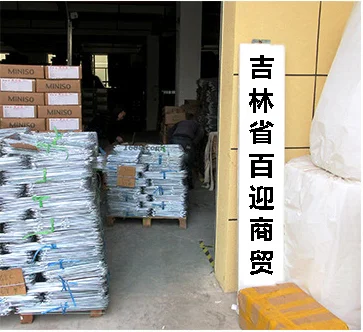
- Trading Company
- Jilin, China
- Lead time10 days
- Avg. response≤ 2h
Main productsStorage box,Gardening supplies,Metal Crafts,lunch Box,Christmas Decorations
Main marketsDomestic Market(20.00%), North America(20.00%), South Asia(10.00%), Northern Europe(10.00%), Western Europe(10.00%), Eastern Asia(10.00%), Eastern Europe(10.00%), South America(5.00%), Southern Europe(5.00%)
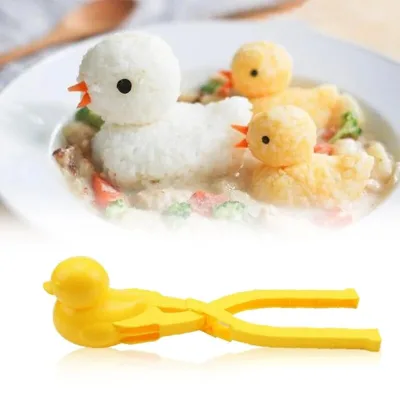
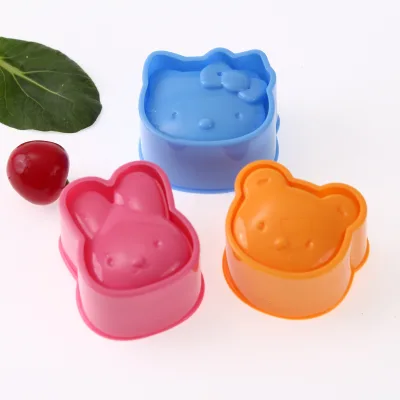
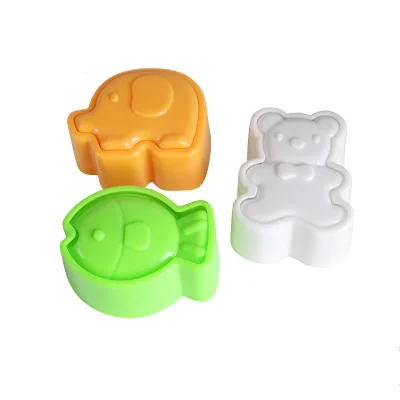
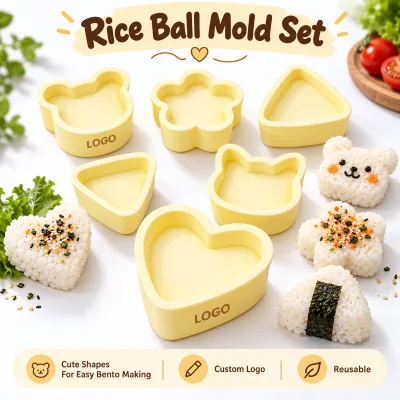
Animal Rice Mold Shaper Bento Sushi Shake Rice Ball Mold Non-Stick Rice Ball Maker
$0.16 - $0.25
MOQ: 300
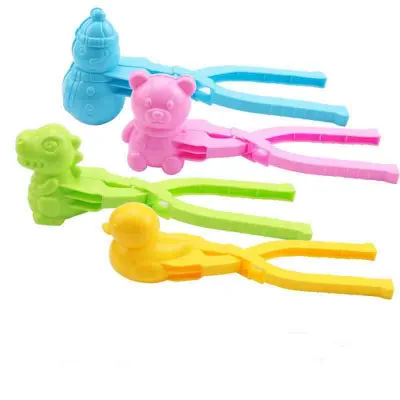

NINGHAI XINMING CLEANING EQUIPMENT CO., LTD.
- Verified by SGS
- Combined
- China Zhejiang
- Lead time30 days
- Avg. response≤ 10h
Main productsMassage Tool
Main marketsSouth America,Europe,Australia,North America
Yiwu Lisheng Trading Co., Ltd.
- Trading Company
- Zhejiang, China
- Lead time3 days
- Avg. response≤ 4h
Main productsHousehold Storage,General Merchandise,Outdoor Goods,Festival & Decor,Pet Products
Main marketsNorthern Europe(15.00%), North America(15.00%), Mid East(10.00%), South Asia(10.00%), Western Europe(10.00%), Eastern Europe(10.00%), Oceania(5.00%), Southern Europe(5.00%), South America(5.00%), Central America(5.00%), Southeast Asia(5.00%), Eastern Asia(5.00%)
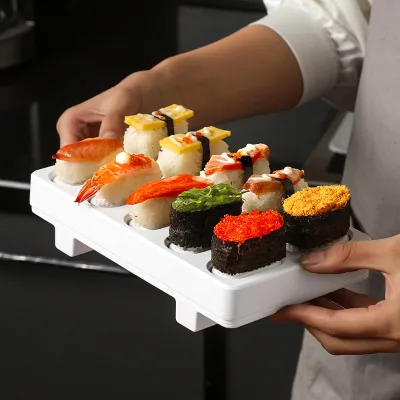
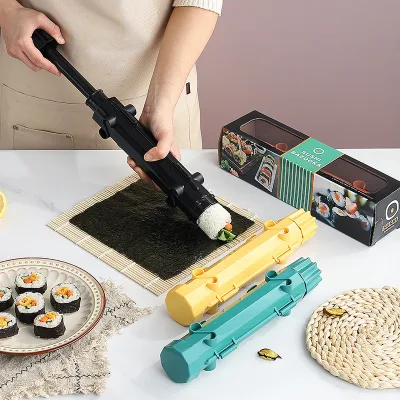
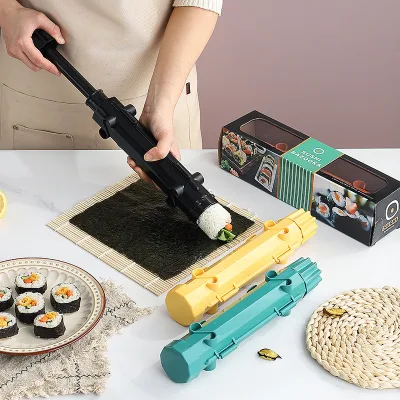
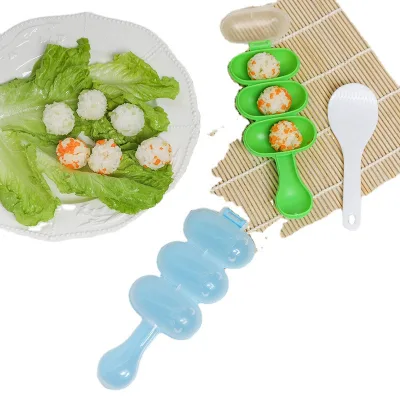
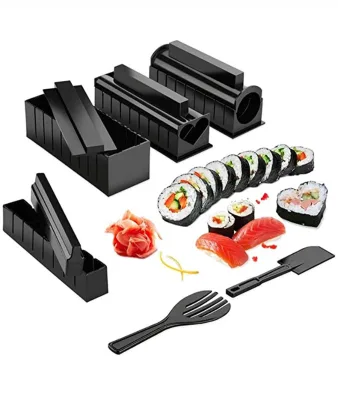
Colorful Manual Sushi Making Kit DIY Sushi Maker Tools Set Ideal Beginner's Sushi Maker
$0.35 - $1.25
MOQ: 100 pieces

Jinjiang Jiaxing Import and Export Co., Ltd.
- Verified by CTI
- Manufacturer/Factory
- China Fujian
- Lead time120 days
- Avg. response≤ 2h
Main productsShoes, Slipper, Clothes, Promotion Gifts, Silicone Products, Outdoor Sports Products, Bags, Fashion Accessories, Consumer Electronics
Main marketsSouth America,Eastern Europe,Mid East,North America,Southeast Asia,Eastern Asia,Oceania,Western Europe,Africa
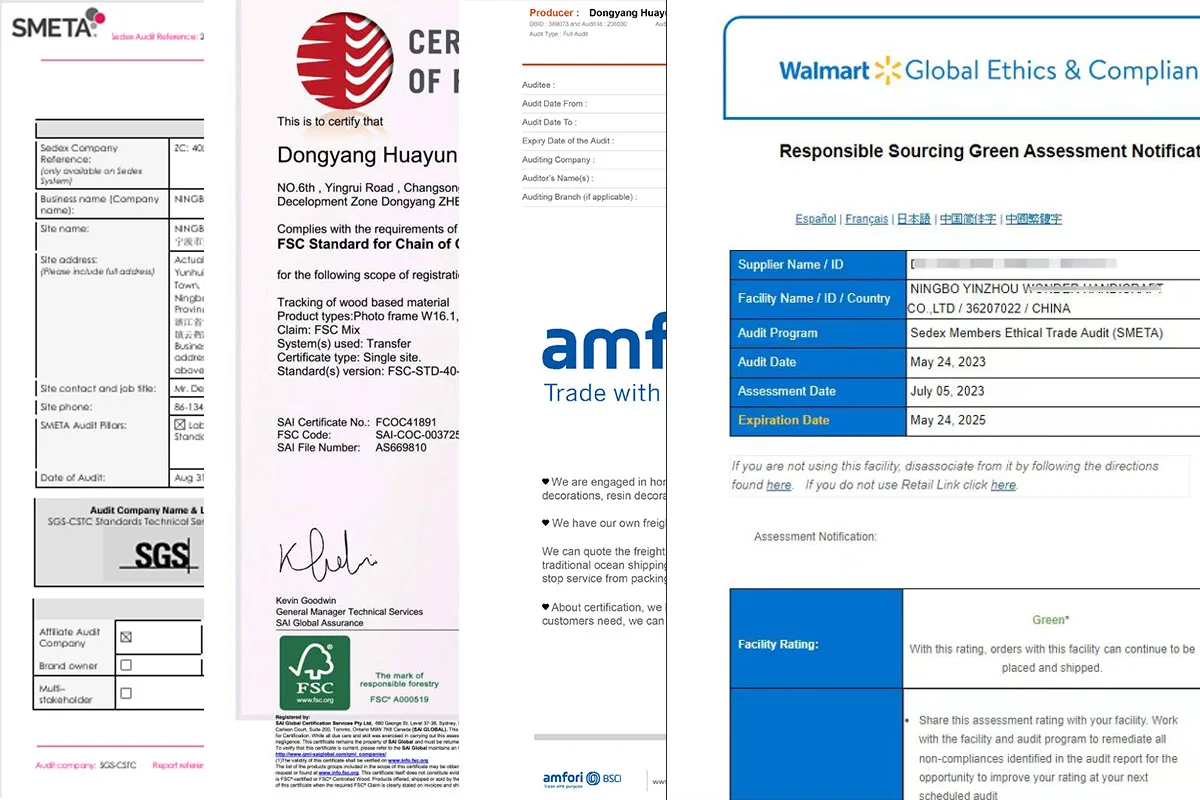
Ningbo Kmanlu Technology Co., Ltd.
- Trading Company
- Zhejiang, China
- Lead time45 days
- Avg. response≤ 3h
Main productsKitchen,Houseware,Home Decor
Main marketsNorth America(50.00%), Western Europe(20.00%), Africa(10.00%), Eastern Europe(10.00%), Southern Europe(5.00%), South America(5.00%)
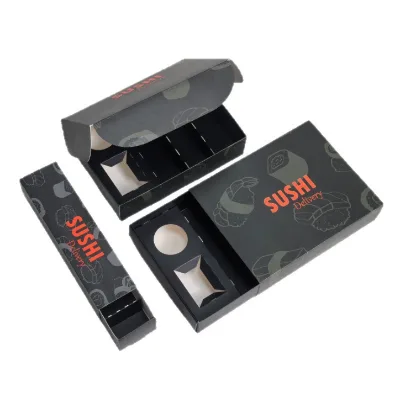
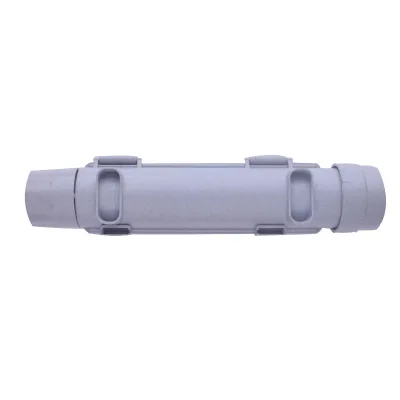
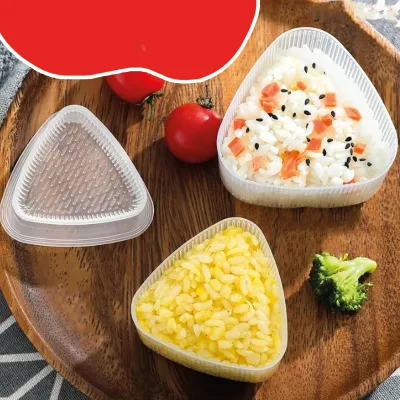
Sushi Maker Mold Onigiri Rice Ball Sushi Making Set
$0.60 - $5.00
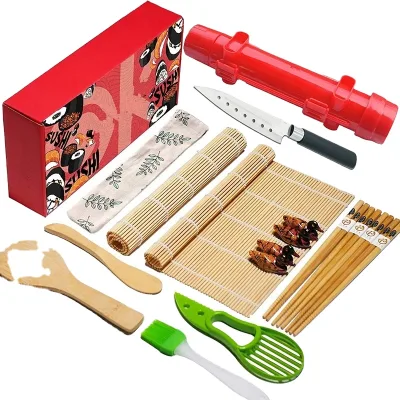
Yiwu Montanas Import And Export Co., Limited
- Verified by TüVRheinland
- Trading Company
- Lead time15 days
- Avg. response≤ 7h
Main productsParty And Event Supplies, Promotional Gift, Toys, Pet Products
Main marketsSouth America(35%), North America(25%), Western Europe(10%)
Yantai Estick Bamboo And Wooden Products Co., Ltd.
- Verified by SGS Group
- Manufacturer, Trading Company
- Lead time30 days
- Avg. response≤ 1h
Main productsBamboo Whisk, Matcha Whisk Set, Disposable Tableware, Flatware, Bamboo Steamer
Main marketsNorth America(35%), Western Europe(15%), Southeast Asia(10%)
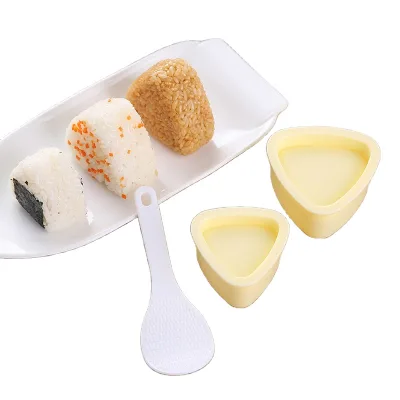
$0.18 - $0.45
MOQ: 1000 pieces
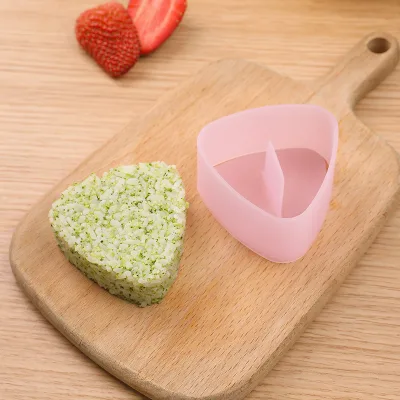
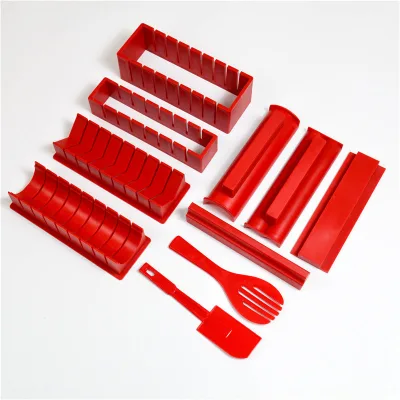
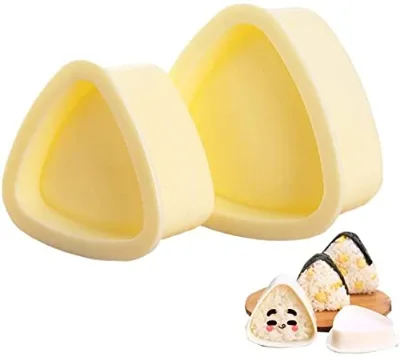
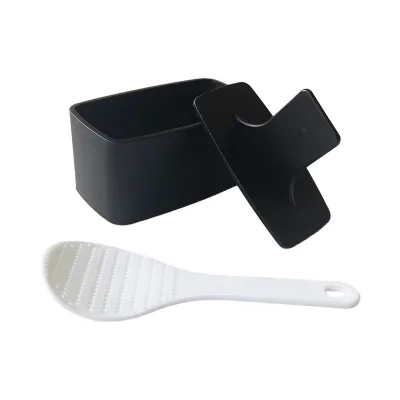
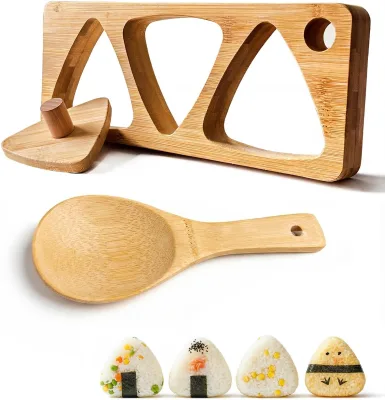
DIY Triangle Plastic Sushi Rice Mold Eco-Friendly Food Contact Safe with Sushi Mat Spoon & Knife
$0.50 - $0.56
MOQ: 200 pieces

Guangzhou Pinsheng Automation Industry Co., Ltd.
- Verified by TUVRHEINLAND
- Combined
- China Guangdong
- Lead time30 days
- Avg. response≤ 2h
Main productsUpe, Upe Bar, Upe Sheet, Upe Fittings, Upe Extrsion
Main marketsDomestic
Jiangxi Zhichu Bamboo And Wood Co., Ltd.
- Manufacturer, Trading Company
- Jiangxi, China
- Lead time15 days
- Avg. response≤ 4h
Main productsWooden pallet,Wooden sushi boat,oden chopping board,Wooden tableware,Wooden kitchen storage items
Main marketsNorth America(40.00%), Mid East(20.00%), Southeast Asia(20.00%), Northern Europe(20.00%), Central America(10.00%), Domestic Market(10.00%), South Asia(10.00%)
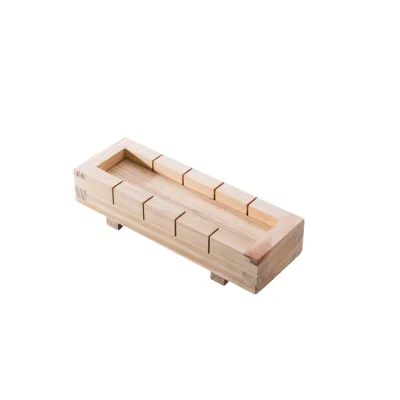
Eco-Friendly Elegant Wooden Sushi Tools Durable Molds for Perfect Sushi Creations
$2.65 - $3.95
MOQ: 2 pieces
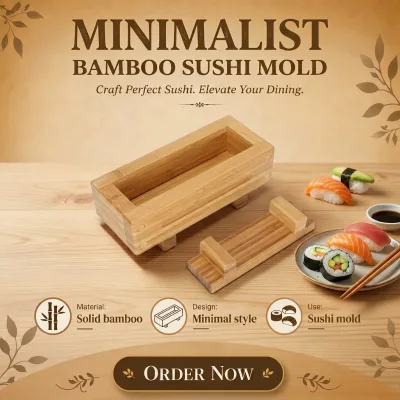
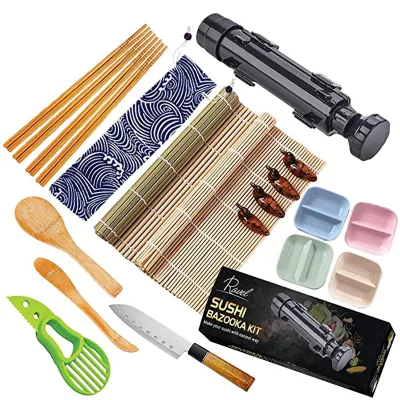
$1.20 - $5.35
MOQ: 24 Minimum
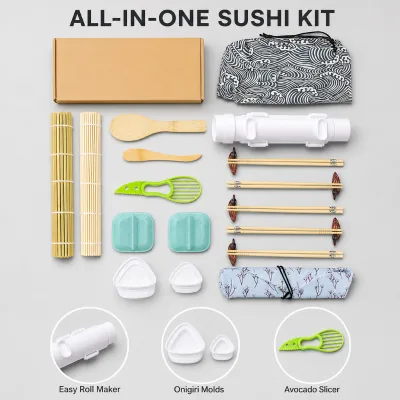

HUNAN TONGDA BAMBOO INDUSTRY TECHNOLOGY CO., LTD
- Verified by TUVRHEINLAND
- Manufacturer/Factory
- China Hunan
- Lead time23 days
- Avg. response≤ 12h
Main productsBamboo Chopstick and BBQ Sticks, Bamboo Skewers, Bamboo Straw, Hand Fan, Wooden Cutlery, Bamboo Cutlery, Sushi Bamboo Mat, Bamboo Leaves, Paper Cup, Paper Straw
Main marketsSouth America,Eastern Europe,Mid East,North America,Southeast Asia,Eastern Asia,Oceania,Western Europe,Africa

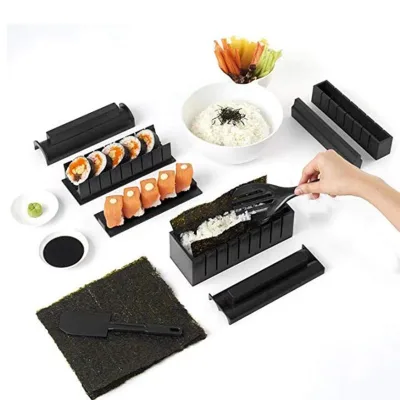
10PCS 12PCS Sushi Making Set Rice Ball Maker Sushi Making Kit for Beginners
$3.98 - $4.55
MOQ: 1000 Sets

Non Stick Professional Sushi Making Kit Maker Set Kitchen Sushi Making Tool Kit
$3.98 - $4.55
MOQ: 1000 Sets


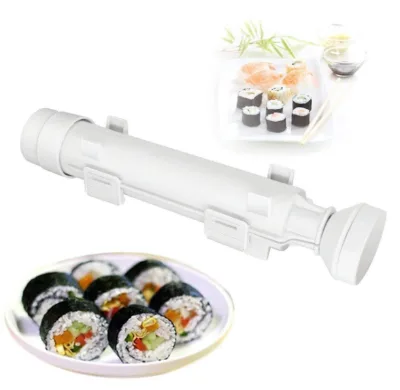
Plastic Manual Sushi Making Tools Bamboo Sushi Mat Bazooka Roller Sushi Set Kit
Negotiable
MOQ: 1000 Sets

Hot Sale 2022 Japanese Homemade Plastic Sushi Roller Sushi Maker Sushi Gadget
Negotiable
MOQ: 1000 Sets

Xiamen Athome Household Products Co., Ltd.
- Verified by SGS
- Trading Company
- China Fujian
- Lead time30 days
- Avg. response≤ 3h
Main productsXiamen Athome Household Products Co. Ltd. Is a, Custom Matcha Tea Set, Wooden &Bamboo Kitchenware, Custom Gifts & Souvenirs, Home & Seasonal Decor, Tableware &Dinner Set, Custom Candle Holer, Seasonal & Promotional Gifts, Drinkware, Sourdough & Baking Tools
Main marketsSoutheast Asia/ Mideast,East Asia(Japan/ South Korea)

Wholesale Sushi Making Set Bamboo Sushi Roll Mat with Onigiri Triangle Mold Sushi Tools Set
$2.98 - $5.98
MOQ: 1000 Sets

Wholesale Price OEM Manufacturer Sustainable Sushi Making Set with Eco Bamboo Tools and Mold
$2.98 - $5.98
MOQ: 1000 Sets

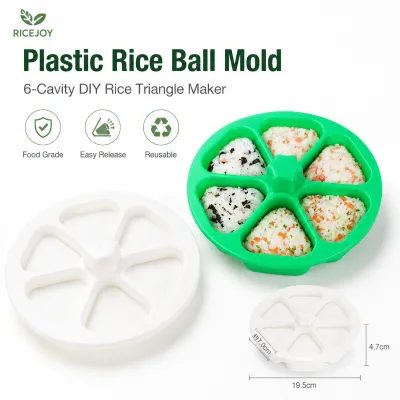
Wholesale 6 in 1 Onigiri Mold Set Japanese Rice Ball Maker Triangle Sushi Mold Bento Box
$0.59 - $1.58
MOQ: 100 Sets


Wholesale Price OEM Manufacturer Home DIY Bazooka Rolling Bamboo Sushi Making Kit Sushi Making Set
$2.98 - $5.98
MOQ: 10 Sets
Nantong Aonie Trading CO., Ltd.
- Trading Company
- Jiangsu, China
- Lead time20 days
- Avg. response≤ 6h
Main productskitchen tools,kitchen utensils,home decoration,bathroom accessory,beauty products
Main marketsWestern Europe(30.00%), North America(30.00%), Southern Europe(10.00%), Northern Europe(10.00%), Eastern Europe(10.00%), Mid East(10.00%)
Shenzhen Mantimelong Electronic Co., Ltd.
- Manufacturer, Trading Company
- Guangdong, China
- Lead time3 days
- Avg. response≤ 10h
Main productsBALL PEN,STATIONERY,HOUSEHOLD SUNDRIES,PEN
Main marketsNorthern Europe(25.00%), South America(20.00%), Mid East(13.00%), Western Europe(10.00%), North America(10.00%), Eastern Europe(8.00%), Oceania(5.00%), Eastern Asia(5.00%), Southeast Asia(4.00%)
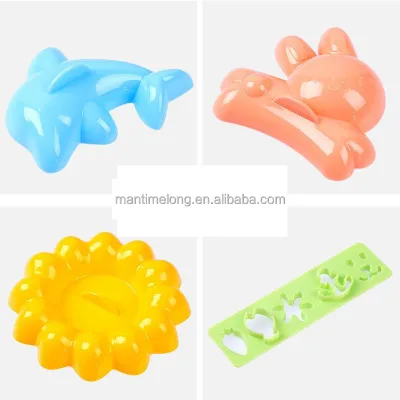
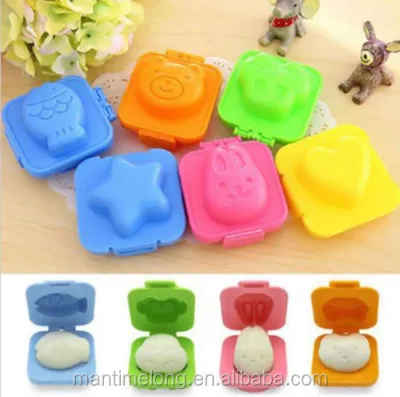
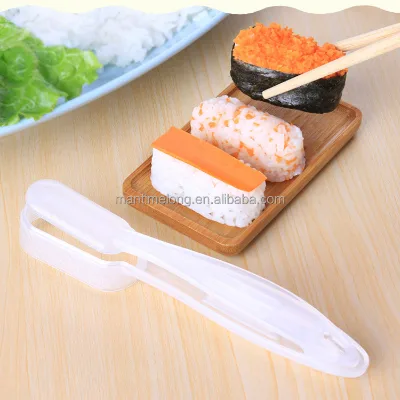
Dolphin Rice Mold 4pcs/set Rabbit Cartoon Baby Rice Ball Mold Children's Lunch Sushi DIY Mold
$1.0298 - $2.0581
MOQ: 1 Minimum

Shuifu Huiyang Agricultural Technology Co., Ltd.
- Verified by SGS
- Trading Company
- China Yunnan
- Lead time23 days
- Avg. response≤ 4h
Main productsBamboo Products, Bamboo Crafts, Bamboo Chopsticks, Bamboo Skewers, Bamboo Weaving, Bamboo Tray, Bamboo Box, Bamboo Placemat, Bamboo Fruit Bowl, Lamp Shades
Main marketsDomestic


Versatile Sushi Maker Kit with Seaweed Andbamboomat for Homecooking Eco Friendly
$68.00
MOQ: 10 Pieces
Xiamen Ehang Household Products Co., Ltd.
- Trading Company
- Fujian, China
- Lead time37 days
- Avg. response≤ 5h
Main productsKitchenware,bamboo and wooden products,Houseware,Kitchen gadgets,Garden
Main marketsSoutheast Asia(20.00%), North America(20.00%), Southern Europe(10.00%), Northern Europe(10.00%), Western Europe(10.00%), South America(10.00%), Eastern Europe(10.00%), Central America(5.00%), Domestic Market(1.00%), Mid East(1.00%), Oceania(1.00%), Eastern Asia(1.00%), Africa(1.00%)
$1.0343 - $5.1656
MOQ: 500 pieces
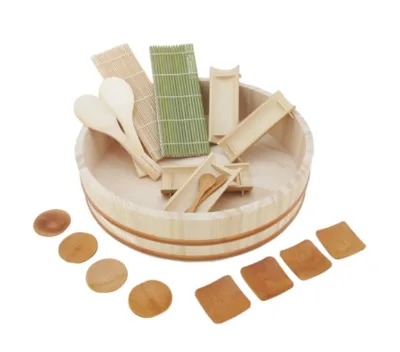

- Verified by SGS
- Trading Company
- China Zhejiang
- Lead time15 days
- Avg. response≤ 17h
Main productsMop, Kitchen Knife, Chopping Board, Blanket, Mosquito Net, Cushion, Slipper, Broom, Luggage, Educational Toy
Main marketsEurope,Australia


Wholesale Professional Plastic Rice Vegetable Meat DIY Roller Mold Sushi Making Kit
$0.35 - $0.55
MOQ: 1900 Pieces


Yiwu JC Import & Export Co., Ltd.
- Verified by Intertek
- Trading Company
- Lead time10 days
- Avg. response≤ 2h
Main productsShaker Bottle, Vacuum Bottle, Umbrella, Kitchen Utensil, Tableware
Main marketsNorth America(50%), South America(10%), Mid East(10%)

GANZHOU FUCHENG HOUSEHOLD PRODUCTS CO., LTD.
- Verified by BV
- Combined
- China Jiangxi
- Lead time15 days
- Avg. response≤ 8h
Main productsMasking Film, Pre Taeped Masking Film, PE Film, Plastic Film, Bamboo Sticks, Bamboo Skewer, Toothpick, Fiber Difuseer Stick, Diffuser Stick
Main marketsSouth America,Southeast Asia/ Mideast,Europe
Nanping Jianyang Xiang Long Bamboo And Wooden Crafts Factory
- Manufacturer
- Fujian, China
- Lead time30 days
- Avg. response≤ 5h
Main productsBamboo Skewer,Bamboo Ice Cream Stick,Bamboo Kitchenware,Bamboo Chopstick,Bamboo sushi rolling Mat
Main marketsDomestic Market(7.14%), South Asia(7.14%), Southern Europe(7.14%), Northern Europe(7.14%), Central America(7.14%), Western Europe(7.14%), Eastern Asia(7.14%), Mid East(7.14%), Oceania(7.14%), Africa(7.14%), Southeast Asia(7.14%), Eastern Europe(7.14%), South America(7.14%), North America(7.14%)

- Trading Company
- China Beijing
- Lead time30 days
- Avg. response≤ 11h
Main productsNoodles, Wasabi, Sushi Nori, Vinegar, Sushi, Shirataki, Soy Sauce, Sushi Ginger, Miso, Sashimi Sauce
Main marketsSoutheast Asia/ Mideast,Europe
Anhui Yien Import-Export Trading Co., Ltd.
- Verified by SGS Group
- Trading Company
- Lead time20 days
- Avg. response≤ 3h
Main productsBamboo Skewer, Bamboo Coffee Stirrer, Bamboo Toothpick, Disposable Cutlery, Bamboo Knot Skewer
Main marketsSouth Asia(13%), Southern Europe(12%), Western Europe(11%)
Shenzhen Green Ring Bamboo Industry Co., Ltd.
- Manufacturer
- Guangdong, China
- Lead time0 days
- Avg. response≤ 4h
Main productschopsticks,wood cup cover,wood tray,Bamboo stick,Bamboo tableware
Main marketsNorth America(60.00%)
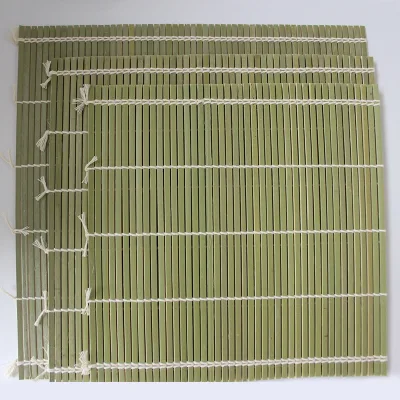
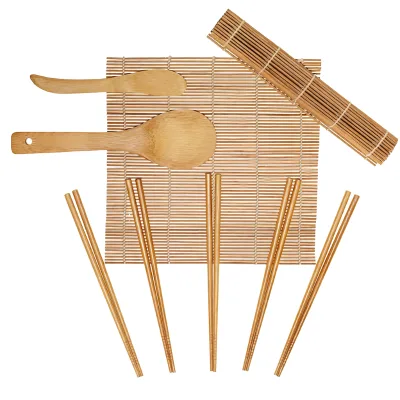
Japanese Bamboo Sushi Maker Set With Food Mat and Rice Paddle Spreader Premium Sushi Tools
$0.1025 - $0.7075
MOQ: 5000 pairs
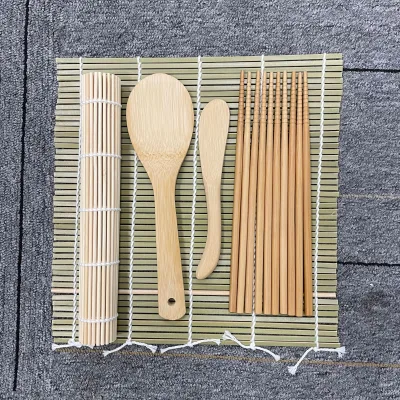
Sushi Making Tool Gift Set 2 Rolling Mats Paddle Storage Bag for Beginners Sushi Mold
$1.28 - $2.12
MOQ: 5000
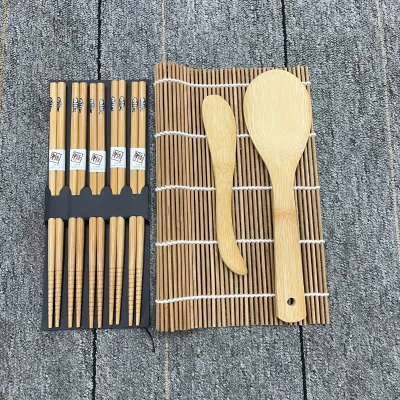
Hot Sale DIY Sushi Making Kit All in One for Sushi Maker Tools Set for Beginner
$2.58 - $5.69
MOQ: 5000

Xiamen Ebei Import & Export Co., Ltd.
- Verified by CTI
- Trading Company,Manufacturer/Factory
- China Fujian
- Lead time45 days
- Avg. response≤ 2h
Main productsEco-Friendly Products, Bamboo Tableware, Bamboo Furniture, Bamboo Kitchenware, Bamboo Office Supply, Bamboo Fibre Products, Biodegradable Products, Bamboo Towel, Solar Energy Products, Bamboo Garden Products
Main marketsSouth America,Eastern Europe,Mid East,North America,Southeast Asia,Eastern Asia,Oceania,Western Europe,Africa

Shenzhen Jasmine Import& Export Ltd.
- Manufacturer, Trading Company
- Guangdong, China
- Lead time20 days
- Avg. response≤ 7h
Main productssilicone kitchenware,silicone promotion gifts,Plastic bottles,stainless steel kitchen tools,silicone kitchen utensils
Main marketsWestern Europe(20.00%), North America(15.00%), Domestic Market(10.00%), South America(10.00%), Northern Europe(10.00%), Eastern Asia(10.00%), Oceania(5.00%), Central America(5.00%), Eastern Europe(5.00%), Southern Europe(3.00%), Southeast Asia(3.00%), Africa(2.00%), South Asia(2.00%)










Comprehensive Sourcing Guide
Eco-Friendly Sushi Mold Set Supplier Concentration and Factory Types
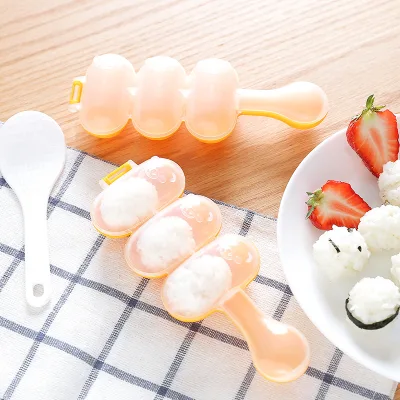
The landscape for sourcing eco-friendly sushi mold sets reveals a distinct concentration of manufacturing activity in specific industrial regions, with Jilin, China emerging as a notable hub for this category. Suppliers located in this area often specialize in plastic-based kitchenware, offering a wide array of shapes including ducks, animals, and geometric forms. These entities frequently operate as trading companies, which can streamline communication for international buyers but may introduce layers between the actual production floor and the end purchaser. The presence of such trading firms suggests a mature supply chain where product variety is prioritized, allowing buyers to access diverse designs such as cartoon patterns or minimalist modern styles without needing to engage multiple distinct factories. This concentration facilitates easier comparison of similar products, as many suppliers in the region offer overlapping inventory ranges, from basic rice ball makers to complex sushi bazooka kits.
In contrast to the specialized trading companies found in Jilin, other sourcing regions may present different factory typologies, such as combined manufacturing entities that handle both design and production in-house. These combined factories often possess broader capabilities, including OEM and ODM services, which are crucial for buyers seeking custom branding or unique material specifications. While the provided data highlights specific locations, buyers should remain aware that supplier types vary significantly across the broader market. Some suppliers may focus exclusively on high-volume, low-cost production, while others might emphasize quality control and material safety, such as using food-grade ABS or PP plastics. Understanding whether a supplier is a pure trading entity or a combined manufacturer helps buyers assess the potential for customization, direct communication with engineers, and the overall flexibility of the supply chain. This distinction is vital for determining whether a supplier can meet specific technical requirements or if they are merely reselling standard catalog items.
How to Verify Eco-Friendly Sushi Mold Set Suppliers
Verifying the legitimacy and capability of suppliers requires a multi-layered approach that goes beyond simple profile reviews. Buyers should prioritize suppliers who display third-party verification badges, such as SGS certification, which indicates that an independent agency has audited the company’s operations and product quality. This verification is particularly important for food-contact items like sushi molds, where material safety is paramount. In addition to general company verification, buyers must scrutinize product-specific certifications. For instance, some suppliers may offer products certified under LFGB standards, a rigorous German food safety regulation that ensures materials do not leach harmful substances. Checking for these specific certifications on product pages or requesting documentation directly from the supplier is a critical step in mitigating health risks and ensuring compliance with international food safety laws.
Beyond certifications, buyers should assess the supplier’s responsiveness and operational transparency as indicators of reliability. A supplier’s response time can serve as a proxy for their customer service quality and internal efficiency. For example, some suppliers demonstrate rapid response times, which can facilitate quicker negotiations and problem-solving during the sourcing process. Conversely, slower response times might indicate a high volume of inquiries or less dedicated support structures. Buyers should also look for evidence of established business practices, such as clear product attributes, detailed specifications, and consistent communication. Engaging with suppliers to ask specific questions about their manufacturing processes, material sourcing, and quality control measures can reveal their level of expertise. Suppliers who provide detailed, prompt, and accurate information are generally more trustworthy and capable of handling complex orders. This due diligence helps buyers build a relationship with suppliers who are not only compliant but also responsive and professional in their business dealings.
What to Compare Across Eco-Friendly Sushi Mold Set Suppliers
When evaluating multiple suppliers, buyers must systematically compare key operational metrics to identify the best fit for their specific needs. One of the most critical factors is the Minimum Order Quantity (MOQ), which varies significantly across different suppliers and product lines. For instance, some suppliers may require MOQs as low as 112 sets, making them suitable for small businesses or initial market testing, while others might demand MOQs of 300 sets or even 5,000 pieces, catering to larger volume buyers. Understanding these thresholds helps buyers align their inventory strategy with supplier capabilities. Additionally, lead times are a crucial comparison point, as they impact supply chain planning and customer satisfaction. Suppliers may offer delivery times ranging from 7 to 30 days, depending on order size and production schedules. Buyers should compare these lead times against their own sales cycles to ensure timely replenishment and avoid stockouts.
Price and material quality are also essential dimensions for comparison. While some suppliers offer competitive pricing for basic plastic molds, others may charge more for premium materials or additional features. Buyers should compare unit prices alongside the specified material types, such as ABS plastic or PP plastic, to assess value for money. Furthermore, comparing the range of main products offered by each supplier can reveal their specialization and breadth of expertise. Some suppliers may focus exclusively on sushi tools, while others might offer a broader range of kitchenware or gardening supplies. This breadth can indicate a supplier’s capacity to handle diverse orders or their potential for becoming a one-stop shop. By systematically comparing MOQs, lead times, prices, materials, and product ranges, buyers can make informed decisions that balance cost, quality, and operational efficiency. This structured comparison ensures that buyers select suppliers who align with their strategic goals and operational constraints.
Common Eco-Friendly Sushi Mold Set Sourcing Risks
Sourcing eco-friendly sushi mold sets involves several inherent risks that buyers must proactively manage to ensure a smooth procurement process. One significant risk is the variability in product quality and material safety. Since these items come into direct contact with food, any deviation from specified materials, such as using non-food-grade plastics, can pose serious health risks and lead to product recalls. Buyers must be vigilant in verifying material specifications and certifications to mitigate this risk. Another common risk is the discrepancy between sample quality and bulk production. Suppliers may provide high-quality samples that do not reflect the consistency of mass-produced items. To address this, buyers should request detailed product specifications and, if possible, conduct third-party inspections before finalizing large orders. This due diligence helps ensure that the bulk production meets the expected standards of durability, finish, and safety.
Logistical and communication risks also pose challenges in the sourcing process. Differences in time zones and language barriers can lead to misunderstandings regarding product specifications, packaging requirements, and delivery schedules. Buyers should establish clear communication channels and confirm all details in writing to minimize the risk of errors. Additionally, supply chain disruptions, such as raw material shortages or production delays, can impact lead times and order fulfillment. Buyers should assess suppliers’ production capacity and backup plans to ensure they can handle unexpected fluctuations in demand. Furthermore, the risk of intellectual property infringement exists, particularly when sourcing custom-designed molds. Buyers should ensure that suppliers respect intellectual property rights and have the necessary licenses to produce custom designs. By identifying and addressing these risks early in the sourcing process, buyers can protect their interests and ensure a successful procurement outcome.
Eco-Friendly Sushi Mold Set Regional Sourcing and Logistics
Regional sourcing decisions significantly impact logistics costs, lead times, and overall supply chain efficiency. Suppliers located in specific industrial clusters, such as Jilin, China, often benefit from established infrastructure and specialized labor pools, which can streamline production and reduce costs. However, buyers must also consider the logistical implications of sourcing from these regions, including shipping distances, customs procedures, and potential transit delays. For instance, shipping from inland regions may require additional transportation steps to reach major ports, potentially increasing lead times and costs. Buyers should evaluate the supplier’s location in the context of their own distribution network to optimize logistics. Additionally, suppliers in different regions may offer varying FOB ports, such as Ningbo, which can affect shipping options and costs. Understanding these logistical nuances helps buyers make informed decisions that balance cost efficiency with delivery reliability.
Beyond logistics, regional sourcing also influences the availability of specific product types and customization options. Suppliers in certain regions may specialize in particular materials or design styles, offering buyers access to unique products that are not available elsewhere. For example, some regions may be known for producing high-quality ABS plastic molds, while others may excel in innovative designs like cartoon patterns or eco-friendly materials. Buyers should leverage this regional specialization to find suppliers that offer the specific products they need. Furthermore, regional suppliers may have different regulatory environments and compliance standards, which can impact product certification and market access. Buyers should ensure that suppliers in their chosen region meet the relevant regulatory requirements for their target markets. By carefully considering regional sourcing and logistics, buyers can optimize their supply chain for cost, speed, and product quality.
Eco-Friendly Sushi Mold Set Commercial Terms and Order Planning
Effective order planning requires a thorough understanding of commercial terms, including pricing structures, payment terms, and shipping conditions. Buyers should negotiate clear pricing agreements that account for volume discounts, tooling fees, and any additional costs for customization. It is essential to clarify whether prices are based on FOB, EXW, or other Incoterms, as this affects responsibility for shipping and insurance. Additionally, buyers should establish clear payment terms, such as deposits and balance payments, to manage cash flow and mitigate financial risk. Understanding these commercial terms helps buyers budget accurately and avoid unexpected costs during the procurement process. Furthermore, buyers should plan for order lead times by aligning production schedules with sales forecasts and inventory requirements. This proactive planning ensures that orders are placed in a timely manner to meet demand without overstocking.
In addition to commercial terms, buyers should consider the supplier’s after-sales support and return policies. A reliable supplier should offer clear guidelines for handling defective products, returns, and replacements. Buyers should verify these policies before placing orders to ensure they have recourse in case of quality issues. Furthermore, buyers should plan for ongoing communication with suppliers to monitor order progress and address any emerging issues promptly. Establishing a strong relationship with suppliers can lead to better pricing, priority production, and improved service. By carefully planning commercial terms and order logistics, buyers can create a robust sourcing strategy that supports their business goals. This strategic approach ensures that buyers can efficiently manage their supply chain, maintain product quality, and achieve their desired profit margins.
FAQs
What is the minimum order quantity for eco-friendly sushi molds?
Minimum order quantities vary by product, ranging from 112 sets to 5000 pieces. Specific listings show requirements of 120 sets, 300 sets, or 112 sets depending on the model. Buyers must check individual product pages to confirm the exact MOQ for their selected item.
How long does delivery take for these sushi mold products?
Delivery times typically range from 7 to 30 days for most listed items. Some specific product entries indicate a standard delivery window of 7-30 days. Buyers should verify the exact lead time for their specific order quantity and shipping method before finalizing purchases.
Are these sushi molds made from eco-friendly materials?
Many products are explicitly labeled as eco-friendly and feature materials like ABS plastic or food-grade ABS. Some listings also mention PP plastic for specific kits. Buyers should review the material specifications on each product page to confirm the exact composition for their needs.
What is the price range for these eco-friendly sushi mold sets?
Prices vary significantly based on the product type and quantity. Unit prices range from approximately 0.16 to 1.40 per item. Specific listings show ranges like 1.01 to 1.28 or 1.17 to 1.40. Buyers need to check the specific product details for accurate pricing.
Where are these sushi mold manufacturers located?
Manufacturers are primarily located in Jilin, China, with some suppliers based in Zhejiang, China. Specific product origins list Jilin as the place of origin. Buyers should verify the exact location of the supplier to understand shipping logistics and potential tariffs.
Do suppliers offer customization for these sushi molds?
Customization is available for certain products, allowing for customized colors and designs. Some listings explicitly state that customization is available for specific mold types. Buyers should contact suppliers directly to discuss specific customization requirements and potential additional costs.
What certifications do these sushi mold products hold?
Some products carry LFGB certification, indicating compliance with food safety standards. This certification is listed for specific food-grade ABS plastic molds. Buyers should request certification documents from suppliers to ensure the products meet their specific regulatory requirements.