Source Stainless Steel Ergonomic Chef Knife for chefs, housewives, and kitchens
Compare 30 Stainless Steel Ergonomic Chef Knife options with varying blade materials, handle types, and sizes. Buyers can evaluate slicing, chopping, and fruit cutting functions from Chinese manufacturers with customizable packaging and lead times; compare the available evidence and request quotations based on your requirements.
Updated
Key considerations
Products List


$0.60 - $1.00
MOQ: 1000 Pieces


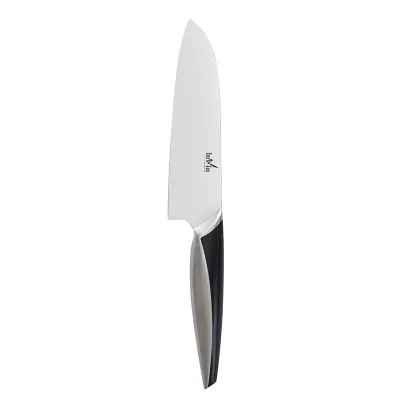
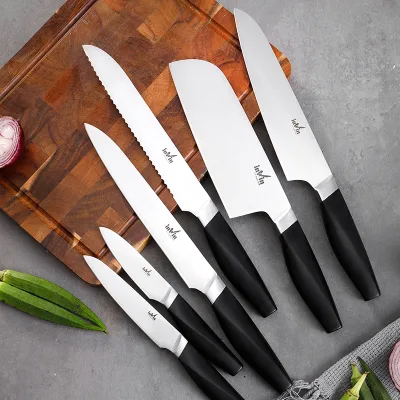
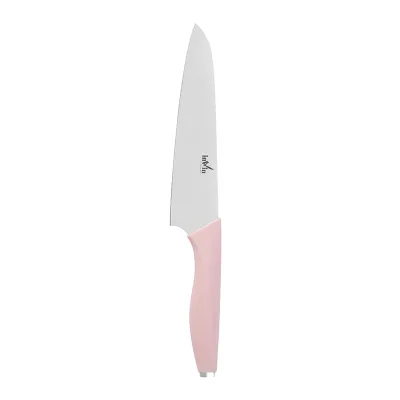
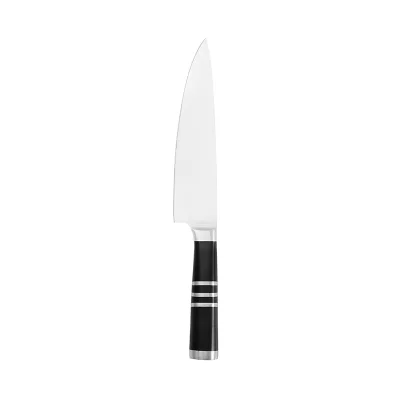
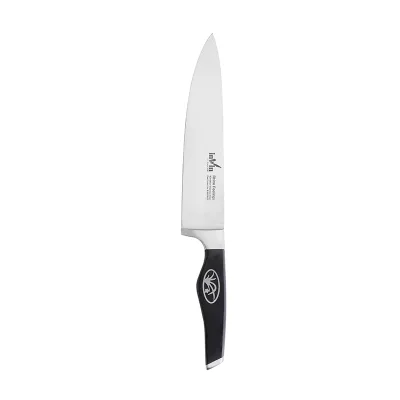

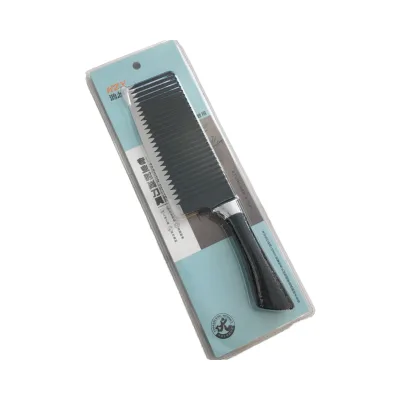
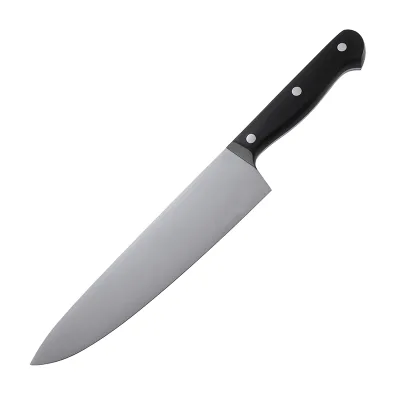
Premium Kitchen German Stainless Steel Chef Knife with Ergonomic Anti-Slip Handle
$3.55 - $3.64
MOQ: 280 Pieces


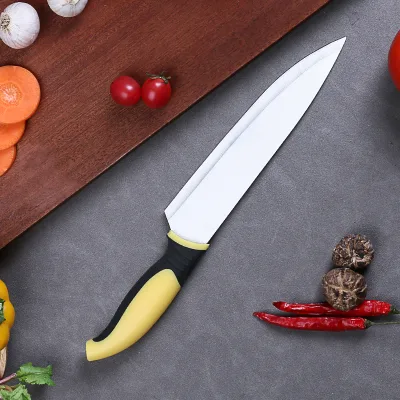
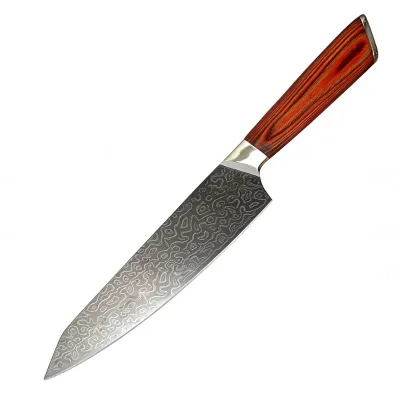
Chef Knife Professional High Carbon Stainless Steel Sharp Blades Ergonomic Wood Handle
$11.20 - $11.60
MOQ: 90 Pieces
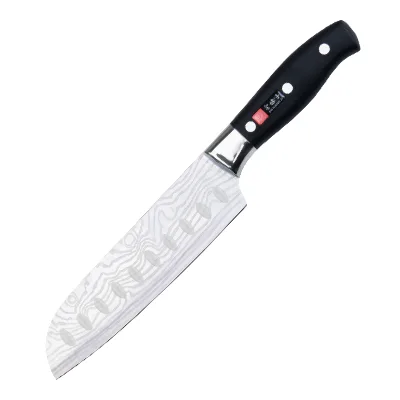
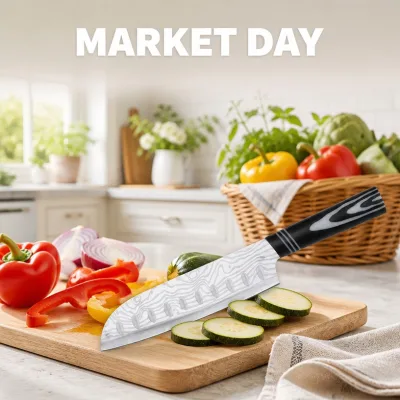

Comprehensive Sourcing Guide
Stainless Steel Ergonomic Chef Knife Sourcing Guide
Procuring stainless steel ergonomic chef knives requires a disciplined approach to balancing material integrity with user comfort. Buyers must prioritize knives that offer a secure grip and balanced weight distribution to reduce hand fatigue during prolonged culinary tasks. The core keyword highlights the necessity of combining durable stainless steel blades with handles designed for natural hand positioning. This combination ensures that the tool remains effective for professional chefs while remaining accessible for housewives and home cooks who may lack extensive training.
The sourcing landscape for these knives is diverse, with manufacturers offering various customization options to meet specific brand identities. Buyers should evaluate the available handle materials, which range from composite and metal to wood and plastic, to determine the best fit for their target market. Each material offers distinct advantages in terms of durability, aesthetics, and cost. Understanding these variations allows procurement teams to select products that align with their quality standards and price points without compromising on the essential ergonomic features that define a superior chef knife.
Product Scope and Observed Listing Signals
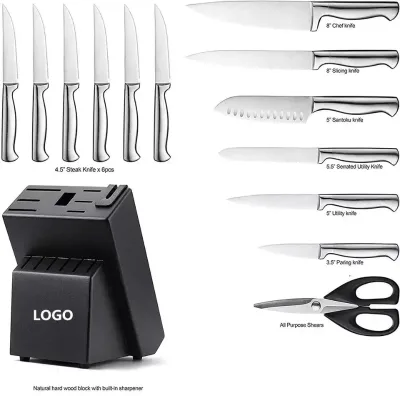
The current market listings reveal a wide array of chef knife models, each with distinct specifications and attributes. Observed product models include KF-0063, KH-0114, KP-0743, KP-0708, KP-0714, KRU-0027, K03CW0101, and PG006, among others. These models vary in blade size, with standards ranging from 6.5-inch to 10-inch blades, and thicknesses between 1.2mm and 1.8mm. Buyers should note that while many listings specify stainless steel blades, the handle materials differ significantly, including composite, metal, plastic, and wood options. This diversity allows for tailored sourcing strategies based on specific customer preferences and usage scenarios.
Listing signals also indicate that customization is widely available, enabling buyers to create unique product identities. Packaging options range from single items to sets, with some products featuring safe packaging or export cartons to ensure secure transit. The observed price range spans from $0.6 to $16.5 USD, reflecting variations in material quality, blade finish, and brand positioning. Minimum order quantities (MOQs) typically range from 2 to 2000 units, providing flexibility for both small-scale testers and large-volume purchasers. These signals help buyers gauge market competitiveness and identify potential suppliers that align with their operational scale.
Technical Specifications to Verify
Verifying technical specifications is crucial to ensuring that the chef knives meet performance expectations. Buyers should confirm the blade material, which is predominantly stainless steel, and check for specific finishes such as satin or mirror polish. The blade thickness is a critical factor, with observed values ranging from 1.2mm to 1.8mm, impacting the knife's durability and cutting precision. Additionally, the handle material must be verified for comfort and durability, with options including composite, metal, plastic, and wood. Each material has unique properties that affect the knife's overall ergonomics and longevity, so buyers should request samples to assess tactile qualities and structural integrity.
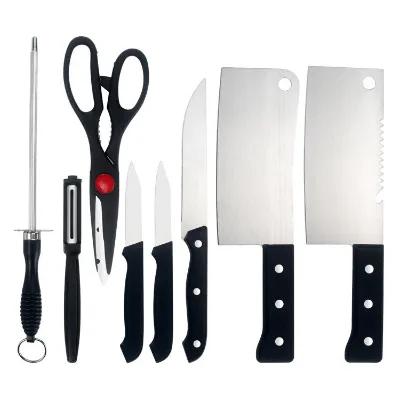
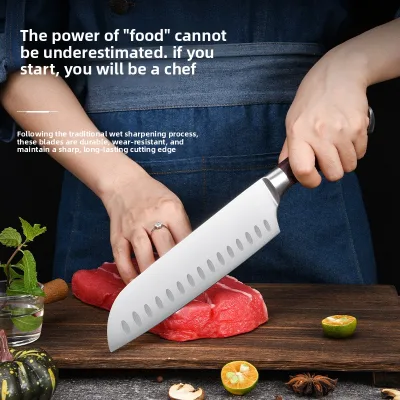
Blade size and type are also essential technical details to verify. Listings indicate various blade lengths, from 6 inches to 10 inches, and types such as cleavers, chef knives, and santoku knives. Buyers should ensure that the selected model matches their intended use, whether for slicing, chopping bone, or general kitchen tasks. The model numbers provided in listings, such as KF-0063 or KH-0114, serve as unique identifiers for these specifications. Cross-referencing these numbers with supplier catalogs can help buyers confirm that the product they are ordering matches the technical details they require, avoiding discrepancies in size, shape, or functionality.
Compliance and Safety Documentation
Compliance and safety documentation are non-negotiable for kitchenware procurement, ensuring that products meet regulatory standards for food contact. Buyers must verify that the stainless steel blades and handle materials are certified as food-safe and free from harmful substances. While specific certification names are not provided in the observed listings, buyers should request documentation confirming compliance with relevant international standards for kitchen utensils. This includes verifying that the materials do not leach toxins into food and that the manufacturing processes adhere to hygiene and safety protocols.
Safety also extends to the physical design of the knife, particularly the handle's ergonomic features. Buyers should ensure that the handle design minimizes the risk of slippage and injury during use. Documentation should include any testing results related to grip strength, balance, and durability. Additionally, buyers should confirm that the packaging meets safety standards for transport, preventing damage to the blades and handles. Clear labeling and instructions on proper use and maintenance can further enhance safety, reducing the likelihood of user error and potential liability issues for the buyer.
Cost Drivers and Commercial Terms
Cost drivers for stainless steel ergonomic chef knives include material quality, blade thickness, handle material, and manufacturing complexity. Stainless steel of higher grade and specific finishes like mirror polish can increase production costs. Similarly, handles made from premium materials such as wood or composite can be more expensive than plastic alternatives. Blade thickness also plays a role, with thicker blades requiring more material and potentially more labor-intensive manufacturing processes. Buyers should analyze these factors to understand the cost structure and negotiate effectively with suppliers.
Commercial terms such as MOQ, lead time, and payment terms significantly impact procurement strategy. Observed MOQs range from 2 to 2000 units, allowing for flexible ordering based on inventory needs. Lead times are typically around 30-35 days, which buyers must account for in their supply chain planning. Payment terms and shipping costs should also be clarified to avoid unexpected expenses. Buyers should seek competitive quotes from multiple suppliers, comparing not just the unit price but also the total cost of ownership, including shipping, duties, and potential returns or defects.
Supplier Qualification and Quality Control
Supplier qualification is a critical step in ensuring the reliability and consistency of stainless steel ergonomic chef knives. Buyers should assess suppliers based on their manufacturing capabilities, quality control processes, and track record. Factories with advanced machinery and skilled labor are more likely to produce knives with precise blade thicknesses and consistent handle ergonomics. Buyers should request information on the supplier's quality management systems, including any certifications or audits they have undergone. This due diligence helps mitigate the risk of receiving substandard products that could damage the buyer's brand reputation.
Quality control measures should be implemented throughout the production process, from raw material inspection to final product testing. Buyers should specify clear quality standards for blade sharpness, handle attachment, and overall finish. Regular inspections and third-party testing can help identify defects early, allowing for corrective actions before shipment. Buyers should also establish clear communication channels with suppliers to address any issues promptly. Building a strong relationship with qualified suppliers can lead to better pricing, priority production, and improved product quality over time.
Long-Term Procurement Checks
Long-term procurement checks involve continuous monitoring of supplier performance and product quality. Buyers should regularly review supplier metrics such as on-time delivery rates, defect rates, and responsiveness to issues. Consistent performance indicates a reliable partner, while recurring problems may signal the need for supplier replacement or additional quality controls. Buyers should also stay informed about market trends and technological advancements in knife manufacturing, ensuring that their product offerings remain competitive and relevant.
Feedback from end-users is invaluable for long-term procurement success. Buyers should collect and analyze customer feedback on the ergonomic features, durability, and performance of the chef knives. This information can guide future purchasing decisions, helping buyers refine their specifications and select products that better meet customer needs. Additionally, buyers should periodically reassess their supplier base to ensure they are working with the most capable and cost-effective partners. Regular audits and performance reviews can help maintain high standards and drive continuous improvement in the procurement process.
FAQs
What blade materials are used for these chef knives?
The blades are primarily made from stainless steel, including specific grades like 3cr13. Some models feature a satin polish finish, while others offer a mirror polish for enhanced durability and ease of cleaning. This ensures reliable performance for both professional chefs and housewives in daily kitchen tasks.
Can I customize the handle material for my brand?
Yes, customization is available for handle materials. Options include composite material, metal, plastic, and wood, allowing you to select the best fit for your ergonomic needs. This flexibility supports OEM branding and ensures the knife meets specific user comfort requirements while maintaining structural integrity during heavy use.
What are the standard blade sizes available?
Standard blade sizes range from 6 inches to 10 inches, including specific 6.5-inch and 8-inch options. These dimensions cater to various slicing and chopping needs, from delicate fruit preparation to bone chopping. The variety ensures that buyers can select the precise tool required for their specific culinary applications.
What is the typical lead time for orders?
The typical lead time for production is 30 to 35 days. This timeframe applies to standard manufacturing cycles for these stainless steel knives. Buyers should plan their inventory accordingly to ensure timely delivery, especially when ordering larger quantities or requiring specific custom packaging solutions for international shipping.
How are the knives packaged for shipping?
Knives are packaged in single units or sets, using safe packaging methods like export cartons. This ensures protection during transit and maintains the quality of the satin or mirror polish blades. The packaging is designed to prevent damage, making it suitable for both bulk wholesale orders and individual retail distribution channels.
Are these knives suitable for professional chef use?
Yes, these knives are explicitly designed for use by chefs and housewives. With types including cleavers, chef knives, and santoku knives, they handle slicing, chopping, and bone cutting tasks effectively. The durable stainless steel construction and ergonomic handle options make them reliable tools for high-volume professional kitchen environments.