CE Certified Corn Peeler Suppliers and Manufacturers
Compare 23 verified suppliers offering CE Certified Corn Peeler machines with ISO 9001 and CE certifications. Review response times, lead times, and product specifications like production capacity and warranty before contacting vendors for quotes; review the available evidence before requesting comparable quotations from suitable candidates.
Updated
Suppliers List
Zhengzhou Taizy Trading Co., Ltd.
- Verified by TüVRheinland
- Trading Company
- Lead time7 days
- Avg. response≤ 3h
Main productsSnack Frying Machine, Fruit Vegetable Washing Line, Nuts Roasting Seasoning Line, Grain Product Making Machine, Multifunction Packing Machine
Main marketsSoutheast Asia(17%), Domestic Market(14%), North America(11%)
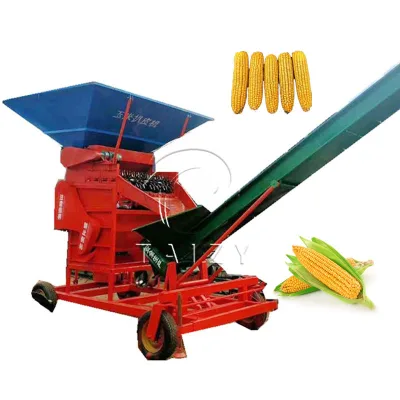
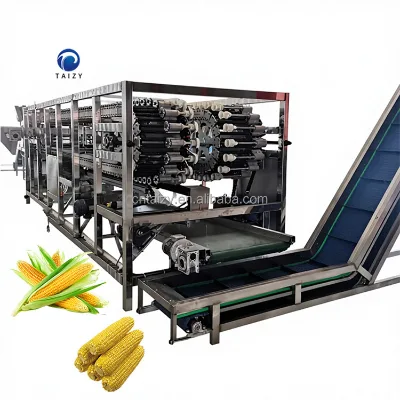
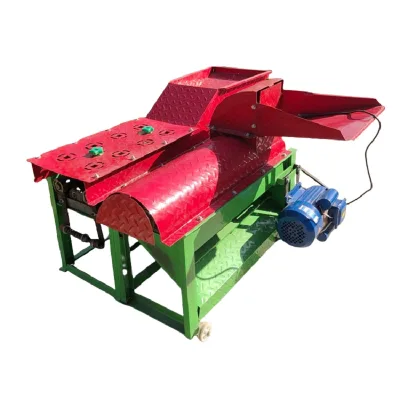
Farm Fresh Sweet Corn Peeler Maize Peeling Machine
$28900.00 - $38000.00
Henan Penghui Machinery And Equipment Co., Ltd.
- Trading Company
- Lead time旺季: "1 - 1":7,"> 1":"To be negotiated", 淡季: "1 - 1":7,"> 1":"To be negotiated"
- Avg. response≤ 2h
Main productsPastry Machinery, Food Machinery, Agriculture Machinery, Textile Machinery, Plastic Machinery

Zhangjiagang Genyond Machinery Co., Ltd.
- Verified by CTI
- Combined
- China Jiangsu
- Lead time30 days
- Avg. response≤ 12h
Main productsEssential Oil Distiller, Solvent Extraction Machine, Milk Processing Machine, Fruit Vegetable Processing Machine, Nuts Processing Machine, Filling Machine, Packing Machine, Fish Meat Processing Machine, Snack Food Making Machine
Main marketsSouth America,Africa,Others(foreignTradeCapacity.exportBusinessCapacityMarketOther),Southeast Asia/ Mideast,East Asia(Japan/ South Korea),Domestic,Europe,Australia,North America

Shanghai Genyond Technology Co., Ltd.
- Verified by CTI
- Combined
- China Shanghai
- Lead time30 days
- Avg. response≤ 10h
Main productsEssential Oil Machine, Drying Machine, Fruit Juice Machine, Fruit Jam Machine, Milk Machine, Fruit Chips Machine, Filling Packing Machine, Evaporator, Yogurt Machine, Ice Cream Machine
Main marketsSouth America,Africa,Others(foreignTradeCapacity.exportBusinessCapacityMarketOther),Southeast Asia/ Mideast,East Asia(Japan/ South Korea),Domestic,Europe,Australia,North America
Henan Daheng Machinery CO., LTD.
- Trading Company
- Henan, China
- Lead time3 days
- Avg. response≤ 5h
Main productsFood Machine,Farm Machine,Packaging Machine,Coal and Charcoal Briquette Machine,Plastic Recycling Machine
Main marketsAfrica(30.00%), South America(25.00%), Domestic Market(15.00%), Mid East(8.00%), Eastern Asia(5.00%), Southeast Asia(3.00%), Eastern Europe(2.00%), South Asia(2.00%), Southern Europe(2.00%), Northern Europe(2.00%), Western Europe(2.00%), North America(2.00%), Oceania(2.00%)

Shandong Vertex Machinery Equipment Co., Ltd.
- Trading Company
- China Shandong
- Lead time0 days
- Avg. response≤ 6h
Main productsRice Mill Machine, Rice Mill, Maize Flour Mill, Maize Flour Milling Machine, Corn Flour Mill, Corn Flour Milling Machine, Wheat Flour Mill, Wheat Flour Milling Machine, Grain Dryer, Grain Silo

Zhengzhou Runxiang Machinery Equipment Co., Ltd.
- Verified by TUVRHEINLAND
- Trading Company,Manufacturer/Factory
- China Henan
- Lead time15 days
- Avg. response≤ 5h
Main productsFeed Pellet Machine, Nut Processing Machine, Briquette Processing Machine, Grinder Crusher Machine, Dryer Machine, Construction Machine
Main marketsSouth America,Eastern Europe,Mid East,North America,Southeast Asia,Eastern Asia,Oceania,Western Europe,Africa

Tianjin Sure International Trading Co., Ltd.
- Verified by SGS
- Combined
- China Tianjin
- Lead time30 days
- Avg. response≤ 3h
Main productsFood Processing Machinery, Refrigeration & Heat Exchange Equipment, Agricultural & Food Processing Machinery, Meat Processing Machinery, Vegetables & Fruits Processing Line, Bakery Machinery, Quick-Freezing Equipments
Main marketsSouth America,Europe,North America

Zhengzhou Hento Machinery Co., Ltd.
- Verified by SGS
- Trading Company,Manufacturer/Factory,Group Corporation
- China Henan
- Lead time15 days
- Avg. response≤ 7h
Main productsMeat Processing Machinery, Egg Processing Machinery, Dairy Processing Machinery, Fruit & Vegetable Processing Machinery, Grain Product Making Machines, Snack Machines, Nuts Processing Machinery, Packing Machines, Drying Machines, Commodity Making Machines
Main marketsSouth America,Eastern Europe,Mid East,North America,Southeast Asia,Eastern Asia,Oceania,Western Europe,Africa

Shandong Enming Building Materials Co., Ltd.
- Trading Company,Manufacturer/Factory
- China Shandong
- Lead time45 days
- Avg. response≤ 5h
Main productsRoofing Tiles, Roof Tiles, Stone Coated Roof Tile, Bond Tile, Stone Coated Metal Roof Tile, Shingle Tile, Roman Tile, Wood Tile, Milan Tile, Rainbow Tile
Main marketsSouth America,Mid East,Southeast Asia,Eastern Asia,Africa
ZHE CHENG HONGXIN MACHINRERY FACTORY
- Verified by TüVRheinland
- Manufacturer, Trading Company
- Lead time15 days
- Avg. response≤ 3h
Main productsIntestine Case Cleaning Machine, Sesame Peeling Machine, Cardboard Expanding Shredder Machine, Flax Brake, Grain Thresher Machine
Main marketsNorth America(20%), Southeast Asia(20%), Africa(20%)
Jiaozuo Zhoufeng Machinery Co., Ltd.
- Trading Company
- Henan, China
- Lead time5 days
- Avg. response≤ 9h
Main productsFood machine,Farm machine,environmental protection machine,Home use machine,Biomass briquette production line
Main marketsMid East(10.00%), South Asia(10.00%), Africa(10.00%), Southeast Asia(10.00%), Domestic Market(10.00%), Central America(10.00%), North America(10.00%), South America(8.00%), Eastern Asia(7.00%), Northern Europe(5.00%), Western Europe(5.00%), Oceania(2.00%), Eastern Europe(2.00%), Southern Europe(1.00%)
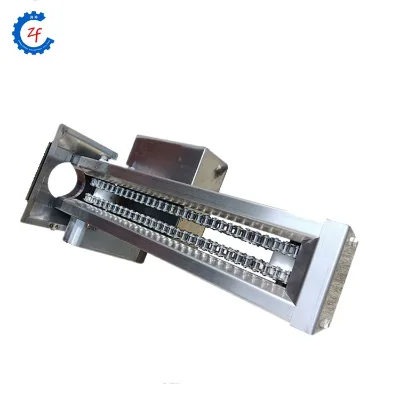
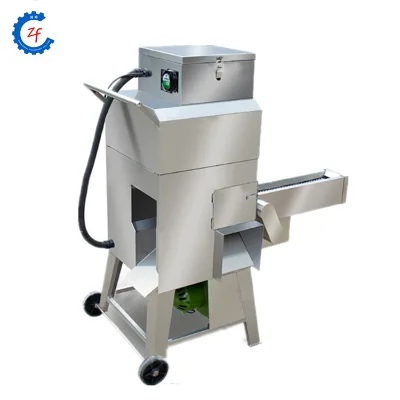
Electric Fresh Corn Grain Machine Sweet Corn Peeler Commercial Fresh Maize Sheller
$4761.1673
MOQ: 1 Minimum

Zhengzhou Sunshine Machinery Co., Ltd.
- Trading Company,Manufacturer/Factory
- China Henan
- Lead time15 days
- Avg. response≤ 2h
Main productsOil Processing Machine, Grain Processing Machine, Nut Processing Machine, Fruit/Vegetable Processing Machine, Food Machine, Briquette Making Machine, Moisture Meter, Dewatering Machine, Food Machinery, Food Processor
Main marketsSouth America,Eastern Europe,Mid East,North America,Southeast Asia,Eastern Asia,Oceania,Western Europe,Africa
- Trading Company
- Jilin, China
- Lead time10 days
- Avg. response≤ 2h
Main productsStorage box,Gardening supplies,Metal Crafts,lunch Box,Christmas Decorations
Main marketsDomestic Market(20.00%), North America(20.00%), South Asia(10.00%), Northern Europe(10.00%), Western Europe(10.00%), Eastern Asia(10.00%), Eastern Europe(10.00%), South America(5.00%), Southern Europe(5.00%)
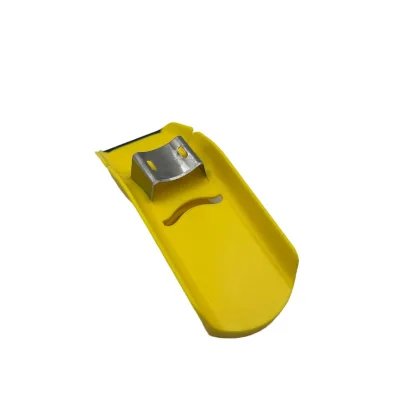
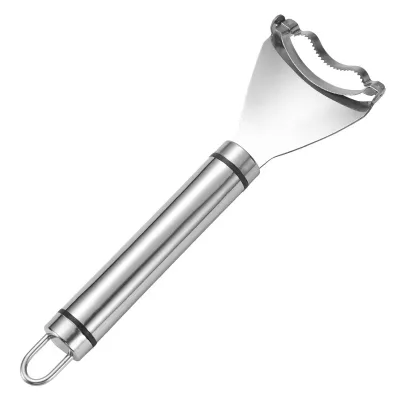
Quick Corn Kernel Cutter Tool Fast Corn Cob Separator Corn Peeler on the Cob
$1.2951 - $1.448
MOQ: 100 pieces

Multifunctional Corn Peeler Best Corn Stripper Corn Kernel Cutter Ginger Grater
$2.3729 - $3.0804
MOQ: 48 pieces

Zhengzhou Xiangkun Machinery Co., Ltd.
- Verified by TUVRHEINLAND
- Trading Company
- China Henan
- Lead time0 days
- Avg. response≤ 3h
Main productsFood Puffing Machine, Fruit and Vegetable Washer, Seasoning Machine, Meat Processing Machine, Nut Processing Line, Food Processing Machine, Oil Press, Pitting Machine, Cashew Processing Machine
Ningbo Partner Leisure Products Co., Ltd.
- Trading Company
- Zhejiang, China
- Lead time0 days
- Avg. response≤ 8h
Main productspet supplies,cooker,kitchen accessories,egg incubator,storage box
Main marketsNorth America(80.00%), South America(15.00%), Eastern Europe(5.00%)
Taian Mingyi Machinery Equipment Co., Ltd.
- Manufacturer, Trading Company
- Shandong, China
- Lead time0 days
- Avg. response≤ 2h
Main productsWalking Tractor,Chaff Cutter,Crops Harvester,Power tiller,Crops Thresher
Main marketsAfrica(20.00%), Eastern Asia(10.00%), Mid East(10.00%), North America(10.00%), Southeast Asia(10.00%), Eastern Europe(10.00%), South Asia(10.00%), South America(5.00%), Northern Europe(5.00%), Central America(5.00%), Western Europe(5.00%)
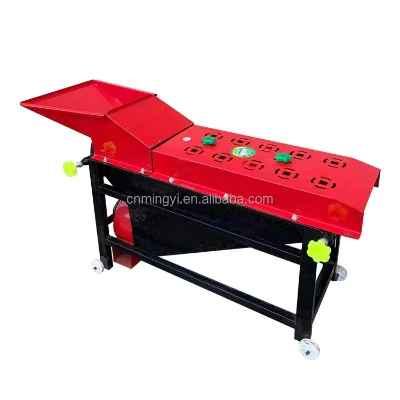
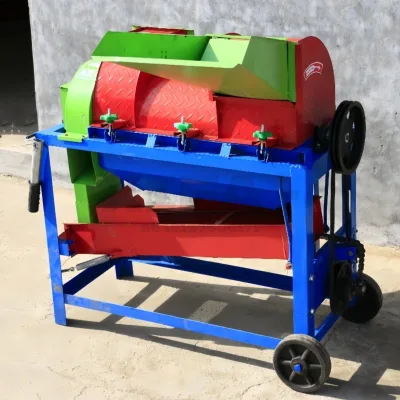
High Quality Electric Corn Peeling and Milling Machine Corn Peeler Machine Peeling
$254.80 - $285.6225
MOQ: 1 sets
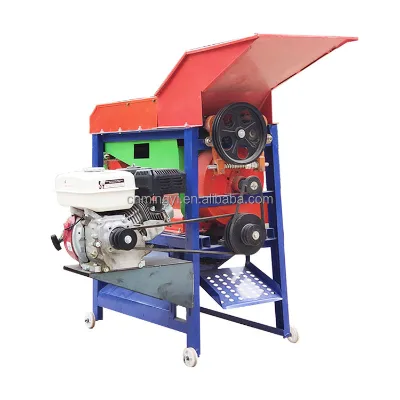

Henan Vanmay Industry Co., Ltd.
- Verified by BV
- Trading Company
- China Henan
- Lead time15 days
- Avg. response≤ 6h
Main productsGrinding Machine, Feeding Machine, Rice Mill Machine, Animal Feed Pellet Machine, Grain Grinding/Grinder Machine, Chaff Cutter Machine, Corn/Wheat/Beans Harvester Machine, Corn/Paddy/Millet/Sorghum Thresher Machine, Silage Baler & Wrapper Machine, Animal Feed Mixer Machine
Main marketsSouth America,Africa,Others(foreignTradeCapacity.exportBusinessCapacityMarketOther),Southeast Asia/ Mideast,Europe,North America

Luohe Quality Mechanical Equipment Co., Ltd.
- Verified by SGS
- Manufacturer/Factory
- China Henan
- Lead time23 days
- Avg. response≤ 5h
Main productsJuice Extractor, Sausage Making Machine, Pita Bread Machine, Biscuit Making Machine
Main marketsSouth America,Eastern Europe,North America,Eastern Asia,Western Europe

Zhengzhou Lerford Machinery Equipment Co., Ltd.
- Verified by SGS
- Trading Company
- China Henan
- Lead time15 days
- Avg. response≤ 5h
Main productsPellet Machine, Packing Machine, Vegetable Processing Machine, Fruit Washing Machine, Dryer Machine, Briquette Machine, Toothpick Machine, Snack Machine, Oil Press, Potato Chips Machine
Main marketsSouth America,Africa,Others(foreignTradeCapacity.exportBusinessCapacityMarketOther),Europe,North America
Zhengzhou Caleb Machinery Co., Ltd.
- Verified by SGS Group
- Trading Company
- Lead time10 days
- Avg. response≤ 1h
Main productsAgricultural Machinery, Harvesting Machine, TMR Mixer, Silage Machine, Food Machinery
Main marketsSoutheast Asia(25%), North America(20%), Western Europe(15%)
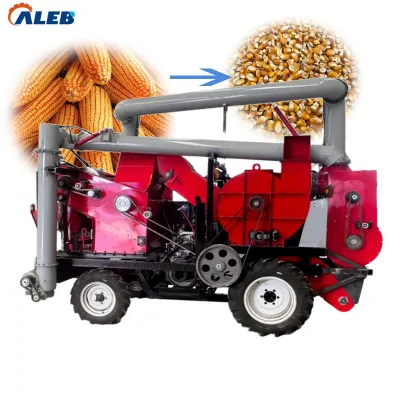
Professional Corn Peeler and Thresher Machine Self Propelled Corn Threshing Machine
$12680.00 - $13040.00
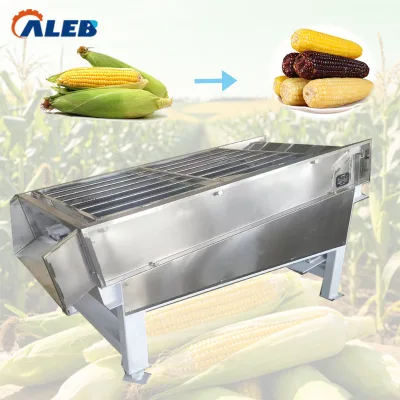
Commercial Fresh Corn Peeling Machine for Sweet Corn Processing Factory
$1980.00 - $2560.00
Henan Xifa Network Technology Co., Ltd.
- Verified by Intertek
- Manufacturer, Trading Company
- Lead time7 days
- Avg. response≤ 1h
Main productsAnimal Cages, Tractors, Feed Processing Machinery, Excavators
Main marketsNorth America(20%), Domestic Market(20%), Africa(15%)

Shandong Qufu Taifeng Mechanical Equipment Co., Ltd.
- Verified by SGS
- Combined
- China Shandong
- Lead time15 days
- Avg. response≤ 6h
Main productsShredder, Crushing Machine, Plastic Shredder, Wood Crusher, Stone Hammer Mill, Jaw Crusher, Ball Mill, Wood Pellet Mill, Hydraulic Baler, Feed Pellet Machine
Main marketsAfrica,Southeast Asia/ Mideast,Europe


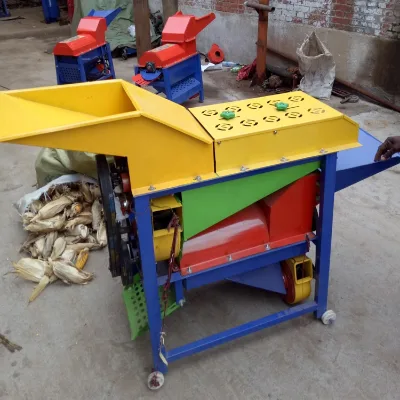


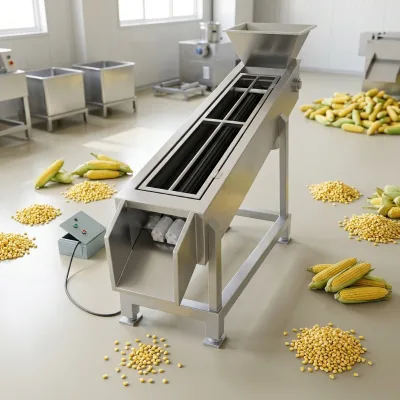
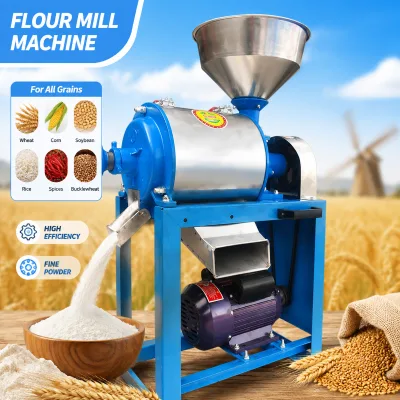


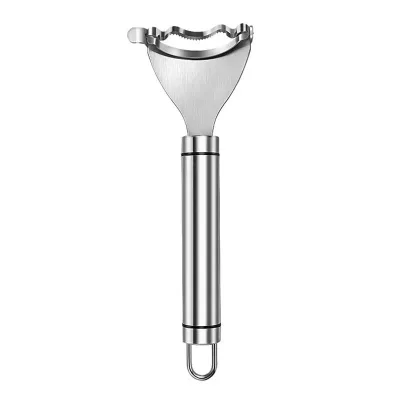




Comprehensive Sourcing Guide
CE Certified Corn Peeler Supplier Concentration and Factory Types
The current supplier landscape for corn peeling machinery reveals a diverse mix of company structures, primarily dominated by trading companies and combined entities that offer broad industrial portfolios. Many suppliers list main products that extend far beyond agricultural equipment, including snack frying machines, fruit and vegetable washing lines, and even textile or plastic machinery. This indicates that a significant portion of the market consists of generalist trading firms rather than specialized manufacturers. Buyers should be aware that these trading companies often aggregate products from various factories, which can impact the depth of technical support and customization capabilities available for specific corn peeling needs. The presence of combined companies suggests a hybrid model where some entities may have direct manufacturing ties while others rely on external partners. Understanding this distinction is crucial for evaluating whether a supplier can provide the specialized engineering required for high-efficiency corn peeling operations or if they are merely facilitating a transaction.
Verification statuses vary across the platform, with some suppliers holding TüV Rheinland certifications and others displaying CTI verification marks. These third-party verifications provide a layer of trust regarding the business legitimacy and operational stability of the supplier. However, the absence of specific manufacturing facility audits in the visible data means buyers must dig deeper to confirm if the supplier actually owns the production lines or simply resells them. The diversity in company types means that sourcing strategies must adapt; specialized factories might offer better technical customization for unique corn varieties, while trading companies might provide better logistical flexibility and a wider range of complementary equipment like packing machines. Buyers need to assess whether their priority is technical specialization or supply chain convenience when navigating this mixed supplier environment.
How to Verify CE Certified Corn Peeler Suppliers
Verifying the authenticity of CE certification is a critical step when sourcing corn peeling machinery, as the CE mark indicates compliance with European health, safety, and environmental protection standards. Buyers should request the actual CE declaration of conformity and cross-reference it with the supplier’s provided documentation. While some suppliers explicitly list CE certification in their system attributes, others may not display it prominently, requiring direct inquiry. It is essential to confirm that the certification covers the specific model of the corn peeler being purchased, as certifications are often model-specific and may not apply to all variations of a product line. Additionally, buyers should check for other relevant certifications such as ISO 9001, which indicates a quality management system, although not all suppliers display this credential. The presence of a machinery test report is another positive indicator, suggesting that the supplier conducts quality checks before shipment.
Beyond certifications, buyers should verify the supplier’s response time and lead time to gauge their operational efficiency. Suppliers with faster response times, such as those indicating a response within a few hours, are often more engaged and reliable in handling inquiries and resolving issues. Lead times can vary significantly, with some suppliers offering standard delivery windows while others require negotiation, especially during peak seasons. Buyers should also look for suppliers who provide video outgoing inspections and machinery test reports, as these provide tangible evidence of the product’s condition and functionality before it leaves the factory. The availability of online support for after-sales service is another key factor, ensuring that technical assistance is accessible if issues arise post-purchase. By combining certification verification with operational metrics, buyers can build a more comprehensive profile of supplier reliability and capability.
What to Compare Across CE Certified Corn Peeler Suppliers
When comparing suppliers, buyers should focus on key operational metrics such as lead time, minimum order quantity (MOQ), and production capacity to ensure alignment with their business needs. Lead times can range from standard seven-day windows to longer periods requiring negotiation, particularly for larger orders or during peak manufacturing seasons. Understanding these timelines is vital for inventory planning and ensuring that production schedules are not disrupted. MOQs are often flexible, with many suppliers offering a minimum order of just one set, which is beneficial for small-scale operations or trial orders. However, buyers should also consider the production capacity of the machinery itself, which can vary from 600-700 kg/h for smaller units to over 12,000 pieces/h for high-efficiency industrial models. This capacity directly impacts the throughput of the buyer’s processing line and should be matched to their expected volume.
Price ranges and warranty terms are also critical comparison points, with costs varying based on the machine’s complexity, power consumption, and material quality. Prices for corn peelers can range from a few thousand dollars for basic models to over thirty thousand dollars for large-scale industrial units with advanced features like stainless steel construction and high dehusking efficiency. Buyers should evaluate the warranty period, which is typically one year, and compare the scope of after-sales support provided, such as online assistance or on-site installation. Additionally, the core components of the machine, such as the motor and gear systems, should be assessed for quality and durability. Suppliers offering detailed specifications, including voltage requirements and dimensions, allow for better integration planning. By systematically comparing these attributes, buyers can identify the supplier that offers the best balance of cost, performance, and support for their specific requirements.
Common CE Certified Corn Peeler Sourcing Risks
One of the primary risks in sourcing corn peeling machinery is the potential mismatch between advertised specifications and actual performance, particularly regarding processing efficiency and breakage rates. Buyers must carefully review the dehusking efficiency and silk removal rates, which can vary significantly between models. For instance, some machines boast a 98% dehusking efficiency with a low breakage rate, while others may not provide such detailed metrics. Without verified test reports or video inspections, buyers risk investing in equipment that does not meet their quality standards. Additionally, the power consumption and voltage requirements of the machinery must be compatible with the buyer’s facility infrastructure. Mismatches in voltage, such as 220V versus 380V, can lead to operational failures or safety hazards if not properly addressed during the sourcing phase.
Another significant risk is the reliability of after-sales support and the availability of spare parts. While many suppliers offer online support, the effectiveness of this support can vary, and buyers may face challenges in resolving complex technical issues remotely. The warranty period, typically one year, may not cover all potential defects or wear-and-tear issues, leaving buyers vulnerable to unexpected repair costs. Furthermore, the lack of standardized packaging or documentation can lead to logistical complications, such as damage during transit or difficulties in customs clearance. Buyers should also be cautious of suppliers who do not provide clear information about their core components, as inferior motors or gears can lead to premature machine failure. By identifying these risks early and requesting detailed documentation and support guarantees, buyers can mitigate potential disruptions and ensure a smoother procurement process.
CE Certified Corn Peeler Regional Sourcing and Logistics
The geographic location of suppliers plays a crucial role in determining logistics costs and delivery times, with many manufacturers based in regions like Jiangsu, China. This concentration in specific industrial hubs can offer advantages in terms of supply chain efficiency and access to specialized components, but it also means that buyers must account for international shipping complexities. Logistics planning should include considerations for customs clearance, import duties, and the specific packaging requirements of the machinery, which often involve wooden cases to protect sensitive components during transit. Buyers should verify the supplier’s experience with international shipping and their ability to provide necessary documentation, such as commercial invoices and packing lists, to facilitate smooth customs processing. The dimension and weight of the machinery, which can range from 800 kg to over 5,000 kg, also impact shipping costs and the type of freight services required.
Additionally, buyers should assess the supplier’s ability to handle regional logistics challenges, such as port congestion or seasonal shipping delays. Suppliers with established logistics networks may offer more reliable delivery schedules and better rates for bulk shipments. It is also important to consider the installation and commissioning process, which may require on-site technical support from the supplier or their partners. Buyers should clarify whether installation services are included in the price or if they need to be arranged separately. Understanding the regional logistics landscape helps buyers anticipate potential delays and costs, ensuring that their corn processing operations can commence as planned. By integrating logistics planning into the sourcing strategy, buyers can minimize disruptions and optimize the overall efficiency of their supply chain.
CE Certified Corn Peeler Commercial Terms and Order Planning
Effective order planning requires a clear understanding of commercial terms, including payment methods, escrow services, and contract specifics. Buyers should prioritize suppliers who offer secure payment options, such as escrow services, to protect their financial interests until the goods are received and verified. The negotiation of terms should also cover the scope of the warranty, the process for claiming repairs or replacements, and the availability of training for operators. Clear communication regarding these terms helps prevent misunderstandings and ensures that both parties have a shared understanding of their responsibilities. Buyers should also consider the flexibility of the supplier in handling custom orders, as some may offer ODM services or customized packaging to meet specific brand or operational needs.
Furthermore, buyers should plan for the long-term operational costs of the machinery, including energy consumption and maintenance requirements. Machines with higher power ratings, such as those requiring 18.5 kW, will have higher electricity costs, which should be factored into the total cost of ownership. Buyers should also evaluate the supplier’s reputation for providing timely spare parts and technical support, as downtime can significantly impact production efficiency. By carefully reviewing commercial terms and planning for operational expenses, buyers can make informed decisions that align with their budget and strategic goals. This comprehensive approach to order planning ensures that the procurement process is not only cost-effective but also sustainable in the long run, supporting the continuous operation of the corn processing facility.
FAQs
What is the price range for corn peelers?
Prices for corn peeling machines typically range from $3,200 to $38,000 depending on capacity and features. Smaller units start around $3,200, while high-capacity industrial models can exceed $38,000. Buyers should verify specific pricing for their required throughput and configuration needs.
What certifications do these machines have?
Many suppliers offer machines certified with ISO 9001 and CE standards. These certifications ensure compliance with international quality and safety regulations. Buyers should request valid certificates to verify that the equipment meets specific regional requirements before finalizing any purchase agreements.
What is the typical lead time for orders?
Lead times vary significantly, ranging from 7 days for standard items to 30 days for more complex configurations. Some suppliers indicate that larger orders may require negotiation for delivery schedules. Buyers should confirm exact timelines with the supplier before placing orders.
What is the minimum order quantity?
The minimum order quantity is generally one set or unit for most corn peeling machines. This low MOQ allows buyers to test equipment quality before committing to larger volumes. Suppliers typically support single-unit purchases to accommodate diverse business sizes and testing requirements.
How fast do suppliers respond to inquiries?
Response times vary, with some suppliers replying within two hours and others taking up to eleven hours. Faster response rates often indicate higher availability and dedicated support teams. Buyers should prioritize suppliers with quicker response times for smoother communication and faster project initiation.
What warranty is provided for these machines?
Most corn peeling machines come with a one-year warranty covering core components and general functionality. This warranty typically includes support for motor and structural issues. Buyers should review specific warranty terms to understand coverage limits and available after-sales support options.
Where are these machines manufactured?
These machines are primarily manufactured in China, with specific production hubs located in Jiangsu province. This region is known for its industrial machinery manufacturing capabilities. Buyers should verify the exact place of origin to ensure alignment with their sourcing preferences and logistics planning.