Source Nordic Style Nonstick Soup Pot with Glass Cover for Home Hotel Restaurant
Compare 30 listings for the Nordic Style Nonstick Soup Pot with Glass Cover, featuring stainless steel handles, transparent lids, and 4-layer capsuled bottoms. Buyers can evaluate options for home, hotel, and restaurant use with varying capacities and customization availability; compare the available evidence and request quotations based on your requirements.
Updated
Key considerations
Products List

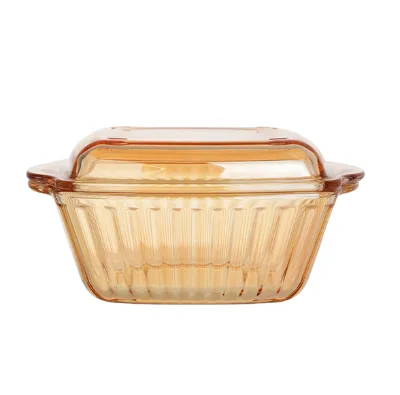
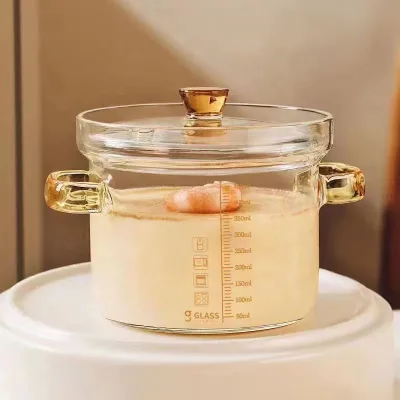
Hot Sale Amber Color Large Soup Glass Pot Cooking Glass Noodles Pot with Cover
$1.35 - $1.78
MOQ: 10000 pieces


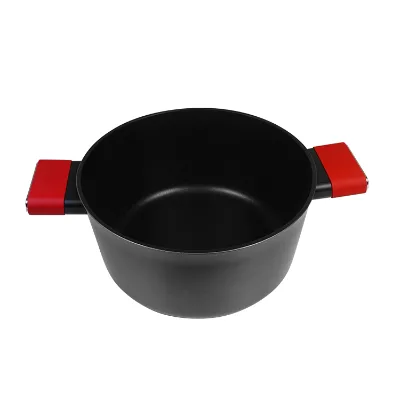
Stainless Steel Kitchenware Cookware Soup Pot Stockpot with Lid Black Double Handle
$5.50 - $14.80
MOQ: 200 Pieces


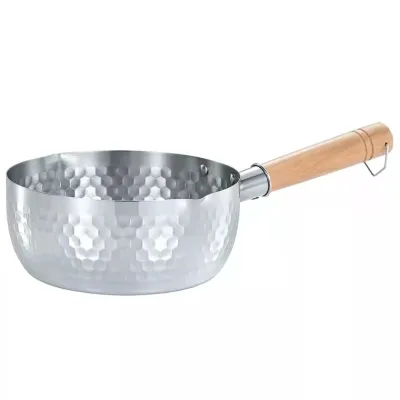
Two Handle Soup Pot Cooking Pot New Style Food Grade SS304 Cooking Pot Set
$3.00 - $10.00
MOQ: 1000 Pieces


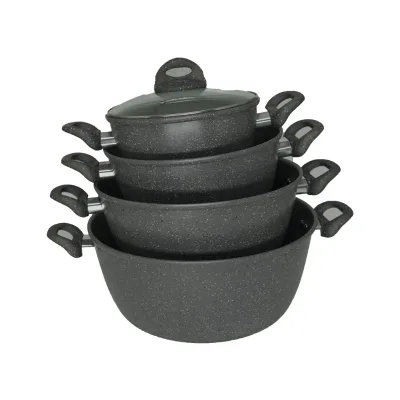
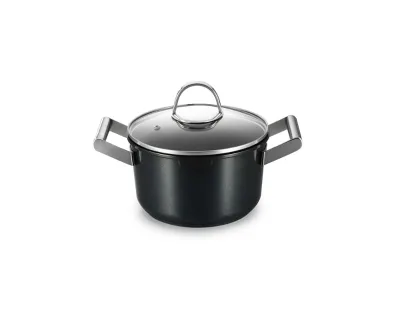
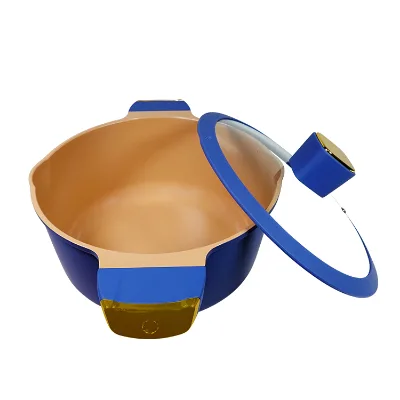


Comprehensive Sourcing Guide
Nordic Style Nonstick Soup Pot with Glass Cover Sourcing Guide
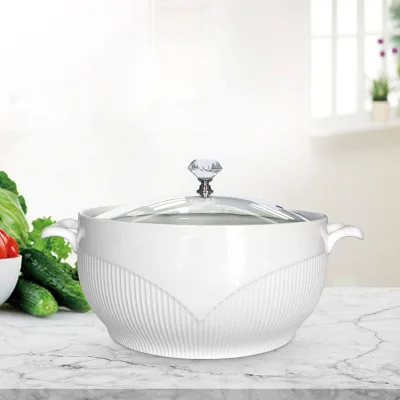
Sourcing Nordic-style cookware requires balancing minimalist aesthetics with functional durability, particularly for soup pots that demand even heat distribution and secure lids. Buyers must distinguish between true nonstick coatings and standard stainless steel finishes, as the visual appeal often masks underlying material differences. The observed market signals indicate a strong presence of stainless steel and glass materials, with specific models featuring transparent glass lids and stainless steel handles. These design elements align with the requested Nordic aesthetic, which prioritizes clean lines and practical visibility during cooking. Procurement teams should verify whether the "nonstick" claim applies to the interior coating or if the product relies on the inherent properties of stainless steel or ceramic layers.
The current listing data reveals a diverse range of pot sets, including models with 4-layer capsuled bottoms and various lid configurations. While some products are explicitly labeled as pot sets, others appear as mug sets or vacuum flasks, indicating a broad supplier catalog that may require careful filtering. The presence of FDA and LFGB certifications suggests that many suppliers adhere to strict food safety standards, which is critical for cookware intended for daily use. Buyers should focus on suppliers who provide clear specifications regarding the bottom construction, as multi-layered bottoms are essential for compatibility with induction cooktops and efficient heat retention. Understanding these material distinctions helps in selecting products that meet both aesthetic preferences and performance requirements.
Product Scope and Observed Listing Signals
The observed product scope encompasses a variety of kitchenware items, with a notable concentration on pot sets and related accessories. Key attributes include stainless steel handles, C-type transparent glass lids, and 4-layer capsuled bottoms, which are critical for the functionality of soup pots. The listings also highlight features such as dishwasher safety, sustainability, and stock availability, which are important for retail and hospitality buyers. However, the data also includes unrelated items like mug sets and vacuum flasks, suggesting that suppliers often list multiple product categories under similar aesthetic themes. Buyers must carefully review product descriptions to ensure they are sourcing actual soup pots rather than beverage containers or other kitchen accessories.
Visual and stylistic attributes play a significant role in the Nordic design appeal, with minimalist styles and matte or transparent finishes being common. The presence of customizable logos and patterns, such as floral or solid designs, indicates that many suppliers offer OEM services for branding purposes. This customization capability is valuable for businesses looking to create unique product lines. Additionally, the observed packaging options, including color boxes and cartons, suggest that suppliers are prepared for both individual retail sales and bulk distribution. Buyers should verify the specific dimensions and capacities of the pots, as sizes ranging from 14-30cm and capacities up to 5.5L are available, allowing for flexibility in product selection based on target market needs.
Technical Specifications to Verify
Technical verification is essential to ensure that the soup pots meet performance expectations, particularly regarding heat conductivity and lid fit. Buyers should confirm the material composition of the pot body, distinguishing between pure stainless steel and multi-layered constructions that may include aluminum or copper cores for improved heat distribution. The 4-layer capsuled bottom mentioned in some listings is a key feature for even heating, but its effectiveness depends on the quality of the bonding and the specific metals used. Additionally, the transparency and heat resistance of the glass lid must be verified, as this component is crucial for monitoring cooking progress without losing steam or heat.
Handle construction and attachment methods are another critical area for technical assessment. Stainless steel handles should be securely riveted or welded to prevent loosening during use, and ergonomic designs should be evaluated for comfort and safety. Buyers should also check the compatibility of the pots with various stove types, including induction, gas, and electric, as this affects the usability in different kitchen environments. The dishwasher-safe attribute is a convenient feature, but it is important to verify if the nonstick coating or glass lid can withstand high-temperature dishwasher cycles without degradation. Clear specifications on these technical aspects help prevent post-purchase issues and ensure long-term product satisfaction.
Compliance and Safety Documentation
Compliance with food safety standards is non-negotiable for cookware procurement, and buyers must request relevant certifications from suppliers. The observed listings mention FDA and LFGB certifications, which are recognized standards for food contact materials in the United States and Europe, respectively. These certifications indicate that the materials used in the pots and lids are safe for repeated contact with food and do not leach harmful substances. Buyers should verify the validity of these certificates and ensure they cover the specific models being purchased, as certifications may not always apply to the entire product range of a supplier.
In addition to food safety, buyers should inquire about compliance with regional standards for cookware durability and performance. For instance, CE marking may be relevant for products sold in the European market, indicating conformity with health, safety, and environmental protection standards. It is also important to check if the nonstick coating, if present, is PFOA-free and meets other regulatory requirements for chemical safety. Documentation such as material safety data sheets (MSDS) and test reports from accredited laboratories can provide further assurance of product safety. Ensuring that all compliance documentation is up-to-date and accessible helps mitigate legal risks and builds consumer trust in the brand.
Cost Drivers and Commercial Terms
Cost structures for Nordic-style soup pots are influenced by material quality, manufacturing complexity, and customization options. Multi-layered bottoms and high-grade stainless steel increase production costs but offer better performance and durability. Customization features, such as logo printing and unique packaging, add to the unit price but can enhance brand value for retailers. Buyers should negotiate based on volume, as observed MOQs range from 100 to 10,000 pieces, allowing for flexibility in order sizes. Understanding the cost breakdown helps in identifying areas where savings can be achieved without compromising quality, such as standardizing packaging or reducing unnecessary customization.
Commercial terms, including payment methods and lead times, are critical for supply chain planning. Buyers should clarify the payment terms, such as T/T or L/C, and ensure they align with their company’s financial policies. Lead times can vary based on production capacity and order volume, so it is important to establish clear timelines for delivery. Additionally, buyers should discuss shipping options and responsibilities, such as FOB or CIF, to determine who bears the risk and cost of transportation. Transparent communication about these commercial terms helps in avoiding unexpected expenses and ensures a smooth procurement process from order placement to delivery.
Supplier Qualification and Quality Control
Supplier qualification involves assessing the manufacturer’s production capabilities, quality management systems, and track record. Buyers should request information about the factory’s certifications, such as ISO 9001, which indicates a standardized approach to quality management. Visiting the factory or conducting third-party audits can provide insights into the production processes and quality control measures in place. It is also important to verify the supplier’s ability to meet specific technical requirements, such as the 4-layer bottom construction or glass lid transparency, through sample testing and inspection.
Quality control procedures should be established before production begins, including pre-production samples and in-line inspections. Buyers should define clear acceptance criteria for product quality, such as dimensional accuracy, material integrity, and finish consistency. Post-production inspections, such as AQL sampling, can help identify defects before shipment. Additionally, buyers should discuss the supplier’s policy for handling defective products and returns, ensuring that there is a mechanism for resolving quality issues. A robust quality control framework minimizes the risk of receiving substandard products and protects the buyer’s reputation in the market.
Long-Term Procurement Checks
Long-term procurement success depends on continuous monitoring of supplier performance and market trends. Buyers should establish key performance indicators (KPIs) to evaluate suppliers on metrics such as on-time delivery, product quality, and responsiveness to issues. Regular reviews of these KPIs help in identifying potential problems early and taking corrective actions. Additionally, buyers should stay informed about changes in material costs, regulatory requirements, and consumer preferences, which can impact product sourcing strategies. Adapting to these changes ensures that the procurement process remains efficient and aligned with business goals.
Building a strong relationship with suppliers is also crucial for long-term collaboration. Open communication and mutual trust can lead to better pricing, priority production, and access to new product innovations. Buyers should engage in regular dialogues with suppliers to discuss future needs and explore opportunities for product development. Furthermore, diversifying the supplier base can reduce dependency on a single source and mitigate supply chain risks. By maintaining a proactive approach to supplier management, buyers can ensure a stable and reliable supply of Nordic-style soup pots that meet their quality and aesthetic standards.
FAQs
What certifications do the soup pots have?
The soup pots hold FDA and LFGB certifications to ensure food safety standards. These certifications confirm the materials meet international safety requirements for kitchenware. Buyers can rely on these verified standards when selecting products for commercial or home use in various regions.
Can I customize the logo on the pots?
Yes, customized logos are acceptable for these stainless steel and glass pot sets. Buyers can request specific branding to be applied to the product surface. This customization option allows businesses to create unique branded kitchenware for their specific marketing needs.
What is the minimum order quantity for these pots?
The minimum order quantity varies between 100 and 1000 pieces depending on the specific model selected. Some listings require 1000 pieces while others accept orders starting at 100 pieces. Buyers should verify the exact MOQ for their chosen model before placing an order.
Are these pots suitable for all stovetops?
Yes, the pots feature a 4-layer capsuled bottom designed for use on all-purpose stoves. This construction ensures even heat distribution across various cooking surfaces. The design supports efficient cooking performance whether used on gas, electric, or induction cooktops.
What materials are used to make these pots?
The pots are constructed from stainless steel and glass materials for durability and visibility. The handles are made of stainless steel or can be customized to buyer specifications. This combination provides a sturdy structure while allowing users to monitor food cooking through the transparent glass lid.
How large is the capacity of the soup pots?
The available capacity ranges from 4.5 liters to 5.5 liters for the larger models. This size is suitable for serving multiple people in home or restaurant settings. Buyers can choose the specific capacity that best fits their intended usage volume and serving requirements.
Is the packaging suitable for international shipping?
The products are packed in color boxes and cartons designed for safe transport. Each unit is individually wrapped to prevent damage during transit. This packaging ensures the pots arrive in pristine condition regardless of the shipping distance or handling conditions involved.