Eco Friendly Pie Baking Mold Suppliers and Manufacturers
Compare 36 verified suppliers offering Eco Friendly Pie Baking Mold with dimensions like temperature range and material. Review response times, lead times, and certifications to source sustainable bakeware efficiently; review the available evidence before requesting comparable quotations from suitable candidates.
Updated
Suppliers List

Yongkang M&U Industry And Trade Co., Ltd.
- Manufacturer, Trading Company
- Zhejiang, China
- Lead time45 days
- Avg. response≤ 2h
Main productsSilicone Kitchenware, Silicone Bakeware, Silicone Ice Mold, Silicone Pet Supplies, Stanless Steel Kitchen Utensils
Main marketsEastern Asia(80.00%), North America(10.00%), Western Europe(5.00%), Eastern Europe(2.00%), Domestic Market(2.00%), Northern Europe(1.00%)
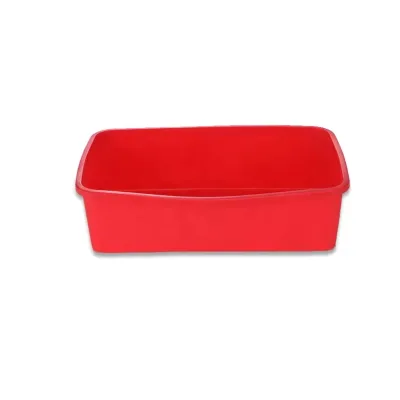
Food Grade Eco-friendly Silicone Cheese Bread Toast Rectangular Sustainable Cake Baking Mold
$0.742 - $0.9579
MOQ: 1 pieces
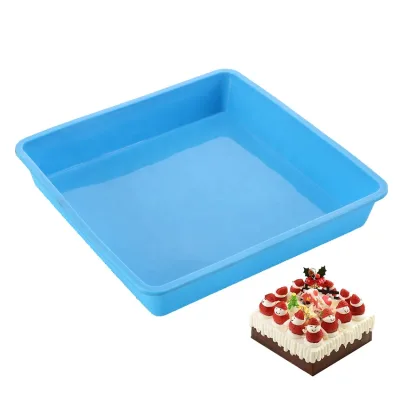
Non-Stick Silicone Square Baking Pan Eco-Friendly Cheese Cake Brownie Mold
$0.85 - $1.06
MOQ: 1000 pieces
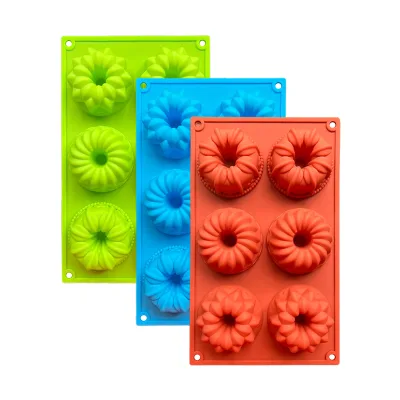
6-Cavity Eco-Friendly Silicone Pastry Mold Donut Cake Biscuit Baking Sustainable Tray Moulds
$0.808 - $1.0238
MOQ: 1 pieces
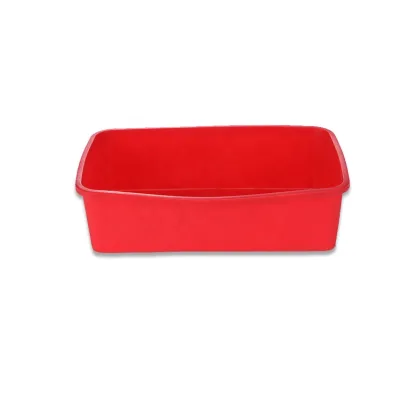
Food Grade Non-Stick Silicone Rectangle Cake Mold Eco-Friendly Sustainable Cake Baking Tool
$0.72 - $0.93
MOQ: 1000 pieces
Hangzhou Bangyun Lianyue Trading Co., Ltd.
- Verified by Intertek
- Trading Company
- Lead time15 days
- Avg. response≤ 4h
Main productsStainless Steel Mesh Leak, Vegetable Chopper, Cake Mould, Cake Pan
Main marketsMid East(30%), Eastern Europe(20%), North America(15%)

Guangdong Tangshihoa Industry and Trade Co., Ltd.
- Verified by TUVRHEINLAND
- Combined
- China Guangdong
- Lead time23 days
- Avg. response≤ 9h
Main productsCake Decoration
Main marketsSoutheast Asia/ Mideast

HEFEI LONG RIVER ELECTRICAL CO., LTD.
- Trading Company
- China Anhui
- Lead time23 days
- Avg. response≤ 7h
Main productsDoorbell, Alarm, LED Sensor Bulb, Cable Ties, Cable Clips, Dry Cell, School Bell, Fire Bell, LED Bulb
Main marketsSouth America,Eastern Europe,Mid East,North America,Southeast Asia,Eastern Asia,Oceania,Western Europe,Africa


Non Stick Carbon Steel 0.4mm Round Springform Cake Baking Mold with Cover
$2.50 - $3.10
MOQ: 2000 Pieces


Yangjiang Golden View Economic Trading Co., Ltd.
- Verified by Intertek
- Manufacturer, Trading Company
- Lead time45 days
- Avg. response≤ 4h
Main productsKitchen Utensil, Bakeware, Ice Mold, Kitchen Gadgets, Baking Tools
Main marketsNorth America(35%), Oceania(15%), Western Europe(15%)
Guangzhou Yabei Hotel Supplies Co., Ltd.
- Verified by Intertek
- Trading Company
- Lead time30 days
- Avg. response≤ 2h
Main productsCake Mould, Nozzle Tips
Main marketsNorth America(26%), Eastern Europe(26%), South America(25%)

Wuxi Hongbei Bakeware Co., Ltd.
- Verified by SGS
- Trading Company,Manufacturer/Factory
- China Jiangsu
- Lead time23 days
- Avg. response≤ 15h
Main productsSheet Pan, Hamburger Bun Pan, Loaf Pan, Baguette Pan, Bakery Trolley, Pizza Pan, Cake Mold, Cooling Rack, Bakery Machine, Convection Oven
Main marketsSouth America,Eastern Europe,North America,Western Europe


600X400mm 27 Cavities Non-Stick Custom Croissant Bakery Pan Bread Baking Mold
$15.70 - $17.00
MOQ: 100 Pieces

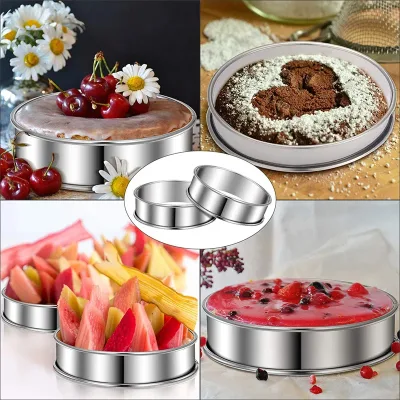
Hotel Restaurant Bakery Tools Round Aluminum Cake Baking Mold/Mould Pizza Pan
$3.50 - $5.00
MOQ: 10 Pieces

Ningbo Maxtor Houseware Manufacturing Co., Ltd
- Trading Company
- China Zhejiang
- Lead time30 days
- Avg. response≤ 11h
Main productsAluminum Pressed Cookware, Aluminum Forged Cookware, Full Induction Cookware, Fire Pit, Tri-Ply Stainless Steel Cookware, Stone Marble Cookware, Hard Anodized Cookware, Pressure Cooker
Main marketsSouth America,Africa,Southeast Asia/ Mideast,East Asia(Japan/ South Korea),Domestic,Europe,Australia,North America

Round Sandwich Cutting Mold Baking Tool Cake Cookie Toast Sandwich Pocket Bread Mold
$0.81 - $0.88
MOQ: 1 set

Yongkang Guangxiao Trade Co., Ltd.
- Verified by Intertek
- Trading Company
- Lead time45 days
- Avg. response≤ 7h
Main productsBakeware Set, Cookware Set, Pan, Wok, Pot
Main marketsNorth America(20%), Western Europe(20%), Eastern Europe(20%)
Yiwu Konvini Homeware Co., Ltd.
- Verified by TüVRheinland
- Trading Company
- Lead time7 days
- Avg. response≤ 2h
Main productsStainless Steeel Thermos Bottle, Stainless Steel Coffee Cup, Glass Cup, Plastic Sports Water Bottle
Main marketsNorth America(50%), South America(10%), Eastern Europe(10%)
- Manufacturer, Trading Company, Distributor/Wholesaler
- Guangdong, China
- Lead time10 days
- Avg. response≤ 3h
Main productsBaking Equipment,Food Machiner,Kitchenware,Baking Tools,Kitchen Equipment
Main marketsMid East(30.00%), Africa(20.00%), Central America(10.00%), Eastern Asia(10.00%), North America(10.00%), South America(10.00%), Southeast Asia(10.00%)

Xiamen Zhongying Electronic Technology Co., Ltd.
- Verified by SGS
- Combined
- China Fujian
- Lead time15 days
- Avg. response≤ 7h
Main productsPlastic Products, Rubber Ring, Sealing Ring, Gasket
Main marketsSoutheast Asia/ Mideast,Australia,North America


Food Grade Silicone Bread Toast Baking Mold Eco-Friendly Kitchen Bakeware
$0.55 - $0.68
MOQ: 200 Pieces


Dongguan Kerun Rubber Products Co., Ltd.
- Verified by TUVRHEINLAND
- Combined
- China Guangdong
- Lead time15 days
- Avg. response≤ 4h
Main productsSilicone Baby Products, Silicone Kitchenware, Silicone Watch Band, Silicone Mold, Silicone Baking Supplies, Silicone Pet Supplies, Silicone Promotion Gifts, Rubber Product, Silicone Teether, Silicone Feeding Set
Main marketsDomestic


Silicone Cake Mold, DIY Baking Tool, Silicone Rectangular Toast Mold, Long Loaf Cake Mold
$0.53 - $0.58
MOQ: 100 Pieces
Yangjiang Huanhong Hardware Co., Ltd.
- Manufacturer
- Guangdong, China
- Lead time40 days
- Avg. response≤ 3h
Main productsKitchen Tools,Kitchenware,Kitchen Knife,Kitchen Utensils,BBQ tool
Main marketsWestern Europe(11.11%), Eastern Asia(11.11%), Mid East(11.11%), Oceania(11.11%), Africa(11.11%), Southeast Asia(11.11%), Eastern Europe(11.11%), South America(11.11%), North America(11.11%)

YONGKANG HOMESHINE SILICONE PRODUCTS CO., LTD.
- Combined
- China Zhejiang
- Lead time23 days
- Avg. response≤ 25h
Main productsGlass Lid
Main marketsSouth America,East Asia(Japan/ South Korea),Domestic,Europe,North America


$0.75 - $0.85
MOQ: 1500 Pieces

Guangzhou HY Plastic Co., Ltd.
- Manufacturer, Trading Company, Distributor/Wholesaler
- Guangdong, China
- Lead time5 days
- Avg. response≤ 3h
Main productschocolate mold,cake mold,soap mold,candle mold,cake tools
Main marketsNorth America(30.00%), Eastern Europe(25.00%), Oceania(10.00%), Africa(5.00%), Southeast Asia(5.00%), Northern Europe(5.00%), South America(5.00%), Western Europe(4.00%), South Asia(3.00%), Southern Europe(3.00%), Mid East(3.00%), Domestic Market(1.00%), Eastern Asia(1.00%)

Jinjiang Jiaxing Import and Export Co., Ltd.
- Verified by CTI
- Manufacturer/Factory
- China Fujian
- Lead time120 days
- Avg. response≤ 2h
Main productsShoes, Slipper, Clothes, Promotion Gifts, Silicone Products, Outdoor Sports Products, Bags, Fashion Accessories, Consumer Electronics
Main marketsSouth America,Eastern Europe,Mid East,North America,Southeast Asia,Eastern Asia,Oceania,Western Europe,Africa

Kangde Electronic Technology (Guangdong) Co., LTD
- Verified by TUVRHEINLAND
- Combined
- China Guangdong
- Lead time30 days
- Avg. response≤ 1h
Main productsPlastic Injection Mould, Auto Plastic Parts, Electronic Plastic Parts, Mobile Phone Housing, Camera Housing, Remoter Housing, Loudspeaker Housing, Plastic Sheets, Smart Sweeper, Hardware
Main marketsEurope
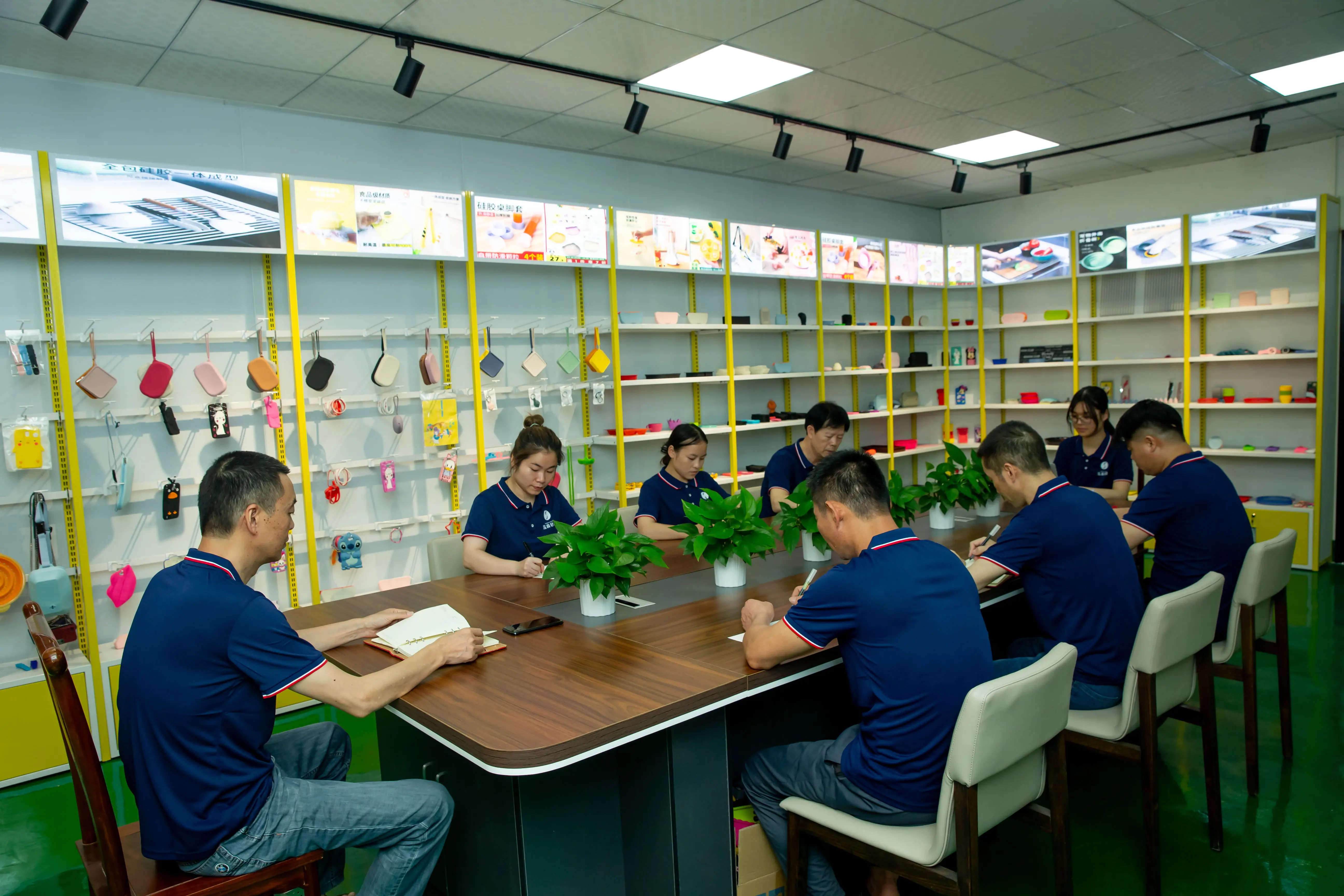
Dongguan Hongsen Silicone Products Co., Ltd.
- Manufacturer
- Guangdong, China
- Lead time15 days
- Avg. response≤ 5h
Main productsSilicone Cosmetic Bag, Silicone Utensil, Silicone Box, Silicone Ice Mold, Silicone Baking Molds
Main marketsDomestic Market(40.00%), North America(30.00%), Eastern Asia(10.00%), Western Europe(7.00%), Oceania(5.00%), Southeast Asia(4.00%), Southern Europe(2.00%), Northern Europe(2.00%)
Xinhua Food Machinery Plant In Huaiyang County
- Verified by Intertek
- Manufacturer, Trading Company
- Lead time5 days
- Avg. response≤ 4h
Main productsBaking Tray
Main marketsNorth America(30%), South America(30%), Southeast Asia(20%)
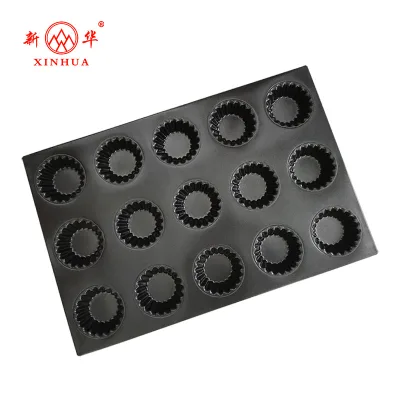
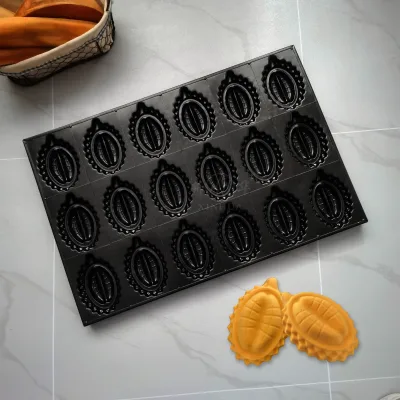
New Arrival Durian Cake Baking Molds Popular Durian Cake Mould Bakery Use Cake Baking Tray
$11.50 - $13.50
MOQ: 1 pieces

JF Sheet Metal Technology Co., Ltd.
- Trading Company
- China Jiangsu
- Lead time23 days
- Avg. response≤ 25h
Main productsIndustrial and Commercial Bakeware Products, Commercial Paper Baking Molds and Paper Baking C, Internal and External Floating Roof Tank Seals
Main marketsSouth America,Eastern Europe,Mid East,North America,Southeast Asia,Eastern Asia,Oceania,Western Europe,Africa

Eco-Friendly Feature Custom Non-Stick Aluminum Alloy Hollow Round Baking Cake Mold
$1.10 - $2.00
MOQ: 100 Pieces

Aluminium Molds Bakeware Tools Cake Pan Round Cheesecake-Removable Bottom Cake Pan
$6.90 - $8.00
MOQ: 100 Pieces

Egg Tart Mold Mini Pie Tin Heat Resistant Non Stick Cake Pan Baking Tool 1 Buyer
$0.30 - $0.70
MOQ: 500 Pieces

$1.10 - $2.00
MOQ: 100 Pieces
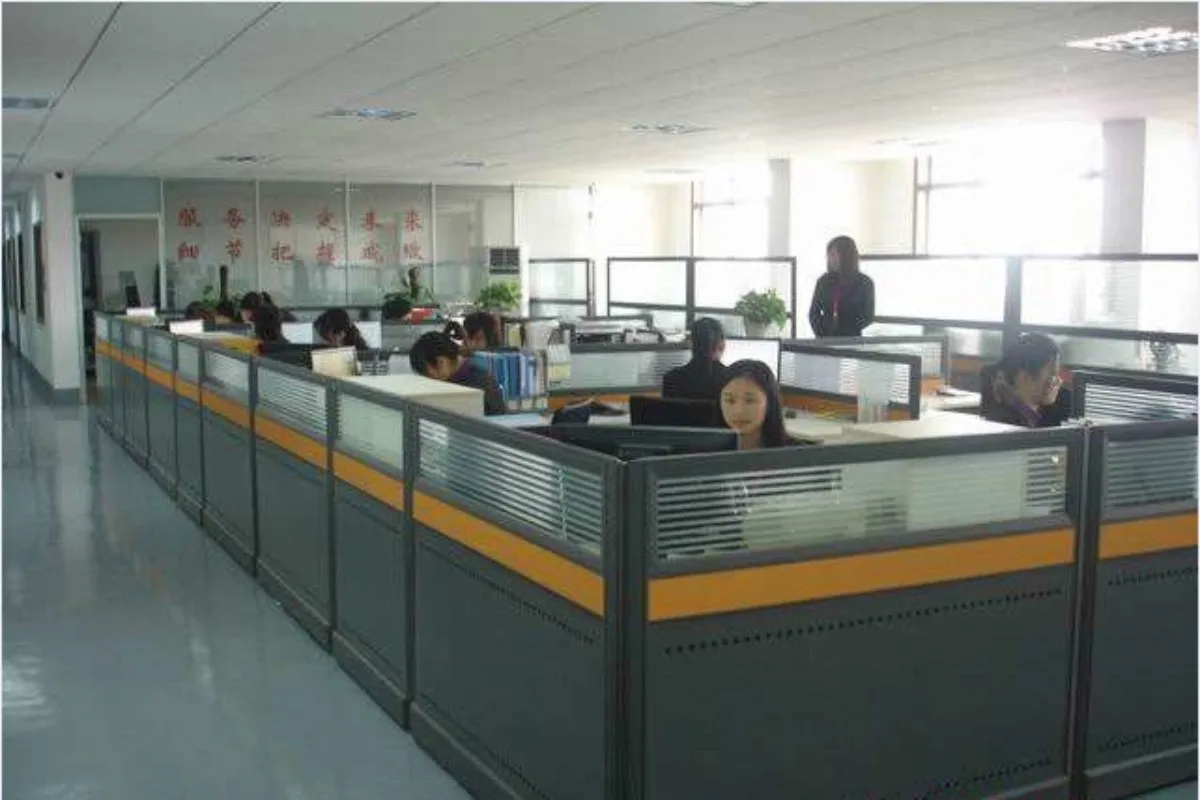
Guangzhou Chenghi Technology Co., Ltd.
- Manufacturer, Trading Company
- Guangdong, China
- Lead time7 days
- Avg. response≤ 3h
Main productsCake decorating tools,baking tools,Kitchen supplies,cake tools
Main marketsDomestic Market(26.00%), North America(15.00%), Western Europe(8.00%), Africa(8.00%), Mid East(8.00%), Eastern Europe(8.00%), Southern Europe(6.00%), Northern Europe(5.00%), South America(5.00%), Southeast Asia(5.00%), South Asia(4.00%), Oceania(1.00%), Eastern Asia(1.00%)
Foshan Shunde Jingyuanfeng Silicone Technology Co., Ltd.
- Manufacturer, Trading Company
- Guangdong, China
- Lead time0 days
- Avg. response≤ 3h
Main productsSilicone Straw, Silicone Glove, Silicone Mat, Silicone Mold, Kitchen Utensil
Main marketsDomestic Market(60.00%), North America(20.00%), Oceania(10.00%), South America(5.00%), Northern Europe(3.00%), Western Europe(2.00%)

Yangjiang C&B Consumer Product Limited
- Verified by CTI
- Trading Company
- China Guangdong
- Lead time15 days
- Avg. response≤ 6h
Main productsBarbecue Tongs, Grilling Brushes, Outdoor Shovel, Grilling Tools, Kitchen Ware, Outdoor Products, Pizza Tools, Knife Set
Main marketsSouth America,Africa,Southeast Asia/ Mideast,Europe,Australia,North America


Disposable Aluminum Foil Baking Cupcake Muffin Mini Tart Pie Molds
$0.0112 - $0.0166
MOQ: 20000 Pieces


Disposable Aluminum Foil Baking Cupcake, Muffin, Pudding, Egg Tart, Pie Mold 2
$0.002 - $0.008
MOQ: 20000 Pieces


Guangdong Shunde SaiChi Technology Co ., Ltd
- Verified by BV
- Combined
- China Guangdong
- Lead time30 days
- Avg. response≤ 18h
Main productsAutomatic Loading Machine
Main marketsDomestic

Wuhan Kenxin Automation Technology Co., Ltd.
- Verified by BV
- Manufacturer/Factory
- China Hubei
- Lead time45 days
- Avg. response≤ 18h
Main productsBakery Production Line, Bread Production Line, Baguette Production Line, Pastel Production Line, Spiral Cooling Tower, Bakery Oven, Swing Proofer, Bakery Machine, Bakery Equipment, Depanner
Main marketsSouth America,Eastern Europe,Mid East,North America,Southeast Asia,Eastern Asia,Oceania,Western Europe,Africa

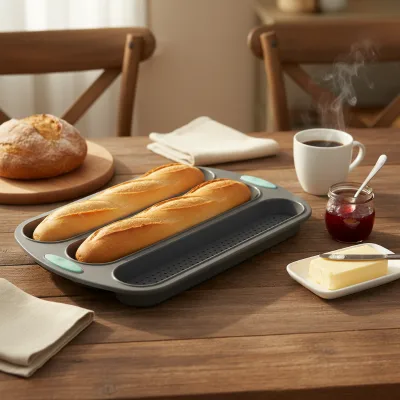
Consistent Bake 6 Slot French Groove Baking Mold for Standard French Pastry Sizes
$30.00 - $45.00
MOQ: 100 Pieces


Jinhua Hengyang Cross-Border Trade Limited Liability Company
- Verified by SGS
- Trading Company
- China Zhejiang
- Lead time15 days
- Avg. response≤ 10h
Main productsCoffee Maker Air Fryer Storage Box Knife Set, Silicone Baking Mold Robot Vacuum Cleaning Table, Shower Head Non-Slip Shower Curtain Vacuum Stora, Collapsible Laundry Basket Bohemian Wall Tapestr, Fringe Pillow Cover Bedding Set Memory Foam Pill, Bamboo Tissue Biodegradable Trash Bags LED Fair, Smart Plug Fairy Lights Pet Food Bowl, Household Daily Necessities Kitchen Cleaning, Bathroom Storage and Care Fabric Home Decor, Bedding Daily Chemical Paper Products
Main marketsEurope
Guangzhou Maisijia Hotel Supplies Co., Ltd.
- Verified by SGS Group
- Trading Company
- Lead time30 days
- Avg. response≤ 5h
Main productsBaking Pan, Cake Stand, Baking Decoration Tools, Baking Paper Products
Main marketsDomestic Market(50%), Southeast Asia(20%), North America(10%)

Taizhou City Huangyan Beiwei Mould Industry Co., Ltd.
- Verified by SGS
- Combined
- China Zhejiang
- Lead time30 days
- Avg. response≤ 4h
Main productsPlastic Mold, Plastic Mould, BMC/SMC/DMC/Gmt Compression Mould, Glass Fiber Mould, Automotive Mould, Motorcycle Mould, Household Plastic Mould, Home Appliance Mould, Injection Mould, Injection Molding
Main marketsAfrica,Others(foreignTradeCapacity.exportBusinessCapacityMarketOther),Southeast Asia/ Mideast,East Asia(Japan/ South Korea),Europe,Australia,North America
Dongguan Achievement Rubber & Plastic Co., Ltd.
- Combined
- China Guangdong
- Lead time23 days
- Avg. response≤ 3h
Main productsSilicone Face Cleanser, Baby Feeder, Silicone Ear Plugs, Silicone Keypad, Silicone Side Cover of Speaker, Silicone Cake Mould, Silicone Oven Gloves, Silicone Utensils, Silicone O Ring, Silicone USB Dust Plug
Main marketsEurope

Tianjin Taiyi Jinhua Aviation Blister Co., Ltd.
- Verified by SGS
- Combined
- China Tianjin
- Lead time15 days
- Avg. response≤ 3h
Main productsCpet Plastic Tray, Cpet Plastic Container, Plastic Sheet, Plastic Film
Main marketsOthers(foreignTradeCapacity.exportBusinessCapacityMarketOther),North America

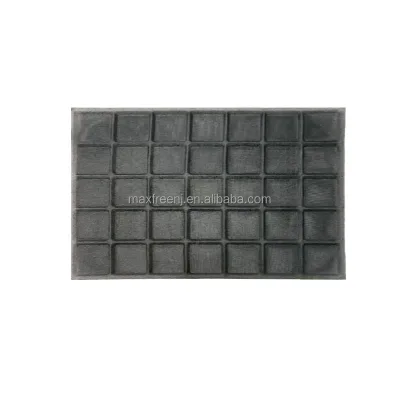
Manufacturer Direct Sales Cpet Black 12 Grid Baking Mold, Cake Bread Special Baking Tray
$0.028 - $0.03
MOQ: 100000 Pieces

Max-Free (nanjing) New Material Co., Ltd.
- Trading Company
- Jiangsu, China
- Lead time5 days
- Avg. response≤ 24h
Main productsPTFE adhesive tape,PTFE conveyor belt,PTFE coated fabric,Silicone coated fabric,PTFE film adhesive tape
Main marketsMid East(10.00%), Northern Europe(10.00%), Central America(10.00%), Eastern Europe(10.00%), South America(10.00%), North America(10.00%), South Asia(10.00%), Africa(5.00%), Southern Europe(5.00%), Southeast Asia(5.00%), Western Europe(5.00%), Eastern Asia(5.00%), Domestic Market(3.00%), Oceania(2.00%)

- Trading Company
- China Zhejiang
- Lead time30 days
- Avg. response≤ 14h
Main productsHome Appliance, Cookware Set, Thermos, Home Storage, Furniture, Pet Supplies, Garden Tools, Outdoor Supplies, Baby Supplies, Houesehold Items
Main marketsSouth America,Africa,Southeast Asia/ Mideast,East Asia(Japan/ South Korea),Domestic,Europe,Australia,North America

- Trading Company,Manufacturer/Factory
- China Guangdong
- Lead time45 days
- Avg. response≤ 7h
Main productsStainless Steel Trolley, Mobile Trolley, Flatform Trolley, Bakery Trolley, Trash Bag Holder, Insulated Container, Stock Pot, Worktable, Kitchen Sink, Buffet
Main marketsSouth America,Eastern Europe,Mid East,North America,Southeast Asia,Eastern Asia,Oceania,Western Europe,Africa


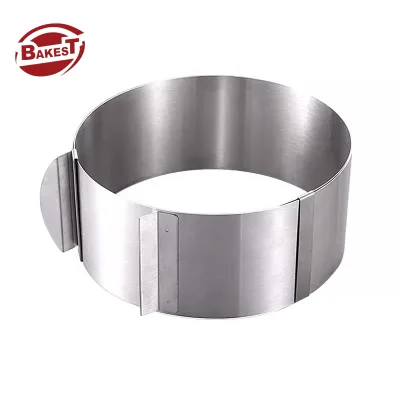
Manufactory Stainless Steel Baking Cake Mould Extendable Round Shape with Cutting Line
$2.00 - $20.00
MOQ: 500 Pieces
Huizhou Weiqi Trading Co., Ltd.
- Trading Company
- Guangdong, China
- Lead time0 days
- Avg. response≤ 3h
Main productsjewelry,DIY bag Accessories,Wedding supplies,Toys and hobbies.
Main marketsCentral America(50.00%), North America(20.00%), South America(20.00%), Eastern Asia(10.00%)

Shanghai Target Industry Co., Ltd.
- Verified by TUVRHEINLAND
- Combined
- China Shanghai
- Lead time30 days
- Avg. response≤ 6h
Main productsCake Production Machine, Biscuit Machine, Chocolate Machine, Candy Machine, Confectionery Machinery, Packing Machine, Marshmallow Machine, Candy&Biscuit&Chocolate Mould, Cookie Machine, Food Machine
Main marketsSoutheast Asia/ Mideast,North America



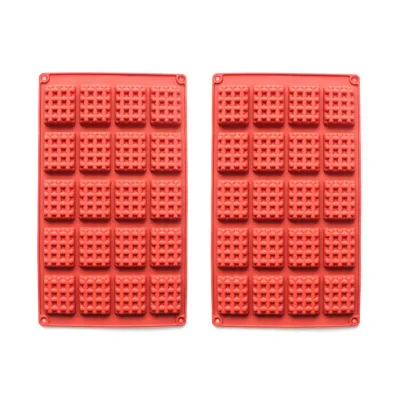
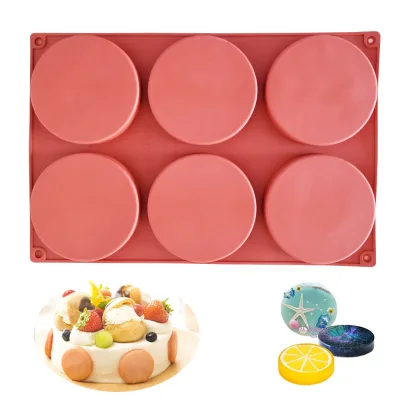


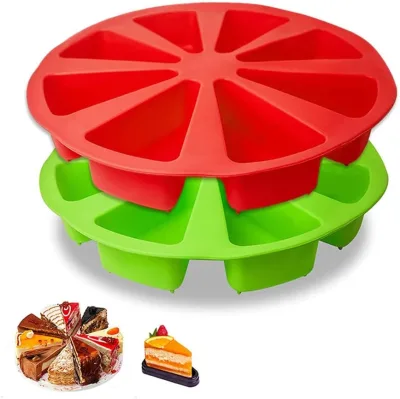
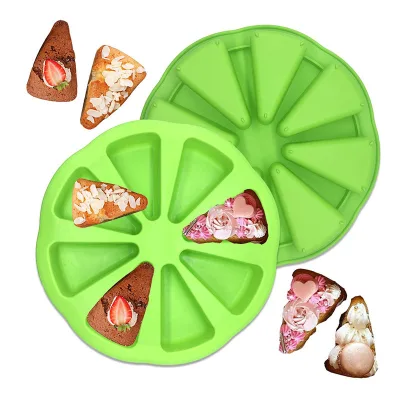
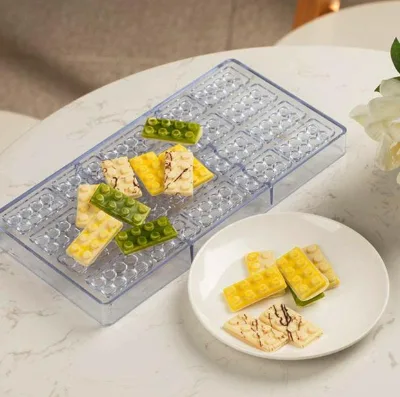
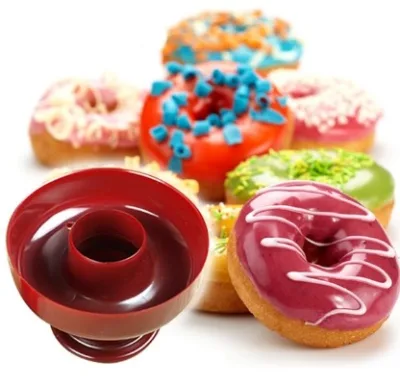
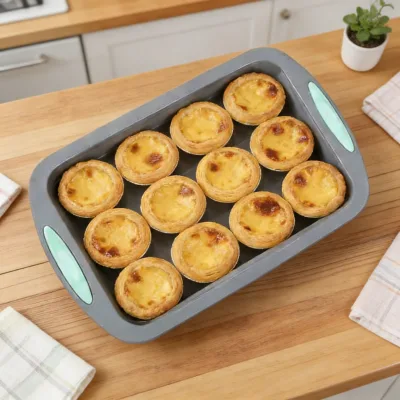








Comprehensive Sourcing Guide
Eco Friendly Pie Baking Mold Supplier Concentration and Factory Types
The current supplier landscape for eco-friendly pie baking molds reveals a distinct concentration of manufacturing and trading entities within Zhejiang, China. This regional clustering is significant because it indicates a mature supply chain ecosystem specialized in silicone and stainless steel kitchenware. Buyers observing results from this location can expect a high density of factories that possess the specific tooling and material expertise required for food-grade silicone production. The presence of both manufacturers and trading companies in this geographic area offers buyers a choice between direct factory engagement and the logistical convenience of a trading partner. Manufacturers typically provide deeper customization capabilities, such as OEM and ODM services, which are explicitly noted in product attributes for items like rectangular cake molds and donut trays. These factories often highlight features such as sustainability and non-toxic properties, aligning with the eco-friendly demand. Trading companies, on the other hand, may aggregate products from multiple sources, offering a broader catalog that includes stainless steel mesh leaks and vegetable choppers alongside baking molds. This diversity allows buyers to consolidate orders for various kitchenware items. However, the distinction between a pure manufacturer and a trading company is crucial for understanding pricing structures and communication efficiency. Buyers should verify the company type to ensure they are dealing with the actual source of production or a reliable intermediary. The concentration in Zhejiang suggests that logistics infrastructure is well-developed for exporting these specific goods, potentially reducing shipping complexities for international buyers. Understanding this geographic and structural landscape helps in setting realistic expectations for lead times and production capacity.
When evaluating the types of suppliers available, it is essential to look beyond the general location and assess the specific product focus. Many suppliers in this cluster specialize in silicone bakeware, including ice molds, pet supplies, and various cake tools. This specialization often translates to higher quality control and more competitive pricing for silicone-specific items compared to generalist kitchenware suppliers. The product evidence shows a strong emphasis on eco-friendly features, such as sustainable materials and non-toxic certifications, which are key selling points for modern buyers. Some suppliers also offer stainless steel utensils, indicating a hybrid capability that might appeal to buyers looking for durable, long-lasting baking tools. The availability of OEM/ODM services suggests that these factories are equipped to handle custom branding and design requirements, which is vital for private label buyers. However, not all suppliers may have the same level of customization capability, so buyers must inquire directly about their specific needs. The presence of trading companies adds another layer of complexity, as they may not have direct control over the manufacturing process but can offer better customer service and flexible order quantities. Buyers should carefully review the main products listed for each supplier to determine if their expertise aligns with their specific requirements for pie baking molds. This alignment ensures that the supplier has the necessary experience and equipment to deliver high-quality, eco-friendly products.
How to Verify Eco Friendly Pie Baking Mold Suppliers
Verifying the credibility of eco-friendly pie baking mold suppliers requires a multi-layered approach that goes beyond simple product listings. One critical step is to check for third-party verification badges, such as Intertek, which indicates that an independent agency has assessed the supplier’s operations. This verification provides a baseline level of trust regarding the supplier’s business legitimacy and operational standards. Buyers should prioritize suppliers who display such certifications, as they have undergone rigorous audits that cover quality management, social responsibility, and product safety. In addition to verification badges, buyers must scrutinize the product attributes closely to ensure they meet eco-friendly standards. Key attributes to look for include food-grade silicone material, non-toxic features, and sustainable manufacturing processes. The temperature range is another important factor, as high-quality silicone molds should withstand a wide range of temperatures, typically from -40°C to 230°C, without degrading or releasing harmful substances. Buyers should also verify the origin of the materials, ensuring that the silicone is sourced from reputable suppliers who adhere to environmental standards. Requesting material safety data sheets or test reports from the supplier can provide further assurance of product safety. These documents should confirm that the products are free from harmful chemicals like BPA, phthalates, and heavy metals.
Another vital aspect of verification is assessing the supplier’s responsiveness and communication efficiency. The response time is a key indicator of how quickly a supplier can address inquiries and resolve issues. A faster response time, such as two hours, suggests a dedicated customer service team that is likely to provide better support throughout the procurement process. Buyers should also evaluate the supplier’s ability to provide detailed product information, including dimensions, weight, and packaging details. Accurate and comprehensive product descriptions indicate a professional approach to business and reduce the risk of misunderstandings. Additionally, buyers should inquire about the supplier’s quality control processes, including how they inspect raw materials and finished goods. Asking for photos or videos of the production line can provide insight into the manufacturing environment and help assess the supplier’s commitment to quality. It is also advisable to check for any past complaints or negative feedback, although this may require access to external review platforms. Buyers should not rely solely on the information provided on the supplier’s profile but should conduct their own due diligence. This includes verifying the supplier’s business license and checking their registration details. By combining these verification steps, buyers can build a more accurate picture of the supplier’s reliability and capability.
What to Compare Across Eco Friendly Pie Baking Mold Suppliers
When comparing suppliers for eco-friendly pie baking molds, several key dimensions must be evaluated to ensure the best value and fit for your business. One of the most critical factors is the minimum order quantity (MOQ), which can vary significantly between suppliers. Some suppliers may offer an MOQ of just one unit, which is ideal for small businesses or those testing the market, while others may require orders of 1000 units or more. This difference can impact your inventory management and cash flow, so it is essential to align the MOQ with your sales volume and storage capacity. Another important factor is the price range, which can fluctuate based on order volume, customization requirements, and material costs. Buyers should compare the price per unit across different suppliers to identify the most cost-effective option. However, price should not be the only consideration; the quality of the product and the reliability of the supplier are equally important. Lead time is another crucial metric, as it determines how quickly you can receive your orders. Suppliers with shorter lead times, such as 15 days, can help you respond more quickly to market demands and reduce the risk of stockouts. In contrast, longer lead times, such as 45 days, may require more advanced planning and larger inventory buffers.
In addition to these operational metrics, buyers should compare the range of products and services offered by each supplier. Some suppliers may specialize in a narrow range of silicone bakeware, while others may offer a broader catalog that includes stainless steel utensils and other kitchen tools. This breadth of product offering can be advantageous if you are looking to consolidate your sourcing and reduce the number of suppliers you manage. Buyers should also evaluate the customization options available, such as the ability to customize colors, shapes, and packaging. Suppliers that offer flexible customization can help you differentiate your products in the market and meet specific customer preferences. The response time is another important factor to consider, as it reflects the supplier’s commitment to customer service. A supplier with a quick response time is more likely to be responsive to your inquiries and issues, leading to a smoother procurement experience. Buyers should also compare the supplier’s verification status and any certifications they hold, as these can provide additional assurance of quality and reliability. By systematically comparing these factors, buyers can make informed decisions that balance cost, quality, and service. This comprehensive approach ensures that you select a supplier that not only meets your immediate needs but also supports your long-term business goals.
Common Eco Friendly Pie Baking Mold Sourcing Risks
Sourcing eco-friendly pie baking molds from international suppliers involves several risks that buyers must proactively manage to ensure a successful procurement process. One significant risk is the potential for quality inconsistencies, particularly when dealing with suppliers who have high production volumes or limited quality control resources. Silicone products can vary in terms of texture, durability, and odor, which can affect the user experience and product reputation. Buyers should mitigate this risk by requesting samples before placing large orders to assess the physical properties of the molds. It is also important to verify that the silicone used is truly food-grade and eco-friendly, as some suppliers may use lower-quality materials that do not meet these standards. Another risk is the discrepancy between the product specifications listed online and the actual products delivered. This can occur due to errors in product descriptions or intentional misrepresentation by the supplier. To avoid this, buyers should carefully review the product attributes, such as dimensions, weight, and material composition, and compare them with the samples received. Clear communication with the supplier about your specific requirements can help minimize misunderstandings and ensure that the products meet your expectations.
Logistical risks are also prevalent in international sourcing, particularly regarding shipping delays and damage during transit. Silicone molds are relatively lightweight but can be bulky, which may affect shipping costs and handling. Buyers should work with suppliers who have experience in exporting to their target market and who can provide reliable shipping solutions. It is also advisable to purchase shipping insurance to protect against loss or damage during transit. Another risk is the potential for intellectual property infringement, especially if you are working with custom designs or private labels. Buyers should ensure that they have the necessary legal protections in place and that the supplier respects their intellectual property rights. Additionally, buyers should be aware of the regulatory requirements in their target market, such as food safety standards and labeling requirements, to ensure that the products are compliant. Failure to comply with these regulations can result in product recalls, fines, and damage to your brand reputation. By identifying and addressing these risks early in the sourcing process, buyers can reduce the likelihood of disruptions and ensure a smoother procurement experience. This proactive approach helps to build a more resilient supply chain and protects your business from potential liabilities.
Eco Friendly Pie Baking Mold Regional Sourcing and Logistics
The regional concentration of eco-friendly pie baking mold suppliers in Zhejiang, China, offers distinct advantages for logistics and supply chain management. This region is a major hub for silicone and stainless steel manufacturing, which means that buyers can benefit from a well-developed infrastructure for exporting these goods. The proximity of suppliers to major ports and logistics centers can reduce shipping times and costs, making it easier to manage inventory and fulfill orders. Buyers should leverage this geographic advantage by working with suppliers who have experience in international shipping and who can provide competitive freight rates. Additionally, the concentration of suppliers in this area facilitates easier communication and collaboration, as many suppliers operate in the same time zone and share similar business practices. This can lead to more efficient problem-solving and faster response times when issues arise. Buyers should also consider the environmental impact of their sourcing decisions, as Zhejiang is known for its focus on sustainable manufacturing practices. Many suppliers in this region are committed to reducing their carbon footprint and using eco-friendly materials, which aligns with the values of many modern consumers. By sourcing from this region, buyers can support sustainable practices while benefiting from the logistical efficiencies of a mature manufacturing cluster.
However, buyers must also be mindful of the potential challenges associated with regional sourcing, such as currency fluctuations and trade regulations. Changes in exchange rates can impact the cost of goods, so buyers should monitor these trends and consider hedging strategies to mitigate financial risk. Additionally, trade regulations and tariffs can vary depending on the destination country, so buyers should stay informed about any changes that may affect their imports. Working with suppliers who are familiar with international trade laws can help navigate these complexities and ensure smooth customs clearance. Buyers should also consider the environmental regulations in their target market, as some countries have strict standards for imported goods. Ensuring that the products
FAQs
What is the price range for eco friendly silicone baking molds?
Prices for eco friendly silicone baking molds typically range from $0.72 to $1.68 per unit. This variation depends on specific product features, size, and order quantity. Buyers should check individual listings for exact pricing tiers and minimum order requirements to secure the best value for their specific sourcing needs.
What is the minimum order quantity for these silicone molds?
Minimum order quantities vary significantly by supplier and product type. Some suppliers offer a low MOQ of just one piece for sampling, while others require bulk orders of 1000 units. Buyers must verify the specific MOQ for each product listing to ensure it aligns with their initial procurement strategy.
How long does production take for custom silicone baking molds?
Lead times for production generally range from 15 to 45 days. Faster turnaround times of around 15 days are available from some trading companies, while manufacturers may require up to 45 days. Buyers should confirm the exact lead time with the supplier before finalizing orders to manage inventory effectively.
Are these silicone molds safe for high-temperature baking?
Yes, these eco friendly silicone molds are designed to withstand temperatures ranging from -40°C to 230°C. This wide temperature range ensures safety for both freezing and baking applications. Buyers can confidently use these molds for various culinary tasks, knowing they are non-toxic and sustainable for food contact.
Where are these eco friendly baking molds manufactured?
These silicone baking molds are primarily manufactured in Zhejiang, China. This region is known for its robust manufacturing capabilities in kitchenware and silicone products. Buyers sourcing from this location can expect access to a wide variety of designs and competitive pricing due to the established industrial infrastructure in the area.
Do suppliers offer OEM or ODM services for these molds?
Many suppliers offer both OEM and ODM services for custom silicone baking molds. This allows buyers to create unique designs or brand their products with specific logos. Buyers should inquire about customization options, including color and shape, to ensure the final product meets their specific market requirements and branding goals.