Manual Lime Squeezer Suppliers and Manufacturers in China
Explore 30 verified suppliers offering manual lime squeezers with varying lead times, response speeds, and customization options. Buyers can compare locations in Zhejiang and Guangdong, material types like stainless steel and aluminum, and pricing ranges to select the right partner. Contact suppliers directly to request samples and confirm production details.
Updated
Suppliers List

Hangzhou Happyway Imp and Exp Co., Ltd.
- Verified by CTI
- Trading Company
- China Zhejiang
- Lead time30 days
- Avg. response≤ 5h
Main productsWine Tool, Wine Opener, Wine Stopper, Champagne Stopper, Ice Bucket, Dropstop Disc, Wine Aerator, Wine Box/Wine Tote
Main marketsSouth America,Europe,North America


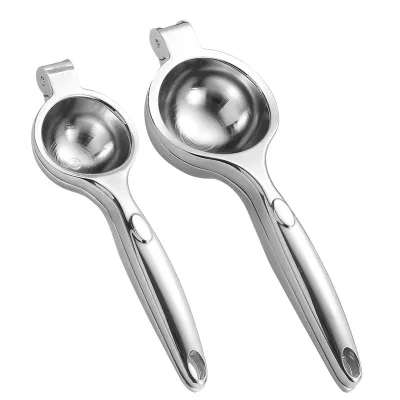
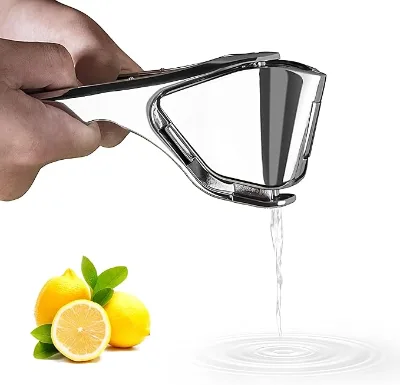
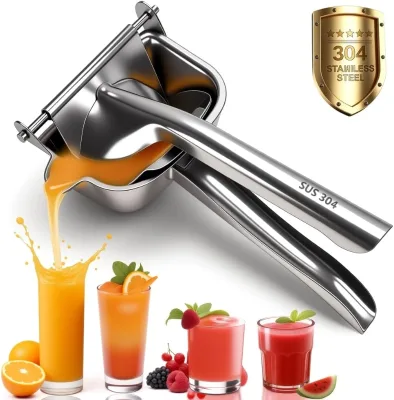
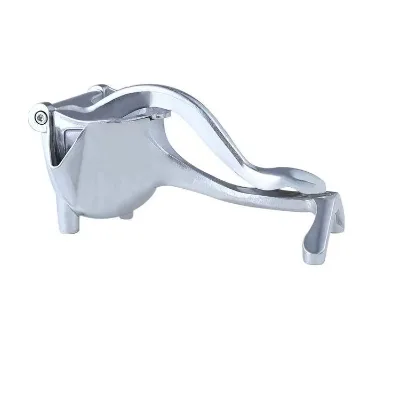
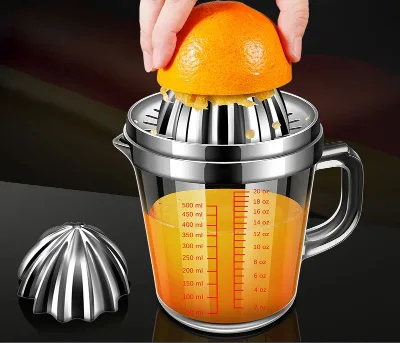
Stainless Steel Lemon Squeezer Manual Hand Press Citrus Juicer Lemon Lime Squeezer
$0.58 - $0.62
MOQ: 100 pieces

Stainless Steel Plastic Orange Citrus Press Juice Fruit Lime Manual Hand Lemon Squeezer Juicer
$1.10 - $1.20
MOQ: 100 pieces

$4.79 - $4.99
MOQ: 100 pieces

2 in 1 Easy Squeeze Manual Citrus Hand Juicer Stainless Steel Manual Lemon Juicer
$3.89 - $5.00
MOQ: 100 pieces

Eagle Catering Equipment Co., Ltd.
- Manufacturer/Factory
- China Guangdong
- Lead time30 days
- Avg. response≤ 12h
Main productsTrolleys, Gastronorm Containers, Table, Shelves, Sink, Barrier Post, Cookware, Buffetware, Barware, Kitchen Utensils
Main marketsSouth America,Eastern Europe,Mid East,North America,Southeast Asia,Eastern Asia,Oceania,Western Europe,Africa

Jiangmen Liyuan Household Goods Co., Ltd.
- Verified by SGS
- Combined
- China Guangdong
- Lead time30 days
- Avg. response≤ 6h
Main productsIce Scoop, Lemon Squeezer, Ice Shovel, Garlic Press, Walnut Clip, Meat Hammer, Egg Slicer, Rolling Pin
Main marketsDomestic,Europe

Ergonomic Manual Lime Squeezer for Comfortable Citrus Juicing Experience
$2.20 - $2.62
MOQ: 500 Pieces


Best-Selling Manual Lemon Squeezer, Lime Squeezer, Citrus Juicer for Kitchenware Use
$2.20 - $2.62
MOQ: 500 Pieces


Jiangmen Xinxin Houseware Co., Ltd.
- Verified by BV
- Trading Company,Manufacturer/Factory
- China Guangdong
- Lead time30 days
- Avg. response≤ 5h
Main productsLunch Box, Coffeeware, Kitchenware, Chafing Dishes, Gn Pan, Juice Dispenser, Trolley, Stock Pot, Bar Sets, Storages Box
Main marketsEastern Europe,Mid East,North America,Southeast Asia,Eastern Asia,Oceania,Western Europe

Premium Quality Stainless Steel Lemon Lime Squeezer Manual Citrus Press Manual Fruit Juicer
$3.95 - $4.45
MOQ: 600 pieces

Metal 2-in-1 Lemon Lime Squeezer - Hand Juicer Lemon Squeezer - Max Extraction Manual Citrus Juicer
$3.95 - $4.45
MOQ: 600 sets

Zinc Alloy Lemon Squeezer Citrus Juicer \ Manual Citrus Juicer Handle Press
$1.48 - $1.88
MOQ: 600 pieces
- Verified by SGS Group
- Trading Company
- Lead time20 days
- Avg. response≤ 10h
Main productsKitchenware, Coffee French Maker, Plastic Bento Box, Bamboo Wooden Kitchen Items, Ceramic & Glass Products
Main marketsNorthern Europe(20%), South Asia(20%), North America(10%)
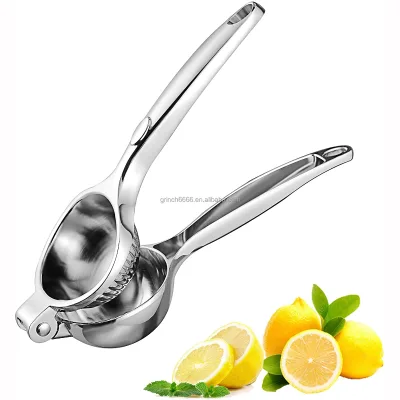
Citrus Squeezer Manual Lemon Squeezer Lime Hand Juice Squeezer Press Citrus Press Juicer Extractor
$1.00 - $5.00
MOQ: 1000 Minimum

OEM Stainless Steel Home Kitchen Lemon Lime Squeezer Juicer Manual Hand Press Tool
$1.0283 - $6.1699
MOQ: 2 Minimum


- Verified by SGS
- Manufacturer/Factory
- China Zhejiang
- Lead time38 days
- Avg. response≤ 5h
Main productsBar Mat, Ice Bucket, Cocktail Shaker, Barware, Jigger, Mug, Ss Cup, Bar Spoon, Strainer, Muddler
Main marketsSouth America,Eastern Europe,Mid East,North America,Southeast Asia,Eastern Asia,Oceania,Western Europe,Africa

Lemon Lime Squeezer Manual Hand Press Fruit Citrus Orange Juicer Squeezer for Canadian Club
$0.10 - $0.30
MOQ: 500 Pieces

Lemon Juice Squeezer Manual Lime Juice Crusher Handheld Lemon Squeezer Stainless Steel
$0.50 - $1.00
MOQ: 100 Pieces

Stainless Steel Lime Manual Fruits Juicer Kitchen Tools Lemon Squeezer for Carlton
$0.10 - $0.30
MOQ: 500 Pieces

$0.50 - $1.00
MOQ: 100 Pieces

$0.50 - $1.00
MOQ: 100 Pieces

Lemon Squeezer Metal Orange Squeezer Lemon Juicer Squeezer Manual Citrus Press Juicer for Kitchen
$0.50 - $1.00
MOQ: 100 Pieces
Ningbo Dazen Technology Co., Ltd.
- Trading Company
- Zhejiang, China
- Lead time45 days
- Avg. response≤ 7h
Main productsKitchen Supplies, Household Supplies, Children's Supplies, Cleaning Supplies, Bar Supplies
Main marketsWestern Europe(23.00%), North America(19.00%), South America(16.00%), Southern Europe(12.00%), Northern Europe(11.00%), Eastern Europe(11.00%), Eastern Asia(5.00%), Southeast Asia(3.00%)
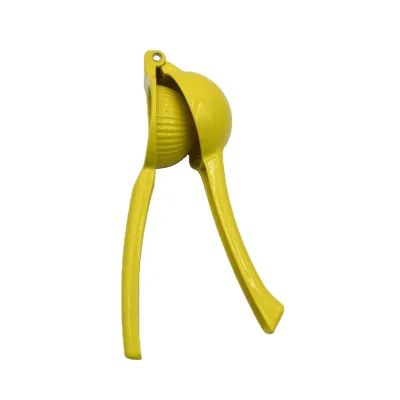
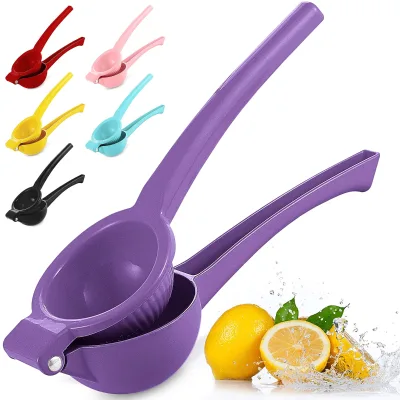
2024 Hot Sale Manual Lemon Squeezer Light Weight Lemon Squeezer Metal Lemon Lime Squeezer
$1.01 - $1.09
MOQ: 100 pieces
Jieyang Rongcheng Haojieyang Stainless Steel Products Factory
- Manufacturer
- Guangdong, China
- Lead time0 days
- Avg. response≤ 4h
Main productsFlatware Set/Fork Spoon Knife/Kitchenware/Barware/Tableware
Main marketsNorth America(24.00%), Domestic Market(15.00%), Western Europe(14.00%), Southern Europe(8.00%), Central America(8.00%), Northern Europe(6.00%), Oceania(5.00%), Eastern Europe(5.00%), Eastern Asia(4.00%), South Asia(3.00%), South America(3.00%), Mid East(3.00%), Southeast Asia(2.00%)
Ningbo Bright Commodity Co., Ltd.
- Trading Company
- Lead time旺季: "1 - 1000":60,"> 1000":"To be negotiated", 淡季: "1 - 1000":60,"> 1000":"To be negotiated"
- Avg. response≤ 10h
Main productscollapsible bbq prep tub,milk frother,collapsible bucket,Plastic Food Container,Plastic Storage Organizer

Taizhou Shangyi Plastic Co., Ltd.
- Verified by TUVRHEINLAND
- Trading Company
- China Zhejiang
- Lead time23 days
- Avg. response≤ 20h
Main productsFood Container, Storage Container, Lunch Box, Bento Box, Plastic Laundry Basket, Plastic Storage Container, Plastic Cutting Board
Main marketsSouth America,Southeast Asia/ Mideast


Manual Juicers Ceramic Citrus Orange Lemon Squeezer Hand Juicer for Fresh Juice
$0.46 - $0.50
MOQ: 5000 Pieces

Citrus Lemon Orange Juicer with Strainer, Lemon Manual Hand Squeezer with Handle
$0.38 - $0.40
MOQ: 5000 Pieces

Citrus Lemon Orange Grapefuit Juicer Manual Squeezer Hand Juicer Rotation Press with Strainer
$0.38 - $0.40
MOQ: 5000 Pieces

Food Safe Small Citrus Juicer, Citrus Orange Juicer, Lemon Manual Hand Squeezer
$0.38 - $0.40
MOQ: 5000 Pieces
Xianning Kunpeng E-Commerce Center
- Trading Company
- Hubei, China
- Lead time15 days
- Avg. response≤ 2h
Main productskitchenware,Home Storage & Organization,bathroom products,garden supplies,home decor
Main marketsNorth America(60.00%), Western Europe(20.00%), South America(5.00%), Africa(5.00%), Southeast Asia(5.00%), Eastern Europe(5.00%)

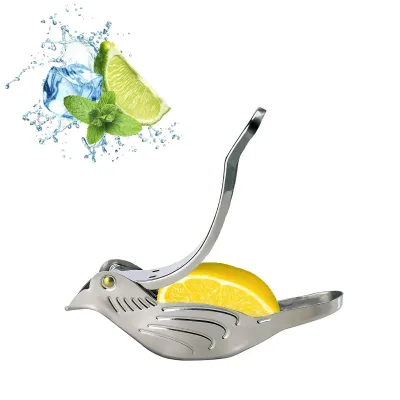
Hot Selling Metal Lemon Lime Squeezer Citrus Press Squeezer Portable Juicer Manual Fruit Juicer
$2.28 - $2.58
MOQ: 20 pieces


Changsha Chengtong Technology Co., Ltd.
- Verified by SGS
- Trading Company
- China Hunan
- Lead time15 days
- Avg. response≤ 6h
Main productsCutting Board, Vegetable Chopper, Measuring Cup, Milk Frother, Measuring Spoon, Vegetable Peeler, Kitchen Scissors, Knife Sharpener
Main marketsSoutheast Asia/ Mideast


Fashion Handheld Citrus Press Lemon and Lime Juice Maker Strainer Heavy Duty Lemonade Squeezer
$1.98 - $2.88
MOQ: 500 Pieces

OEM Factory Price Citrus Lemon Press Plastic Hand Held Lime and Lemon Squeezers Juicer
$0.58 - $0.88
MOQ: 500 Pieces


Ningbo Partner Leisure Products Co., Ltd.
- Trading Company
- Zhejiang, China
- Lead time0 days
- Avg. response≤ 8h
Main productspet supplies,cooker,kitchen accessories,egg incubator,storage box
Main marketsNorth America(80.00%), South America(15.00%), Eastern Europe(5.00%)

Jiangmen Pengjiang District Daosheng Stainless Steel Products Co. Ltd
- Verified by BV
- Combined
- China Guangdong
- Lead time23 days
- Avg. response≤ 6h
Main marketsDomestic

$2.86 - $6.45
MOQ: 30 Pieces

Daosheng Portable Fruit Squeezer for Lemon Hand Press Aluminum Alloy Manual Juicer
$2.86 - $6.45
MOQ: 30 Pieces
EGO Sourcing Hangzhou Co., Ltd.
- Verified by Intertek
- Trading Company
- Lead time20 days
- Avg. response≤ 3h
Main productsKitchen Gadgets, Cookware, Bakeware, Household Cleaning, Kitchen Storage
Main marketsWestern Europe(70%), South America(15%), North America(15%)
Yangjiang Golden View Economic Trading Co., Ltd.
- Verified by Intertek
- Manufacturer, Trading Company
- Lead time45 days
- Avg. response≤ 4h
Main productsKitchen Utensil, Bakeware, Ice Mold, Kitchen Gadgets, Baking Tools
Main marketsNorth America(35%), Oceania(15%), Western Europe(15%)

Yangjiang C&B Consumer Product Limited
- Verified by CTI
- Trading Company
- China Guangdong
- Lead time15 days
- Avg. response≤ 6h
Main productsBarbecue Tongs, Grilling Brushes, Outdoor Shovel, Grilling Tools, Kitchen Ware, Outdoor Products, Pizza Tools, Knife Set
Main marketsSouth America,Africa,Southeast Asia/ Mideast,Europe,Australia,North America

Manual Press Juicer Lemon Squeezer Orange Press Juice Handmade Fruit Juicer Squeezer
$0.40 - $0.43
MOQ: 1000 Pieces


Huangshan Auliz Industrial Co., Ltd.
- Verified by TUVRHEINLAND
- Trading Company
- China Anhui
- Lead time30 days
- Avg. response≤ 13h
Main productsSalt and Pepper Grinder, Coffee Mill, Wine Opener, Cutting Board, Oil Sprayer, Defrosting Tray, Cleaning Brush, French Press, Measuring Scoop, Plastic Funnel
Main marketsSoutheast Asia/ Mideast,East Asia(Japan/ South Korea),Domestic,Europe,Australia,North America

Lemon Orange Lime Squeezer Press Manual Juicer Stainless Steel Kitchen Bar Tool
$4.19 - $4.56
MOQ: 100 pieces

Professional Kitchen 304 Stainless Steel 2 in 1 Lemon Squeezer Manual Lemon Juice Squeezer
$5.25 - $5.60
MOQ: 100 pieces

Premium Stainless Steel Manual Lemon Squeezer Hot Sale Orange Juice Hand Press
$6.41 - $7.26
MOQ: 500 pieces

Changzhou Jinkun Food Machinery Co., Ltd.
- Verified by SGS
- Combined
- China Jiangsu
- Lead time15 days
- Avg. response≤ 3h
Main productsMeat Slicer, Bone Saw, Hamburger Press, Meat Mincer, Vegetable Cutter, Juicer Series, Meat Grinder, Sausage Machine, Machine Accessories
Main marketsSouth America,Europe

$20.00 - $30.00
MOQ: 1 Pieces

Lemon Squeezer Stainless Steel Multifunctional Hand Press Fruit Manual Orange Juicer
$20.00 - $30.00
MOQ: 1 Pieces

Factory Price Manual Orange Lemon Juicer Squeezer for Household and Commercial Use
$20.00 - $30.00
MOQ: 1 Pieces


Jinkun Manual Juicer - Efficient Fruit Squeezer 270*190*430mm Changzhou Made
$20.00 - $35.00
MOQ: 1 Pieces
Meizhou Meta San Metal Product Industries Co., Ltd.
- Verified by SGS Group
- Trading Company
- Lead time20 days
- Avg. response≤ 3h
Main productsKitchen Storage Rack, Bathroom Accessories, Metal Bracket, Buffet Stove, Garden Bicycle Shed
Main marketsNorth America(20%), Southeast Asia(15%), Eastern Europe(10%)
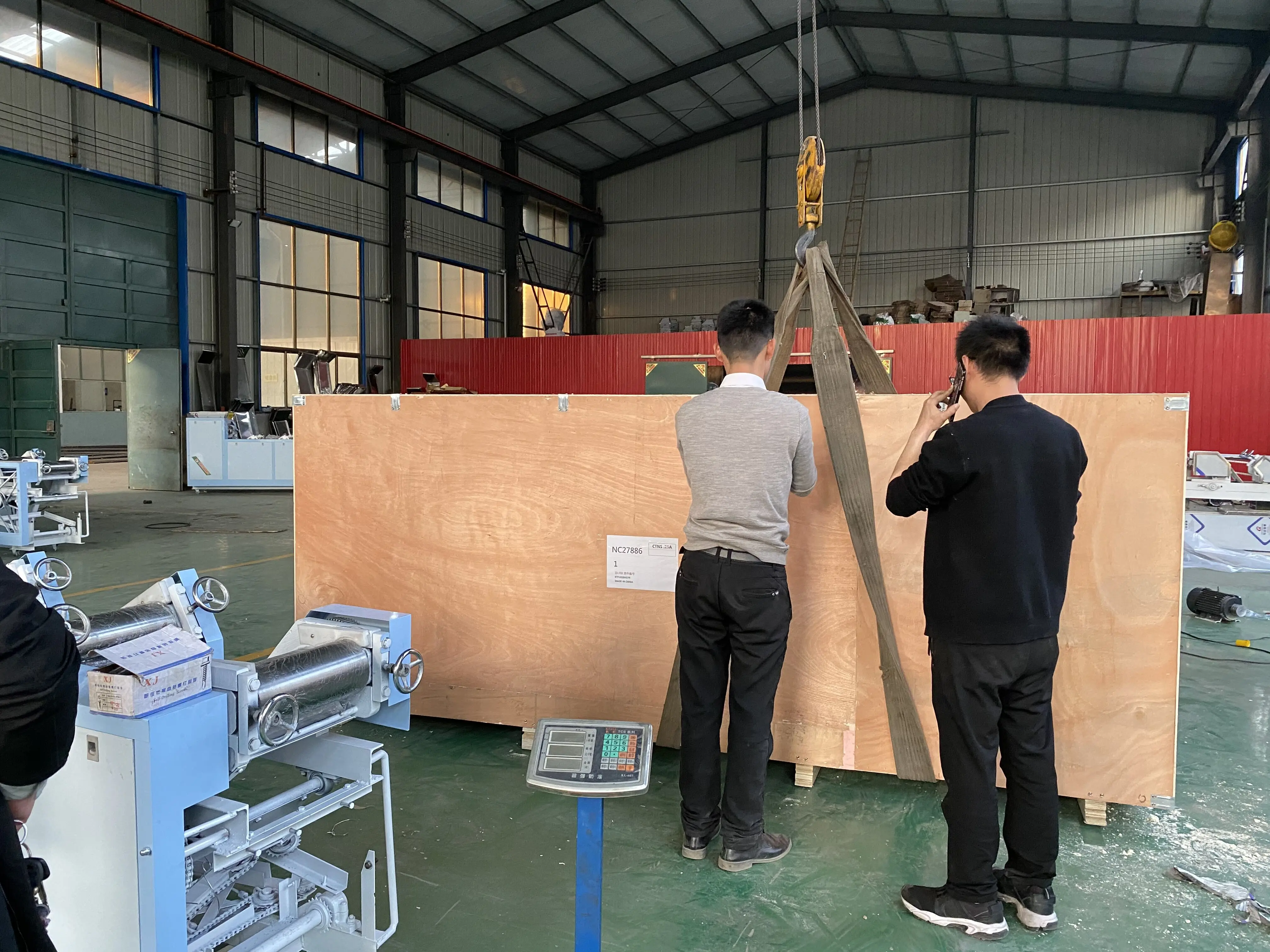
Xingtai Xiangwei Commercial Co., Ltd.
- Trading Company
- Hebei, China
- Lead time7 days
- Avg. response≤ 2h
Main productsDumpling Making Machine,Vegetable Cutting Machine,Meat Cutting Machine,Baozi Making machine,Vegetable Washing Machine
Main marketsNorthern Europe(12.00%), Oceania(11.00%), Eastern Asia(10.00%), North America(10.00%), South Asia(8.00%), Southern Europe(8.00%), Central America(8.00%), Western Europe(8.00%), Mid East(5.00%), Eastern Europe(5.00%), South America(5.00%), Domestic Market(5.00%), Southeast Asia(4.00%), Africa(1.00%)
Shenzhen Hanchuan Industrial Co,.Ltd
- Verified by Intertek
- Manufacturer, Trading Company
- Lead time3 days
- Avg. response≤ 3h
Main productsSilicone Baby Placemat, Silicone Ice Tray, Silicone Collapsible Lunch Box, Silicone BBQ Gloves, Silicone Baby Bib
Main marketsNorth America(40%), Western Europe(30%), Eastern Europe(10%)

- Verified by TUVRHEINLAND
- Trading Company
- China Zhejiang
- Lead time15 days
- Avg. response≤ 5h
Main productsHome, Kitchen, Outdoors, Garden, Sports, Travel, Pet Supplies
Main marketsNorth America


Manual Lemon Squeezer Easy Press Citrus Juicer with Sideways Pivot Leverage Ez28652
$1.90 - $2.20
MOQ: 100 Pieces
Shenzhen Nicebest International Import & Export Co., Limited
- Verified by TüVRheinland
- Trading Company
- Lead time2 days
- Avg. response≤ 5h
Main productsKitchen Tabletop, Bathroom Products, Home Decoraction
Main marketsNorth America(40%), South America(30%), Mid East(10%)

- Trading Company
- China Zhejiang
- Lead time30 days
- Avg. response≤ 14h
Main productsHome Appliance, Cookware Set, Thermos, Home Storage, Furniture, Pet Supplies, Garden Tools, Outdoor Supplies, Baby Supplies, Houesehold Items
Main marketsSouth America,Africa,Southeast Asia/ Mideast,East Asia(Japan/ South Korea),Domestic,Europe,Australia,North America

Stainless Steel Citrus Orange Juicer Lemon Lime Fruit Hand Squeezer Kitchen Tool
$2.83
MOQ: 1000 Pieces

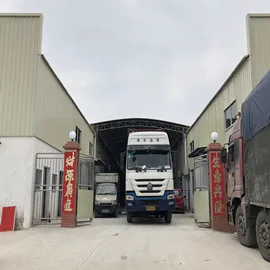
Yangjiang Echoes Industrial Co., Ltd.
- Trading Company
- Guangdong, China
- Lead time25 days
- Avg. response≤ 3h
Main productsKitchen Utensils,Nylon Kitchen utensils,Silicone Kitchen Utensils,Silicone Kitchen Gadgets,Nylon Kitchen Gadgets
Main marketsNorth America(30.00%), Northern Europe(12.00%), Southern Europe(9.00%), Southeast Asia(9.00%), Western Europe(8.00%), Africa(8.00%), Oceania(6.00%), Eastern Europe(6.00%), Mid East(5.00%), South America(3.00%), Eastern Asia(2.00%), South Asia(1.00%), Central America(1.00%)

- Verified by BV
- Trading Company,Manufacturer/Factory
- China Zhejiang
- Lead time23 days
- Avg. response≤ 5h
Main productsYoga Wear, Sports, Outdoor, Travel Gear, Kitchenwares, Homewares
Main marketsSouth America,Eastern Europe,Mid East,North America,Southeast Asia,Eastern Asia,Oceania,Western Europe,Africa


Heavy Duty Manual Lemon Squeezer Premium Quality Ideal for Cocktail Bl10315
$2.00 - $2.40
MOQ: 100 Pieces
Eagle Catering Equipment Co., Ltd.
- Verified by SGS Group
- Trading Company
- Lead time45 days
- Avg. response≤ 2h
Main productsTrolley, GN Pan, Stock Pot, Utensils, Kitchen Tools
Main marketsWestern Europe(35%), Eastern Europe(20%), North America(10%)

- Verified by TUVRHEINLAND
- Manufacturer/Factory
- China Zhejiang
- Lead time23 days
- Avg. response≤ 5h
Main productsOutdoor Furniture, Trampoline, Building, Camping, Houseware, Promotion, Clothes, Rope Light, Garden, Sourcing
Main marketsSouth America,Eastern Europe,Mid East,North America,Southeast Asia,Eastern Asia,Oceania,Western Europe,Africa

Yongkang Tiange Electric Co., Ltd.
- Verified by BV
- Combined
- China Zhejiang
- Lead time30 days
- Avg. response≤ 7h
Main productsBeverage Dispenser, Meat Grinder, Bone Saw, Ice Crusher, Ice Shaver, Juice Extractor, Ice Cube Machine, Fryer, Griddle, Mixer
Main marketsSouth America,Africa,East Asia(Japan/ South Korea),Domestic,North America



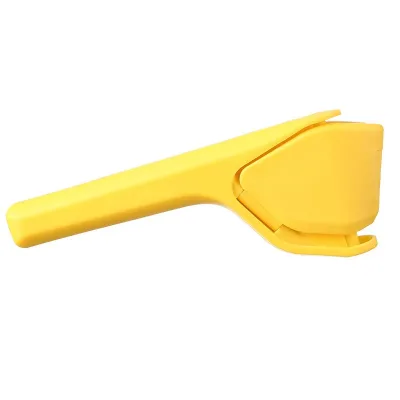
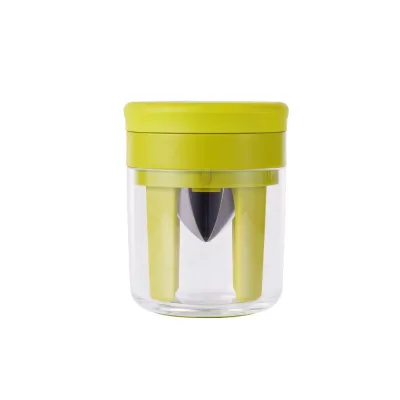




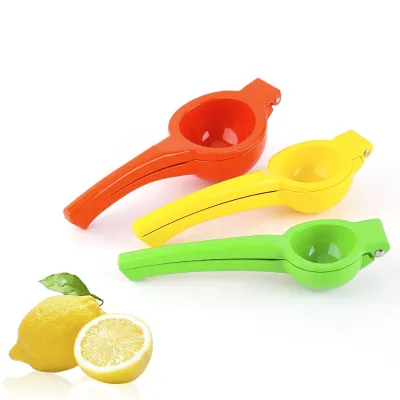
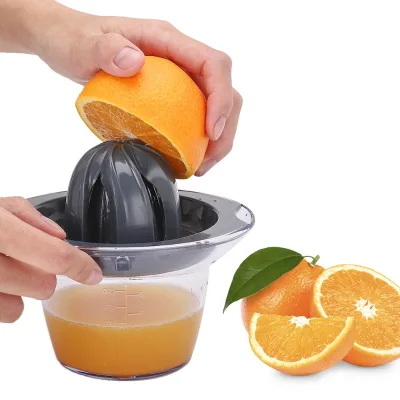

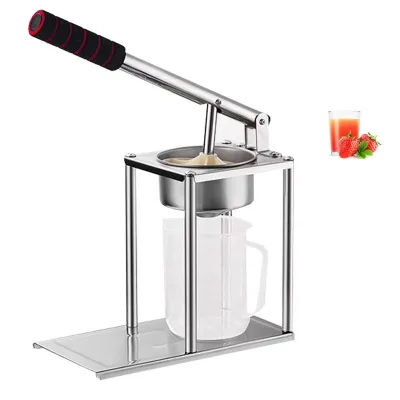

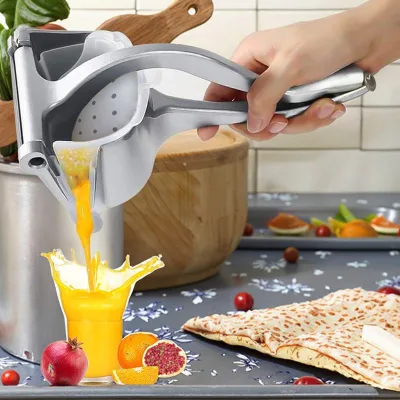


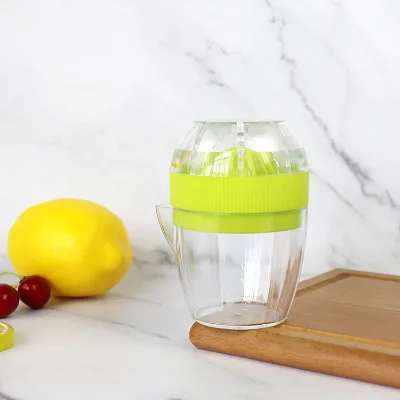

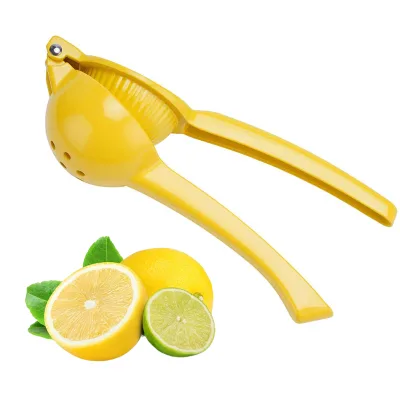



Comprehensive Sourcing Guide
Manual Lime Squeezer Supplier Concentration and Factory Types
The current supplier landscape for manual lime squeezers reveals a distinct geographic and structural split that buyers must navigate carefully. Evidence indicates that manufacturing capabilities are concentrated in specific Chinese provinces, with Zhejiang and Guangdong emerging as primary hubs for this category. Suppliers located in Zhejiang, China, are predominantly identified as trading companies rather than direct manufacturers. This structural distinction is critical because trading companies often aggregate products from various workshops, which can impact quality control consistency and communication efficiency. In contrast, suppliers based in Guangdong, China, are frequently listed as manufacturer/factory entities. These facilities typically possess direct production lines, allowing for greater control over material sourcing and assembly processes. The presence of OEM and ODM capabilities in Guangdong-based factories suggests a higher degree of customization flexibility for buyers seeking branded or specialized designs. Understanding this dichotomy between trading companies and direct factories is essential for aligning procurement strategies with operational needs, whether prioritizing variety and speed or direct manufacturing oversight and customization depth.
Beyond geographic location, the product portfolio of these suppliers offers further insight into their operational focus. Many Zhejiang-based trading companies list a broad array of wine tools, including openers, stoppers, and aerators, alongside citrus squeezers. This diversification suggests a focus on general kitchenware and bar accessories, potentially offering convenience for buyers sourcing multiple related items. Conversely, Guangdong-based manufacturers often specialize in commercial-grade equipment, listing main products such as trolleys, gastronorm containers, and buffetware. This specialization indicates a strong orientation toward the hospitality and food service sectors, where durability and commercial standards are paramount. The Manual Lime Squeezer, therefore, serves as a gateway product within these broader catalogs. Buyers evaluating these suppliers should consider not just the single item but the supplier’s overall expertise. A trading company might offer faster access to a wide range of complementary bar accessories, while a manufacturer might provide superior build quality for high-volume commercial use. This alignment of supplier type with product focus helps in selecting partners that match specific business models, whether retail distribution or commercial supply.
How to Verify Manual Lime Squeezer Suppliers
Verifying the legitimacy and capability of Manual Lime Squeezer suppliers requires a multi-layered approach that goes beyond surface-level listings. One critical step is examining verification badges and third-party audit results. For instance, some suppliers display CTI verification, which indicates that an independent inspection agency has assessed their business operations. This verification provides a baseline of trust regarding the company’s legal status and operational stability. However, verification alone does not guarantee product quality or manufacturing capacity. Buyers should look for additional indicators such as response times, which can reflect the responsiveness and professionalism of the sales team. A supplier with a response time of approximately 4.27 hours may offer more agile communication than one with a significantly longer delay, which is crucial for resolving issues during production or shipping. Additionally, checking for established capabilities like OEM and ODM services can confirm a supplier’s ability to handle custom orders. These capabilities are often explicitly stated in the supplier profile and serve as a proxy for their technical expertise and flexibility.
Another vital aspect of verification is assessing the transparency of product details and origin information. Suppliers should provide clear specifications regarding materials, such as stainless steel or aluminum alloy, and manufacturing origins, such as Zhejiang or Jiangmen. The presence of detailed product attributes, including model numbers and packing standards, indicates a mature supply chain. Buyers should also scrutinize the main products listed by the supplier to ensure alignment with their needs. A supplier listing wine tools as primary products might have less specialized expertise in citrus squeezers compared to one listing kitchen utensils and commercial equipment. Furthermore, verifying the company type, whether it is a trading company or a manufacturer, helps in understanding the supply chain structure. Trading companies may offer more flexibility in order sizes but might have less direct control over production. Manufacturers, on the other hand, often provide better pricing for large volumes and more direct communication regarding production issues. By combining verification badges, response metrics, and detailed product information, buyers can construct a comprehensive profile of each supplier’s reliability and suitability for their specific sourcing requirements.
What to Compare Across Manual Lime Squeezer Suppliers
When evaluating multiple suppliers for manual lime squeezers, buyers must systematically compare key operational metrics to identify the best fit for their business. Price is a primary differentiator, but it must be analyzed in conjunction with minimum order quantities (MOQ) and lead times. For example, some suppliers offer prices ranging from $0.58 to $0.62 per unit with an MOQ of 100 pieces, which is suitable for small-scale testing or niche markets. In contrast, other suppliers may have higher price points, such as $5.99 per unit, potentially reflecting higher material quality or commercial-grade construction. Comparing these price tiers helps buyers align their budget with their target market segment. Additionally, lead times vary significantly among suppliers, with some indicating a 30-day production window. This duration is crucial for inventory planning and ensuring timely delivery to customers. Buyers should also compare response speeds, as faster communication can mitigate risks associated with production delays or quality issues. A supplier with a quicker response time may be more reliable in handling urgent requests or modifications.
Beyond price and time, buyers should compare the customization options and material specifications offered by each supplier. Some suppliers explicitly state that customization is available, allowing for branded packaging or unique design features. The choice of material, such as stainless steel versus aluminum alloy, also impacts the final product’s durability and cost. Stainless steel options often command higher prices due to their longevity and aesthetic appeal, while aluminum alternatives may be more cost-effective for high-volume, low-cost applications. Furthermore, comparing the packaging details is essential, as some suppliers offer customized packing while others use standard export cartons. The origin of the product, whether from Zhejiang or Jiangmen, can also influence logistics costs and lead times. By creating a comparison matrix that includes price, MOQ, lead time, response speed, customization availability, material type, and packaging, buyers can make data-driven decisions. This structured approach ensures that all critical factors are considered, reducing the risk of selecting a supplier that appears attractive on one metric but fails in others.
Common Manual Lime Squeezer Sourcing Risks
Sourcing manual lime squeezers involves several inherent risks that buyers must proactively manage to ensure a smooth procurement process. One significant risk is the discrepancy between sample quality and bulk production. Since many suppliers are trading companies, they may not have direct control over the manufacturing process, leading to potential inconsistencies in material quality or finish. Buyers should always request physical samples before placing large orders to verify that the product meets their specifications. Another risk is the variability in lead times, which can be affected by raw material shortages or production bottlenecks. Suppliers with longer lead times, such as 30 days, may face delays if they are managing multiple orders simultaneously. Buyers should communicate clearly about delivery deadlines and include penalty clauses in contracts to mitigate this risk. Additionally, the lack of detailed product information in some listings can lead to misunderstandings regarding specifications. Buyers must ensure that all product attributes, such as material composition and dimensions, are explicitly confirmed in writing before production begins.
Communication barriers and cultural differences can also pose challenges, particularly when dealing with suppliers in different regions. Misinterpretations of design requirements or quality standards can result in defective products or rejected shipments. To mitigate this, buyers should establish clear communication channels and use detailed technical drawings or specifications. Another risk is the potential for hidden costs, such as shipping fees or customs duties, which can impact the final landed cost. Buyers should obtain comprehensive quotes that include all associated expenses to avoid budget overruns. Furthermore, relying on a single supplier can create vulnerability if that supplier faces operational issues. Diversifying the supplier base across different regions, such as Zhejiang and Guangdong, can help spread risk. Buyers should also verify the supplier’s financial stability and reputation through third-party reports or customer reviews. By identifying and addressing these risks early in the sourcing process, buyers can protect their interests and ensure a more reliable supply chain for manual lime squeezers.
Manual Lime Squeezer Regional Sourcing and Logistics
The geographic location of suppliers significantly impacts logistics costs, lead times, and overall supply chain efficiency for manual lime squeezers. Suppliers located in Zhejiang, China, are often positioned in a region with well-developed manufacturing infrastructure and access to major ports. This location can facilitate faster shipping times to international markets, particularly for buyers in North America and Europe. However, since many Zhejiang suppliers are trading companies, the actual manufacturing may occur in nearby workshops, adding an extra layer to the supply chain. In contrast, suppliers in Guangdong, China, benefit from a robust industrial ecosystem focused on commercial equipment and kitchenware. Guangdong’s proximity to major shipping hubs like Shenzhen and Guangzhou can offer competitive freight rates and efficient logistics networks. Buyers should consider the specific origin of the product, such as Jiangmen, when calculating logistics costs, as inland locations may incur additional transportation fees. Understanding these regional nuances helps buyers optimize their supply chain strategy.
Logistics planning must also account for packaging dimensions and weight, which vary by supplier and product type. Some suppliers provide detailed packaging information, such as carton dimensions and gross weight, which are crucial for calculating shipping costs and warehouse space requirements. For instance, a supplier might list packaging details like "Each in One Gift Box" with specific carton quantities, allowing buyers to estimate volume accurately. Buyers should request this information from all potential suppliers to ensure accurate freight quotes. Additionally, the choice of shipping method, whether by sea or air, depends on the urgency of the order and the total volume. Sea freight is more cost-effective for large orders but takes longer, while air freight is faster but more expensive. Buyers should align their shipping method with their inventory needs and customer demand patterns. Furthermore, considering the supplier’s location relative to the buyer’s market can help in selecting the most efficient logistics route. By carefully evaluating regional advantages and logistics details, buyers can minimize costs and ensure timely delivery of manual lime squeezers.
Manual Lime Squeezer Commercial Terms and Order Planning
Effective order planning for manual lime squeezers requires a thorough understanding of commercial terms and payment structures to protect buyer interests. Minimum order quantities (MOQ) are a critical factor, with some suppliers requiring as few as 100 pieces, while others may have higher thresholds. Buyers should align their order size with their MOQ to avoid excess inventory or production delays. Payment terms also vary, with some suppliers offering secure payment options like escrow services to ensure transaction safety. Buyers should prioritize suppliers who provide such protections to mitigate financial risk. Additionally, lead times must be factored into production schedules, with some suppliers indicating a 30-day turnaround. Buyers should plan their orders well in advance to accommodate these timelines and avoid stockouts. Clear communication regarding delivery dates and potential delays is essential for maintaining supply chain continuity. Buyers should also consider the supplier’s response time, as quicker communication can facilitate faster resolution of any issues that arise during the order process.
Customization options and branding requirements add another layer of complexity to commercial terms. Suppliers that offer customization, such as logo printing or custom packaging, may have additional costs and longer lead times. Buyers should confirm these details early in the negotiation process to ensure accurate pricing and scheduling. Furthermore, understanding the supplier’s return and warranty policies is crucial for managing quality issues. Buyers should inquire about the procedures for handling defective products and seek clarity on any associated costs. Additionally, buyers should evaluate the supplier’s ability to handle repeat orders and scale production as demand grows. Suppliers with established manufacturing capabilities, such as those in Guangdong, may be better positioned to handle larger volumes consistently. By carefully reviewing and negotiating commercial terms, including MOQ, payment security, lead times, and customization policies
FAQs
Where are manual lime squeezers manufactured?
Manual lime squeezers are manufactured in China, specifically in Zhejiang and Guangdong provinces. Suppliers in these regions offer various models including stainless steel and aluminum alloy options. Buyers can find products originating from cities like Jiangmen within these manufacturing hubs.
What is the minimum order quantity for these tools?
The minimum order quantity for manual lime squeezers is typically 100 pieces. Some suppliers may offer different packaging configurations, but the standard threshold for placing an order starts at this quantity. Buyers should verify specific MOQs for custom models.
How long does production take for these items?
Production lead time for manual lime squeezers is generally 30 days. This duration applies to standard manufacturing cycles before shipping. Buyers requiring faster turnaround should confirm specific timelines with the supplier as lead times can vary based on order volume and customization.
Are customization options available for these squeezers?
Customization is available for manual lime squeezers across various models. Suppliers offer options for customized packing, models, and standards to meet specific buyer requirements. Buyers can request tailored solutions for materials, colors, and branding directly through the supplier platform.
What materials are used for manual lime squeezers?
Manual lime squeezers are made from materials such as stainless steel, aluminum alloy, and plastic. These materials ensure durability and suitability for commercial or home use. Buyers can select specific materials based on their application needs and budget constraints.
What is the price range for these squeezers?
The price range for manual lime squeezers varies from 0.10 to 5.99 USD per unit depending on the model and material. Stainless steel and commercial-grade options often fall in the higher range, while basic plastic models are more affordable. Buyers should check current listings for exact pricing.
How quickly do suppliers respond to inquiries?
Supplier response times vary, with some responding within 4.27 hours and others taking up to 11.28 hours. Faster response times are common among trading companies and manufacturers in the region. Buyers should expect varying reply speeds depending on the specific supplier selected.
Are these products verified by third parties?
Some suppliers offering manual lime squeezers are verified by CTI, a third-party inspection agency. This verification adds a layer of trust regarding product quality and supplier reliability. Buyers should look for the CTI verification badge when selecting a supplier for their order.